

Introduction
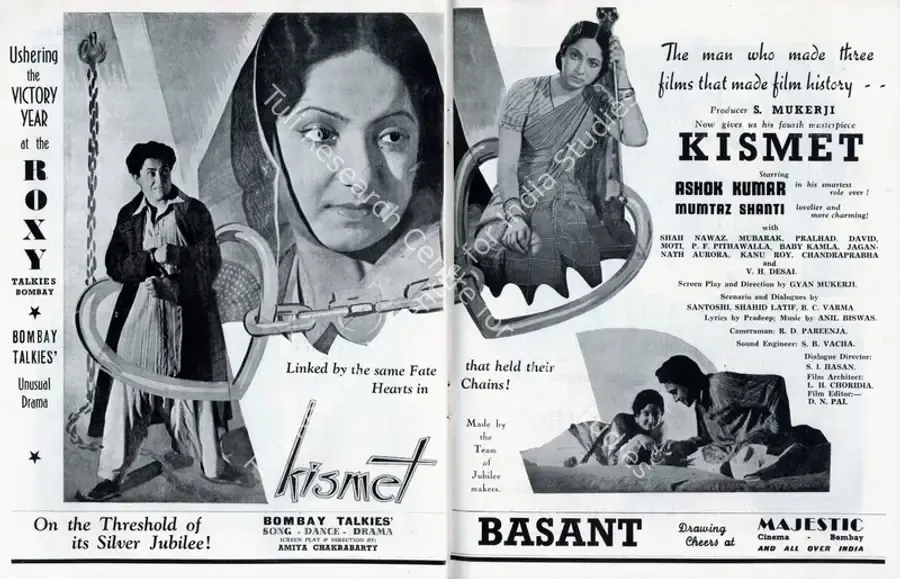
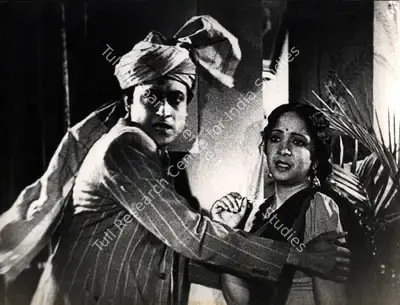
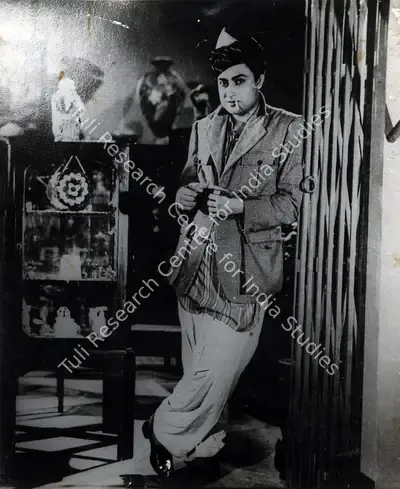
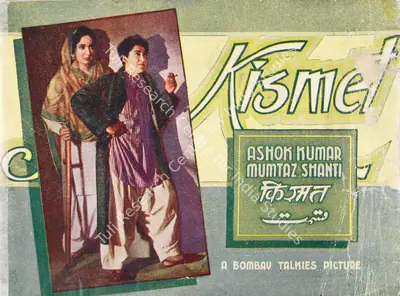
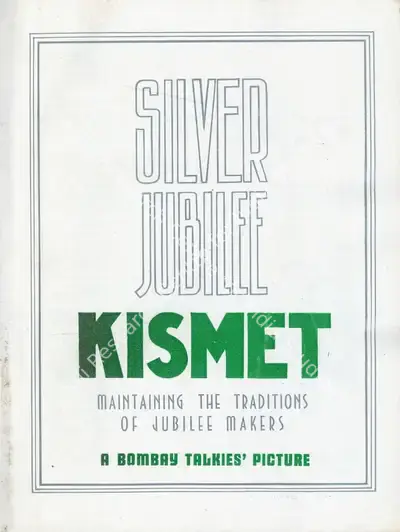
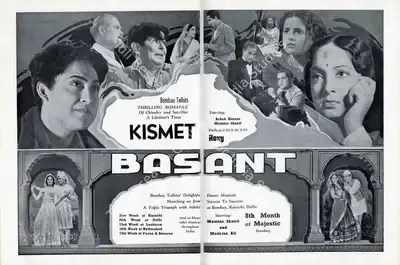
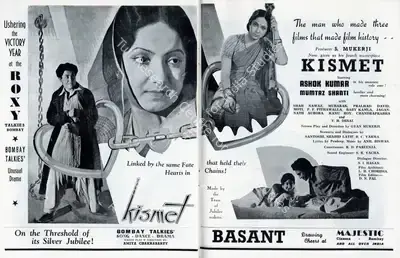
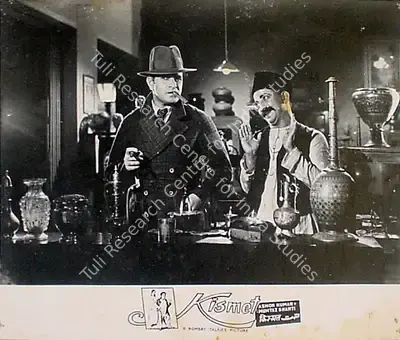
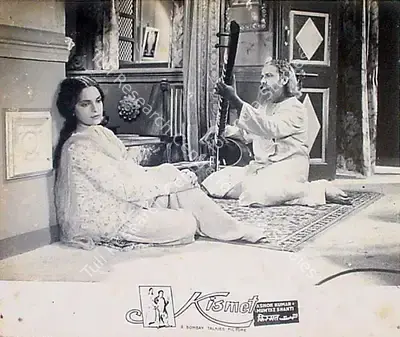
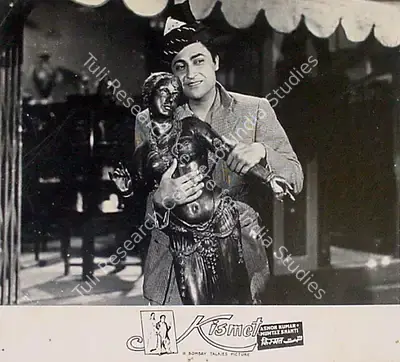
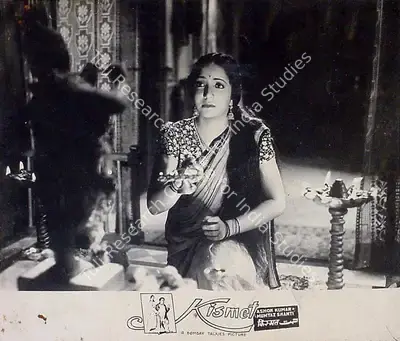
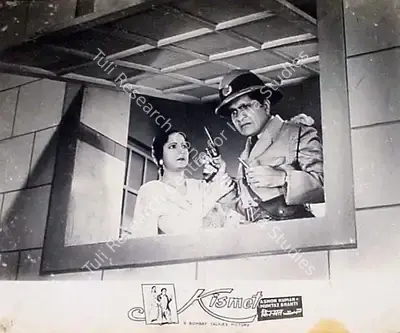
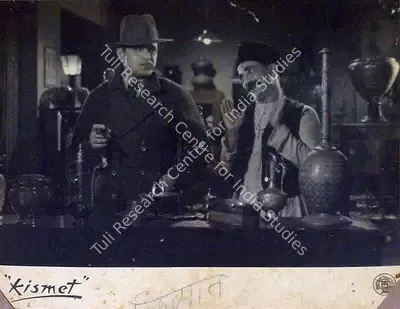
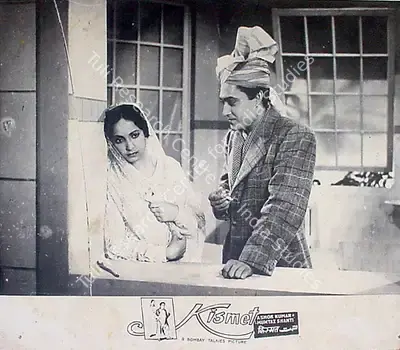
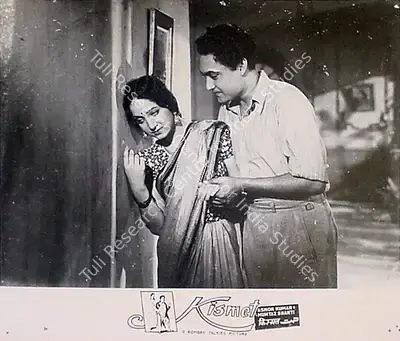
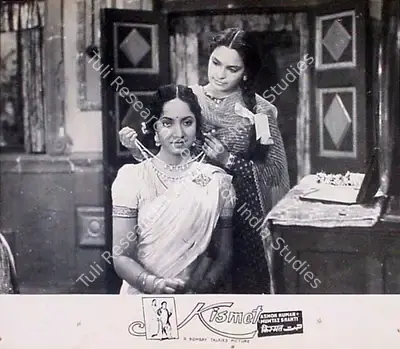
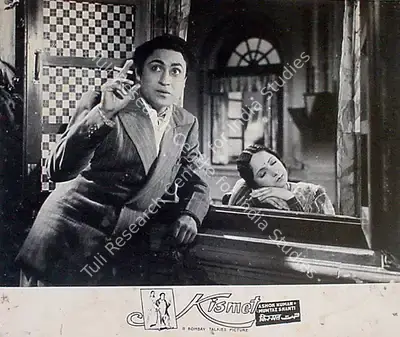
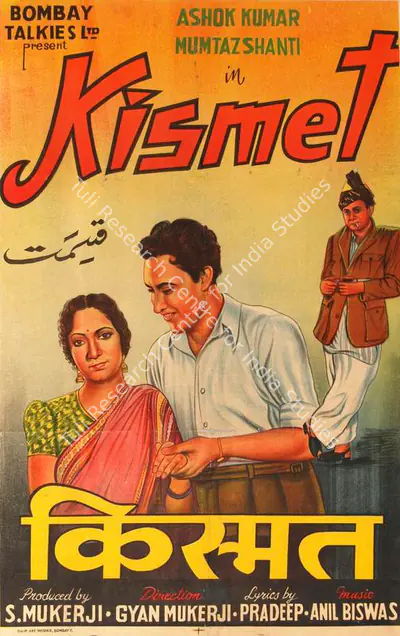
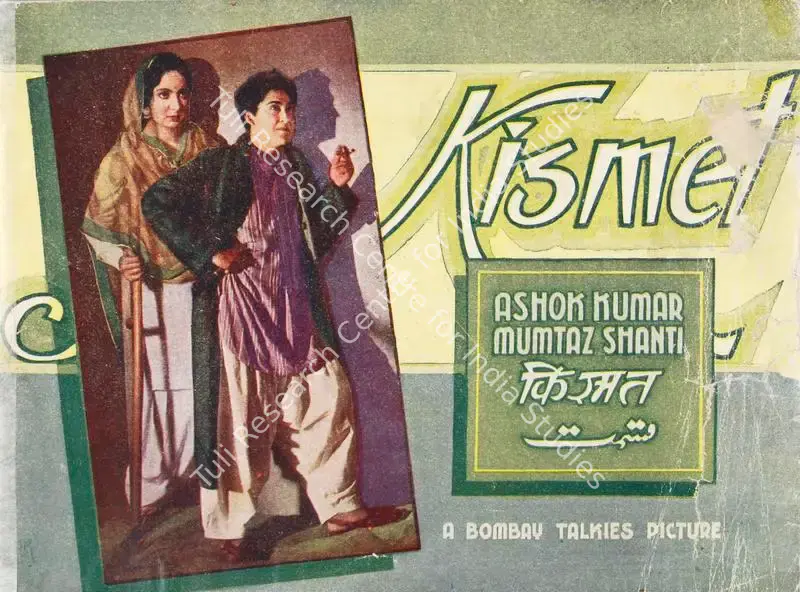
Kismet, directed by Gyan Mukherjee, was one of the earliest blockbusters of pre-Independence Hindi cinema, remembered for achieving the record-breaking box-office milestone of earning more than one crore rupees. The film revolves around Shekhar (Ashok Kumar), a charming but morally ambiguous thief who finds himself entangled in a series of events involving romance, deception, and redemption. As he grows close to a distressed theatre performer, Rani(Mumtaz Shanti), Shekhar grapples with his conscience, making choices that lead to an unexpected conclusion.
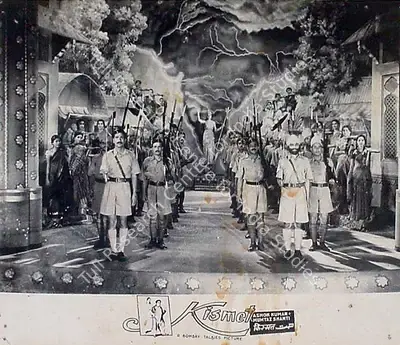
The film underscored cinema's role in India's quest for independence. Released during World War II and around six months after Mahatma Gandhi's call for the Quit India Movement, Kismet tapped into the patriotic fervour of the time, symbolising defiance against colonial rule. The song "Dur Hato Duniya Walon, Hindustan Humara Hai," written by Kavi Pradeep, became an anthem of resistance. Though ostensibly aimed at the Japan and Germany, its subtext, demanding British withdrawal from India, resonated deeply with audiences. The film's bold message slipped past colonial censors, igniting nationalistic fervour. The song was often played repeatedly at the film's screenings, as demanded by audiences of the time.
यह फ़िल्म इस बात की गवाह है कि कैसे सिनेमा ने भारत की आज़ादी के संग्राम में अपना योगदान दिया था। यह फ़िल्म जब रिलीज़ हुई तब द्वितीय विश्व युद्ध जारी था और महात्मा गांधी को “अंग्रेज़ों, भारत छोड़ो” का आह्वान किये लगभग छह महीने ही हुए थे। किस्मत ने अपने एक गीत में उस दौर के भारतीयों में खदबदाती औपनिवेशिक शासन के खिलाफ़ विद्रोह की भावनाओं को आवाज़ दी। कवि प्रदीप द्वारा लिखा गया गीत “दूर हटो ऐ दुनिया वालों, हिन्दुस्तान हमारा है” जनता के प्रतिरोध की मिसाल बन गया। हालाँकि ऊपर-ऊपर से गाने के बोल द्वितीय विश्व युद्ध में ब्रिटेन के खिलाफ़ खड़े जापान और जर्मनी जैसे धुरी राष्ट्रों को लक्ष्य करके लिखे गए थे, लेकिन इसका असल निहितार्थ भारत से ब्रिटिश शासन की समाप्ति की माँग था जिसे समझने में दर्शकों ने ज़रा भी देर नहीं लगाई। लेखन की इस चतुराई के चलते फ़िल्म का यह निडर आह्वान औपनिवेशिक सेंसर की चपेट में आने से बच गया और उसे सुनते ही आम नागरिकों में राष्ट्रवादी भावना ज़ोर मारने लगी। उस समय इस गाने की लोकप्रियता ऐसी थी कि फ़िल्म के प्रदर्शन के दौरान दर्शकों की मांग पर इस गाने को बार-बार बजाया जाता था।