
Introduction
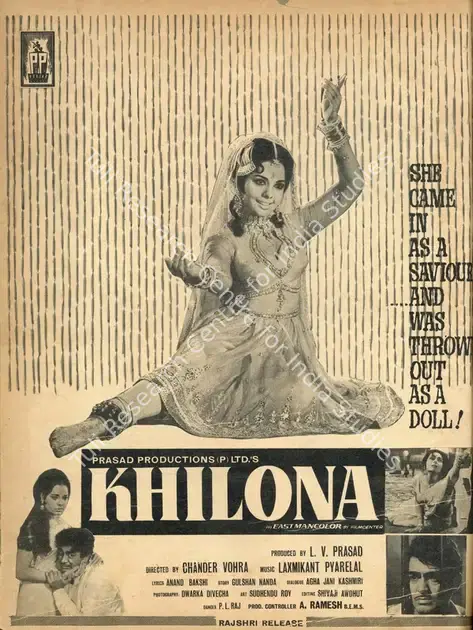
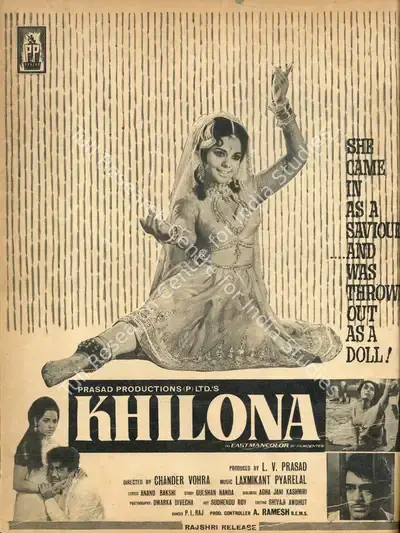
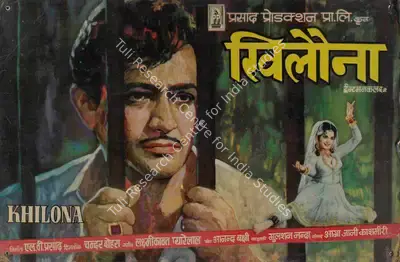
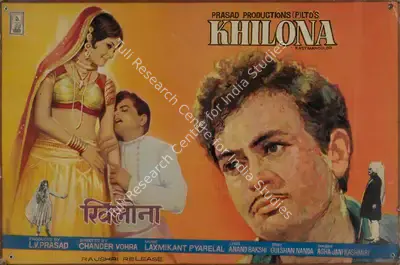
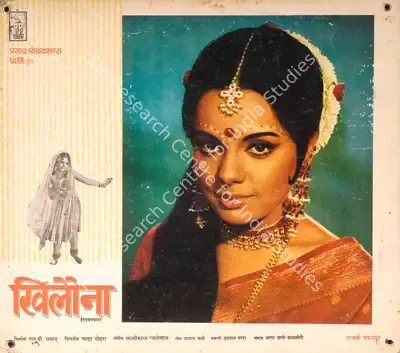
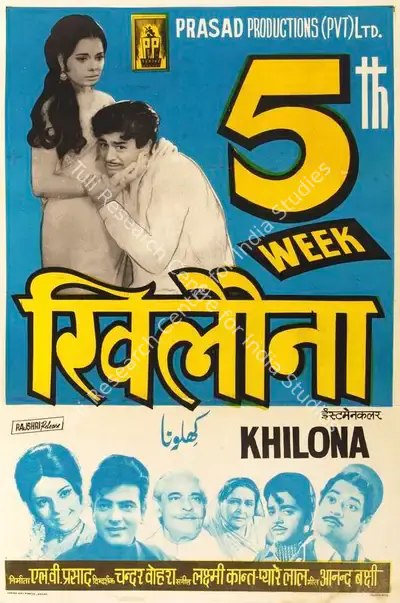
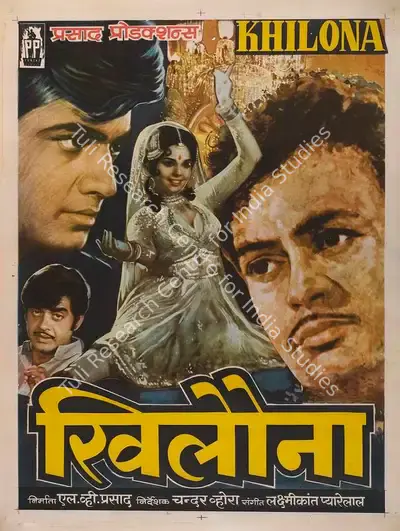
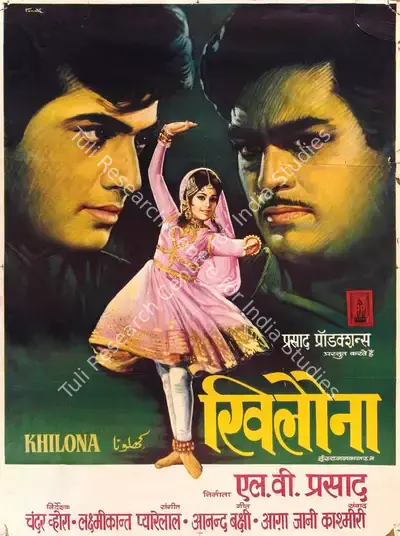
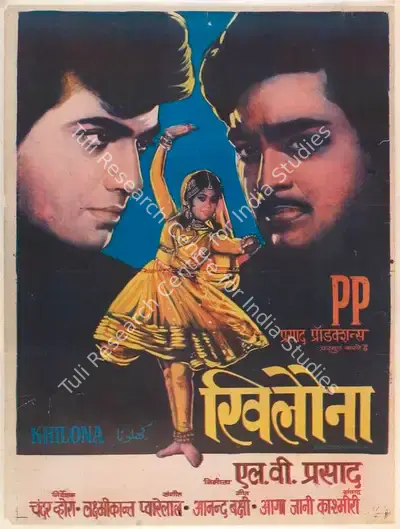
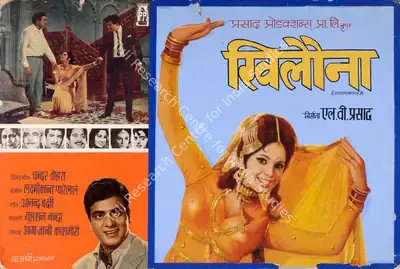
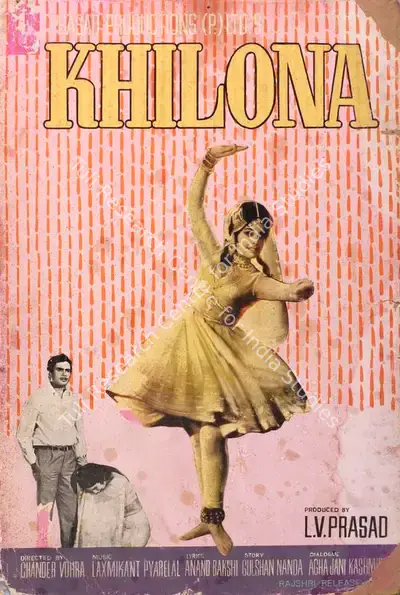
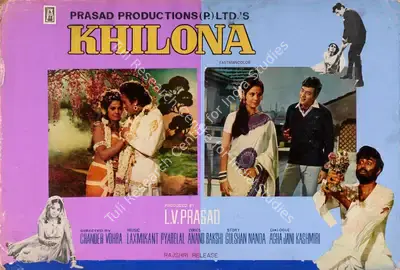
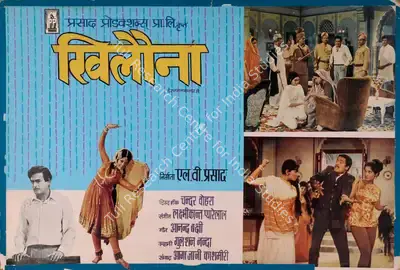
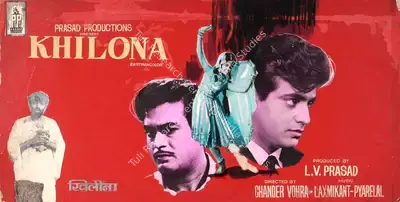
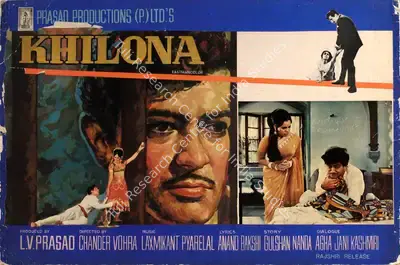
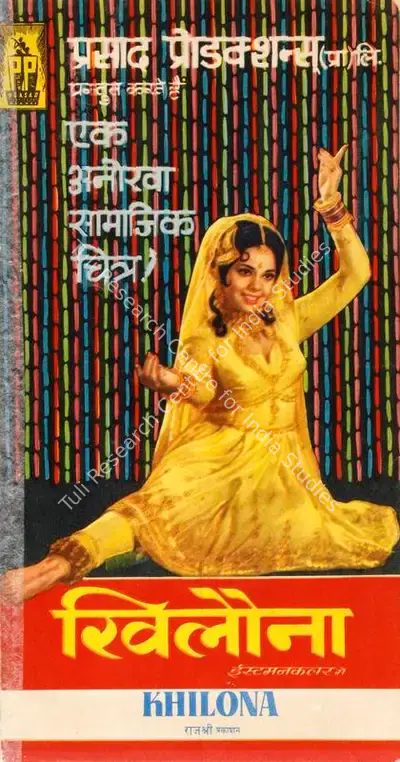
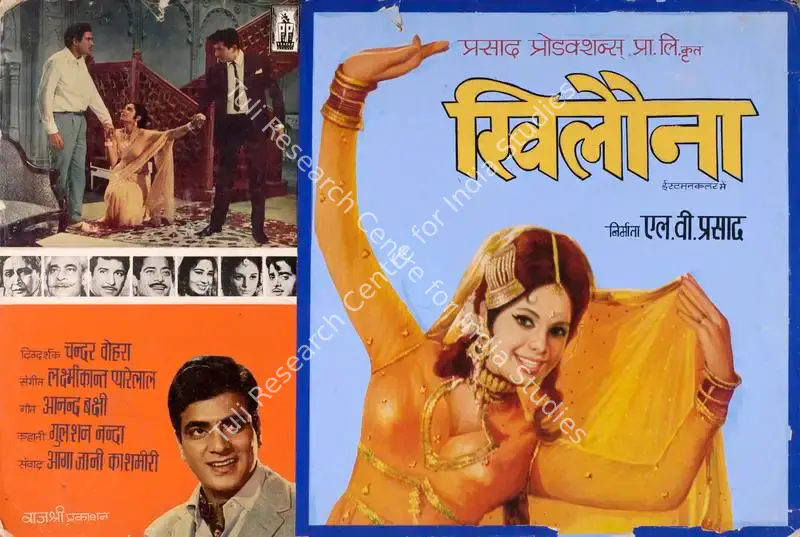
Khilona (1970) It is a landmark Hindi-language drama produced by L. V. Prasad and directed by Chander Vohra. Starring Sanjeev Kumar, Mumtaz, and Jeetendra in leading roles, the film emerged as one of the most acclaimed and commercially successful films of its era. Featuring a memorable musical score by the celebrated duo Laxmikant–Pyarelal, the film was officially declared a “Super Hit” by trade analysts and remains a significant work in mainstream Indian cinema. Khilona was officially based on Gulshan Nanda's novel Patthar Ke Honth, but it arrived on screen through a chain of regional film adaptations: Hence it was adapted from the Telugu film Punarjanma (1963) and was simultaneously remade in Tamil as Engirundho Vandhaal, while a Malayalam adaptation titled Amrithavaahini followed in 1976.
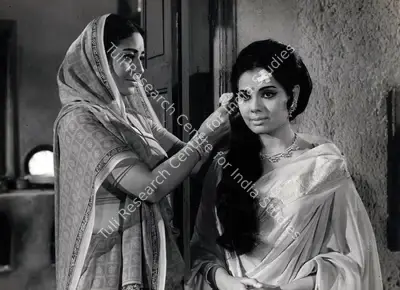
The narrative centres on Vijaykamal (Sanjeev Kumar), the psychologically disturbed son of the affluent Thakur Suraj Singh. Vijay's mental instability is triggered by the traumatic experience of witnessing his beloved Sapna marry another man, followed by her tragic suicide. In a desperate attempt to restore his son's sanity, Vijay's father persuades Chand (Mumtaz), a courtesan, to impersonate Vijay's wife. Despite enduring humiliation and social prejudice within the household, Chand gradually becomes instrumental in Vijay's emotional recovery, even after suffering grave personal injustice at his hands. Parallel to this, the opportunistic Bihari attempts to manipulate Vijay's younger sister for financial gain and personal ambition, but Chand courageously intervenes to protect the family. Ultimately, Vijay regains his mental stability, and Chand's sacrifices, dignity, and compassion earn her long-denied acceptance and respect.
The film is equally celebrated for its rich and enduring soundtrack, composed by Laxmikant–Pyarelal with lyrics by Anand Bakshi. Its music became immensely popular, particularly songs such as Khilona Jaan Kar Tum To and Khush Rahe Tu Sada, both rendered memorably by Mohammed Rafi. The soundtrack also featured notable contributions from legendary playback singers including Lata Mangeshkar, Asha Bhosle, Kishore Kumar, and Manna Dey, further enhancing the film's emotional and commercial appeal.
At the 18th Filmfare Awards in 1971, Khilona received widespread critical recognition, securing six nominations across major categories. The film won two of the ceremony's most prestigious honours: the Filmfare Award for Best Film and the Filmfare Award for Best Actress, awarded to Mumtaz for her widely acclaimed portrayal of Chand. Additional nominations included Best Actor for Sanjeev Kumar, Best Comic Actor for Jagdeep, Best Story for Gulshan Nanda, and Best Male Playback Singer for Mohammed Rafi for the iconic Khilona Jaan Kar Tum To.
Commercially, Khilona proved to be a major box-office triumph and ranked among the highest-grossing Hindi films of 1970. Released during a period dominated by leading stars such as Rajesh Khanna and Dev Anand, the film nevertheless established a distinct identity through its emotionally charged narrative, powerful performances, and memorable music. Its enduring popularity has since cemented its status as a classic of 1970s Hindi cinema.
कहानी धनी ठाकुर सूरज सिंह के मानसिक रूप से विक्षिप्त पुत्र विजयकमल (संजीव कुमार) के इर्द-गिर्द घूमती है। विजय की मानसिक अस्थिरता का कारण उसकी प्रेमिका सपना का दूसरे से विवाह और उसके बाद उसकी दुखद आत्महत्या का दर्दनाक अनुभव है। अपने बेटे को मानसिक रूप से स्थिर करने के लिए, विजय के पिता एक वेश्या चांद (मुमताज़) को विजय की पत्नी का रूप धारण करने के लिए मनाते हैं। घर में अपमान और सामाजिक भेदभाव सहने के बावजूद, चंद धीरे-धीरे विजय के भावनात्मक रूप से उबरने में महत्वपूर्ण भूमिका निभाती है, यहाँ तक कि विजय के हाथों हुए गंभीर व्यक्तिगत अन्याय के बाद भी। इसी बीच, अवसरवादी बिहारी आर्थिक लाभ और निजी महत्वाकांक्षा के लिए विजय की छोटी बहन का शोषण करने का प्रयास करता है, लेकिन चंद साहसपूर्वक हस्तक्षेप करके परिवार की रक्षा करती है। अंततः, विजय अपनी मानसिक स्थिरता प्राप्त कर लेता है, और चांद के बलिदान, गरिमा और करुणा से उसे लंबे समय से वंचित स्वीकृति और सम्मान प्राप्त होता है।
यह फ़िल्म अपने समृद्ध और सदाबहार संगीत के लिए भी उतनी ही प्रसिद्ध है, जिसे लक्ष्मीकांत-प्यारेलाल ने संगीतबद्ध किया था और आनंद बख़्शी ने गीत लिखे थे। इसका संगीत बेहद लोकप्रिय हुआ, विशेष रूप से 'खिलौना जान कर तुम तो' और 'खुश रहे तू सदा' जैसे गीत, जिन्हें मोहम्मद रफ़ी ने यादगार अंदाज़ में गाया था। संगीत एल्बम में लता मंगेशकर, आशा भोसले, किशोर कुमार और मन्ना डे जैसे दिग्गज पार्श्व गायकों का भी उल्लेखनीय योगदान था, जिसने फ़िल्म की भावनात्मक और व्यावसायिक अपील को और भी बढ़ा दिया।
1971 में 18वें फ़िल्मफ़ेयर पुरस्कारों में, खिलौना को आलोचनात्मक प्रशंसा मिली और इसे प्रमुख श्रेणियों में छह नामांकन प्राप्त हुए। फ़िल्म ने समारोह के दो सबसे प्रतिष्ठित पुरस्कार जीते: सर्वश्रेष्ठ फ़िल्म का फ़िल्मफ़ेयर पुरस्कार और सर्वश्रेष्ठ अभिनेत्री का फ़िल्मफ़ेयर पुरस्कार, जो चांद के उनके बेहद प्रशंसित किरदार के लिए मुमताज़ को दिया गया। अन्य नामांकनों में संजीव कुमार के लिए सर्वश्रेष्ठ अभिनेता, जगदीप के लिए सर्वश्रेष्ठ हास्य अभिनेता, गुलशन नंदा के लिए सर्वश्रेष्ठ कहानी और मोहम्मद रफ़ी के लिए सर्वश्रेष्ठ पुरुष पार्श्व गायक का पुरस्कार शामिल था, जिन्होंने अपने प्रतिष्ठित गीत "खिलौना जान कर तुम तो" के लिए यह पुरस्कार जीता था।
व्यावसायिक रूप से, खिलौना एक बड़ी बॉक्स ऑफ़िस सफलता साबित हुई और 1970 की सबसे अधिक कमाई करने वाली हिंदी फ़िल्मों में शुमार हुई। राजेश खन्ना और देव आनंद जैसे सितारों के दबदबे वाले दौर में रिलीज़ हुई इस फ़िल्म ने फ़िर भी अपनी भावनात्मक कहानी, दमदार अभिनय और यादगार संगीत के दम पर अपनी एक अलग पहचान बनाई। इसकी निरंतर लोकप्रियता ने इसे 1970 के दशक के हिंदी सिनेमा की एक क्लासिक फ़िल्म का दर्जा दिला दिया है।