

Introduction
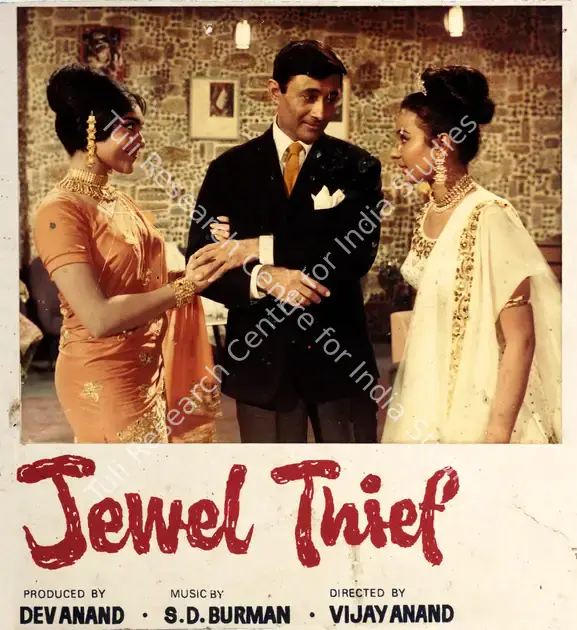
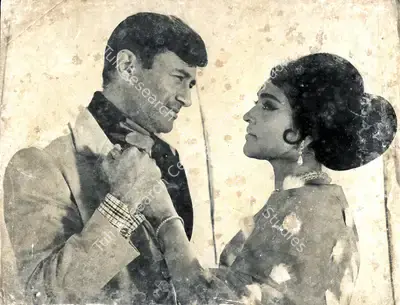
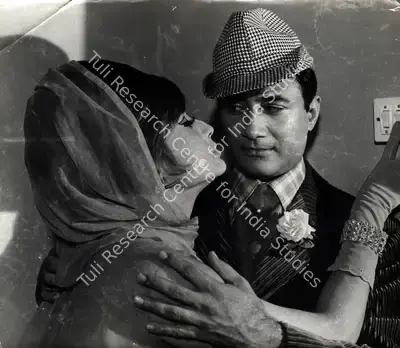
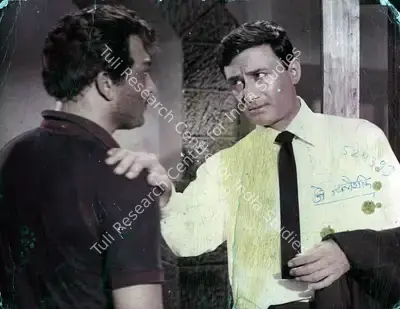
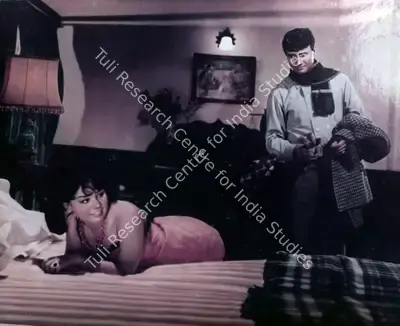
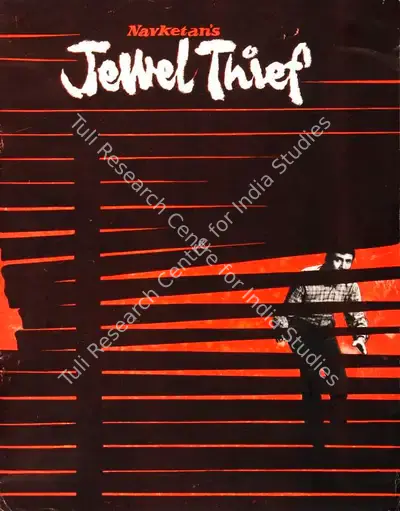
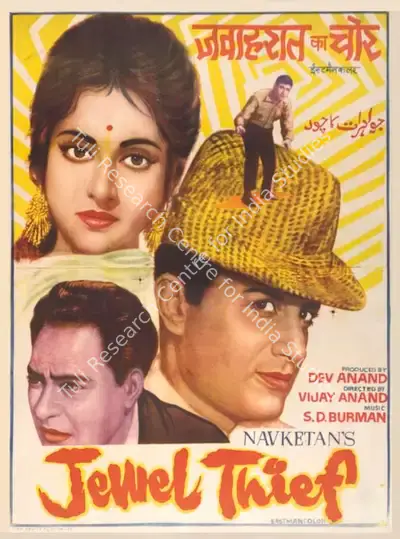
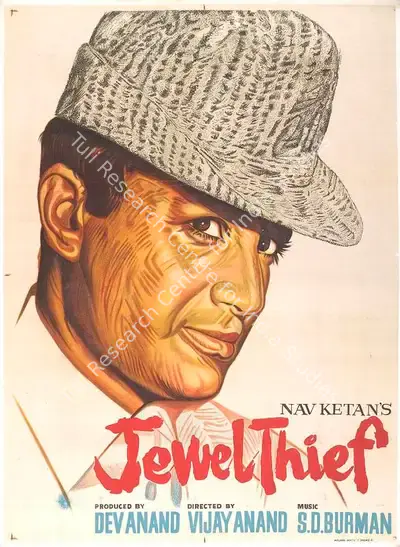
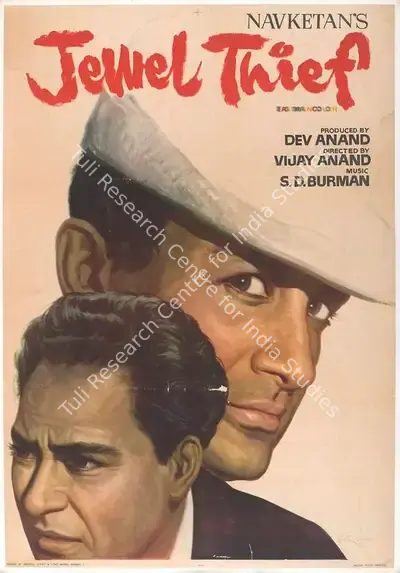
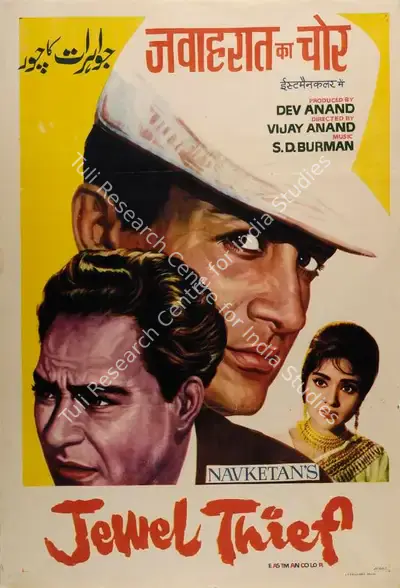
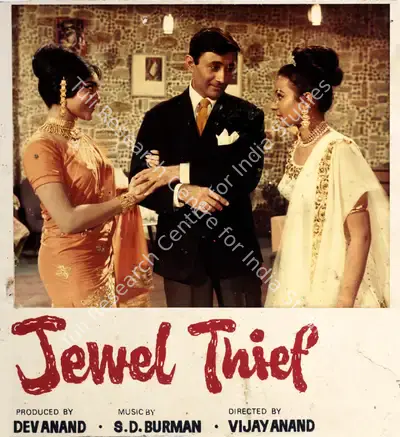
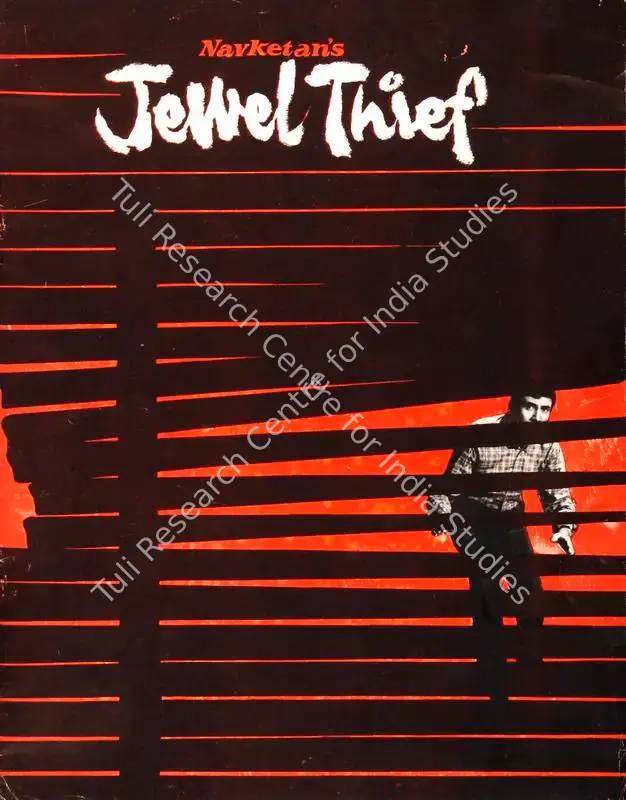
Jewel Thief is a suspense-thriller directed by Vijay Anand and starring Dev Anand, Vyjayanthimala, and Ashok Kumar. The plot centres around Vinay (Dev Anand), a charming young man mistaken for a notorious jewel thief named Amar. As he is drawn into the investigation, Vinay navigates a maze of deceit, romance, and danger to clear his name. The film is known for its gripping narrative and iconic soundtrack by S.D. Burman, featuring songs like "Yeh Dil Na Hota Bechara" and "Raat Akeli Hai”.
Set against the backdrop of 1960s India, Jewel Thief reflects the country's evolving cultural landscape. By 1967, India was grappling with its post-independence identity, moving from the socialist ideals of earlier cinema to a more materialistic and individualistic ethos. Jewel Thief mirrors this shift, presenting a world of luxury, westernized fashion, and fabulous interiors, while subtly critiquing the allure of wealth and materialism. The film's implicit connection between wealth and moral decay serves as a commentary on the dangers of embracing Western ideals without preserving traditional values. Its clever integration of genre elements with a socially aware subtext contributed to its enduring impact in Indian cinema.
ज़्वैल थीफ़ में 1960 के दशक के बदलते भारत की तस्वीर दिखती है। 1967 के भारत का सांस्कृतिक चेहरा तेज़ी से बदल रहा था। आज़ादी के बाद के पहले दशक का सिनेमा जिन समाजवादी आदर्शों पर चला, उनसे अलग हटते हुए कहानियों में अधिक भौतिकवादी और व्यक्तिवादी लोकाचार सर उठा रहे थे। सामाजिक मूल्यों में आ रहा ये बदलाव ज़्वैल थीफ़ में खूब दिखाई देता है। यहाँ विलासिता है, पश्चिमी फ़ैशन की चकाचौंध है और पैसे की चमक-दमक से भरी दुनिया की तस्वीर है। लेकिन फ़िल्म बड़ी बारीक़ी से इस पैसे की चकाचौंध और वस्तुओं के आकर्षण की आलोचना भी पेश करती है। यहाँ अपार दौलत और मूल्यों के पतन के बीच सीधा संबंध दिखाया गया है जिसके ज़रिये फ़िल्म पारम्परिक मूल्यों को संजोये बिना पश्चिमी रंग में डूब जाने से जुड़े खतरों के प्रति आगाह करती है। बड़ी होशियारी से फ़िल्म रहस्य और रोमांच से भरपूर कथा में एक सामाजिक जागरुकता का पाठ भी जोड़ देती है। कथा कहने में इस चतुर संयोग का भारतीय सिनेमा में दूर तक प्रभाव महसूस किया गया।