Introduction
Himanshu Rai (1892 – 16 May 1940) He was an early actor, director, and studio organiser whose work contributed to the emergence of a structured film industry in India. Born into an aristocratic Bengali family, he spent part of his formative years at Santiniketan, which linked him to the wider cultural environment shaped by Rabindranath Tagore and other figures associated with the Bengal Renaissance. This background influenced both his artistic choices and his interest in cross-cultural collaboration.
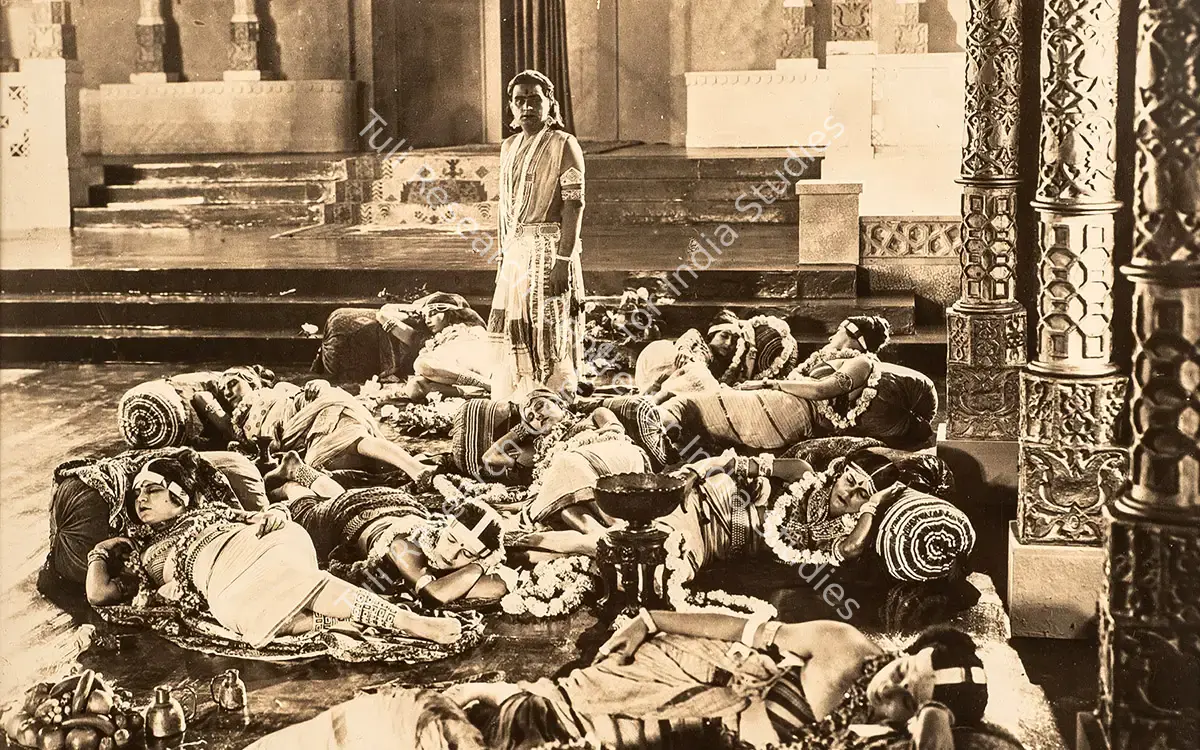
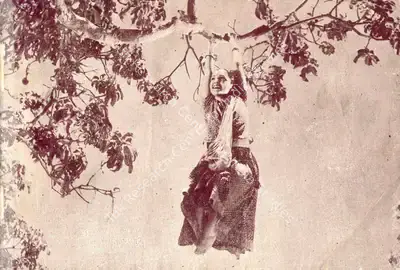
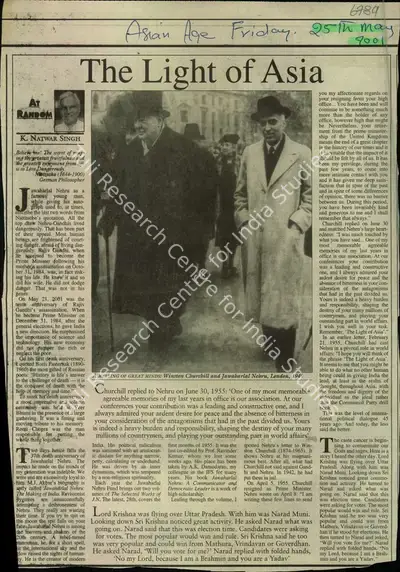
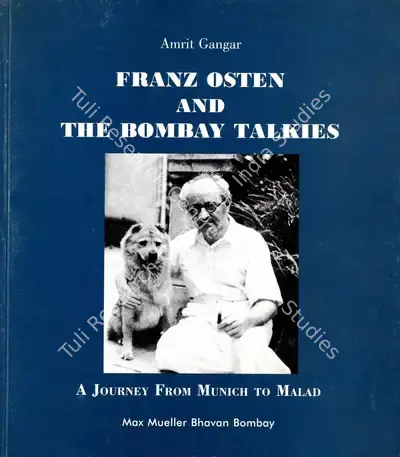
Rai's early film work included roles in Goddess (1922), The Light of Asia (1925), Shiraz (1928), A Throw of Dice (1929), and Karma (1933). These projects were produced through partnerships with European directors and technicians such as Franz Osten and Himansu Bhat, placing him among the small group of Indian filmmakers working within Indo-German and Indo-British co-production networks of the 1920s. His participation in these films connected him with contemporaries like Niranjan Pal and the Himanshu Rai–Franz Osten collaboration that preceded the formation of a formal studio system in India.
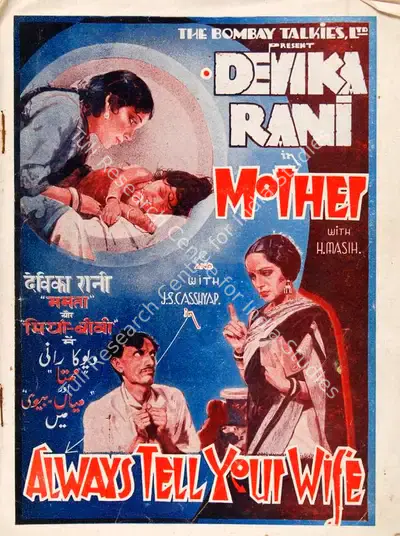
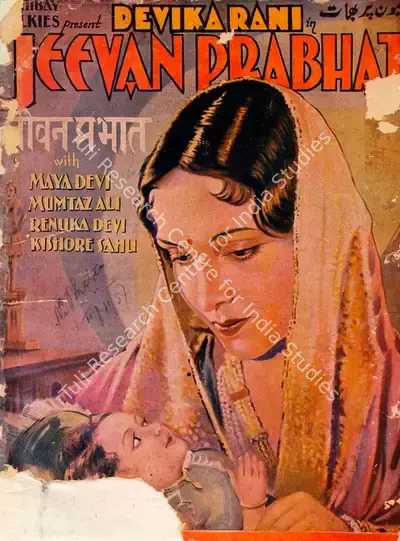
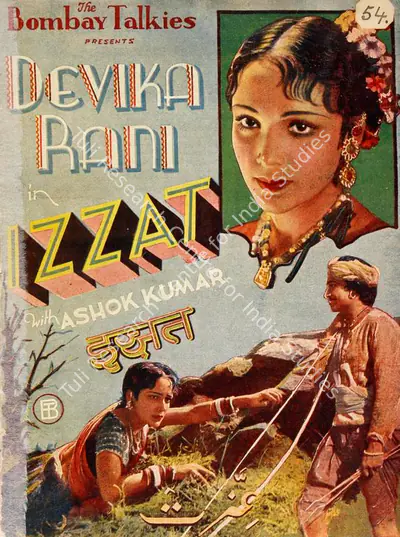
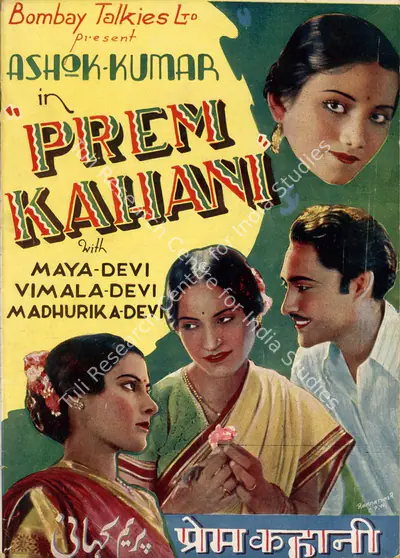
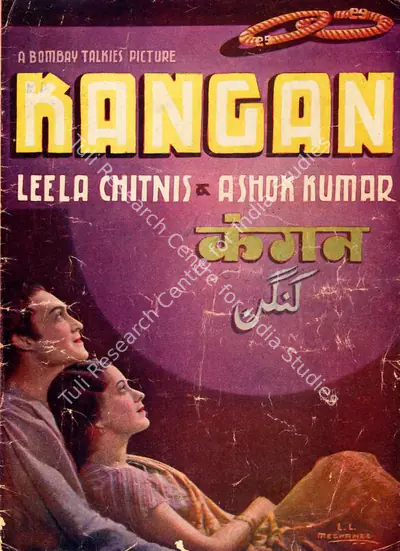
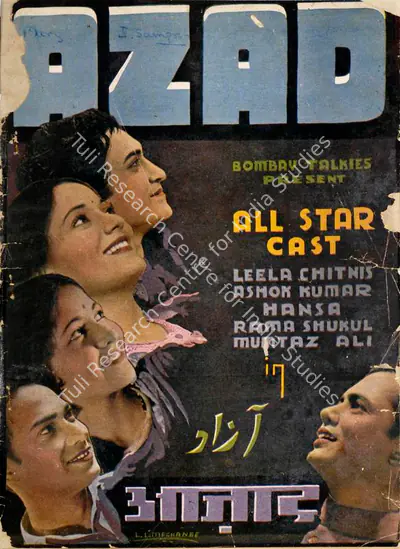
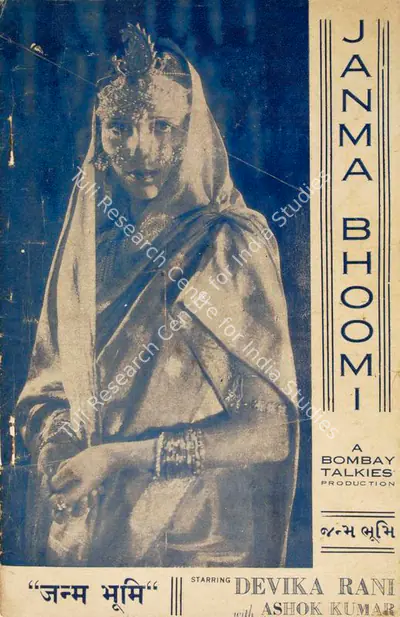
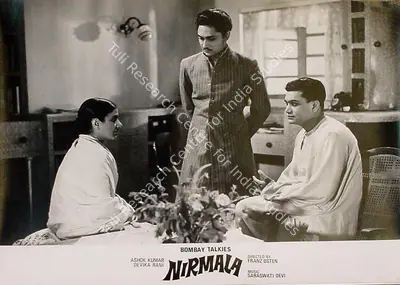
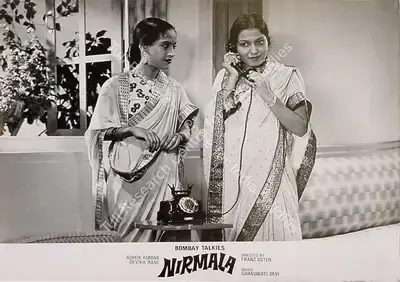
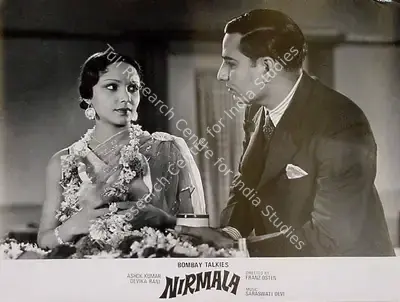
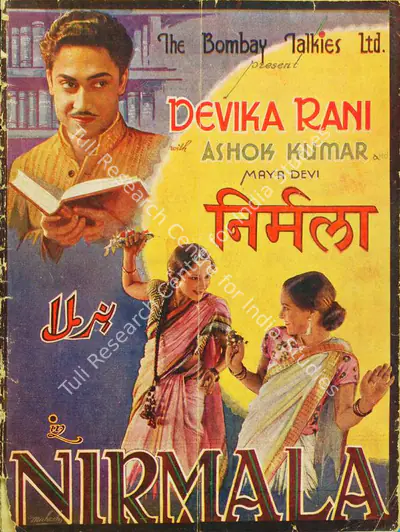
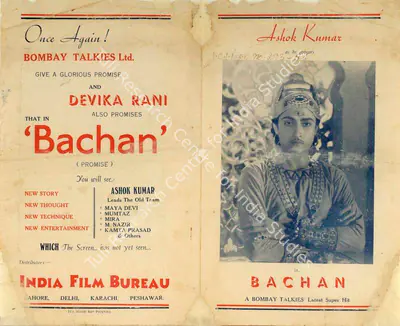
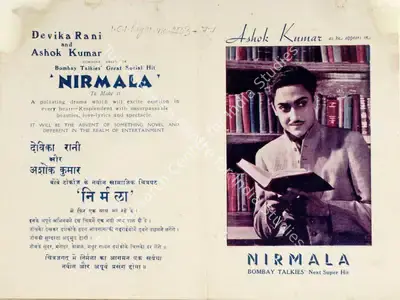
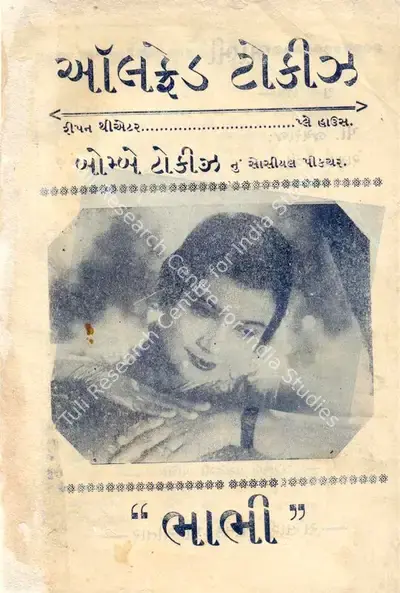
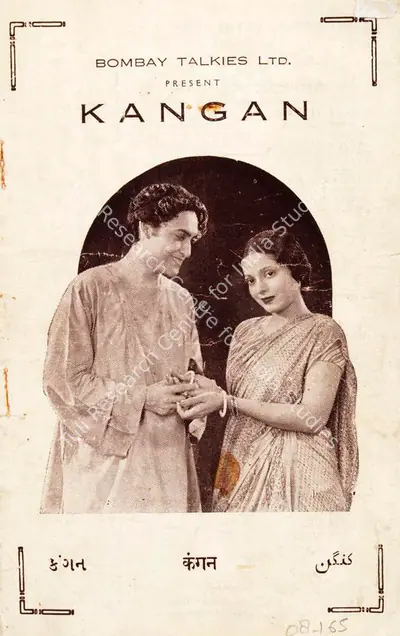
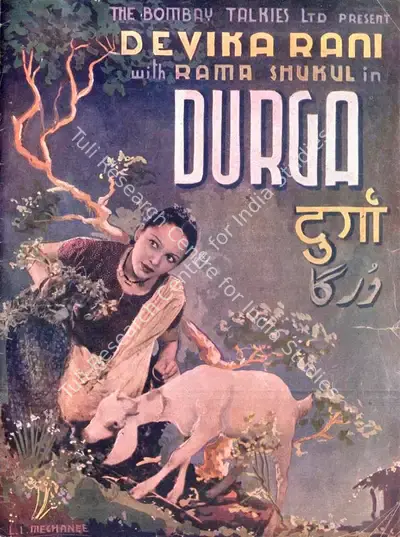
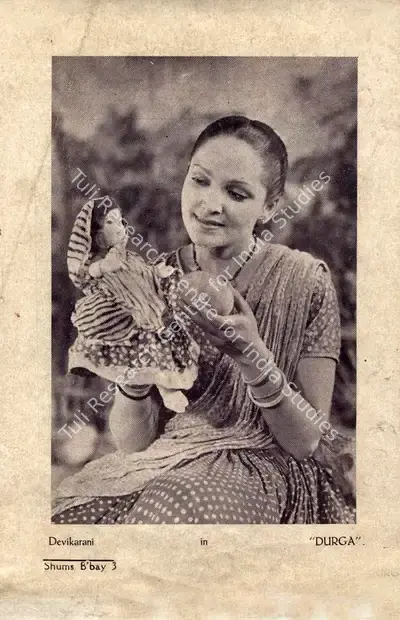
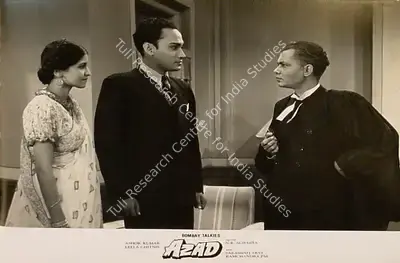
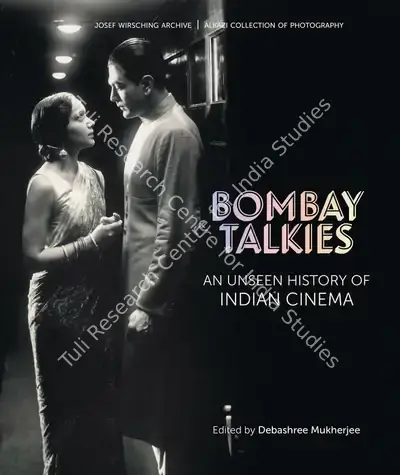
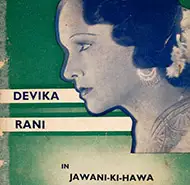
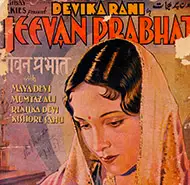
Rai's most influential contribution came with the founding of Bombay Talkies in 1934, established with Rajnarayan Dube and Devika Rani. The studio adopted structured workflows similar to those used in UFA and other European studios, integrating specialised departments for cinematography, editing, and sound. Bombay Talkies also intersected with the careers of several individuals who later became central to Indian cinema, including Ashok Kumar, Sashadhar Mukherjee, and technicians trained under UFA-influenced practices.
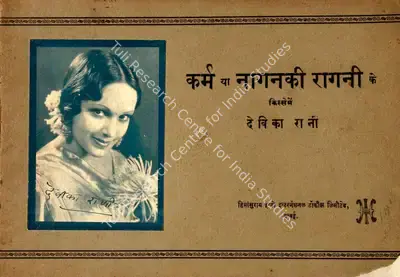
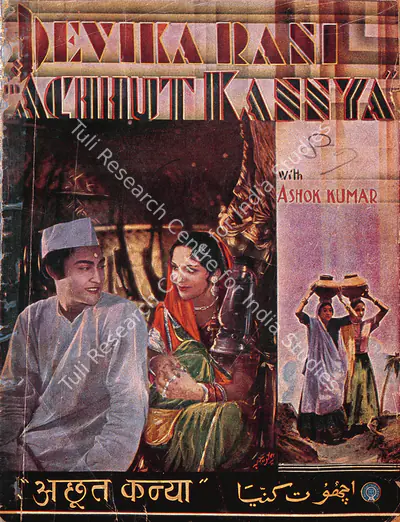
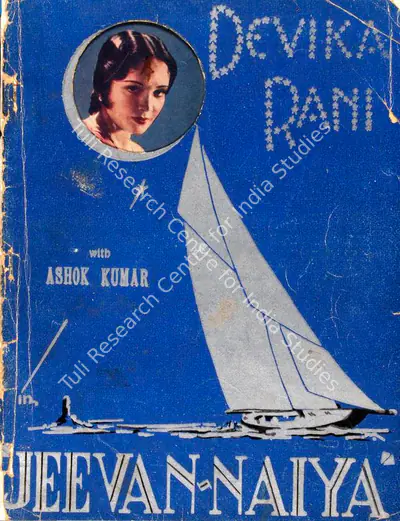
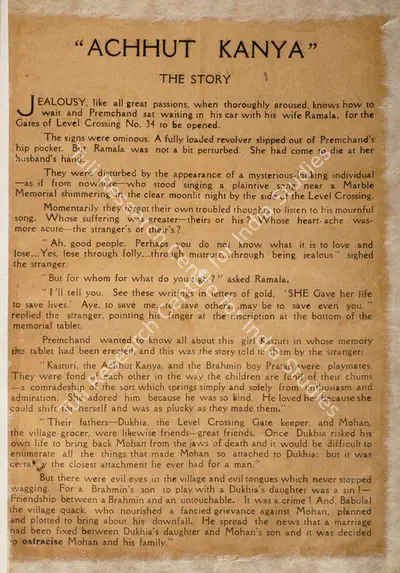
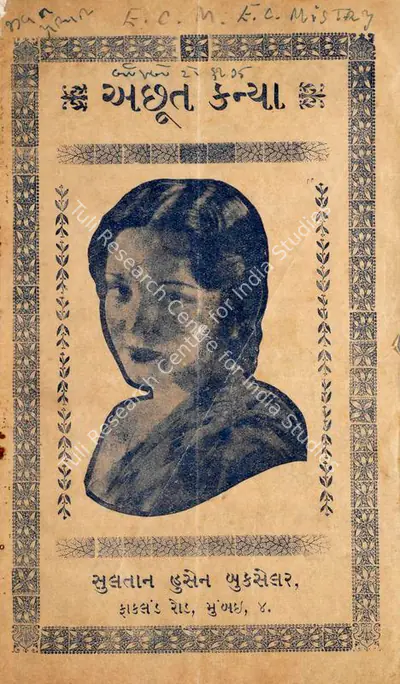
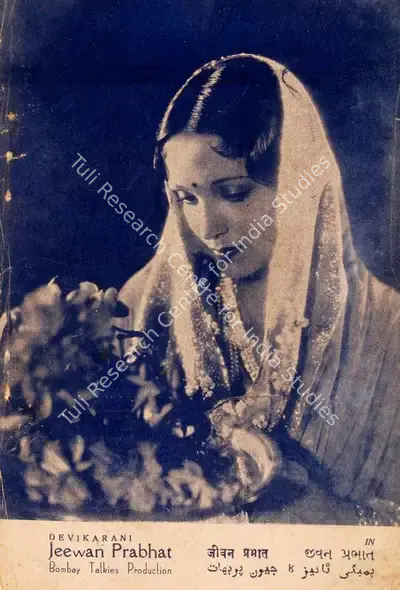
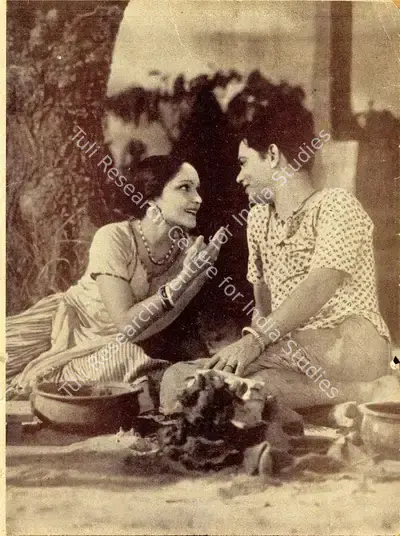
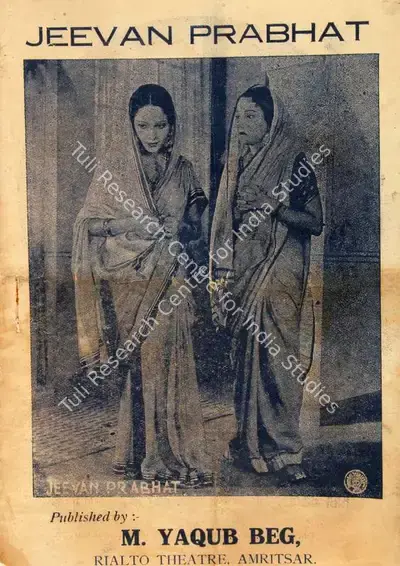
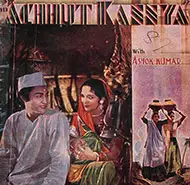
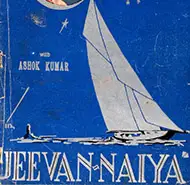
Under Rai's guidance, the studio produced films such as Achhut Kanya (1936), which addressed social themes commonly explored by contemporary reformist circles. The internal dynamics of the studio were closely tied to personal relationships, particularly Rai's partnership with Devika Rani, whom he met during the making of Prapancha Pash. The widely noted recasting incident during Jeevan Naiya (1936), which led to Ashok Kumar's unexpected promotion to a leading role, illustrated how interpersonal and organisational decisions at Bombay Talkies could alter career trajectories.
Rai's return to India in 1932, after mixed experiences in Europe, marked his shift from performer to organiser. Supported by financiers such as F.E. Dinshaw and Sir Feroze Sethna, he developed a studio model that separated creative functions from administrative operations, influencing later enterprises such as Filmistan and other successor studios. His work placed him among the foundational figures who established enduring institutional practices during the formative decades of Indian cinema.
Rai's early film work included roles in Goddess (1922), The Light of Asia (1925), Shiraz (1928), A Throw of Dice (1929), and Karma (1933). These projects were produced through partnerships with European directors and technicians such as Franz Osten and Himansu Bhat, placing him among the small group of Indian filmmakers working within Indo-German and Indo-British co-production networks of the 1920s. His participation in these films connected him with contemporaries like Niranjan Pal and the Himanshu Rai–Franz Osten collaboration that preceded the formation of a formal studio system in India.
Rai's most influential contribution came with the founding of Bombay Talkies in 1934, established with Rajnarayan Dube and Devika Rani. The studio adopted structured workflows similar to those used in UFA and other European studios, integrating specialised departments for cinematography, editing, and sound. Bombay Talkies also intersected with the careers of several individuals who later became central to Indian cinema, including Ashok Kumar, Sashadhar Mukherjee, and technicians trained under UFA-influenced practices.
Under Rai's guidance, the studio produced films such as Achhut Kanya (1936), which addressed social themes commonly explored by contemporary reformist circles. The internal dynamics of the studio were closely tied to personal relationships, particularly Rai's partnership with Devika Rani, whom he met during the making of Prapancha Pash. The widely noted recasting incident during Jeevan Naiya (1936), which led to Ashok Kumar's unexpected promotion to a leading role, illustrated how interpersonal and organisational decisions at Bombay Talkies could alter career trajectories.
Rai's return to India in 1932, after mixed experiences in Europe, marked his shift from performer to organiser. Supported by financiers such as F.E. Dinshaw and Sir Feroze Sethna, he developed a studio model that separated creative functions from administrative operations, influencing later enterprises such as Filmistan and other successor studios. His work placed him among the foundational figures who established enduring institutional practices during the formative decades of Indian cinema.
हिमांशु राय (1892 – 16 मई 1940) भारत में एक मज़बूत फ़िल्म उद्योग के उदय में योगदान देने वाले शुरूआती अभिनेता, निर्देशक और स्टूडियो आयोजक थे। एक सम्पन्न बंगाली परिवार में जन्मे हिमांशु राय ने अपने प्रारंभिक जीवन का कुछ हिस्सा शांतिनिकेतन में बिताया, जहाँ वे रवींद्रनाथ टैगोर और बंगाल पुनर्जागरण से जुड़े अन्य व्यक्तित्वों द्वारा निर्मित व्यापक सांस्कृतिक परिवेश से जुड़े। इस पृष्ठभूमि ने उनकी कलात्मक पसंद और अंतर-सांस्कृतिक सहयोग में उनकी रुचि दोनों प्रभावित हुए।
राय के शुरुआती फ़िल्मी करियर में गॉडेस (1922), द लाइट ऑफ एशिया (1925), शिराज़ (1928), ए थ्रो ऑफ डाइस (1929) और कर्मा (1933) जैसी फ़िल्में शामिल थीं। इन परियोजनाओं का निर्माण फ्रांज ओस्टेन और हिमांशु भट जैसे यूरोपीय निर्देशकों और तकनीशियनों के सहयोग से किया गया था, जिससे वे 1920 के दशक के भारत-जर्मन और भारत-ब्रिटिश सह-निर्माण नेटवर्क में काम करने वाले कुछ भारतीय फ़िल्म निर्माताओं में शामिल हो गए। इन फ़िल्मों में उनकी भागीदारी ने उन्हें निरंजन पाल जैसे समकालीनों और फ्रांज ओस्टेन से हिमांशु राय को उस सहयोग से जोड़ा, जिसकी शुरुआत भारत में एक औपचारिक स्टूडियो प्रणाली के गठन से पहले हुआ था।
राय का सबसे प्रभावशाली योगदान 1934 में बॉम्बे टॉकीज़ की स्थापना में सामने आया, जिसे उन्होंने राज नारायण दुबे और देविका रानी के साथ मिलकर स्थापित किया था। स्टूडियो ने यूएफए और अन्य यूरोपीय स्टूडियो में इस्तेमाल होने वाली कार्यप्रणालियों को अपनाया, जिसमें छायांकन, संपादन और ध्वनि के लिए विशेष विभाग एक दूसरे से जुड़े हुए थे। बॉम्बे टॉकीज़ का संबंध कई ऐसे व्यक्तियों के करियर से भी रहा, जो बाद में भारतीय सिनेमा के लिए महत्वपूर्ण बन गए, जिनमें अशोक कुमार, सशाधर मुखर्जी और यूएफए से प्रभावित पद्धतियों के तहत प्रशिक्षित तकनीशियन शामिल रहे।
राय के मार्गदर्शन में, स्टूडियो ने अछूत कन्या (1936) जैसी फ़िल्में बनाईं, जिनमें समकालीन सुधारवादी हलकों द्वारा आमतौर पर उठाए जाने वाले सामाजिक विषयों को उठाया गया था। स्टूडियो की आंतरिक गतिविधियाँ व्यक्तिगत संबंधों से गहराई से जुड़ी हुई थीं, विशेष रूप से राय और देविका रानी की साझेदारी से, जिनसे उनकी मुलाकात प्रपंच पाश के निर्माण के दौरान हुई थी। जीवन नैया (1936) के दौरान हुई कास्टिंग में बदलाव की घटना, जिसके कारण अशोक कुमार को अप्रत्याशित रूप से मुख्य भूमिका मिली, जिसने यह दिखाया कि बॉम्बे टॉकीज में पारस्परिक और संगठनात्मक निर्णय किस प्रकार करियर की दिशा बदल सकते थे।
यूरोप में मिले अनुभवों के बाद, राय की 1932 में भारत वापसी ने उन्हें कलाकार से आयोजक के रूप में स्थापित किया। एफ.ई. दिनशॉ और सर फ़िरोज़ सेठना जैसे वित्तीयदाताओं के समर्थन से, उन्होंने एक स्टूडियो मॉडल विकसित किया जिसमें रचनात्मक कार्यों को प्रशासनिक कार्यों से अलग किया गया, जिसने बाद में फ़िल्मिस्तान और अन्य उत्तराधिकारी स्टूडियो जैसे उद्यमों को प्रभावित किया। उनके कार्यों ने उन्हें भारतीय सिनेमा के प्रारंभिक दशकों के दौरान स्थायी संस्थागत प्रथाओं की स्थापना करने वाले प्रमुख व्यक्तियों में स्थान दिया।
राय के शुरुआती फ़िल्मी करियर में गॉडेस (1922), द लाइट ऑफ एशिया (1925), शिराज़ (1928), ए थ्रो ऑफ डाइस (1929) और कर्मा (1933) जैसी फ़िल्में शामिल थीं। इन परियोजनाओं का निर्माण फ्रांज ओस्टेन और हिमांशु भट जैसे यूरोपीय निर्देशकों और तकनीशियनों के सहयोग से किया गया था, जिससे वे 1920 के दशक के भारत-जर्मन और भारत-ब्रिटिश सह-निर्माण नेटवर्क में काम करने वाले कुछ भारतीय फ़िल्म निर्माताओं में शामिल हो गए। इन फ़िल्मों में उनकी भागीदारी ने उन्हें निरंजन पाल जैसे समकालीनों और फ्रांज ओस्टेन से हिमांशु राय को उस सहयोग से जोड़ा, जिसकी शुरुआत भारत में एक औपचारिक स्टूडियो प्रणाली के गठन से पहले हुआ था।
राय का सबसे प्रभावशाली योगदान 1934 में बॉम्बे टॉकीज़ की स्थापना में सामने आया, जिसे उन्होंने राज नारायण दुबे और देविका रानी के साथ मिलकर स्थापित किया था। स्टूडियो ने यूएफए और अन्य यूरोपीय स्टूडियो में इस्तेमाल होने वाली कार्यप्रणालियों को अपनाया, जिसमें छायांकन, संपादन और ध्वनि के लिए विशेष विभाग एक दूसरे से जुड़े हुए थे। बॉम्बे टॉकीज़ का संबंध कई ऐसे व्यक्तियों के करियर से भी रहा, जो बाद में भारतीय सिनेमा के लिए महत्वपूर्ण बन गए, जिनमें अशोक कुमार, सशाधर मुखर्जी और यूएफए से प्रभावित पद्धतियों के तहत प्रशिक्षित तकनीशियन शामिल रहे।
राय के मार्गदर्शन में, स्टूडियो ने अछूत कन्या (1936) जैसी फ़िल्में बनाईं, जिनमें समकालीन सुधारवादी हलकों द्वारा आमतौर पर उठाए जाने वाले सामाजिक विषयों को उठाया गया था। स्टूडियो की आंतरिक गतिविधियाँ व्यक्तिगत संबंधों से गहराई से जुड़ी हुई थीं, विशेष रूप से राय और देविका रानी की साझेदारी से, जिनसे उनकी मुलाकात प्रपंच पाश के निर्माण के दौरान हुई थी। जीवन नैया (1936) के दौरान हुई कास्टिंग में बदलाव की घटना, जिसके कारण अशोक कुमार को अप्रत्याशित रूप से मुख्य भूमिका मिली, जिसने यह दिखाया कि बॉम्बे टॉकीज में पारस्परिक और संगठनात्मक निर्णय किस प्रकार करियर की दिशा बदल सकते थे।
यूरोप में मिले अनुभवों के बाद, राय की 1932 में भारत वापसी ने उन्हें कलाकार से आयोजक के रूप में स्थापित किया। एफ.ई. दिनशॉ और सर फ़िरोज़ सेठना जैसे वित्तीयदाताओं के समर्थन से, उन्होंने एक स्टूडियो मॉडल विकसित किया जिसमें रचनात्मक कार्यों को प्रशासनिक कार्यों से अलग किया गया, जिसने बाद में फ़िल्मिस्तान और अन्य उत्तराधिकारी स्टूडियो जैसे उद्यमों को प्रभावित किया। उनके कार्यों ने उन्हें भारतीय सिनेमा के प्रारंभिक दशकों के दौरान स्थायी संस्थागत प्रथाओं की स्थापना करने वाले प्रमुख व्यक्तियों में स्थान दिया।
No personalia records available yet.
Filmography 26
Research Centre


Calendar 1
- ArchivedExhibitionProject 1Self-Discovery via Rediscovering India Series Inaugural Exhibition14th - 29th March 2024Inaugural ExhibitionRead More →
Related
24
Films
19
Personalities
3
Institutions
1

Themes
1