
Introduction
In 1927–28 he studied in Paris with André Lhote, who instilled in him a lifelong interest in painting. In 1929 Cartier-Bresson went to the University of Cambridge, where he studied literature and painting.
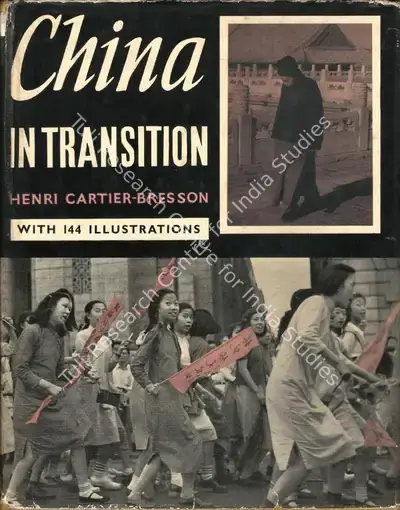
Cartier-Bresson’s first serious concern with the camera occurred in about 1930, after he saw work of two major 20th-century photographers, Eugène Atget and Man Ray. Making use of a small allowance, he travelled to Africa in 1930 and lived in Ivory Coast for nearly a year, recording his experiences with a miniature camera. In 1932 he purchased his first 35-mm Leica and travelled across Europe. His work was first published with Voilà and Photographies in 1932, after which he diversified into the field of cinema (1935-1939) and also undertook photography during the war years (1940-45). Between the years 1948 and 1950, Cartier-Bresson spent three years in the Far East.
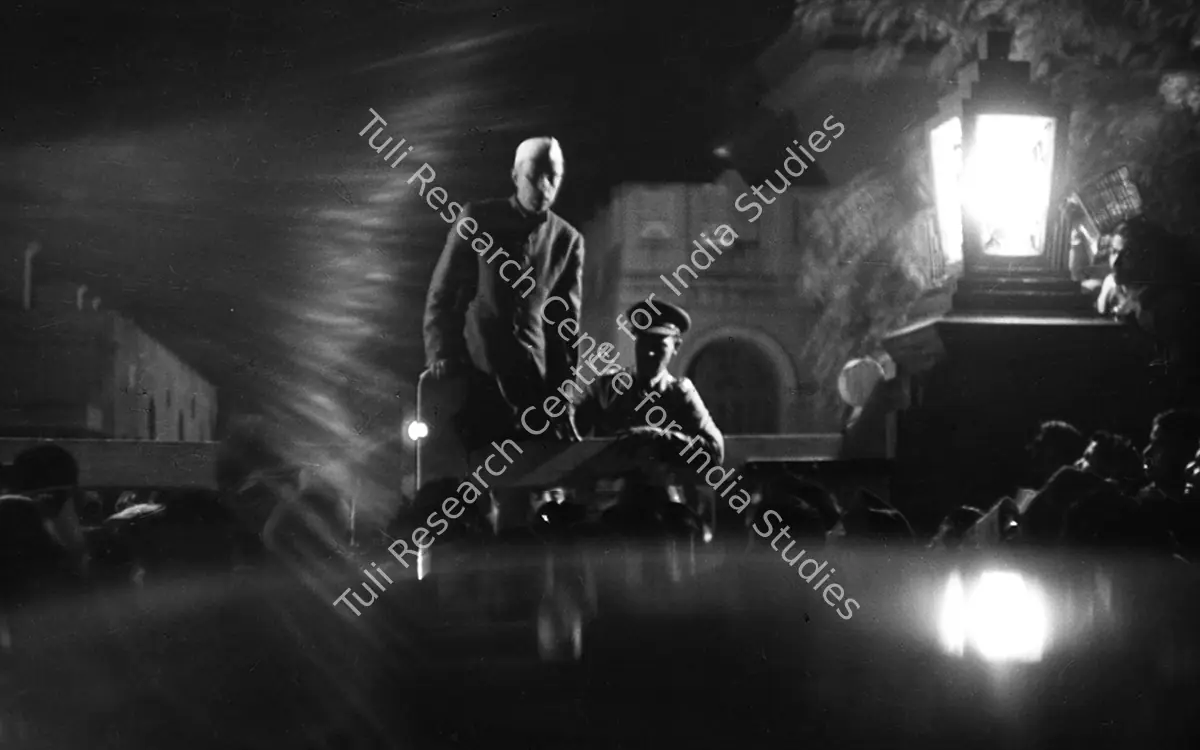
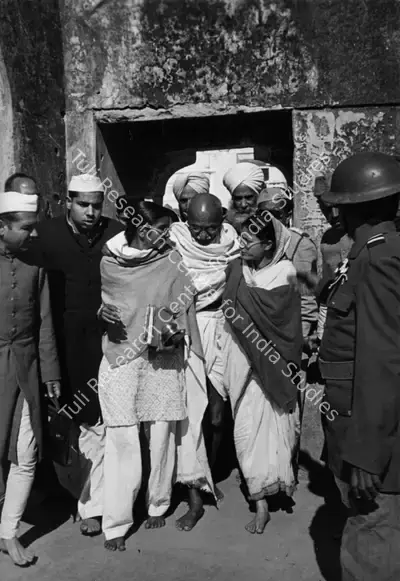
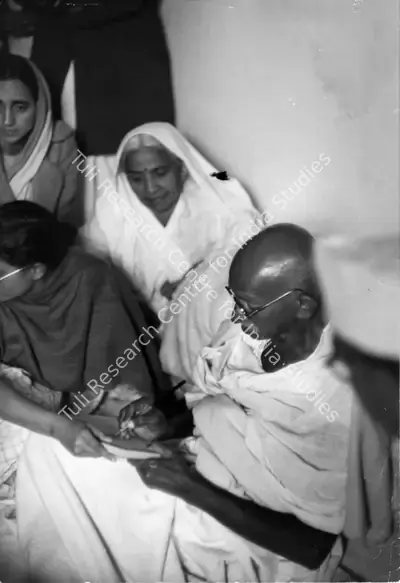
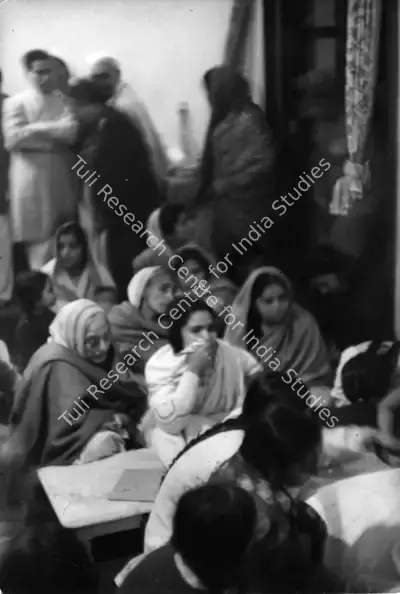
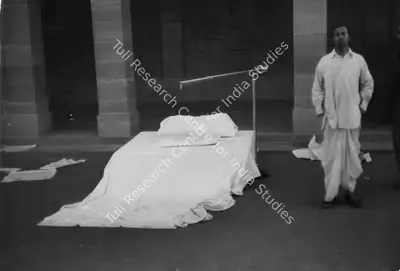
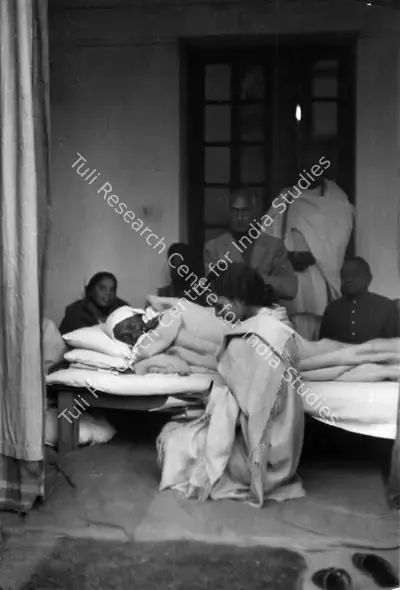
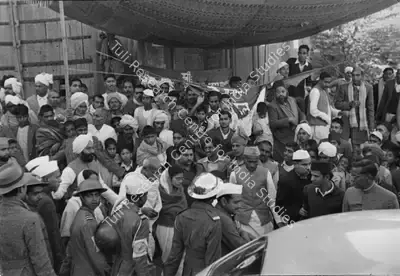
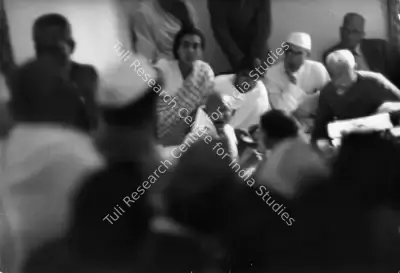
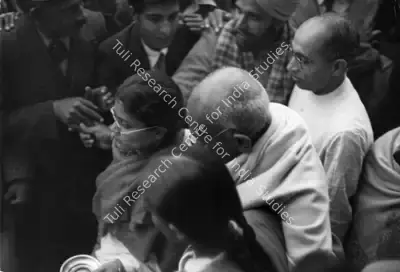
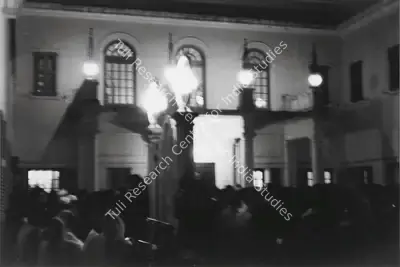
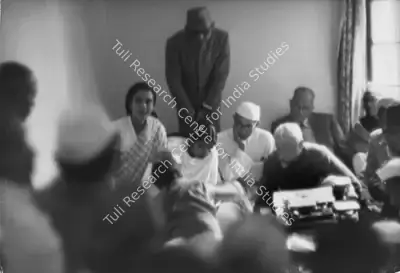
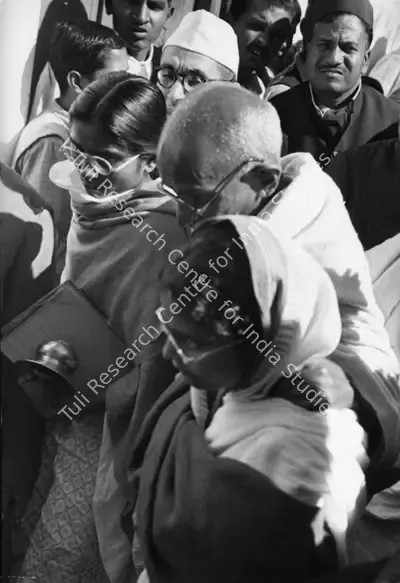
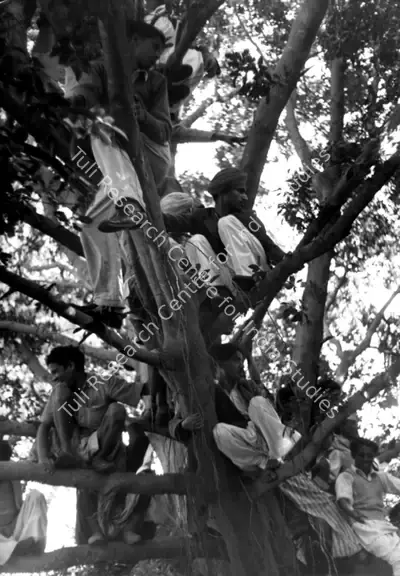
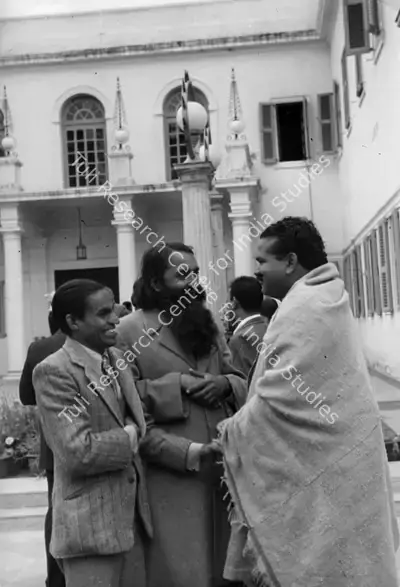
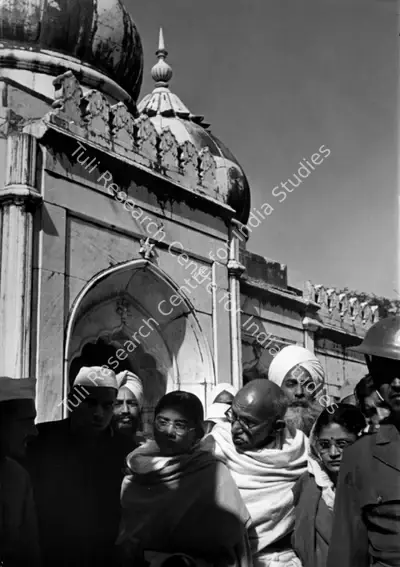
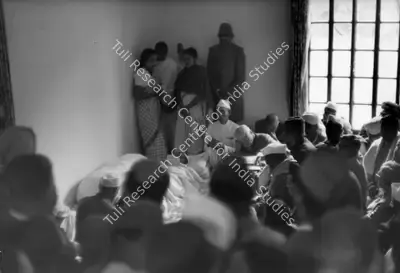
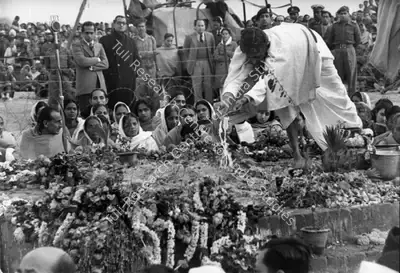
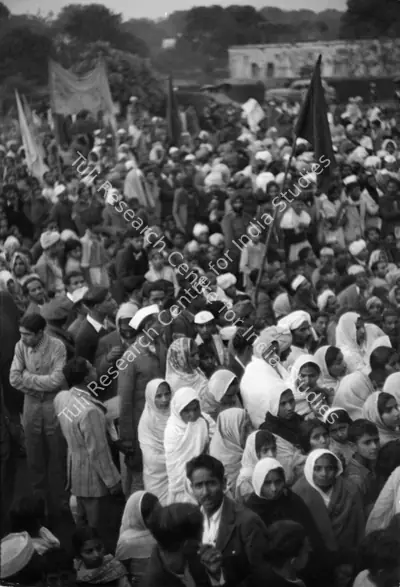
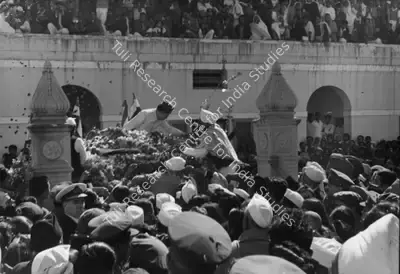
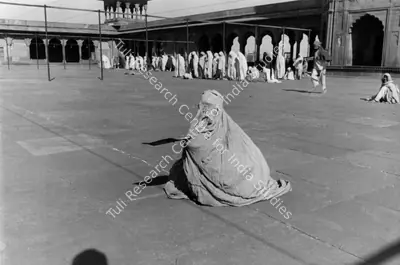
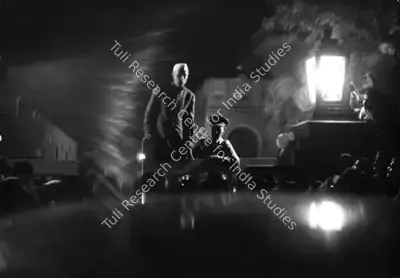
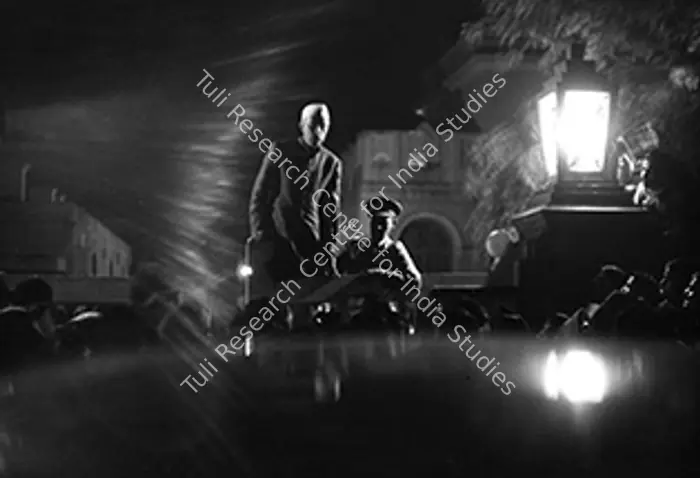
Known for his humane and spontaneous photography, he helped establish photojournalism as an art form. His book Images à la Sauvette (1952) or The Decisive Moment best expresses his theory of photography. No single photographer is more closely linked to the development of modern photojournalism than is Cartier-Bresson, whose itinerant nature brought him to some of the most momentous events and sites in modern history—from the liberation of Paris the Nazi occupation to the last days of Mahatma Gandhi’s life.
- Date of Birth
- 22 Aug 1908
- Zodiac sign
- Leo
- Date of Death
- 03 Aug 2004
- Age
- 95
- Nationality
- French
- Place of Birth
- Chanteloup-en-Brie, France
- Place of Death
- Céreste-en-Luberon, France
- State Country of Birth
- France
- State Country of Death
- France
Research Centre
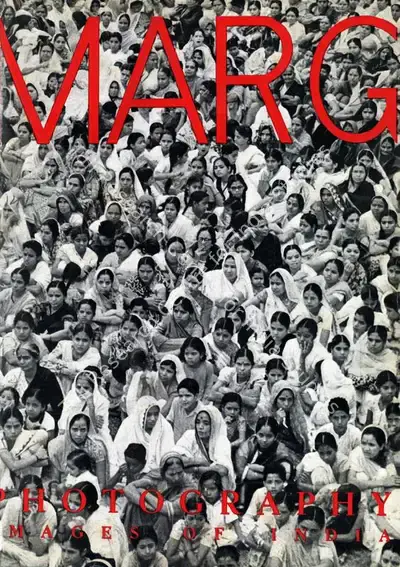
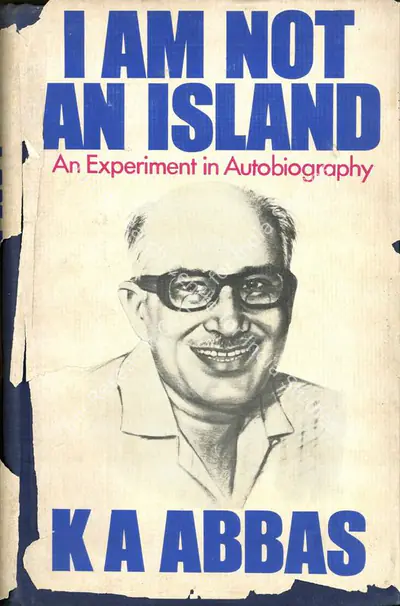
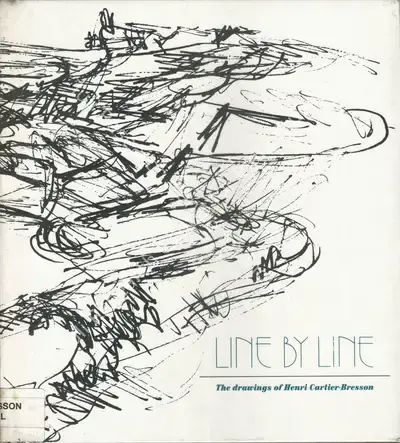
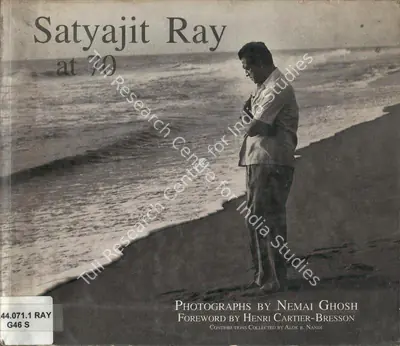
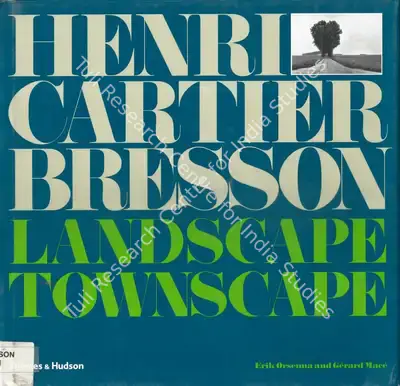
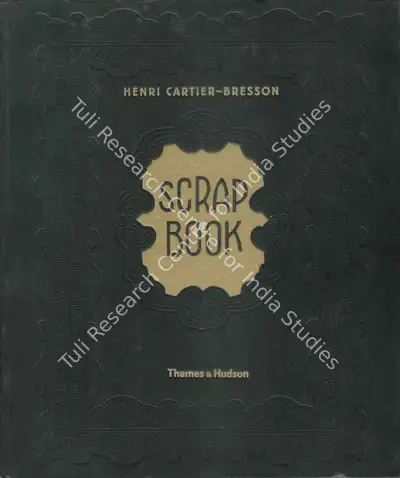
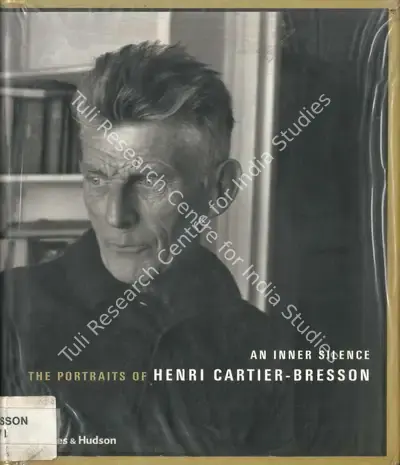
Posts 2
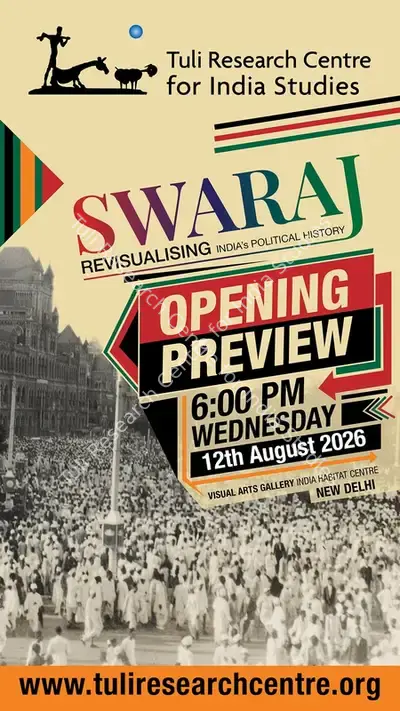
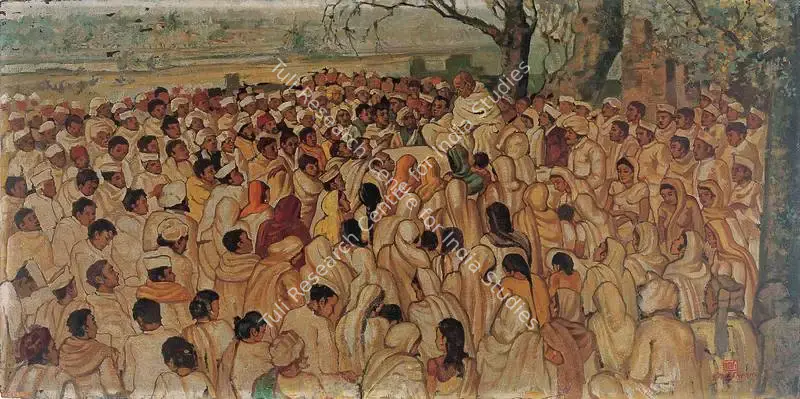
- "What does 𝗦𝘄𝗮𝗿𝗮𝗷 truly mean? Is freedom achieved at a single historic moment or period, or must self-rule be continually imagined, questioned and renewed? India's journey towards Swaraj was shaped not by one voice or one path, but through reform and resistance, revolution and non-violence, political thought, public protest, art, print, photography, cinema and the collective will of its people. The Tuli Research Centre for India Studies (T.R.I.S.) presents 𝗦𝗪𝗔𝗥𝗔𝗝: 𝗥𝗲𝘃𝗶𝘀𝘂𝗮𝗹𝗶𝘀𝗶𝗻𝗴 𝗜𝗻𝗱𝗶𝗮'𝘀 𝗣𝗼𝗹𝗶𝘁𝗶𝗰𝗮𝗹 𝗛𝗶𝘀𝘁𝗼𝗿𝘆, a pioneering exhibition curated by Neville Tuli. Bringing together rare artworks, prints, photographs, books, film publicity art, political propaganda and visual-textual-audio archives, SWARAJ traces India's complex journey towards political self-rule and self-discovery. From early European coastal encounters, the Bengal Renaissance and the First War of Independence in 1857 to the rise of Bharat Mata, the Tiranga, Gandhiji's inspired satyagraha, civil disobedience and mass mobilisation, the exhibition explores how the idea of India was envisioned, contested and transformed. It journeys through revolutionary movements and non-violence, subaltern uprisings, the Partition, the Constitution, the integration of the Princely States, the Emergency, wars, civic dissent and people's protests. It also foregrounds the vital role of artists, photographers, publishers, newspapers, journals, cartoons and cinema in recording and shaping the nation's political consciousness. SWARAJ invites us to encounter history not as something distant or settled, but as a daily living inheritance that continues to influence who we are and how we understand freedom, identity, and ourselves today. Watch the video for a glimpse into this expansive visual journey, and follow the exhibition as it revisualises India's political history through art, image, text and sound.
- On Gandhi Jayanti, 2 October, we invite you to read “Gandhi through the eye of the artist” in The Hindu, written by Neville Tuli, Founder & Trustee of the Tuli Research Centre for India Studies. Article link: www.thehindu.com/society/gandhi-through-the-eye-of-the-artist/article71526987.ece For more detailed context regarding the artworks and their creators, visit our website www.tuliresearchcentre.org where readers can learn more about the artworks and explore our pioneering efforts in building the first undergraduate curricula for Contemporary India Studies.
Calendar 4
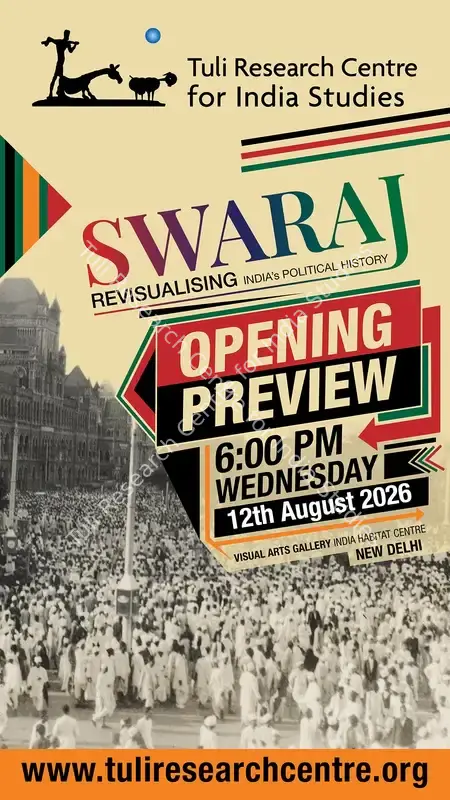
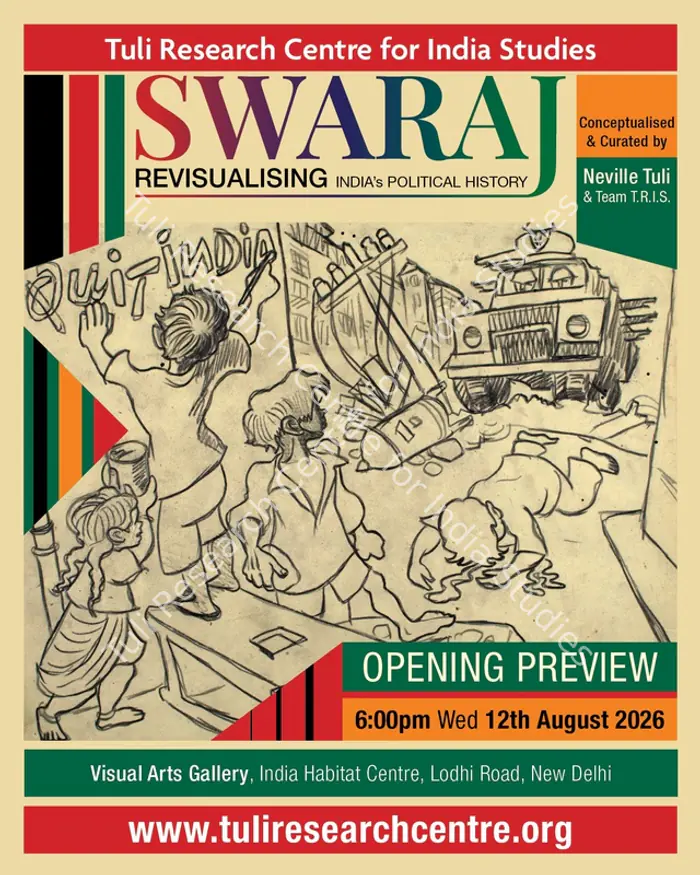
- ArchivedOpening PreviewProject 82SWARAJ - Revisualising India's Political HistoryAn Exhibition of Modern & Contemporary Fine & Popular Arts, Photography, Film Memorabilia and Visual-Textual-Audio Archive12th August 20266:00 PM - 9:00 PMVisual Arts Gallery, India Habitat Centre, Lodhi Road, New Delhi,The Tuli Research Centre for India Studies (T.R.I.S.) announces its seventh exhibition. “Swaraj – Revisualising India's Political History” -- An exhibition of Modern and Contemporary Fine and Popular Arts, Photography, Film Memorabilia and Visual-Textual-Audio Archives. Swaraj will open at 6 p.m. on Wednesday, 12 August 2026 at the Visual Arts Gallery and will remain open till 7 p.m. Sunday, 16 August 2026. Tuli Research Centre for India Studies (T.R.I.S.) presents SWARAJ | Revisualising India's Political History, a pioneering inter-disciplinary offline-online exhibition conceptualised and curated by Neville Tuli with Team T.R.I.S.. SWARAJ explores India's journey towards political self-rule and self-discovery through a remarkable collection of rare modern and contemporary fine and popular arts, albums, photographs, books, prints, propaganda, cartoons, film publicity artworks and other "text-visual-audio" archives contextualised within a clear historical framework, which defines T.R.I.S.' pedagogic approach to learning. The Exhibition will be of particular interest to students and scholars of India & Cultural Studies, and India's political and modern histories as well as those interested in the passage of events and ideas from the mid-1850s leading up to the turn of the 21st century. Unique to the Tuli Research Centre for India Studies is the richness of visual material that not only exhorts a deeper understanding of the art and archival materials on display but also brings alive the multi-layered narratives of the exhibition and naturally India's journey in being ad searching for herself.Read More →
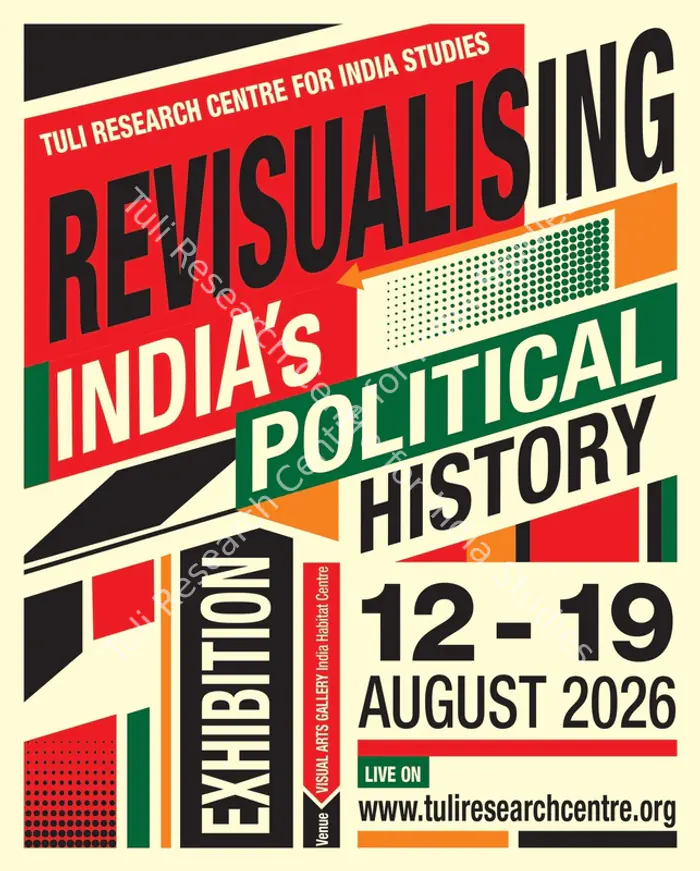
- ArchivedExhibitionProject 81SWARAJ - Revisualising India's Political HistoryAn Exhibition of Modern & Contemporary Fine & Popular Arts, Photography, Film Memorabilia and Visual-Textual-Audio Archive12th - 19th August 202610:00 AM - 7:00 PMVisual Arts Gallery, India Habitat Centre, Lodhi Road, New Delhi,19The Tuli Research Centre for India Studies (T.R.I.S.) announces its seventh exhibition. “Swaraj – Revisualising India's Political History” -- An exhibition of Modern and Contemporary Fine and Popular Arts, Photography, Film Memorabilia and Visual-Textual-Audio Archives. Swaraj will open at 6 p.m. on Wednesday, 12 August 2026 at the Visual Arts Gallery and will remain open till 7 p.m. Sunday, 16 August 2026. Tuli Research Centre for India Studies (T.R.I.S.) presents SWARAJ | Revisualising India's Political History, a pioneering inter-disciplinary offline-online exhibition conceptualised and curated by Neville Tuli with Team T.R.I.S.. SWARAJ explores India's journey towards political self-rule and self-discovery through a remarkable collection of rare modern and contemporary fine and popular arts, albums, photographs, books, prints, propaganda, cartoons, film publicity artworks and other "text-visual-audio" archives contextualised within a clear historical framework, which defines T.R.I.S.' pedagogic approach to learning. The Exhibition will be of particular interest to students and scholars of India & Cultural Studies, and India's political and modern histories as well as those interested in the passage of events and ideas from the mid-1850s leading up to the turn of the 21st century. Unique to the Tuli Research Centre for India Studies is the richness of visual material that not only exhorts a deeper understanding of the art and archival materials on display but also brings alive the multi-layered narratives of the exhibition and naturally India's journey in being ad searching for herself.Read More →
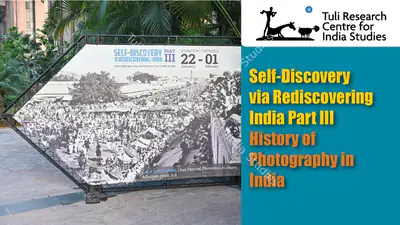
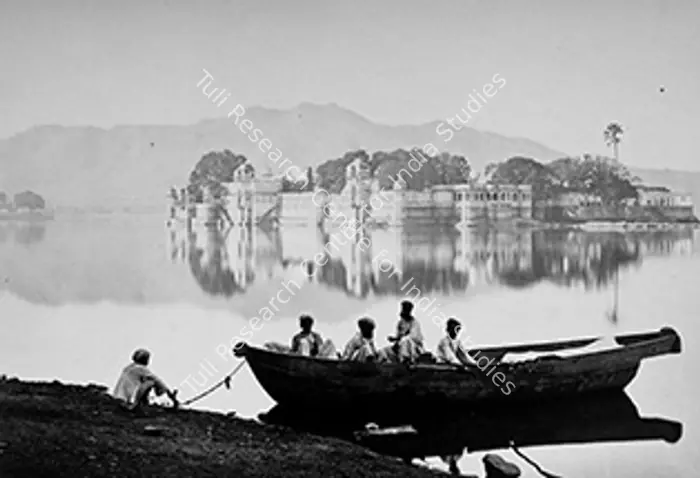
- ArchivedExhibitionProject 3Self Discover via Rediscovering India Series Part III History of Photography in India21st - 31st January 2025Self Discover via Rediscovering India Series Part IIIRead More →
- ArchivedExhibitionProject 1Self-Discovery via Rediscovering India Series Inaugural Exhibition14th - 29th March 2024Inaugural ExhibitionRead More →
Related
5
Institutions
1
Themes
1