
Introduction
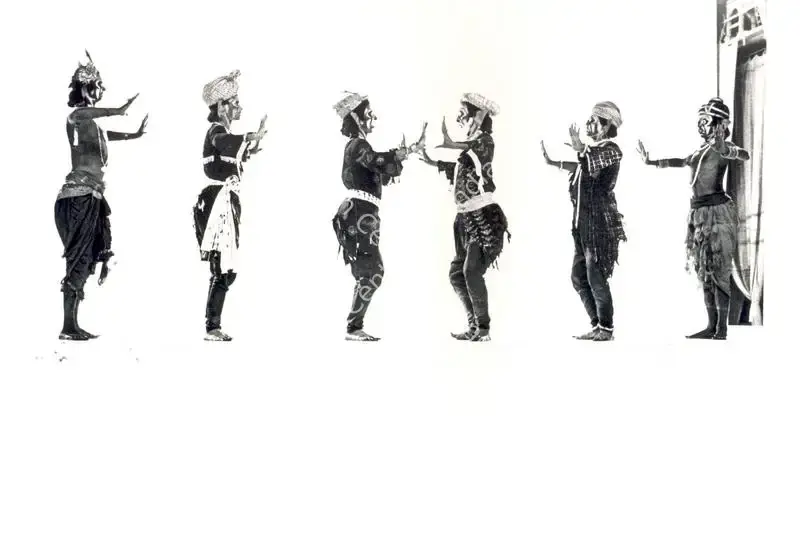
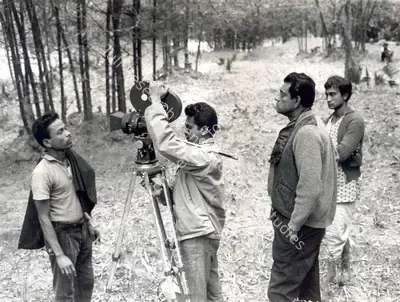
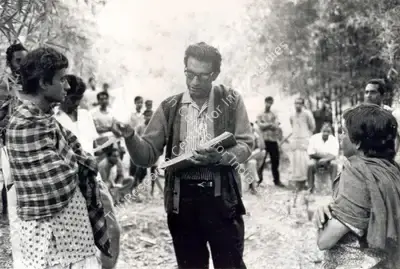
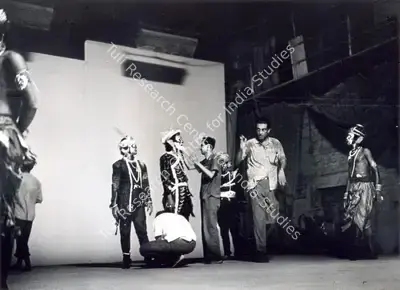
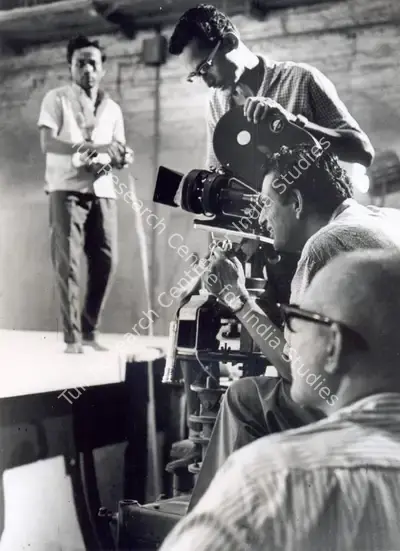
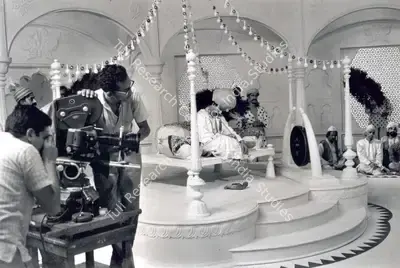
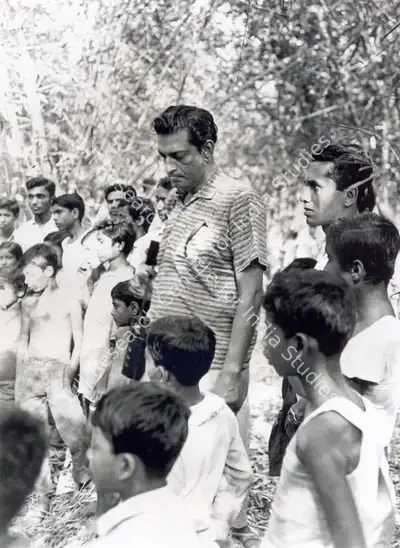
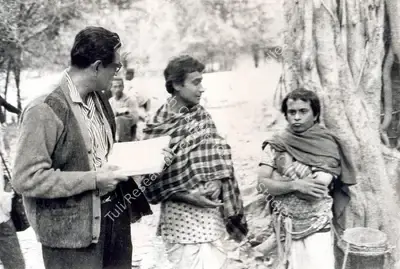
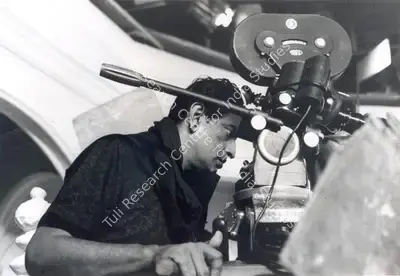
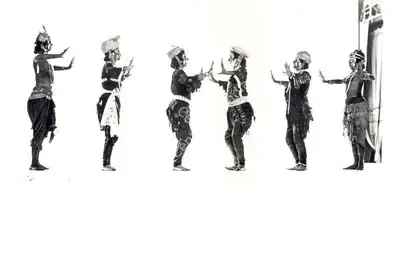
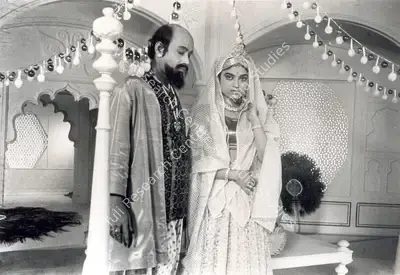
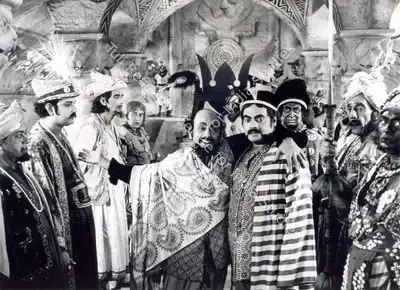
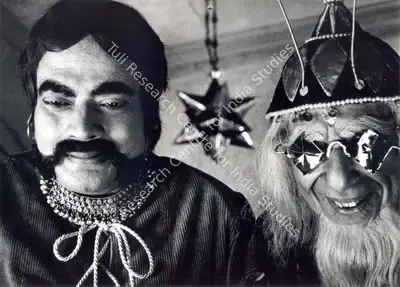
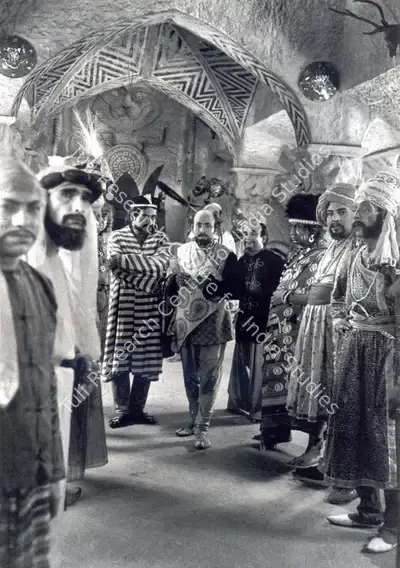
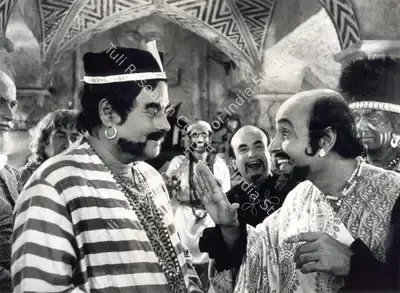
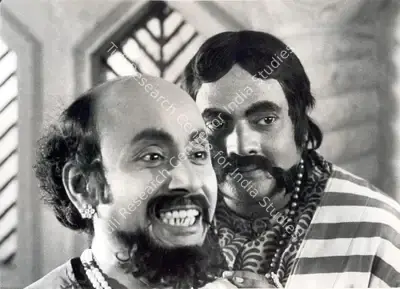
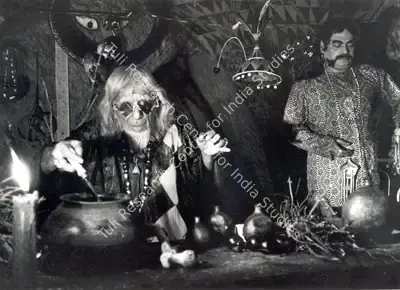
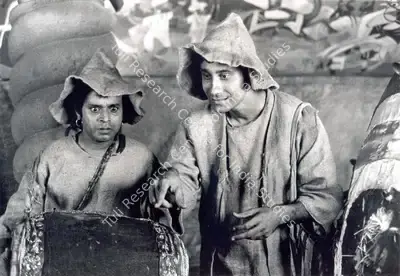
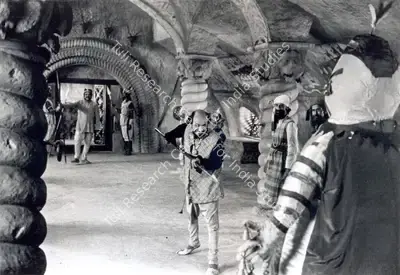
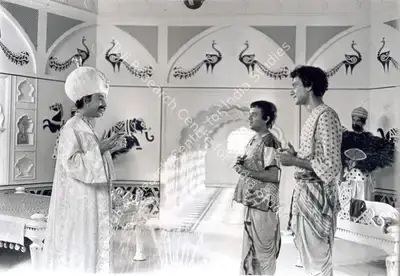
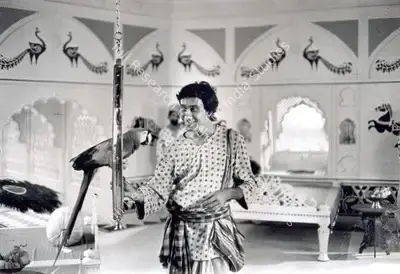
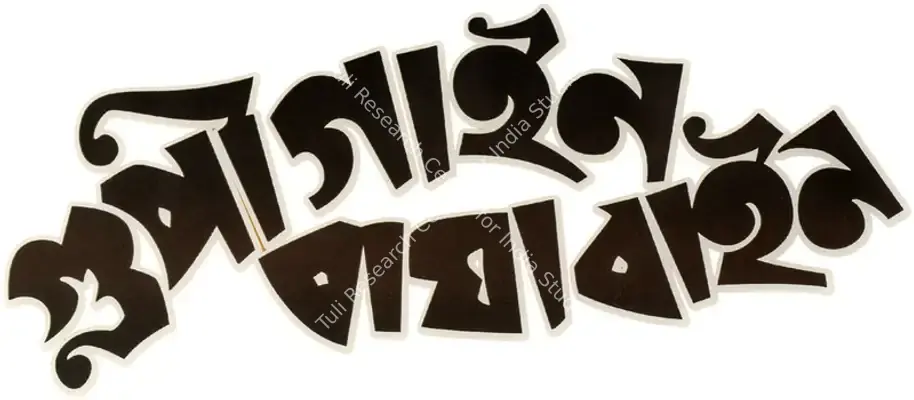
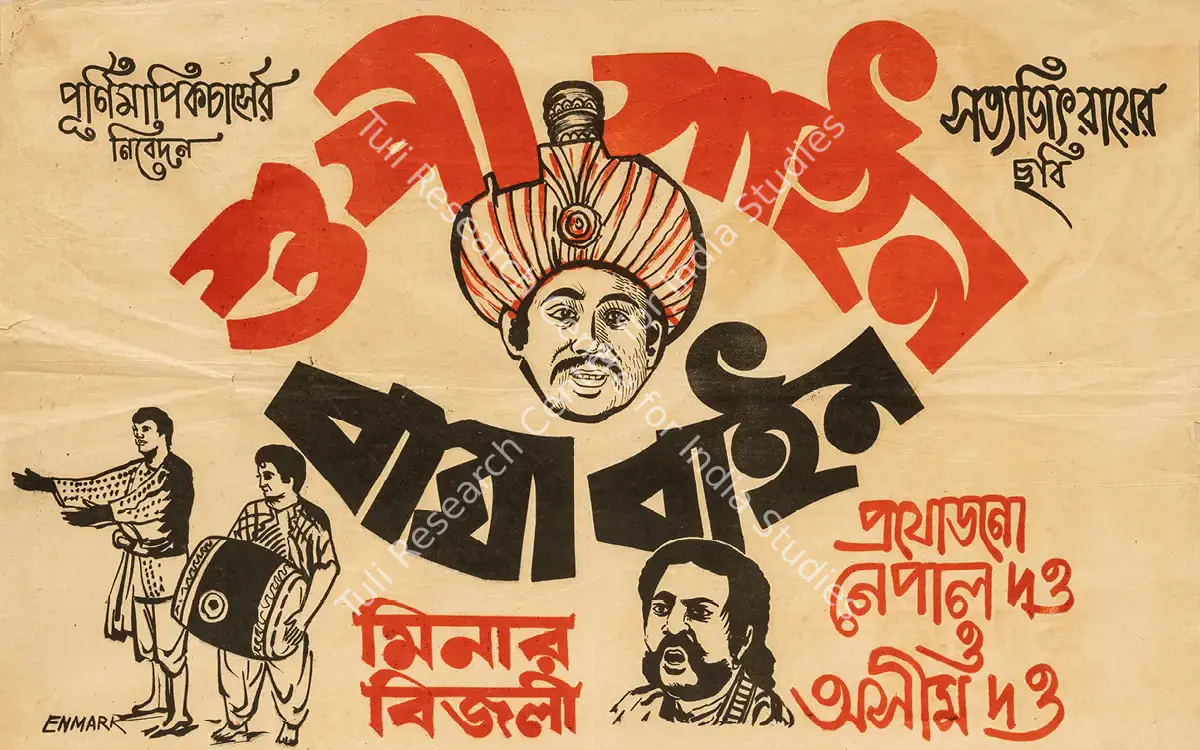
Goopy Gyne Bagha Byne (1969): A landmark fantasy adventure comedy directed and written by Satyajit Ray, the film was based on a story originally penned by his grandfather, Upendrakishore Ray Chowdhury. A departure from Ray's characteristically realist cinema, this film blends music, magic, and satire into a timeless tale that has captivated generations. With a screenplay, lyrics, and score all crafted by Ray himself, the film stands as a multifaceted artistic achievement, and marks the beginning of the beloved Goopy–Bagha trilogy.
The film stars Tapen Chatterjee as Goopy and Rabi Ghosh as Bagha, two endearing village misfits who are gifted magical powers by the King of Ghosts. Also featured are memorable performances by Santosh Dutta, Harindranath Chattopadhyay, Jahor Roy, and many others, in a cast brimming with comic and theatrical talent. The chemistry between the lead duo, paired with Ray's wit and musical flair, brings to life an unforgettable fable of friendship, fantasy, and political satire.
Ray's decision to make a fantasy film was born out of both artistic ambition and practical necessity. Around 1967, he had begun work on a science fiction script about aliens visiting Earth, with international stars like Marlon Brando and Peter Sellers in mind. However, a dispute with Columbia Pictures over creative control led to the shelving of that project. Turning his focus back to Indian cinema, Ray sought to make a film that would appeal to a wider, especially younger, audience, particularly after the lukewarm commercial reception of his previous films Kapurush, Mahapurush, and Nayak.
Inspiration for Goopy Gyne Bagha Byne came from a story first published in Sandesh magazine in 1915, accompanied by illustrations from Upendrakishore Ray Chowdhury. Ray had revived Sandesh in 1961, and the idea of adapting the story to film began to take root, encouraged in part by his son, Sandip Ray, who urged him to make a film that was more accessible and less sombre. This project would also allow Ray to incorporate music and dance elements his producers and distributors had long encouraged him to explore.
Despite enthusiasm for the concept, Ray faced considerable financial challenges in securing funding. Much like his struggles during the making of Pather Panchali, he had to make budgetary compromises. Ultimately, Purnima Pictures came forward with partial support, enabling the film to proceed—albeit in black and white, with only the final scene rendered in colour for dramatic effect.
The production, though modest in budget, was grand in ambition. Ray composed the entire soundtrack, with standout songs like Bhuter Raja Dilo Bor, Maharaja Tomarey Shelam, and Ek Je Chhilo Raja becoming instant classics. The music, sung primarily by Anup Ghoshal and Rabi Ghosh, played a vital role in the film's enduring popularity. Interestingly, Ray had initially approached the legendary Kishore Kumar to voice Goopy's songs, but due to scheduling conflicts in Bombay, he had to decline. Ray then cast the relatively unknown Anup Ghoshal, just 19 at the time, marking his debut as a playback singer—a choice that would launch Ghoshal's long and celebrated career.
Upon its release, Goopy Gyne Bagha Byne was met with critical acclaim and commercial success. It set a record for the longest continuous run of a Bengali-language film in West Bengal, screening for an impressive 51 consecutive weeks. The film won two major honours at the 16th National Film Awards, Best Feature Film and Best Director and went on to receive several international accolades, including the Silver Cross at the Adelaide Film Festival, Best Director at Auckland, Best Film at Melbourne, and a Merit Award in Tokyo. It was also nominated for the Golden Bear at the Berlin International Film Festival.
Critical responses, while mostly positive, were somewhat divided internationally. Raja Sen hailed it as one of the most innovative films in Indian cinema. Phil Hall remarked on Ray's unexpected but masterful handling of humour and music. Others, however, were more reserved. Dennis Schwartz appreciated the film's charm but found it overly long for a children's movie. The Times admired Ray's poetic realism but felt the fantasy elements lacked the same depth. The Guardian criticized it as "Ray at his least convincing," while The Observer commented that the film would test the patience of younger viewers. Still, for Indian audiences, the film struck a deep and lasting chord, embedding itself into the cultural fabric, especially among children.
The film's legacy has endured through various formats and adaptations. In 2003, the Academy Film Archive preserved Goopy Gyne Bagha Byne, acknowledging its historical and artistic significance. It was also reimagined as a Hindi-language animated feature, Goopi Gawaiya Bagha Bajaiya (2013), directed by Shilpa Ranade. The animated film found success in the festival circuit, winning several international awards and introducing the story to a new generation.
The original film spawned two sequels. Hirak Rajar Deshe (1980), also directed by Ray, saw Goopy and Bagha using their magical powers to challenge a tyrannical king, a clear allegory for authoritarianism. The third film, Goopy Bagha Phire Elo (1992), was directed by Sandip Ray and based on a story by Satyajit Ray, serving as the final chapter in the trilogy and the last to feature the iconic duo played by Tapen Chatterjee and Rabi Ghosh.
Goopy Gyne Bagha Byne remains one of Satyajit Ray's most beloved and widely celebrated works. A vibrant, musically rich fairy tale that continues to enchant audiences, both young and old. It stands not just as a high point of Bengali cinema, but as a testament to the versatility and imagination of one of India's greatest filmmakers.
इस फ़िल्म में तपेन चटर्जी ने गोपी और रबी घोष ने बाघा की भूमिकाएँ निभाईं हैं। ये दो प्यारे, ग्रामीण, अजीबोगरीब, मिसफ़िट किरदार हैं जिन्हें भूतों के राजा से जादुई शक्तियाँ मिल जाती हैं। शीर्षक किरदारों के अलावा संतोष दत्ता, हरेंद्रनाथ चट्टोपाध्याय, ज़हर राय और अन्य सहायक कलाकारों के यादगार अभिनय ने फ़िल्म को जीवन्त कर दिया। फ़िल्म में मुख्य जोड़ी की आपसी केमिस्ट्री और राय की चतुराई तथा संगीतिक प्रतिभा ने दोस्ती, फैंटेसी और राजनैतिक व्यंग्य की इस मिलीजुली अविस्मरणीय गाथा को बखूबी आकार दिया।
इसे एक फ़ैंटेसी फ़िल्म की तरह बनाने का निर्णय राय की कलात्मक महत्वाकाँक्षा और व्यावहारिक आवश्यकता दोनों का मिलाजुला परिणाम था। सन् 1967 के आसपास वे 'एलियन' से जुड़े विषय पर एक विज्ञान-फंतासी की पटकथा पर काम कर रहे थे। इसमें मर्लेन ब्रैंडो और पीटर सेलर्स जैसे अंतरराष्ट्रीय सितारों को लिये जाने की योजना थी। लेकिन रचनात्मक नियंत्रण को लेकर निर्माता 'कोलम्बिया पिक्चर्स' से मतभेद होने के चलते वह परियोजना स्थगित हो गई। इसके बाद राय ने भारतीय दर्शकों, ख़ासकर युवाओं को ध्यान में रखते हुए एक ऐसी फ़िल्म बनाने का निश्चय किया जो आसानी से समझ में आनेवाली और मनोरंजक कथानक पर बनी हो। विशेषकर इसलिए भी कि उनकी पिछली फ़िल्में कापुरुष, महापुरुष (1965) और नायक (1966) व्यावसायिक रूप से बहुत सफल नहीं रही थीं।
गोपी गायेन बाघा बायेन के कथानक की प्रेरणा सन् 1915 में 'संदेश' पत्रिका में प्रकाशित एक कहानी से मिली जिसके लिए रेखाचित्र खुद उपेंद्रकिशोर राय चौधरी ने बनाए थे। निर्देशक राय ने सन् 1961 में 'संदेश' पत्रिका को पुनर्जीवित किया था और इस कहानी को फ़िल्म में तब्दील करने का विचार उनके मन में तभी से था। इसमें उनके बेटे संदीप राय ने भी भूमिका निभाई। बालमन संदीप चाहते थे कि राय हल्की-फुल्की और बच्चों के देखे जाने के लिए भी फ़िल्म बनाएँ। इससे राय को अपनी फ़िल्म में संगीत और नृत्य को शामिल करने का मौका भी मिला। उनके निर्माता और वितरक लंबे समय से ऐसा कुछ चाह रहे थे।
इस परियोजना के प्रति लोगों के उत्साह के बावजूद राय को वित्तीय कठिनाइयों का सामना करना पड़ा। पाथेर पांचाली (1955) की तरह ही यहाँ भी उन्हें बजट में समझौते करने पड़े। आखिर में 'पूर्णिमा पिक्चर्स' के आंशिक सहयोग से फ़िल्म बन पाई। फ़िल्म का अधिकांश हिस्सा श्वेत-श्याम में फ़िल्माया गया और केवल अन्तिम दृश्य रंगीन रखा गया ताकि उसके ज़रिये नाटकीय प्रभाव डाला जा सके।
फ़िल्म का निर्माण भले ही सीमित बजट में हो रहा था लेकिन यह राय की महत्वाकाँक्षी फ़िल्म थी। फ़िल्म के लिए संगीत खुद सत्यजित राय ने ही तैयार किया और फ़िल्म के “भूतेर राजा दिलो बोर”, “महाराजा तोमारै शेलाम” और “एक जे छिलो राजा” जैसे गीत फ़ौरन लोकप्रियता पा गए। इन्हें अनूप घोषाल और रबी घोष ने गाया था। दिलचस्प बात यह है कि राय पहले चाहते थे कि गायक किशोर कुमार से गोपी के किरदार के गीत गवाये जाएँ, लेकिन बंबई में व्यस्तता के चलते किशोर उन्हें समय नहीं दे सके। आखिर में उन्हें गाने के लिए मात्र उन्नीस वर्ष के अनूप घोषाल को लिया गया और इस तरह उनका गायक के रूप में यादगार करियर शुरू हुआ।
फ़िल्म रिलीज़ होते ही इसने समीक्षकों और दर्शकों से अपार प्रशंसा हासिल की। पश्चिम बंगाल में इसने सबसे लंबे समय 51 हफ़्तों तक लगातार चलने का रिकॉर्ड बनाया। इसे 16वें राष्ट्रीय फ़िल्म पुरस्कारों में 'सर्वश्रेष्ठ फ़ीचर फ़िल्म' और 'सर्वश्रेष्ठ निर्देशक' के सम्मान मिले, साथ ही इसे कई अंतरराष्ट्रीय पुरस्कार भी प्राप्त हुए। एडिलेड फ़िल्म फ़ेस्टिवल में 'सिल्वर क्रॉस' पुरस्कार, ऑकलैंड में 'सर्वश्रेष्ठ निर्देशक' का पुरस्कार, मेलबर्न में 'सर्वश्रेष्ठ फ़िल्म' और टोक्यो में 'मेरिट अवॉर्ड' मिला। इसे बर्लिन अन्तरराष्ट्रीय फ़िल्म समारोह में 'गोल्डन बेयर' के लिए भी नामांकित किया गया।
अंतरराष्ट्रीय स्तर पर समीक्षाएँ मिश्रित रहीं। राजा सेन ने इसे भारतीय सिनेमा की सबसे दिलचस्प प्रयोग फ़िल्मों में से एक कहा है। फ़िल हॉल ने राय की हास्य और संगीत पर अप्रत्याशित लेकिन कामयाब पकड़ की सराहना की। डेनिस श्वार्ट्ज ने इसके मोहक अन्दाज़ को स्वीकार किया लेकिन इसे बच्चों के हिसाब से कुछ लम्बा कहा। 'दि टाइम्स' ने राय के काव्यात्मक यथार्थवाद की तारीफ़ की लेकिन फ़ैंटेसी के तत्वों को कम गहराई लिए बताया। 'दि गार्जियन' ने इसे “राय का सबसे कम विश्वसनीय काम” कहा जबकि 'दि ऑब्ज़र्वर' ने टिप्पणी की कि यह फ़िल्म युवा दर्शकों की सहनशक्ति की परीक्षा लेगी। इन नकारात्मक टिप्पणियों के बावजूद भारतीय दर्शकों के लिए यह फ़िल्म गहरा असर डालनेवाली साबित हुई और उनकी सांस्कृतिक स्मृति का हिस्सा बन गई।
समय बीतने के साथ फ़िल्म की विरासत और मजबूत हुई है। सन् 2003 में एकेडेमी फ़िल्म आर्काइव ने इसे संरक्षित फ़िल्म घोषित किया। सन् 2013 में शिल्पा रानाडे द्वारा निर्देशित हिन्दी एनिमेटेड रूपांतरण गोपी गवैया बाघा बजैया आया जिसने अंतरराष्ट्रीय स्तर पर कई पुरस्कार जीते और नई पीढ़ी तक इस कहानी को सुलभ बनाया।
मूल फ़िल्म से दो सीक्वल भी बने। हीरक राजार देशे (1980) इनमें पहला था जिसे स्वयं सत्यजित राय ने निर्देशित किया था। इसमें गोपी और बाघा के किरदार एक निरंकुश राजा को चुनौती देते हैं। यह स्पष्ट रूप से तानाशाही के लिए एक रूपक था। इस क्रम में तीसरी फ़िल्म गोपी बाघा फिरे एलो (1992) सत्यजित राय के बेटे संदीप राय ने निर्देशित की। यह सत्यजित राय की लिखी एक कहानी पर आधारित थी और इस त्रयी का अन्तिम अध्याय बनी। इसी फ़िल्म में तपेन चटर्जी और रबी घोष की जोड़ी आखिरी बार दिखाई देती है।
गोपी गायेन बाघा बायेन आज भी सत्यजित राय की सबसे प्रिय और चर्चित कृतियों में से एक बनी हुई है। इसका संगीत और कल्पना से समृद्ध लोककथा बच्चों और बड़ों दोनों को मोहित करती रही है। यह न केवल बांग्ला सिनेमा का उच्च शिखर है बल्कि भारत के महानतम फ़िल्मकारों में से एक की बहुमुखी प्रतिभा और कल्पनाशीलता का जीता-जागता प्रमाण भी है।
Body of Work