Introduction
Ustad Ghulam Ali (born on 5 December 1940) is among the most distinguished exponents of the ghazal tradition in South Asia and a leading representative of the Patiala Gharana. Revered for his exceptional command of Hindustani classical music, he has redefined the aesthetics of ghazal singing through an innovative synthesis of classical vocalism and poetic expression. As a disciple of the legendary Ustad Bade Ghulam Ali Khan, and later trained under the maestro's younger brothers, Barkat Ali Khan and Mubarak Ali Khan, Ghulam Ali inherited a rich musical lineage that profoundly shaped his artistic identity. His distinctive vocal style, characterised by intricate melodic improvisation, subtle ornamentation, and refined emotional expression, has established him as one of the foremost ghazal singers of the modern era. In addition to his classical accomplishments, he has achieved considerable recognition as a playback singer in Hindi cinema, extending the reach of the ghazal tradition to wider popular audiences across the Indian subcontinent.
Born in the Sialkot district of present-day Pakistan during the final years of British India, Ghulam Ali experienced the Partition as a young child, although he has often remarked that his memories of that historic upheaval remain indistinct. Raised within a deeply musical household, he was introduced to music at an early age by his father, an accomplished vocalist and sarangi player, who recognised his son's innate aptitude after learning that he frequently sang at school. Formal instruction commenced when Ghulam Ali was only eight years old, with rigorous training on the harmonium centred upon the disciplined practice of individual ragas. Although his grandmother initially questioned the intensity of this education, his father remained convinced that early musical discipline was indispensable for artistic excellence. Named in honour of Ustad Bade Ghulam Ali Khan, whom his father deeply admired, Ghulam Ali eventually realised the aspiration of becoming the legendary vocalist's disciple. His formal apprenticeship began during adolescence after a memorable audition in which he performed the thumri, Saiyyan Bolo Tanik Mose Rahiyo Na Jaye, earning the admiration and acceptance of the great maestro. Alongside vocal training, he also acquired proficiency in tabla performance, strengthening his understanding of rhythm and classical accompaniment.
His exceptional musical abilities gained recognition beyond the family environment at an early stage. While practising on the terrace of his home, he was noticed by a representative of Radio Pakistan, resulting in an invitation to perform on a children's programme. At the age of fourteen, he commenced broadcasting regularly and, within a remarkably short period, progressed to performances at the highest professional level. This early exposure laid the foundation for a career that would span several decades and establish him as one of the most respected voices in South Asia. Alongside his career, he married Afsana Ali, and their children, including Manjari Ghulam Ali, Aamir Ghulam Ali, and Nazar Ali Abbas, have continued the family's enduring musical tradition.
Beyond his accomplishments as a vocalist, Ghulam Ali is celebrated as a composer whose ghazals are firmly grounded in the principles of Hindustani classical music. His compositions frequently employ sophisticated raga structures, occasionally integrating multiple ragas to produce nuanced melodic expressions. By incorporating the stylistic conventions of gharana gayaki into the ghazal form, he transformed a literary genre into a richly textured musical experience distinguished by technical mastery and profound emotional resonance. His repertoire also extends to Punjabi songs, many of which have become integral to the cultural heritage of Punjab and its global diaspora.
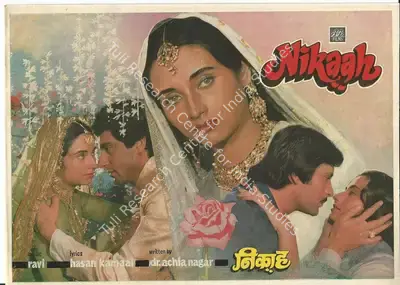
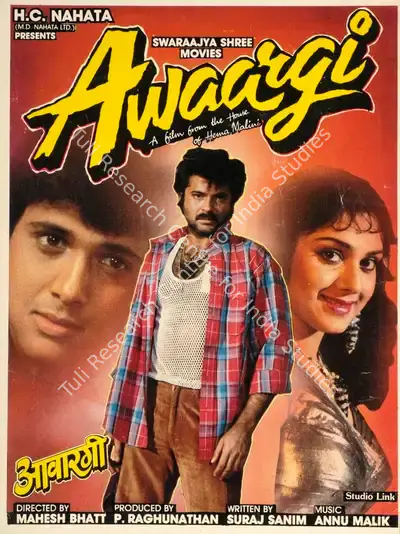
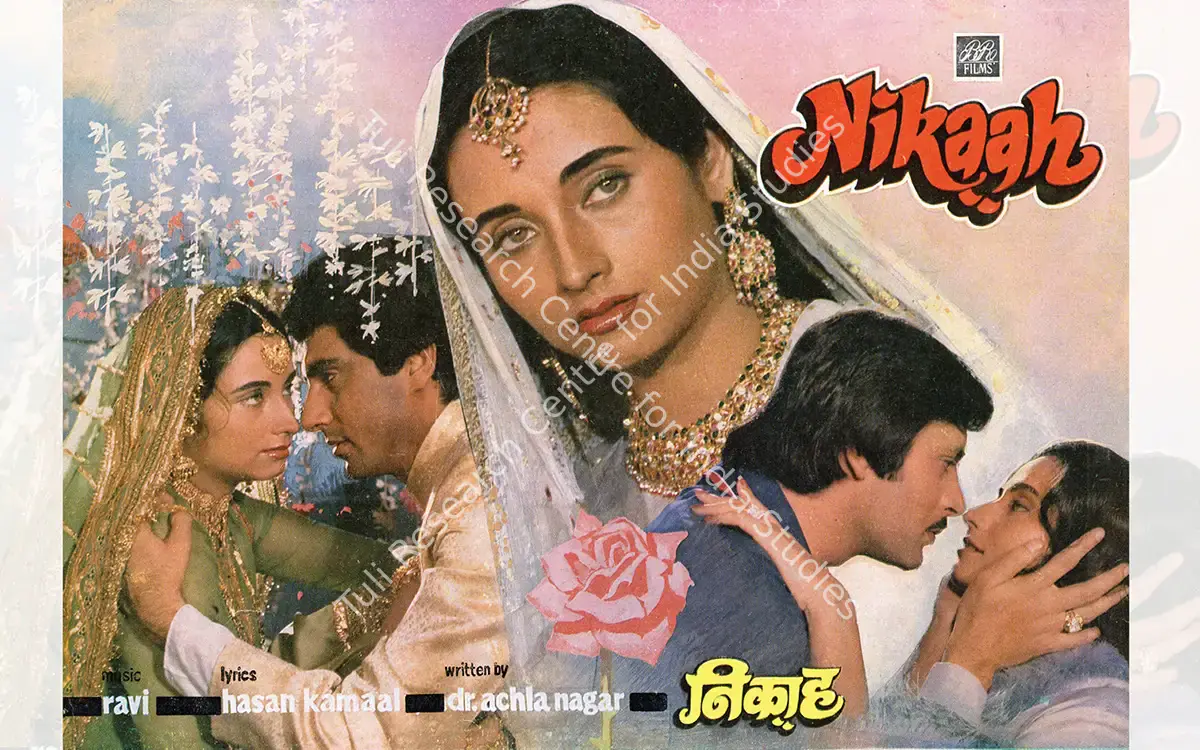
Although an artist of Pakistani origin, Ghulam Ali has enjoyed extraordinary popularity in India and across South Asia. His association with Indian audiences expanded significantly after his visit to India in 1980 and through collaborative recordings with Asha Bhosle, particularly the acclaimed album Meeraj-e-Ghazal (1984). His rendition of Chupke Chupke Raat Din attained iconic status after its inclusion in B. R. Chopra's film Nikaah (1982). Other celebrated ghazals, including Kal Chaudhvin Ki Raat Thi, Hungama Hai Kyon Barpa, Chamakte Chand Ko, Kiya Hai Pyar Jise, May Nazar Se Pee Raha Hoon, Ye Dil Ye Pagal Dil, Apni Dhun Mein Rehta Hoon, Ham Ko Kiske Gham Ne Maara, and Awaargi, continue to exemplify his unparalleled ability to unite poetic sophistication with classical musical artistry for audiences across the world.
Born in the Sialkot district of present-day Pakistan during the final years of British India, Ghulam Ali experienced the Partition as a young child, although he has often remarked that his memories of that historic upheaval remain indistinct. Raised within a deeply musical household, he was introduced to music at an early age by his father, an accomplished vocalist and sarangi player, who recognised his son's innate aptitude after learning that he frequently sang at school. Formal instruction commenced when Ghulam Ali was only eight years old, with rigorous training on the harmonium centred upon the disciplined practice of individual ragas. Although his grandmother initially questioned the intensity of this education, his father remained convinced that early musical discipline was indispensable for artistic excellence. Named in honour of Ustad Bade Ghulam Ali Khan, whom his father deeply admired, Ghulam Ali eventually realised the aspiration of becoming the legendary vocalist's disciple. His formal apprenticeship began during adolescence after a memorable audition in which he performed the thumri, Saiyyan Bolo Tanik Mose Rahiyo Na Jaye, earning the admiration and acceptance of the great maestro. Alongside vocal training, he also acquired proficiency in tabla performance, strengthening his understanding of rhythm and classical accompaniment.
His exceptional musical abilities gained recognition beyond the family environment at an early stage. While practising on the terrace of his home, he was noticed by a representative of Radio Pakistan, resulting in an invitation to perform on a children's programme. At the age of fourteen, he commenced broadcasting regularly and, within a remarkably short period, progressed to performances at the highest professional level. This early exposure laid the foundation for a career that would span several decades and establish him as one of the most respected voices in South Asia. Alongside his career, he married Afsana Ali, and their children, including Manjari Ghulam Ali, Aamir Ghulam Ali, and Nazar Ali Abbas, have continued the family's enduring musical tradition.
Beyond his accomplishments as a vocalist, Ghulam Ali is celebrated as a composer whose ghazals are firmly grounded in the principles of Hindustani classical music. His compositions frequently employ sophisticated raga structures, occasionally integrating multiple ragas to produce nuanced melodic expressions. By incorporating the stylistic conventions of gharana gayaki into the ghazal form, he transformed a literary genre into a richly textured musical experience distinguished by technical mastery and profound emotional resonance. His repertoire also extends to Punjabi songs, many of which have become integral to the cultural heritage of Punjab and its global diaspora.
Although an artist of Pakistani origin, Ghulam Ali has enjoyed extraordinary popularity in India and across South Asia. His association with Indian audiences expanded significantly after his visit to India in 1980 and through collaborative recordings with Asha Bhosle, particularly the acclaimed album Meeraj-e-Ghazal (1984). His rendition of Chupke Chupke Raat Din attained iconic status after its inclusion in B. R. Chopra's film Nikaah (1982). Other celebrated ghazals, including Kal Chaudhvin Ki Raat Thi, Hungama Hai Kyon Barpa, Chamakte Chand Ko, Kiya Hai Pyar Jise, May Nazar Se Pee Raha Hoon, Ye Dil Ye Pagal Dil, Apni Dhun Mein Rehta Hoon, Ham Ko Kiske Gham Ne Maara, and Awaargi, continue to exemplify his unparalleled ability to unite poetic sophistication with classical musical artistry for audiences across the world.
उस्ताद ग़ुलाम अली (जन्म 5 दिसंबर 1940) दक्षिण एशिया में ग़ज़ल परंपरा के मशहूर कलाकारों में से एक और पटियाला घराने के प्रमुख प्रतिनिधि हैं। हिंदुस्तानी शास्त्रीय संगीत पर अपनी ज़बरदस्त पकड़ के लिए मशहूर, उन्होंने शास्त्रीय गायन और शायरी के अनोखे मेल से ग़ज़ल गायकी के अंदाज़ को एक नई पहचान दी है। महान उस्ताद बड़े ग़ुलाम अली ख़ान के शिष्य के तौर पर, और बाद में उस्ताद के छोटे भाइयों बरकत अली ख़ान और मुबारक अली ख़ान से ट्रेनिंग लेकर, ग़ुलाम अली को संगीत की एक समृद्ध विरासत मिली, जिसने उनकी कलात्मक पहचान को आकार दिया। उनकी गायकी का ख़ास अंदाज़ जिसमें जटिल सुरों का उतार-चढ़ाव, बारीक सजावट और भावनाओं का बेहतरीन इज़हार शामिल है। उन्हें आधुनिक दौर के सबसे बड़े ग़ज़ल गायकों में से एक के तौर पर अपना नाम एयर गायकी स्थापित किया है। शास्त्रीय संगीत में अपनी उपलब्धियों के अलावा, उन्होंने हिंदी सिनेमा में प्लेबैक सिंगर के तौर पर भी काफ़ी पहचान बनाई और ग़ज़ल परंपरा को भारतीय उपमहाद्वीप में आम लोगों तक पहुँचाया।
ब्रिटिश भारत के आख़िरी सालों में आज के पाकिस्तान के सियालकोट ज़िले में जन्मे ग़ुलाम अली ने बचपन में ही बंटवारे का दौर देखा था, हालांकि इस सम्बन्ध में उन्होंने अक्सर कहा है कि उस ऐतिहासिक उथल-पुथल की उनकी यादें धुंधली हैं। संगीत से जुड़े परिवार में पले-बढ़े ग़ुलाम अली को कम उम्र में ही उनके पिता ने संगीत से परिचित कराया। उनके पिता ख़ुद एक कुशल गायक और सारंगी वादक थे और उन्होंने अपने बेटे की स्कूल में अक्सर गाने की आदत से उसकी जन्मजात प्रतिभा को पहचान लिया था। ग़ुलाम अली की औपचारिक शिक्षा तब शुरू हुई जब वे सिर्फ़ आठ साल के थे। उन्हें हारमोनियम पर अलग-अलग रागों के अनुशासित अभ्यास की कड़ी ट्रेनिंग दी गई। हालांकि उनकी दादी को शुरू में इस प्रकार की शिक्षा की सख़्ती पर सवाल था, लेकिन उनके पिता का मानना था कि कलात्मक उत्कृष्टता के लिए शुरुआती संगीत अनुशासन बहुत ज़रूरी है। उस्ताद बड़े ग़ुलाम अली ख़ान के सम्मान में उनका नाम रखा गया था, जिन्हें उनके पिता बहुत मानते थे, और आख़िरकार ग़ुलाम अली ने उस महान गायक का शिष्य बनने का सपना पूरा किया। किशोरावस्था में एक यादगार ऑडिशन के बाद उनकी औपचारिक ट्रेनिंग शुरू हुई, जिसमें उन्होंने ठुमरी 'सैयां बोलो तनिक मोसे रहियो न जाए' गाई और महान उस्ताद की तारीफ़ और मंज़ूरी हासिल की। गायन की ट्रेनिंग के साथ-साथ उन्होंने तबला वादन में भी महारत हासिल की, जिससे ताल और शास्त्रीय संगत की उनकी समझ और मज़बूत हुई।
उनकी असाधारण संगीत प्रतिभा को बहुत कम उम्र में ही परिवार के दायरे से बाहर पहचान मिल गई थी। जब वे अपने घर की छत पर रियाज़ कर रहे थे, तब रेडियो पाकिस्तान के एक प्रतिनिधि की नज़र उन पर पड़ी, जिसके बाद उन्हें बच्चों के एक कार्यक्रम में प्रस्तुति देने का न्योता मिला। चौदह साल की उम्र में उन्होंने नियमित रूप से प्रसारण शुरू किया और बहुत कम समय में ही वे बड़े प्रोफ़ेशनल स्तर पर प्रस्तुति देने लगे। इस शुरुआती पहचान ने उनके उस करियर की नींव रखी जो कई दशकों तक चला और जिसने उन्हें दक्षिण एशियाई संगीत की दुनिया में सबसे सम्मानित आवाज़ों में से एक के तौर पर स्थापित किया। अपने करियर के साथ-साथ उन्होंने अफ़साना अली से शादी की, और उनके बच्चों मंजरी ग़ुलाम अली, आमिर ग़ुलाम अली और नज़र अली अब्बास ने इस परिवार की संगीत की लंबी परंपरा को आगे बढ़ाया है।
एक गायक के तौर पर अपनी उपलब्धियों के अलावा, ग़ुलाम अली एक संगीतकार के रूप में भी मशहूर हैं, जिनकी ग़ज़ल की धुनें हिंदुस्तानी शास्त्रीय संगीत के सिद्धांतों पर मज़बूती से आधारित होती हैं। उनकी रचनाओं में अक्सर जटिल राग संरचनाओं का इस्तेमाल होता है, और कभी-कभी वे कई रागों को मिलाकर बारीक और भावपूर्ण धुनें तैयार करते हैं। ग़ज़ल के रूप में 'घराना गायकी' की शैलियों को शामिल करके, उन्होंने साहित्य की इस विधा को एक समृद्ध संगीत अनुभव में बदल दिया, जो तकनीकी महारत और गहरे भावनात्मक असर के लिए जानी जाती है। उनके गायन के दायरे में पंजाबी गाने भी शामिल हैं, जिनमें से कई गाने पंजाब और दुनिया भर में बसे पंजाबियों की सांस्कृतिक विरासत का अहम हिस्सा बन गए हैं।
एक पाकिस्तानी कलाकार होते हुए भी ग़ुलाम अली को भारत और पूरे दक्षिण एशिया में असाधारण लोकप्रियता हासिल है। 1980 में उनकी भारत यात्रा के बाद और आशा भोसले के साथ सहयोगात्मक रिकॉर्डिंग, विशेष रूप से प्रशंसित एल्बम मिराज-ए-ग़ज़ल (1984) के माध्यम से भारतीय दर्शकों के साथ उनका जुड़ाव काफ़ी बढ़ गया। बी.आर. चोपड़ा की फ़िल्म निक़ाह (1982) में शामिल किए जाने के बाद उनके प्रस्तुतीकरण 'चुपके-चुपके रात दिन' को ख़ूब लोकप्रियता हासिल की। 'कल चौदहवीं की रात थी', 'हंगामा है क्यों बरपा', 'चमकते चाँद को', 'किया है प्यार जिसे', 'मई नज़र से पी रहा हूँ', 'ये दिल ये पागल दिल', 'अपनी धुन में रहता हूँ', 'हम को किसके गम ने मारा', और 'आवारगी' सहित अन्य प्रसिद्ध ग़ज़लें, शास्त्रीय संगीत कलात्मकता के साथ काव्य उत्कृष्टता को एकजुट करने की उनकी अद्वितीय क्षमता का है।
ब्रिटिश भारत के आख़िरी सालों में आज के पाकिस्तान के सियालकोट ज़िले में जन्मे ग़ुलाम अली ने बचपन में ही बंटवारे का दौर देखा था, हालांकि इस सम्बन्ध में उन्होंने अक्सर कहा है कि उस ऐतिहासिक उथल-पुथल की उनकी यादें धुंधली हैं। संगीत से जुड़े परिवार में पले-बढ़े ग़ुलाम अली को कम उम्र में ही उनके पिता ने संगीत से परिचित कराया। उनके पिता ख़ुद एक कुशल गायक और सारंगी वादक थे और उन्होंने अपने बेटे की स्कूल में अक्सर गाने की आदत से उसकी जन्मजात प्रतिभा को पहचान लिया था। ग़ुलाम अली की औपचारिक शिक्षा तब शुरू हुई जब वे सिर्फ़ आठ साल के थे। उन्हें हारमोनियम पर अलग-अलग रागों के अनुशासित अभ्यास की कड़ी ट्रेनिंग दी गई। हालांकि उनकी दादी को शुरू में इस प्रकार की शिक्षा की सख़्ती पर सवाल था, लेकिन उनके पिता का मानना था कि कलात्मक उत्कृष्टता के लिए शुरुआती संगीत अनुशासन बहुत ज़रूरी है। उस्ताद बड़े ग़ुलाम अली ख़ान के सम्मान में उनका नाम रखा गया था, जिन्हें उनके पिता बहुत मानते थे, और आख़िरकार ग़ुलाम अली ने उस महान गायक का शिष्य बनने का सपना पूरा किया। किशोरावस्था में एक यादगार ऑडिशन के बाद उनकी औपचारिक ट्रेनिंग शुरू हुई, जिसमें उन्होंने ठुमरी 'सैयां बोलो तनिक मोसे रहियो न जाए' गाई और महान उस्ताद की तारीफ़ और मंज़ूरी हासिल की। गायन की ट्रेनिंग के साथ-साथ उन्होंने तबला वादन में भी महारत हासिल की, जिससे ताल और शास्त्रीय संगत की उनकी समझ और मज़बूत हुई।
उनकी असाधारण संगीत प्रतिभा को बहुत कम उम्र में ही परिवार के दायरे से बाहर पहचान मिल गई थी। जब वे अपने घर की छत पर रियाज़ कर रहे थे, तब रेडियो पाकिस्तान के एक प्रतिनिधि की नज़र उन पर पड़ी, जिसके बाद उन्हें बच्चों के एक कार्यक्रम में प्रस्तुति देने का न्योता मिला। चौदह साल की उम्र में उन्होंने नियमित रूप से प्रसारण शुरू किया और बहुत कम समय में ही वे बड़े प्रोफ़ेशनल स्तर पर प्रस्तुति देने लगे। इस शुरुआती पहचान ने उनके उस करियर की नींव रखी जो कई दशकों तक चला और जिसने उन्हें दक्षिण एशियाई संगीत की दुनिया में सबसे सम्मानित आवाज़ों में से एक के तौर पर स्थापित किया। अपने करियर के साथ-साथ उन्होंने अफ़साना अली से शादी की, और उनके बच्चों मंजरी ग़ुलाम अली, आमिर ग़ुलाम अली और नज़र अली अब्बास ने इस परिवार की संगीत की लंबी परंपरा को आगे बढ़ाया है।
एक गायक के तौर पर अपनी उपलब्धियों के अलावा, ग़ुलाम अली एक संगीतकार के रूप में भी मशहूर हैं, जिनकी ग़ज़ल की धुनें हिंदुस्तानी शास्त्रीय संगीत के सिद्धांतों पर मज़बूती से आधारित होती हैं। उनकी रचनाओं में अक्सर जटिल राग संरचनाओं का इस्तेमाल होता है, और कभी-कभी वे कई रागों को मिलाकर बारीक और भावपूर्ण धुनें तैयार करते हैं। ग़ज़ल के रूप में 'घराना गायकी' की शैलियों को शामिल करके, उन्होंने साहित्य की इस विधा को एक समृद्ध संगीत अनुभव में बदल दिया, जो तकनीकी महारत और गहरे भावनात्मक असर के लिए जानी जाती है। उनके गायन के दायरे में पंजाबी गाने भी शामिल हैं, जिनमें से कई गाने पंजाब और दुनिया भर में बसे पंजाबियों की सांस्कृतिक विरासत का अहम हिस्सा बन गए हैं।
एक पाकिस्तानी कलाकार होते हुए भी ग़ुलाम अली को भारत और पूरे दक्षिण एशिया में असाधारण लोकप्रियता हासिल है। 1980 में उनकी भारत यात्रा के बाद और आशा भोसले के साथ सहयोगात्मक रिकॉर्डिंग, विशेष रूप से प्रशंसित एल्बम मिराज-ए-ग़ज़ल (1984) के माध्यम से भारतीय दर्शकों के साथ उनका जुड़ाव काफ़ी बढ़ गया। बी.आर. चोपड़ा की फ़िल्म निक़ाह (1982) में शामिल किए जाने के बाद उनके प्रस्तुतीकरण 'चुपके-चुपके रात दिन' को ख़ूब लोकप्रियता हासिल की। 'कल चौदहवीं की रात थी', 'हंगामा है क्यों बरपा', 'चमकते चाँद को', 'किया है प्यार जिसे', 'मई नज़र से पी रहा हूँ', 'ये दिल ये पागल दिल', 'अपनी धुन में रहता हूँ', 'हम को किसके गम ने मारा', और 'आवारगी' सहित अन्य प्रसिद्ध ग़ज़लें, शास्त्रीय संगीत कलात्मकता के साथ काव्य उत्कृष्टता को एकजुट करने की उनकी अद्वितीय क्षमता का है।
No personalia records available yet.