Shekhar Kapoor
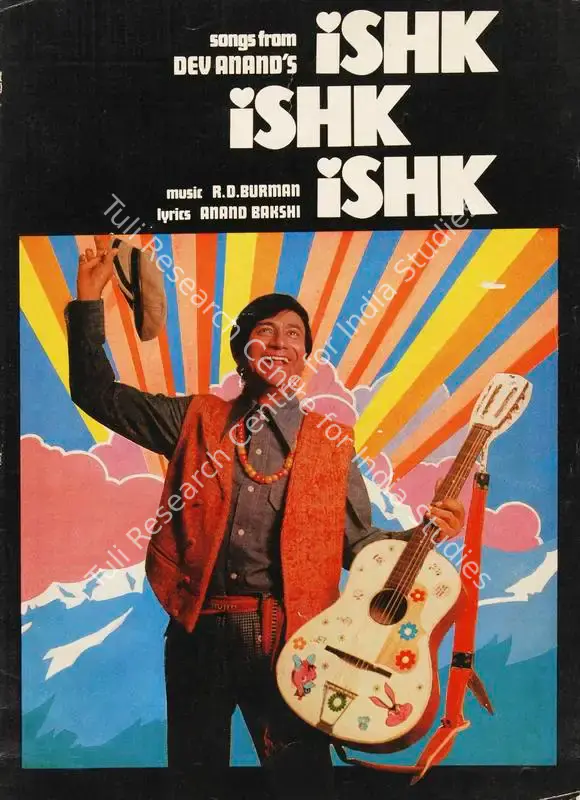
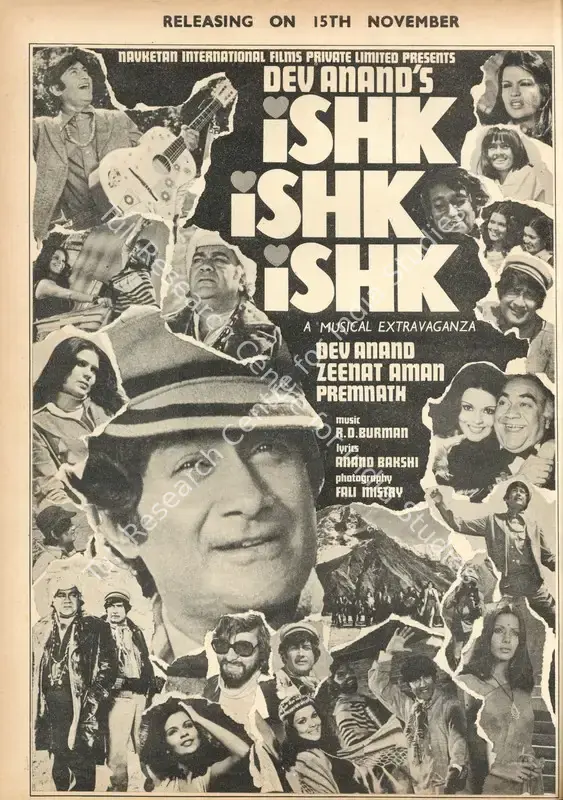
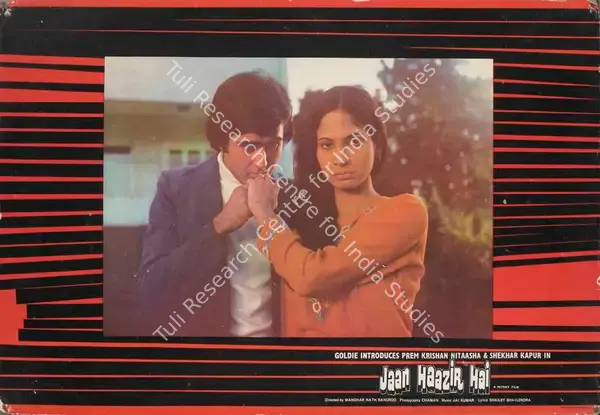
Shekhar Kulbhushan Kapur (born 6 December 1945) He is an Indian filmmaker, actor, and cultural commentator whose career spans Indian and international cinema, television, and institutional leadership. Born in Lahore in undivided British India into a Punjabi Hindu family, he is the son of Dr Kulbhushan Kapoor and Sheel Kanta Kapoor. His maternal lineage is closely associated with Indian cinema, as his mother was the sister of noted film personalities Chetan Anand, Dev Anand, and Vijay Anand. The trauma of Partition profoundly shaped his early life; during his family's migration from Pakistan to India, his mother reportedly survived a violent attack by feigning death and protecting her children, an experience Kapur has cited as formative in his worldview.
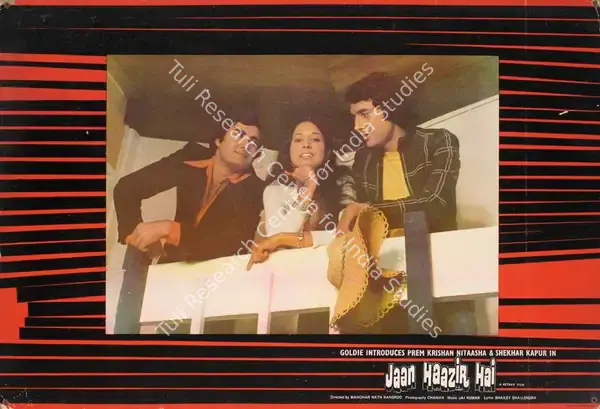
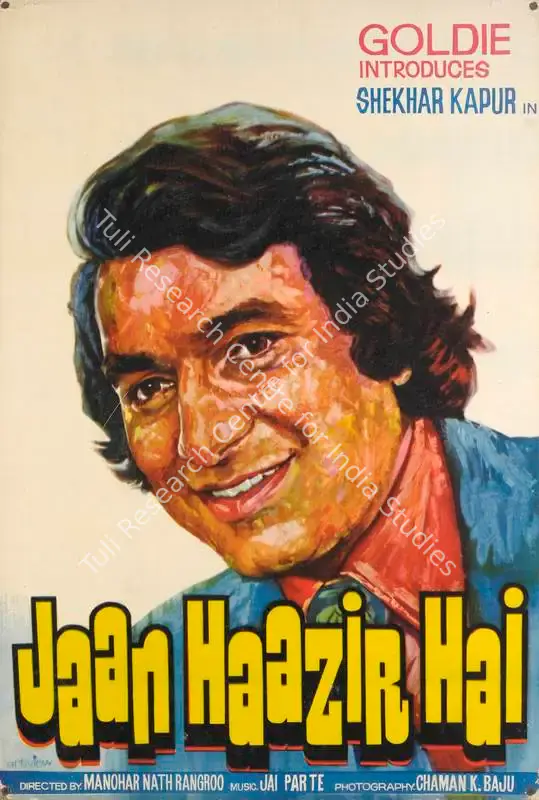
Educated at Modern School, New Delhi, and later at St. Stephen's College, where he studied economics, Kapur qualified as a chartered accountant in England at the age of 22 before beginning a professional career in finance and management consultancy. He moved to the United Kingdom in 1970, where he initially worked in corporate roles before transitioning into the creative arts.
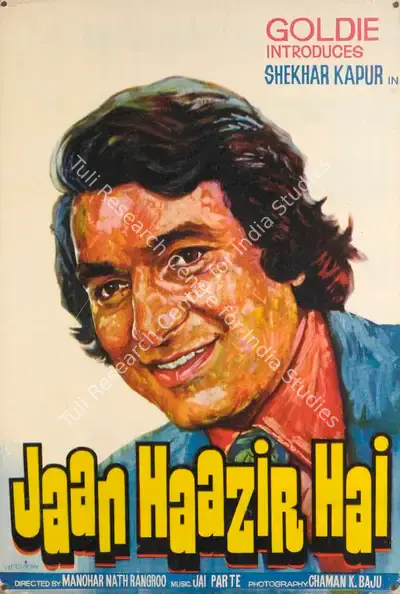
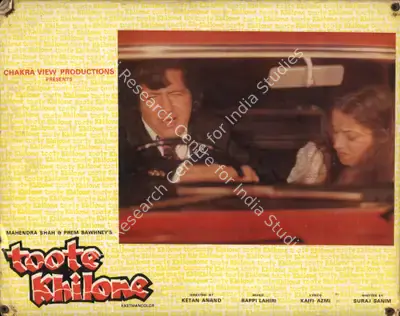
Kapur entered the Indian entertainment industry through acting, appearing in early television productions such as Khandaan (1985). He made his directorial debut with Masoom (1983), a critically acclaimed family drama exploring themes of illegitimacy and emotional reconciliation. The film established him as a sensitive storyteller within Indian parallel cinema. He achieved mainstream commercial success with Mr. India (1987), a science-fiction fantasy film that became a cultural landmark in Hindi cinema, particularly noted for Amrish Puri's iconic antagonist portrayal.
In the 1990s, Kapur gained international recognition with Bandit Queen (1994), a biographical drama based on the life of Phoolan Devi. The film premiered at the Directors' Fortnight at the Cannes Film Festival and was screened at major international festivals, marking his emergence on the global cinematic stage. His career, however, was also marked by several incomplete projects, reflecting his reputation for creative differences and production departures during films such as Joshilaay (1989) and Barsaat (1995).
Kapur's international stature was firmly established with Elizabeth (1998), a historical drama starring Cate Blanchett as Queen Elizabeth I. The film received widespread critical acclaim and multiple Academy Award nominations, solidifying his position as a global filmmaker. He continued this trajectory with The Four Feathers (2002) and Elizabeth: The Golden Age (2007), further exploring imperial and political histories through a visually stylised and psychologically nuanced lens.
Beyond filmmaking, Kapur co-founded a production initiative with Ram Gopal Varma and Mani Ratnam, which produced Dil Se (1998). He also served as executive producer for Andrew Lloyd Webber's stage production Bombay Dreams (2002), which achieved success in London's West End and on Broadway. His documentary work includes The Science of Compassion (2016), centred on spiritual leader Mata Amritanandamayi.
Kapur's public roles extend to television and cultural discourse, including judging India's Got Talent, narrating Pradhanmantri (2013), and lending his voice to historical audiobooks. His contributions have been recognised with the Padma Shri in 2000 and the Padma Bhushan in 2025. He has also served on the jury of the Cannes Film Festival (2010) and chaired the International Competition Jury at the International Film Festival of India in 2023, reflecting sustained global engagement.
His personal life includes marriages to Medha Gujral and later to actress Suchitra Krishnamoorthi, with whom he has a daughter, Kaveri Kapur. Despite personal and professional controversies, Shekhar Kapur remains a significant figure in contemporary global cinema, known for bridging Indian storytelling with international cinematic traditions.
कपूर ने नई दिल्ली के मॉडर्न स्कूल और बाद में सेंट स्टीफंस कॉलेज़ से शिक्षा प्राप्त की, जहाँ उन्होंने अर्थशास्त्र का अध्ययन किया। 22 वर्ष की आयु में उन्होंने इंग्लैंड में चार्टर्ड अकाउंटेंट की डिग्री प्राप्त की और वित्त एवं प्रबंधन परामर्श के क्षेत्र में अपना पेशेवर करियर शुरू किया। वे 1970 में यूनाइटेड किंगडम चले गए, जहाँ उन्होंने शुरू में कॉर्पोरेट से जुड़े पदों पर काम किया और बाद में रचनात्मक कलाओं की ओर रुख़ किया।
कपूर ने भारतीय मनोरंजन उद्योग में अभिनय के माध्यम से प्रवेश किया, और ख़ानदान (1985) जैसे शुरुआती टेलीविज़न प्रस्तुतियों में दिखाई दिए। उन्होंने मासूम (1983) से निर्देशन के क्षेत्र में कदम रखा, जो समीक्षकों द्वारा प्रशंसित पारिवारिक ड्रामा था और जिसमें नाजाएज़ संतान और भावनात्मक सुलह जैसे विषयों को दर्शाया गया था। इस फ़िल्म ने उन्हें भारतीय समानांतर सिनेमा में एक संवेदनशील कहानीकार के रूप में स्थापित किया। उन्हें मिस्टर इंडिया (1987) से मुख्यधारा में व्यावसायिक सफलता मिली, जो एक विज्ञान-कथा पर आधारित काल्पनिक फ़िल्म थी और हिंदी सिनेमा में सांस्कृतिक रूप से मील का पत्थर बन गई, विशेष रूप से अमरीश पुरी के खलनायक के यादगार अभिनय के लिए जानी जाती है।
1990 के दशक में कपूर को फूलन देवी के जीवन पर आधारित जीवनीपरक ड्रामा फ़िल्म 'बैंडिट क्वीन' (1994) से अंतरराष्ट्रीय पहचान मिली। इस फ़िल्म का प्रीमियर कान्स फ़िल्म फेस्टिवल के डायरेक्टर्स फोर्टनाइट में हुआ और इसे कई प्रमुख अंतरराष्ट्रीय फ़िल्म समारोहों में प्रदर्शित किया गया, जिससे वैश्विक सिनेमाई मंच पर उनकी ख्याति का उदय हुआ। हालांकि, उनके करियर में कई अधूरी परियोजनाएं भी शामिल थीं, जो ' जोशीले' (1989) और 'बरसात' (1995) जैसी फ़िल्मों के दौरान रचनात्मक मतभेदों और निर्माण संबंधी बदलावों के बाद हटना जो उनकी तटस्थ प्रतिष्ठा को दर्शाती हैं।
केट ब्लैंचेट अभिनीत ऐतिहासिक ड्रामा फ़िल्म एलिजाबेथ (1998) से कपूर की अंतरराष्ट्रीय ख्याति मज़बूती से स्थापित हुई। इस फ़िल्म को आलोचकों से व्यापक प्रशंसा मिली और कई अकादमी पुरस्कारों के लिए नामांकित किया गया, जिससे वैश्विक फ़िल्म निर्माता के रूप में उनकी स्थिति और भी पुख्ता हो गई। उन्होंने द फोर फेदर्स (2002) और एलिजाबेथ: द गोल्डन एज़ (2007) के साथ इस यात्रा को जारी रखा, जिसमें उन्होंने दृश्य शैलीबद्ध और मनोवैज्ञानिक रूप से सूक्ष्म दृष्टिकोण से साम्राज्यवादी और राजनीतिक इतिहास को सूक्ष्म तरीके से प्रस्तुत किया।
फ़िल्म निर्माण के अलावा, कपूर ने राम गोपाल वर्मा और मणिरत्नम के साथ मिलकर एक प्रोडक्शन कंपनी की स्थापना की, जिसने 'दिल से' (1998) का निर्माण किया। उन्होंने एंड्रयू लॉयड वेबर के स्टेज़ प्रोडक्शन 'बॉम्बे ड्रीम्स' (2002) के कार्यकारी निर्माता के रूप में भी काम किया, जिसे लंदन के वेस्ट एंड और ब्रॉडवे में सफलता मिली। उनके डॉक्यूमेंट्री कार्यों में 'द साइंस ऑफ कम्पैशन' (2016) शामिल है, जो आध्यात्मिक गुरु माता अमृतानानंदमयी पर केंद्रित है।
कपूर की सार्वजनिक भूमिकाएँ टेलीविज़न और सांस्कृतिक चर्चाओं तक फैली हुई हैं, जिनमें इंडियाज़ गॉट टैलेंट के निर्णायक के रूप में कार्य करना, प्रधानमंत्री (2013) का कथावाचक बनना और ऐतिहासिक ऑडियोपुस्तकों को अपनी आवाज़ देना शामिल है। उनके योगदान को 2000 में पद्म श्री और 2025 में पद्म भूषण से सम्मानित किया गया है। उन्होंने कान्स फ़िल्म महोत्सव (2010) की जूरी में भी अपनी सेवाएं दी और 2023 में अंतर्राष्ट्रीय फ़िल्म महोत्सव ऑफ़ इंडिया में अंतर्राष्ट्रीय प्रतियोगिता जूरी की अध्यक्षता की है, जो वैश्विक स्तर पर उनकी निरंतर भागीदारी को दर्शाता है।
उनके निजी जीवन में मेधा गुजराल और बाद में अभिनेत्री सुचित्रा कृष्णमूर्ति से विवाह शामिल हैं, जिनसे उनकी एक बेटी कावेरी कपूर हैं। व्यक्तिगत और पेशेवर विवादों के बावजूद, शेखर कपूर समकालीन वैश्विक सिनेमा में एक महत्वपूर्ण हस्ती बने हुए हैं, जो भारतीय कहानी कहने की शैली को अंतरराष्ट्रीय सिनेमाई परंपराओं से जोड़ने के लिए जाने जाते हैं।