Rahul Dev Burman
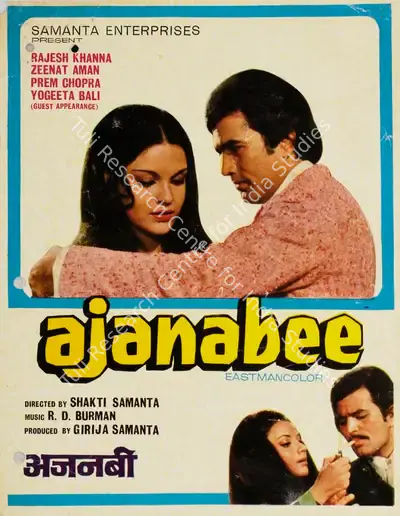
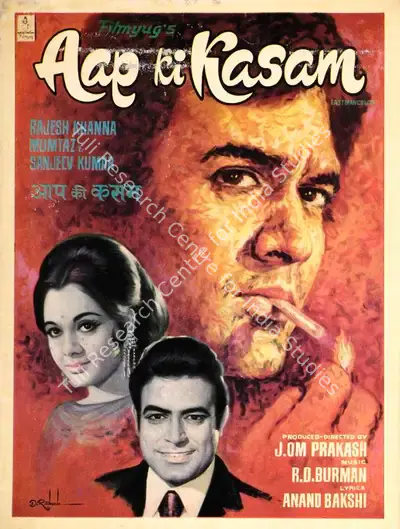
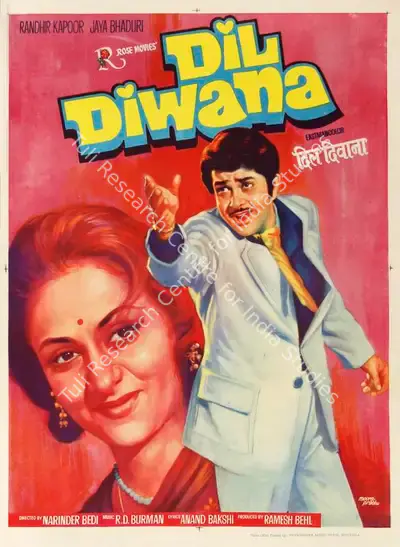
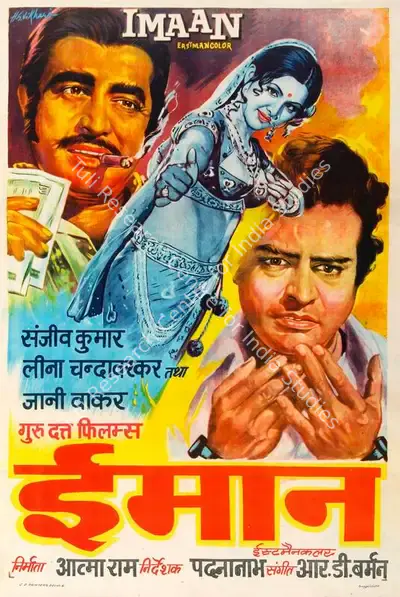
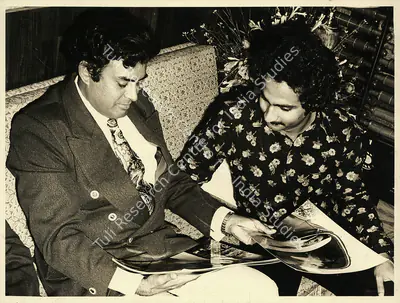
Rahul Dev Burman (27 June 1939 - 4 January 1994) He stands as one of the most inventive and influential figures in Hindi film music. Revered across generations, he reshaped the sonic identity of Indian cinema from the 1960s through the 1990s, composing for over three hundred films and redefining what a film score could be. His music carried a restless curiosity—an ability to bridge worlds—melding the improvisational spirit of jazz, the pulse of rock and funk, and the lyricism of Indian classical traditions into something unmistakably modern. In doing so, he created a catalogue that was at once youthful, rhythm-driven, and deeply rooted in the grammar of Hindustani melody.
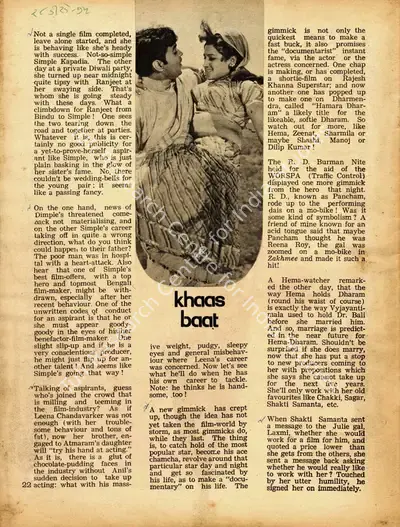
Affectionately known as Pancham, he inherited music as both legacy and language. The only child of the eminent composer Sachin Dev Burman and lyricist Meera Dev Burman, he grew up surrounded by melody and verse. Stories of his nickname carry a mythic charm: a child whose cry echoed the fifth note, Pa, or perhaps a baby who seemed to sing in multiple pitches. Whatever its origin, Pancham became a name synonymous with innovation.
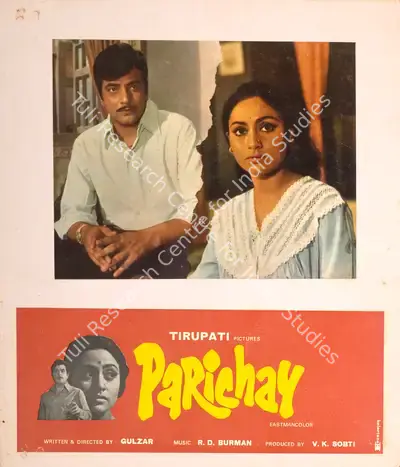
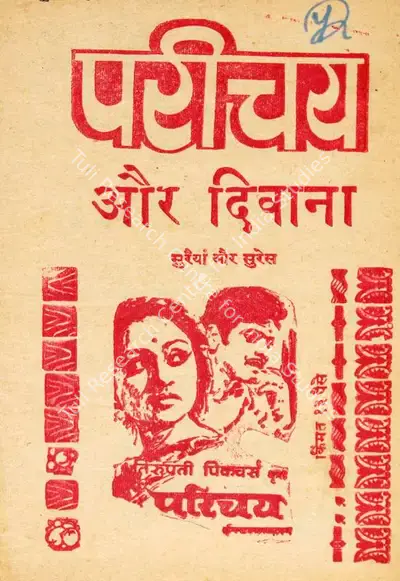
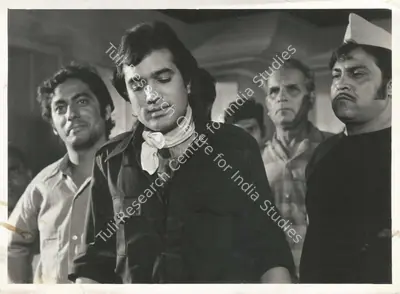
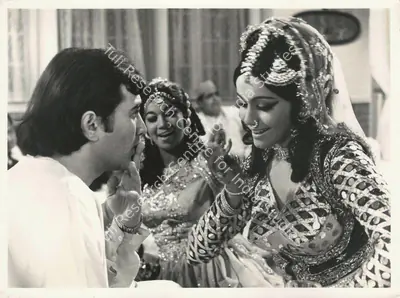
His personal life bore the marks of both romance and solitude. A brief marriage to Rita Patel ended in separation, a moment of quiet reflection that found resonance in Parichay (1972) through the wandering ache of Musafir Hoon Yaaron from Parichay (1972). Later, his partnership with Asha Bhosle evolved into one of the most celebrated creative collaborations in Indian music, even as their relationship remained complex and, in later years, distant. Financial difficulties shadowed his final years, yet his artistic spirit never dimmed.
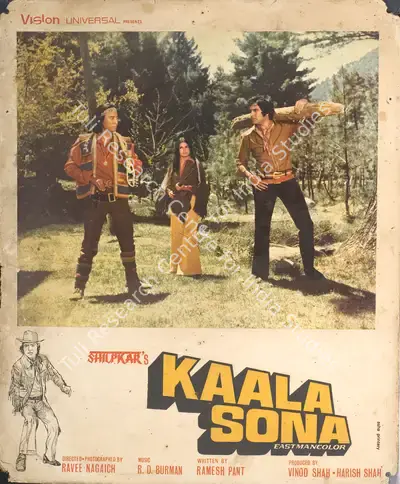
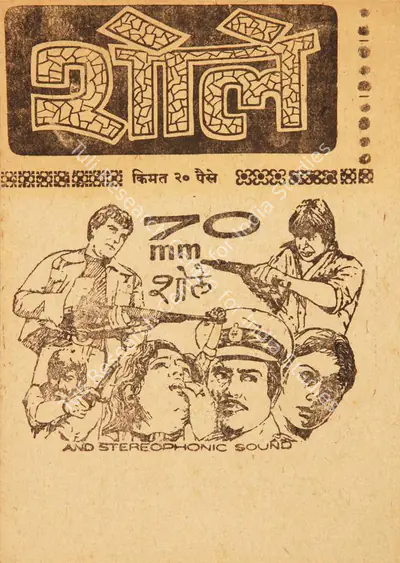
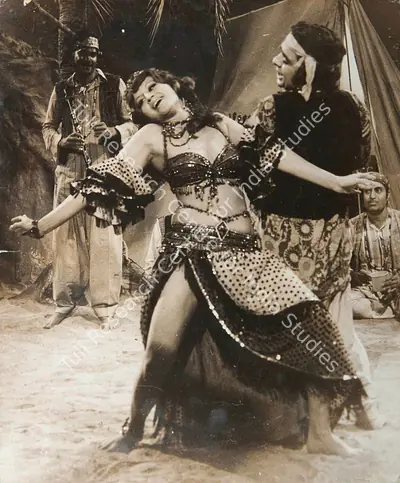
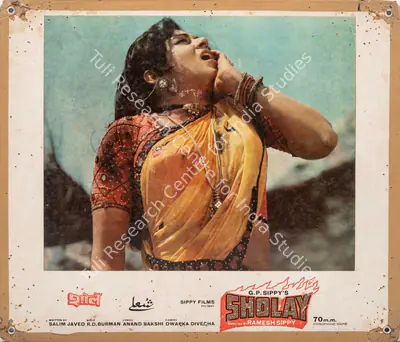
Burman's genius lay not only in composition but in sound itself. He treated the studio as an instrument—coaxing rhythm from everyday objects, blowing into bottles for the evocative opening of Mehbooba Mehbooba from Sholay (1975), or creating delicate chimes with cups and saucers in Chura Liya Hai Tumne Jo Dil Ko from Yaadon Ki Baaraat (1973). He introduced electronic textures, flangers, and unconventional arrangements long before they became commonplace, forever altering the soundscape of Hindi cinema.
His collaborations read like a roll call of legends—Kishore Kumar, Lata Mangeshkar, Mohammed Rafi, and Asha Bhosle lending voice to his melodies, while lyricists such as Majrooh Sultanpuri, Anand Bakshi, and Gulzar translated his musical imagination into poetry. Together, they created songs that have outlived their films, entering the cultural bloodstream.
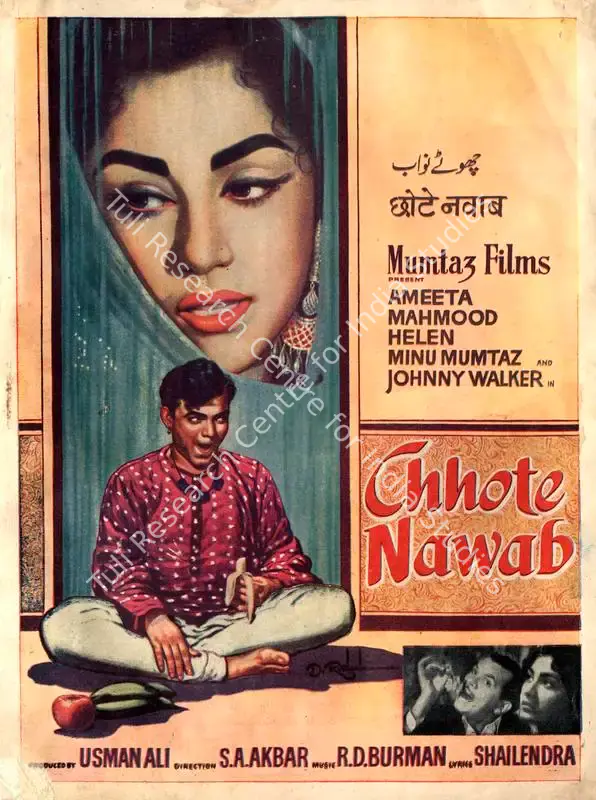
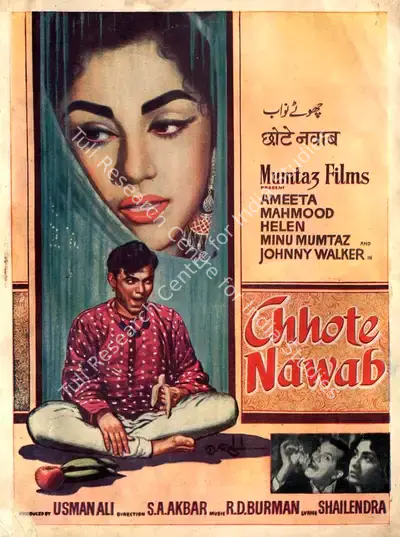
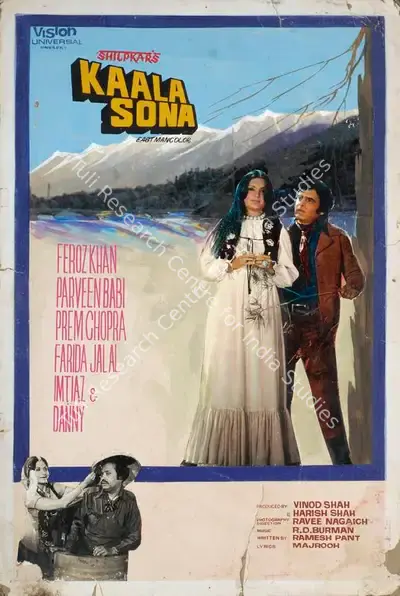
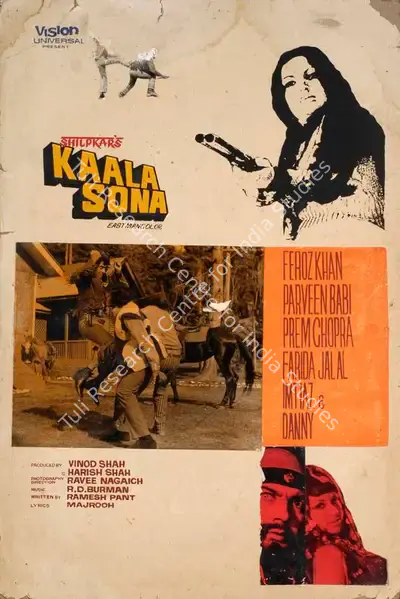
From early struggles following his debut with Chhote Nawab (1961), Burman found his breakthrough with Teesri Manzil (1966), whose electrifying soundtrack—featuring O Haseena Zulfonwali Jane Jahan, O Mere Sona Re Sona, and Aaja Aaja Main Hoon Pyar Tera from Teesri Manzil (1966)—signaled a new era. The late 1960s further affirmed his flair with Padosan (1968), where Ek Chatur Naar and Mere Samne Wali Khidki Mein from Padosan (1968) became enduring favourites.
The late 1960s and early 1970s saw him ascend alongside the rise of youth-centric cinema, crafting unforgettable music for Kati Patang (1970), Amar Prem (1972), and Yaadon Ki Baaraat (1973). Songs such as Yeh Shaam Mastani and Pyaar Deewana Hota Hai from Kati Patang (1970), Chingari Koi Bhadke and Kuchh Toh Log Kahenge from Amar Prem (1972), and Chura Liya Hai Tumne Jo Dil Ko from Yaadon Ki Baaraat (1973) became generational anthems, while Dum Maro Dum from Hare Rama Hare Krishna (1971) captured the countercultural pulse of its time.
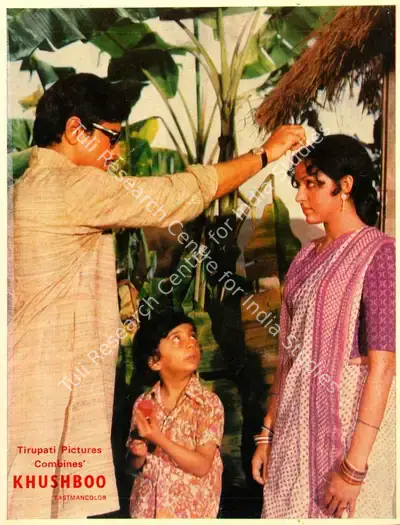
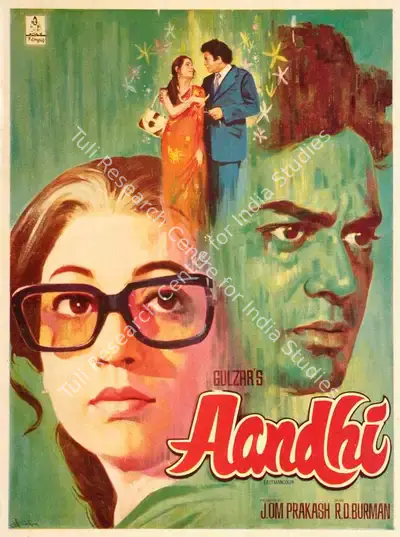
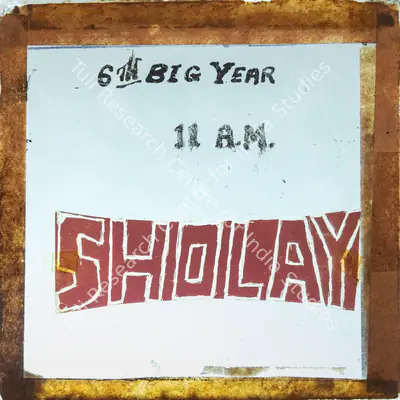
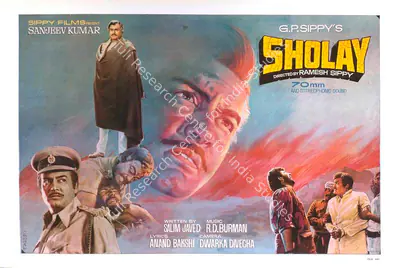
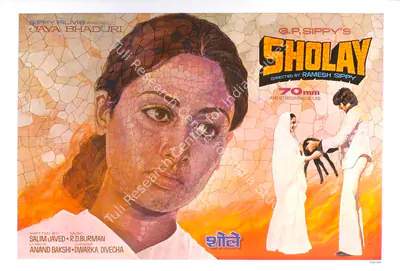
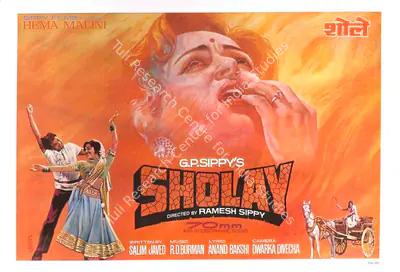
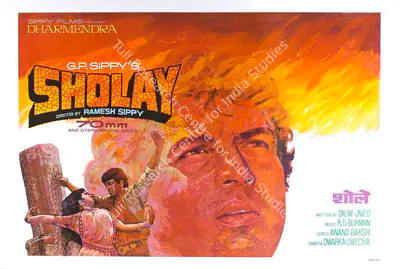
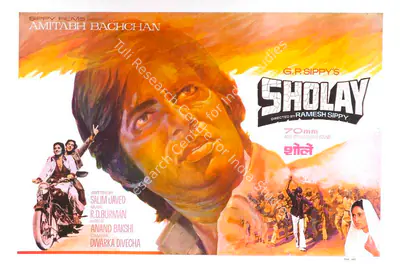
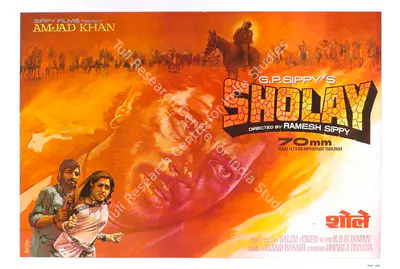
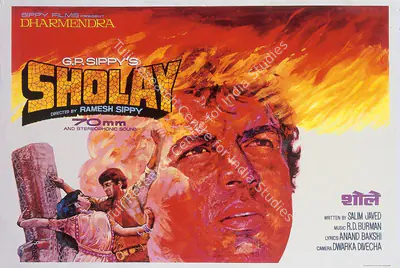
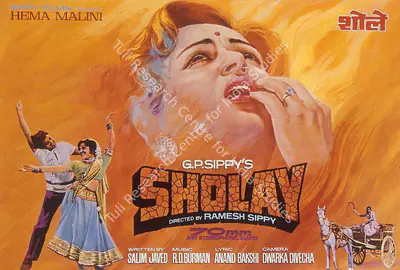
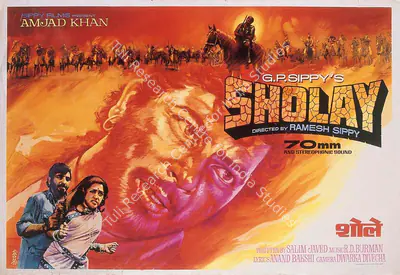
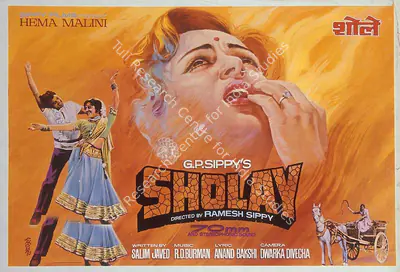
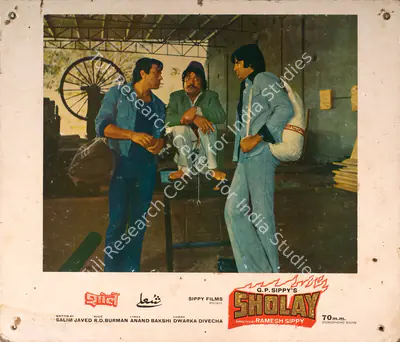
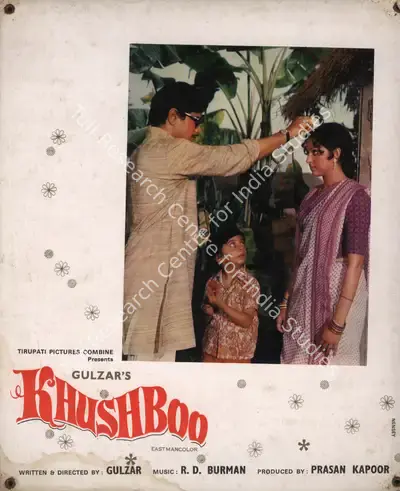
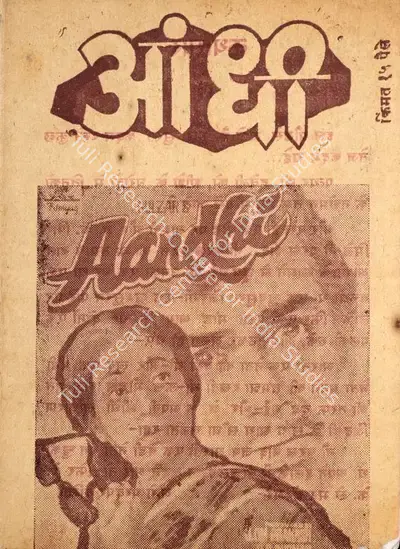
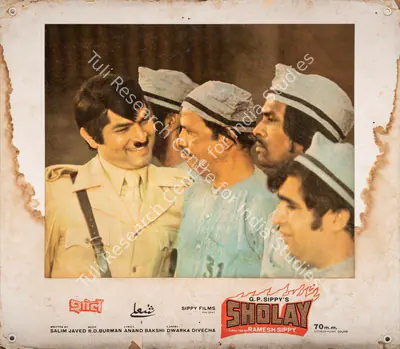
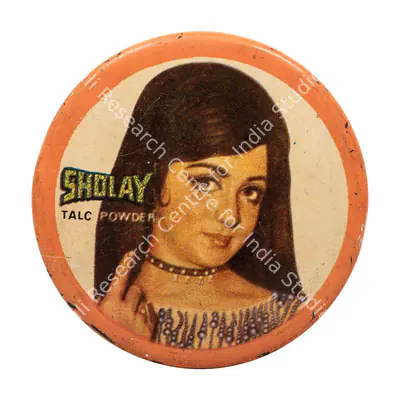
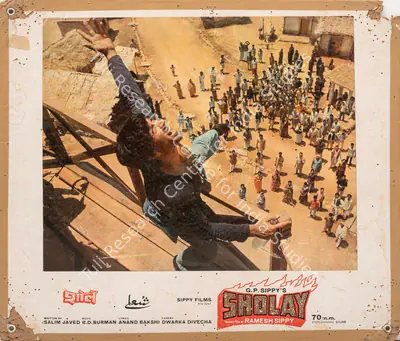
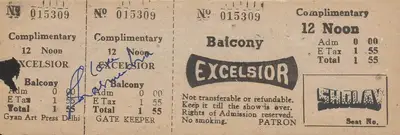
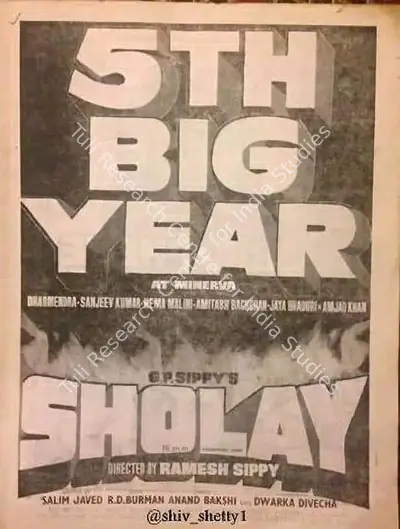
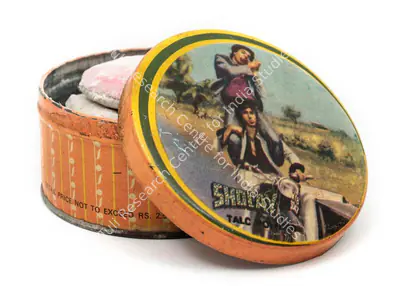
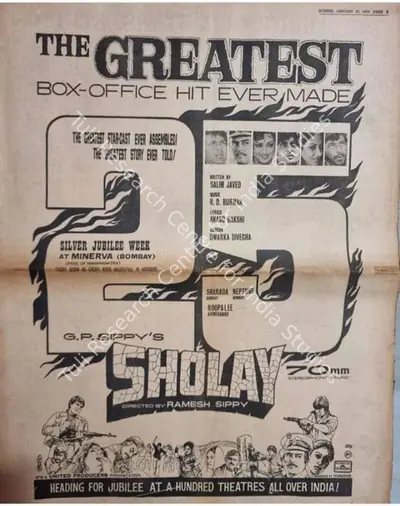
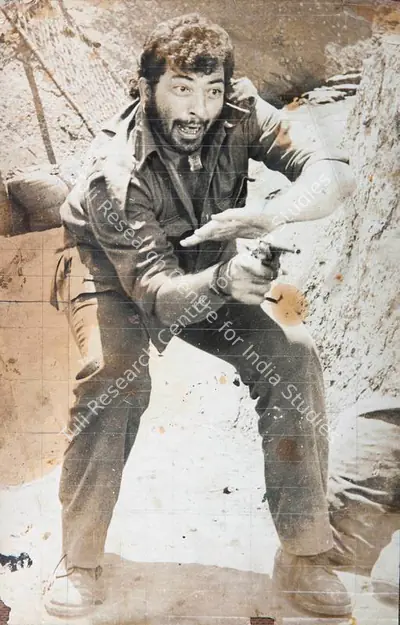
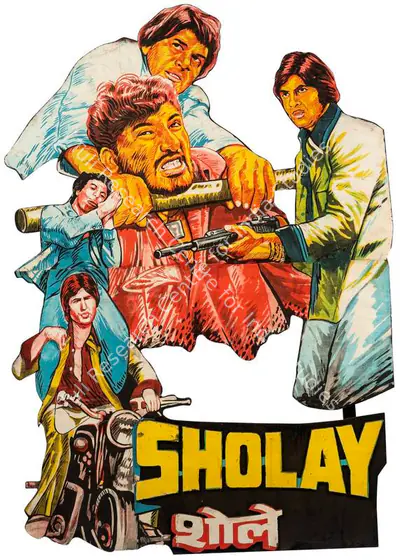
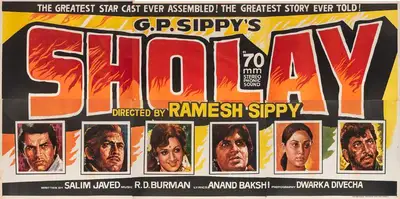
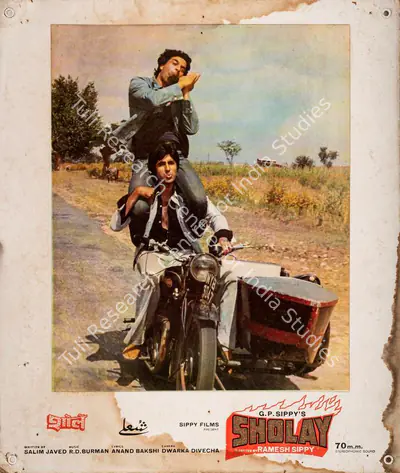
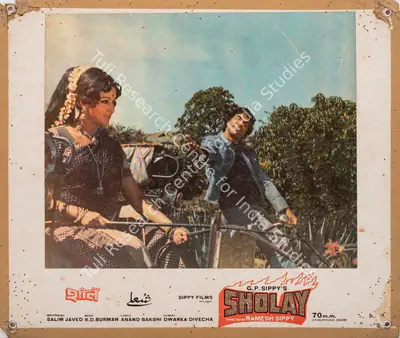
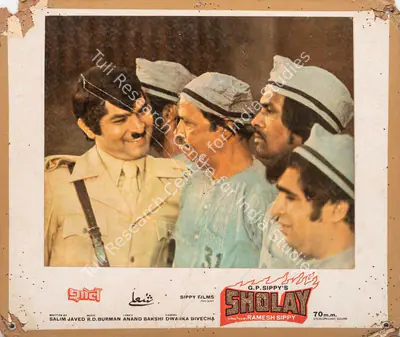
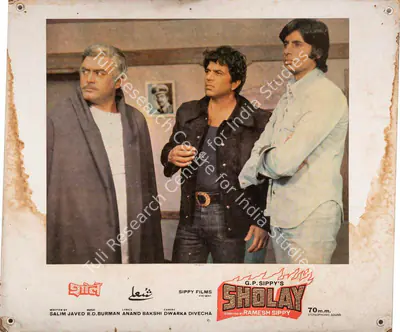
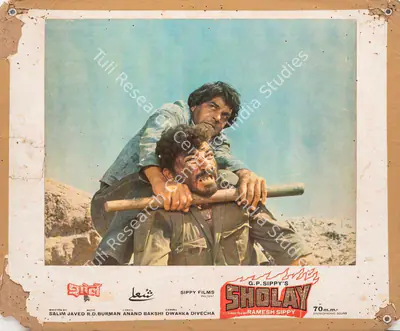
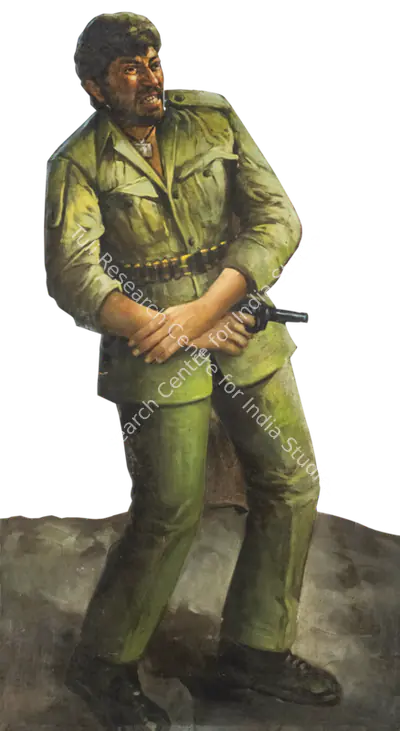
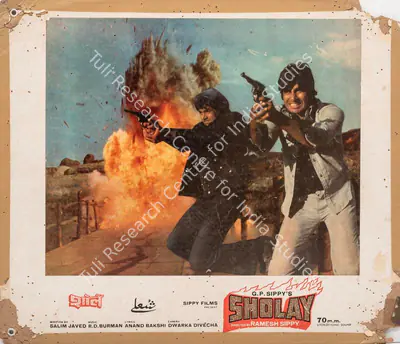
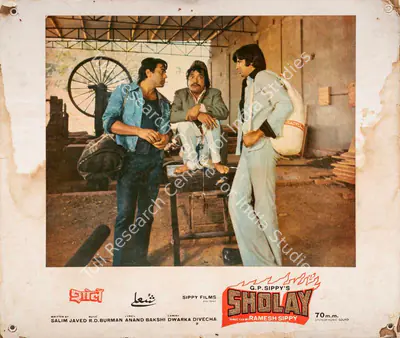
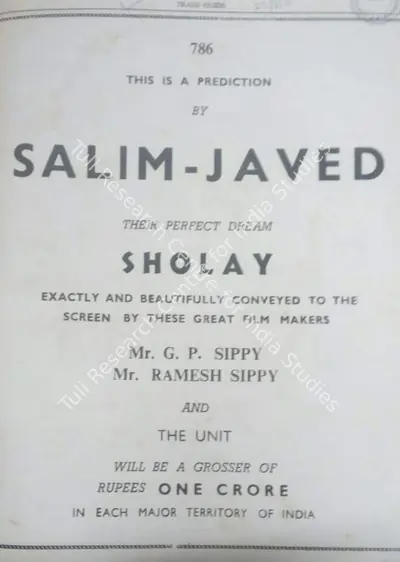
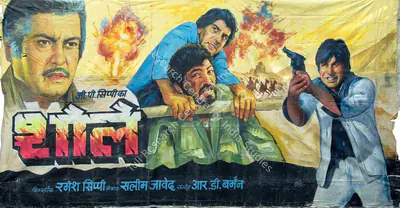
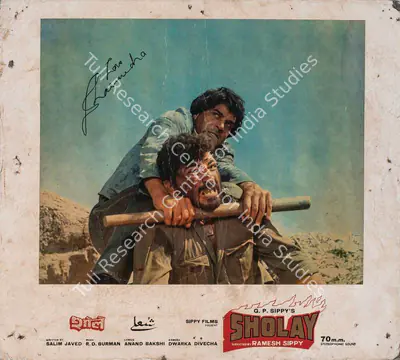
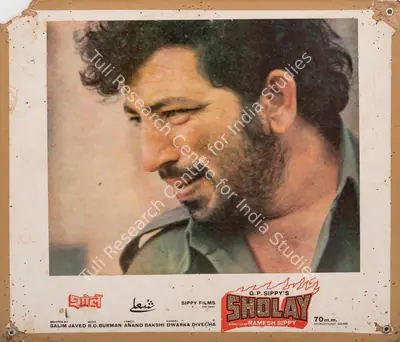
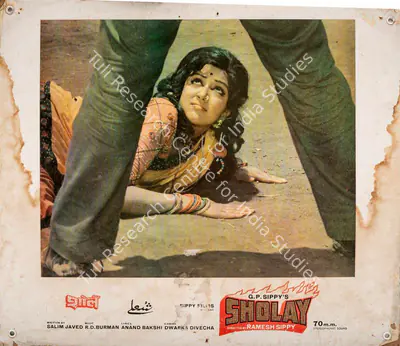
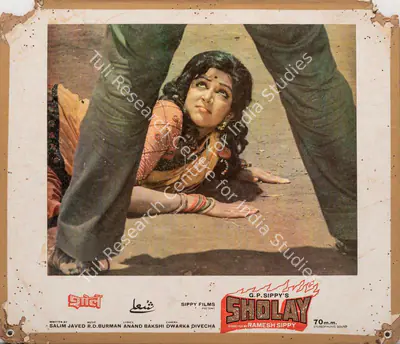
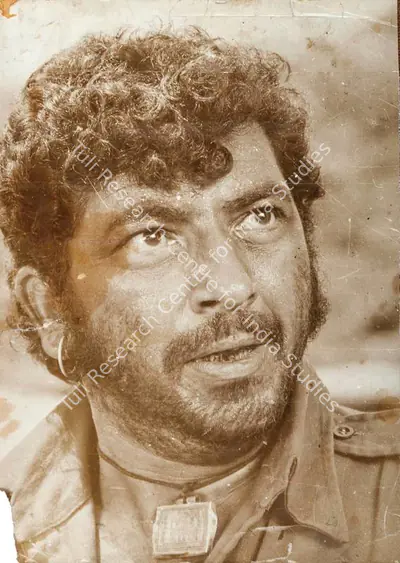
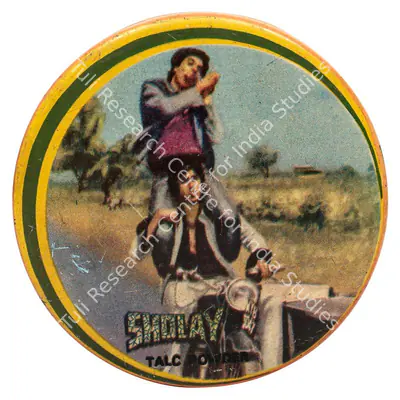
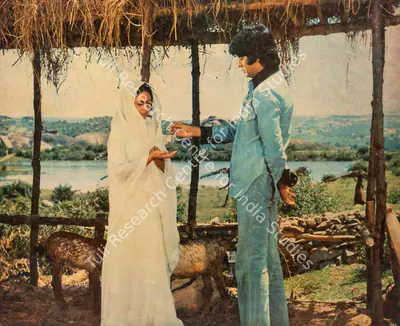
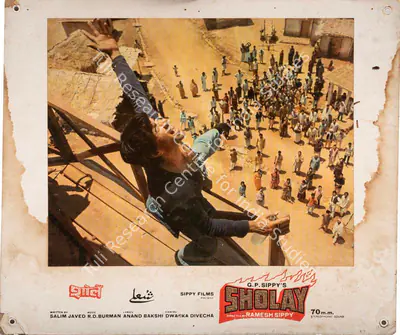
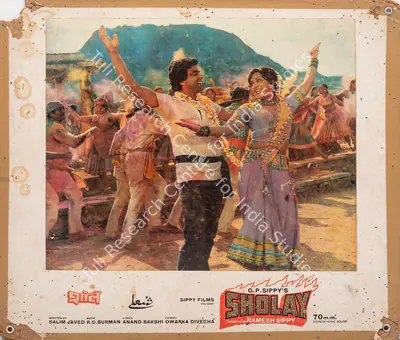
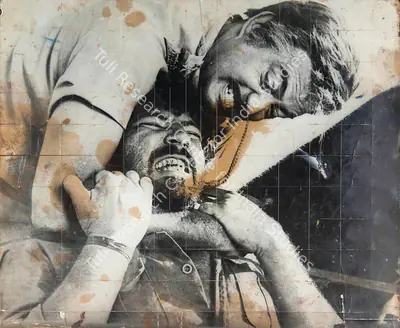
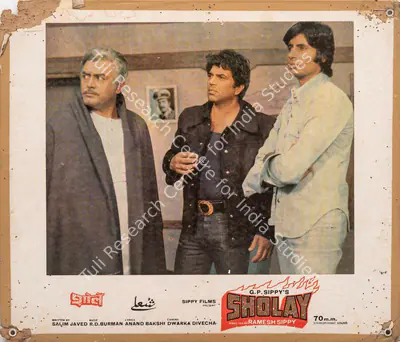
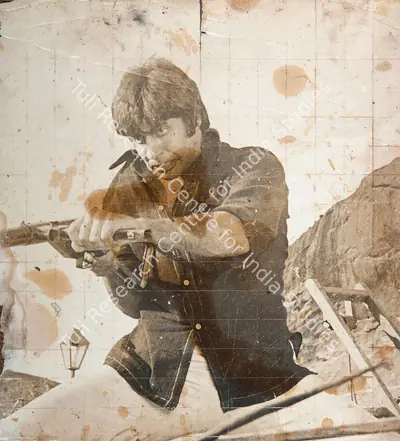
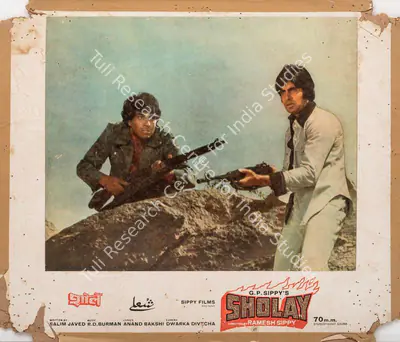
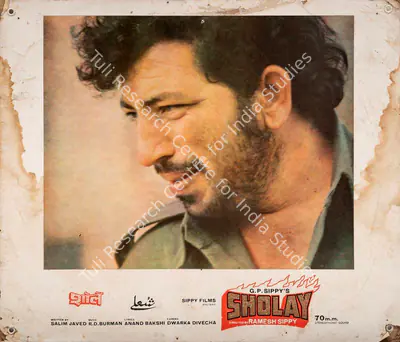
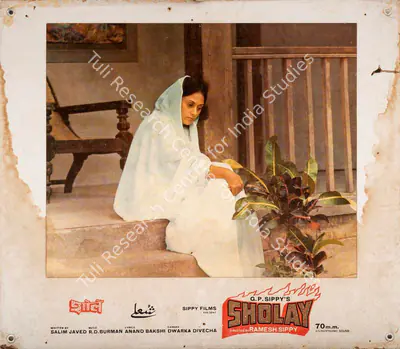
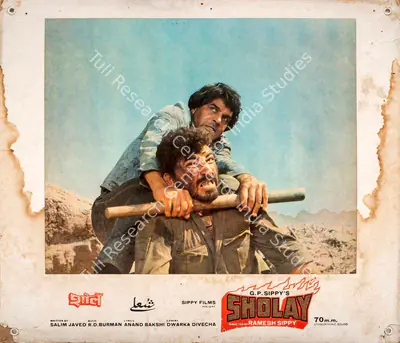
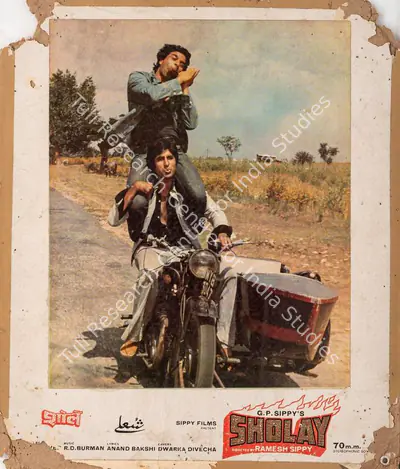
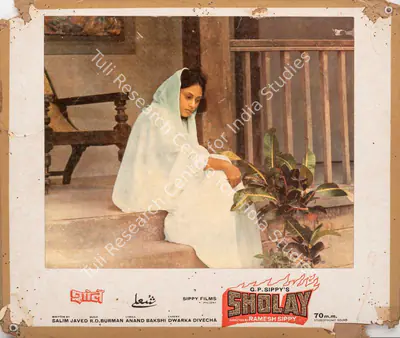
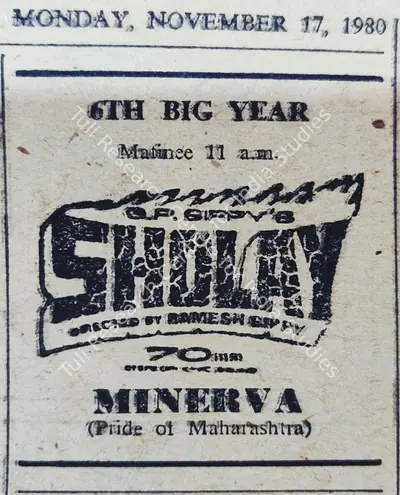
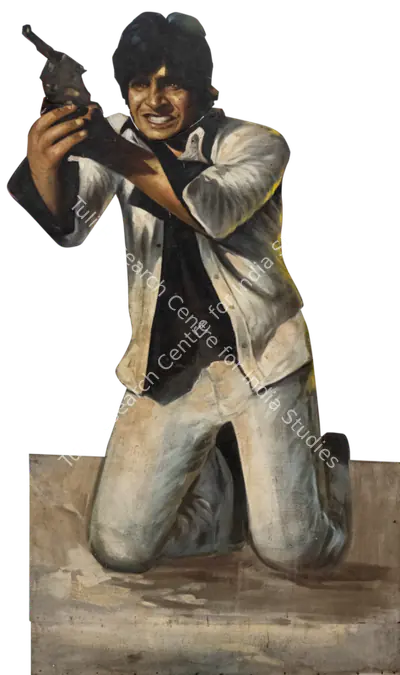
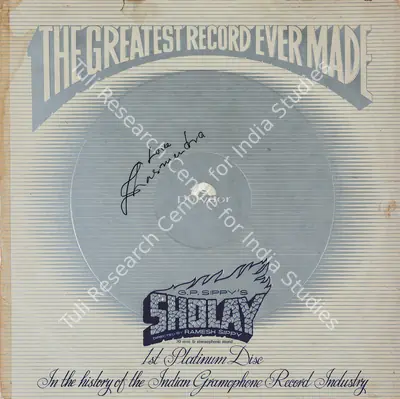
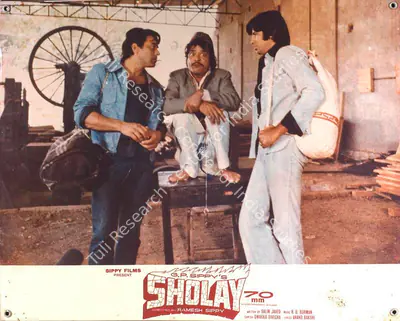
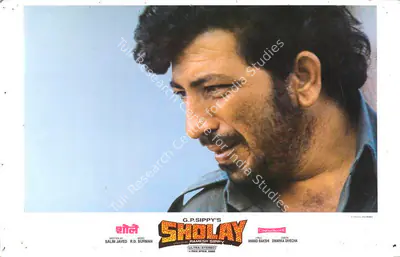
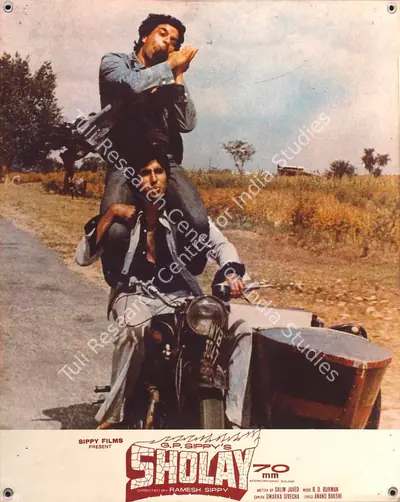
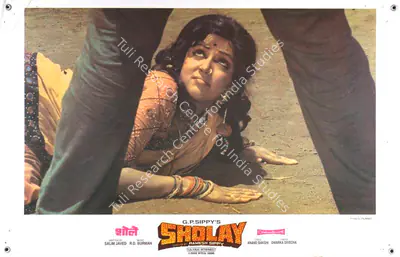
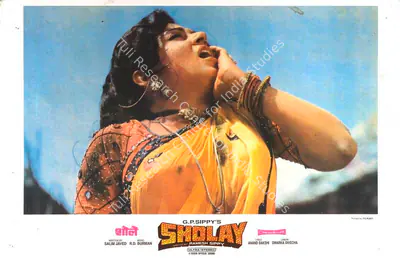
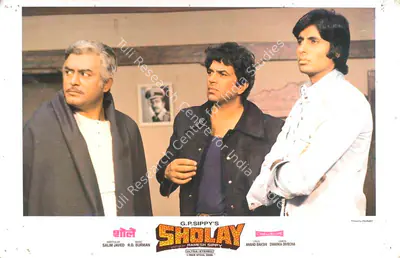
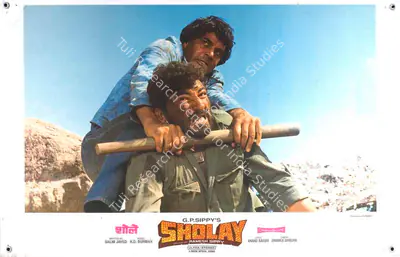
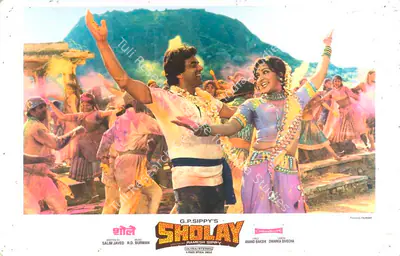
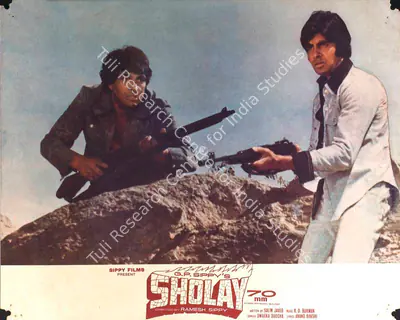
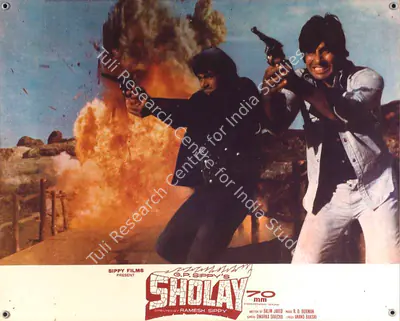
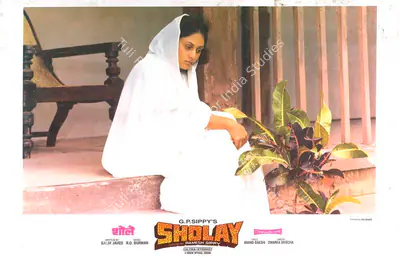
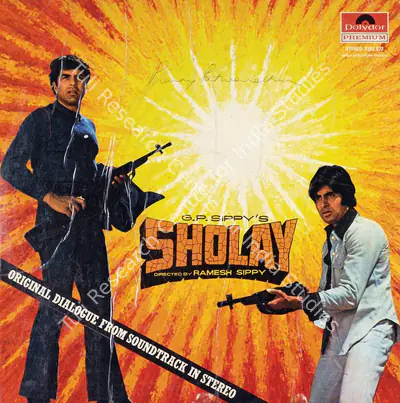
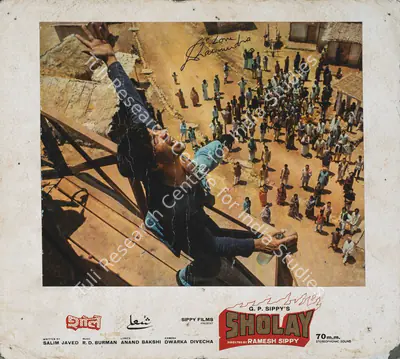
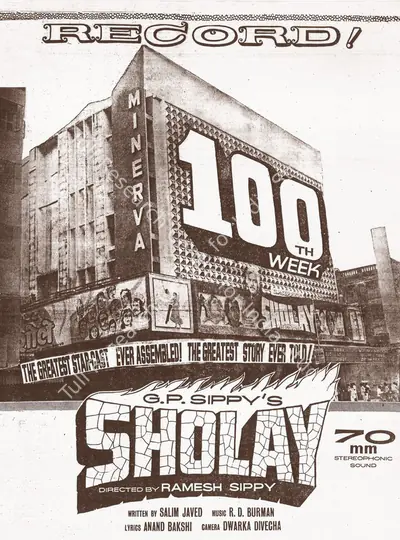
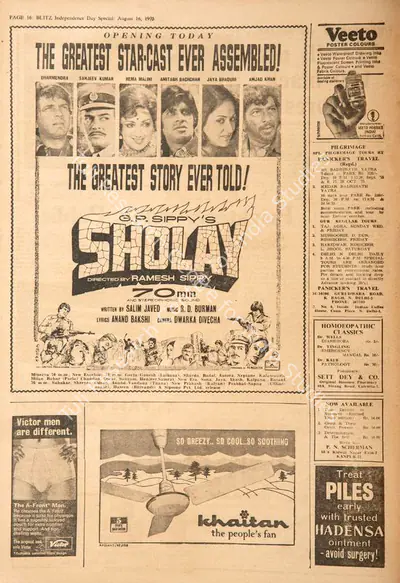
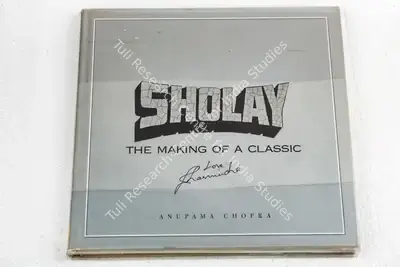
The mid-1970s marked an extraordinary peak. In Sholay (1975), his sweeping compositions—Yeh Dosti Hum Nahin Todenge and Mehbooba Mehbooba from Sholay (1975)—became inseparable from the film's enduring legacy. The same period saw memorable melodies like Tere Bina Zindagi Se from Aandhi (1975) and O Majhi Re Apna Kinara from Khushboo (1975), each revealing a quieter, introspective side of his artistry.
The shifting tides of the industry brought periods of decline, yet Burman's resilience surfaced in later triumphs. Hum Kisise Kum Naheen (1977) delivered runaway hits like Kya Hua Tera Vaada and Bachna Ae Haseeno from Hum Kisise Kum Naheen (1977). The early 1980s saw renewed acclaim with Love Story (1981) and Masoom (1983), the latter offering deeply evocative songs such as Tujhse Naraz Nahin Zindagi and Lakdi Ki Kathi from Masoom (1983), which continue to resonate across generations.
Today, Rahul Dev Burman's music lives on—not merely as nostalgia, but as a living, breathing force. It pulses through playlists, echoes in reinterpretations, and lingers in memory, reminding us that true innovation is not bound by time. His legacy is not just in the songs he composed, but in the possibilities he opened—where tradition meets experiment, and where sound becomes a story in itself.
Affectionately known as Pancham, he inherited music as both legacy and language. The only child of the eminent composer Sachin Dev Burman and lyricist Meera Dev Burman, he grew up surrounded by melody and verse. Stories of his nickname carry a mythic charm: a child whose cry echoed the fifth note, Pa, or perhaps a baby who seemed to sing in multiple pitches. Whatever its origin, Pancham became a name synonymous with innovation.
His personal life bore the marks of both romance and solitude. A brief marriage to Rita Patel ended in separation, a moment of quiet reflection that found resonance in Parichay (1972) through the wandering ache of Musafir Hoon Yaaron from Parichay (1972). Later, his partnership with Asha Bhosle evolved into one of the most celebrated creative collaborations in Indian music, even as their relationship remained complex and, in later years, distant. Financial difficulties shadowed his final years, yet his artistic spirit never dimmed.
Burman's genius lay not only in composition but in sound itself. He treated the studio as an instrument—coaxing rhythm from everyday objects, blowing into bottles for the evocative opening of Mehbooba Mehbooba from Sholay (1975), or creating delicate chimes with cups and saucers in Chura Liya Hai Tumne Jo Dil Ko from Yaadon Ki Baaraat (1973). He introduced electronic textures, flangers, and unconventional arrangements long before they became commonplace, forever altering the soundscape of Hindi cinema.
His collaborations read like a roll call of legends—Kishore Kumar, Lata Mangeshkar, Mohammed Rafi, and Asha Bhosle lending voice to his melodies, while lyricists such as Majrooh Sultanpuri, Anand Bakshi, and Gulzar translated his musical imagination into poetry. Together, they created songs that have outlived their films, entering the cultural bloodstream.
From early struggles following his debut with Chhote Nawab (1961), Burman found his breakthrough with Teesri Manzil (1966), whose electrifying soundtrack—featuring O Haseena Zulfonwali Jane Jahan, O Mere Sona Re Sona, and Aaja Aaja Main Hoon Pyar Tera from Teesri Manzil (1966)—signaled a new era. The late 1960s further affirmed his flair with Padosan (1968), where Ek Chatur Naar and Mere Samne Wali Khidki Mein from Padosan (1968) became enduring favourites.
The late 1960s and early 1970s saw him ascend alongside the rise of youth-centric cinema, crafting unforgettable music for Kati Patang (1970), Amar Prem (1972), and Yaadon Ki Baaraat (1973). Songs such as Yeh Shaam Mastani and Pyaar Deewana Hota Hai from Kati Patang (1970), Chingari Koi Bhadke and Kuchh Toh Log Kahenge from Amar Prem (1972), and Chura Liya Hai Tumne Jo Dil Ko from Yaadon Ki Baaraat (1973) became generational anthems, while Dum Maro Dum from Hare Rama Hare Krishna (1971) captured the countercultural pulse of its time.
The mid-1970s marked an extraordinary peak. In Sholay (1975), his sweeping compositions—Yeh Dosti Hum Nahin Todenge and Mehbooba Mehbooba from Sholay (1975)—became inseparable from the film's enduring legacy. The same period saw memorable melodies like Tere Bina Zindagi Se from Aandhi (1975) and O Majhi Re Apna Kinara from Khushboo (1975), each revealing a quieter, introspective side of his artistry.
The shifting tides of the industry brought periods of decline, yet Burman's resilience surfaced in later triumphs. Hum Kisise Kum Naheen (1977) delivered runaway hits like Kya Hua Tera Vaada and Bachna Ae Haseeno from Hum Kisise Kum Naheen (1977). The early 1980s saw renewed acclaim with Love Story (1981) and Masoom (1983), the latter offering deeply evocative songs such as Tujhse Naraz Nahin Zindagi and Lakdi Ki Kathi from Masoom (1983), which continue to resonate across generations.
Today, Rahul Dev Burman's music lives on—not merely as nostalgia, but as a living, breathing force. It pulses through playlists, echoes in reinterpretations, and lingers in memory, reminding us that true innovation is not bound by time. His legacy is not just in the songs he composed, but in the possibilities he opened—where tradition meets experiment, and where sound becomes a story in itself.
The whole holding
Research Centre




200 of 386
200 of 382