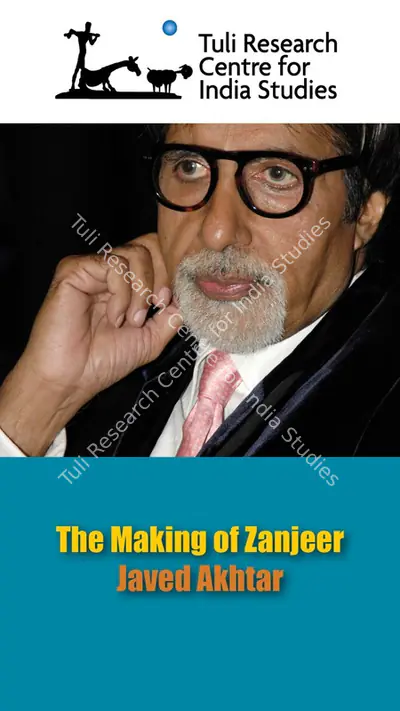
Prakash Mehra
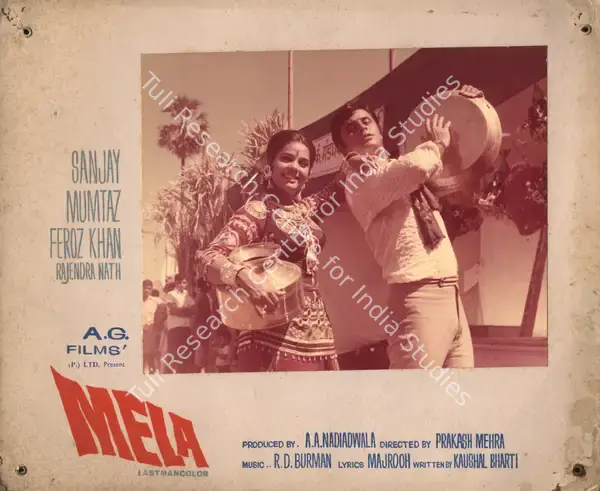
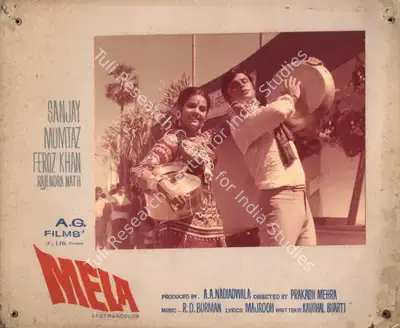
Prakash Mehra stands among the towering figures of Hindi cinema's golden age, a director and producer whose vision helped define an entire era of Indian filmmaking. Together with contemporaries such as Nasir Hussain and Manmohan Desai, he pioneered the "masala film"—that inimitable genre which wove action, drama, romance, and music into a singularly exuberant cinematic tapestry.
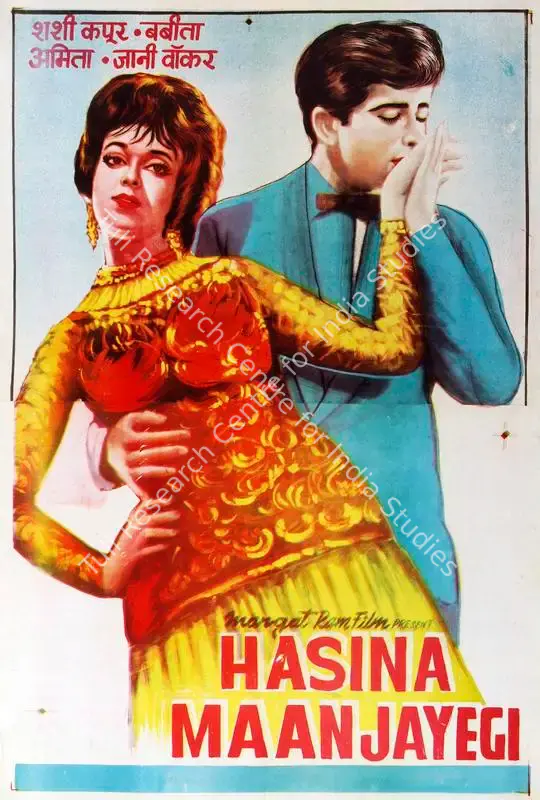
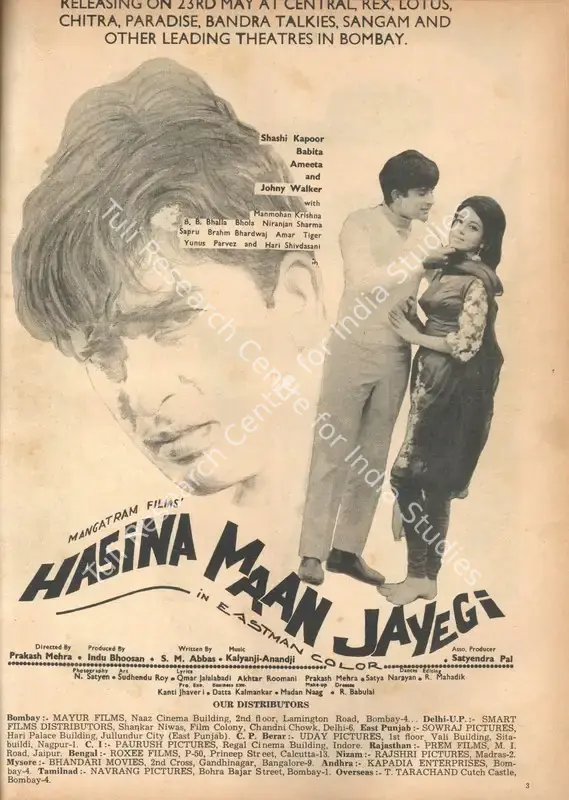
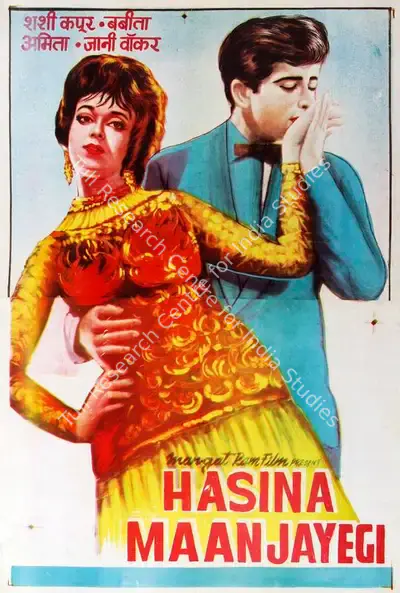
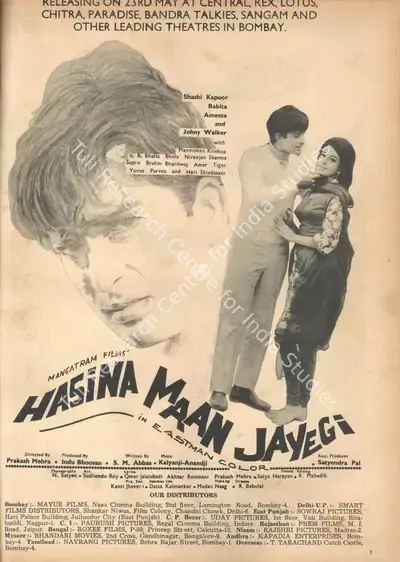
Born in 1939 in the modest town of Bijnor, Uttar Pradesh, Mehra started his journey into filmmaking humbly in the late 1950s as a production controller. He made his directorial debut in 1968 with Haseena Maan Jayegi, featuring Shashi Kapoor in a striking dual role. Yet it was Zanjeer (1973) that would irrevocably alter the trajectory of Hindi cinema. Produced and directed by Mehra, the film gave birth to an entirely new cinematic archetype—the "angry young man"—and propelled Amitabh Bachchan to the summit of stardom.
Thus began one of Indian cinema's most storied collaborations. Mehra and Bachchan would go on to create seven more films together, six of which became resounding triumphs: Hera Pheri (1976), Khoon Pasina (1977), Muqaddar Ka Sikandar (1978), Laawaris (1981), Namak Halaal (1982), and Sharaabi (1984). These works did more than entertain an entire generation—they enshrined Bachchan as a veritable icon of the nation. Their final collaboration, Jaadugar (1989), met with commercial failure, drawing the curtain on an extraordinary chapter in cinematic history.
Had Mehra not ventured upon this audacious gamble, the world might never have beheld the full measure of Amitabh Bachchan's genius, nor would Hindi cinema have received the seismic jolt it so desperately needed to break free from the shackles of the romantic-hero formula. For when Prakash Mehra first encountered Salim-Javed's screenplay for Zanjeer—the tale of an honest, smouldering-eyed police officer locked in battle against corruption and brutality—he recognized instantly a story worthy of his complete devotion.
Yet the making of Zanjeer (1973) was no effortless triumph. This was, after all, the age of the romantic epic, an age presided over by none other than Rajesh Khanna. Hindi cinema at the time bowed before its original superstar—a man to whom adoring women penned letters in their own blood, and whose photographs they wed in solemn, symbolic ceremony. The rest, as they say, is history.
.
In the 1990s, Mehra directed Zindagi Ek Jua (1991) with Anil Kapoor and launched Puru Raaj Kumar in Bal Bramhachari (1996), though both films underperformed. He found success again as producer of Dalaal with Mithun Chakraborty in the mid-1990s.
Ambitious in vision, Mehra was also among the first Bollywood directors to explore Hollywood collaborations. In the late 1980s, he initiated a joint venture with Frank Yandolino to produce The God Connection, a film that was to feature actors like Charles Bronson. Despite initial funding, the project never materialized.
In recognition of his contributions, Mehra received lifetime achievement awards from both the India Motion Picture Directors Association (2006) and the Indian Motion Picture Producers Association (2008).
Prakash Mehra passed away on 17 May 2009 in Mumbai due to pneumonia and multiple organ failure. His legacy lives on through his iconic films that helped define the language of popular Indian cinema.
https://theprint.in/feature/prakash-mehra-the-director-who-took-a-chance-on-amitabh-bachchan-and-made-him-a-star/423065/
https://en.wikipedia.org/wiki/Prakash_Mehra
Born in 1939 in the modest town of Bijnor, Uttar Pradesh, Mehra started his journey into filmmaking humbly in the late 1950s as a production controller. He made his directorial debut in 1968 with Haseena Maan Jayegi, featuring Shashi Kapoor in a striking dual role. Yet it was Zanjeer (1973) that would irrevocably alter the trajectory of Hindi cinema. Produced and directed by Mehra, the film gave birth to an entirely new cinematic archetype—the "angry young man"—and propelled Amitabh Bachchan to the summit of stardom.
Thus began one of Indian cinema's most storied collaborations. Mehra and Bachchan would go on to create seven more films together, six of which became resounding triumphs: Hera Pheri (1976), Khoon Pasina (1977), Muqaddar Ka Sikandar (1978), Laawaris (1981), Namak Halaal (1982), and Sharaabi (1984). These works did more than entertain an entire generation—they enshrined Bachchan as a veritable icon of the nation. Their final collaboration, Jaadugar (1989), met with commercial failure, drawing the curtain on an extraordinary chapter in cinematic history.
Had Mehra not ventured upon this audacious gamble, the world might never have beheld the full measure of Amitabh Bachchan's genius, nor would Hindi cinema have received the seismic jolt it so desperately needed to break free from the shackles of the romantic-hero formula. For when Prakash Mehra first encountered Salim-Javed's screenplay for Zanjeer—the tale of an honest, smouldering-eyed police officer locked in battle against corruption and brutality—he recognized instantly a story worthy of his complete devotion.
Yet the making of Zanjeer (1973) was no effortless triumph. This was, after all, the age of the romantic epic, an age presided over by none other than Rajesh Khanna. Hindi cinema at the time bowed before its original superstar—a man to whom adoring women penned letters in their own blood, and whose photographs they wed in solemn, symbolic ceremony. The rest, as they say, is history.
.
In the 1990s, Mehra directed Zindagi Ek Jua (1991) with Anil Kapoor and launched Puru Raaj Kumar in Bal Bramhachari (1996), though both films underperformed. He found success again as producer of Dalaal with Mithun Chakraborty in the mid-1990s.
Ambitious in vision, Mehra was also among the first Bollywood directors to explore Hollywood collaborations. In the late 1980s, he initiated a joint venture with Frank Yandolino to produce The God Connection, a film that was to feature actors like Charles Bronson. Despite initial funding, the project never materialized.
In recognition of his contributions, Mehra received lifetime achievement awards from both the India Motion Picture Directors Association (2006) and the Indian Motion Picture Producers Association (2008).
Prakash Mehra passed away on 17 May 2009 in Mumbai due to pneumonia and multiple organ failure. His legacy lives on through his iconic films that helped define the language of popular Indian cinema.
https://theprint.in/feature/prakash-mehra-the-director-who-took-a-chance-on-amitabh-bachchan-and-made-him-a-star/423065/
https://en.wikipedia.org/wiki/Prakash_Mehra
प्रकाश मेहरा हिंदी सिनेमा के सुनहरे दौर की बड़ी हस्तियों में से एक हैं। एक डायरेक्टर और प्रोड्यूसर के तौर पर उनकी सोच ने भारतीय फ़िल्म-मेकिंग के एक पूरे दौर को आकार दिया। नासिर हुसैन और मनमोहन देसाई जैसे अपने समकालीनों के साथ मिलकर, उन्होंने "मसाला फ़िल्म" की शुरुआत की, एक ऐसा अनोखा जॉनर जिसमें एक्शन, ड्रामा, रोमांस और संगीत को मिलाकर एक शानदार फ़िल्मी अनुभव तैयार किया जाता था।
1939 में उत्तर प्रदेश के बिजनौर जैसे छोटे से शहर में जन्मे मेहरा ने 1950 के दशक के आख़िर में एक प्रोडक्शन कंट्रोलर के तौर पर फ़िल्म मेकिंग की दुनिया में अपनी मामूली शुरुआत की। उन्होंने 1968 में 'हसीना मान जाएगी' से डायरेक्टर के तौर पर डेब्यू किया, जिसमें शशि कपूर ने एक ज़बरदस्त डबल रोल निभाया था। लेकिन 'ज़ंजीर' (1973) ने हिंदी सिनेमा की दिशा हमेशा के लिए बदल दी। मेहरा द्वारा प्रोड्यूस और डायरेक्ट की गई इस फ़िल्म ने एक बिल्कुल नए फ़िल्मी किरदार "एंग्री यंग मैन" को जन्म दिया और अमिताभ बच्चन को स्टारडम की ऊंचाइयों पर पहुँचा दिया।
इस तरह भारतीय सिनेमा की सबसे यादगार साझेदारियों में से एक की शुरुआत हुई। मेहरा और बच्चन ने मिलकर सात और फ़िल्में बनाईं, जिनमें से छह ज़बरदस्त हिट रहीं: हेरा फेरी (1976), ख़ून पसीना (1977), मुक़द्दर का सिकंदर (1978), लावारिस (1981), नमक हलाल (1982) और शराबी (1984)। इन फ़िल्मों ने न सिर्फ़ एक पूरी पीढ़ी का मनोरंजन किया, बल्कि बच्चन को देश का एक असली आइकॉन भी बना दिया। उनकी आख़िरी फ़िल्म 'जादूगर' (1989) कमर्शियल तौर पर फ़्लॉप रही, जिससे फ़िल्मी इतिहास के एक शानदार अध्याय का समापन हो गया।
अगर मेहरा ने यह साहसी क़दम न उठाया होता, तो शायद दुनिया कभी अमिताभ बच्चन की प्रतिभा का पूरा जलवा न देख पाती, और न ही हिंदी सिनेमा को वह ज़बरदस्त बदलाव मिल पाता जिसकी उसे रोमांटिक हीरो फ़ॉर्मूले की बेड़ियों से आज़ाद होने के लिए सख़्त ज़रूरत थी। जब प्रकाश मेहरा ने पहली बार 'ज़ंजीर' के लिए सलीम जावेद की लिखी कहानी (स्क्रीनप्ले) देखी, जो भ्रष्टाचार और ज़ुल्म के ख़िलाफ़ लड़ रहे एक ईमानदार और तेज़ नज़र वाले पुलिस अफ़सर की कहानी थी तो उन्हें तुरंत ही एहसास हो गया कि यह कहानी ऐसी है जिसके लिए वे अपना सब कुछ समर्पित कर सकते हैं।
फिर भी, 'ज़ंजीर' (1973) बनाना कोई आसान जीत नहीं थी। आख़िरकार, यह दौर रोमांटिक फ़िल्मों का था, जिस पर राजेश खन्ना का राज़ था। उस समय हिंदी सिनेमा अपने असली सुपरस्टार के आगे नतमस्तक था—एक ऐसा व्यक्ति जिसके लिए महिलाएँ अपने खून से चिट्ठियाँ लिखती थीं और जिसकी तस्वीरों से वे पूरे रीति-रिवाज़ के साथ प्रतीकात्मक शादी करती थीं। बाकी तो इतिहास है ही।
1990 के दशक में, मेहरा ने अनिल कपूर के साथ 'ज़िंदगी एक जुआ' (1991) का निर्देशन किया और 'बाल ब्रह्मचारी' (1996) से पुरु राज कुमार को लॉन्च किया, हालाँकि दोनों फ़िल्में उम्मीद के मुताबिक़ नहीं चलीं। 1990 के दशक के मध्य में मिथुन चक्रवर्ती के साथ 'दलाल' फ़िल्म के प्रोड्यूसर के तौर पर उन्हें फिर से सफलता मिली।
बड़ी सोच रखने वाले मेहरा बॉलीवुड के उन शुरुआती निर्देशकों में से एक थे जिन्होंने हॉलीवुड के साथ मिलकर काम करने की कोशिश की। 1980 के दशक के आख़िर में, उन्होंने फ्रैंक यांडोलिनो के साथ मिलकर 'द गॉड कनेक्शन' फ़िल्म बनाने के लिए एक जॉइंट वेंचर शुरू किया, जिसमें चार्ल्स ब्रॉनसन जैसे कलाकार काम करने वाले थे। शुरुआती फ़ंडिंग मिलने के बावजूद, यह प्रोजेक्ट कभी पूरा नहीं हो सका।
उनके योगदान को देखते हुए मेहरा को 'इंडिया मोशन पिक्चर डायरेक्टर्स एसोसिएशन' (2006) और 'इंडियन मोशन पिक्चर प्रोड्यूसर्स एसोसिएशन' (2008) दोनों से लाइफटाइम अचीवमेंट अवॉर्ड मिले।
प्रकाश मेहरा का निधन 17 मई 2009 को मुंबई में निमोनिया और कई अंगों के काम करना बंद कर देने (मल्टीपल ऑर्गन फेलियर) की वजह से हुआ। उनकी विरासत उनकी यादगार फ़िल्मों के ज़रिए आज भी ज़िंदा है, जिन्होंने लोकप्रिय भारतीय सिनेमा की भाषा को तय करने में मदद की।
स्रोत:
https://theprint.in/feature/prakash-mehra-the-director-who-took-a-chance-on-amitabh-bachchan-and-made-him-a-star/423065/
https://en.wikipedia.org/wiki/Prakash_Mehra
1939 में उत्तर प्रदेश के बिजनौर जैसे छोटे से शहर में जन्मे मेहरा ने 1950 के दशक के आख़िर में एक प्रोडक्शन कंट्रोलर के तौर पर फ़िल्म मेकिंग की दुनिया में अपनी मामूली शुरुआत की। उन्होंने 1968 में 'हसीना मान जाएगी' से डायरेक्टर के तौर पर डेब्यू किया, जिसमें शशि कपूर ने एक ज़बरदस्त डबल रोल निभाया था। लेकिन 'ज़ंजीर' (1973) ने हिंदी सिनेमा की दिशा हमेशा के लिए बदल दी। मेहरा द्वारा प्रोड्यूस और डायरेक्ट की गई इस फ़िल्म ने एक बिल्कुल नए फ़िल्मी किरदार "एंग्री यंग मैन" को जन्म दिया और अमिताभ बच्चन को स्टारडम की ऊंचाइयों पर पहुँचा दिया।
इस तरह भारतीय सिनेमा की सबसे यादगार साझेदारियों में से एक की शुरुआत हुई। मेहरा और बच्चन ने मिलकर सात और फ़िल्में बनाईं, जिनमें से छह ज़बरदस्त हिट रहीं: हेरा फेरी (1976), ख़ून पसीना (1977), मुक़द्दर का सिकंदर (1978), लावारिस (1981), नमक हलाल (1982) और शराबी (1984)। इन फ़िल्मों ने न सिर्फ़ एक पूरी पीढ़ी का मनोरंजन किया, बल्कि बच्चन को देश का एक असली आइकॉन भी बना दिया। उनकी आख़िरी फ़िल्म 'जादूगर' (1989) कमर्शियल तौर पर फ़्लॉप रही, जिससे फ़िल्मी इतिहास के एक शानदार अध्याय का समापन हो गया।
अगर मेहरा ने यह साहसी क़दम न उठाया होता, तो शायद दुनिया कभी अमिताभ बच्चन की प्रतिभा का पूरा जलवा न देख पाती, और न ही हिंदी सिनेमा को वह ज़बरदस्त बदलाव मिल पाता जिसकी उसे रोमांटिक हीरो फ़ॉर्मूले की बेड़ियों से आज़ाद होने के लिए सख़्त ज़रूरत थी। जब प्रकाश मेहरा ने पहली बार 'ज़ंजीर' के लिए सलीम जावेद की लिखी कहानी (स्क्रीनप्ले) देखी, जो भ्रष्टाचार और ज़ुल्म के ख़िलाफ़ लड़ रहे एक ईमानदार और तेज़ नज़र वाले पुलिस अफ़सर की कहानी थी तो उन्हें तुरंत ही एहसास हो गया कि यह कहानी ऐसी है जिसके लिए वे अपना सब कुछ समर्पित कर सकते हैं।
फिर भी, 'ज़ंजीर' (1973) बनाना कोई आसान जीत नहीं थी। आख़िरकार, यह दौर रोमांटिक फ़िल्मों का था, जिस पर राजेश खन्ना का राज़ था। उस समय हिंदी सिनेमा अपने असली सुपरस्टार के आगे नतमस्तक था—एक ऐसा व्यक्ति जिसके लिए महिलाएँ अपने खून से चिट्ठियाँ लिखती थीं और जिसकी तस्वीरों से वे पूरे रीति-रिवाज़ के साथ प्रतीकात्मक शादी करती थीं। बाकी तो इतिहास है ही।
1990 के दशक में, मेहरा ने अनिल कपूर के साथ 'ज़िंदगी एक जुआ' (1991) का निर्देशन किया और 'बाल ब्रह्मचारी' (1996) से पुरु राज कुमार को लॉन्च किया, हालाँकि दोनों फ़िल्में उम्मीद के मुताबिक़ नहीं चलीं। 1990 के दशक के मध्य में मिथुन चक्रवर्ती के साथ 'दलाल' फ़िल्म के प्रोड्यूसर के तौर पर उन्हें फिर से सफलता मिली।
बड़ी सोच रखने वाले मेहरा बॉलीवुड के उन शुरुआती निर्देशकों में से एक थे जिन्होंने हॉलीवुड के साथ मिलकर काम करने की कोशिश की। 1980 के दशक के आख़िर में, उन्होंने फ्रैंक यांडोलिनो के साथ मिलकर 'द गॉड कनेक्शन' फ़िल्म बनाने के लिए एक जॉइंट वेंचर शुरू किया, जिसमें चार्ल्स ब्रॉनसन जैसे कलाकार काम करने वाले थे। शुरुआती फ़ंडिंग मिलने के बावजूद, यह प्रोजेक्ट कभी पूरा नहीं हो सका।
उनके योगदान को देखते हुए मेहरा को 'इंडिया मोशन पिक्चर डायरेक्टर्स एसोसिएशन' (2006) और 'इंडियन मोशन पिक्चर प्रोड्यूसर्स एसोसिएशन' (2008) दोनों से लाइफटाइम अचीवमेंट अवॉर्ड मिले।
प्रकाश मेहरा का निधन 17 मई 2009 को मुंबई में निमोनिया और कई अंगों के काम करना बंद कर देने (मल्टीपल ऑर्गन फेलियर) की वजह से हुआ। उनकी विरासत उनकी यादगार फ़िल्मों के ज़रिए आज भी ज़िंदा है, जिन्होंने लोकप्रिय भारतीय सिनेमा की भाषा को तय करने में मदद की।
स्रोत:
https://theprint.in/feature/prakash-mehra-the-director-who-took-a-chance-on-amitabh-bachchan-and-made-him-a-star/423065/
https://en.wikipedia.org/wiki/Prakash_Mehra
The whole holding
Research Centre
20 of 161
20 of 153