TRIS logo image
Search275,000+ actors, artists, objects, artworks, films, exhibitions, archives

EN

EN

English

HI

Hindi

EN

EN

English

HI

Hindi

Tuli Research Centre for India Studies

Tuli Research Centre for India Studies

Vision

Manifesto

Archive & Library

Vanraja Sanctuary & Hospice

Home

Research Categories

Browse All

ICore

1_CinemaEducation_Cinema as a Critical Educational Resource

2_FineArts_Modern and Contemporary Indian Fine Arts

3_Photography_Photography in India

4_PopCulture_The Printed Image, Popular Arts, and Crafts

IIMaterial

5_ArcHeritage_India's Architectural Heritage as Inspiration

6_EconomicsArt_Economics of Art & Cultural Industry

7_Travel_Automobile, Transport and Travel Heritage

8_Uncertainty_Uncertainty

IIICritical

9_SocialDuty_Social Responsibility of the Creative Mind

10_Childhood_The Changing Smile of Childhood & Its Second Coming

11_Sensuality_The Sensual Discipline within Creativity

12_Scholarship_The History & Historiography of Scholarship in the Arts, Humanities, and Social Sciences

IVMeaningful

13_SeekJustice_Seeking Justice and Political Integrity

14_IndoWorld_India and her Relationship with the World

15_SpiritualPoetics_The Religious-Spiritual-Poetic-Philosophical Framework

16_Continuum_The Animal-Human-Nature Continuum

Explore

All

Posts

Masterlists

Calendar

Live | Upcoming

All Events

Timetable

Search275,000+ actors, artists, objects, artworks, films, exhibitions, archives

EN

EN

English

HI

Hindi

Home/Neeraj

Neeraj

Gopaldas Saxena (known by his nom de plume Neeraj; 4 January 1925 – 19 July 2018) was a distinguished figure in modern Hindi literature, celebrated both as a poet and author whose work found enduring resonance in kavi sammelans across India. Writing under the pen name Neeraj, he became known for a lyrical style that combined emotional immediacy with philosophical reflection, securing his place among the most widely admired Hindi poets of the twentieth century.

Born on 4 January 1925 in the village of Puravali, near Mahewa in Uttar Pradesh's Etawah district, Neeraj came from a modest background that shaped both the sensitivity and accessibility of his poetic voice. Alongside his literary pursuits, he built a parallel academic career and served as a professor of Hindi literature at Dharma Samaj College, Aligarh, where he taught for several years while continuing to write poetry.

Although primarily rooted in Hindi literary tradition, Neeraj's work also entered the realm of Hindi cinema, where several of his poems were adapted into songs. Proficient in both Hindi and Urdu, he nevertheless maintained a complex and at times ambivalent relationship with the film industry. In interviews, he often described himself as an “unlucky poet,” suggesting that he was drawn more toward pure poetic expression than sustained film lyricism. His withdrawal from cinema was further influenced by personal grief following the deaths of composers with whom he had collaborated, notably Jaikishan of Shankar–Jaikishan and S. D. Burman, after which his engagement with film songwriting diminished.

Neeraj's cinematic reputation began to take shape with Swapn Jhare Phool Se in Cha Cha Cha (1964), followed by the widely acclaimed Karwan Guzar Gaya from Nai Umar Ki Nai Fasal (1965), a composition marked by its contemplative and existential tone. He subsequently contributed a series of memorable songs that blended lyricism with popular appeal, including Likhe Jo Khat Tujhe from Kanyadaan (1968) and Kal Ka Pahiya from Chanda Aur Bijli (1969).

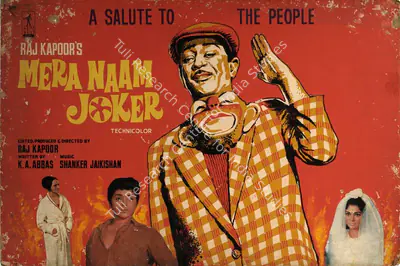
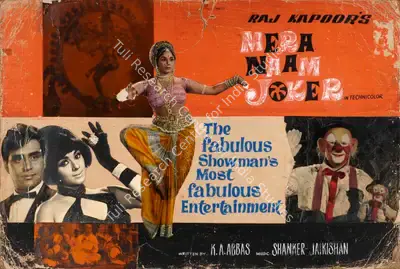
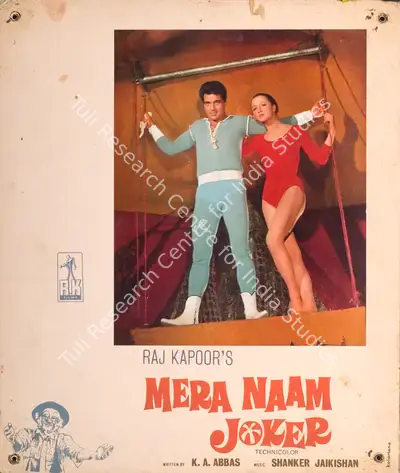
The year 1970 marked a particularly significant phase in his film career. For Raj Kapoor's Mera Naam Joker (1970), he wrote the philosophical and introspective songs Ae Bhai Zara Dekh Ke Chalo and Jeena Yahan Marna Yahan, both of which have since acquired iconic status. In the same year, he contributed to Pehchan (1970) with Bas Yehi Apradh Main Har Baar Karta Hoon, and to Prem Pujari (1970) with enduring compositions such as Rangeela Re, Shokhiyon Mein Ghola Jaye, and Phoolon Ke Rang Se. His prolific output during this period also includes Dil Aaj Shayar Hai and Mera Man Tera Pyasa from Gambler (1970), reflecting a seamless blend of romantic longing and lyrical introspection.

In the early 1970s, Neeraj continued to produce a succession of notable works, including Khilte Hain Gul Yahan, Megha Chhaye Aadhi Raat, and O Meri Sharmilee from Sharmilee (1971), along with Jeevan Ki Bagiya from Tere Mere Sapne (1971), Re Man Sur Mein Ga from Lal Patthar (1971), and Jhoom Ke Ga Yun Aaj Mere Dil from Patanga (1971). His later film contributions included Tum Kitni Khoobsurat Ho from Jangal Mein Mangal (1972) and the playful Dheere Se Jaana Khatiyan Mein from Chhupa Rustam (1973). Even in later decades, his lyrical presence re-emerged in select works such as Ek Musafir Hoon Main from Gunaah (1993) and Is Tarah Dekho from Censor (2001), underscoring the longevity of his poetic influence.

Neeraj was conferred some of India's highest civilian honours, including the Padma Shri in 1991 and the Padma Bhushan in 2007, recognising his enduring contribution to literature and culture. His poetry collection Kavyanjali, published in 2014, further consolidated his legacy as a literary voice of emotional clarity and philosophical depth.

He passed away on 19 July 2018 in New Delhi at the age of 93, after a prolonged illness marked by a lung infection and age-related complications. In his final days, he experienced severe physical decline, culminating in hospitalisation at the All India Institute of Medical Sciences, New Delhi following a fall at his residence. Despite his frailty, accounts from his family suggest moments of relative calm in his last hours, before he passed away surrounded by his children.

Neeraj's legacy endures through a body of work that bridges poetry and popular cinema, distinguished by its accessibility, emotional resonance, and contemplative depth, securing his position as one of the most significant Hindi poets of the modern era.

गोपालदास सक्सेना (जो अपने उपनाम 'नीरज' से जाने जाते थे; 4 जनवरी 1925 – 19 जुलाई 2018) आधुनिक हिंदी साहित्य के एक जाने-माने व्यक्तित्व थे। वे एक कवि और लेखक के तौर पर मशहूर थे और उनकी रचनाओं को पूरे भारत के कवि-सम्मेलनों में बहुत पसंद किया जाता था। 'नीरज' उपनाम से लिखते हुए, वे अपनी ऐसी काव्यात्मक शैली के लिए पहचाने गए जिसमें भावनाओं की गहराई और दार्शनिक सोच का अनूठा मेल था। इसी वजह से उन्हें बीसवीं सदी के सबसे लोकप्रिय हिंदी कवियों में ख़ास जगह मिली।
4 जनवरी 1925 को उत्तर प्रदेश के इटावा ज़िले में महेवा के पास पुरावाली गाँव में जन्मे नीरज एक साधारण परिवार से थे, जिसने उनकी कविता की संवेदनशीलता और आम लोगों तक पहुँचने की क्षमता को आकार दिया। साहित्य में अपने काम के साथ-साथ, उन्होंने एक एकेडमिक करियर भी बनाया और अलीगढ़ के धर्म समाज कॉलेज में हिंदी साहित्य के प्रोफ़ेसर के तौर पर काम किया, जहाँ उन्होंने कई सालों तक पढ़ाया और साथ ही कविताएँ भी लिखते रहे।
हालाँकि नीरज मुख्य रूप से हिंदी साहित्य की परंपरा से जुड़े हुए थे, लेकिन उनका काम हिंदी सिनेमा की दुनिया में भी पहुँचा, जहाँ उनकी कई कविताओं को गानों में बदला गया। हिंदी और उर्दू दोनों भाषाओं में माहिर होने के बावजूद, फ़िल्म इंडस्ट्री के साथ उनका रिश्ता जटिल और उलझा हुआ रहा। इंटरव्यू में वे अक्सर ख़ुद को "बदनसीब कवि" कहते थे, जिससे पता चलता है कि वे फ़िल्मों के लिए लगातार गाने लिखने के बजाय शुद्ध कविता की अभिव्यक्ति की ओर ज़्यादा झुकाव रखते थे। सिनेमा से उनके दूर होने की एक वजह उन संगीतकारों की मौत से हुआ निजी दुख भी था जिनके साथ उन्होंने काम किया था, ख़ासकर शंकर-जयकिशन जोड़ी के जयकिशन और एस. डी. बर्मन; इसके बाद फ़िल्मों के लिए गाने लिखने में उनकी दिलचस्पी कम हो गई।
नीरज की सिनेमाई प्रतिष्ठा चा चा चा (1964) में 'स्वप्न झरे फूल से' के साथ आकार लेना शुरू हुई, उसके बाद नई उमर की नई फसल (1965) से व्यापक रूप से प्रशंसित 'कारवां गुजर गया', एक रचना जो अपने चिंतनशील और अस्तित्ववादी स्वर से चिह्नित है। बाद में उन्होंने यादगार गीतों की एक श्रृंखला में योगदान दिया, जिसमें लोकप्रिय अपील के साथ गीतात्मकता का मिश्रण था, जिसमें कन्यादान (1968) 'से 'लिखे जो ख़त तुझे' और चंदा और बिजली (1969) से 'कल का पहिया' शामिल थे।
वर्ष 1970 उनके फ़िल्मी करियर में एक विशेष रूप से महत्वपूर्ण चरण था। राज कपूर की मेरा नाम जोकर (1970) के लिए, उन्होंने दार्शनिक और आत्मीय गीत 'ऐ भाई जरा देख के चलो' और 'जीना यहां मरना यहां' लिखे, जिनमें से दोनों ने तब से प्रतिष्ठित दर्ज़ा हासिल कर लिया है। उसी वर्ष, उन्होंने पहचान (1970) में 'बस यही अपराध मैं हर बार करता हूं' और प्रेम पुजारी (1970) में 'रंगीला रे, शोखियों में घोला जाए' और 'फूलों के रंग' से जैसी रचनाओं के माध्यम से योगदान दिया। इस अवधि के दौरान उनके कामों में गैम्बलर (1970) से 'दिल आज शायर है' और 'मेरा मन तेरा प्यासा' भी शामिल हैं, जो रोमांटिक लालसा और गीतात्मक आत्मनिरीक्षण का एक सहज मिश्रण दर्शाते हैं।
1970 के दशक की शुरुआत में नीरज ने अपने महत्वपूर्ण काम करना जारी रखा, जिनमें 'खिलते हैं गुल यहां', 'मेघा छाए आधी रात', और शर्मीली (1971) से 'ओ मेरी शर्मीली', साथ ही 'तेरे मेरे सपने' (1971) से 'जीवन की बगिया', लाल पत्थर (1971) से 'रे मन सुर में गा', और पतंगा (1971) से 'झूम के गा यूं आज मेरे दिल' शामिल हैं। उनके बाद के फ़िल्मीं योगदान में जंगल में मंगल (1972) से 'तुम कितनी खूबसूरत हो' और छुपा रुस्तम (1973) से 'चंचल धीरे से जाना खतियान' में शामिल हैं। बाद के दशकों में भी, 'गुनाह' (1993) के 'एक मुसाफ़िर हूँ मैं' और 'सेंसर' (2001) के 'इस तरह देखो' जैसे चुनिंदा गानों में उनकी गीतकारी की झलक फ़िर से देखने को मिली, जो उनके काव्यात्मक प्रभाव की लंबी उम्र को दर्शाता है।
साहित्य और संस्कृति में उनके लंबे समय तक दिए गए योगदान के लिए नीरज को भारत के कुछ सबसे बड़े नागरिक सम्मानों से नवाज़ा गया, जिनमें 1991 में पद्म श्री और 2007 में पद्म भूषण शामिल हैं। 2014 में प्रकाशित उनके कविता संग्रह 'काव्यांजलि' ने मार्मिक स्पष्टता और दार्शनिक गहराई वाली साहित्यिक आवाज़ के तौर पर उनकी पहचान को और मज़बूत किया।
फेफड़ों के संक्रमण और उम्र से जुड़ी बीमारियों के कारण लंबे समय तक बीमार रहने के बाद, 19 जुलाई 2018 को नई दिल्ली में 93 साल की उम्र में उनका निधन हो गया। अपने आख़िरी दिनों में उनकी शारीरिक हालत काफ़ी कमज़ोर हो गई थी। घर पर गिरने के बाद उन्हें अखिल भारतीय आयुर्विज्ञान संस्थान (एम्स) दिल्ली में भर्ती कराया गया था। कमज़ोरी के बावजूद, परिवार के लोगों के अनुसार, उनके आख़िरी घंटों में कुछ पल शांति के भी थे और वे अपने बच्चों के बीच इस दुनिया से विदा हुए।
नीरज की विरासत उनके उन कामों के ज़रिए आज भी जीवित है जो कविता और लोकप्रिय सिनेमा के बीच एक पुल का काम करते हैं। उनकी रचनाएँ अपनी सरलता, भावनात्मक जुड़ाव और चिंतनशील गहराई के लिए जानी जाती हैं, जिसने उन्हें आधुनिक युग के सबसे महत्वपूर्ण हिंदी कवियों में से एक के तौर पर स्थापित किया है।
The whole holding
Scroll→
Neeraj
Neeraj
Research Centre116
Calendar1

Research Centre
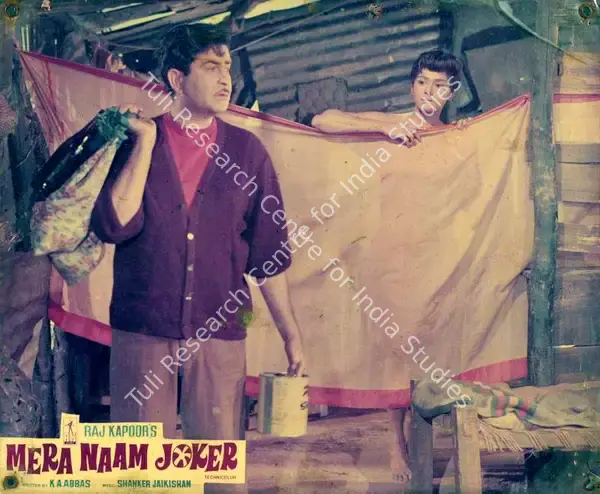
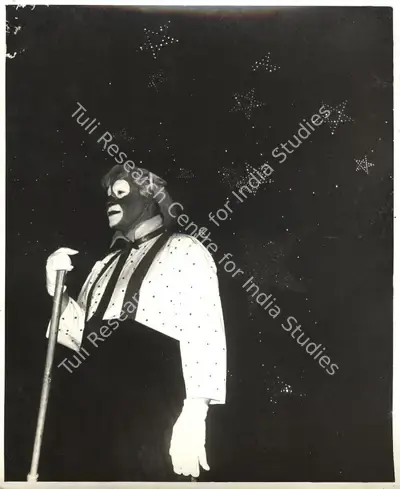
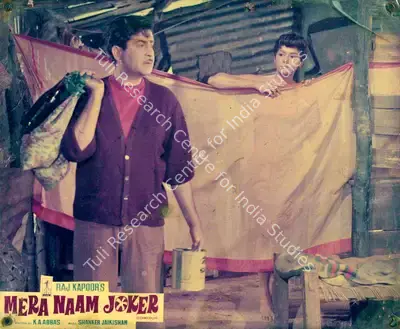
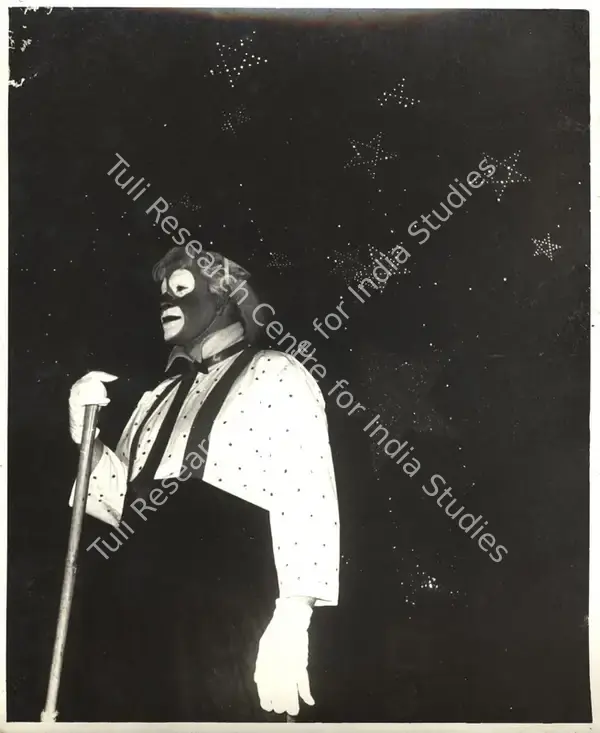
Radhu Karmakar (Cinematographer), Mera Naam Joker, 1970, Photographic Still
Karmakar, Radhu (Cinematographer), Mera Naam Joker, 1970 | Photographic Still
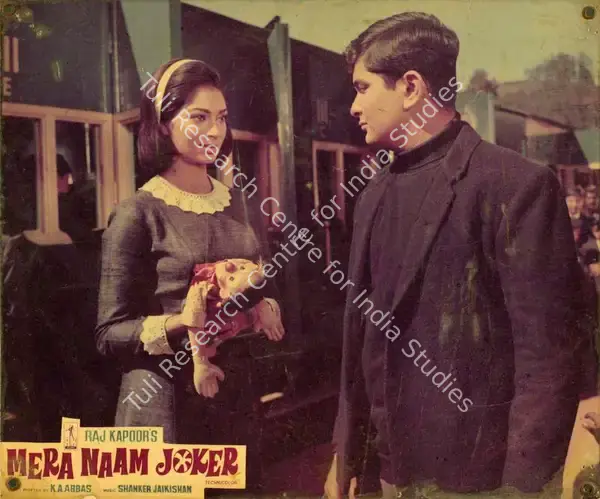
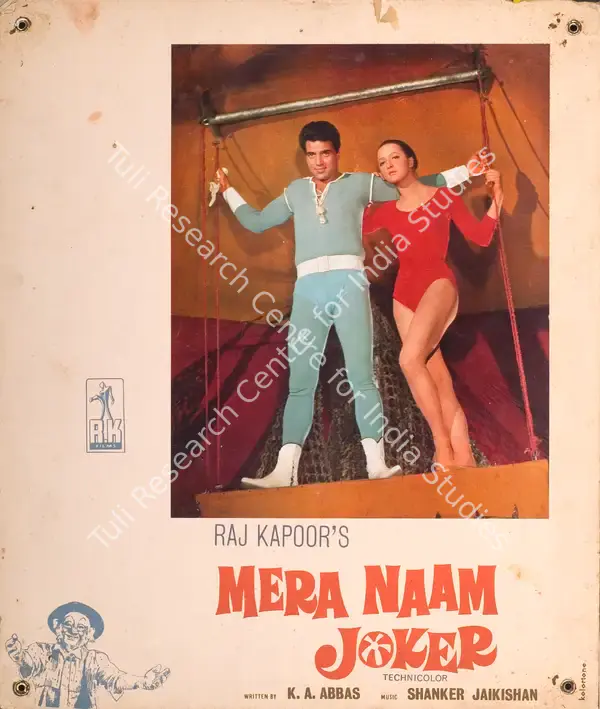
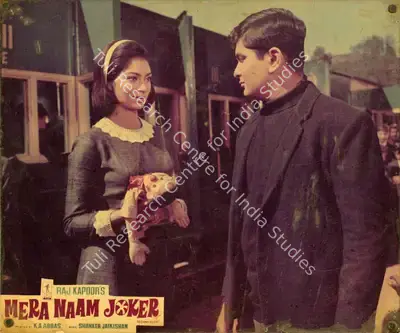
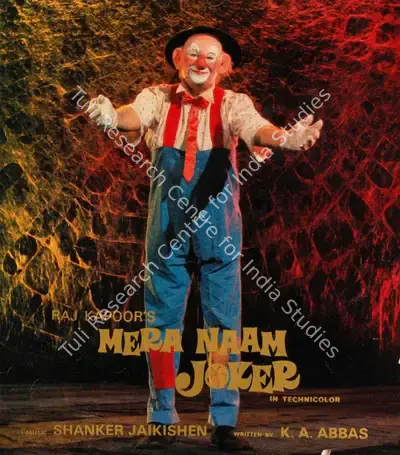
Radhu Karmakar (Cinematographer), Mera Naam Joker, 1970, Lobby Card
Karmakar, Radhu (Cinematographer), Mera Naam Joker, 1970 | Lobby Card
Radhu Karmakar (Cinematographer), Mera Naam Joker, 1970, Lobby Card
Karmakar, Radhu (Cinematographer), Mera Naam Joker, 1970 | Lobby Card
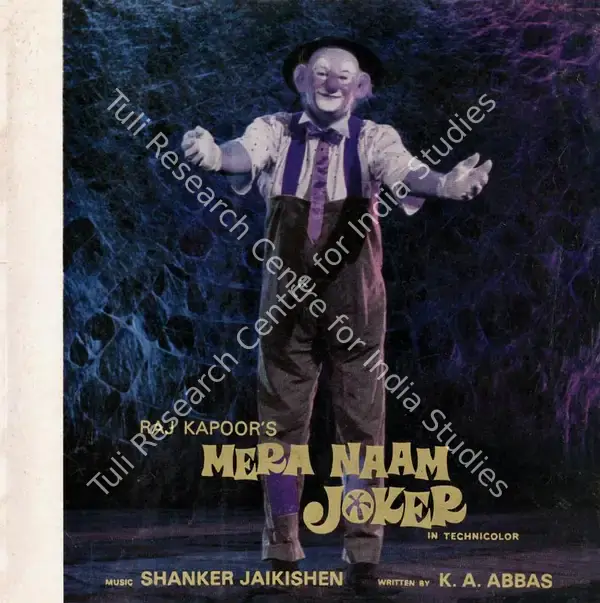
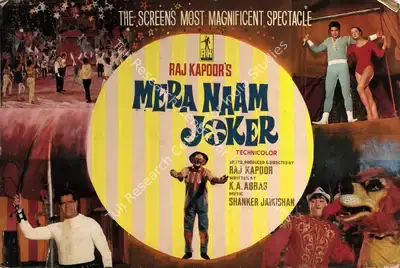
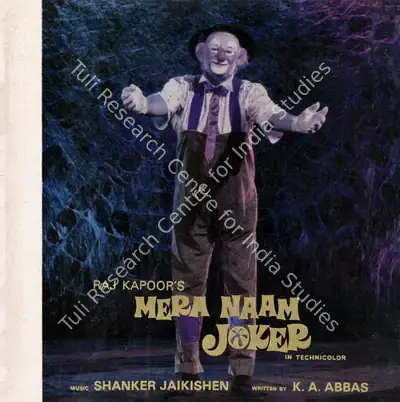
Raj Kapoor (Producer), Mera Naam Joker, 1970, Song-Synopsis Booklet
Kapoor, Raj (Producer), Mera Naam Joker, 1970 | Song-Synopsis Booklet
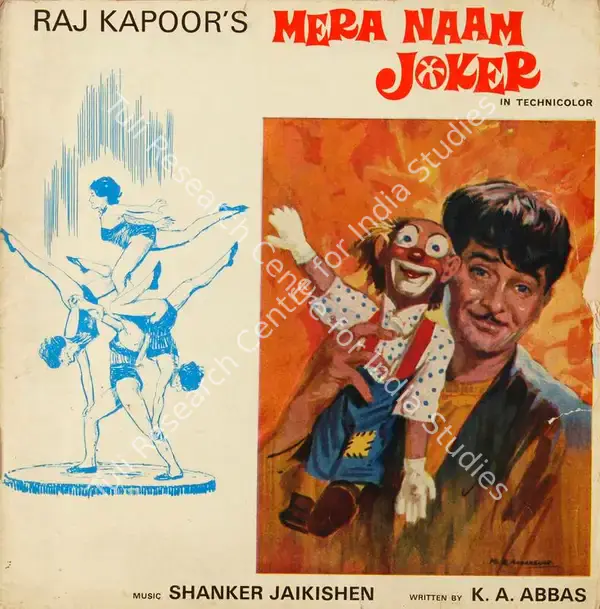
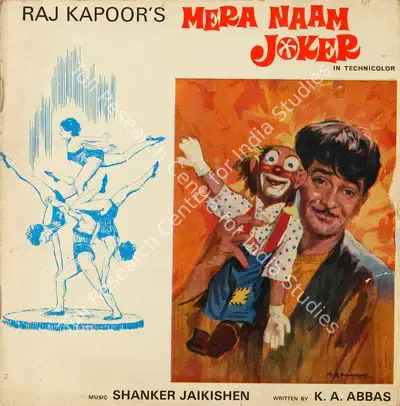
Raj Kapoor (Producer), Mera Naam Joker, 1970, Song-Synopsis Booklet
Kapoor, Raj (Producer), Mera Naam Joker, 1970 | Song-Synopsis Booklet
Raj Kapoor (Producer), Mera Naam Joker, 1970, Song-Synopsis Booklet
Kapoor, Raj (Producer), Mera Naam Joker, 1970 | Song-Synopsis Booklet
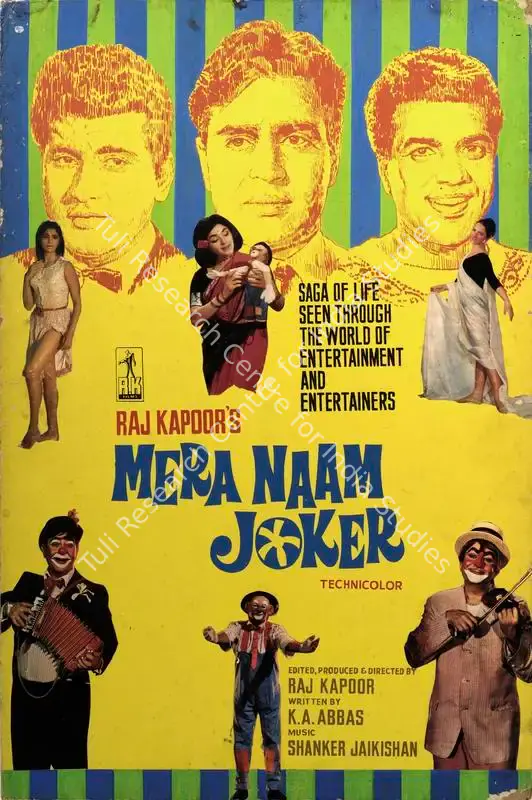
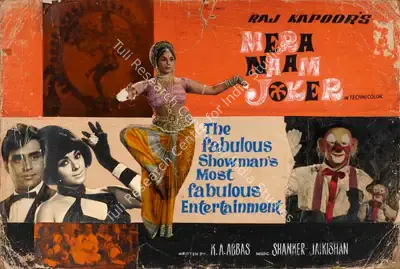
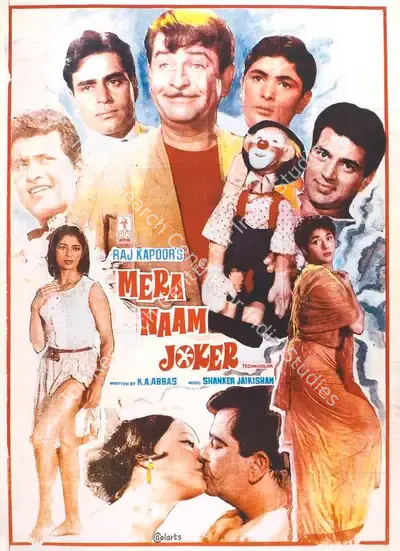
Raj Kapoor (Producer), Mera Naam Joker, 1970, Full Sheet Poster
Kapoor, Raj (Producer), Mera Naam Joker, 1970 | Full Sheet Poster
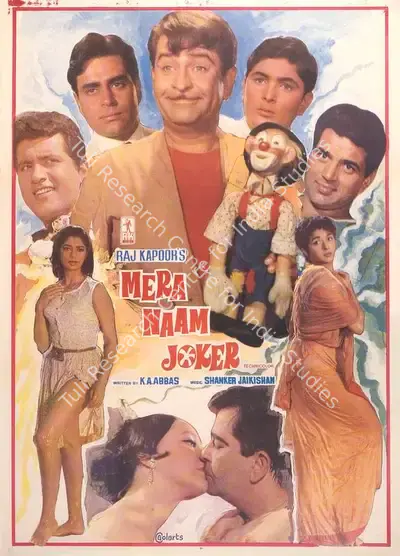
Raj Kapoor (Producer), Mera Naam Joker, 1970, Full Sheet Poster
Kapoor, Raj (Producer), Mera Naam Joker, 1970 | Full Sheet Poster
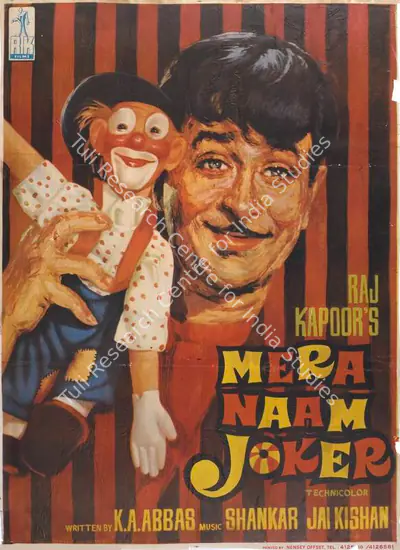
Raj Kapoor (Producer), Mera Naam Joker, 1970, Full Sheet Poster
Kapoor, Raj (Producer), Mera Naam Joker, 1970 | Full Sheet Poster
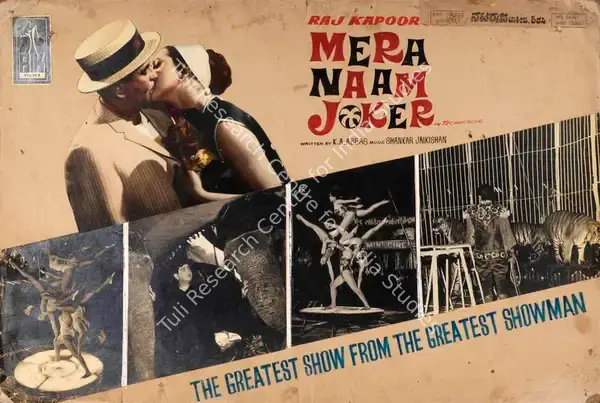
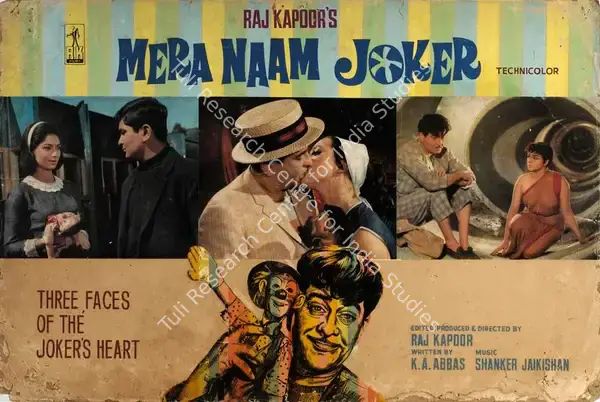
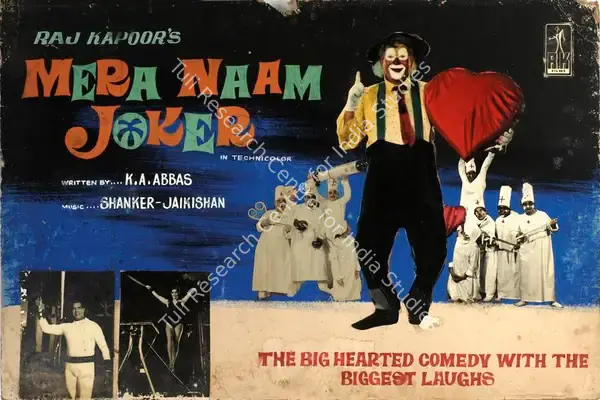
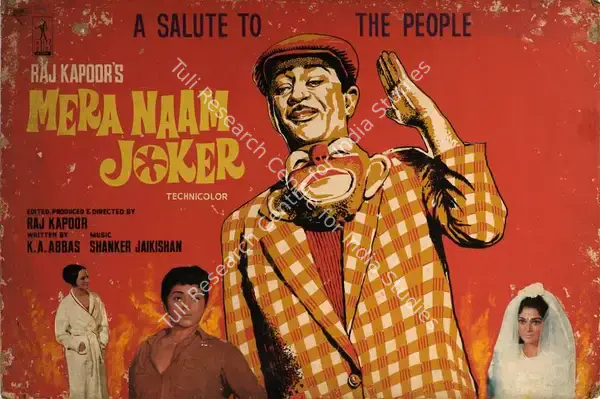
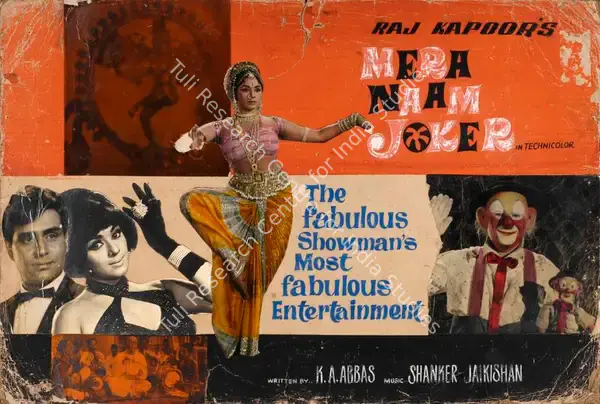
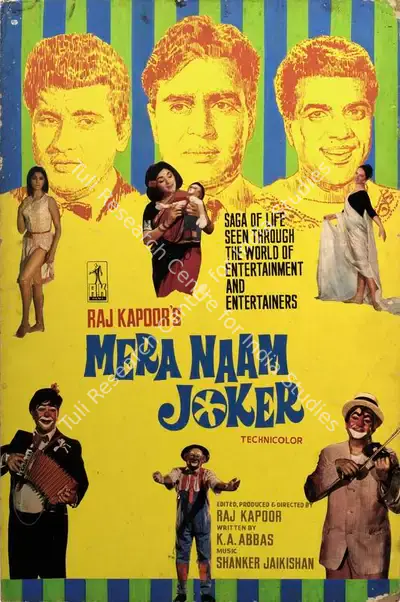
Raj Kapoor (Producer), Mera Naam Joker, 1970, Showcard
Kapoor, Raj (Producer), Mera Naam Joker, 1970 | Showcard
Raj Kapoor (Producer), Mera Naam Joker, 1970, Showcard
Kapoor, Raj (Producer), Mera Naam Joker, 1970 | Showcard
Raj Kapoor (Producer), Mera Naam Joker, 1970, Showcard
Kapoor, Raj (Producer), Mera Naam Joker, 1970 | Showcard
Raj Kapoor (Producer), Mera Naam Joker, 1970, Showcard
Kapoor, Raj (Producer), Mera Naam Joker, 1970 | Showcard
Raj Kapoor (Producer), Mera Naam Joker, 1970, Showcard
Kapoor, Raj (Producer), Mera Naam Joker, 1970 | Showcard
Raj Kapoor (Producer), Mera Naam Joker, 1970, Showcard
Kapoor, Raj (Producer), Mera Naam Joker, 1970 | Showcard
Raj Kapoor (Producer), Mera Naam Joker, 1970, Showcard
Kapoor, Raj (Producer), Mera Naam Joker, 1970 | Showcard
Raj Kapoor (Producer), Mera Naam Joker, 1970, Showcard
Kapoor, Raj (Producer), Mera Naam Joker, 1970 | Showcard
Raj Kapoor (Producer), Mera Naam Joker, 1970, Showcard
Kapoor, Raj (Producer), Mera Naam Joker, 1970 | Showcard
Raj Kapoor (Producer), Mera Naam Joker, 1970, Showcard
Kapoor, Raj (Producer), Mera Naam Joker, 1970 | Showcard
Radhu Karmakar (Cinematographer), Mera Naam Joker, 1970, Photographic Still Mounted on Lobby Card
Karmakar, Radhu (Cinematographer), Mera Naam Joker, 1970 | Photographic Still Mounted on Lobby Card
20 of 116
Neeraj Priyadarshi (Reporter), Bhadralok in Style, 2003, Newspaper Clipping
Priyadarshi, Neeraj (Reporter). Bhadralok in Style, 15 July 2003 | Newspaper Clipping | 00853070
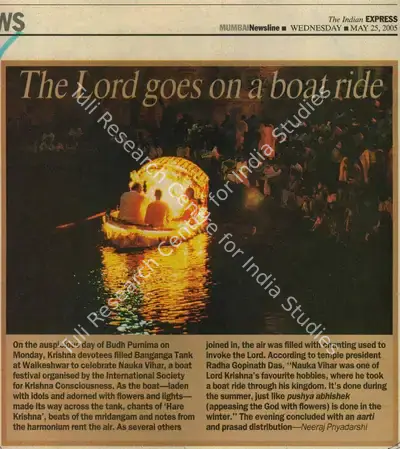
Neeraj Priyadarshi (Reporter), The Lord Goes On a Boat Ride, 2005, Newspaper Clipping
Priyadarshi, Neeraj (Reporter). The Lord Goes On a Boat Ride, 25 May 2005 | Newspaper Clipping | 00848307
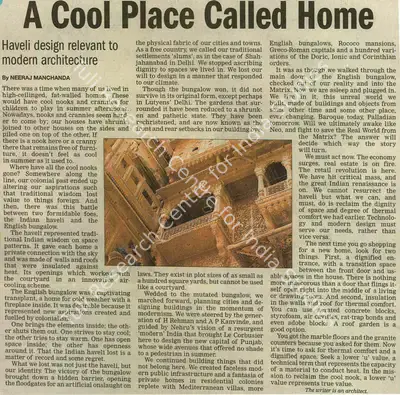
Neeraj Manchanda (Reporter), A Cool Place Called Home, 2005, Newspaper Clipping
Manchanda, Neeraj (Reporter). A Cool Place Called Home, 18 June 2005 | Newspaper Clipping | 00848258
Radhu Karmakar (Cinematographer), Mera Naam Joker, 1970, Photographic Still
Karmakar, Radhu (Cinematographer), Mera Naam Joker, 1970 | Photographic Still
Radhu Karmakar (Cinematographer), Mera Naam Joker, 1970, Lobby Card
Karmakar, Radhu (Cinematographer), Mera Naam Joker, 1970 | Lobby Card
Radhu Karmakar (Cinematographer), Mera Naam Joker, 1970, Lobby Card
Karmakar, Radhu (Cinematographer), Mera Naam Joker, 1970 | Lobby Card
Raj Kapoor (Producer), Mera Naam Joker, 1970, Song-Synopsis Booklet
Kapoor, Raj (Producer), Mera Naam Joker, 1970 | Song-Synopsis Booklet
Raj Kapoor (Producer), Mera Naam Joker, 1970, Song-Synopsis Booklet
Kapoor, Raj (Producer), Mera Naam Joker, 1970 | Song-Synopsis Booklet
Raj Kapoor (Producer), Mera Naam Joker, 1970, Song-Synopsis Booklet
Kapoor, Raj (Producer), Mera Naam Joker, 1970 | Song-Synopsis Booklet
Raj Kapoor (Producer), Mera Naam Joker, 1970, Full Sheet Poster
Kapoor, Raj (Producer), Mera Naam Joker, 1970 | Full Sheet Poster
Raj Kapoor (Producer), Mera Naam Joker, 1970, Full Sheet Poster
Kapoor, Raj (Producer), Mera Naam Joker, 1970 | Full Sheet Poster
Raj Kapoor (Producer), Mera Naam Joker, 1970, Full Sheet Poster
Kapoor, Raj (Producer), Mera Naam Joker, 1970 | Full Sheet Poster
Raj Kapoor (Producer), Mera Naam Joker, 1970, Showcard
Kapoor, Raj (Producer), Mera Naam Joker, 1970 | Showcard
Raj Kapoor (Producer), Mera Naam Joker, 1970, Showcard
Kapoor, Raj (Producer), Mera Naam Joker, 1970 | Showcard
Raj Kapoor (Producer), Mera Naam Joker, 1970, Showcard
Kapoor, Raj (Producer), Mera Naam Joker, 1970 | Showcard
Raj Kapoor (Producer), Mera Naam Joker, 1970, Showcard
Kapoor, Raj (Producer), Mera Naam Joker, 1970 | Showcard
Raj Kapoor (Producer), Mera Naam Joker, 1970, Showcard
Kapoor, Raj (Producer), Mera Naam Joker, 1970 | Showcard
Raj Kapoor (Producer), Mera Naam Joker, 1970, Showcard
Kapoor, Raj (Producer), Mera Naam Joker, 1970 | Showcard
Raj Kapoor (Producer), Mera Naam Joker, 1970, Showcard
Kapoor, Raj (Producer), Mera Naam Joker, 1970 | Showcard
Raj Kapoor (Producer), Mera Naam Joker, 1970, Showcard
Kapoor, Raj (Producer), Mera Naam Joker, 1970 | Showcard
Raj Kapoor (Producer), Mera Naam Joker, 1970, Showcard
Kapoor, Raj (Producer), Mera Naam Joker, 1970 | Showcard
Raj Kapoor (Producer), Mera Naam Joker, 1970, Showcard
Kapoor, Raj (Producer), Mera Naam Joker, 1970 | Showcard
Radhu Karmakar (Cinematographer), Mera Naam Joker, 1970, Photographic Still Mounted on Lobby Card
Karmakar, Radhu (Cinematographer), Mera Naam Joker, 1970 | Photographic Still Mounted on Lobby Card
20 of 112
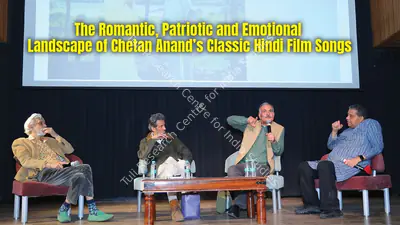
Tuli Research Centre for India Studies (Editor). The Romantic, Patriotic and Emotional Landscape of Chetan Anand’s Classic Hindi Film Songs, 21 July 2026 | In-house Video, 2026 · 1 hour 6 min · Long-form Video
▶
Tuli Research Centre for India Studies (Editor). The Romantic, Patriotic and Emotional Landscape of Chetan Anand’s Classic Hindi Film Songs, 21 July 2026 | In-house Video
2026 · 1 hour 6 min · Long-form Video

Calendar 1

View All →
  1. A Musical Glue for Nation-Building
    ArchivedOffline-Online EventProject 80
    A Musical Glue for Nation-Building
    Deconstructing the Film Song
    23rd July - 22nd August 2026
    Ketan Anand | Ravikant | Pavan Jha | Madan Gopal Singh | Amit Khanna | Juhi Saklani | Antara Mondal | Shikha Jhingan | Neville Tuli
    A key section of the India Studies framework at The Tuli Research Centre for India Studies (T.R.I.S.) is “Deconstructing the Film Song”. It began with a series of four workshops during our Self-Discovery via Rediscovering India Festival Series that brought together leading scholars & academics, film practitioners & students, along with fans of the Hindi film song. The objective of these workshops was to deconstruct iconic Hindi film songs to examine their formation across music, lyrics, playback, choreography, directorial visualisation, as they fuse into sites where aesthetics, ideology, and performance intersect, so as to help clarify the nature of India and her relationship to the film song. The Hindi Film Song functions as a narrative device, conveying myriad textures of emotion through melody, voice and poetry. As cultural texts that encode memory, desire, and ideology, songs are integral to the circulation and resonance of films in the public realm. Over time they have become autonomous bundles of creative energy - the glue that binds us over time, articulating and perhaps even defining the idea of Indianness. These first Workshops were an attempt to understand the nature and power of this glue, while contemplating the ways to situate it within TRIS' academic framework for Contemporary India Studies.
    Read More →
    1_CinemaEducation·12_Scholarship
    +34 more
Tuli Research Centre for India Studies
Tuli Research Centre
for India Studies

A free and open knowledge base for the modern and contemporary Indian arts, cinema, photography and cultural heritage.

Support

Contact Us

Discover

Tuli Research Centre for India StudiesVisionManifestoArchive & LibraryVanraja Sanctuary & Hospice
Legal

Privacy PolicyTerms & Conditions

Follow us

Youtube

Youtube

Instagram

Instagram

Facebook

Facebook

© Tuli Research Centre for India Studies 2026
Tuli Research Centre for India Studies
Tuli Research Centre
for India Studies

A free and open knowledge base for the modern and contemporary Indian arts, cinema, photography and cultural heritage.

Tuli Research Centre for India StudiesVisionManifestoArchive & LibraryVanraja Sanctuary & Hospice
Contact Us
Privacy PolicyTerms & Conditions

Follow us

YoutubeInstagramFacebook

© Tuli Research Centre for India Studies 2026
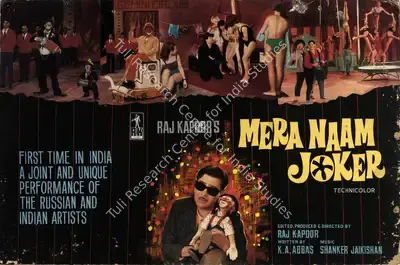
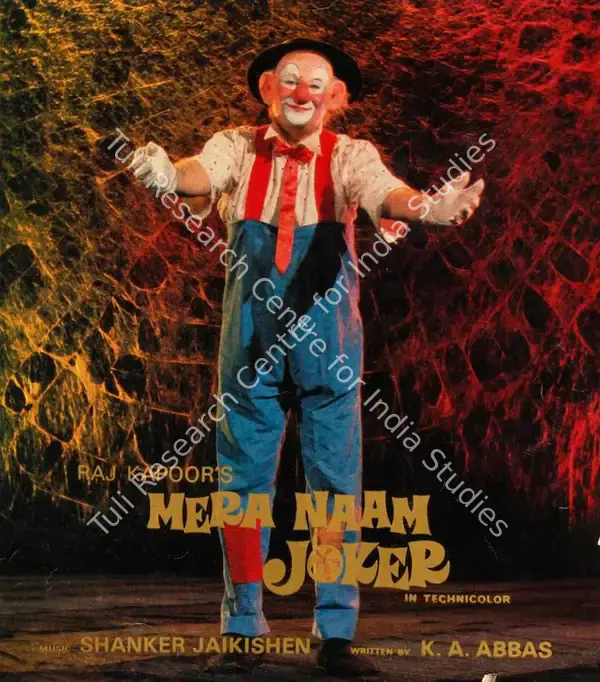
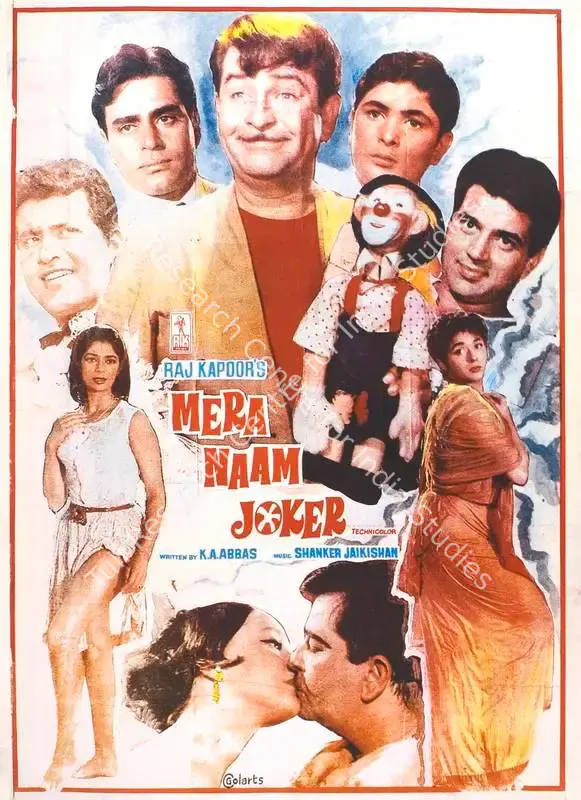
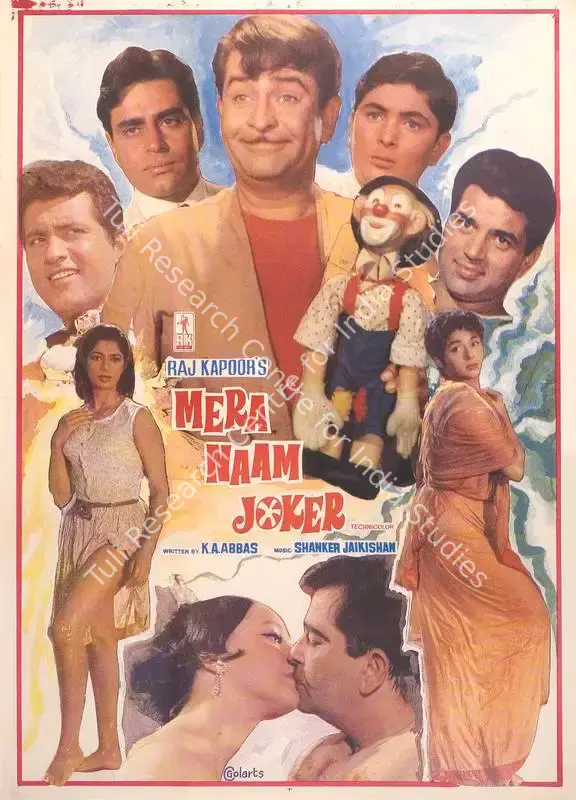
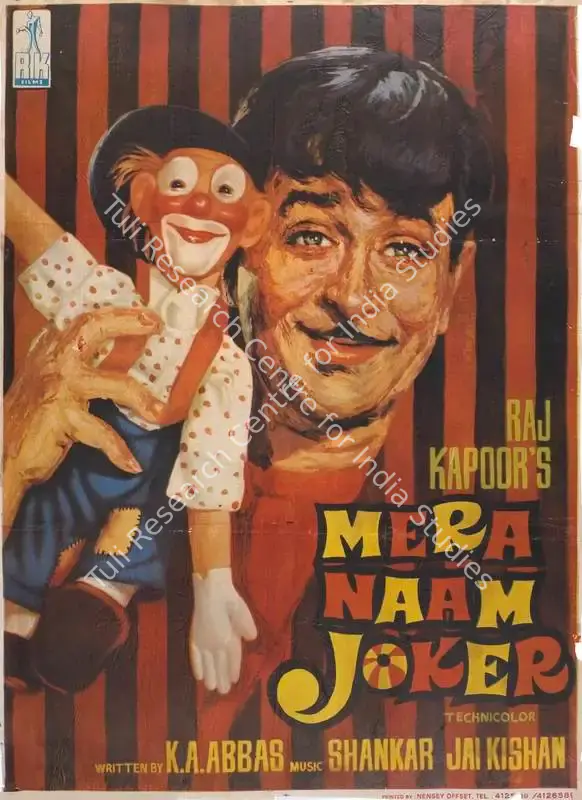
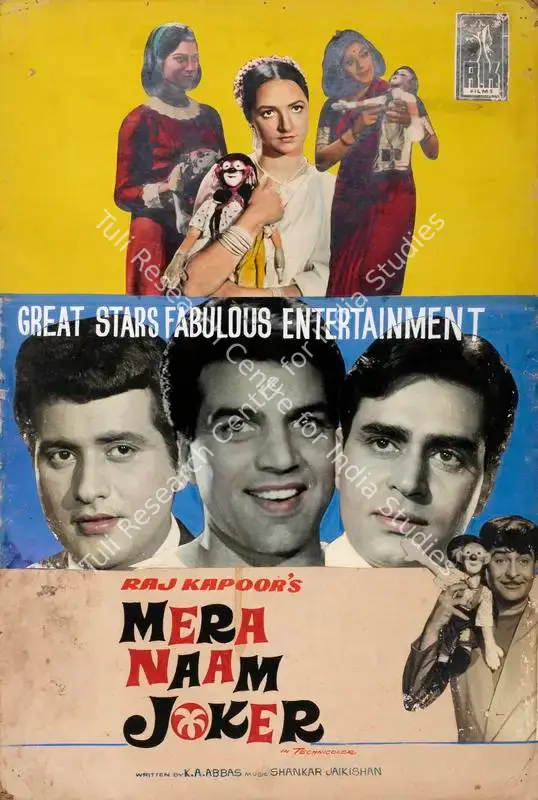
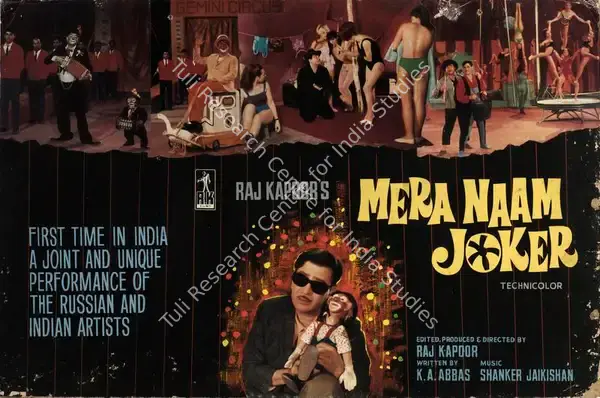
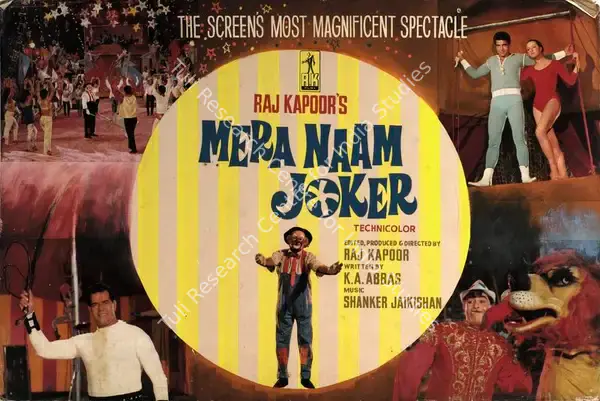
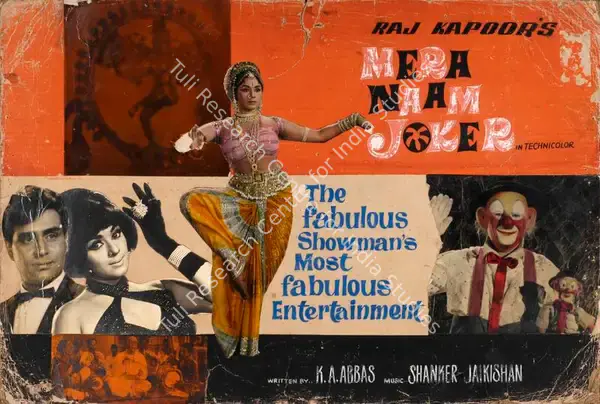
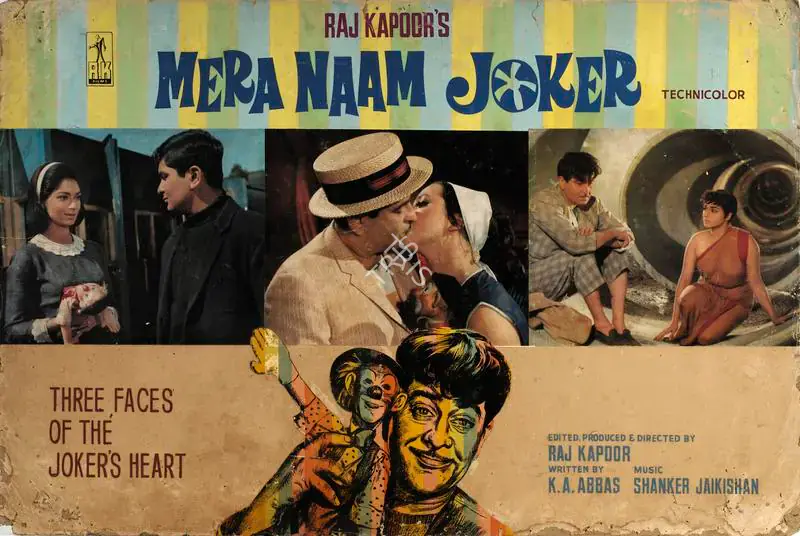
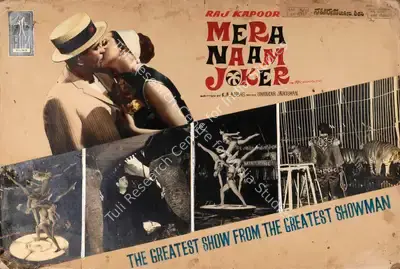
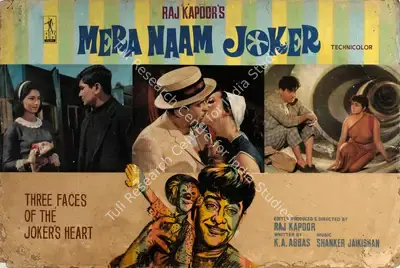
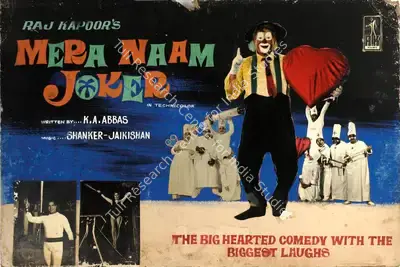
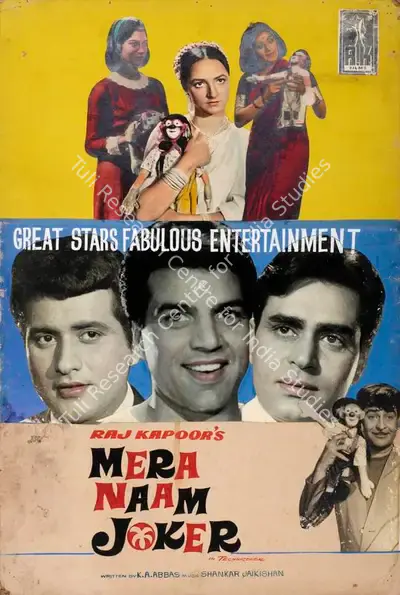
              Kapoor, Raj (Producer), Mera Naam Joker, 1970 | Showcard | CinemaEducation | 00763232

              Kapoor, Raj (Producer), Mera Naam Joker, 1970 | Showcard | 14 Dec 1924 – 06 Feb 1988

              ProducerRaj Kapoor
              Document TypeShowcard
              Film TitleMera Naam Joker, 1970, India, Hindi
              DirectorRaj KapoorBannerR. K. Films
              Art DirectorM.R. AcharekarCinematographerRadhu Karmakar
              CastSimi Garewal, Raj Kapoor, Manoj Kumar, Rajendra Kumar, Kseina Rabiankina, Dharmendra, Padmini, Rishi Kapoor, Mohan Bali, Fazal Khan, Vazid Khan, Rajendra Nath, Om Prakash, Sabu Rebello, Achala Sachdev, Dara Singh, Agha, Bhalla, Birbal, Mukri, Polson, Sunder
              EditingRaj Kapoor
              LyricistPrem Dhawan, Hasrat Jaipuri, Shailay Shailendra, Neeraj, Shailendra
              Music DirectorJaikishan Dayabhai Panchal, Shankarsingh Raghuwanshi
              Keywordssimi | ksiena-rabiankina
              Copyright of ImageWith Producer | Archive Object

              Research Categories

              1_CinemaEducation4_PopCulture6_EconomicsArt

              Related Links17

              Masterlist14
              Raj KapoorCinema ShowcardsManoj KumarRajendra KumarDharmendraAchala SachdevKhwaja Ahmad AbbasRadhu KarmakarHasrat JaipuriShailendraAsha BhosleManna DeyNitin MukeshMohammad Rafi
              Research Categories3
              01Cinema as a Critical Educational Resource04The Printed Image, Popular Arts, and Crafts06Economics of Art & Cultural Industry