Naushad
Naushad Ali (25 December 1919 – 5 May 2006) He is one of the most celebrated and influential composers in the history of Hindi cinema. Revered as Moseeqar-e-Azam (The Great Musician), he transformed the landscape of Indian film music by introducing a refined synthesis of Hindustani classical traditions, folk melodies, and cinematic expression. His exceptional contribution established him as one of the foremost music directors of the Hindi film industry and a visionary who preserved India's musical heritage through popular cinema.
Born in Lucknow, a prominent centre of Indian cultural and musical traditions, Naushad developed an early fascination with music. His father, Wahid Ali, worked as a munshi (court clerk), but despite family opposition, Naushad pursued his passion for classical music. During his childhood, he attended musical gatherings at Deva Sharif in Barabanki, where he learned from renowned musicians including Ustad Ghurbat Ali, Ustad Yusuf Ali, and Ustad Babban Saheb. He also gained practical experience by repairing harmoniums and studying the techniques of traditional musicians.
His early exposure to theatre and silent cinema played a significant role in shaping his artistic vision. As a young musician in Lucknow, Naushad joined theatrical groups and became responsible for composing music for stage performances. Watching silent films accompanied by live orchestras helped him understand the relationship between visual storytelling and musical composition. These experiences developed his ability to create powerful background scores and emotionally expressive melodies.
Naushad further expanded his musical knowledge while travelling with theatrical companies across India. Under the guidance of Laddan Khan, he refined his skills as a composer and absorbed diverse folk traditions from regions such as Punjab, Rajasthan, Gujarat, and Saurashtra. These influences later enriched his film compositions, allowing him to create music that represented India's cultural diversity.
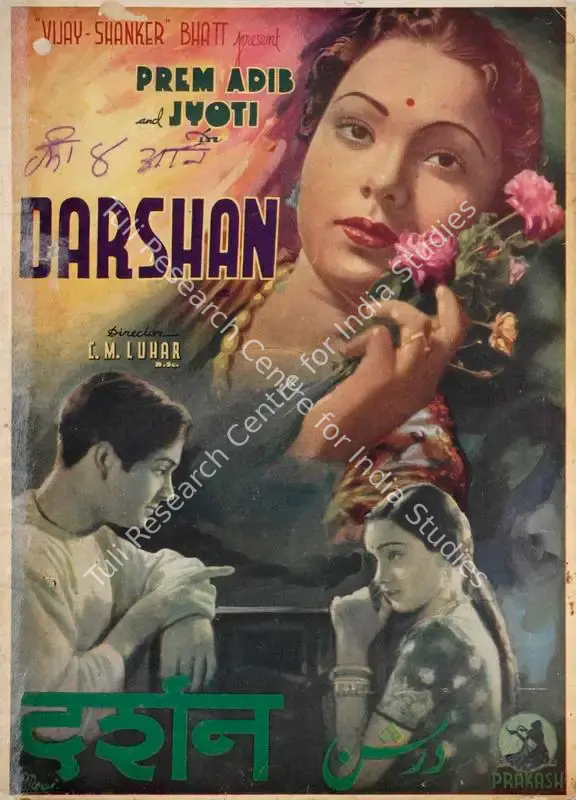
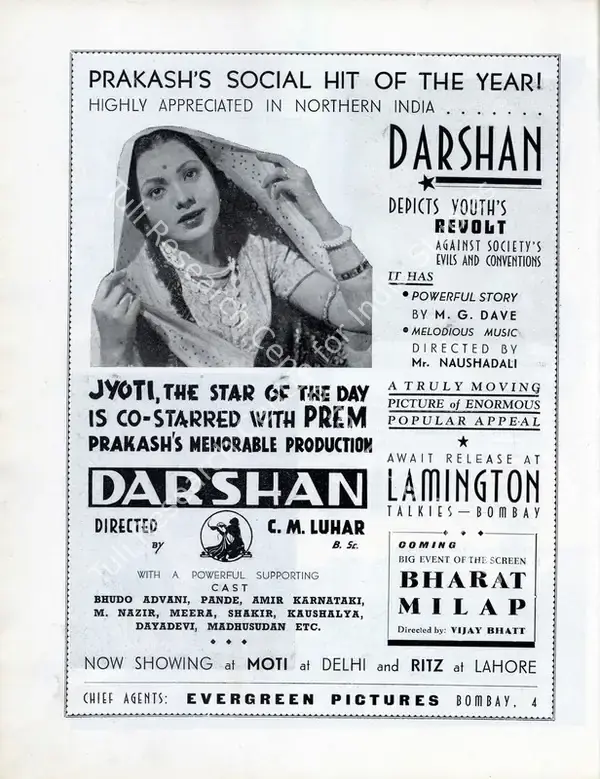
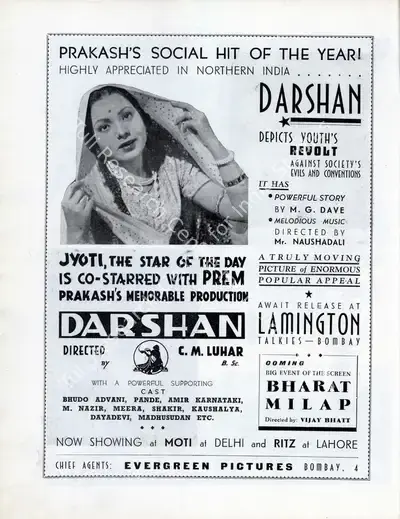
In 1937, Naushad moved to Mumbai to pursue a career in music. His initial years were marked by financial struggles, but his determination led him to work as an assistant to distinguished composers such as Ustad Jhande Khan and Khemchand Prakash. Encouraged by lyricist D. N. Madhok, he received opportunities to compose independently. His debut as an independent music director came with Prem Nagar (1940), while his breakthrough success arrived with Rattan (1944), which established him as a leading figure in Hindi film music.
Throughout his illustrious career spanning approximately 65 films, Naushad created numerous landmark compositions. His music for films such as Baiju Bawra (1952), Mother India (1957), Mughal-e-Azam (1960), Gunga Jumna (1961), and Mere Mehboob (1963) remains celebrated for its artistic excellence. In Baiju Bawra, he extensively used classical ragas and collaborated with renowned vocalist Ustad Amir Khan as a musical consultant, demonstrating his commitment to authentic classical expression. He also skillfully incorporated Western instruments, including the clarinet, mandolin, and accordion, creating innovative arrangements that expanded the possibilities of Indian film music.
Naushad achieved remarkable commercial success, producing numerous silver jubilee, golden jubilee, and diamond jubilee hits. His compositions for Mother India, India's first Academy Award-nominated film, became a defining achievement in Indian cinema. His collaborations with legendary lyricists such as Shakeel Badayuni and Majrooh Sultanpuri produced some of the most memorable songs in Hindi film history.
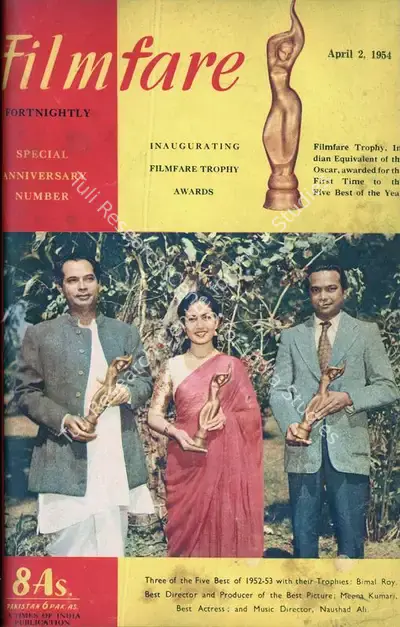
In recognition of his unparalleled contribution, Naushad received several prestigious honours. He was awarded the Dadasaheb Phalke Award in 1981, the highest recognition in Indian cinema, and the Padma Bhushan in 1992, one of India's highest civilian awards. He also received the Sangeet Natak Akademi Award and the Filmfare Award for Best Music Director for Baiju Bawra at the inaugural 1954 ceremony. Later, he was honoured with a Filmfare Lifetime Achievement Award for his lasting influence on Indian music.
Naushad's dedication to preserving classical music led to the establishment of the Naushad Academy of Hindustani Sangeet, an institution dedicated to promoting India's musical traditions. His legacy continues through generations of musicians, filmmakers, and audiences who admire his artistic brilliance.
Naushad Ali passed away on 5 May 2006 in Mumbai at the age of 86. His life and work represent an extraordinary journey of perseverance, innovation, and devotion to music. Through his pioneering compositions and commitment to cultural preservation, Naushad remains an immortal figure in the history of Indian cinema.
भारतीय सांस्कृतिक और संगीत परंपराओं के अहम केंद्र लखनऊ में जन्मे नौशाद को बचपन से ही संगीत से लगाव था। उनके पिता, वाहिद अली, मुंशी (अदालत के क्लर्क) का काम करते थे, लेकिन परिवार की मनाही के बावजूद नौशाद ने शास्त्रीय संगीत के प्रति अपने जुनून को जारी रखा। बचपन में वे बाराबंकी के देवा शरीफ़ में होने वाली संगीत महफ़िलों में जाते थे, जहाँ उन्होंने उस्ताद ग़ुरबत अली, उस्ताद यूसुफ़ अली और उस्ताद बब्बन साहब जैसे मशहूर संगीतकारों से सीखा। उन्होंने हारमोनियम ठीक करके और पारंपरिक संगीतकारों की तकनीकों को समझकर व्यावहारिक अनुभव भी हासिल किया।
थिएटर और मूक सिनेमा (बिना आवाज़ वाली फ़िल्में) से शुरुआती जुड़ाव ने उनकी कलात्मक सोच को आकार देने में अहम भूमिका निभाई। लखनऊ में एक युवा संगीतकार के तौर पर, नौशाद थिएटर समूहों से जुड़े और स्टेज़ पर होने वाले कार्यक्रमों के लिए संगीत तैयार करने की ज़िम्मेदारी संभाली। लाइव ऑर्केस्ट्रा के साथ मूक फ़िल्में देखने से उन्हें विज़ुअल स्टोरीटेलिंग (दृश्य के ज़रिए कहानी कहना) और संगीत रचना के बीच के रिश्ते को समझने में मदद मिली। इन अनुभवों ने उनमें ज़बरदस्त बैकग्राउंड स्कोर और भावनाओं से भरी धुनें बनाने की क्षमता विकसित की।
नौशाद ने पूरे भारत में थिएटर कंपनियों के साथ यात्रा करते हुए अपने संगीत के ज्ञान को और बढ़ाया। लद्दन ख़ान की देखरेख में, उन्होंने एक संगीतकार के तौर पर अपनी कला को निखारा और पंजाब, राजस्थान, गुजरात और सौराष्ट्र जैसे इलाक़ो की अलग-अलग लोक परंपराओं को अपनाया। इन प्रभावों ने बाद में उनकी फ़िल्मी रचनाओं को समृद्ध किया, जिससे वे ऐसा संगीत बना पाए जो भारत की सांस्कृतिक विविधता को दर्शाता था।
1937 में नौशाद संगीत में करियर बनाने के लिए मुंबई चले गए। उनके शुरुआती साल आर्थिक तंगी में बीते, लेकिन उनके पक्के इरादे ने उन्हें उस्ताद झंडे ख़ान और खेमचंद प्रकाश जैसे मशहूर संगीतकारों के असिस्टेंट के तौर पर काम करने का मौका दिलाया। गीतकार डी. एन. मधोक से मिले प्रोत्साहन के बाद, उन्हें स्वतंत्र रूप से संगीत तैयार करने के मौके मिले। एक स्वतंत्र संगीत निर्देशक के तौर पर उनकी शुरुआत 'प्रेम नगर' (1940) से हुई, जबकि उन्हें बड़ी सफलता 'रतन' (1944) से मिली, जिसने उन्हें हिंदी फ़िल्म संगीत की दुनिया में एक प्रमुख हस्ती के रूप में स्थापित किया।
लगभग 65 फ़िल्मों के अपने शानदार करियर में नौशाद ने कई यादगार धुनें बनाईं। 'बैजू बावरा' (1952), 'मदर इंडिया' (1957), 'मुग़ल-ए-आज़म' (1960), 'गंगा जमुना' (1961) और 'मेरे महबूब' (1963) जैसी फ़िल्मों में उनके संगीत को उसकी कलात्मक उत्कृष्टता के लिए आज भी सराहा जाता है। 'बैजू बावरा' में उन्होंने शास्त्रीय रागों का भरपूर इस्तेमाल किया और संगीत सलाहकार के तौर पर मशहूर गायक उस्ताद अमीर ख़ान के साथ काम किया, जिससे शास्त्रीय संगीत के प्रति उनकी निष्ठा का पता चलता है। उन्होंने क्लैरिनेट, मैंडोलिन और अकॉर्डियन जैसे पश्चिमी वाद्ययंत्रों का भी कुशलता से इस्तेमाल किया और ऐसे नए संगीत संयोजन तैयार किए जिन्होंने भारतीय फ़िल्मी संगीत की संभावनाओं को बढ़ाया।
नौशाद ने ज़बरदस्त व्यावसायिक सफलता हासिल की और कई सिल्वर जुबली, गोल्डन जुबली और डायमंड जुबली हिट फ़िल्में दीं। भारत की पहली अकादमी पुरस्कार के लिए नामांकित फ़िल्म 'मदर इंडिया' के लिए उनका संगीत भारतीय सिनेमा में एक बड़ी उपलब्धि बन गया। शकील बदायूँनी और मजरूह सुल्तानपुरी जैसे महान गीतकारों के साथ उनके सहयोग से हिंदी फ़िल्मों के इतिहास के कुछ सबसे यादगार गाने बने।
उनके बेमिसाल योगदान के लिए नौशाद को कई प्रतिष्ठित सम्मान मिले। उन्हें 1981 में भारतीय सिनेमा के सबसे बड़े सम्मान 'दादा साहब फाल्के पुरस्कार' और 1992 में भारत के सर्वोच्च नागरिक सम्मानों में से एक 'पद्म भूषण' से सम्मानित किया गया। उन्हें 'संगीत नाटक अकादमी पुरस्कार' और 1954 के पहले समारोह में 'बैजू बावरा' के लिए 'सर्वश्रेष्ठ संगीत निर्देशक' का 'फ़िल्मफ़ेयर पुरस्कार' भी मिला। बाद में भारतीय संगीत पर उनके स्थायी प्रभाव के लिए उन्हें 'फ़िल्मफ़ेयर लाइफटाइम अचीवमेंट अवार्ड' से सम्मानित किया गया।
शास्त्रीय संगीत को बचाने के प्रति नौशाद के समर्पण के कारण मुंबई में 'नौशाद एकेडमी ऑफ़ हिंदुस्तानी संगीत' की स्थापना हुई, जो भारत की संगीत परंपराओं को बढ़ावा देने के लिए समर्पित एक संस्थान है। उनकी विरासत संगीतकारों, फ़िल्म निर्माताओं और दर्शकों की पीढ़ियों के माध्यम से आगे बढ़ रही है, जो उनकी कलात्मक प्रतिभा की प्रशंसा करते हैं।
नौशाद अली का 5 मई 2006 को मुंबई में 86 वर्ष की आयु में निधन हो गया। उनका जीवन और काम दृढ़ता, नवीनता और संगीत के प्रति समर्पण की एक असाधारण यात्रा को दर्शाता है। अपनी बेहतरीन धुनों और सांस्कृतिक संरक्षण के प्रति अपनी प्रतिबद्धता के कारण, नौशाद भारतीय सिनेमा के इतिहास में एक अमर हस्ती बने हुए हैं।