TRIS logo image
Search275,000+ actors, artists, objects, artworks, films, exhibitions, archives

EN

EN

English

HI

Hindi

EN

EN

English

HI

Hindi

Tuli Research Centre for India Studies

Tuli Research Centre for India Studies

Vision

Manifesto

Archive & Library

Vanraja Sanctuary & Hospice

Home

Research Categories

Browse All

ICore

1_CinemaEducation_Cinema as a Critical Educational Resource

2_FineArts_Modern and Contemporary Indian Fine Arts

3_Photography_Photography in India

4_PopCulture_The Printed Image, Popular Arts, and Crafts

IIMaterial

5_ArcHeritage_India's Architectural Heritage as Inspiration

6_EconomicsArt_Economics of Art & Cultural Industry

7_Travel_Automobile, Transport and Travel Heritage

8_Uncertainty_Uncertainty

IIICritical

9_SocialDuty_Social Responsibility of the Creative Mind

10_Childhood_The Changing Smile of Childhood & Its Second Coming

11_Sensuality_The Sensual Discipline within Creativity

12_Scholarship_The History & Historiography of Scholarship in the Arts, Humanities, and Social Sciences

IVMeaningful

13_SeekJustice_Seeking Justice and Political Integrity

14_IndoWorld_India and her Relationship with the World

15_SpiritualPoetics_The Religious-Spiritual-Poetic-Philosophical Framework

16_Continuum_The Animal-Human-Nature Continuum

Explore

All

Posts

Masterlists

Calendar

Live | Upcoming

All Events

Timetable

Search275,000+ actors, artists, objects, artworks, films, exhibitions, archives

EN

EN

English

HI

Hindi

Home/Madan Gopal Singh

Madan Gopal Singh

Madan Gopal Singh A multifaceted Indian composer, singer, lyricist, actor, screenwriter, film theorist, editor, and polyglot whose work spans music, cinema, and cultural scholarship, he currently serves as Senior Fellow at the Nehru Memorial Museum and Library, New Delhi, and is on leave from Satyawati College (Evening Classes), where he taught English literature.

Born into a literary family as the son of noted Punjabi poet Harbhajan Singh, he has built an interdisciplinary career shaped by both academic inquiry and artistic experimentation. Singh has written and lectured extensively on cinema, visual culture, and cultural history, while also performing internationally as the lead voice of his ensemble Chaar Yaar, known for blending Sufi poetry with contemporary musical expression.

In film, he has contributed as a screenwriter, lyricist, and dialogue writer to several critically acclaimed projects. His work includes the award-winning short film Rasayatra, based on Hindustani classical vocalist Mallikarjun Mansur, and Ekti Nadir Naam (The Name of a River), a feature exploring the life and legacy of filmmaker Ritwik Ghatak. He also wrote lyrics and adaptations for Mira Nair's Kama Sutra: A Tale of Love, and dialogues for Kaya Taran, which examines the 1984 anti-Sikh riots.

Singh's musical practice draws deeply on Sufi and classical traditions, composing and performing poetry by Rumi, Bulle Shah, Shah Hussain, and Sultan Bahu, while also translating global voices such as Brecht, Lorca, and John Lennon into Hindustani. He has collaborated widely in India and abroad, composed for films and documentaries, and performed at major international festivals, establishing himself as a significant bridge between South Asian literary heritage and global contemporary arts.

मदन गोपाल सिंह एक बहुअयामी भारतीय संगीतकार, गायक, गीतकार, अभिनेता, पटकथा लेखक, फ़िल्म सिद्धांतकार, संपादक और कई भाषाएं जानने वाले व्यक्ति हैं। उनका काम संगीत, सिनेमा और सांस्कृतिक अध्ययन के क्षेत्रों में फैला हुआ है। वे अभी नई दिल्ली के नेहरू मेमोरियल म्यूज़ियम एंड लाइब्रेरी में सीनियर फेलो हैं और दिल्ली विश्वविद्यालय के सत्यवती कॉलेज़ (इवनिंग क्लासेस) से छुट्टी पर हैं, जहाँ वे अंग्रेज़ी साहित्य पढ़ाते थे।
प्रसिद्ध पंजाबी कवि हरभजन सिंह के बेटे के रूप में एक साहित्यिक परिवार में जन्मे, उन्होंने अकादमिक खोज और कलात्मक प्रयोगों से अपना एक ऐसा करियर बनाया है जो कई विषयों को जोड़ता है। सिंह ने सिनेमा, विज़ुअल कल्चर और सांस्कृतिक इतिहास पर बहुत कुछ लिखा है और भाषण दिए हैं। साथ ही, वे अपने ग्रुप 'चार यार' के मुख्य गायक के तौर पर अंतरराष्ट्रीय स्तर पर परफ़ॉर्म भी करते हैं। यह ग्रुप सूफ़ी शायरी को आज के संगीत के साथ मिलाने के लिए जाना जाता है।
फ़िल्मों में उन्होंने पटकथा लेखक, गीतकार और संवाद लेखक के तौर पर कई ऐसी फ़िल्मों में काम किया है जिनकी काफ़ी तारीफ़ हुई है। उनके कामों में हिंदुस्तानी शास्त्रीय गायक मल्लिकार्जुन मंसूर पर आधारित पुरस्कार विजेता शॉर्ट फ़िल्म 'रसयात्रा' और फ़िल्म निर्माता ऋत्विक घटक के जीवन और विरासत पर बनी फ़ीचर फ़िल्म 'एकटी नदीर नाम' (द नेम ऑफ़ ए रिवर) शामिल हैं। उन्होंने मीरा नायर की फ़िल्म 'कामसूत्र: ए टेल ऑफ़ लव' के लिए गाने और अडैप्टेशन लिखे, और 'काया तरण' के लिए संवाद लिखे, जो 1984 के सिख-विरोधी दंगों पर आधारित है।
सिंह का संगीत सूफ़ी और शास्त्रीय परंपराओं से गहराई से जुड़ा है। वे रूमी, बुल्ले शाह, शाह हुसैन और सुल्तान बहू की शायरी को संगीतबद्ध करते हैं और गाते हैं, साथ ही ब्रेख्त, लोर्का और जॉन लेनन जैसी वैश्विक आवाज़ों का हिंदुस्तानी में अनुवाद भी करते हैं। उन्होंने भारत और विदेशों में बड़े पैमाने पर सहयोग किया है। फ़िल्मों और डॉक्यूमेंट्री के लिए संगीत तैयार किया है और प्रमुख अंतरराष्ट्रीय समारोहों में परफ़ॉर्म किया है। इस तरह उन्होंने दक्षिण एशियाई साहित्यिक विरासत और वैश्विक समकालीन कला के बीच ख़ुद को एक महत्वपूर्ण कड़ी के रूप में स्थापित किया है।
The whole holding
Scroll→
Madan Gopal Singh
Madan Gopal Singh
Research Centre60
Posts4

Research Centre
Madan Gopal Singh (Essayist), Technique as Ideology, 1982, Essay
Singh, Madan Gopal (Essayist). Technique as Ideology. In Journal of Arts & Ideas. 1. October-December 1982 | Essay | 00676262
View full record
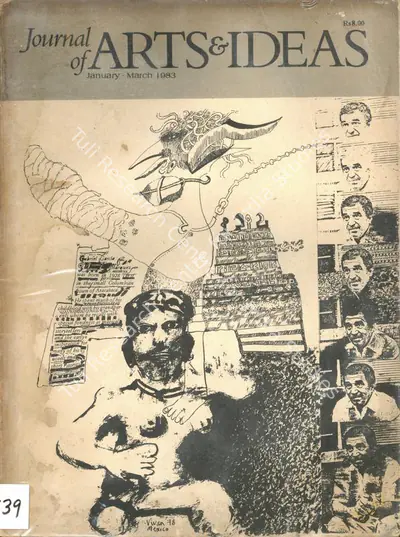
Madan Gopal Singh (Essayist), About Tughlaq, 1983, Essay
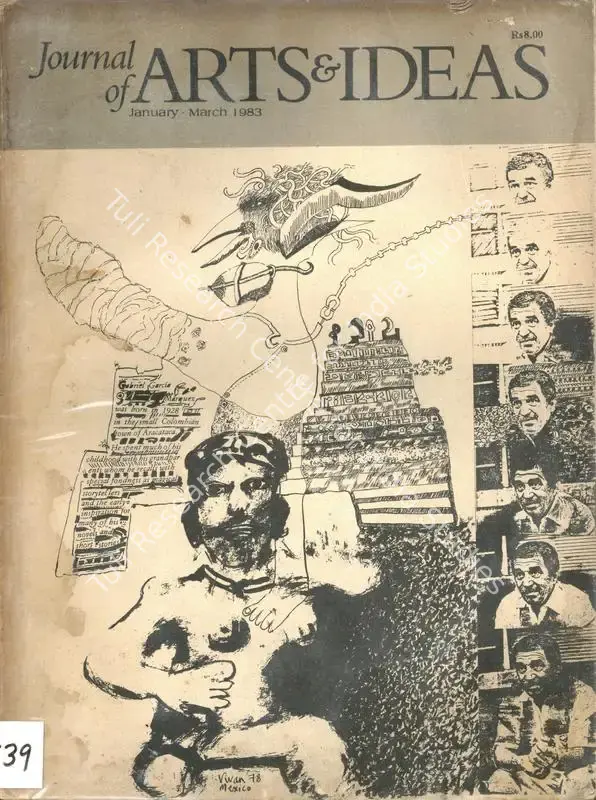
Singh, Madan Gopal (Essayist). About Tughlaq. In Journal of Arts & Ideas. 2. January-March 1983 | Essay | 00676275
View full record
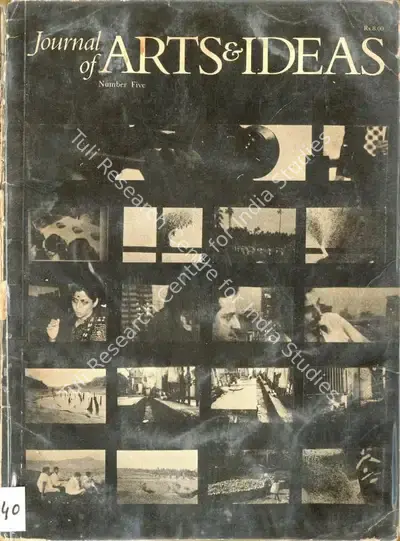
Madan Gopal Singh (Essayist), On Solaris and Tarkovsky, 1983, Essay
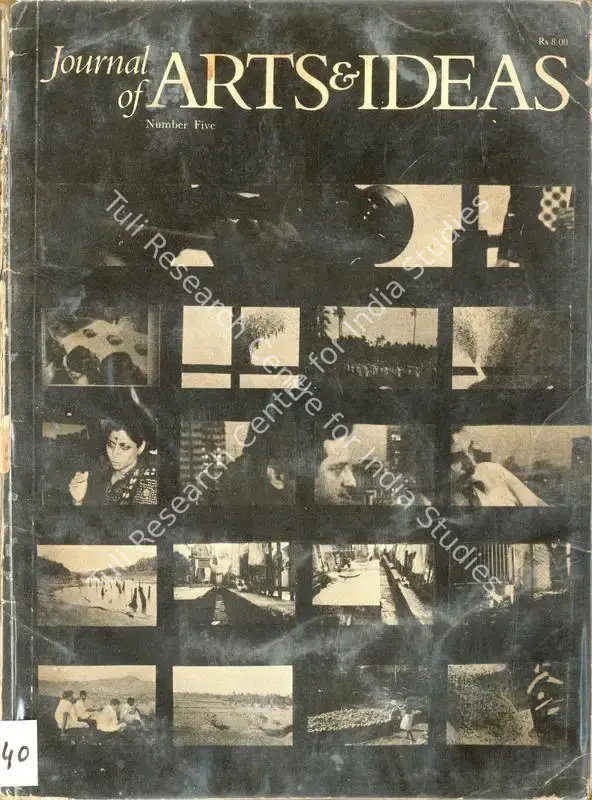
Singh, Madan Gopal (Essayist). On Solaris and Tarkovsky. In Journal of Arts & Ideas. 5. October-December 1983 | Essay | 00676293
View full record
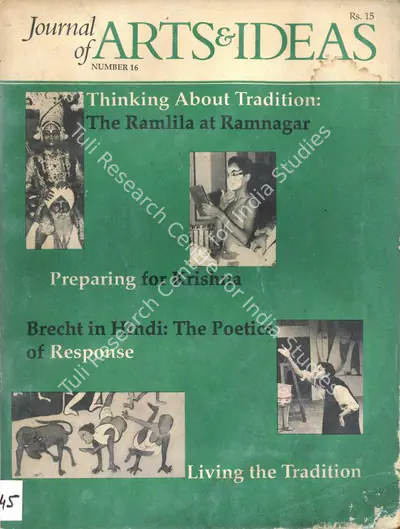
G.P. Deshpande (Editor), Journal of Arts & Ideas, 1984, Journal
Deshpande, G.P. (Editor) and Romi Khosla (Managing Editor & Treasurer). Journal of Arts & Ideas, October-December 1984 | Journal | 00842142
View full record
G.P. Deshpande (Editor), Journal of Arts & Ideas, 1984, Journal
Deshpande, G.P. (Editor) and Romi Khosla (Managing Editor & Treasurer). Journal of Arts & Ideas, July-September 1984 | Journal | 00842141
View full record
Sanjeev Prakash (Essayist), Genres in Indian Cinema, 1984, Essay
Prakash, Sanjeev (Essayist). Genres in Indian Cinema. In Journal of Arts & Ideas. 9. October-December 1984 | Essay | 00676311
View full record
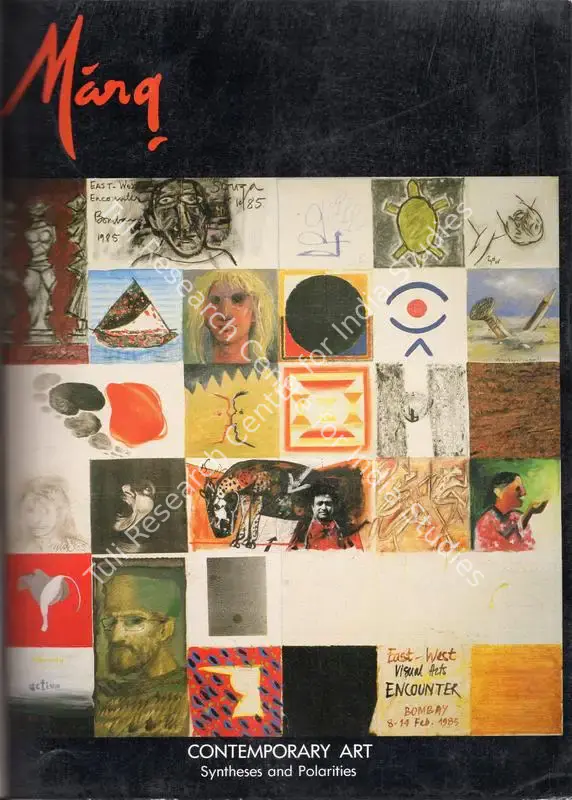
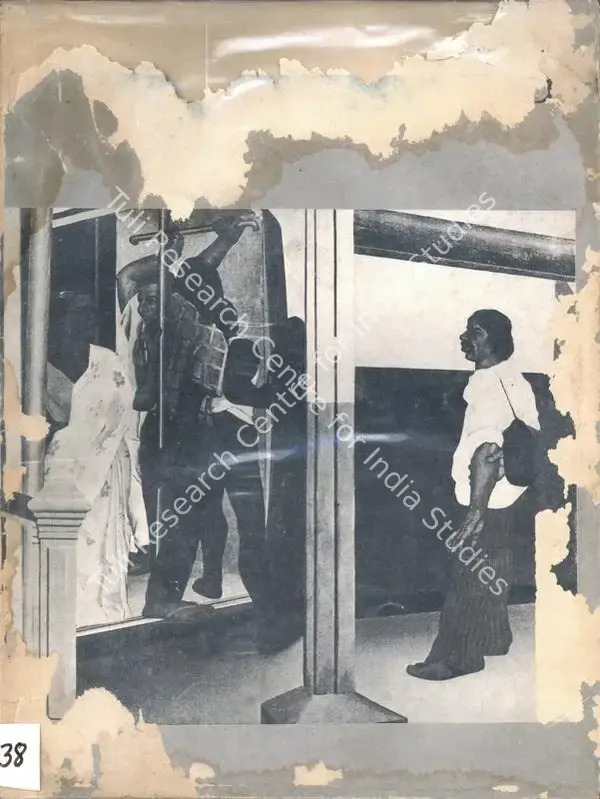
Madan Gopal Singh (Compiler), Manjit Bawa, 1985, Essay
Singh, Madan Gopal (Compiler) and Manjit Bawa (Artist). Manjit Bawa. In Marg. 38(4). September 1985 | Essay | 00669001
View full record
G.P. Deshpande (Editor), Journal of Arts & Ideas, 1987, Journal
Deshpande, G.P. (Editor) and Romi Khosla (Managing Editor & Treasurer). Journal of Arts & Ideas, January-June 1987 | Journal | 00842143
View full record
G.P. Deshpande (Editor), Journal of Arts & Ideas, 1988, Journal
Deshpande, G.P. (Editor) and Romi Khosla (Managing Editor & Treasurer). Journal of Arts & Ideas, January-March 1988 | Journal | 00842144
View full record
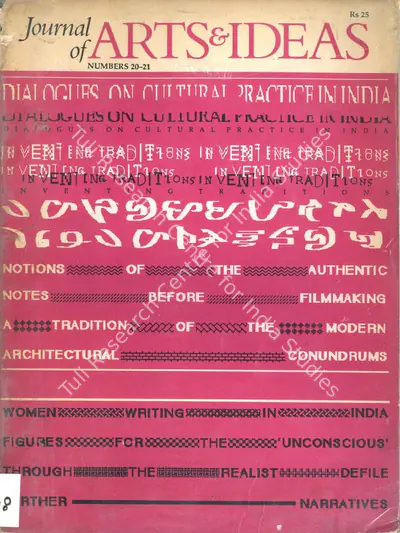
Geeta Kapur (Executive Editor), Journal of Arts & Ideas, 1989, Journal
Kapur, Geeta (Executive Editor), Romi Khosla, Vivan Sundaram and Rajendra Prasad (Managerial Editor). Journal of Arts & Ideas, June 1989 | Journal | 00842145
View full record
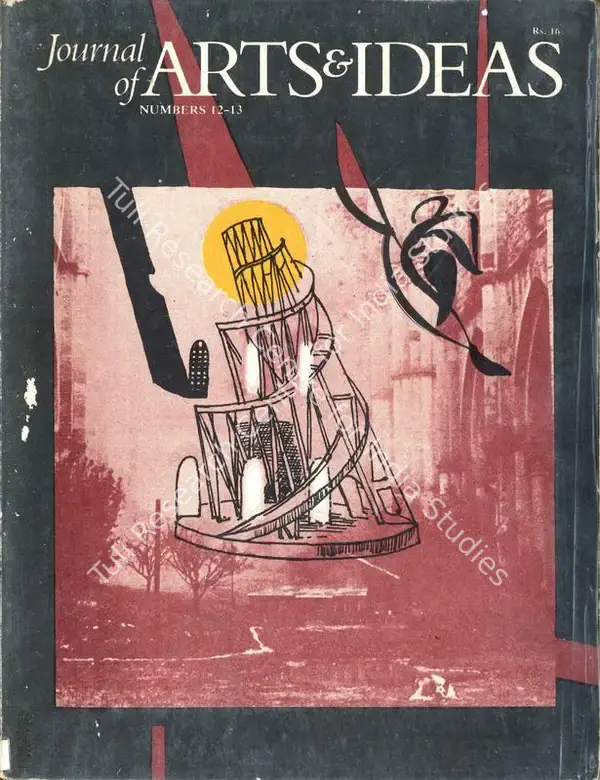
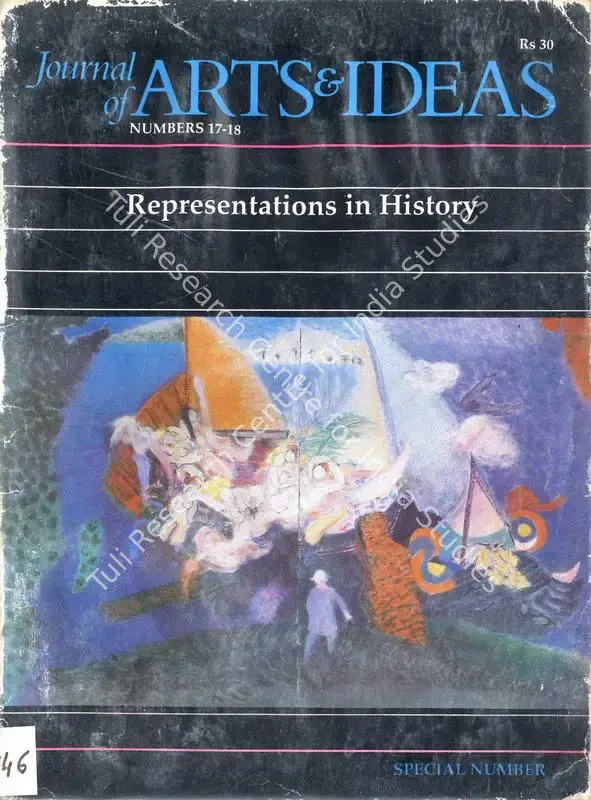
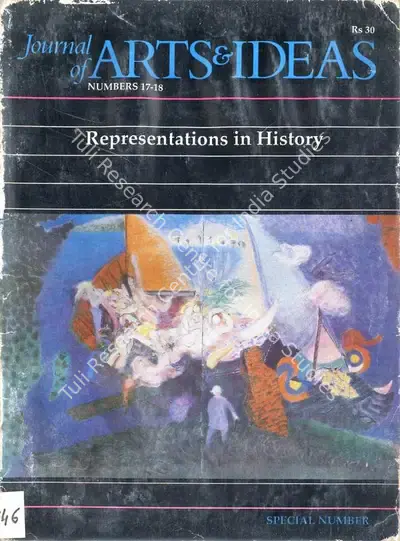
Madan Gopal Singh (Essayist), The Orientalist, 1989, Essay
Singh, Madan Gopal (Essayist). The Orientalist. In Journal of Arts & Ideas. 17-18. June 1989 | Essay | 00676346
View full record
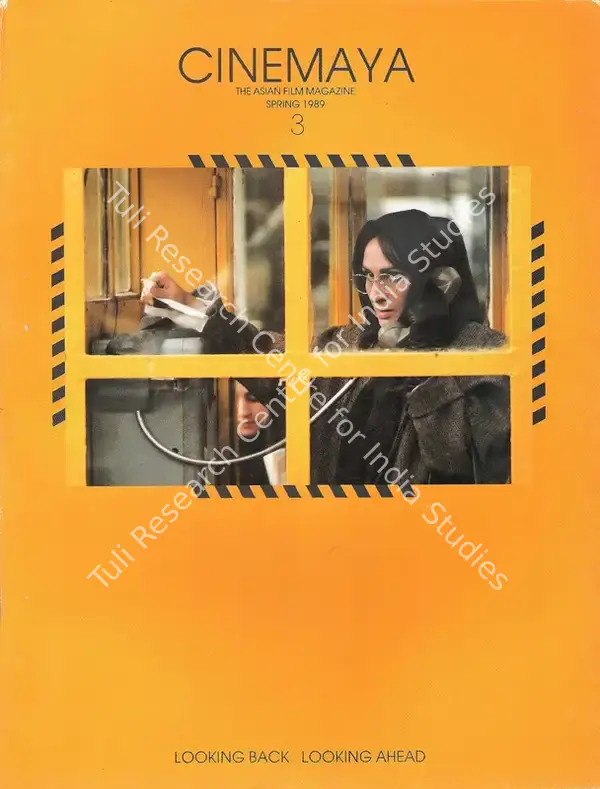
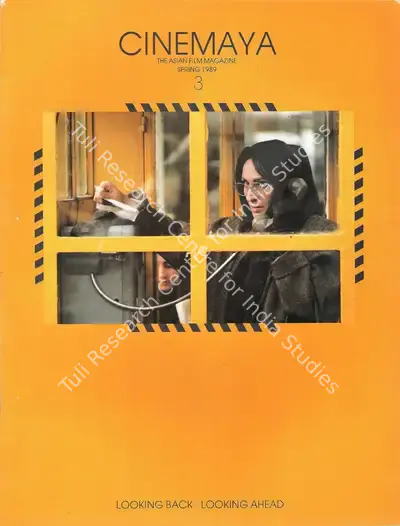
Madan Gopal Singh (Essayist), Komal Gandhar, 1989, Essay
Singh, Madan Gopal (Essayist). Komal Gandhar. In Cinemaya. 3(Spring). April-June 1989 | Essay | 00624719
View full record
Madan Gopal Singh (Essayist), Ritwik Ghatak and the Narratives of Cinema, 1989, Essay
Singh, Madan Gopal (Essayist). Ritwik Ghatak and the Narratives of Cinema. In Cinemaya. 3(Spring). April-June 1989 | Essay | 00624718
View full record
Aruna Vasudev (Editor), Cinemaya, 1989, Magazine
Vasudev, Aruna (Editor). Cinemaya, April-June 1989 | Magazine | 00551727
View full record
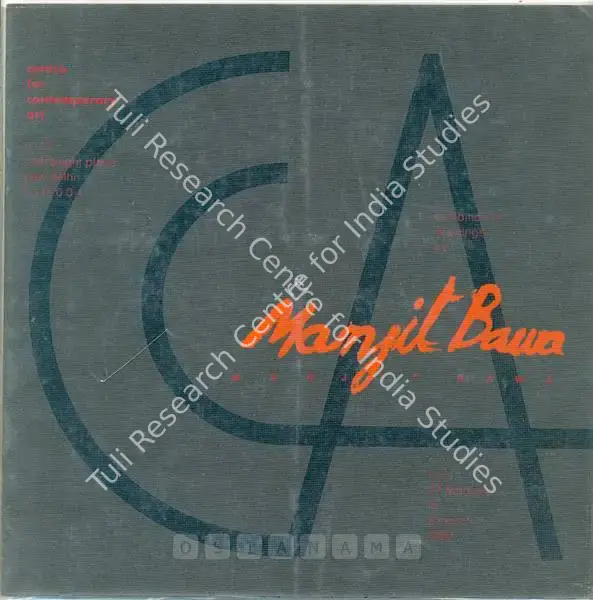
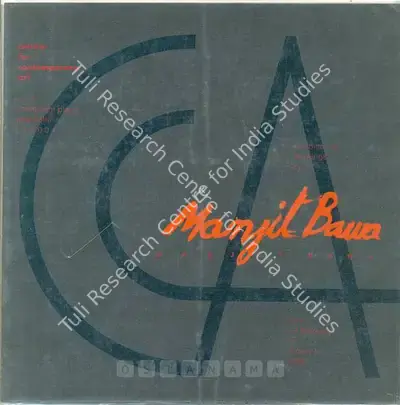
Manjit Bawa (Artist), Exhibition of Drawings by Manjit Bawa, 1990, Solo Exhibition Catalogue
Bawa, Manjit (Artist). Exhibition of Drawings by Manjit Bawa, 1990 | Solo Exhibition Catalogue | 00882051
View full record
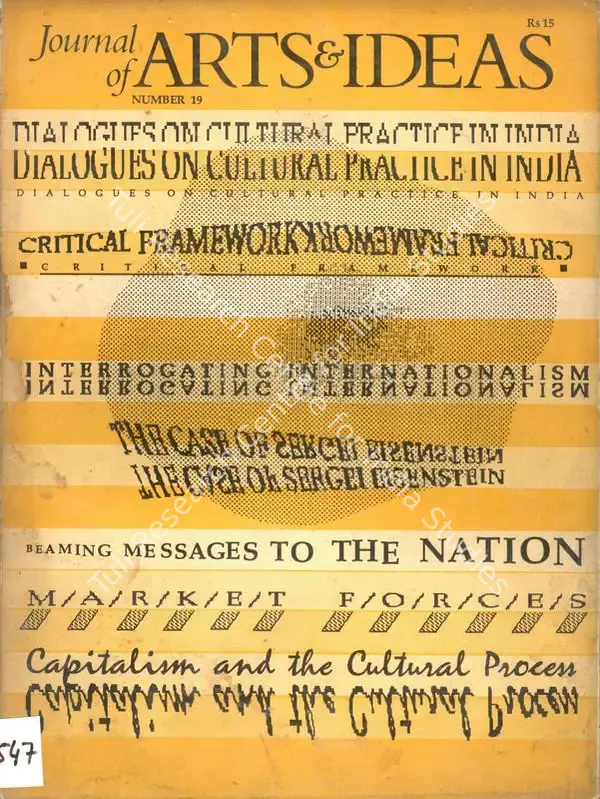
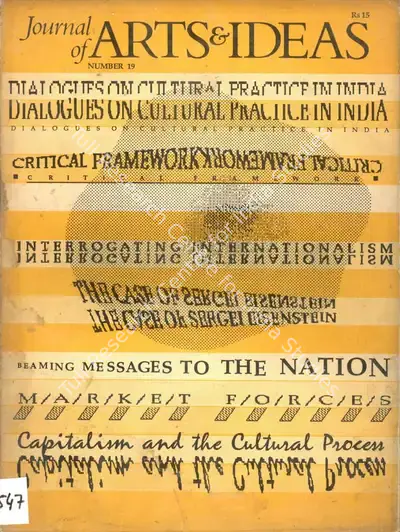
Ashish Rajadhyaksha (Essayist), Beaming Messages to the Nation, 1990, Essay
Rajadhyaksha, Ashish (Essayist). Beaming Messages to the Nation. In Journal of Arts & Ideas. 19. May 1990 | Essay | 00676350
View full record
Arun Khopkar (Essayist), The Case of Sergei Eisenstein, 1990, Essay
Khopkar, Arun (Essayist). The Case of Sergei Eisenstein. In Journal of Arts & Ideas. 19. May 1990 | Essay | 00676349
View full record
Kumar Shahani (Essayist), Interrogating Internationalism, 1990, Essay
Shahani, Kumar (Essayist). Interrogating Internationalism. In Journal of Arts & Ideas. 19. May 1990 | Essay | 00676348
View full record
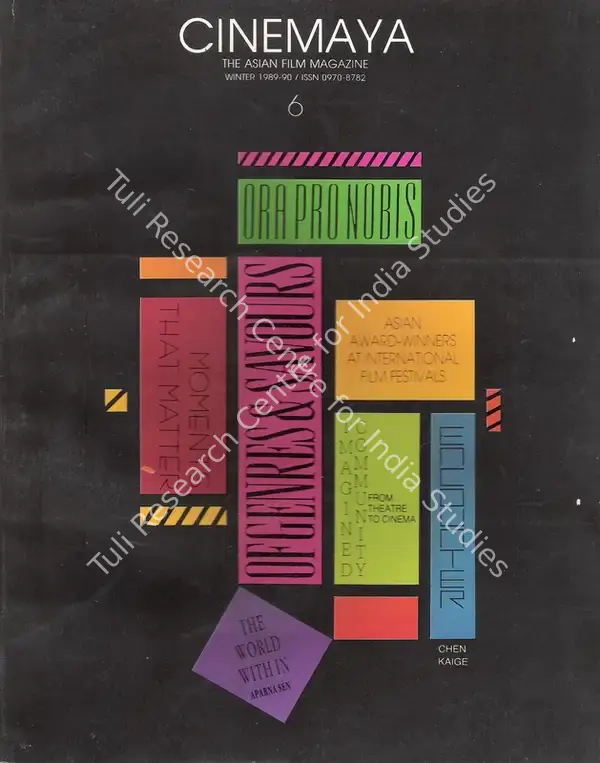
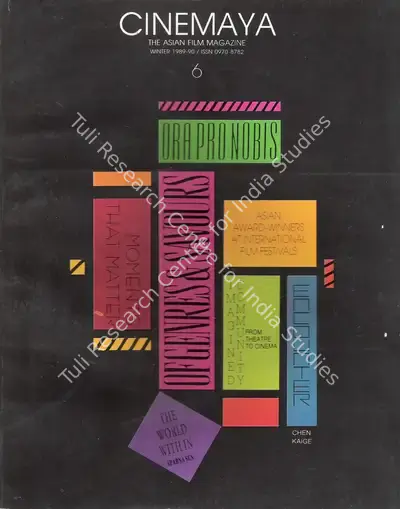
Madan Gopal Singh (Essayist), Salim Langde Pe Mat Ro [India | 1989 | Dir: Akhtar Mirza], 1990, Essay
Singh, Madan Gopal (Essayist). Salim Langde Pe Mat Ro [India | 1989 | Dir: Akhtar Mirza]. In Cinemaya. 6(Winter). January-March 1990 | Essay
View full record
Geeta Kapur (Executive Editor), Journal of Arts & Ideas, 1991, Journal
Kapur, Geeta (Executive Editor), Romi Khosla, Vivan Sundaram and Rajendra Prasad (Managerial Editor). Journal of Arts & Ideas, March 1991 | Journal | 00842147
View full record
20 of 60
Madan Gopal Singh (Essayist), Technique as Ideology, 1982, Essay
Singh, Madan Gopal (Essayist). Technique as Ideology. In Journal of Arts & Ideas. 1. October-December 1982 | Essay | 00676262
View full record
Madan Gopal Singh (Essayist), About Tughlaq, 1983, Essay
Singh, Madan Gopal (Essayist). About Tughlaq. In Journal of Arts & Ideas. 2. January-March 1983 | Essay | 00676275
View full record
Madan Gopal Singh (Essayist), On Solaris and Tarkovsky, 1983, Essay
Singh, Madan Gopal (Essayist). On Solaris and Tarkovsky. In Journal of Arts & Ideas. 5. October-December 1983 | Essay | 00676293
View full record
G.P. Deshpande (Editor), Journal of Arts & Ideas, 1984, Journal
Deshpande, G.P. (Editor) and Romi Khosla (Managing Editor & Treasurer). Journal of Arts & Ideas, October-December 1984 | Journal | 00842142
View full record
G.P. Deshpande (Editor), Journal of Arts & Ideas, 1984, Journal
Deshpande, G.P. (Editor) and Romi Khosla (Managing Editor & Treasurer). Journal of Arts & Ideas, July-September 1984 | Journal | 00842141
View full record
Sanjeev Prakash (Essayist), Genres in Indian Cinema, 1984, Essay
Prakash, Sanjeev (Essayist). Genres in Indian Cinema. In Journal of Arts & Ideas. 9. October-December 1984 | Essay | 00676311
View full record
Madan Gopal Singh (Compiler), Manjit Bawa, 1985, Essay
Singh, Madan Gopal (Compiler) and Manjit Bawa (Artist). Manjit Bawa. In Marg. 38(4). September 1985 | Essay | 00669001
View full record
G.P. Deshpande (Editor), Journal of Arts & Ideas, 1987, Journal
Deshpande, G.P. (Editor) and Romi Khosla (Managing Editor & Treasurer). Journal of Arts & Ideas, January-June 1987 | Journal | 00842143
View full record
G.P. Deshpande (Editor), Journal of Arts & Ideas, 1988, Journal
Deshpande, G.P. (Editor) and Romi Khosla (Managing Editor & Treasurer). Journal of Arts & Ideas, January-March 1988 | Journal | 00842144
View full record
Geeta Kapur (Executive Editor), Journal of Arts & Ideas, 1989, Journal
Kapur, Geeta (Executive Editor), Romi Khosla, Vivan Sundaram and Rajendra Prasad (Managerial Editor). Journal of Arts & Ideas, June 1989 | Journal | 00842145
View full record
Madan Gopal Singh (Essayist), The Orientalist, 1989, Essay
Singh, Madan Gopal (Essayist). The Orientalist. In Journal of Arts & Ideas. 17-18. June 1989 | Essay | 00676346
View full record
Madan Gopal Singh (Essayist), Komal Gandhar, 1989, Essay
Singh, Madan Gopal (Essayist). Komal Gandhar. In Cinemaya. 3(Spring). April-June 1989 | Essay | 00624719
View full record
Madan Gopal Singh (Essayist), Ritwik Ghatak and the Narratives of Cinema, 1989, Essay
Singh, Madan Gopal (Essayist). Ritwik Ghatak and the Narratives of Cinema. In Cinemaya. 3(Spring). April-June 1989 | Essay | 00624718
View full record
Aruna Vasudev (Editor), Cinemaya, 1989, Magazine
Vasudev, Aruna (Editor). Cinemaya, April-June 1989 | Magazine | 00551727
View full record
Manjit Bawa (Artist), Exhibition of Drawings by Manjit Bawa, 1990, Solo Exhibition Catalogue
Bawa, Manjit (Artist). Exhibition of Drawings by Manjit Bawa, 1990 | Solo Exhibition Catalogue | 00882051
View full record
Ashish Rajadhyaksha (Essayist), Beaming Messages to the Nation, 1990, Essay
Rajadhyaksha, Ashish (Essayist). Beaming Messages to the Nation. In Journal of Arts & Ideas. 19. May 1990 | Essay | 00676350
View full record
Arun Khopkar (Essayist), The Case of Sergei Eisenstein, 1990, Essay
Khopkar, Arun (Essayist). The Case of Sergei Eisenstein. In Journal of Arts & Ideas. 19. May 1990 | Essay | 00676349
View full record
Kumar Shahani (Essayist), Interrogating Internationalism, 1990, Essay
Shahani, Kumar (Essayist). Interrogating Internationalism. In Journal of Arts & Ideas. 19. May 1990 | Essay | 00676348
View full record
Madan Gopal Singh (Essayist), Salim Langde Pe Mat Ro [India | 1989 | Dir: Akhtar Mirza], 1990, Essay
Singh, Madan Gopal (Essayist). Salim Langde Pe Mat Ro [India | 1989 | Dir: Akhtar Mirza]. In Cinemaya. 6(Winter). January-March 1990 | Essay
View full record
Geeta Kapur (Executive Editor), Journal of Arts & Ideas, 1991, Journal
Kapur, Geeta (Executive Editor), Romi Khosla, Vivan Sundaram and Rajendra Prasad (Managerial Editor). Journal of Arts & Ideas, March 1991 | Journal | 00842147
View full record
20 of 46
Tuli Research Centre for India Studies (Editor). Music in the Films of Guru Dutt: Dreams, Desire, and Disillusionment, 31 August 2026 | In-house Video, 2026 · 1 Hour 15 min · Long-form Video
▶
Tuli Research Centre for India Studies (Editor). Music in the Films of Guru Dutt: Dreams, Desire, and Disillusionment, 31 August 2026 | In-house Video
2026 · 1 Hour 15 min · Long-form Video
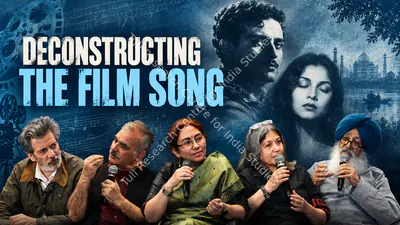
Tuli Research Centre for India Studies (Editor). "Babuji Dheere Chalna" - More Than Just a Club Song, 31 August 2026 | In-house Video, 2026 · 14 min 52 sec · Long-form Video
▶
Tuli Research Centre for India Studies (Editor). "Babuji Dheere Chalna" - More Than Just a Club Song, 31 August 2026 | In-house Video
2026 · 14 min 52 sec · Long-form Video
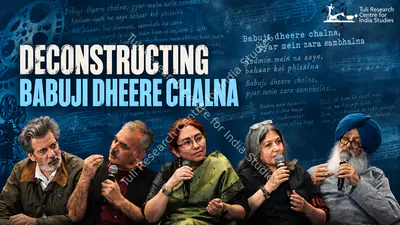
Tuli Research Centre for India Studies (Editor). "Babuji Dheere Chalna" - A Song of Playful Defiance, 31 August 2026 | In-house Video, 2026 · 1 min 02 sec · Vertical Video
▶
Tuli Research Centre for India Studies (Editor). "Babuji Dheere Chalna" - A Song of Playful Defiance, 31 August 2026 | In-house Video
2026 · 1 min 02 sec · Vertical Video
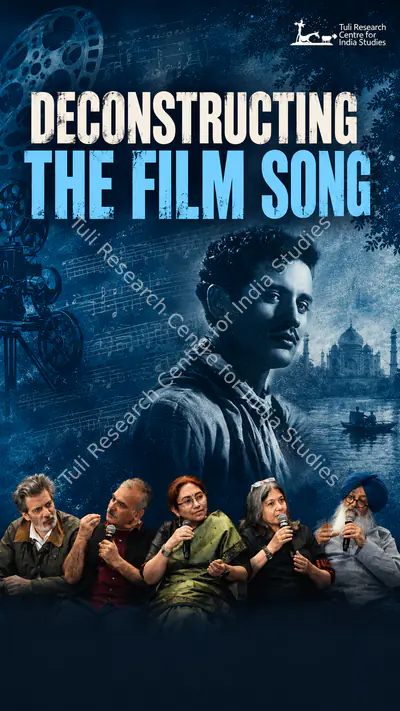
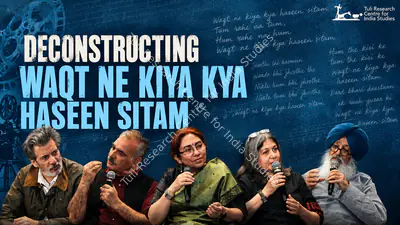
Tuli Research Centre for India Studies (Editor). "Waqt Ne Kiya Kya Haseen Sitam" - The Haunting Song of Guru Dutt’s Life, 31 August 2026 | In-house Video, 2026 · 55 sec · Vertical Video
▶
Tuli Research Centre for India Studies (Editor). "Waqt Ne Kiya Kya Haseen Sitam" - The Haunting Song of Guru Dutt’s Life, 31 August 2026 | In-house Video
2026 · 55 sec · Vertical Video
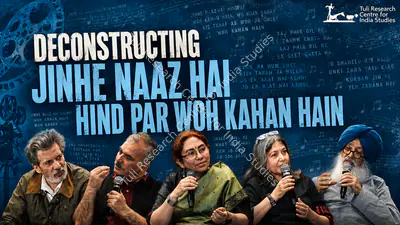
Tuli Research Centre for India Studies (Editor). "Jinhe Naaz Hai Hind Par Woh Kahan Hain" - The Anguish of the Nation, 31 August 2026 | In-house Video, 2026 · 1 min 27 sec · Vertical Video
▶
Tuli Research Centre for India Studies (Editor). "Jinhe Naaz Hai Hind Par Woh Kahan Hain" - The Anguish of the Nation, 31 August 2026 | In-house Video
2026 · 1 min 27 sec · Vertical Video
Tuli Research Centre for India Studies (Editor). "Waqt Ne Kiya Kya Haseen Sitam"- The Song Lata Mangeshkar Wished She Had Sung, 31 August 2026 | In-house Video, 2026 · 22 min 32 sec · Long-form Video
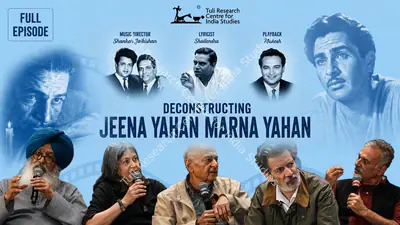
▶
Tuli Research Centre for India Studies (Editor). "Waqt Ne Kiya Kya Haseen Sitam"- The Song Lata Mangeshkar Wished She Had Sung, 31 August 2026 | In-house Video
2026 · 22 min 32 sec · Long-form Video
Tuli Research Centre for India Studies (Editor). Poetry, Music and Melancholy in Guru Dutt’s Film Songs, 31 August 2026 | In-house Video, 2026 · 1 min 07 sec · Vertical Video
▶
Tuli Research Centre for India Studies (Editor). Poetry, Music and Melancholy in Guru Dutt’s Film Songs, 31 August 2026 | In-house Video
2026 · 1 min 07 sec · Vertical Video
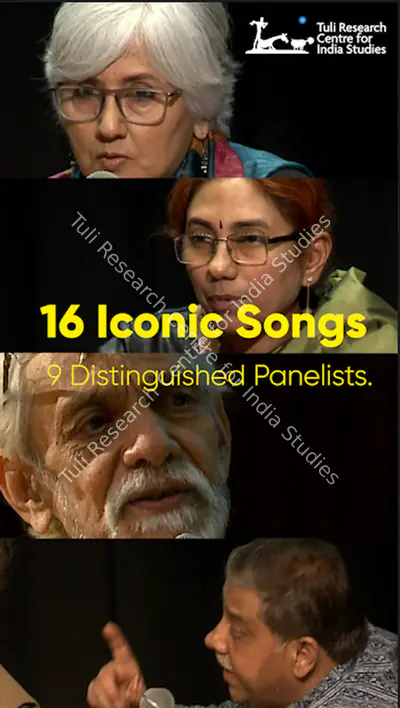
Tuli Research Centre for India Studies (Editor). Sahir' Ludhianvi's Question to the Nation in "Jinhe Naaz Hai Hind Par Woh Kahan Hain", 31 August 2026 | In-house Video, 2026 · 18 min 11 sec · Long-form Video
▶
Tuli Research Centre for India Studies (Editor). Sahir' Ludhianvi's Question to the Nation in "Jinhe Naaz Hai Hind Par Woh Kahan Hain", 31 August 2026 | In-house Video
2026 · 18 min 11 sec · Long-form Video
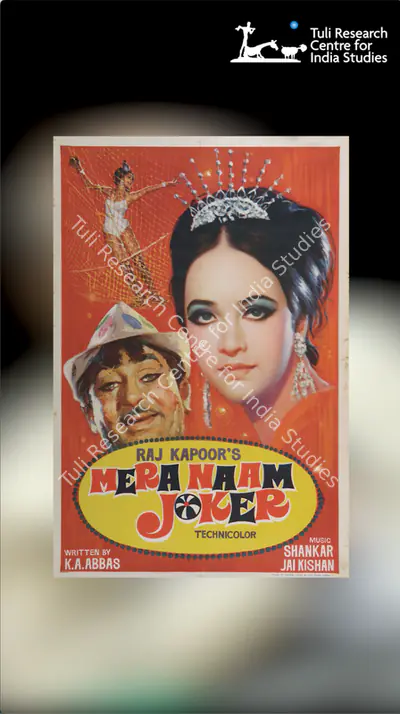
Tuli Research Centre for India Studies (Editor). The Nature of Philosophical and Materialistic Existence in Raj Kapoor's "Jeena Yahan Marna Yahan"| Mera Naam Joker (1970), 06 August 2026 | In-house Video, 2026 · Vertical Video
▶
Tuli Research Centre for India Studies (Editor). The Nature of Philosophical and Materialistic Existence in Raj Kapoor's "Jeena Yahan Marna Yahan"| Mera Naam Joker (1970), 06 August 2026 | In-house Video
2026 · Vertical Video
Tuli Research Centre for India Studies (Editor). Jeena Yahan Marna Yahan: The Existential Vision of Raj Kapoor | Mera Naam Joker (1970), 07 August 2026 | In-house Video, 2026 · 20 min 44 sec · Long-form Video
▶
Tuli Research Centre for India Studies (Editor). Jeena Yahan Marna Yahan: The Existential Vision of Raj Kapoor | Mera Naam Joker (1970), 07 August 2026 | In-house Video
2026 · 20 min 44 sec · Long-form Video
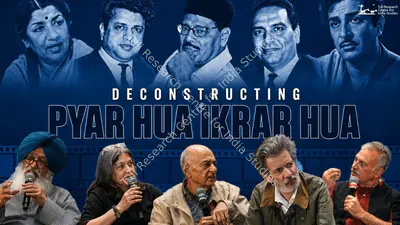
Tuli Research Centre for India Studies (Editor). "Pyaar Hua Ikraar Hua" and the Raj Kapoor-Nargis Pairing That Defined an Era, 06 August 2026 | In-house Video, 2026 · 30 min 39 sec · Long-form Video
▶
Tuli Research Centre for India Studies (Editor). "Pyaar Hua Ikraar Hua" and the Raj Kapoor-Nargis Pairing That Defined an Era, 06 August 2026 | In-house Video
2026 · 30 min 39 sec · Long-form Video
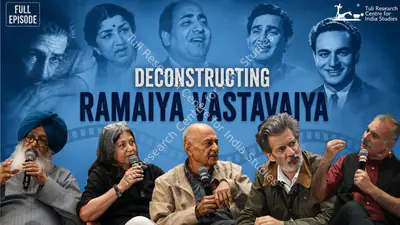
Tuli Research Centre for India Studies (Editor). "Ramaiya Vastavaiya"- The Telugu Refrain That Was Never Meant to Survive | Shree 420 (1955), 04 August 2026 | In-house Video, 2026 · 22 min 34 sec · Long-form Video
▶
Tuli Research Centre for India Studies (Editor). "Ramaiya Vastavaiya"- The Telugu Refrain That Was Never Meant to Survive | Shree 420 (1955), 04 August 2026 | In-house Video
2026 · 22 min 34 sec · Long-form Video
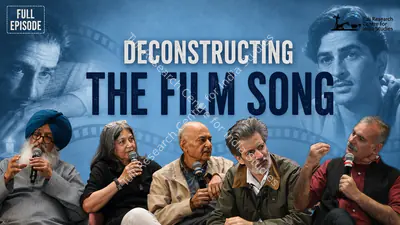
Tuli Research Centre for India Studies (Editor). Raj Kapoor's Film Songs: The Soul and Social Vision That Changed Indian Cinema, 04 August 2026 | In-house Video, 2026 · 1 hr 33 min · Long-form Video
▶
Tuli Research Centre for India Studies (Editor). Raj Kapoor's Film Songs: The Soul and Social Vision That Changed Indian Cinema, 04 August 2026 | In-house Video
2026 · 1 hr 33 min · Long-form Video
Tuli Research Centre for India Studies (Editor). Why Do the Classic Film Songs of filmmakers such as Raj Kapoor, Guru Dutt, Chetan Anand, V. Shantaram, B.R. Chopra, still move and inspire us?, 21 July 2026 | In-house Video, 2026 · 1 min 30 sec · Vertical Video
▶
Tuli Research Centre for India Studies (Editor). Why Do the Classic Film Songs of filmmakers such as Raj Kapoor, Guru Dutt, Chetan Anand, V. Shantaram, B.R. Chopra, still move and inspire us?, 21 July 2026 | In-house Video
2026 · 1 min 30 sec · Vertical Video

Posts 4

  1. Raj Kapoor's Film Songs Decoded | Awara Hoon, Pyar Hua Ikrar Hua & More (Trailer)
    Raj Kapoor's Film Songs Decoded | Awara Hoon, Pyar Hua Ikrar Hua & More (Trailer)
    "Raj Kapoor's tramp, the wide-eyed wanderer in oversized clothes and a battered hat, was one of Hindi cinema's most deliberate creative constructions. Borrowed in spirit from Charlie Chaplin but rooted firmly in the anxieties of post-independence India, the figure carried the dreams and displacements of a nation still finding its footing. "Awara Hoon" from Awara (1951) became the song that gave that figure its voice, and its reach was extraordinary. In this clip, the panel discusses how the film introduced Raj Kapoor to audiences across the erstwhile Soviet Union, China and beyond. Composer-Writer Madan Gopal Singh points to ""Ramaiya Vastavaiya"" from Shree 420 (1955) as a moment of genuine creative risk, where Lata Mangeshkar's voice moves the song from a collective street chorus into something laden with intimate individuality. The panel also deconstructs two more songs from Raj Kapoor's career: "Pyar Hua Ikrar Hua" from Shree 420 (1955) and "Jeena Yahan Marna Yahan" from Mera Naam Joker (1970), examining what makes them endure across generations. In the workshop "A Musical Glue for Nation-Building: Deconstructing the Film Song," organised by the Tuli Research Centre for India Studies (T.R.I.S.), Madan Gopal Singh, Juhi Saklani, Ravikant, and Amit Khanna, in conversation with Neville Tuli, explore the lasting appeal of these songs and what they reveal about India's greatest showman's vision of cinema, emotion, and India itself.
    1_CinemaEducation
    Raj KapoorShailendraMukeshMera Naam JokerAwaraShree 420Khwaja Ahmad AbbasRavikant+4 more
    Read Post →
  2. Uncertainty, Destiny and the Tramp in Raj Kapoor's "Awara Hoon" | Awara (1951)
    Uncertainty, Destiny and the Tramp in Raj Kapoor's "Awara Hoon" | Awara (1951)
    What exactly is “Awaara Hoon” from Raj Kapoor's Awaara (1951) about? A song that lives inside too many uncertainties keeps asking the question, am I a wanderer, or a star in orbit (Gardish mein hun ya aasman ka taara hoon). There is no home, no belongingness, no clear destiny, only movement, longing, and doubt. It is the sound of a world that's unsure of itself, and still singing joyously. Visually, the influence of Charlie Chaplin is unmistakable. From Raj Kapoor's attire to his tramp's gait, the vagabond persona is shaped by Chaplin's image of the little man buffeted by forces beyond his control. The song turns that figure into a symbol of the post-independence anxiety about entitlement, class, and the future; yet capturing the emotion of being spirited, hopeful, and strangely free. The collaboration of Raj Kapoor, the lyricist Shailendra, composers Shankar–Jaikishan, and singer Mukesh, creates a song that is at once both philosophical and popular. It poses questions about destiny and identity while also reaching millions as an unforgettable film hit. Panelists Amit Khanna, Madan Gopal Singh, Ravikant, Juhi Saklani, and Neville Tuli, examine this iconic song, sung by Mukesh, with lyrics by Shailendra and music by Shankar–Jaikishan in this video from 'A Musical Glue for Nation-Building: Deconstructing the Film Song' session, presented by the Tuli Research Centre for India Studies (T.R.I.S.) at the 7th Self-Discovery via Rediscovering India Festival.
    1_CinemaEducation
    Raj KapoorShailendraMukeshShankar-JaikishanAwaraRavikantMadan Gopal SinghAmit Khanna+2 more
    Read Post →
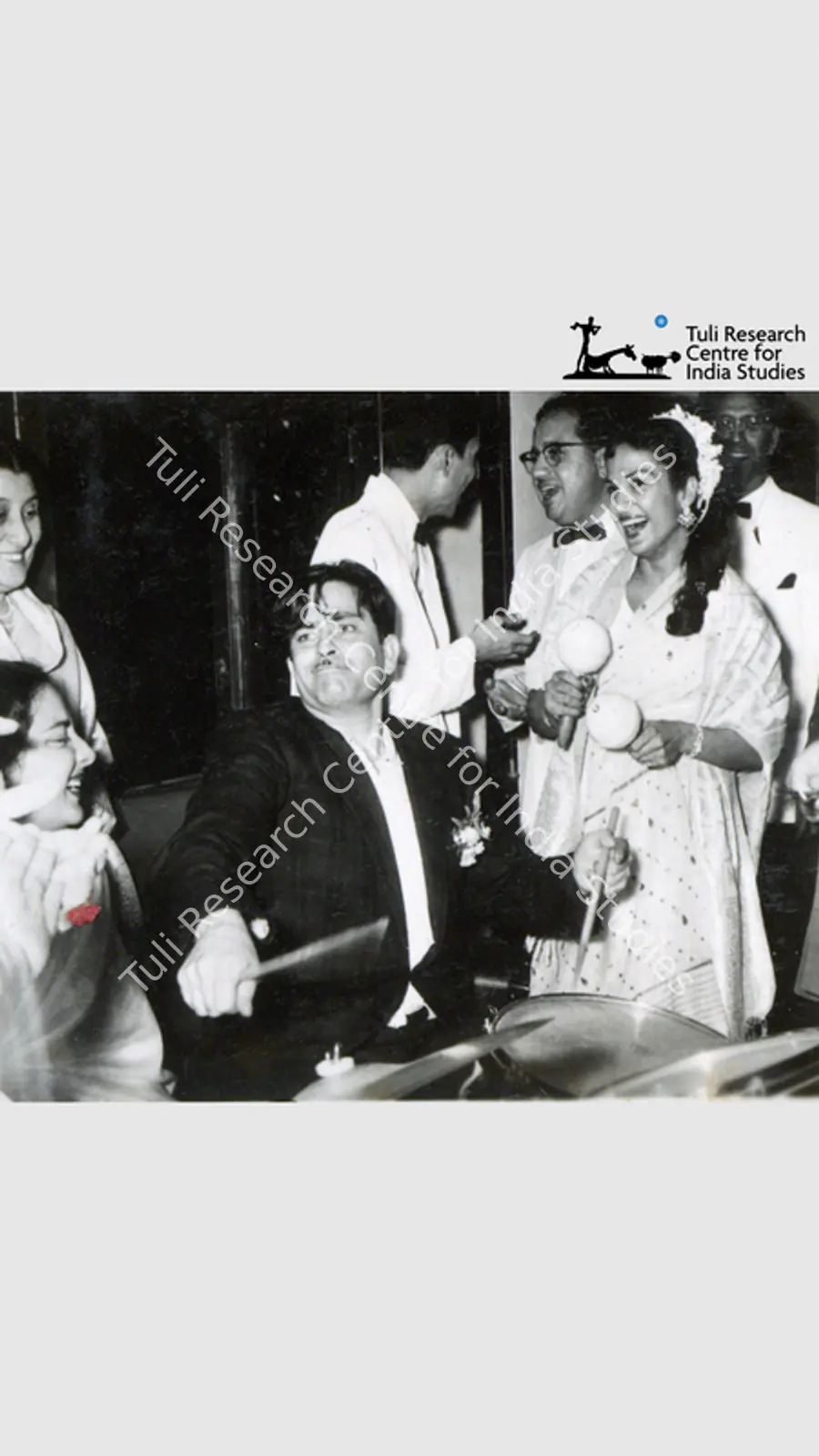
  3. The Nature of Philosophical and Materialistic Existence in Raj Kapoor's "Jeena Yahan Marna Yahan"| Mera Naam Joker (1970)
    The Nature of Philosophical and Materialistic Existence in Raj Kapoor's "Jeena Yahan Marna Yahan"| Mera Naam Joker (1970)
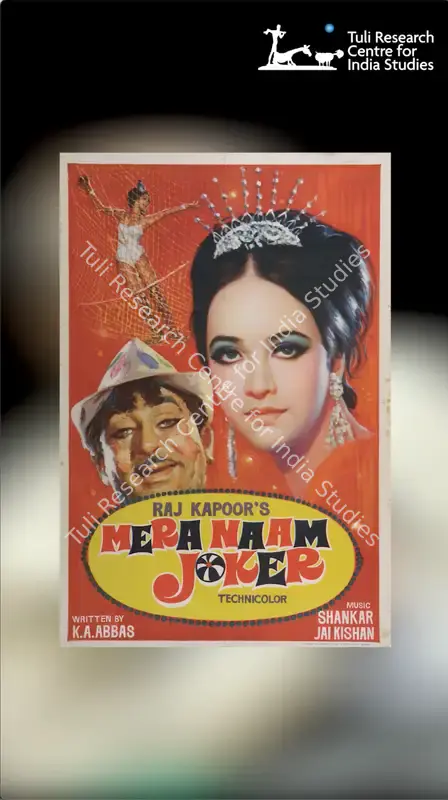
    "Jeena Yahan Marna Yahan" from Mera Naam Joker (1970) was penned by Shailendra, composed by Shankar-Jaikishan, and sung by Mukesh. The song is situated at the philosophical heart of Raj Kapoor's most personal and ambitious film. The film was a commercial disaster on release, and as Neville Tuli notes, both the song and the film found the audiences' acknowledgement only years later. Filmmaker-Lyricist Amit Khanna reveals a lesser-known detail about its making: the song was shot in Delhi at the Gemini Circus, but it had become extremely difficult to gather all the stars, who by that point had become huge in their own careers, at one point of time. The scenes featuring them were shot solo and then later assembled in Bombay to be inserted into the song sequence. Ravikant, Professor, CSDS (The Centre for the Study of Developing Societies), reads the song as both a philosophical and a deeply materialistic reflection on existence. There is a continuity in the persona that may take rebirth, he argues, but it is not the same person who returns. The world itself is one's heaven and hell simultaneously, and that, he suggests, is why we return to this song whenever life demands reflection. This clip is from the workshop "A Musical Glue for Nation-Building: Deconstructing the Film Song," conducted by the Tuli Research Centre for India Studies (T.R.I.S.) at the 7th Self-Discovery via Rediscovering India Festival, featuring Madan Gopal Singh, Amit Khanna, Ravikant, Juhi Saklani, and Neville Tuli.
    1_CinemaEducation
    Raj KapoorMera Naam JokerShailendraMukeshAmit KhannaRavikantMadan Gopal SinghNeville Tuli+1 more
    Read Post →
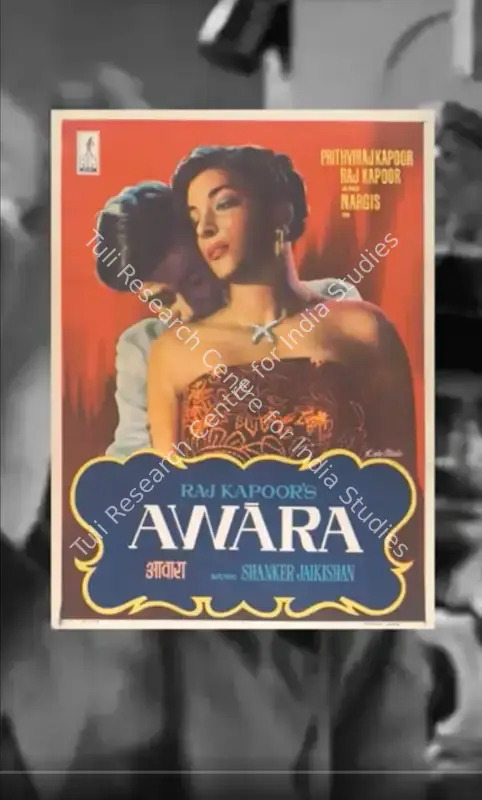
  4. "Pyar Hua Ikrar Hua"- Love, Romance and the Idea of India | Shree 420 (1955)
    "Pyar Hua Ikrar Hua"- Love, Romance and the Idea of India | Shree 420 (1955)
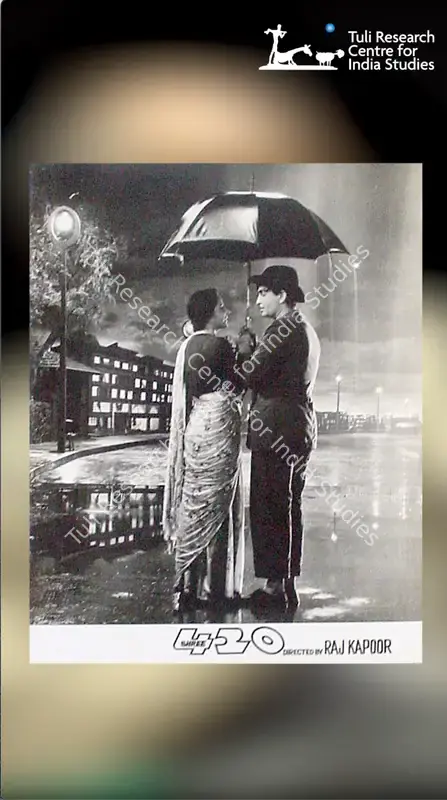
    "Pyar Hua Ikrar Hua" from Shree 420 (1955) at first glance is a song about two people standing in the rain, declaring their love for each other with nothing to their names. This conversation between the panelists peels back the layers, finding in it a richness that a casual listen rarely reveals. Filmmaker-Lyricist Amit Khanna opens with an anecdote about the battle between Raj Kapoor and Shankar-Jaikishan over whether Manna Dey or Mukesh should sing the song. It was Manna Dey who finally got the opportunity, and his voice immortalised it. Ravikant, Professor, CSDS (The Centre for the Study of Developing Societies), draws a parallel between the song and Roland Barthes' A Lover's Discourse, noting how the lovers believe their love to be eternal and absolute. For Ravikant, that sense of transcendence finds its most powerful visual expression when the camera pans to three young children, an image of radiant vitality that lifts the moment beyond the two figures standing in the rain. Composer-Writer Madan Gopal Singh reads the song through a different lens, comparing the condition of the two destitute lovers to that of newly independent India itself, a nation full of longing, uncertain of its footing, but reaching toward something better. This clip is from the workshop "A Musical Glue for Nation-Building: Deconstructing the Film Song" presented by the Tuli Research Centre for India Studies (T.R.I.S.) at the 7th Self-Discovery via Rediscovering India Festival, featuring Madan Gopal Singh, Amit Khanna, Ravikant, Juhi Saklani, and Neville Tuli.
    1_CinemaEducation
    Raj KapoorShree 420Shankar-JaikishanManna DeyAmit KhannaRavikantMadan Gopal SinghNeville Tuli+1 more
    Read Post →
Tuli Research Centre for India Studies

Tuli Research Centre

for India Studies

A free and open knowledge base for the modern and contemporary Indian arts, cinema, photography and cultural heritage.

Support

Contact Us

Discover

Tuli Research Centre for India StudiesVisionManifestoArchive & LibraryVanraja Sanctuary & Hospice

Legal

Privacy PolicyTerms & Conditions

Follow us

Youtube

Youtube

Instagram

Instagram

Facebook

Facebook

© Tuli Research Centre for India Studies 2026

Tuli Research Centre for India Studies

Tuli Research Centre

for India Studies

A free and open knowledge base for the modern and contemporary Indian arts, cinema, photography and cultural heritage.

Tuli Research Centre for India StudiesVisionManifestoArchive & LibraryVanraja Sanctuary & Hospice
Contact Us
Privacy PolicyTerms & Conditions

Follow us

YoutubeInstagramFacebook

© Tuli Research Centre for India Studies 2026

              Singh, Madan Gopal (Essayist). Swami - Of His Times. In Journal of Arts & Ideas - Studies in Modern Indian Art. 27-28, pp. 151-156. Delhi: G. P. Deshpande, March 1995 | Essay | Scholarship | 00676384
              Madan Gopal Singh (Essayist)
              TitleSwami - Of His Times
              Document TypeEssay
              PublisherG. P. Deshpande
              Date of PublicationMarch 1995
              Volume27-28,Pagespp. 151-156
              LanguageEnglish
              Keywordsj-swaminathan | essays-write-ups | book-ess | library

              Research Categories

              12_Scholarship
              Source
              journal-kapur-journal-of-arts-and-ideas-march-1995-15

              Related Links5

              Masterlist3
              J SwaminathanEssays Write UpsJournal of Arts and Ideas
              Research Categories
              12The History & Historiography of Scholarship in the Arts, Humanities, and Social Sciences
              Object
              Journal Kapur Journal of Arts and Ideas March 1995 15