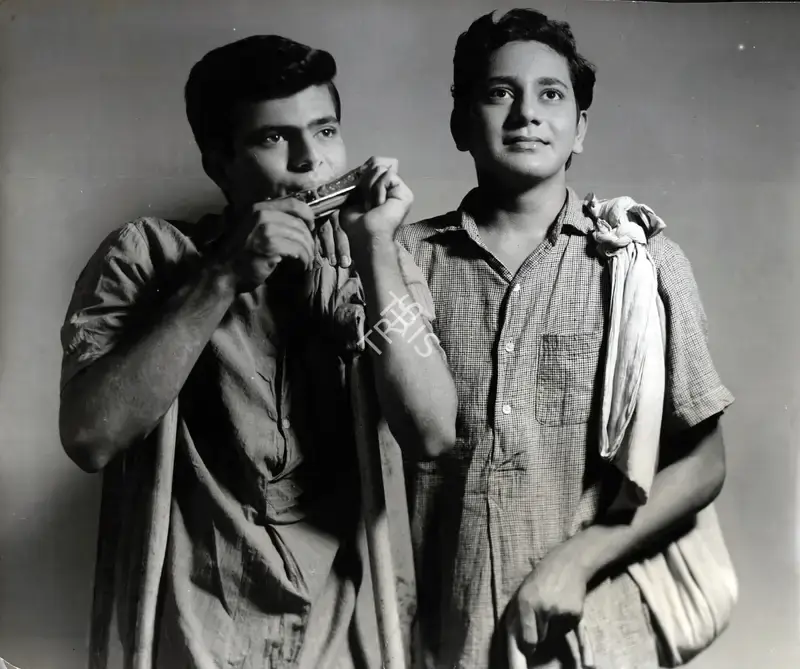
Laxmikant-Pyarelal
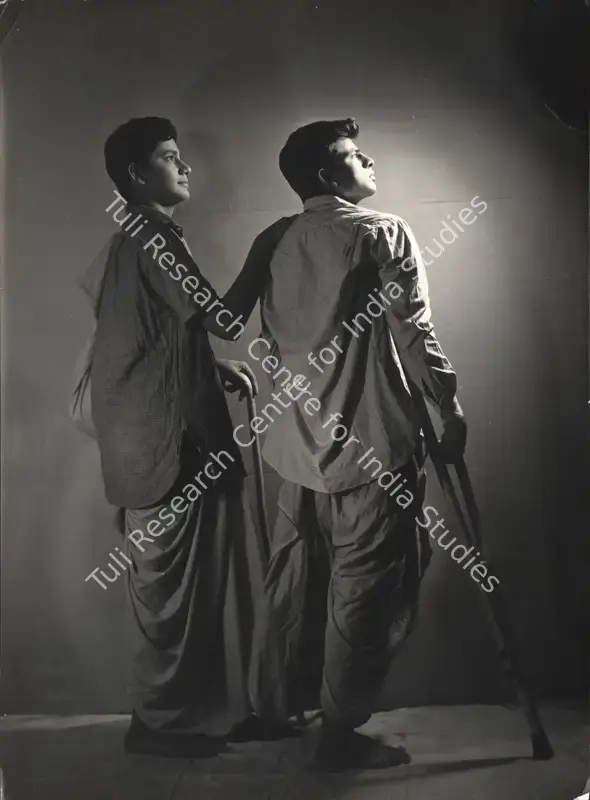
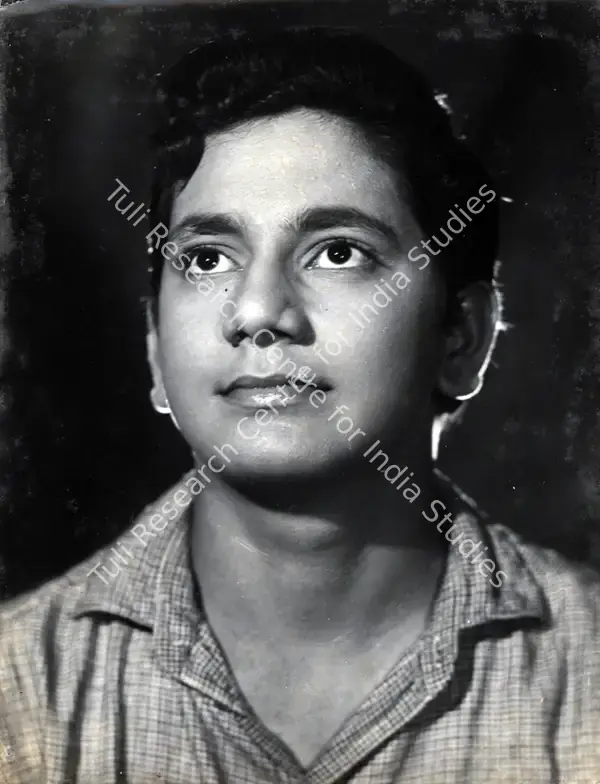
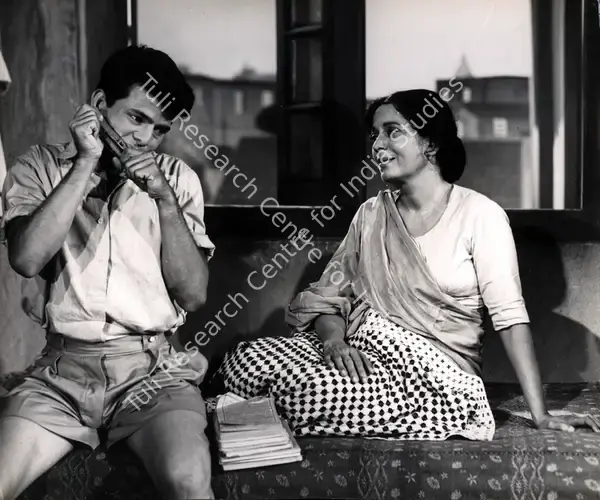
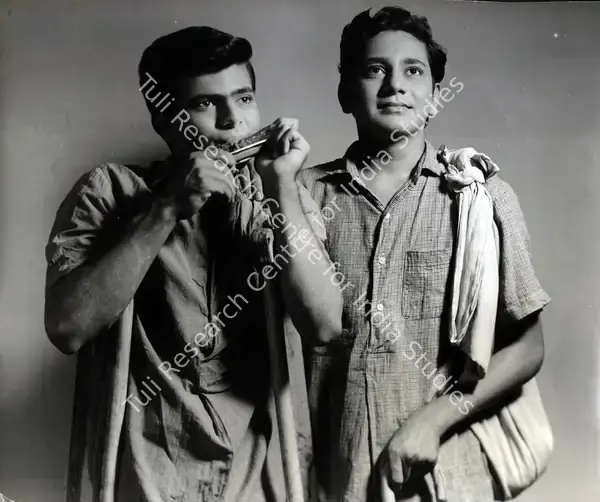
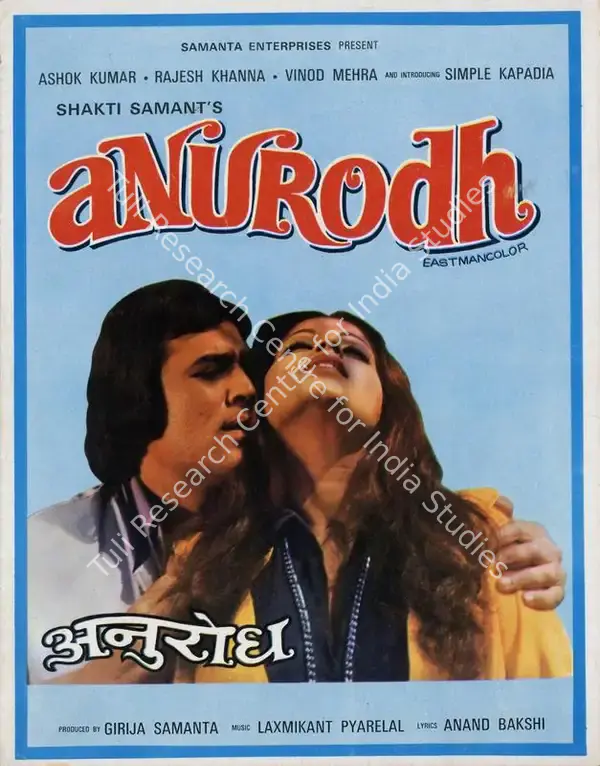
Laxmikant–Pyarelal Comprising Laxmikant Shantaram Kudalkar (1937–1998) and Pyarelal Ramprasad Sharma (born 1940), they were widely known as L-P—and constitute one of the most prolific and influential composer duos in the history of Hindi cinema. Their partnership spanned from 1963 to 1998, during which they composed music for approximately 750 films and collaborated with many of the leading filmmakers of their time. Their oeuvre is marked by remarkable versatility; yet, beneath the orchestral sweep and stylistic plurality lies a consistent rhythmic foundation rooted in the tonal warmth of the dholak, which functions as a signature pulse across much of their work.
Despite their frequent engagement with expansive orchestration, Western harmonic structures, and complex arrangements, Laxmikant–Pyarelal retained a deep commitment to folk idioms. The dholak, central to North Indian musical traditions, provided an accessible and earthy rhythmic anchor that bridged popular and classical sensibilities. This synthesis enabled their compositions to resonate across diverse audiences while maintaining a distinct sonic identity.
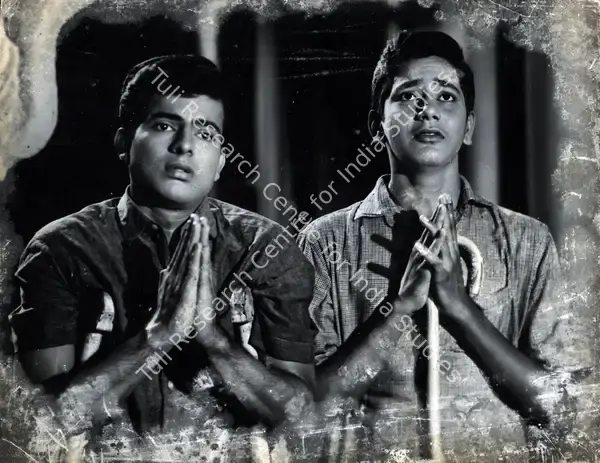
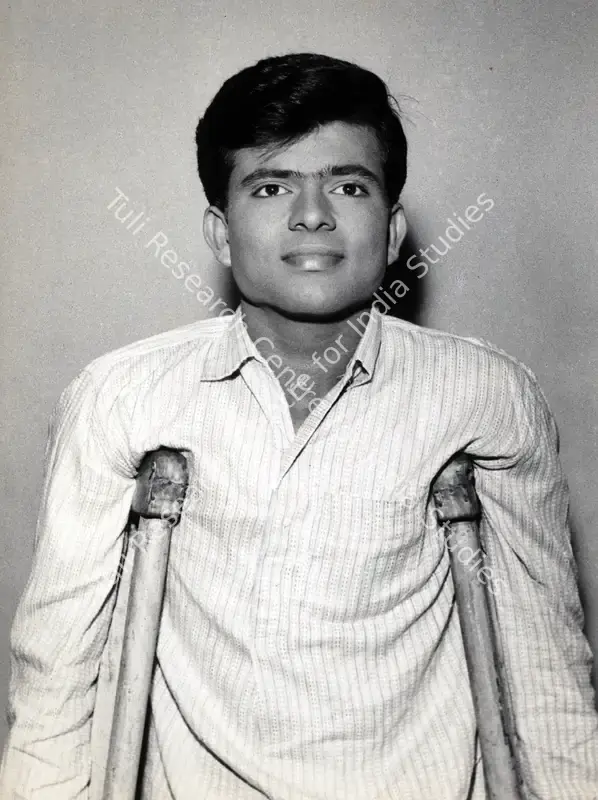
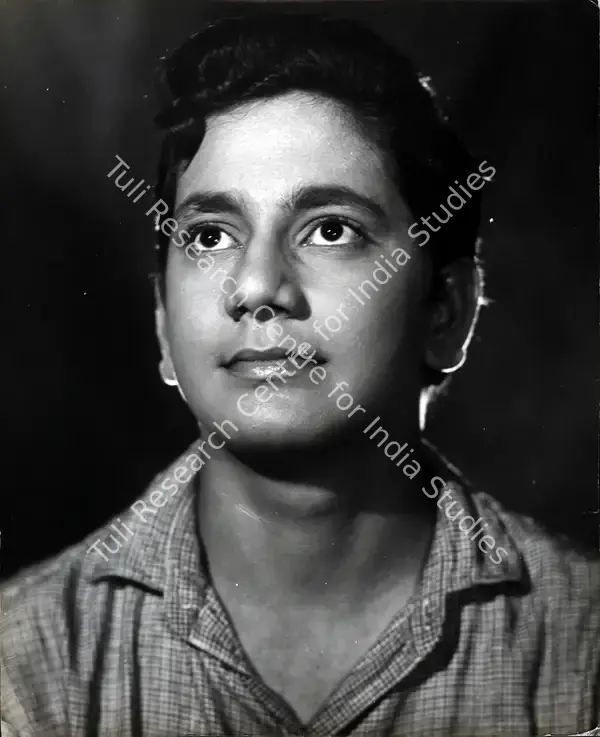
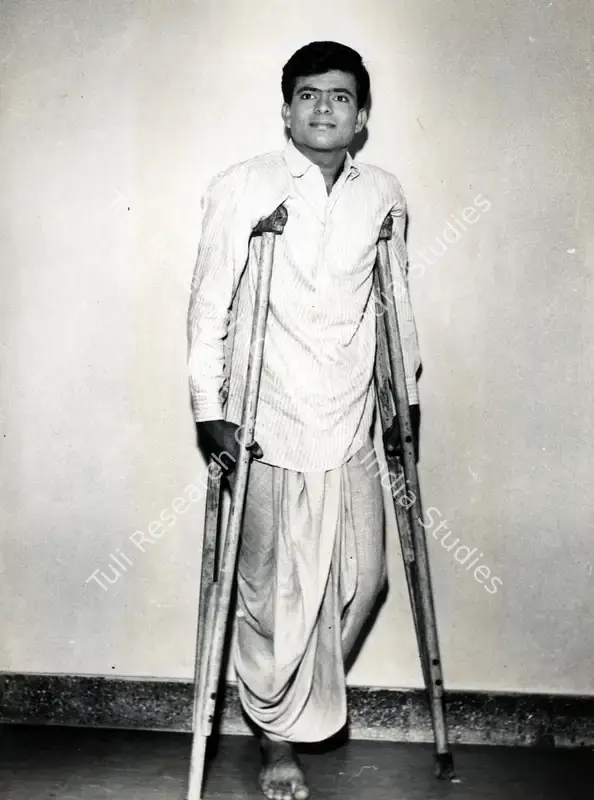
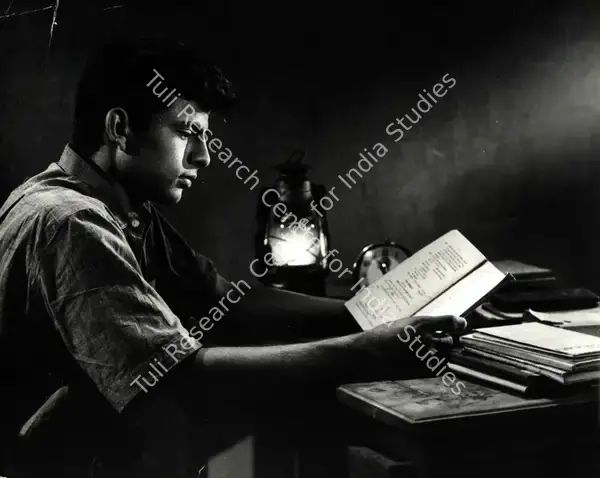
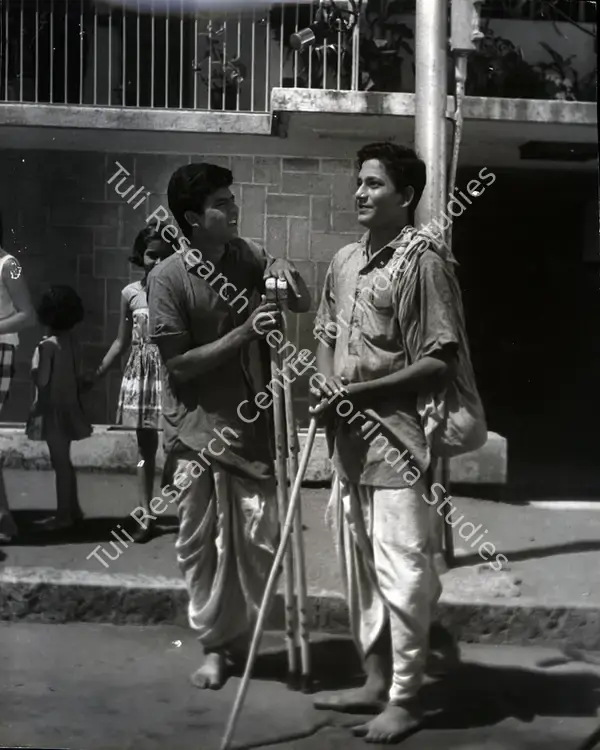
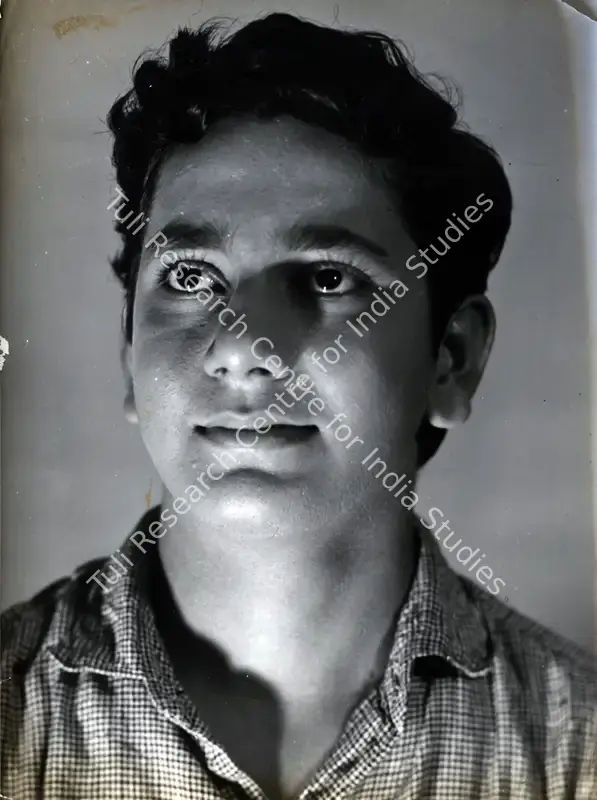
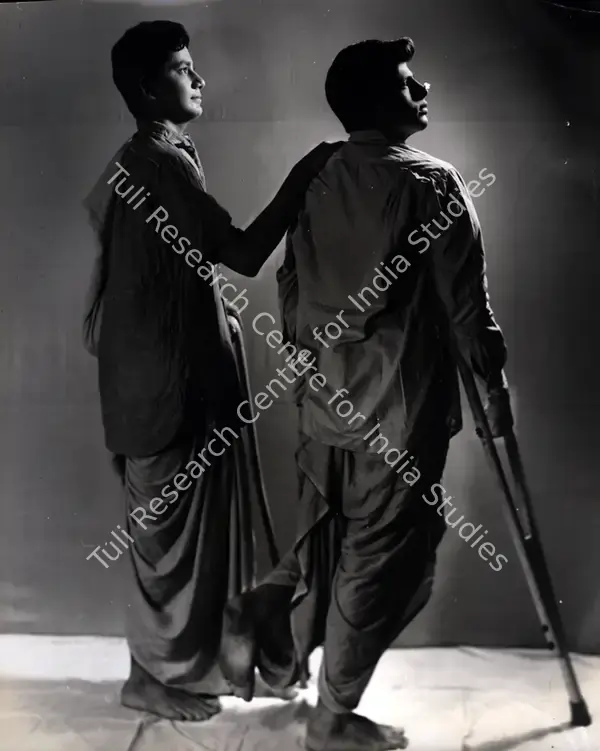
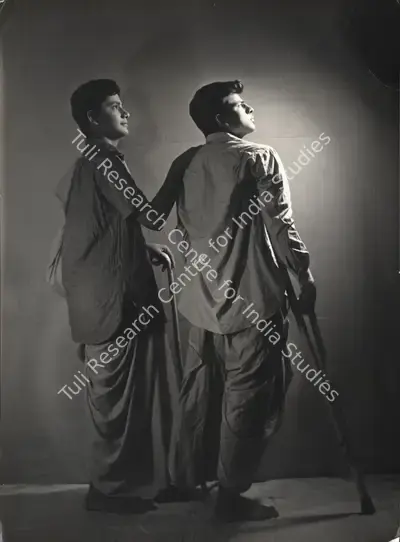
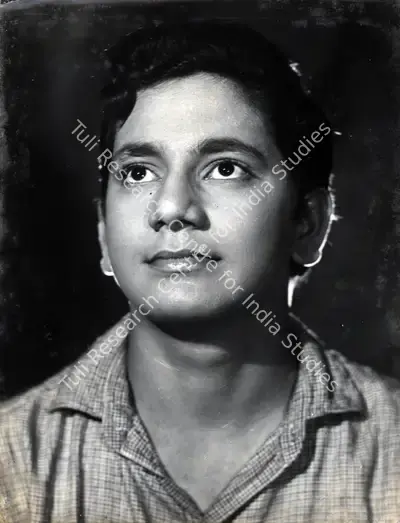
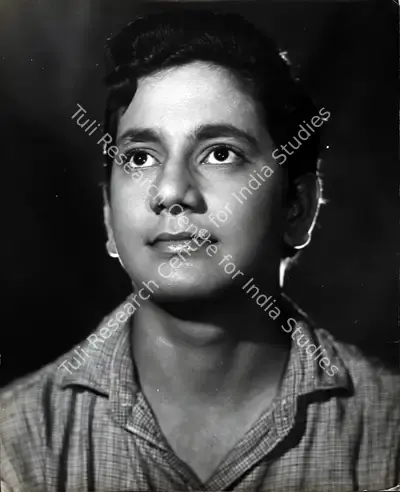
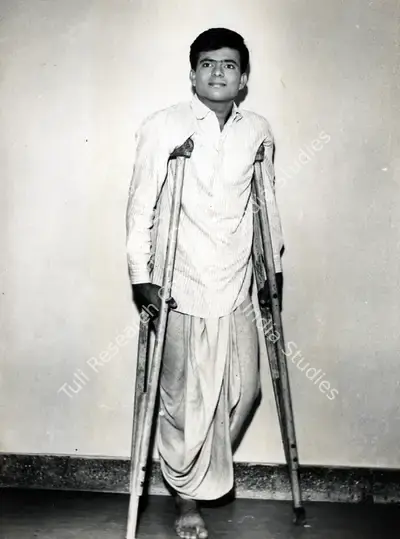
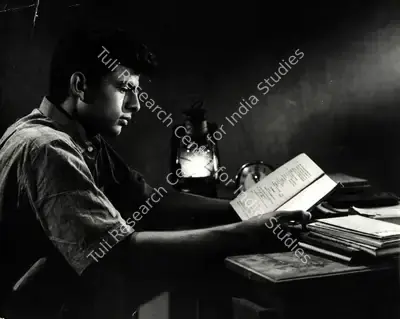
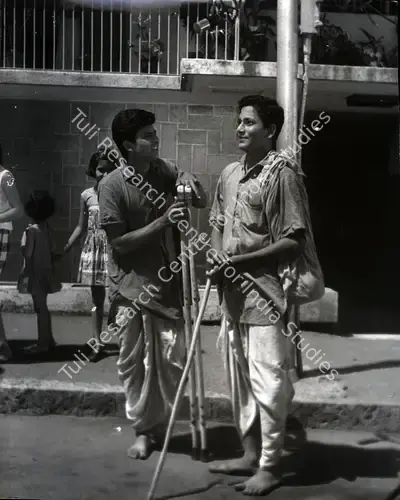
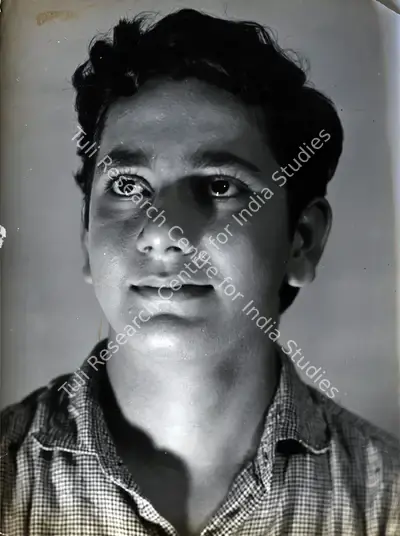
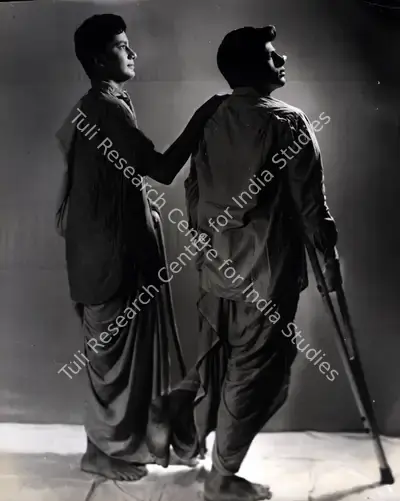
Laxmikant's early life was shaped by economic hardship and an immersion in music from a young age. Born on 3 November 1937, coinciding with the festival of Diwali, he was named after the deity Vishnu, consort of Lakshmi. Following the early death of his father, financial constraints curtailed his formal education. Encouraged by a family acquaintance, Laxmikant and his elder brother pursued musical training, the former mastering the mandolin and the latter the tabla. He trained under noted musicians such as Hussain Ali and later Bal Mukund Indorker, and also studied violin with Husnalal of the Husnalal–Bhagatram duo. Laxmikant began his professional journey as a child actor in Bhakt Pundalik and Aankhen, before gradually transitioning to a full-time career in music.
Pyarelal, the son of renowned trumpeter Pandit Ramprasad Sharma, inherited a rich musical legacy. Initiated into music at an early age, he demonstrated extraordinary discipline, practising the violin for up to twelve hours a day. He trained under the Goan musician Anthony Gonsalves, whose influence remained significant; indeed, the song My Name Is Anthony Gonsalves from Amar Akbar Anthony stands as an homage to his mentor.
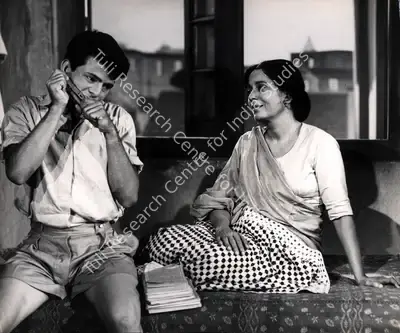
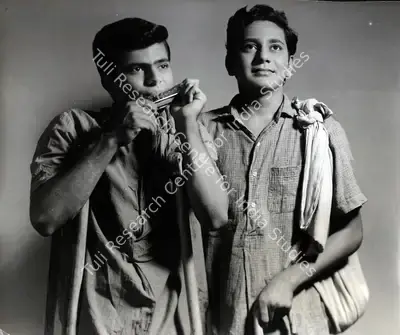
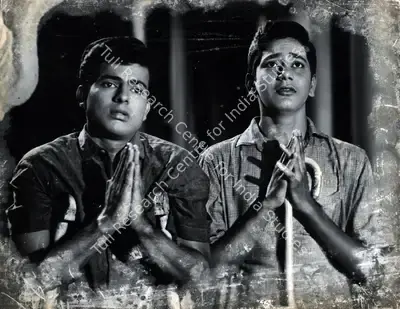
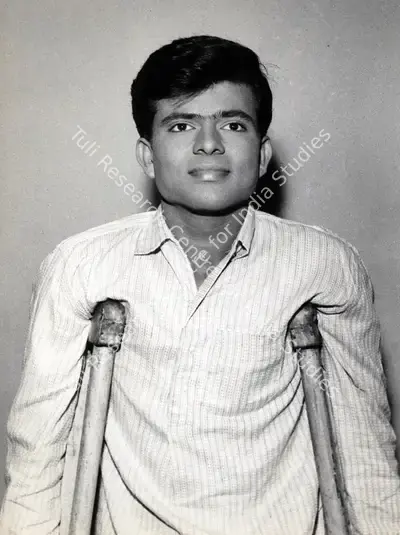
The duo's entry into the film industry was marked by the success of Parasmani in 1963, which yielded popular songs such as Hansta Hua Noorani Chehra and Woh Jab Yaad Aaye. Their breakthrough, however, came with Dosti in 1964, whose soundtrack—including Chaahunga Main Tujhe Sanjh Savere and Jaanewalon Zara Mudke Dekho Mujhe—earned widespread acclaim and secured their first Filmfare Award for Best Music Director. Throughout the 1960s, they consolidated their reputation with a series of successful scores, including Mr. X in Bombay, Aaye Din Bahar Ke, and Farz, the latter featuring enduring compositions such as Baar Baar Din Ye Aaye.
Their prolific output in 1967 alone encompassed multiple commercially successful films, including Milan, which earned them another Filmfare Award. Songs like Sawan Ka Mahina exemplify their ability to blend lyrical melody with rhythmic simplicity. By the close of the decade, works such as Do Raaste and Jeene Ki Raah had firmly established them within the upper echelons of Hindi film music, even as they began to rival the dominance of earlier composers such as Shankar–Jaikishan.
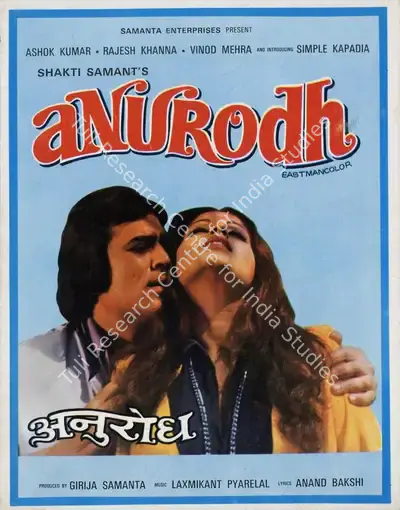
The 1970s introduced heightened competition, particularly from R. D. Burman, whose innovative use of electronic instrumentation redefined the musical landscape. Nevertheless, Laxmikant–Pyarelal sustained their prominence with successful scores for films such as Aan Milo Sajna, Haathi Mere Saathi, and Shor, the latter featuring the widely celebrated Ek Pyar Ka Nagma Hai. Their work in Bobby and Daag: A Poem of Love further demonstrated their adaptability to changing cinematic idioms.
Throughout the mid-1970s, they continued to produce memorable music for films including Roti Kapada Aur Makaan and Nagin, maintaining a steady presence even as the industry shifted towards action-oriented narratives. By the end of the decade, they had emerged as the most commercially successful composers of the period, with a dominant presence in annual music charts.
The 1980s saw them experimenting with evolving genres, as in Karz, where they incorporated disco influences and reinterpreted the ghazal form in Dard-e-Dil Dard-e-Jigar. Their continued success extended through films such as Ram Lakhan and Tezaab, whose music contributed significantly to their popular appeal.
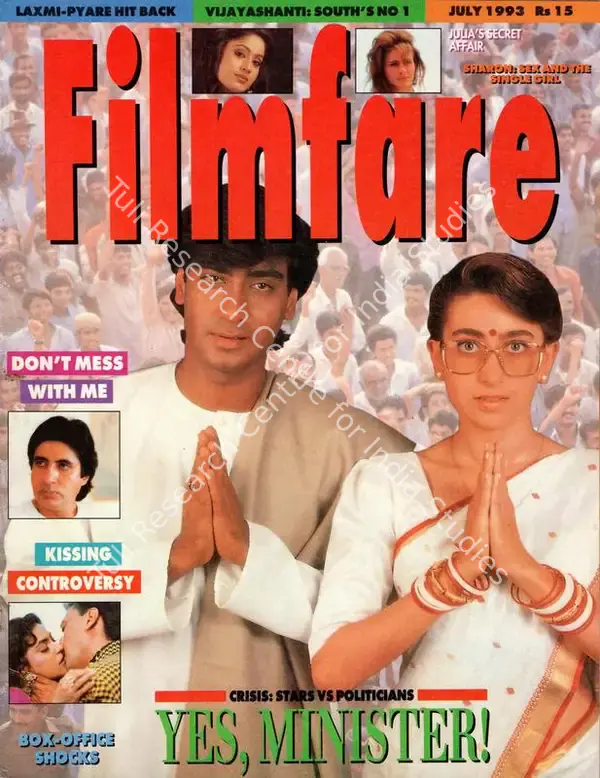
Although the 1990s brought changing tastes and new composers, their legacy endured through select memorable compositions. Following Laxmikant's death in 1998, Pyarelal continued to work independently while retaining the duo's name, thereby preserving their shared artistic identity.
In sum, Laxmikant–Pyarelal's contribution to Hindi film music lies not only in their prolific output but also in their ability to integrate orchestral sophistication with folk-derived rhythmic immediacy. The persistent presence of the dholak within their compositions serves as both a structural and symbolic constant, anchoring their music in a cultural continuum that remains resonant across generations.
शानदार संगीत, पश्चिमी लयबद्ध संरचनाओं और जटिल संगीत संयोजनों के साथ लगातार प्रयोग करने के बावजूद, लक्ष्मीकांत-प्यारेलाल लोक संगीत के प्रति अपनी गहरी प्रतिबद्धता बनाए रखे। उत्तर भारतीय संगीत परंपराओं का अभिन्न अंग ढोलक सुलभ और सहज लय प्रदान करता था जो लोकप्रिय और शास्त्रीय संगीत की भावनाओं को जोड़ता था। इसी समन्वय ने उनकी रचनाओं को विविध श्रोताओं के बीच व्यापक रूप से लोकप्रिय बनाया, साथ ही उनकी ध्वन्यात्मक पहचान को भी विशिष्ट बनाए रखा।
लक्ष्मीकांत का प्रारंभिक जीवन आर्थिक कठिनाइयों में बिता और उन्हें बचपन से ही संगीत में गहरी रुचि थी। 3 नवंबर 1937 को दिवाली दिन जन्मे लक्ष्मीकांत का नाम लक्ष्मी के पति भगवान विष्णु के नाम पर रखा गया था। पिता के असमय निधन के बाद आर्थिक तंगी के कारण उनकी औपचारिक शिक्षा पूरी नहीं हो पाई। एक पारिवारिक परिचित के सहयोग और प्रोत्साहन लक्ष्मीकांत और उनके बड़े भाई ने संगीत का प्रशिक्षण लिया, जिसमें लक्ष्मीकांत ने मंडोलिन और उनके भाई ने तबला में महारत हासिल की। उन्होंने हुसैन अली और बाद में बाल मुकुंद इंदोर्कर जैसे प्रख्यात संगीतकारों से प्रशिक्षण प्राप्त किया और हुस्नालाल-भगतराम की जोड़ी के हुस्नालाल से वायलिन भी सीखा। लक्ष्मीकांत ने अपने पेशेवर करियर की शुरुआत भक्त पुंडलिक और आंखें जैसी फ़िल्मों में बाल कलाकार के रूप में की, और धीरे-धीरे संगीत को अपना करियर बना लिया।
प्रसिद्ध तुरही वादक पंडित रामप्रसाद शर्मा के पुत्र प्यारेलाल को संगीत की समृद्ध विरासत मिली। कम उम्र में ही संगीत से जुड़कर उन्होंने असाधारण अनुशासन का परिचय दिया और प्रतिदिन बारह घंटे तक वायलिन का अभ्यास किया। उन्होंने गोवा के संगीतकार एंथोनी गोंसाल्वेस से प्रशिक्षण प्राप्त किया, जिनका उन पर गहरा प्रभाव रहा। फ़िल्म 'अमर अकबर एंथोनी' का गीत 'माई नेम इज एंथोनी गोंसाल्वेस' उनके गुरु को समर्पित है।
इस जोड़ी ने 1963 में आई फ़िल्म 'पारसमणी' की सफलता के साथ फ़िल्म जगत में कदम रखा, जिसमें 'हंसता हुआ नूरानी चेहरा' और 'वो जब याद आए' जैसे लोकप्रिय गीत शामिल थे। हालांकि, उनकी असली पहचान 1964 में आई फ़िल्म 'दोस्ती' से मिली, जिसका संगीत - 'चाहूंगा मैं तुझे सांझ सवेरे' और 'जानेवालों ज़रा मुडके देखो मुझे' जैसे गीतों को खूब सराहा गया और उन्हें सर्वश्रेष्ठ संगीत निर्देशक का पहला फ़िल्मफ़ेयर पुरस्कार मिला। 1960 के दशक में, उन्होंने 'मिस्टर एक्स इन बॉम्बे', 'आए दिन बाहर के' और 'फर्ज़' जैसी फ़िल्मों के लिए लगातार सफल संगीत देकर फ़िल्म जगत अपनी उपस्थिति को और मज़बूत किया, जिनमें से 'बार बार दिन ये आए' जैसे सदाबहार गीत शामिल हैं।
1967 में ही उनके शानदार योगदान में कई व्यावसायिक रूप से सफल फ़िल्में शामिल थीं, जिनमें 'मिलन' (1967) भी शामिल थी, जिसके लिए उन्हें एक और फ़िल्मफ़ेयर पुरस्कार मिला। 'सावन का महीना' जैसे गीत लयबद्ध सरलता के साथ मधुर धुनों को मिलाने की उनकी क्षमता का उदाहरण हैं। दशक के अंत तक, 'दो रास्ते' और 'जीने की राह' जैसी फ़िल्मों ने उन्हें हिंदी फ़िल्म संगीत के शीर्ष पायदान पर मजबूती से स्थापित कर दिया था, और साथ ही वे शंकर-जयकिशन जैसे पूर्व संगीतकारों के प्रभुत्व को चुनौती देने लगे थे।
1970 के दशक में प्रतिस्पर्धा काफी बढ़ गई, खासकर आर. डी. बर्मन से, जिन्होंने इलेक्ट्रॉनिक वाद्ययंत्रों के अपने नए प्रयोग से संगीत की दुनिया को नया रूप दिया। फ़िर भी, लक्ष्मीकांत-प्यारेलाल ने 'आन मिलो सजना', 'हाथी मेरे साथी' और 'शोर' जैसी फ़िल्मों के लिए सफल संगीत देकर अपनी ख्याति बरकरार रखी, जिनमें से 'शोर' फ़िल्म में व्यापक रूप से चर्चित गीत 'एक प्यार का नगमा है' शामिल था। 'बॉबी' और 'दाग: ए पोयम ऑफ लव' में उनके काम ने सिनेमाई बदलते स्वरूपों के प्रति उनकी ढ़लने क्षमता को और भी प्रदर्शित किया।
1970 के दशक के मध्य में, उन्होंने रोटी कपड़ा और मकान और नागिन जैसी फ़िल्मों के लिए यादगार संगीत के माध्यम से योगदान जारी रखा, और एक्शन-प्रधान कहानियों की ओर बढ़ते दौर में भी अपनी उपस्थिति बनाए रखी। दशक के अंत तक, वे उस दौर के सबसे व्यावसायिक रूप से सफल संगीतकार बनकर उभरे, और वार्षिक संगीत चार्ट में उनका दबदबा था।
1980 के दशक में उन्होंने विभिन्न विधाओं के साथ प्रयोग करना शुरू किया, जैसे कि 'कर्ज़' में, जहाँ उन्होंने डिस्को का प्रभाव शामिल किया और 'दर्द-ए-दिल दर्द-ए-जिगर' में ग़ज़ल रूप को नए ढंग से प्रस्तुत किया। 'राम लखन' और 'तेज़ाब' जैसी फ़िल्मों के माध्यम से उनकी सफलता जारी रही, जिनके संगीत ने उनकी लोकप्रियता में महत्वपूर्ण योगदान दिया।
यद्यपि 1990 के दशक में संगीत की रुचियों में बदलाव आया और नए संगीतकार सामने आए, फ़िर भी उनकी विरासत चुनिंदा यादगार रचनाओं के माध्यम से क़ाएम रही। 1998 में लक्ष्मीकांत की मृत्यु के बाद, प्यारेलाल ने स्वतंत्र रूप से काम करना जारी रखा और साथ ही दोनों की जोड़ी का नाम भी बरकरार रखा, जिससे उनकी साझा कलात्मक पहचान सुरक्षित और जीवित रही।
संक्षेप में, हिंदी फ़िल्म संगीत में लक्ष्मीकांत-प्यारेलाल का योगदान केवल उनकी शानदार संगीत रचनाओं में ही नहीं, बल्कि लोक संगीत से प्रेरित लयबद्धता के साथ ऑर्केस्ट्रा की परिष्कृतता को एकीकृत करने की उनकी क्षमता में भी निहित है। उनकी रचनाओं में ढोलक की निरंतर उपस्थिति एक संरचनात्मक और प्रतीकात्मक निरंतरता के रूप में कार्य करती है, जो उनके संगीत को एक ऐसे सांस्कृतिक प्रवाह से जोड़ती है जो पीढ़ियों तक अपनी गूंज बनाए रखता है।