TRIS logo image
Search275,000+ actors, artists, objects, artworks, films, exhibitions, archives

EN

EN

English

HI

Hindi

EN

EN

English

HI

Hindi

Tuli Research Centre for India Studies

Tuli Research Centre for India Studies

Vision

Manifesto

Archive & Library

Vanraja Sanctuary & Hospice

Home

Research Categories

Browse All

ICore

1_CinemaEducation_Cinema as a Critical Educational Resource

2_FineArts_Modern and Contemporary Indian Fine Arts

3_Photography_Photography in India

4_PopCulture_The Printed Image, Popular Arts, and Crafts

IIMaterial

5_ArcHeritage_India's Architectural Heritage as Inspiration

6_EconomicsArt_Economics of Art & Cultural Industry

7_Travel_Automobile, Transport and Travel Heritage

8_Uncertainty_Uncertainty

IIICritical

9_SocialDuty_Social Responsibility of the Creative Mind

10_Childhood_The Changing Smile of Childhood & Its Second Coming

11_Sensuality_The Sensual Discipline within Creativity

12_Scholarship_The History & Historiography of Scholarship in the Arts, Humanities, and Social Sciences

IVMeaningful

13_SeekJustice_Seeking Justice and Political Integrity

14_IndoWorld_India and her Relationship with the World

15_SpiritualPoetics_The Religious-Spiritual-Poetic-Philosophical Framework

16_Continuum_The Animal-Human-Nature Continuum

Explore

All

Posts

Masterlists

Calendar

Live | Upcoming

All Events

Timetable

Search275,000+ actors, artists, objects, artworks, films, exhibitions, archives

EN

EN

English

HI

Hindi

Home/Girish Kasaravalli

Girish Kasaravalli

Girish Kasaravalli (born 3 December 1950) He is one of India's most distinguished filmmakers and a leading figure of Kannada cinema and the Indian Parallel Cinema movement. Internationally acclaimed for his socially conscious and aesthetically sophisticated films, Kasaravalli has consistently explored the complexities of human relationships, caste, gender, and rural life through a realist cinematic language. Over the course of his career, he has emerged as one of the most celebrated directors in Indian cinema, receiving fourteen National Film Awards, including the prestigious Best Feature Film award for Ghatashraddha (1977), Tabarana Kathe (1986), Thaayi Saheba (1997), and Dweepa (2002). In recognition of his exceptional contribution to Indian cinema, the Government of India conferred upon him the Padma Shri, the country's fourth-highest civilian honour, in 2011.

Kasaravalli was born in Kesalur, a village in Tirthahalli taluk of present-day Shivamogga district, Karnataka, to Ganesh Rao, an agriculturist and freedom fighter, and Lakshmidevi. Raised in a large family with a strong literary and cultural environment, he developed an early interest in literature through his father's encouragement. His father was also a patron of Yakshagana, Karnataka's traditional dance-drama form, which exposed him to indigenous performance traditions. Equally influential were the touring talkies that periodically visited his village, providing his first encounter with cinema, and his maternal uncle, K. V. Subbanna, the founder of the renowned theatre institution Neenasam and a Ramon Magsaysay Award recipient, who nurtured his interest in the creative arts.

After completing his primary education in Kesalur and middle school in Kammaradi, Kasaravalli graduated from Sahyadri College, Shivamogga, where eminent Kannada literary figures G. S. Shivarudrappa and S. S. Marulaiah profoundly shaped his intellectual outlook. He subsequently earned a Bachelor of Pharmacy degree from the College of Pharmacy, Manipal. Although he briefly pursued professional training in Hyderabad, his growing passion for cinema and the arts ultimately led him to abandon pharmacy and enroll at the Film and Television Institute of India (FTII), Pune.

At FTII, Kasaravalli received formal training in filmmaking and graduated with a gold medal. His diploma film, Avashesh (1975), won the National Film Award for Best Experimental Film (Best Short Fiction Film), establishing his promise as a filmmaker. During his time at the institute, he was selected as assistant director to B. V. Karanth on Chomana Dudi (1975), an experience that further strengthened his understanding of cinematic practice. His artistic sensibility was shaped by the works of international auteurs such as Akira Kurosawa, Satyajit Ray, Yasujirō Ozu, Federico Fellini, and Michelangelo Antonioni, while the writings of Kannada literary giants K. Shivaram Karanth, Kuvempu, and U. R. Ananthamurthy profoundly influenced his thematic concerns and commitment to cinematic realism.

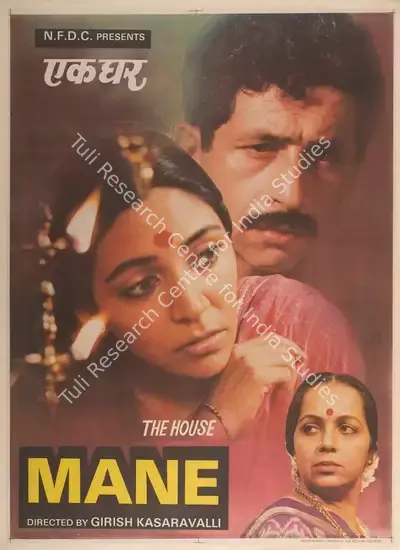
Kasaravalli made his directorial debut with Ghatashraddha (1977), a landmark film that won the Golden Lotus for Best Feature Film and received widespread international recognition. He subsequently directed a series of critically acclaimed films, including Tabarana Kathe (1986), Thaayi Saheba (1997), and Dweepa (2002), all of which received the National Award for Best Feature Film. His other notable works, such as Bannada Vesha (1988), Mane (1989), Kraurya (1996), Gulabi Talkies (2008), Kanasemba Kudureyaneri (2010), and Koormavatara (2012), earned National Awards across various categories, including Best Feature Film in Kannada and Best Screenplay. He also served briefly as the principal of a film institute in Bengaluru and worked as associate director on T. S. Nagabharana's Grahana (1981).

Beyond the National Film Awards, Kasaravalli has received numerous Karnataka State Film Awards, Filmfare Awards South, and several international honours, including the South Asian Cinema Foundation's Excellence in Cinema Crystal Globe Award (2009), awards at international film festivals in Moscow, Rome, Vesoul, Barcelona, and Karachi, and the Lifetime Achievement Award at the Jaffna International Cinema Festival in 2024. His sustained contribution to Indian and world cinema has firmly established him as one of the foremost auteurs of contemporary Indian filmmaking.

Kasaravalli married actress Vaishali in 1978, and the couple had two children, Apoorva and Ananya. Vaishali passed away in 2010 after a prolonged illness. Despite personal loss, Kasaravalli has continued to remain an influential voice in Indian cinema, inspiring generations of filmmakers through his uncompromising artistic vision and enduring commitment to socially engaged filmmaking.

गिरीश कासरवल्ली (जन्म 3 दिसंबर 1950) भारत के मशहूर फ़िल्म निर्माताओं में से एक हैं और कन्नड़ सिनेमा तथा भारतीय पैरेलल सिनेमा आंदोलन के प्रमुख व्यक्ति हैं। सामाजिक रूप से जागरूक और कलात्मक रूप से बेहतरीन फ़िल्मों के लिए अंतरराष्ट्रीय स्तर पर सराहे गए कासरवल्ली ने हमेशा यथार्थवादी सिनेमाई भाषा के माध्यम से मानवीय रिश्तों, जाति, लिंग और ग्रामीण जीवन की जटिलताओं को दिखाया है। अपने करियर के दौरान, वे भारतीय सिनेमा के सबसे चर्चित निर्देशकों में से एक थे। उन्हें चौदह राष्ट्रीय फ़िल्म पुरस्कार मिले हैं, जिनमें 'घटश्रद्धा' (1977), 'तबरना कथे' (1986), 'थायी साहेबा' (1997) और 'द्वीपा' (2002) के लिए प्रतिष्ठित 'सर्वश्रेष्ठ फ़ीचर फ़िल्म' का पुरस्कार शामिल है। भारतीय सिनेमा में उनके असाधारण योगदान के लिए, भारत सरकार ने 2011 में उन्हें देश के चौथे सबसे बड़े नागरिक सम्मान 'पद्म श्री' से सम्मानित किया।
कासरवल्ली का जन्म कर्नाटक के मौजूदा शिमोगा जिले के तीर्थहल्ली तालुका के केसलूर गांव में हुआ था। उनके पिता गणेश राव एक किसान और स्वतंत्रता सेनानी थे और उनकी मां का नाम लक्ष्मीदेवी था। साहित्य और संस्कृति से भरपूर माहौल वाले एक बड़े परिवार में पले-बढ़े कासरवल्ली की साहित्य में रुचि बचपन से ही थी, जिसे उनके पिता ने बढ़ावा दिया। उनके पिता कर्नाटक के पारंपरिक नृत्य-नाटक 'यक्षगान' के संरक्षक भी थे, जिससे उन्हें स्थानीय प्रदर्शन कलाओं को जानने का मौका मिला। उनके जीवन पर 'टूरिंग टॉकीज़' (घूमने वाले सिनेमाघर) का भी गहरा असर पड़ा, जो समय-समय पर उनके गांव आते थे और जिनसे उन्हें पहली बार सिनेमा देखने को मिला। इसके अलावा, उनके मामा के.वी. सुब्बाना, जो मशहूर थिएटर संस्था 'नीनासम' के संस्थापक और रेमन मैग्सेसे पुरस्कार विजेता थे। ये सभी सम्मान रचनात्मक कलाओं में उनकी रुचि को आगे बढ़ाने में मदद की।
केसलूर में अपनी शुरुआती पढ़ाई और कम्मराडी में मिडिल स्कूल की पढ़ाई पूरी करने के बाद, कासरवल्ली ने शिमोगा के सह्याद्रि कॉलेज से ग्रेजुएशन किया। वहाँ कन्नड़ साहित्य के मशहूर लेखक जी. एस. शिवरुद्रप्पा और एस. एस. मारुलैया ने उनकी सोच को गहराई से प्रभावित किया। इसके बाद उन्होंने मणिपाल के कॉलेज़ ऑफ़ फ़ार्मेसी से बैचलर ऑफ़ फ़ार्मेसी की डिग्री हासिल की। ​​हालाँकि उन्होंने कुछ समय के लिए हैदराबाद में प्रोफ़ेशनल ट्रेनिंग भी ली, लेकिन सिनेमा और कला के प्रति बढ़ते जुनून के कारण उन्होंने फ़ार्मेसी छोड़ दी और पुणे के फ़िल्म एंड टेलीविज़न इंस्टीट्यूट ऑफ़ इंडिया (FTII) में दाख़िला ले लिया।
FTII में कासरवल्ली ने फ़िल्म बनाने की औपचारिक ट्रेनिंग ली और गोल्ड मेडल के साथ ग्रेजुएशन किया। उनकी डिप्लोमा फ़िल्म 'अवशेष' (1975) ने बेस्ट एक्सपेरिमेंटल फ़िल्म (बेस्ट शॉर्ट फ़िक्शन फ़िल्म) का नेशनल फ़िल्म अवॉर्ड जीता, जिससे एक फ़िल्ममेकर के तौर पर उनकी क़ाबिलियत साबित हुई। इंस्टीट्यूट में रहने के दौरान, उन्हें 'चोमाना दुडी' (1975) फ़िल्म के लिए बी. वी. कारंत का असिस्टेंट डायरेक्टर चुना गया। इस अनुभव ने सिनेमाई काम के बारे में उनकी समझ को और मज़बूत किया। उनकी कलात्मक समझ अकीरा कुरोसावा, सत्यजीत रे, यासुजिरो ओज़ू, फ़ेडरिको फ़ेलिनी और माइकलएंजेलो एंटोनियोनी जैसे अंतरराष्ट्रीय फ़िल्मकारों के काम से बनी थी। वहीं, कन्नड़ साहित्य के दिग्गज लेखकों के. शिवराम कारंत, कुवेम्पू और यू. आर. अनंतमूर्ति की रचनाओं ने उनके विषयों के चुनाव और सिनेमाई यथार्थवाद के प्रति उनके समर्पण को गहराई से प्रभावित किया।
कासरवल्ली ने 'घटश्रद्धा' (1977) से डायरेक्टर के तौर पर शुरुआत की। यह एक यादगार फ़िल्म थी जिसने बेस्ट फ़ीचर फ़िल्म के लिए 'गोल्डन लोटस' जीता और इसे अंतरराष्ट्रीय स्तर पर काफ़ी पहचान मिली। इसके बाद उन्होंने कई ऐसी फ़िल्में डायरेक्ट कीं जिनकी आलोचकों ने बहुत तारीफ़ की, जैसे 'तबरना कथे' (1986), 'थायी साहेबा' (1997) और 'द्वीपा' (2002)। इन सभी फ़िल्मों को बेस्ट फ़ीचर फ़िल्म का नेशनल अवॉर्ड मिला। उनकी अन्य उल्लेखनीय फ़िल्में जैसे 'बन्नाडा वेशा' (1988), 'माने' (1989), 'क्रौर्य' (1996), 'गुलाबी टॉकीज़' (2008), 'कनसेम्बा कुदुरेयानेरी' (2010) और 'कूर्मावतारा' (2012) ने अलग-अलग कैटेगरी में नेशनल अवॉर्ड जीते, जिनमें कन्नड़ में बेस्ट फ़ीचर फ़िल्म और बेस्ट स्क्रीनप्ले शामिल हैं। उन्होंने बेंगलुरु के एक फ़िल्म इंस्टीट्यूट के प्रिंसिपल के तौर पर भी कुछ समय तक काम किया और टी. एस. नागभरण की फ़िल्म 'ग्रहणा' (1981) में एसोसिएट डायरेक्टर के तौर पर काम किया।
नेशनल फ़िल्म अवॉर्ड्स के अलावा, कसरवल्ली को कई कर्नाटक स्टेट फ़िल्म अवॉर्ड्स, फ़िल्मफ़ेयर अवॉर्ड्स साउथ और कई इंटरनेशनल सम्मान मिले हैं। इनमें साउथ एशियन सिनेमा फ़ाउंडेशन का 'एक्सीलेंस इन सिनेमा क्रिस्टल ग्लोब अवॉर्ड' (2009), मॉस्को, रोम, वेसोल, बार्सिलोना और कराची में इंटरनेशनल फ़िल्म फ़ेस्टिवल में मिले अवॉर्ड्स और 2024 में जाफ़ना इंटरनेशनल सिनेमा फ़ेस्टिवल में 'लाइफ़टाइम अचीवमेंट अवॉर्ड' शामिल हैं। भारतीय और वर्ल्ड सिनेमा में उनके लगातार योगदान ने उन्हें आज के भारतीय फ़िल्म मेकिंग के सबसे अहम फ़िल्म-मेकर्स में से एक के तौर पर मज़बूती से स्थापित किया है।
कसरवल्ली ने 1978 में एक्ट्रेस वैशाली से शादी की थी और उनके दो बच्चे थे अपूर्वा और अनन्या। लंबी बीमारी के बाद 2010 में वैशाली का निधन हो गया। निजी नुक़सान के बावजूद, कसरवल्ली भारतीय सिनेमा में एक प्रभावशाली आवाज़ बने रहे हैं। उन्होंने अपनी बेमिसाल कलात्मक सोच और सामाजिक मुद्दों पर आधारित फ़िल्म मेकिंग के प्रति अपनी अटूट प्रतिबद्धता से फ़िल्म-मेकर्स की कई पीढ़ियों को प्रेरित किया है।
The whole holding
Scroll→

Research Centre

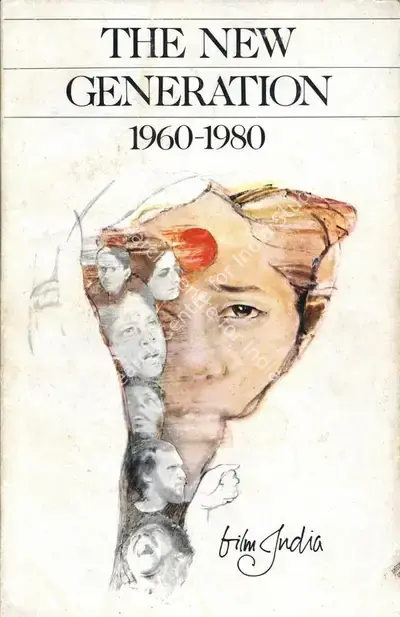
Uma De Cunha (Editor), Film India, 1981, Edited Book
Cunha, Uma De (Editor). Film India, 1981 | Edited Book | 00845949
View full record
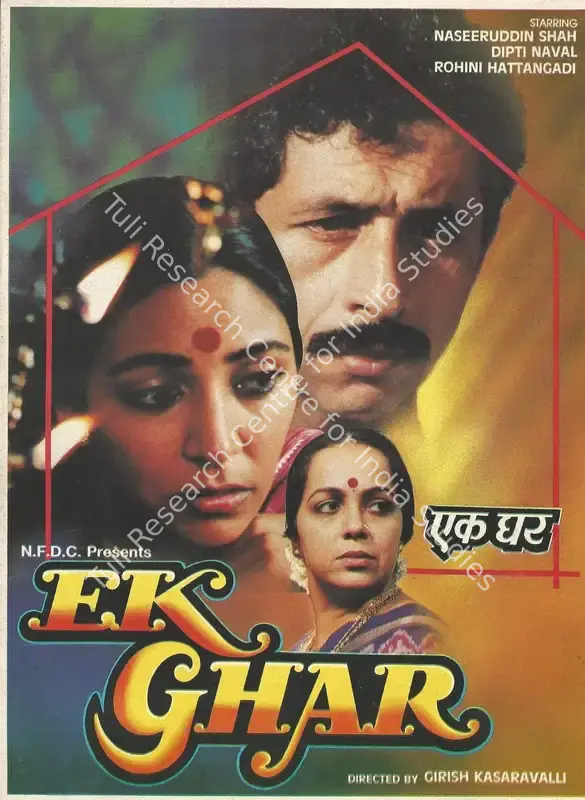
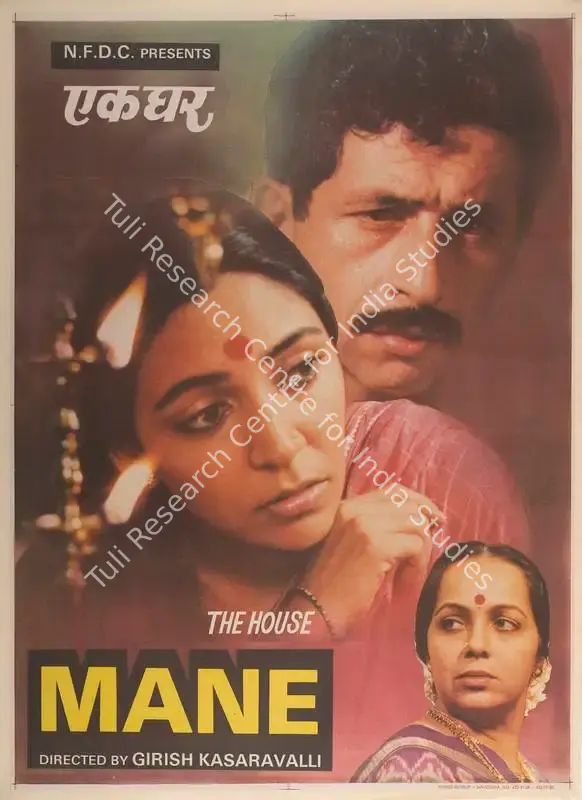
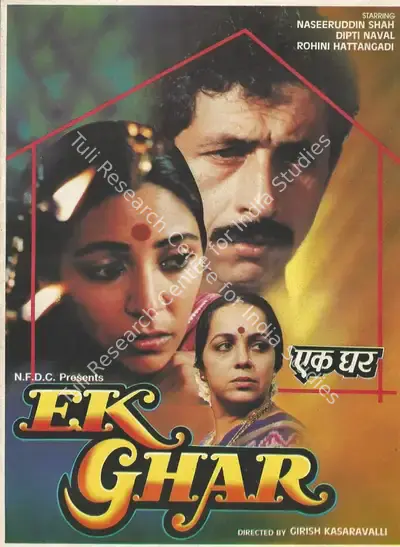
Girish Kasaravalli (Director), Ek Ghar, 1990, Song-Synopsis Booklet
Kasaravalli, Girish (Director), Ek Ghar, 1990 | Song-Synopsis Booklet
View full record
Girish Kasaravalli (Director), Ek Ghar, 1990, Full Sheet Poster
Kasaravalli, Girish (Director), Ek Ghar, 1990 | Full Sheet Poster
View full record
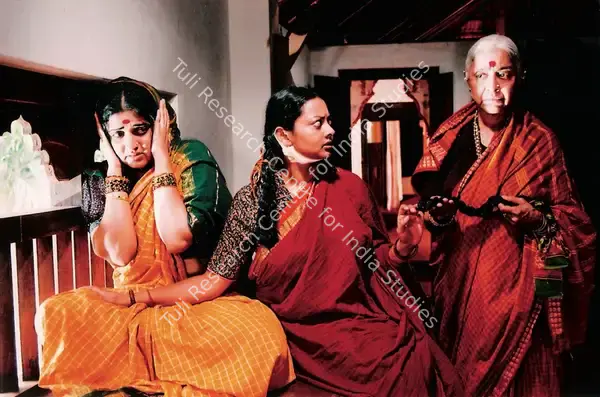
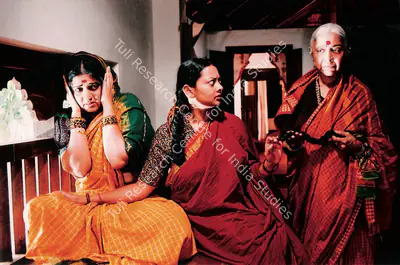
S. Ramachandra (Cinematographer), In the Shadow of the Dog, 2006, Photographic Still
Ramachandra, S. (Cinematographer), In the Shadow of the Dog, 2006 | Photographic Still
View full record
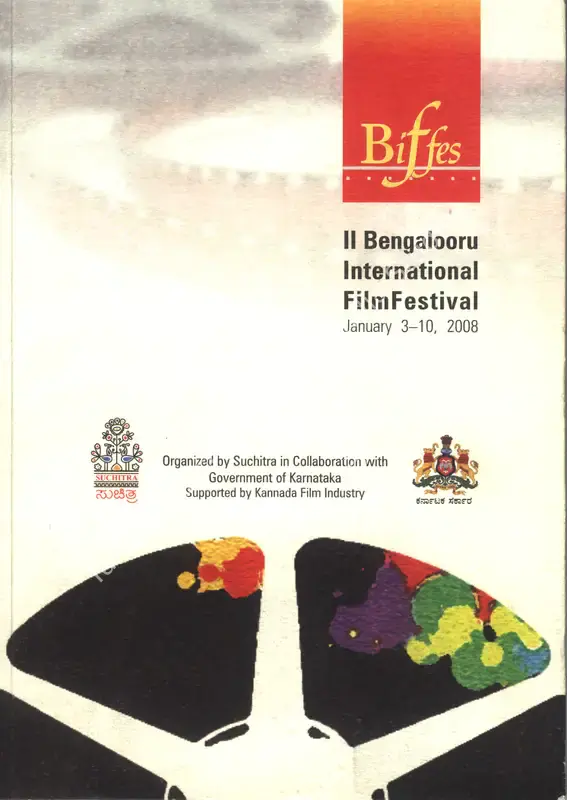
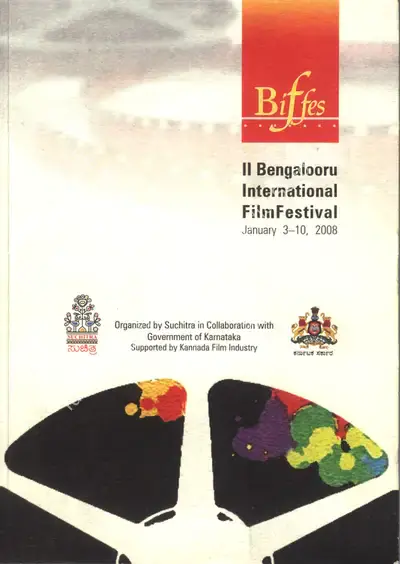
Bengaluru International Film Festival, 2008, International Film Festival Catalogue
Bengaluru International Film Festival, January 2008 | International Film Festival Catalogue | 00878978
View full record
Tuli Research Centre for India Studies (Editor), "I was over-sensitive, and stubborn…" Adoor Gopalakrishnan with Amrit Gangar & Girish Kasarvalli, 2015, In-house Video
Tuli Research Centre for India Studies (Editor). "I was over-sensitive, and stubborn…" Adoor Gopalakrishnan with Amrit Gangar & Girish Kasarvalli, 19 September 2015 | In-house Video
View full record
Tuli Research Centre for India Studies (Editor), "I did practically everything for my first film…" Adoor Gopalakrishnan with Amrit Gangar & Girish Kasarvalli, 2015, In-house Video
Tuli Research Centre for India Studies (Editor). "I did practically everything for my first film…" Adoor Gopalakrishnan with Amrit Gangar & Girish Kasarvalli, 19 September 2015 | In-house Video
View full record
Tuli Research Centre for India Studies (Editor), Amrit Gangar on the Close-Up in Early Cinema with Adoor Gopalakrishnan & Girish Kasarvalli, 2015, In-house Video
Tuli Research Centre for India Studies (Editor). Amrit Gangar on the Close-Up in Early Cinema with Adoor Gopalakrishnan & Girish Kasarvalli, 19 September 2015 | In-house Video
View full record
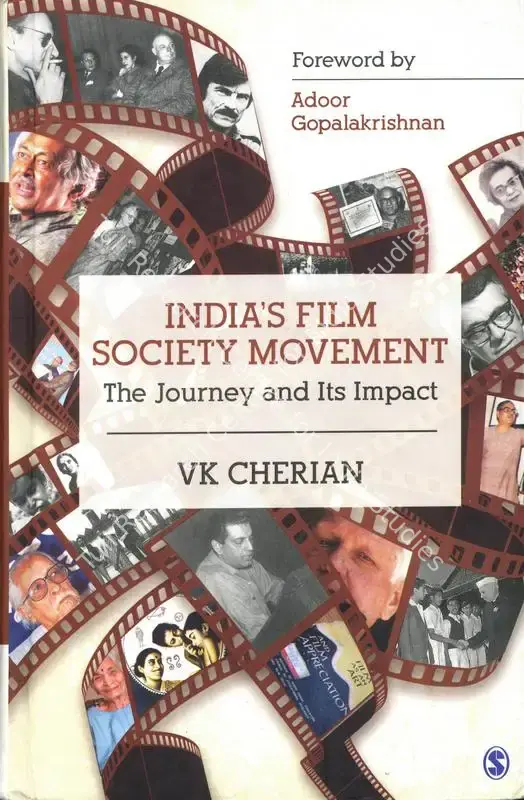
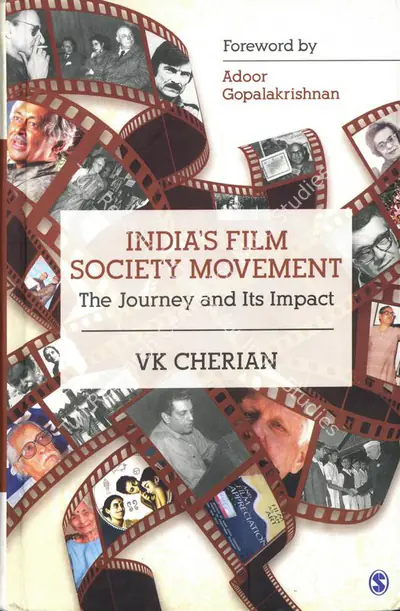
V.K. Cherian (Author), India's Film Society Movement, 2017, Authored Book
Cherian, V.K. (Author). India's Film Society Movement, 2017 | Authored Book | 00844098
View full record
Uma De Cunha (Editor), Film India, 1981, Edited Book
Cunha, Uma De (Editor). Film India, 1981 | Edited Book | 00845949
View full record
Bengaluru International Film Festival, 2008, International Film Festival Catalogue
Bengaluru International Film Festival, January 2008 | International Film Festival Catalogue | 00878978
View full record
V.K. Cherian (Author), India's Film Society Movement, 2017, Authored Book
Cherian, V.K. (Author). India's Film Society Movement, 2017 | Authored Book | 00844098
View full record
Girish Kasaravalli (Director), Ek Ghar, 1990, Song-Synopsis Booklet
Kasaravalli, Girish (Director), Ek Ghar, 1990 | Song-Synopsis Booklet
View full record
Girish Kasaravalli (Director), Ek Ghar, 1990, Full Sheet Poster
Kasaravalli, Girish (Director), Ek Ghar, 1990 | Full Sheet Poster
View full record
S. Ramachandra (Cinematographer), In the Shadow of the Dog, 2006, Photographic Still
Ramachandra, S. (Cinematographer), In the Shadow of the Dog, 2006 | Photographic Still
View full record
Tuli Research Centre for India Studies (Editor). "I was over-sensitive, and stubborn…" Adoor Gopalakrishnan with Amrit Gangar & Girish Kasarvalli, 19 September 2015 | In-house Video, 2015 · 2 min 39 sec · Short
▶
Tuli Research Centre for India Studies (Editor). "I was over-sensitive, and stubborn…" Adoor Gopalakrishnan with Amrit Gangar & Girish Kasarvalli, 19 September 2015 | In-house Video
2015 · 2 min 39 sec · Short
Tuli Research Centre for India Studies (Editor). "I did practically everything for my first film…" Adoor Gopalakrishnan with Amrit Gangar & Girish Kasarvalli, 19 September 2015 | In-house Video, 2015 · 3 min 49 sec · Short
▶
Tuli Research Centre for India Studies (Editor). "I did practically everything for my first film…" Adoor Gopalakrishnan with Amrit Gangar & Girish Kasarvalli, 19 September 2015 | In-house Video
2015 · 3 min 49 sec · Short
Tuli Research Centre for India Studies (Editor). Amrit Gangar on the Close-Up in Early Cinema with Adoor Gopalakrishnan & Girish Kasarvalli, 19 September 2015 | In-house Video, 2015 · 40 sec · Short
▶
Tuli Research Centre for India Studies (Editor). Amrit Gangar on the Close-Up in Early Cinema with Adoor Gopalakrishnan & Girish Kasarvalli, 19 September 2015 | In-house Video
2015 · 40 sec · Short
Uma De Cunha (Editor), Film India, 1981, Edited Book
Cunha, Uma De (Editor). Film India, 1981 | Edited Book | 00845949
View full record
Tuli Research Centre for India Studies

Tuli Research Centre

for India Studies

A free and open knowledge base for the modern and contemporary Indian arts, cinema, photography and cultural heritage.

Support

Contact Us

Discover

Tuli Research Centre for India StudiesVisionManifestoArchive & LibraryVanraja Sanctuary & Hospice

Legal

Privacy PolicyTerms & Conditions

Follow us

Youtube

Youtube

Instagram

Instagram

Facebook

Facebook

© Tuli Research Centre for India Studies 2026

Tuli Research Centre for India Studies

Tuli Research Centre

for India Studies

A free and open knowledge base for the modern and contemporary Indian arts, cinema, photography and cultural heritage.

Tuli Research Centre for India StudiesVisionManifestoArchive & LibraryVanraja Sanctuary & Hospice
Contact Us
Privacy PolicyTerms & Conditions

Follow us

YoutubeInstagramFacebook

© Tuli Research Centre for India Studies 2026

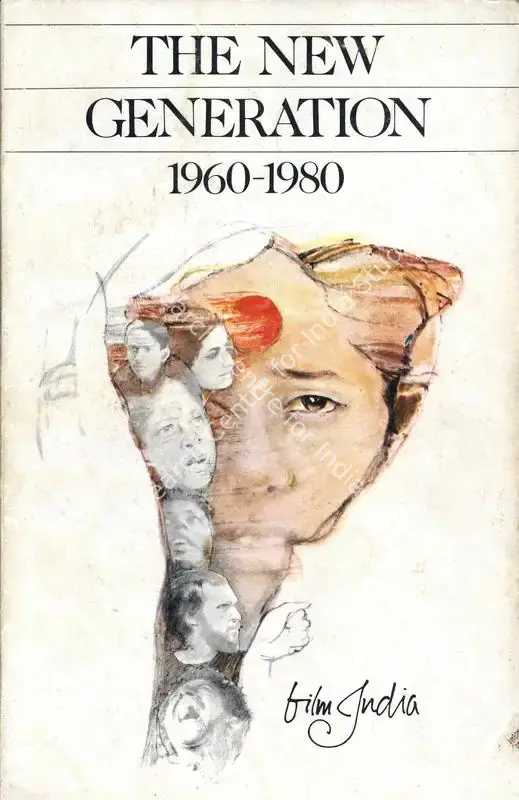
              Cunha, Uma De (Editor). Film India - The New Generation 1960-1980. New Delhi: Directorate of Film Festivals, Ministry of Information and Broadcasting, 1981 | Edited Book | CinemaEducation | 00845949
              1 / 3
              3
              Uma De Cunha (Editor)
              TitleFilm India - The New Generation 1960-1980
              Document TypeEdited Book
              PublisherDirectorate of Film Festivals, Ministry of Information and Broadcasting, New Delhi
              Date of Publication1981
              First Edition1981
              BindingPaperbound
              LanguageEnglish
              Featured on Front Covernoor-inayat-khan | sulabha-deshpande
              Keywordsindian-film-directors | g-aravindan | shyam-benegal | authored-edited-books | book-bka | library

              Research Categories

              1_CinemaEducation

              Related Links8

              Masterlist7
              Shyam BenegalAuthored Edited BooksRitwik GhatakAdoor GopalakrishnanGirish KarnadGovind NihalaniMrinal Sen
              Research Categories
              01Cinema as a Critical Educational Resource