TRIS logo image
Search275,000+ actors, artists, objects, artworks, films, exhibitions, archives

EN

EN

English

HI

Hindi

EN

EN

English

HI

Hindi

Tuli Research Centre for India Studies

Tuli Research Centre for India Studies

Vision

Manifesto

Archive & Library

Vanraja Sanctuary & Hospice

Home

Research Categories

Browse All

ICore

1_CinemaEducation_Cinema as a Critical Educational Resource

2_FineArts_Modern and Contemporary Indian Fine Arts

3_Photography_Photography in India

4_PopCulture_The Printed Image, Popular Arts, and Crafts

IIMaterial

5_ArcHeritage_India's Architectural Heritage as Inspiration

6_EconomicsArt_Economics of Art & Cultural Industry

7_Travel_Automobile, Transport and Travel Heritage

8_Uncertainty_Uncertainty

IIICritical

9_SocialDuty_Social Responsibility of the Creative Mind

10_Childhood_The Changing Smile of Childhood & Its Second Coming

11_Sensuality_The Sensual Discipline within Creativity

12_Scholarship_The History & Historiography of Scholarship in the Arts, Humanities, and Social Sciences

IVMeaningful

13_SeekJustice_Seeking Justice and Political Integrity

14_IndoWorld_India and her Relationship with the World

15_SpiritualPoetics_The Religious-Spiritual-Poetic-Philosophical Framework

16_Continuum_The Animal-Human-Nature Continuum

Explore

All

Posts

Masterlists

Calendar

Live | Upcoming

All Events

Timetable

Search275,000+ actors, artists, objects, artworks, films, exhibitions, archives

EN

EN

English

HI

Hindi

Home/Bharat Vyas

Bharat Vyas

Bharat Vyas (6 January 1918 – 4 July 1982) He occupies a distinguished place in the history of Hindi cinema as one of its finest lyricists. Active during the 1950s and 1960s, he brought literary depth, linguistic purity, and poetic elegance to film songwriting. A poet at heart, Vyas possessed an exceptional command of Hindi, a quality that set him apart from many of his contemporaries and lent his work a timeless appeal.

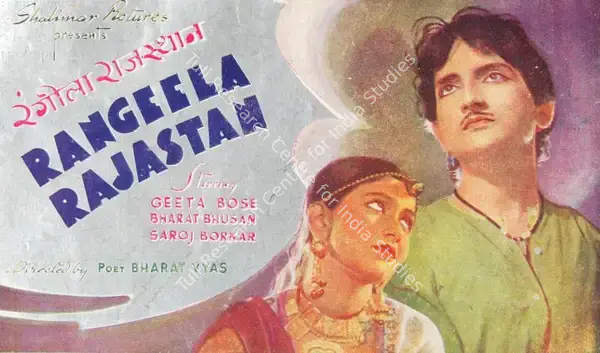
Born in Bikaner, then part of the princely Bikaner State under British India and now in Rajasthan, Vyas was the elder brother of actor Brij Mohan Vyas. After completing a Bachelor of Commerce degree in Calcutta, he moved to Bombay to pursue a career in films. His debut as a lyricist came with Duhaai (1943). He later expanded his creative pursuits by directing Rangila Rajasthan (1949), for which he also wrote the lyrics and composed three songs. Among his later works was Mata Mahakali (1968), which featured the philosophical composition Jo Ugta Hai Be Dhalta Hai.

Vyas's most significant professional association was with filmmaker V. Shantaram. Their collaboration began with Toofan Aur Deeya (1956), after which Shantaram frequently relied on Vyas's lyrical brilliance. Deeply impressed by his rich vocabulary and ability to express profound ideas through accessible verse, Shantaram retained him for most of his subsequent productions. While composers varied—from Vasant Desai to C. Ramchandra and Satish Bhatia—the filmmaker remained steadfast in his preference for Vyas's literary craftsmanship.

The lyricist achieved enduring fame through songs that became landmarks of Hindi film music. Among the most celebrated were Ae Malik Tere Bande Hum from Do Aankhen Barah Haath (1957), a prayer that transcended cinema to become a cultural touchstone, and Ye Kaun Chitrakar Hai from Boond Jo Ban Gayee Moti (1967), admired for its lyrical meditation on nature and creation. Other memorable works included Nirbal Se Ladai Balwan Ki from Toofan Aur Deeya (1956), Aadha Hai Chandrama Raat Aadhi and Tu Chhupi Hai Kahan from Navrang (1959), Saranga Teri Yaad Mein from Saranga (1961), Aa Laut Ke Aaja Mere Meet from Rani Roopmati (1957), Tere Sur Aur Mere Geet from Goonj Uthi Shehnai (1959), Jyot Se Jyot Jagate Chalo from Sant Gyaneshwar (1964), and Jeevan Dor Tumhi Sang Bandhi from Sati Savitri (1964).

Vyas also made a remarkable contribution to mythological and devotional cinema. His collaborations with Vasant Desai on Sampoorna Ramayana (1961), Bharat Milap (1965), and Ram Rajya (1967) demonstrated his ability to narrate epic stories through evocative and melodious verse, helping advance the narrative while preserving spiritual gravitas.

Over a career spanning more than 60 films, Bharat Vyas established himself as one of the most culturally significant lyricists of Hindi cinema's Golden Age. Although major awards largely eluded him, his songs enjoyed immense popular acclaim, regularly featuring in the prestigious Binaca Geetmala rankings. His legacy endures through a body of work that seamlessly fused poetry, devotion, philosophy, and cinematic storytelling.

भारत व्यास (6 जनवरी 1918 – 4 जुलाई 1982) हिंदी सिनेमा के इतिहास में बेहतरीन गीतकारों में ख़ास जगह रखते हैं। 1950 और 1960 के दशक में सक्रिय रहे व्यास ने फ़िल्मी गीतों में साहित्यिक गहराई, भाषा की शुद्धता और काव्यात्मक सुंदरता का समावेश किया। दिल से कवि रहे व्यास की हिंदी भाषा पर ज़बरदस्त पकड़ थी। इसी ख़ूबी ने उन्हें अपने समकालीन कई अन्य गीतकारों से अलग पहचान दिलाई और उनके काम को सदाबहार की उपाधि मिली।
बीकानेर में जन्मे व्यास (जो उस समय ब्रिटिश भारत के तहत बीकानेर रियासत का हिस्सा था और अब राजस्थान में है) अभिनेता बृज मोहन व्यास के बड़े भाई थे। कलकत्ता में बैचलर ऑफ़ कॉमर्स की डिग्री पूरी करने के बाद, वे फ़िल्मों में करियर बनाने के लिए बॉम्बे चले गए। गीतकार के तौर पर उनकी शुरुआत 'दुहाई' (1943) फ़िल्म से हुई। बाद में उन्होंने 'रंगीला राजस्थान' (1949) का निर्देशन करके अपने रचनात्मक कामों का दायरा बढ़ाया। इस फ़िल्म के लिए उन्होंने गीत भी लिखे और तीन गानों की धुन भी बनाई। उनके बाद के कामों में 'माता महाकाली' (1968) शामिल थी, जिसमें 'जो उगता है वो ढलता है' जैसी दार्शनिक गीत रचना थी।
व्यास का सबसे अहम और पेशेवर जुड़ाव फ़िल्म निर्माता वी. शांताराम के साथ रहा। उनकी साझेदारी 'तूफ़ान और दीया' (1956) से शुरू हुई, जिसके बाद शांताराम अक्सर व्यास की गीत रचना की क़ाबिलियत पर भरोसा करते थे। उनके समृद्ध शब्द-भंडार और आसान शब्दों में गहरे विचारों को व्यक्त करने की क्षमता से बहुत प्रभावित होकर, शांताराम ने अपनी बाद की ज़्यादातर फ़िल्मों के लिए उन्हें ही चुना। भले ही संगीतकार बदलते रहे! वसंत देसाई से लेकर सी. रामचंद्र और सतीश भाटिया तक लेकिन फ़िल्म निर्माता व्यास की साहित्यिक कलाकारी को ही प्राथमिकता देते रहे।
गीतकार ने उन गीतों के माध्यम से स्थायी प्रसिद्धि हासिल की जो हिंदी फ़िल्म संगीत के मील के पत्थर बन गए। सर्वाधिक प्रसिद्ध गीतों में दो आंखें बारह हाथ (1957) का 'ऐ मालिक तेरे बंदे हम', एक ऐसी प्रार्थना जो सिनेमा से आगे बढ़कर एक सांस्कृतिक कसौटी बन गई, और 'बूंद जो बन गई मोती' (1967) का 'ये कौन चित्रकार है' है, जो प्रकृति और सृजन पर अपने गीतात्मक चिंतन के लिए प्रशंसित है। अन्य यादगार कृतियों में तूफ़ान और दीया (1956) से 'निर्बल से लड़ै बलवान की', नवरंग (1959) से 'आधा है चंद्रमा रात आधी' और 'तू छुपी है कहां', सारंगा (1961) से 'सारंगा तेरी याद में', रानी रूपमती (1957) से 'आ लौट के आजा मेरे मीत', गूंज उठी शहनाई (1959) से 'तेरे सुर और मेरे गीत', ज शामिल हैं। संत ज्ञानेश्वर (1964) से 'ज्योत से ज्योत जागते चलो', और सती सावित्री (1964) से 'जीवन डोर तुम्ही संग बांधी'।
व्यास ने पौराणिक और भक्ति सिनेमा में भी उल्लेखनीय योगदान दिया। संपूर्ण रामायण (1961), भरत मिलाप (1965) और राम राज्य (1967) में वसंत देसाई के साथ उनके सहयोगी काम ने भावपूर्ण और मधुर पद्य के माध्यम से महाकाव्य कहानियों को बताने की उनकी क्षमता का प्रदर्शन किया, जिससे आध्यात्मिक गंभीरता को संरक्षित करते हुए कथा को आगे बढ़ाने में मदद मिली।
60 से ज़्यादा फ़िल्मों के अपने करियर में, भरत व्यास ने हिंदी सिनेमा के 'गोल्डन एज़' (सुनहरे दौर) के सबसे अहम सांस्कृतिक गीतकारों में से एक के तौर पर अपनी पहचान बनाई। भले ही उन्हें बड़े अवॉर्ड्स ज़्यादा नहीं मिले, लेकिन उनके गाने बहुत लोकप्रिय हुए और अक्सर प्रतिष्ठित 'बिनाका गीतमाला' की रैंकिंग में शामिल होते रहे। उनकी विरासत उनके उन कामों के ज़रिए आज भी ज़िंदा है, जिनमें कविता, भक्ति, दर्शन और फ़िल्मी कहानी कहने की कला का बेहतरीन मेल देखने को मिलता है।
The whole holding
Scroll→
Bharat Vyas
Bharat Vyas
Research Centre112
Calendar2

Research Centre
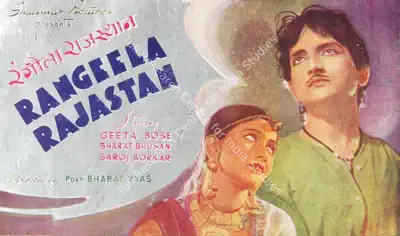
Bharat Vyas (Director), Rangeela Rajastan, 1949, Song-Synopsis Booklet
Vyas, Bharat (Director), Rangeela Rajastan, 1949 | Song-Synopsis Booklet
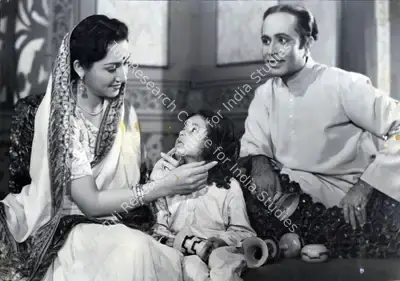
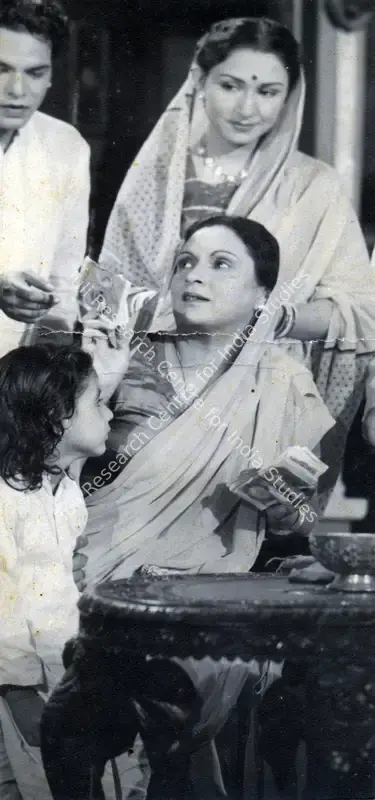
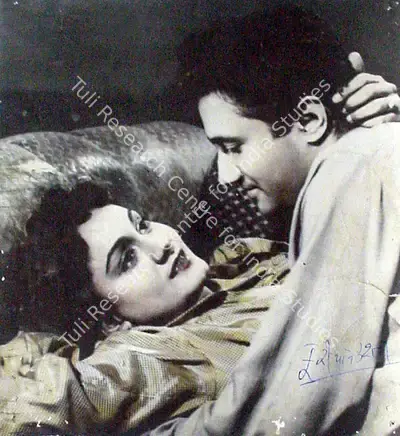
Kishore Sahu (Producer), Hamara Ghar, 1950, Photographic Still
Sahu, Kishore (Producer), Hamara Ghar, 1950 | Photographic Still
Kishore Sahu (Producer), Hamara Ghar, 1950, Photographic Still
Sahu, Kishore (Producer), Hamara Ghar, 1950 | Photographic Still
Kishore Sahu (Producer), Hamara Ghar, 1950, Song-Synopsis Booklet
Sahu, Kishore (Producer), Hamara Ghar, 1950 | Song-Synopsis Booklet
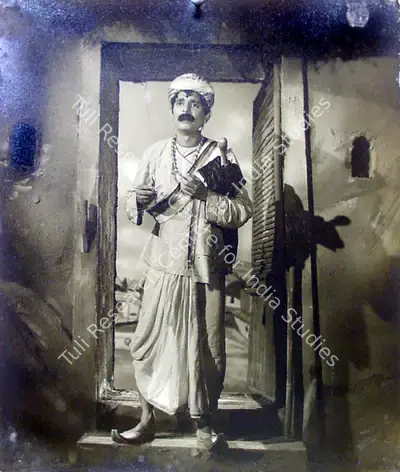
Roque M. Layton (Cinematographer), Tamasha, 1952, Photographic Still
Layton, Roque M. (Cinematographer), Tamasha, 1952 | Photographic Still
Roque M. Layton (Cinematographer), Tamasha, 1952, Photographic Still
Layton, Roque M. (Cinematographer), Tamasha, 1952 | Photographic Still
Roque M. Layton (Cinematographer), Tamasha, 1952, Photographic Still
Layton, Roque M. (Cinematographer), Tamasha, 1952 | Photographic Still
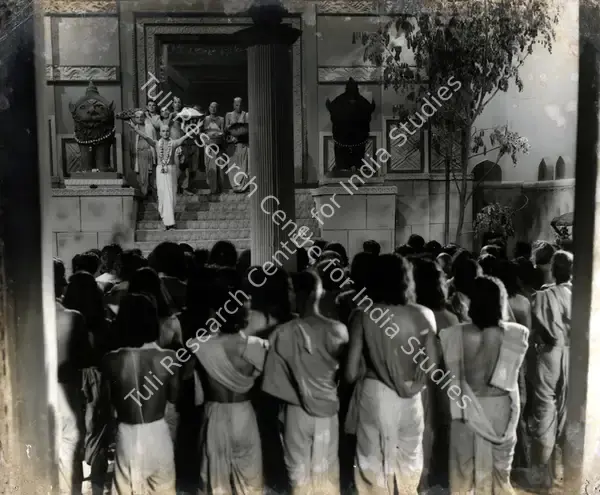
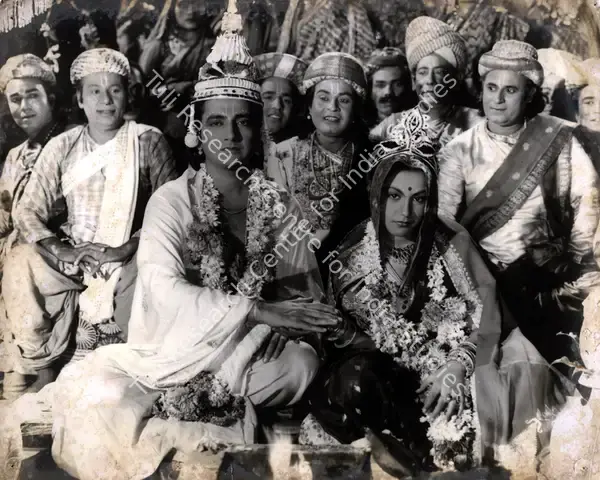
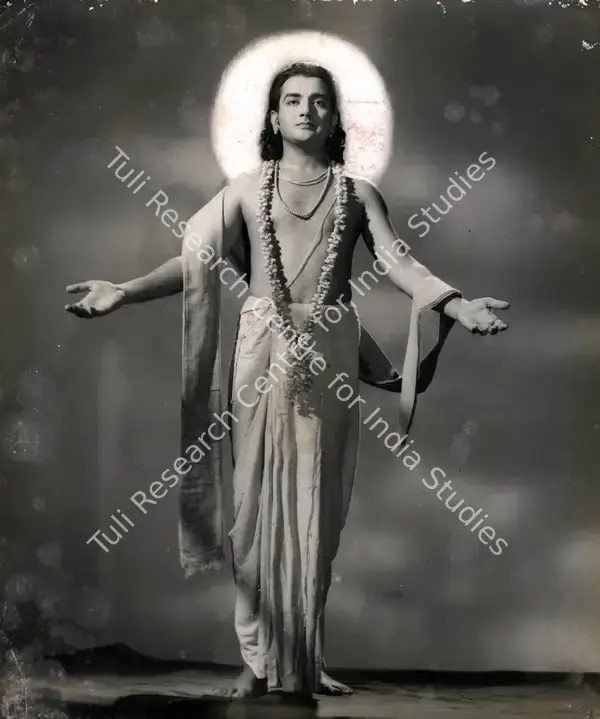
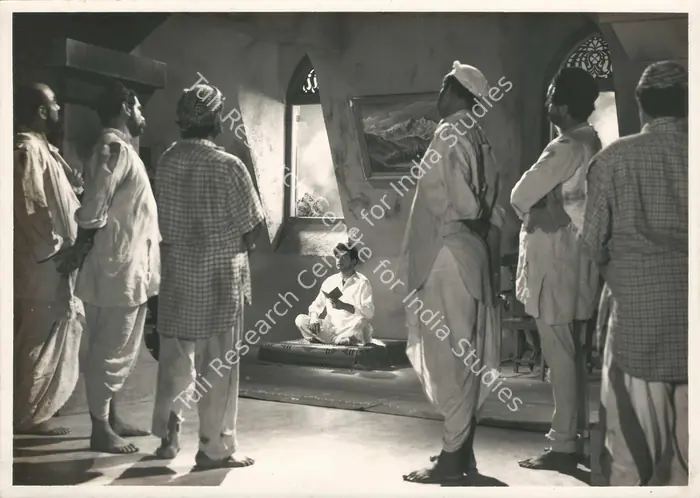
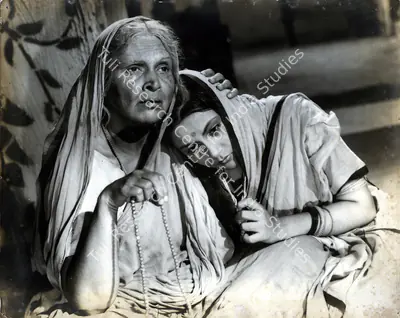
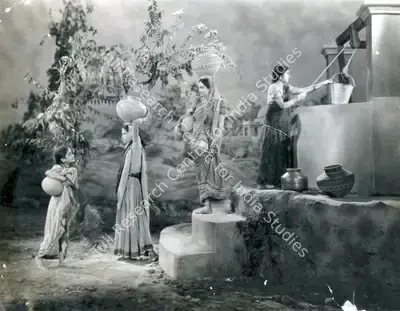
Shree Chaitanya Mahaprabhu, 1953, Photographic Still
(Cinematographer), Shree Chaitanya Mahaprabhu, 1953 | Photographic Still
Shree Chaitanya Mahaprabhu, 1953, Photographic Still
(Cinematographer), Shree Chaitanya Mahaprabhu, 1953 | Photographic Still
Shree Chaitanya Mahaprabhu, 1953, Photographic Still
(Cinematographer), Shree Chaitanya Mahaprabhu, 1953 | Photographic Still
Shree Chaitanya Mahaprabhu, 1953, Photographic Still
(Cinematographer), Shree Chaitanya Mahaprabhu, 1953 | Photographic Still
Shree Chaitanya Mahaprabhu, 1953, Photographic Still
(Cinematographer), Shree Chaitanya Mahaprabhu, 1953 | Photographic Still
Shree Chaitanya Mahaprabhu, 1953, Photographic Still
(Cinematographer), Shree Chaitanya Mahaprabhu, 1953 | Photographic Still
Shree Chaitanya Mahaprabhu, 1953, Photographic Still
(Cinematographer), Shree Chaitanya Mahaprabhu, 1953 | Photographic Still
Shree Chaitanya Mahaprabhu, 1953, Photographic Still
(Cinematographer), Shree Chaitanya Mahaprabhu, 1953 | Photographic Still
Shree Chaitanya Mahaprabhu, 1953, Photographic Still
(Cinematographer), Shree Chaitanya Mahaprabhu, 1953 | Photographic Still
Shree Chaitanya Mahaprabhu, 1953, Photographic Still
(Cinematographer), Shree Chaitanya Mahaprabhu, 1953 | Photographic Still
Shree Chaitanya Mahaprabhu, 1953, Photographic Still
(Cinematographer), Shree Chaitanya Mahaprabhu, 1953 | Photographic Still
Shree Chaitanya Mahaprabhu, 1953, Photographic Still
(Cinematographer), Shree Chaitanya Mahaprabhu, 1953 | Photographic Still
Shree Chaitanya Mahaprabhu, 1953, Photographic Still
(Cinematographer), Shree Chaitanya Mahaprabhu, 1953 | Photographic Still
20 of 112
Bharat Vyas (Director), Rangeela Rajastan, 1949, Song-Synopsis Booklet
Vyas, Bharat (Director), Rangeela Rajastan, 1949 | Song-Synopsis Booklet
Kishore Sahu (Producer), Hamara Ghar, 1950, Photographic Still
Sahu, Kishore (Producer), Hamara Ghar, 1950 | Photographic Still
Kishore Sahu (Producer), Hamara Ghar, 1950, Photographic Still
Sahu, Kishore (Producer), Hamara Ghar, 1950 | Photographic Still
Kishore Sahu (Producer), Hamara Ghar, 1950, Song-Synopsis Booklet
Sahu, Kishore (Producer), Hamara Ghar, 1950 | Song-Synopsis Booklet
Roque M. Layton (Cinematographer), Tamasha, 1952, Photographic Still
Layton, Roque M. (Cinematographer), Tamasha, 1952 | Photographic Still
Roque M. Layton (Cinematographer), Tamasha, 1952, Photographic Still
Layton, Roque M. (Cinematographer), Tamasha, 1952 | Photographic Still
Roque M. Layton (Cinematographer), Tamasha, 1952, Photographic Still
Layton, Roque M. (Cinematographer), Tamasha, 1952 | Photographic Still
Shree Chaitanya Mahaprabhu, 1953, Photographic Still
(Cinematographer), Shree Chaitanya Mahaprabhu, 1953 | Photographic Still
Shree Chaitanya Mahaprabhu, 1953, Photographic Still
(Cinematographer), Shree Chaitanya Mahaprabhu, 1953 | Photographic Still
Shree Chaitanya Mahaprabhu, 1953, Photographic Still
(Cinematographer), Shree Chaitanya Mahaprabhu, 1953 | Photographic Still
Shree Chaitanya Mahaprabhu, 1953, Photographic Still
(Cinematographer), Shree Chaitanya Mahaprabhu, 1953 | Photographic Still
Shree Chaitanya Mahaprabhu, 1953, Photographic Still
(Cinematographer), Shree Chaitanya Mahaprabhu, 1953 | Photographic Still
Shree Chaitanya Mahaprabhu, 1953, Photographic Still
(Cinematographer), Shree Chaitanya Mahaprabhu, 1953 | Photographic Still
Shree Chaitanya Mahaprabhu, 1953, Photographic Still
(Cinematographer), Shree Chaitanya Mahaprabhu, 1953 | Photographic Still
Shree Chaitanya Mahaprabhu, 1953, Photographic Still
(Cinematographer), Shree Chaitanya Mahaprabhu, 1953 | Photographic Still
Shree Chaitanya Mahaprabhu, 1953, Photographic Still
(Cinematographer), Shree Chaitanya Mahaprabhu, 1953 | Photographic Still
Shree Chaitanya Mahaprabhu, 1953, Photographic Still
(Cinematographer), Shree Chaitanya Mahaprabhu, 1953 | Photographic Still
Shree Chaitanya Mahaprabhu, 1953, Photographic Still
(Cinematographer), Shree Chaitanya Mahaprabhu, 1953 | Photographic Still
Shree Chaitanya Mahaprabhu, 1953, Photographic Still
(Cinematographer), Shree Chaitanya Mahaprabhu, 1953 | Photographic Still
Shree Chaitanya Mahaprabhu, 1953, Photographic Still
(Cinematographer), Shree Chaitanya Mahaprabhu, 1953 | Photographic Still
20 of 107
Tuli Research Centre for India Studies (Editor). Music in the Films of B.R. Chopra and V. Shantaram, 31 August 2026 | In-house Video, 2026 · 43 sec · Vertical Video
▶
Tuli Research Centre for India Studies (Editor). Music in the Films of B.R. Chopra and V. Shantaram, 31 August 2026 | In-house Video
2026 · 43 sec · Vertical Video
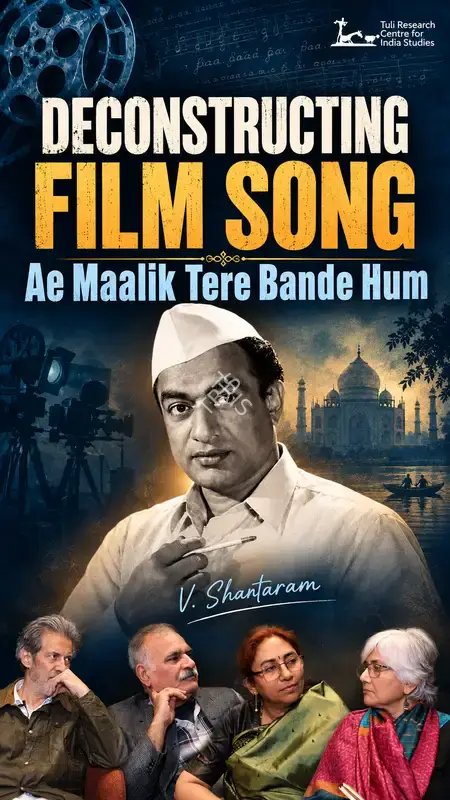
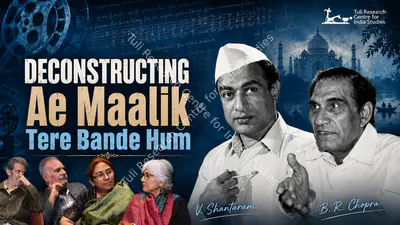
Tuli Research Centre for India Studies (Editor). "Ae Maalik Tere Bande Hum"  - A Bhajan from V Shantaram's film about prison reform, 31 August 2026 | In-house Video, 2026 · 1 min 06 sec · Vertical Video
▶
Tuli Research Centre for India Studies (Editor). "Ae Maalik Tere Bande Hum" - A Bhajan from V Shantaram's film about prison reform, 31 August 2026 | In-house Video
2026 · 1 min 06 sec · Vertical Video
Tuli Research Centre for India Studies (Editor). "Ae Maalik Tere Bande Hum" - A Film Song that became a School Prayer, 31 August 2026 | In-house Video, 2026 · 1 hour 11 min · Long-form Video
▶
Tuli Research Centre for India Studies (Editor). "Ae Maalik Tere Bande Hum" - A Film Song that became a School Prayer, 31 August 2026 | In-house Video
2026 · 1 hour 11 min · Long-form Video
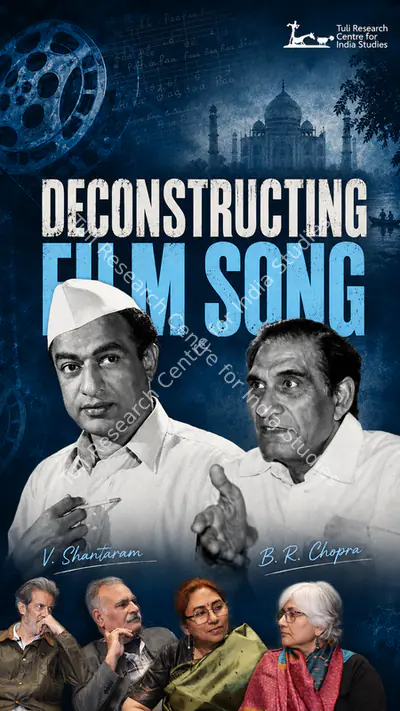
Tuli Research Centre for India Studies (Editor). Music in the Films of B.R. Chopra and V. Shantaram, 31 August 2026 | In-house Video, 2026 · 1 hour 11 min · Long-form Video
▶
Tuli Research Centre for India Studies (Editor). Music in the Films of B.R. Chopra and V. Shantaram, 31 August 2026 | In-house Video
2026 · 1 hour 11 min · Long-form Video
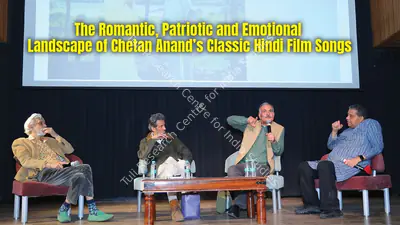
Tuli Research Centre for India Studies (Editor). The Romantic, Patriotic and Emotional Landscape of Chetan Anand’s Classic Hindi Film Songs, 21 July 2026 | In-house Video, 2026 · 1 hour 6 min · Long-form Video
▶
Tuli Research Centre for India Studies (Editor). The Romantic, Patriotic and Emotional Landscape of Chetan Anand’s Classic Hindi Film Songs, 21 July 2026 | In-house Video
2026 · 1 hour 6 min · Long-form Video

Calendar 2

View All →
  1. A Musical Glue for Nation-Building
    ArchivedOffline-Online EventProject 80
    A Musical Glue for Nation-Building
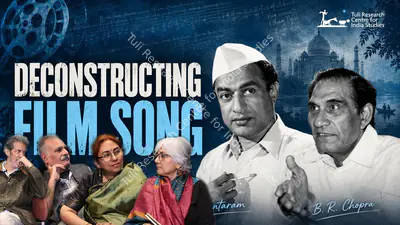
    Deconstructing the Film Song
    23rd July - 22nd August 2026
    Ketan Anand | Ravikant | Pavan Jha | Madan Gopal Singh | Amit Khanna | Juhi Saklani | Antara Mondal | Shikha Jhingan | Neville Tuli
    A key section of the India Studies framework at The Tuli Research Centre for India Studies (T.R.I.S.) is “Deconstructing the Film Song”. It began with a series of four workshops during our Self-Discovery via Rediscovering India Festival Series that brought together leading scholars & academics, film practitioners & students, along with fans of the Hindi film song. The objective of these workshops was to deconstruct iconic Hindi film songs to examine their formation across music, lyrics, playback, choreography, directorial visualisation, as they fuse into sites where aesthetics, ideology, and performance intersect, so as to help clarify the nature of India and her relationship to the film song. The Hindi Film Song functions as a narrative device, conveying myriad textures of emotion through melody, voice and poetry. As cultural texts that encode memory, desire, and ideology, songs are integral to the circulation and resonance of films in the public realm. Over time they have become autonomous bundles of creative energy - the glue that binds us over time, articulating and perhaps even defining the idea of Indianness. These first Workshops were an attempt to understand the nature and power of this glue, while contemplating the ways to situate it within TRIS' academic framework for Contemporary India Studies.
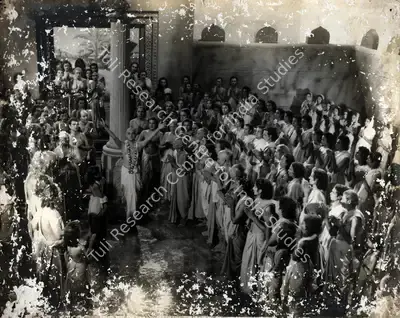
    Read More →
    1_CinemaEducation·12_Scholarship
    +34 more
  2. A Musical Glue for Nation-Building
    ArchivedDeconstructing the Hindi Film SongProject 63
    A Musical Glue for Nation-Building
    Four Classic Songs from the cinema of V. Shantaram and B.R. Chopra and the genius of Vasant Desai, O.P. Nayyar, Ravi, Bharat Vyas, Sahir Ludhianvi, Hasan Kamal, Asha Bhosle, Salma Agha & Mohammed RafinnAye Maalik Tere Bande Ham | Do Aankhen Baara Haath-1957 nUdein Jab Jab Zulfen Teri | Naya Daur-1957 nDin Hai Bahar Ke | Waqt-1965 nDil Ke Armaan Aansuon Mein Bah Gaye | Nikaah-1982
    19th February 2026
    11:30am
    M.L. Bhartia Auditorium, Alliance Francaise de Delhi, 72 K.K. Birla Lane, Lodi Estate, New Delhi, 110007
    Madan Gopal Singh, Ravikant, Shikha Jhingan, Antara Mondal & Neville Tuli
    A key section of the India Studies framework at The Tuli Research Centre for India Studies (T.R.I.S.) is “Deconstructing the Hindi Film Song”. It will begin with a series of four workshops that brings together leading scholars & academics, film practitioners & students, along with fans of the Hindi film song. The objective of these workshops is to deconstruct iconic Hindi film songs to examine their formation across music, lyrics, playback, choreography, directorial visualisation, as they fuse into sites where aesthetics, ideology, and performance intersect. The Hindi Film Song functions as a narrative device, conveying myriad textures of emotion through melody, voice and poetry. As cultural texts that encode memory, desire, and ideology, songs are integral to the circulation and resonance of films in the public realm. Over time they have become autonomous bundles of creative energy - the glue that binds us over time, articulating and perhaps even defining the idea of Indianness. The first Workshops are an attempt to understand the nature and power of this glue, while contemplating the ways to situate it within TRIS' academic framework for Contemporary India Studies.
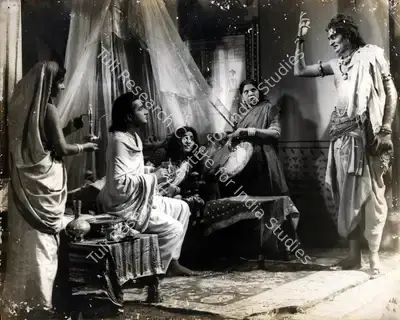
    Read More →
    1_CinemaEducation·12_Scholarship
    +9 more
Tuli Research Centre for India Studies
Tuli Research Centre
for India Studies

A free and open knowledge base for the modern and contemporary Indian arts, cinema, photography and cultural heritage.

Support

Contact Us

Discover

Tuli Research Centre for India StudiesVisionManifestoArchive & LibraryVanraja Sanctuary & Hospice
Legal

Privacy PolicyTerms & Conditions

Follow us

Youtube

Youtube

Instagram

Instagram

Facebook

Facebook

© Tuli Research Centre for India Studies 2026
Tuli Research Centre for India Studies
Tuli Research Centre
for India Studies

A free and open knowledge base for the modern and contemporary Indian arts, cinema, photography and cultural heritage.

Tuli Research Centre for India StudiesVisionManifestoArchive & LibraryVanraja Sanctuary & Hospice
Contact Us
Privacy PolicyTerms & Conditions

Follow us

YoutubeInstagramFacebook

© Tuli Research Centre for India Studies 2026
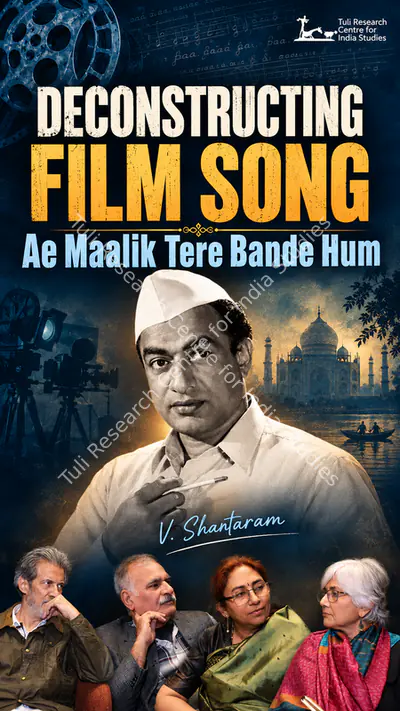
                          Tuli Research Centre for India Studies (Editor). "Ae Maalik Tere Bande Hum"  - A Bhajan from V Shantaram's film about prison reform, 31 August 2026 | In-house Video | CinemaEducation | 00891674
                          1 min 06 sec · Vertical Video

                          "Ae Maalik Tere Bande Hum" - A Bhajan from V Shantaram's film about prison reform

                          Tuli Research Centre for India Studies (Editor)

                          Document TypeIn-house Video
                          Date31 August 2026
                          Duration1 min 06 sec
                          FormatVertical Video
                          Description
                          V. Shantaram's film about prisoners, reform and second chances, Do Aankhen Barah Haath (1957), gives us the bhajan “Aye Maalik Tere Bande Ham,” which transcended the film to become an integral part of school prayers. Composed by Vasant Desai in a simple, hummable Bhairavi, with Bharat Vyas's lyrics carrying a strong moral core, the song exists in two versions, as a male chorus building a community of voices, and Lata Mangeshkar's solo, where her voice carries a frailty the male version never attempts. Presenting a glimpse from the workshop ‘Deconstructing the Film Song: A Musical Glue for Nation-Building,’ where Shikha Jhingan, Associate Professor, Cinema Studies, Jawaharlal Nehru University, examines the two versions of the song, the community built through its chorus, and Shantaram's German Expressionist play of light and darkness that accompanies the lyrics of the song. Together, these elements explain why the song remains woven into everyday Indian life. This workshop was presented by the Tuli Research Centre for India Studies (T.R.I.S) as part of the 7th Self-Discovery via Rediscovering India Festival.

                          Related Links7

                          Masterlist6
                          V ShantaramDo Ankhen Barah Haath 1957Digital in House VideosVasant DesaiDeconstructing the Film Song 2026Neville Tuli
                          Research Categories
                          01Cinema as a Critical Educational Resource