TRIS logo image
Search275,000+ actors, artists, objects, artworks, films, exhibitions, archives

EN

EN

English

HI

Hindi

EN

EN

English

HI

Hindi

Tuli Research Centre for India Studies

Tuli Research Centre for India Studies

Vision

Manifesto

Archive & Library

Vanraja Sanctuary & Hospice

Home

Research Categories

Browse All

ICore

1_CinemaEducation_Cinema as a Critical Educational Resource

2_FineArts_Modern and Contemporary Indian Fine Arts

3_Photography_Photography in India

4_PopCulture_The Printed Image, Popular Arts, and Crafts

IIMaterial

5_ArcHeritage_India's Architectural Heritage as Inspiration

6_EconomicsArt_Economics of Art & Cultural Industry

7_Travel_Automobile, Transport and Travel Heritage

8_Uncertainty_Uncertainty

IIICritical

9_SocialDuty_Social Responsibility of the Creative Mind

10_Childhood_The Changing Smile of Childhood & Its Second Coming

11_Sensuality_The Sensual Discipline within Creativity

12_Scholarship_The History & Historiography of Scholarship in the Arts, Humanities, and Social Sciences

IVMeaningful

13_SeekJustice_Seeking Justice and Political Integrity

14_IndoWorld_India and her Relationship with the World

15_SpiritualPoetics_The Religious-Spiritual-Poetic-Philosophical Framework

16_Continuum_The Animal-Human-Nature Continuum

Explore

All

Posts

Masterlists

Calendar

Live | Upcoming

All Events

Timetable

Search275,000+ actors, artists, objects, artworks, films, exhibitions, archives

EN

EN

English

HI

Hindi

Home/B.R. Ishara

B.R. Ishara

Babu Ram Ishara (born Roshan Lal Sharma on 7 September 1934) He was a pioneering Indian filmmaker whose bold and unconventional cinema challenged the moral and aesthetic conventions of Hindi films during the 1970s and 1980s. Known professionally as B.R. Ishara, he directed nearly thirty-five films between 1964 and 1996 and became particularly recognised for his socially provocative narratives, psychological realism, and willingness to address taboo subjects rarely explored in mainstream Indian cinema. His notable works included Chetna (1970), Log Kya Kahenge (1982), Milap (1972), Man Jaiye (1972), Ghar Ki Laaj (1979), Woh Phir Aayegi (1988), and Sautela Bhai (1996).

Born in Bharwain near Chintpurni in Himachal Pradesh, Ishara grew up amid financial hardship and developed a deep fascination with cinema from an early age. Rejecting conventional expectations, he ran away from home as a teenager and travelled to Mumbai in pursuit of a filmmaking career. Without any formal film education, he struggled through years of economic uncertainty before establishing himself in the Hindi film industry. His journey from poverty to prominence reflected the determination and rebellious spirit that later characterised his cinema.

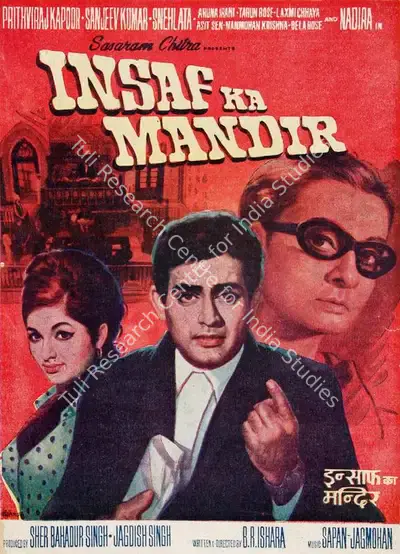
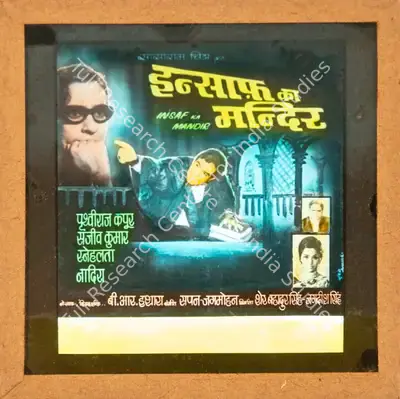
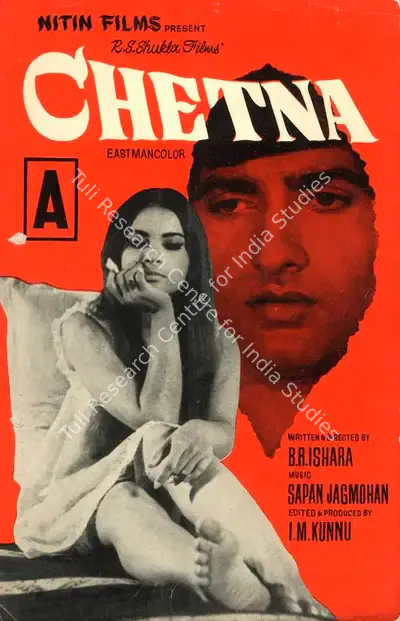
Ishara made his directorial debut with Awara Badal (1964) and gained wider recognition with Insaaf Ka Mandir (1969), starring Tarun Bose and Aruna Irani. However, it was Chetna (1970) that established him as one of the most daring filmmakers of his generation. The film explored the life of a call girl with unusual psychological sensitivity and realism, departing sharply from the melodramatic conventions of mainstream Hindi cinema. Despite censorship objections and demands for cuts, the film achieved considerable commercial success and became a landmark in socially conscious filmmaking.

Throughout his career, Ishara became known for introducing and nurturing new talent. He brought celebrated cricketer Salim Durrani into cinema with Charitra (1973), which also introduced actress Parveen Babi and music composer Bappi Lahiri to Hindi film audiences. He similarly provided early opportunities to actors such as Danny Denzongpa, Rakesh Pandey, Vijay Arora, Jaya Bachchan, Amitabh Bachchan, Reena Roy, Shatrughan Sinha, Raj Kiran, and Raza Murad.

His filmography reflected remarkable thematic diversity. Important works included Man Jaiye (1972), Zaroorat (1972), Bazaar Band Karo (1974), Rahu Ketu (1978), and Sautela Bhai (1996). His supernatural thriller Woh Phir Aayegi (1988), starring Rajesh Khanna, emerged as a silver jubilee success, while Sautela Bhai received critical acclaim for its emotional depth and storytelling.

Ishara frequently clashed with the Central Board of Film Certification because of his candid treatment of sexuality, social hypocrisy, and violence. He openly criticised what he perceived as the board's unequal treatment of independent filmmakers in comparison with major commercial producers. Films such as Zaroorat (1972), centred on the trauma of a rape survivor, faced prolonged censorship delays due to their progressive themes. Chetna (1970) also attracted objections for scenes involving alcohol and female sexuality, though Ishara defiantly transformed censored material into provocative publicity imagery. His controversial body of work indirectly contributed to stricter censorship guidelines introduced by the Indian government in 1979.

In 1984, Ishara married actress Rehana Sultan, who herself had become associated with socially unconventional cinema. He died from tuberculosis on 24 July 2012 at Criticare Hospital in Mumbai at the age of 77. Today, B.R. Ishara is remembered as a fearless filmmaker who expanded the thematic boundaries of Hindi cinema and challenged prevailing notions of morality, censorship, and cinematic realism.

बाबू राम इशारा (जन्म रोशन लाल शर्मा, 7 सितंबर 1934) एक प्रमुख भारतीय फ़िल्म निर्माता थे, जिनकी साहसिक और अपरंपरागत फ़िल्मों ने 1970 और 1980 के दशक में हिंदी फ़िल्मों की नैतिक और सौंदर्य संबंधी रिवायतों को चुनौती दी। पेशेवर रूप से बी.आर. इशारा के नाम से जाने जाने वाले उन्होंने 1964 से 1996 के बीच लगभग पैंतीस फ़िल्मों का निर्देशन किया और विशेष रूप से ज्वलंत सामाजिक कथाओं, मनोवैज्ञानिक यथार्थवाद और मुख्यधारा के भारतीय सिनेमा में शायद ही कभी उठाए गए वर्जित विषयों को उठाने की तत्परता के लिए पहचाने गए। उनकी उल्लेखनीय फ़िल्मों में चेतना (1970), लोग क्या कहेंगे (1982), मिलाप (1972), मान जाइए (1972), घर की लाज (1979), वो फ़िर आएगी (1988) और सौतेला भाई (1996) शामिल हैं।
हिमाचल प्रदेश के चिंतपूर्णी के पास भरवाना में जन्मे इशारा का बचपन आर्थिक तंगी में बीता और बचपन से ही उन्हें सिनेमा से गहरा लगाव था। पारंपरिक मान्यताओं को नकारते हुए, किशोरावस्था में ही वे घर से भाग गए और फ़िल्म निर्माण में अपना करियर बनाने के लिए मुंबई चले गए। बिना किसी औपचारिक फ़िल्म शिक्षा के, उन्होंने हिंदी फ़िल्म उद्योग में अपनी जगह बनाने से पहले कई वर्षों तक आर्थिक अनिश्चितताओं का सामना किया। गरीबी से प्रसिद्धि तक का उनका सफ़र उनके दृढ़ संकल्प और विद्रोही भावना को दर्शाता है, जो बाद में उनके सिनेमा की विशेषता बन गई।
इशारा ने आवारा बादल (1964) से निर्देशन के क्षेत्र में कदम रखा और तरुण बोस और अरुणा ईरानी अभिनीत इंसाफ़ का मंदिर (1969) से उन्हें व्यापक पहचान मिली। हालांकि, चेतना (1970) ने उन्हें उनके पीढ़ी के सबसे साहसी फ़िल्मकारों में से एक के रूप में उन्हें स्थापित किया। इस फ़िल्म ने मुख्यधारा के हिंदी सिनेमा की मेलोड्रामैटिक परंपराओं से बिल्कुल अलग हटकर, असाधारण मनोवैज्ञानिक संवेदनशीलता और यथार्थवाद के साथ एक वेश्या के जीवन का चित्रण किया। सेंसरशिप की आपत्तियों और फ़िल्म में कट लगाने की मांगों के बावजूद, फ़िल्म ने काफ़ी व्यावसायिक सफलता हासिल की और सामाजिक रूप से जागरूक फ़िल्म निर्माण में एक मील का पत्थर बन गई।
अपने पूरे करियर के दौरान, इशारा नई प्रतिभाओं को सिनेमा में लाने और उन्हें निखारने के लिए जाने जाते थे। उन्होंने मशहूर क्रिकेटर सलीम दुर्रानी को फ़िल्म 'चरित्र' (1973) से सिनेमा जगत में लाया, जिससे अभिनेत्री परवीन बाबी और संगीतकार बप्पी लाहिड़ी को भी हिंदी फ़िल्म दर्शकों से परिचय कराया। इसी तरह उन्होंने डैनी डेन्जोंगपा, राकेश पांडे, विजय अरोरा, जया बच्चन, अमिताभ बच्चन, रीना रॉय, शत्रुघ्न सिन्हा, राज किरण और रज़ा मुराद जैसे अभिनेताओं को भी शुरुआती अवसर प्रदान किए।
उनकी फ़िल्मोग्राफ़ी में महत्वपूर्ण विषयगत विविधता झलकती थी। महत्वपूर्ण फ़िल्मी कृतियों में मान जाइये (1972), ज़रूरत (1972), बाज़ार बंद करो (1974), राहु केतु (1978) और सौतेला भाई (1996) जैसी फ़िल्में शामिल हैं। उनकी डरावनी थ्रिलर फ़िल्म वो फ़िर आएगी (1988), जिसमें राजेश खन्ना मुख्य भूमिका में थे, सिल्वर जुबली सफलता के रूप में उभरी जबकि 'सौतेला भाई' को इसकी भावनात्मक गहराई और कहानी कहने के अंदाज के लिए समीक्षकों द्वारा ख़ूब सराहा गया।
इशारा का केंद्रीय फ़िल्म प्रमाणन बोर्ड (सीबीआई) से अक्सर टकराव होता था, क्योंकि वे यौनिकता, सामाजिक पाखंड और हिंसा जैसे विषयों को बेबाक़ी से उठाते थे। वे स्वतंत्र फ़िल्म निर्माताओं के साथ बोर्ड के असमान व्यवहार की खुलेआम आलोचना करते थे, जबकि बड़े व्यावसायिक निर्माता ऐसा नहीं करते थे। बलात्कार पीड़िता के आघात पर आधारित फ़िल्म 'ज़रूरत' (1972) जैसी फ़िल्मों को प्रगतिशील विषयों के कारण लंबे समय तक सेंसरशिप सर्टिफ़िकेट में देरी का सामना करना पड़ा। 'चेतना' (1970) में भी शराब और महिला यौनिकता से जुड़े दृश्यों के कारण आपत्तियां उठाई गईं, हालांकि इशारा ने निडरता से सेंसर की गई सामग्री को उत्तेजक प्रचार सामग्री में बदल दिया। उनके विवादास्पद कार्यों ने अनज़ाने 1979 में भारतीय सरकार द्वारा लागू किए गए सख़्त सेंसरशिप दिशानिर्देशों में योगदान दिया।
1984 में इशारा ने अभिनेत्री रेहाना सुल्तान से शादी की, जो स्वयं सामाजिक रूप से अपरंपरागत सिनेमा से जुड़ी हुई थीं। 24 जुलाई 2012 को मुंबई के क्रिटिकेयर अस्पताल में 77 वर्ष की आयु में टीबी से उनका निधन हो गया। आज, बी.आर. इशारा को एक निडर फ़िल्म निर्माता के रूप में याद किया जाता है, जिन्होंने हिंदी सिनेमा की विषयवस्तु की सीमाओं का विस्तार किया और नैतिकता, सेंसरशिप और सिनेमाई यथार्थवाद की प्रचलित धारणाओं को चुनौती दी।
The whole holding
Scroll→

Research Centre

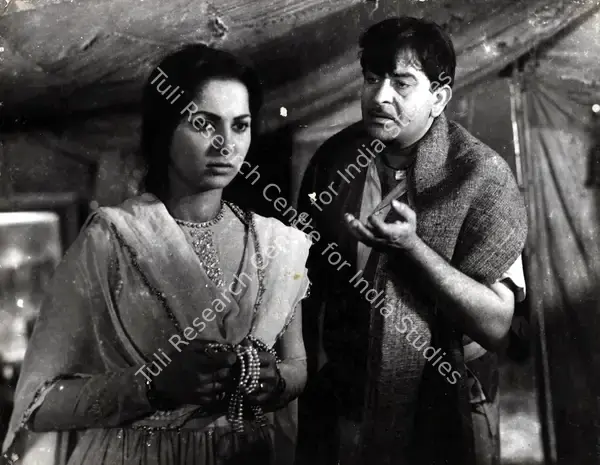
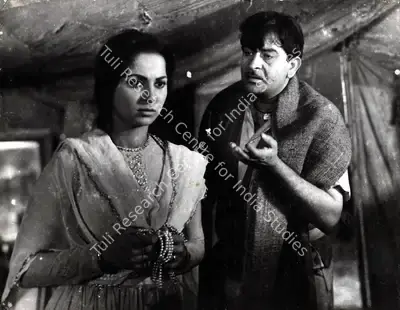
Subrata Mitra (Cinematographer), Teesri Kasam, 1966, Photographic Still
Mitra, Subrata (Cinematographer), Teesri Kasam, 1966 | Photographic Still
Subrata Mitra (Cinematographer), Teesri Kasam, 1966, Photographic Still
Mitra, Subrata (Cinematographer), Teesri Kasam, 1966 | Photographic Still
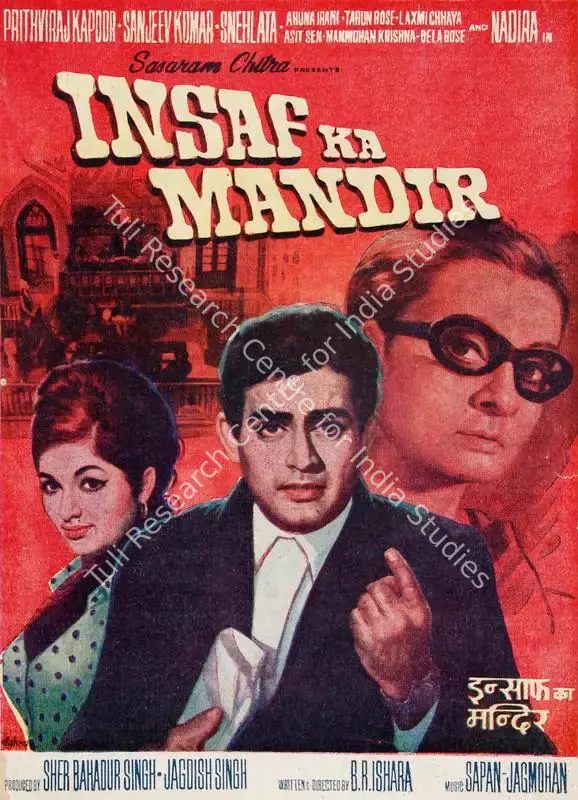
Jagdish Singh (Producer), Insaf Ka Mandir, 1969, Song-Synopsis Booklet
Singh, Jagdish (Producer), Insaf Ka Mandir, 1969 | Song-Synopsis Booklet
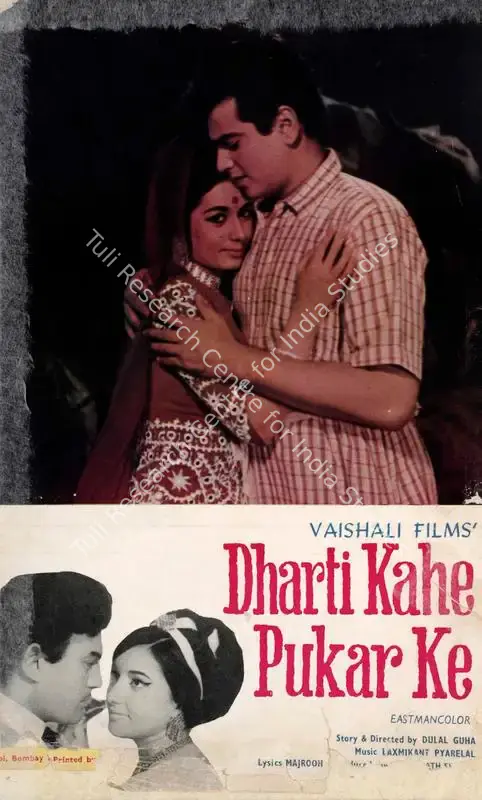
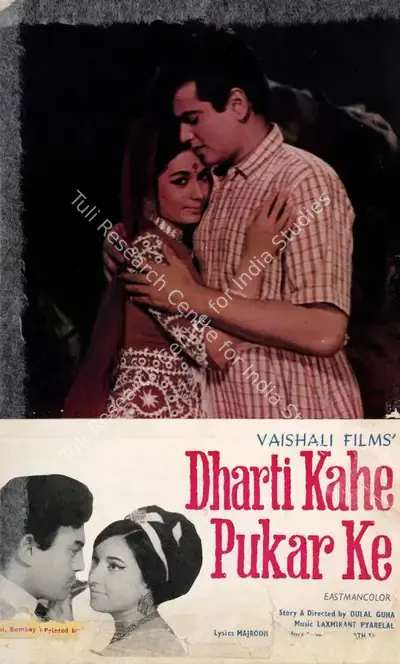
Deenanath Shastri (Producer), Dharti Kahe Pukar Ke, 1969, Song-Synopsis Booklet
Shastri, Deenanath (Producer), Dharti Kahe Pukar Ke, 1969 | Song-Synopsis Booklet
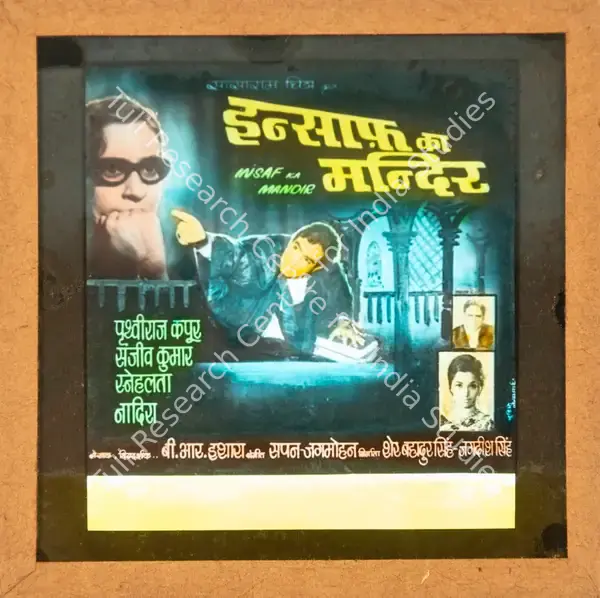
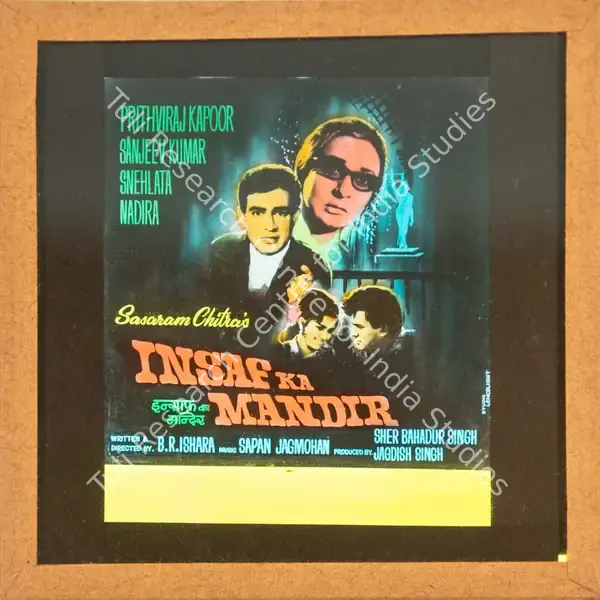
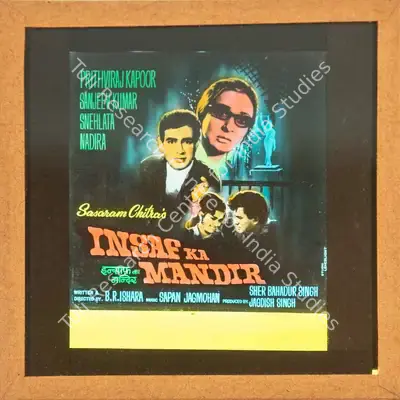
Jagdish Singh (Producer), Insaf Ka Mandir, 1969, Glass Slide
Singh, Jagdish (Producer), Insaf Ka Mandir, 1969 | Glass Slide
Jagdish Singh (Producer), Insaf Ka Mandir, 1969, Glass Slide
Singh, Jagdish (Producer), Insaf Ka Mandir, 1969 | Glass Slide
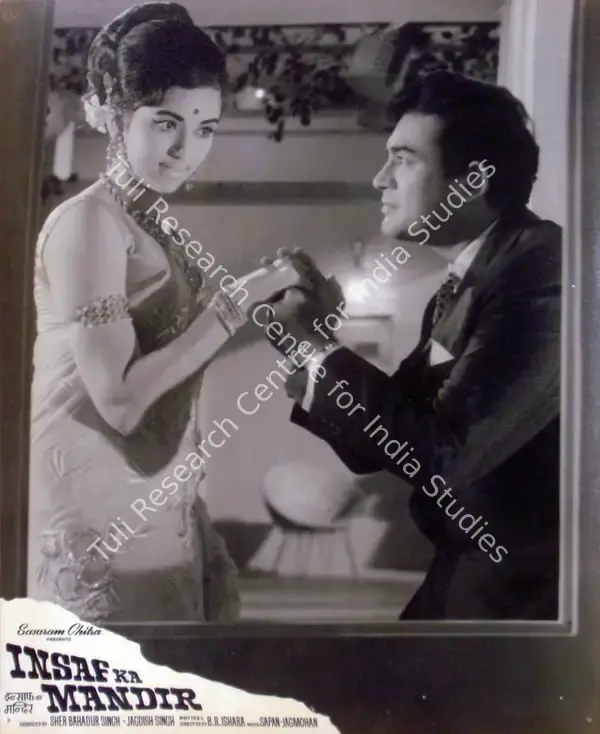
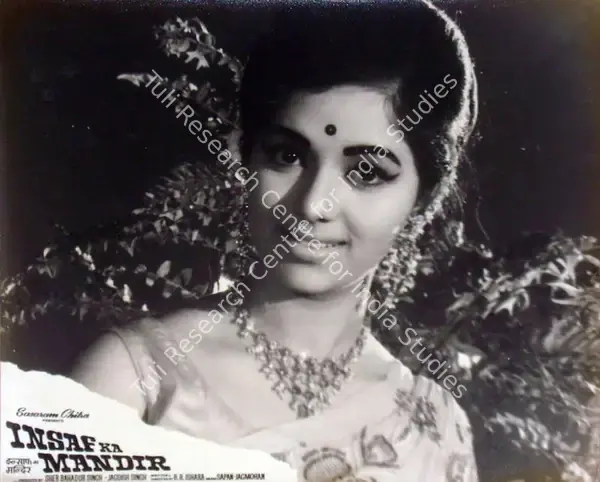
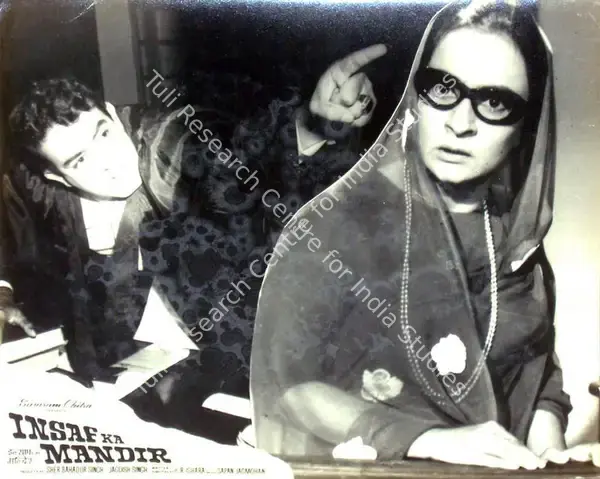
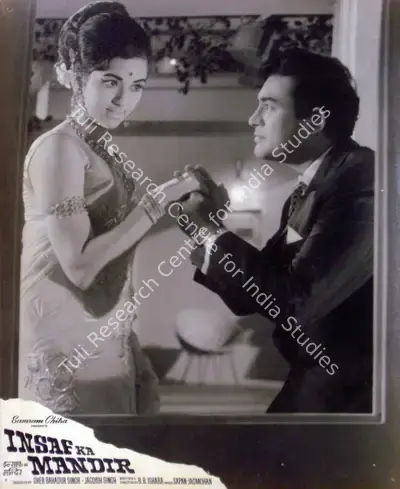
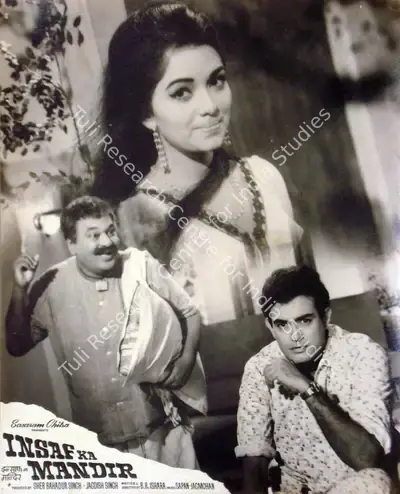
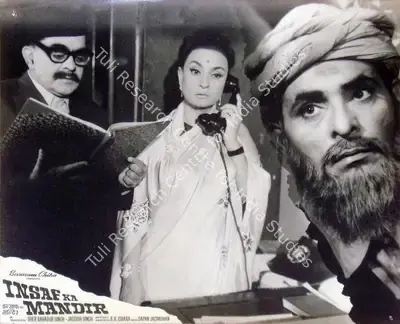
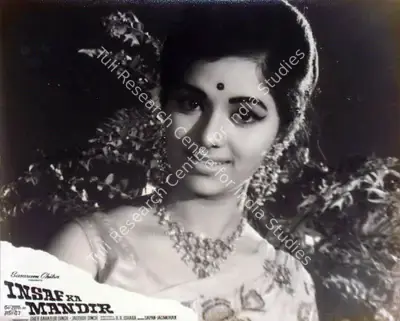
George D'souza (Cinematographer), Insaf Ka Mandir, 1969, Lobby Card
D'souza, George (Cinematographer), Insaf Ka Mandir, 1969 | Lobby Card
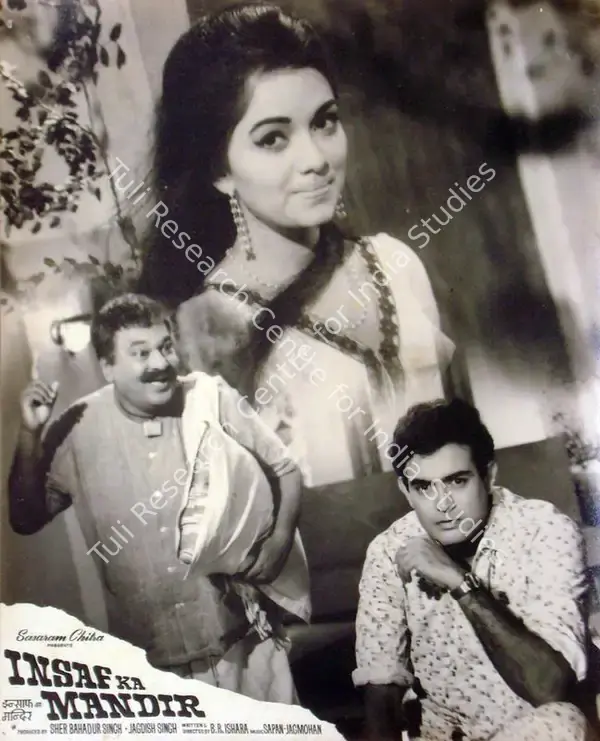
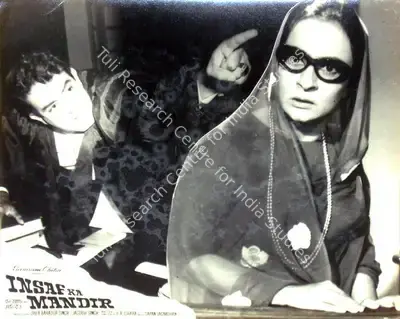
George D'souza (Cinematographer), Insaf Ka Mandir, 1969, Lobby Card
D'souza, George (Cinematographer), Insaf Ka Mandir, 1969 | Lobby Card
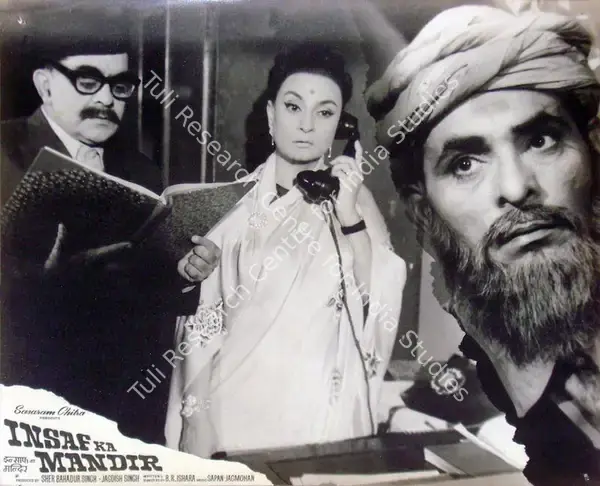
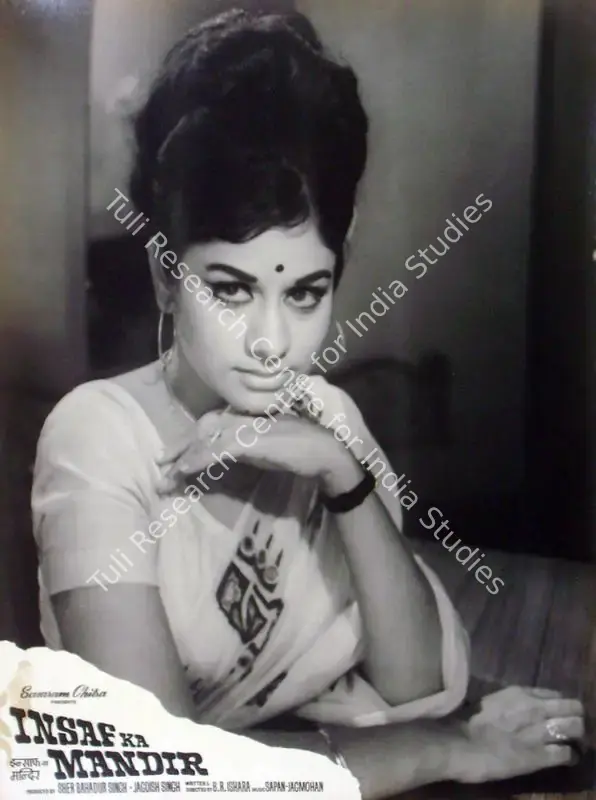
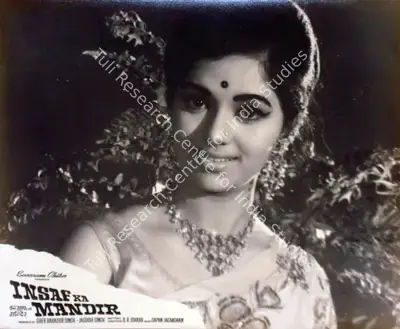
George D'souza (Cinematographer), Insaf Ka Mandir, 1969, Lobby Card
D'souza, George (Cinematographer), Insaf Ka Mandir, 1969 | Lobby Card
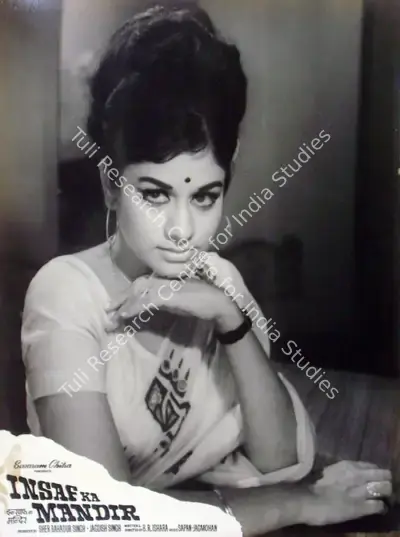
George D'souza (Cinematographer), Insaf Ka Mandir, 1969, Lobby Card
D'souza, George (Cinematographer), Insaf Ka Mandir, 1969 | Lobby Card
George D'souza (Cinematographer), Insaf Ka Mandir, 1969, Lobby Card
D'souza, George (Cinematographer), Insaf Ka Mandir, 1969 | Lobby Card
George D'souza (Cinematographer), Insaf Ka Mandir, 1969, Lobby Card
D'souza, George (Cinematographer), Insaf Ka Mandir, 1969 | Lobby Card
George D'souza (Cinematographer), Insaf Ka Mandir, 1969, Lobby Card
D'souza, George (Cinematographer), Insaf Ka Mandir, 1969 | Lobby Card
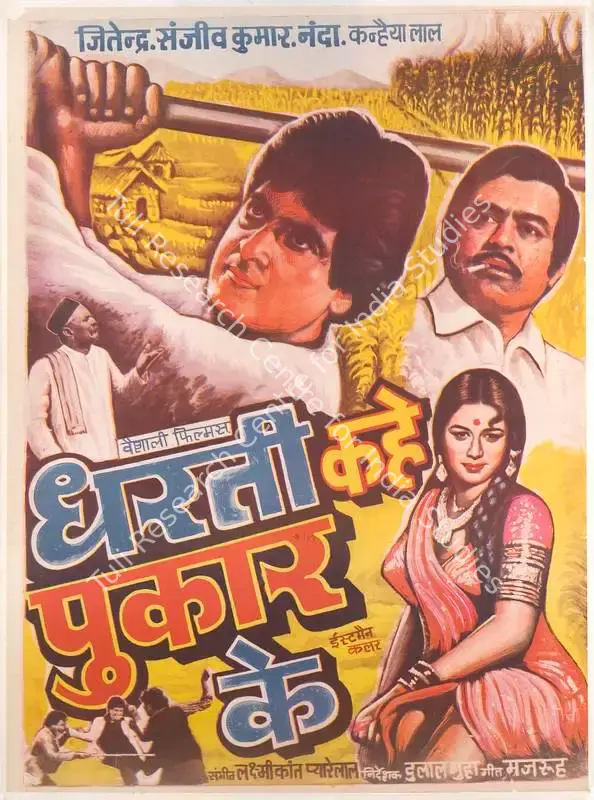
Deenanath Shastri (Producer), Dharti Kahe Pukar Ke, 1969, Full Sheet Poster
Shastri, Deenanath (Producer), Dharti Kahe Pukar Ke, 1969 | Full Sheet Poster
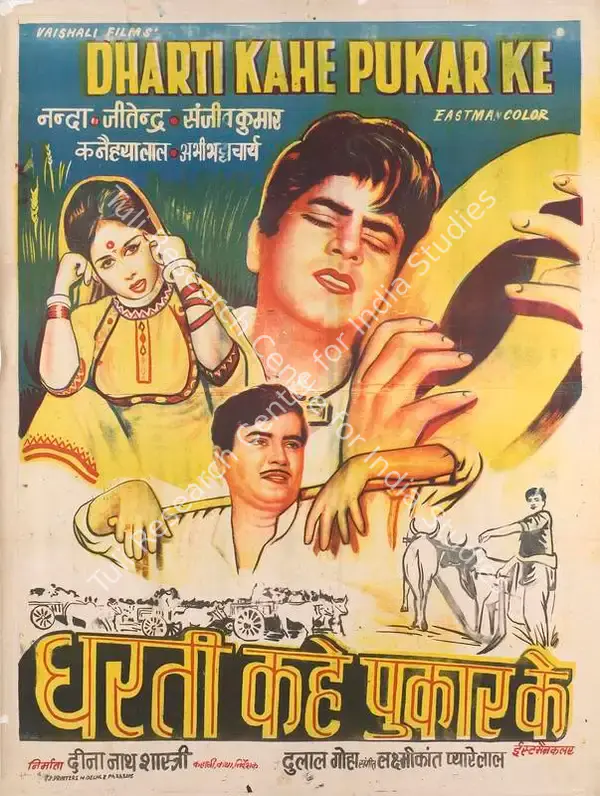
Deenanath Shastri (Producer), Dharti Kahe Pukar Ke, 1969, Full Sheet Poster
Shastri, Deenanath (Producer), Dharti Kahe Pukar Ke, 1969 | Full Sheet Poster
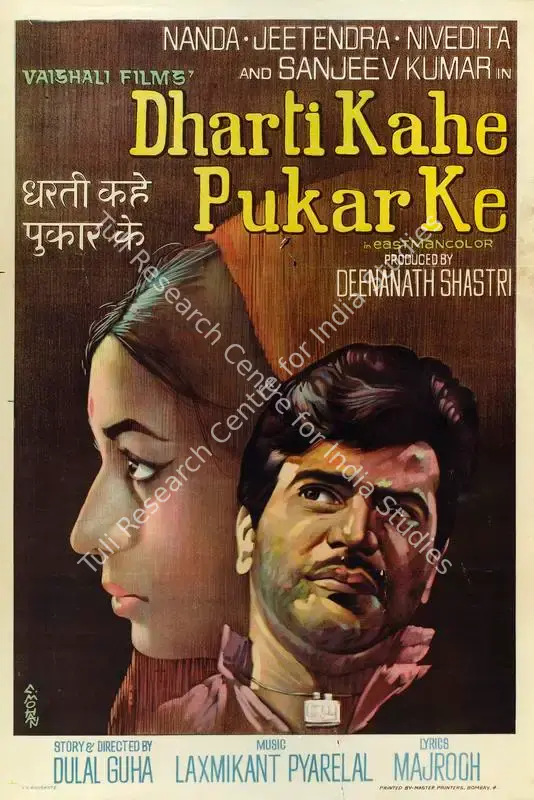
C. Mohan (Designer), Dharti Kahe Pukar Ke, 1969, Half Sheet Poster
Mohan, C. (Designer), Dharti Kahe Pukar Ke, 1969 | Half Sheet Poster
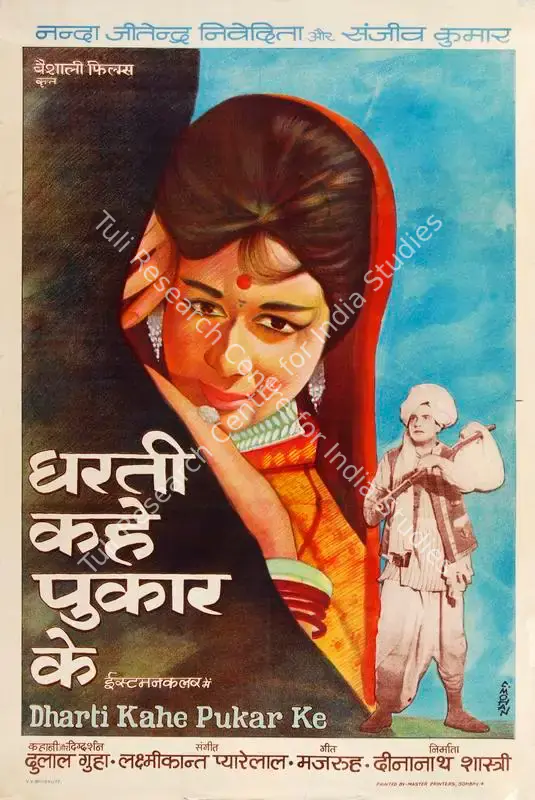
C. Mohan (Designer), Dharti Kahe Pukar Ke, 1969, Half Sheet Poster
Mohan, C. (Designer), Dharti Kahe Pukar Ke, 1969 | Half Sheet Poster
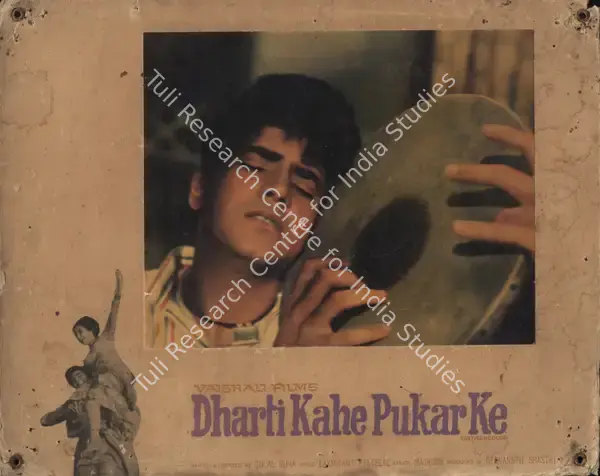
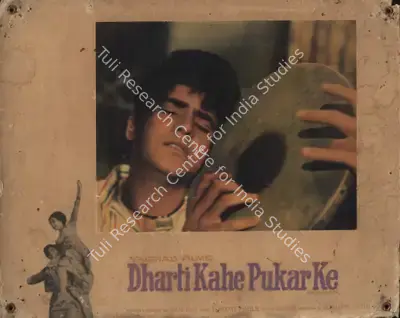
M. Rajaram (ii) (Cinematographer), Dharti Kahe Pukar Ke, 1969, Photographic Still Mounted on Lobby Card
Rajaram (ii), M. (Cinematographer), Dharti Kahe Pukar Ke, 1969 | Photographic Still Mounted on Lobby Card
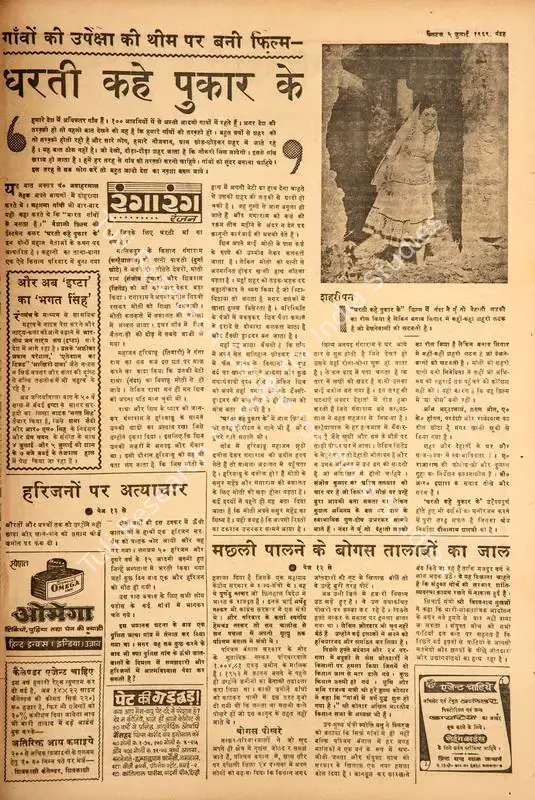
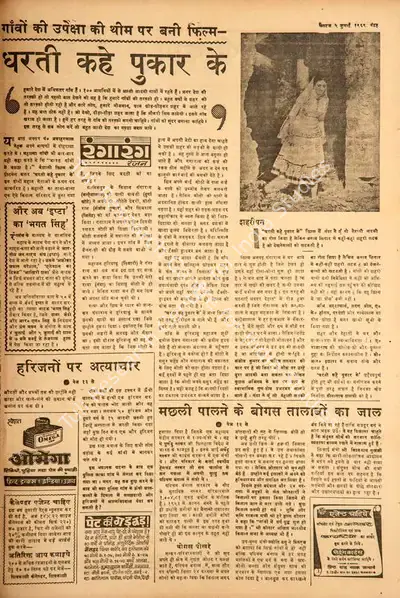
Ranjan (Columnist), Dharti Kahe Pukar Ke, 1969, Film Review
Ranjan (Columnist). Dharti Kahe Pukar Ke. In Blitz. 05 July 1969 | Film Review | 00144533
M. Rajaram (ii) (Cinematographer), Mere Humsafar, 1970, Photographic Still
Rajaram (ii), M. (Cinematographer), Mere Humsafar, 1970 | Photographic Still
20 of 146
Ranjan (Columnist), Dharti Kahe Pukar Ke, 1969, Film Review
Ranjan (Columnist). Dharti Kahe Pukar Ke. In Blitz. 05 July 1969 | Film Review | 00144533
Khaas Baat, 1973, Column
Khaas Baat. In Sunday. 09 September 1973 | Column | 00802295
Khaas Baat, 1973, Column
Khaas Baat. In Sunday. 08 July 1973 | Column | 00802279
Khaas Baat, 1973, Column
Khaas Baat. In Sunday. 06 May 1973 | Column | 00802262
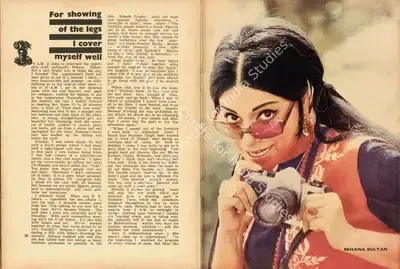
N. Bharathi (Interviewer), For showing of the legs I cover myself well, 1973, Conversation
Bharathi, N. (Interviewer). For showing of the legs I cover myself well. In Sunday. 13 May 1973 | Conversation | 00802263
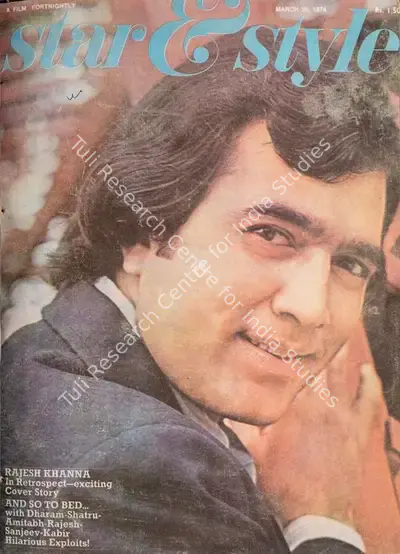
Gulshan Ewing (Editor), Star & Style, 1974, Magazine
Ewing, Gulshan (Editor). Star & Style, 29 March 1974 | Magazine | 00808578
Gulshan Ewing (Editor), Star & Style, 1974, Magazine
Ewing, Gulshan (Editor). Star & Style, 29 March 1974 | Magazine | 00808578
Khaas Baat, 1974, Column
Khaas Baat. In Sunday. 2(24). 25 August 1974 | Column | 00802339
Khaas Baat, 1974, Column
Khaas Baat. In Sunday. 06 January 1974 | Column | 00802315
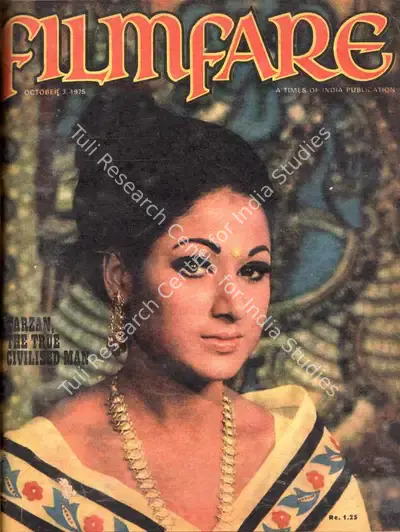
B.K. Karanjia (Editor), Filmfare, 1975, Magazine
Karanjia, B.K. (Editor). Filmfare, 03 October 1975 | Magazine | 00793563
Subrata Mitra (Cinematographer), Teesri Kasam, 1966, Photographic Still
Mitra, Subrata (Cinematographer), Teesri Kasam, 1966 | Photographic Still
Subrata Mitra (Cinematographer), Teesri Kasam, 1966, Photographic Still
Mitra, Subrata (Cinematographer), Teesri Kasam, 1966 | Photographic Still
Jagdish Singh (Producer), Insaf Ka Mandir, 1969, Song-Synopsis Booklet
Singh, Jagdish (Producer), Insaf Ka Mandir, 1969 | Song-Synopsis Booklet
Deenanath Shastri (Producer), Dharti Kahe Pukar Ke, 1969, Song-Synopsis Booklet
Shastri, Deenanath (Producer), Dharti Kahe Pukar Ke, 1969 | Song-Synopsis Booklet
Jagdish Singh (Producer), Insaf Ka Mandir, 1969, Glass Slide
Singh, Jagdish (Producer), Insaf Ka Mandir, 1969 | Glass Slide
Jagdish Singh (Producer), Insaf Ka Mandir, 1969, Glass Slide
Singh, Jagdish (Producer), Insaf Ka Mandir, 1969 | Glass Slide
George D'souza (Cinematographer), Insaf Ka Mandir, 1969, Lobby Card
D'souza, George (Cinematographer), Insaf Ka Mandir, 1969 | Lobby Card
George D'souza (Cinematographer), Insaf Ka Mandir, 1969, Lobby Card
D'souza, George (Cinematographer), Insaf Ka Mandir, 1969 | Lobby Card
George D'souza (Cinematographer), Insaf Ka Mandir, 1969, Lobby Card
D'souza, George (Cinematographer), Insaf Ka Mandir, 1969 | Lobby Card
George D'souza (Cinematographer), Insaf Ka Mandir, 1969, Lobby Card
D'souza, George (Cinematographer), Insaf Ka Mandir, 1969 | Lobby Card
George D'souza (Cinematographer), Insaf Ka Mandir, 1969, Lobby Card
D'souza, George (Cinematographer), Insaf Ka Mandir, 1969 | Lobby Card
George D'souza (Cinematographer), Insaf Ka Mandir, 1969, Lobby Card
D'souza, George (Cinematographer), Insaf Ka Mandir, 1969 | Lobby Card
George D'souza (Cinematographer), Insaf Ka Mandir, 1969, Lobby Card
D'souza, George (Cinematographer), Insaf Ka Mandir, 1969 | Lobby Card
Deenanath Shastri (Producer), Dharti Kahe Pukar Ke, 1969, Full Sheet Poster
Shastri, Deenanath (Producer), Dharti Kahe Pukar Ke, 1969 | Full Sheet Poster
Deenanath Shastri (Producer), Dharti Kahe Pukar Ke, 1969, Full Sheet Poster
Shastri, Deenanath (Producer), Dharti Kahe Pukar Ke, 1969 | Full Sheet Poster
C. Mohan (Designer), Dharti Kahe Pukar Ke, 1969, Half Sheet Poster
Mohan, C. (Designer), Dharti Kahe Pukar Ke, 1969 | Half Sheet Poster
C. Mohan (Designer), Dharti Kahe Pukar Ke, 1969, Half Sheet Poster
Mohan, C. (Designer), Dharti Kahe Pukar Ke, 1969 | Half Sheet Poster
M. Rajaram (ii) (Cinematographer), Dharti Kahe Pukar Ke, 1969, Photographic Still Mounted on Lobby Card
Rajaram (ii), M. (Cinematographer), Dharti Kahe Pukar Ke, 1969 | Photographic Still Mounted on Lobby Card
M. Rajaram (ii) (Cinematographer), Mere Humsafar, 1970, Photographic Still
Rajaram (ii), M. (Cinematographer), Mere Humsafar, 1970 | Photographic Still
M. Rajaram (ii) (Cinematographer), Mere Humsafar, 1970, Photographic Still
Rajaram (ii), M. (Cinematographer), Mere Humsafar, 1970 | Photographic Still
20 of 136
I.M. Kunnu (Producer), Chetna, 1970, Song-Synopsis Booklet
Kunnu, I.M. (Producer), Chetna, 1970 | Song-Synopsis Booklet
Tuli Research Centre for India Studies

Tuli Research Centre

for India Studies

A free and open knowledge base for the modern and contemporary Indian arts, cinema, photography and cultural heritage.

Support

Contact Us

Discover

Tuli Research Centre for India StudiesVisionManifestoArchive & LibraryVanraja Sanctuary & Hospice

Legal

Privacy PolicyTerms & Conditions

Follow us

Youtube

Youtube

Instagram

Instagram

Facebook

Facebook

© Tuli Research Centre for India Studies 2026

Tuli Research Centre for India Studies

Tuli Research Centre

for India Studies

A free and open knowledge base for the modern and contemporary Indian arts, cinema, photography and cultural heritage.

Tuli Research Centre for India StudiesVisionManifestoArchive & LibraryVanraja Sanctuary & Hospice
Contact Us
Privacy PolicyTerms & Conditions

Follow us

YoutubeInstagramFacebook

© Tuli Research Centre for India Studies 2026

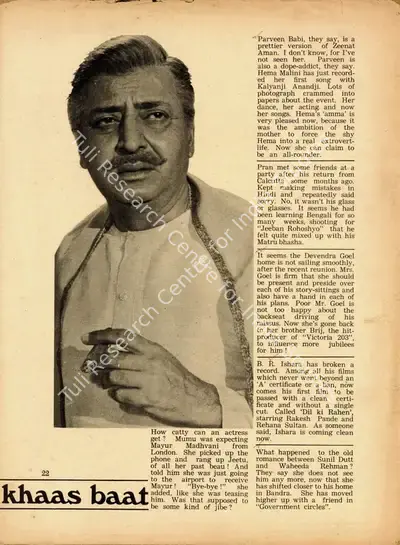
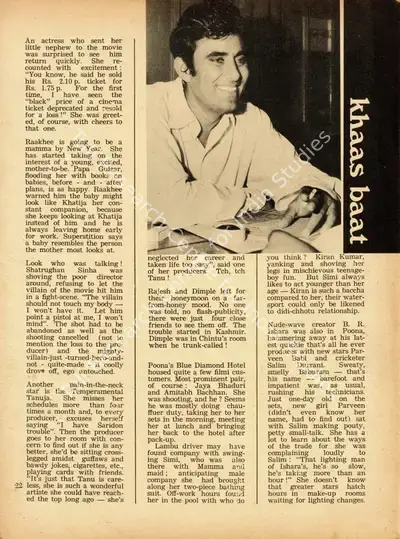
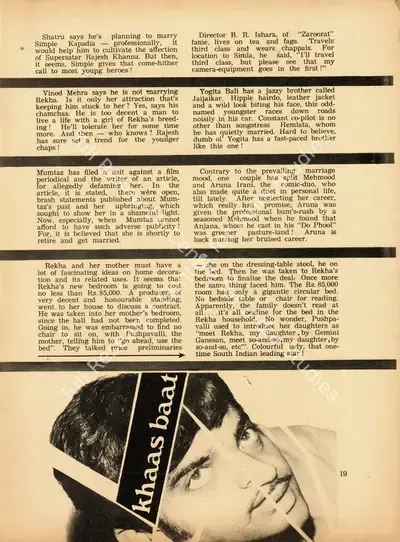
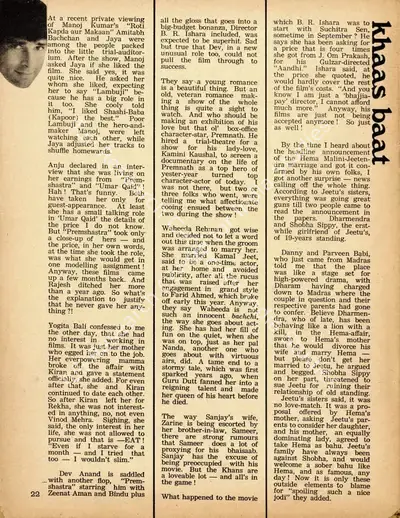
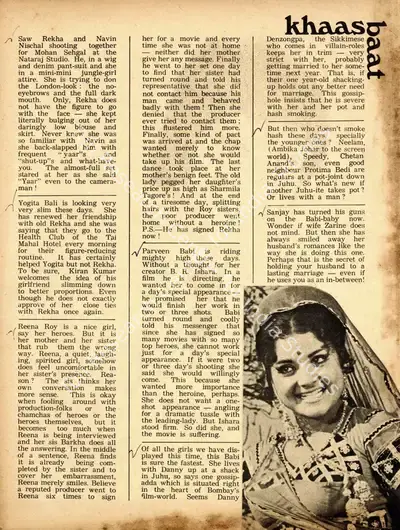
                          Khaas Baat. In Sunday. p. 22. Calcutta: Ananda Bazar Patrika, 09 September 1973 | Column | CinemaEducation | 00802295
                          TitleKhaas Baat
                          Document TypeColumn
                          PublisherAnanda Bazar Patrika
                          Date of Publication09 September 1973
                          Pagesp. 22
                          LanguageEnglish
                          Keywordsparveen-babi | jeetendra | zeenat-aman | hema-malini | pran | devendra-goel | b-r-ishara | rakesh-pande | rehana-sultan | sunil-dutt | waheeda-rehman | essays-write-ups | book-ess | library

                          Research Categories

                          1_CinemaEducation
                          Source
                          magazine-sarkar-sunday-09-september-1973-24

                          Related Links7

                          Masterlist5
                          Zeenat AmanHema MaliniSunil DuttWaheeda RehmanEssays Write Ups
                          Research Categories
                          01Cinema as a Critical Educational Resource
                          Object
                          Magazine Sarkar Sunday 09 September 1973 24