B.R. Ishara
Babu Ram Ishara (born Roshan Lal Sharma on 7 September 1934) He was a pioneering Indian filmmaker whose bold and unconventional cinema challenged the moral and aesthetic conventions of Hindi films during the 1970s and 1980s. Known professionally as B.R. Ishara, he directed nearly thirty-five films between 1964 and 1996 and became particularly recognised for his socially provocative narratives, psychological realism, and willingness to address taboo subjects rarely explored in mainstream Indian cinema. His notable works included Chetna (1970), Log Kya Kahenge (1982), Milap (1972), Man Jaiye (1972), Ghar Ki Laaj (1979), Woh Phir Aayegi (1988), and Sautela Bhai (1996).
Born in Bharwain near Chintpurni in Himachal Pradesh, Ishara grew up amid financial hardship and developed a deep fascination with cinema from an early age. Rejecting conventional expectations, he ran away from home as a teenager and travelled to Mumbai in pursuit of a filmmaking career. Without any formal film education, he struggled through years of economic uncertainty before establishing himself in the Hindi film industry. His journey from poverty to prominence reflected the determination and rebellious spirit that later characterised his cinema.
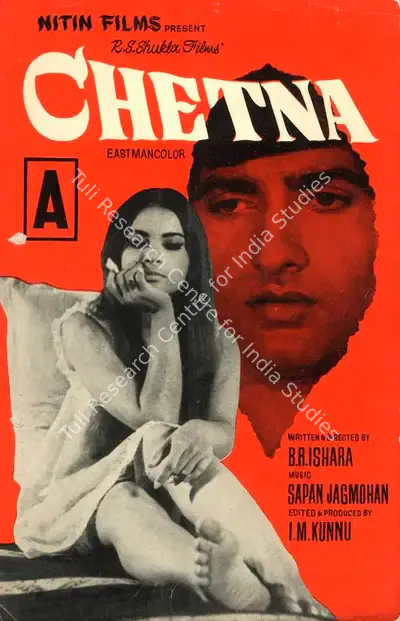
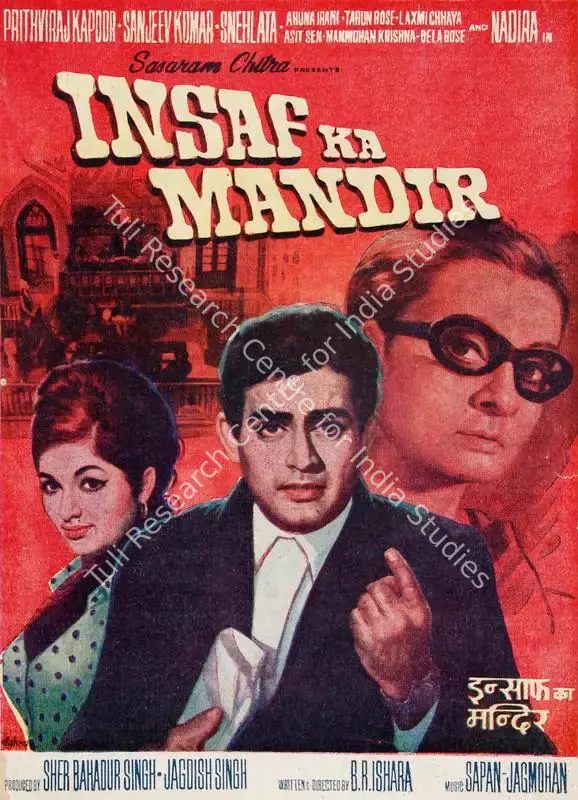
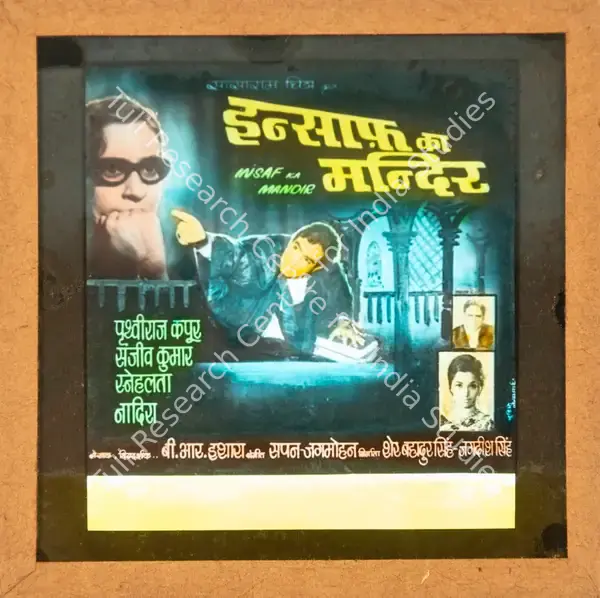
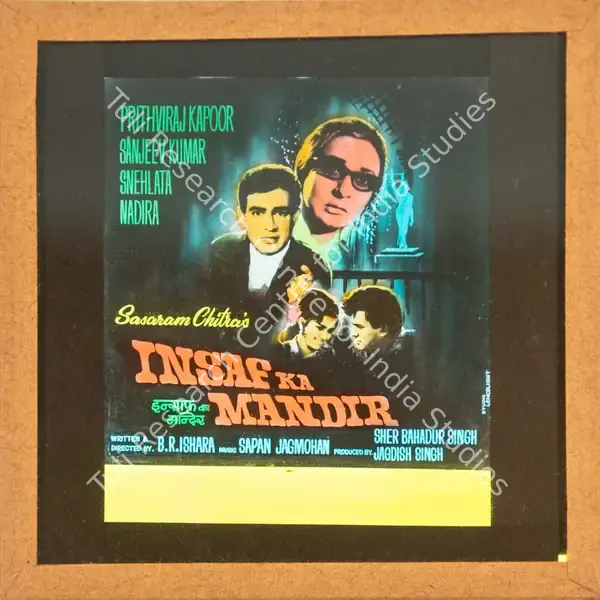
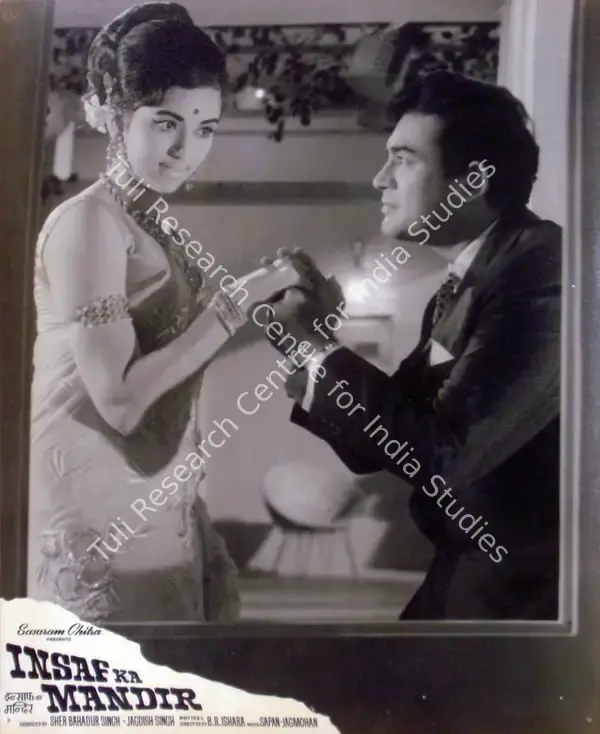
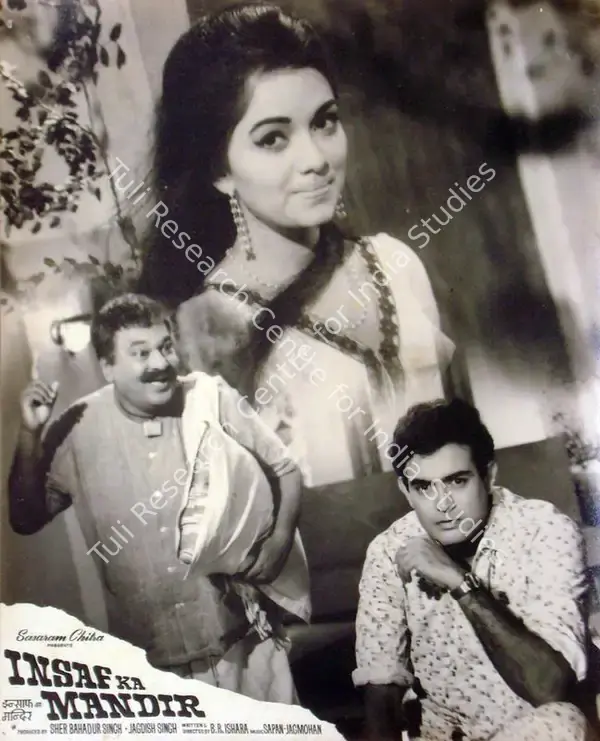
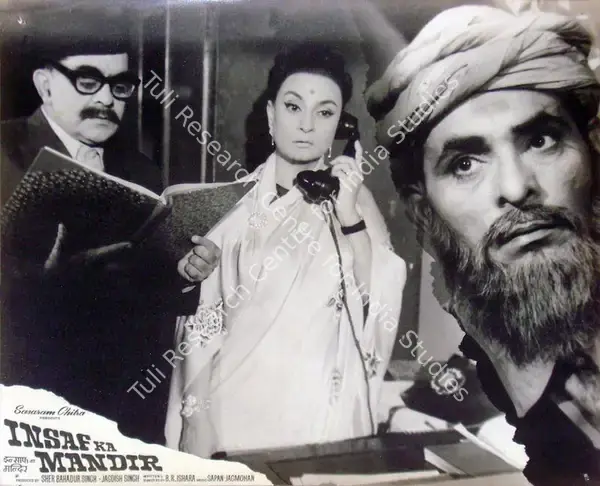
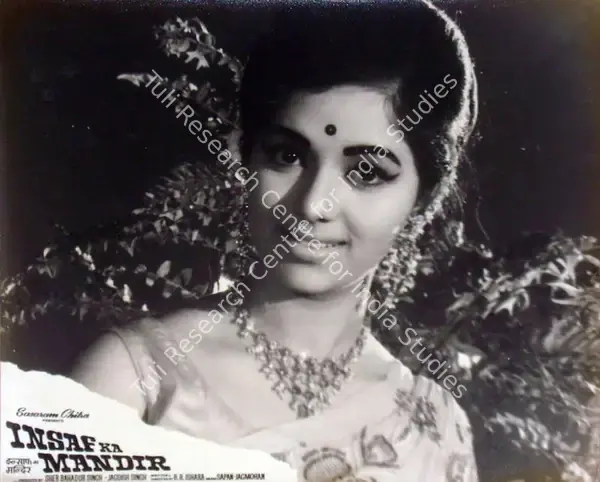
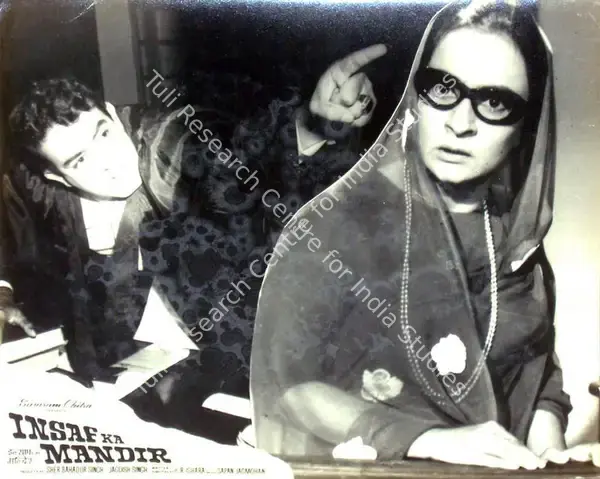
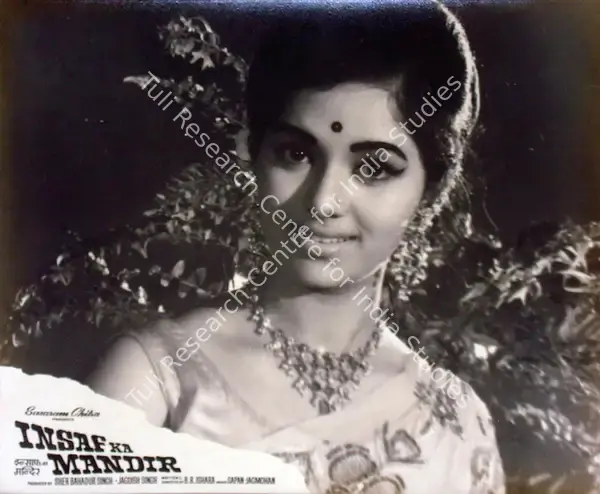
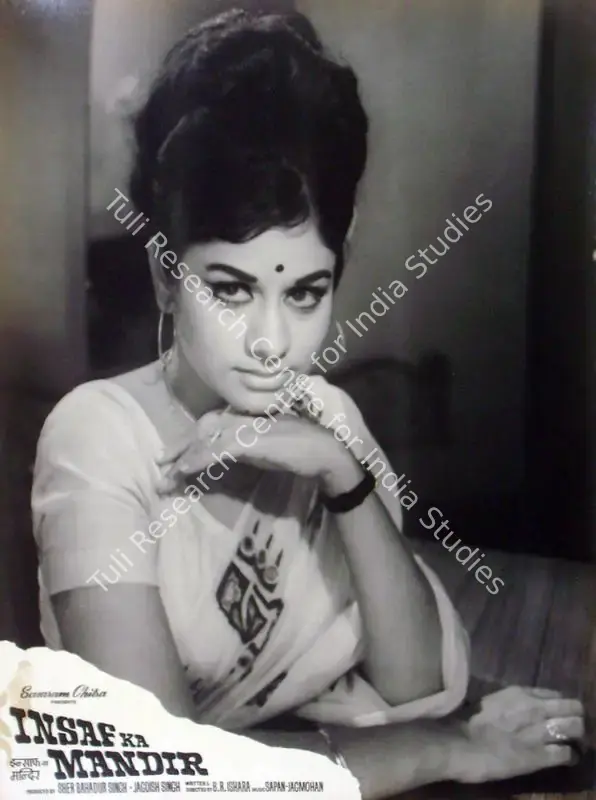
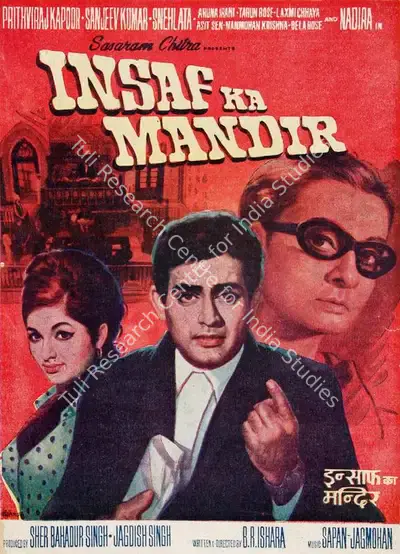
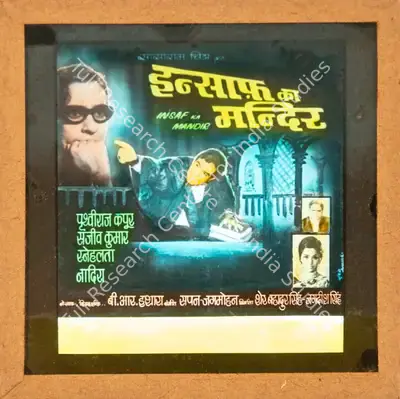
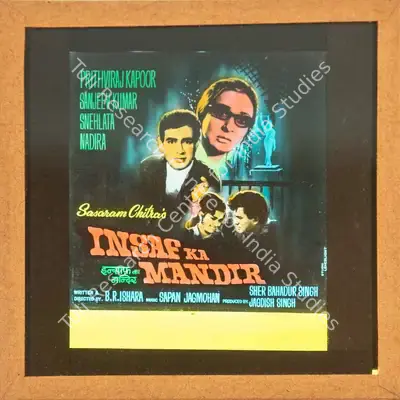
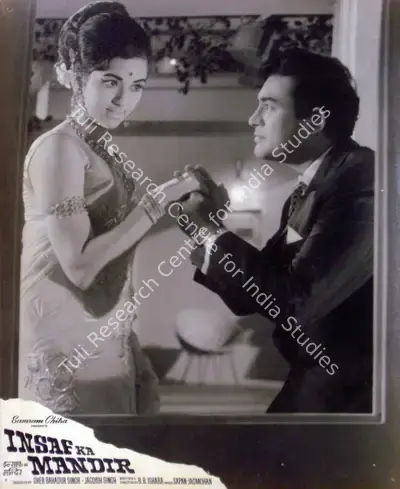
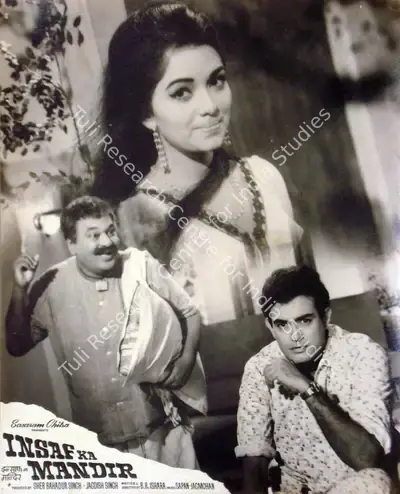
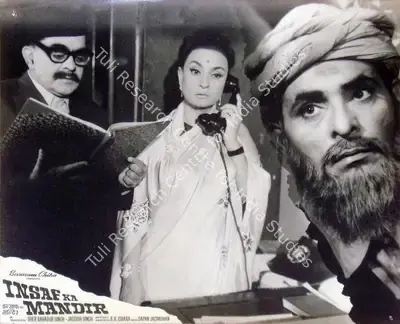
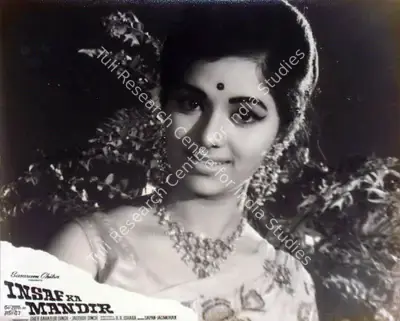
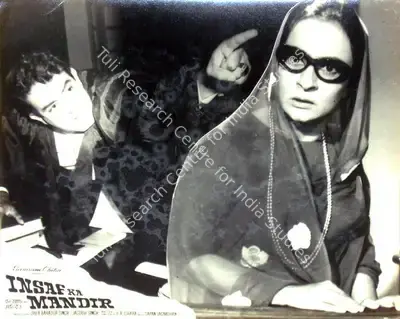
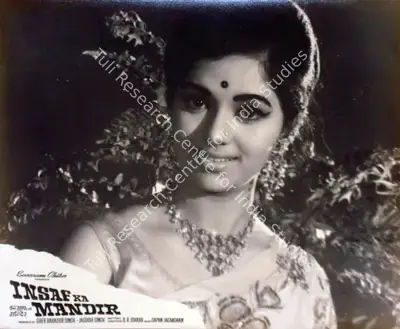
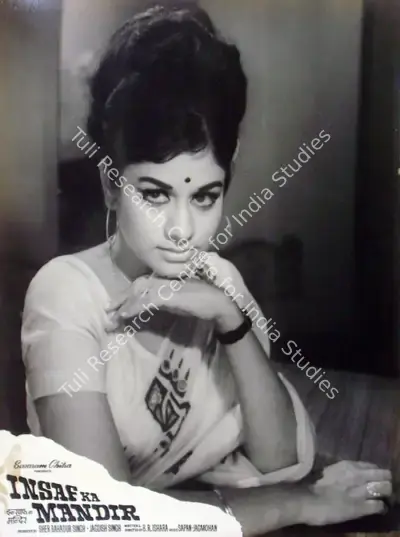
Ishara made his directorial debut with Awara Badal (1964) and gained wider recognition with Insaaf Ka Mandir (1969), starring Tarun Bose and Aruna Irani. However, it was Chetna (1970) that established him as one of the most daring filmmakers of his generation. The film explored the life of a call girl with unusual psychological sensitivity and realism, departing sharply from the melodramatic conventions of mainstream Hindi cinema. Despite censorship objections and demands for cuts, the film achieved considerable commercial success and became a landmark in socially conscious filmmaking.
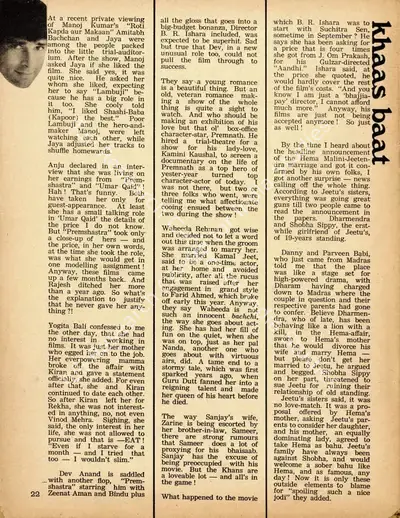
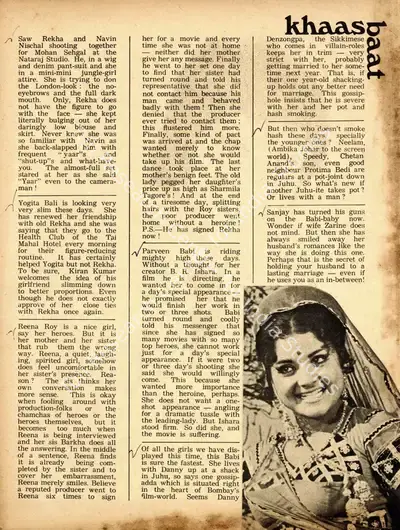
Throughout his career, Ishara became known for introducing and nurturing new talent. He brought celebrated cricketer Salim Durrani into cinema with Charitra (1973), which also introduced actress Parveen Babi and music composer Bappi Lahiri to Hindi film audiences. He similarly provided early opportunities to actors such as Danny Denzongpa, Rakesh Pandey, Vijay Arora, Jaya Bachchan, Amitabh Bachchan, Reena Roy, Shatrughan Sinha, Raj Kiran, and Raza Murad.
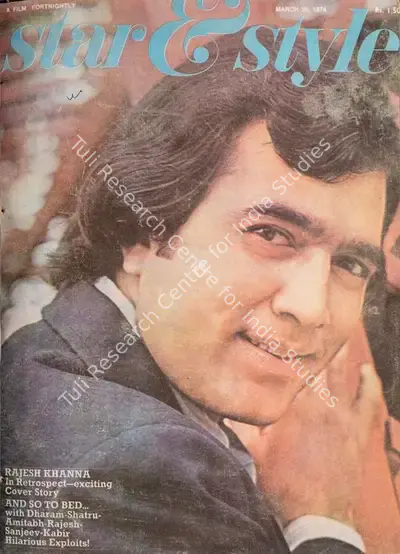
His filmography reflected remarkable thematic diversity. Important works included Man Jaiye (1972), Zaroorat (1972), Bazaar Band Karo (1974), Rahu Ketu (1978), and Sautela Bhai (1996). His supernatural thriller Woh Phir Aayegi (1988), starring Rajesh Khanna, emerged as a silver jubilee success, while Sautela Bhai received critical acclaim for its emotional depth and storytelling.
Ishara frequently clashed with the Central Board of Film Certification because of his candid treatment of sexuality, social hypocrisy, and violence. He openly criticised what he perceived as the board's unequal treatment of independent filmmakers in comparison with major commercial producers. Films such as Zaroorat (1972), centred on the trauma of a rape survivor, faced prolonged censorship delays due to their progressive themes. Chetna (1970) also attracted objections for scenes involving alcohol and female sexuality, though Ishara defiantly transformed censored material into provocative publicity imagery. His controversial body of work indirectly contributed to stricter censorship guidelines introduced by the Indian government in 1979.
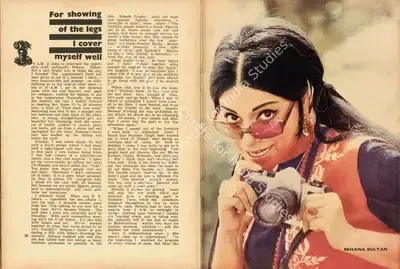
In 1984, Ishara married actress Rehana Sultan, who herself had become associated with socially unconventional cinema. He died from tuberculosis on 24 July 2012 at Criticare Hospital in Mumbai at the age of 77. Today, B.R. Ishara is remembered as a fearless filmmaker who expanded the thematic boundaries of Hindi cinema and challenged prevailing notions of morality, censorship, and cinematic realism.
Born in Bharwain near Chintpurni in Himachal Pradesh, Ishara grew up amid financial hardship and developed a deep fascination with cinema from an early age. Rejecting conventional expectations, he ran away from home as a teenager and travelled to Mumbai in pursuit of a filmmaking career. Without any formal film education, he struggled through years of economic uncertainty before establishing himself in the Hindi film industry. His journey from poverty to prominence reflected the determination and rebellious spirit that later characterised his cinema.
Ishara made his directorial debut with Awara Badal (1964) and gained wider recognition with Insaaf Ka Mandir (1969), starring Tarun Bose and Aruna Irani. However, it was Chetna (1970) that established him as one of the most daring filmmakers of his generation. The film explored the life of a call girl with unusual psychological sensitivity and realism, departing sharply from the melodramatic conventions of mainstream Hindi cinema. Despite censorship objections and demands for cuts, the film achieved considerable commercial success and became a landmark in socially conscious filmmaking.
Throughout his career, Ishara became known for introducing and nurturing new talent. He brought celebrated cricketer Salim Durrani into cinema with Charitra (1973), which also introduced actress Parveen Babi and music composer Bappi Lahiri to Hindi film audiences. He similarly provided early opportunities to actors such as Danny Denzongpa, Rakesh Pandey, Vijay Arora, Jaya Bachchan, Amitabh Bachchan, Reena Roy, Shatrughan Sinha, Raj Kiran, and Raza Murad.
His filmography reflected remarkable thematic diversity. Important works included Man Jaiye (1972), Zaroorat (1972), Bazaar Band Karo (1974), Rahu Ketu (1978), and Sautela Bhai (1996). His supernatural thriller Woh Phir Aayegi (1988), starring Rajesh Khanna, emerged as a silver jubilee success, while Sautela Bhai received critical acclaim for its emotional depth and storytelling.
Ishara frequently clashed with the Central Board of Film Certification because of his candid treatment of sexuality, social hypocrisy, and violence. He openly criticised what he perceived as the board's unequal treatment of independent filmmakers in comparison with major commercial producers. Films such as Zaroorat (1972), centred on the trauma of a rape survivor, faced prolonged censorship delays due to their progressive themes. Chetna (1970) also attracted objections for scenes involving alcohol and female sexuality, though Ishara defiantly transformed censored material into provocative publicity imagery. His controversial body of work indirectly contributed to stricter censorship guidelines introduced by the Indian government in 1979.
In 1984, Ishara married actress Rehana Sultan, who herself had become associated with socially unconventional cinema. He died from tuberculosis on 24 July 2012 at Criticare Hospital in Mumbai at the age of 77. Today, B.R. Ishara is remembered as a fearless filmmaker who expanded the thematic boundaries of Hindi cinema and challenged prevailing notions of morality, censorship, and cinematic realism.
The whole holding
Research Centre
20 of 146
20 of 136