Asrani
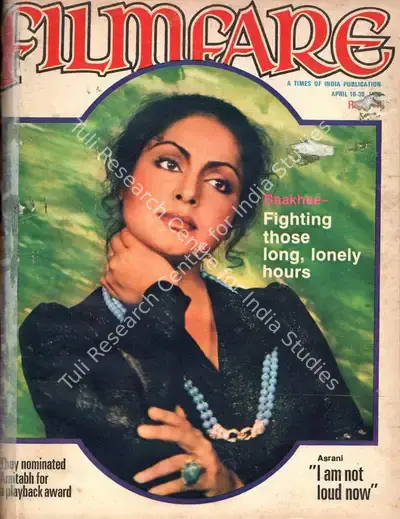
Govardhan Asrani (1 January 1941 – 20 October 2025) Widely known mononymously as Asrani, he was a prolific Indian actor, director, and comedian whose career spanned more than five decades across Hindi and Gujarati cinema. Appearing in over 350 films, he established himself as one of the most recognizable comic performers in Indian film history, while also demonstrating versatility through character and occasional leading roles.
Born into a middle-class Sindhi Hindu family in Jaipur, Asrani pursued his early education at St. Xavier's School and graduated from Rajasthan College. Alongside his studies, he worked as a voice artist at All India Radio in Jaipur, reflecting both financial necessity and an early engagement with performance. His formal training in acting began under Sahitya Kalbhai Thakkar, followed by professional instruction at the Film and Television Institute of India (FTII), Pune, where he studied from 1964 to 1966.
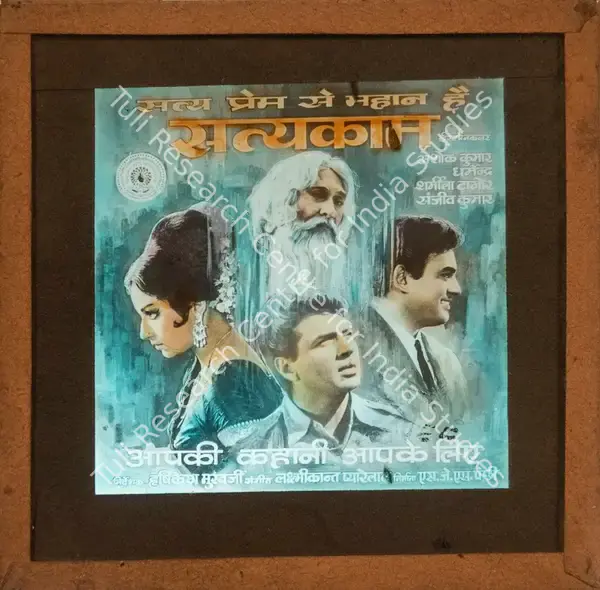
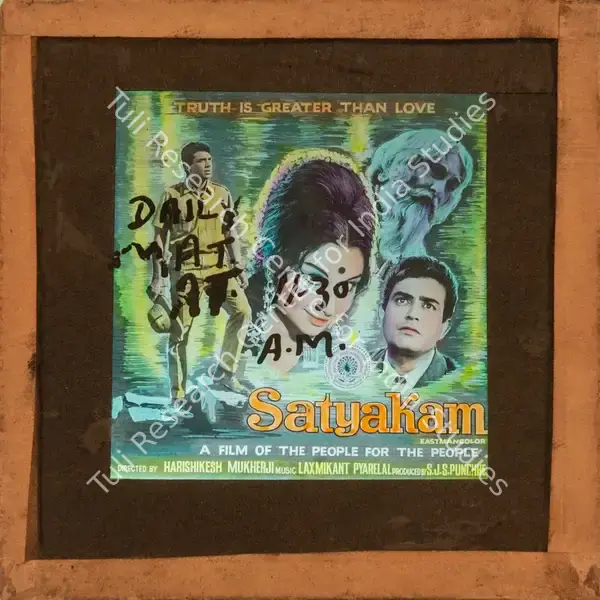
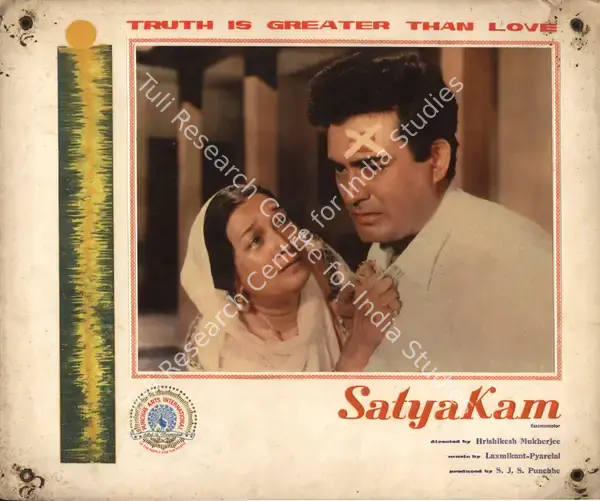
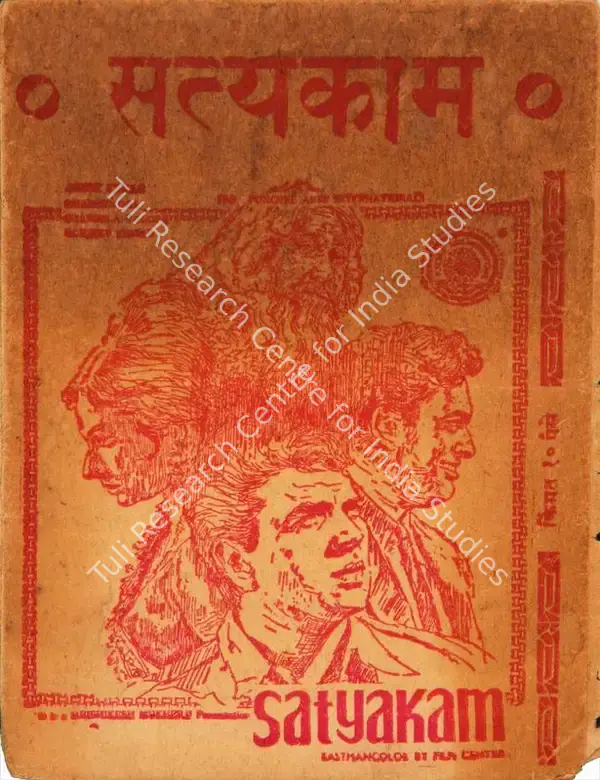
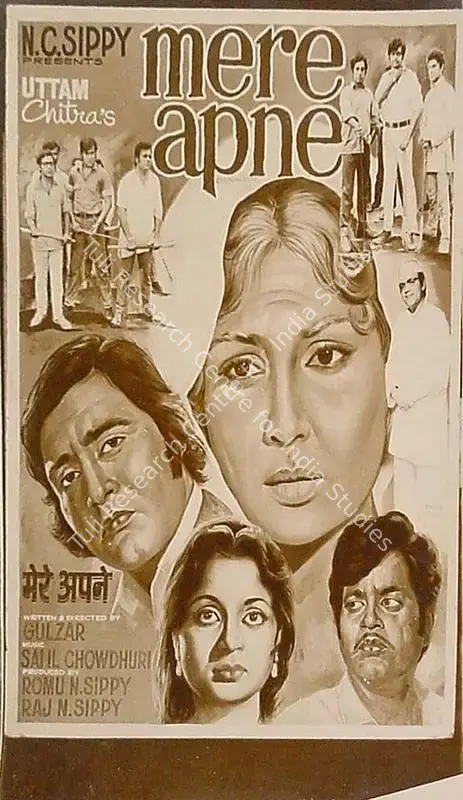
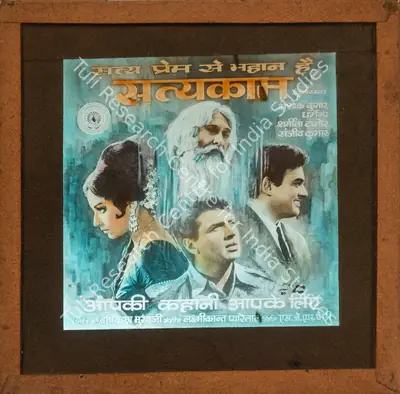
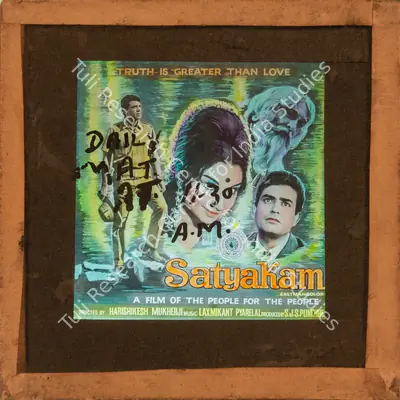
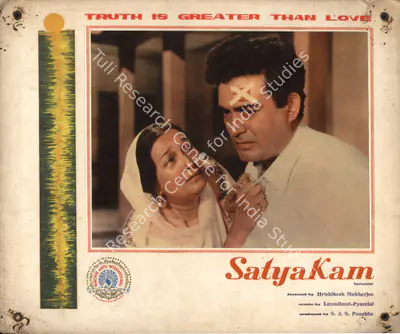
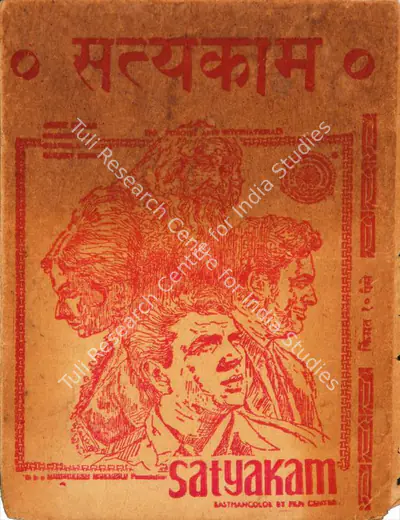
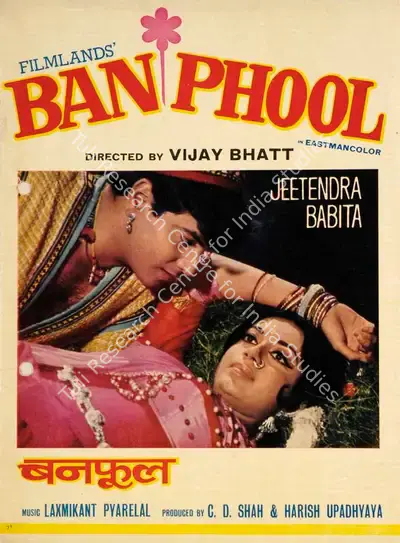
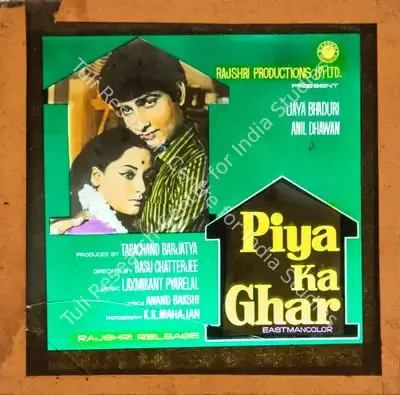
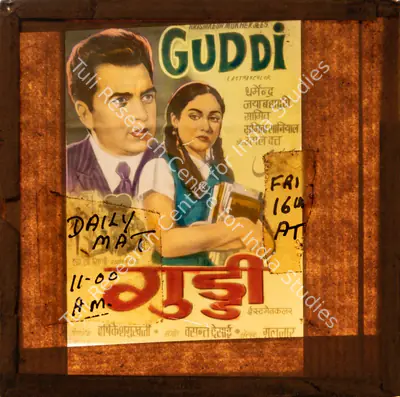
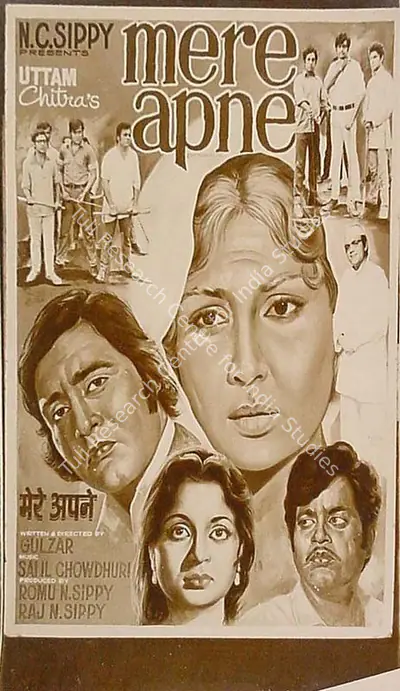
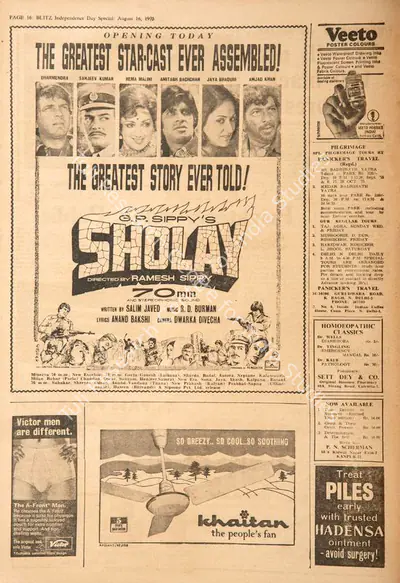
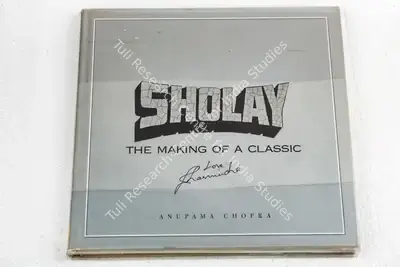
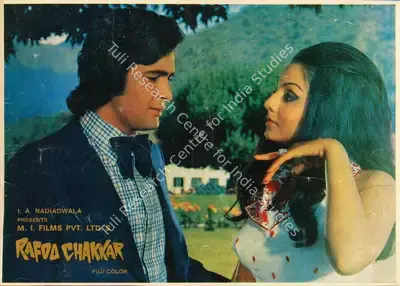
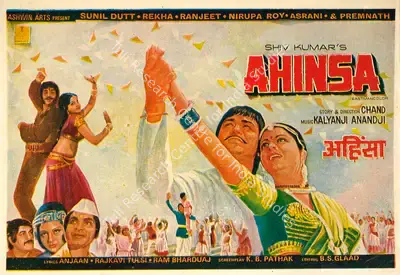
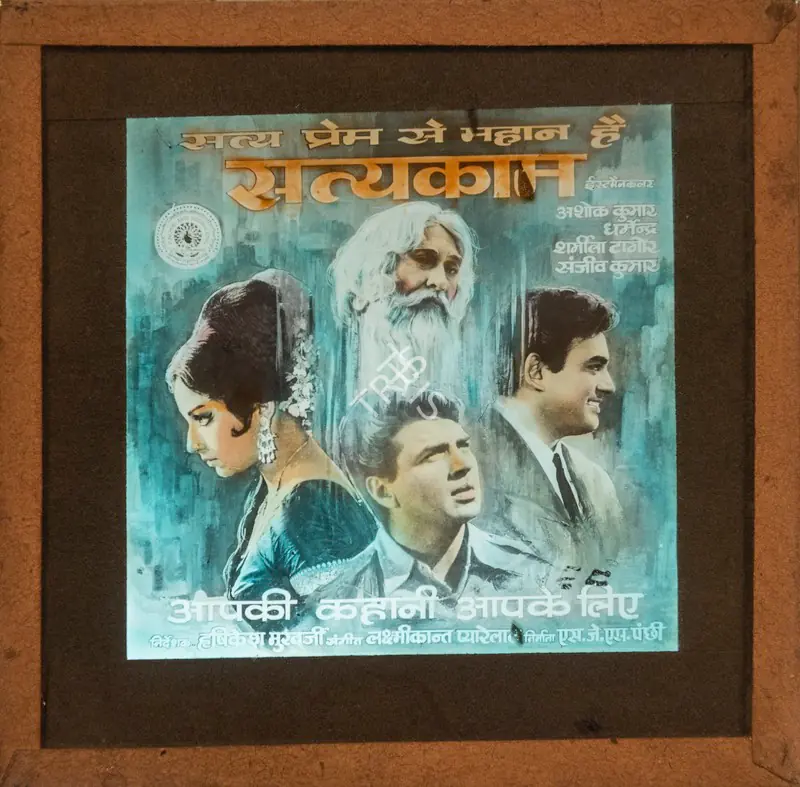
Asrani's early years in Mumbai were marked by struggle, but his breakthrough came gradually with supporting roles in Satyakam (1969) and Mere Apne (1971), the latter bringing him wider recognition. Under the mentorship of filmmakers like Hrishikesh Mukherjee and Gulzar, he developed a distinctive comic persona that combined physical humor with sharp timing. The 1970s marked the peak of his career, during which he appeared in an extraordinary number of films, including Chupke Chupke (1975), Chhoti Si Baat (1976), Rafoo Chakkar (1975), and the iconic Sholay (1975), where his portrayal of a bumbling jailor parodying Adolf Hitler remains one of his most memorable performances.
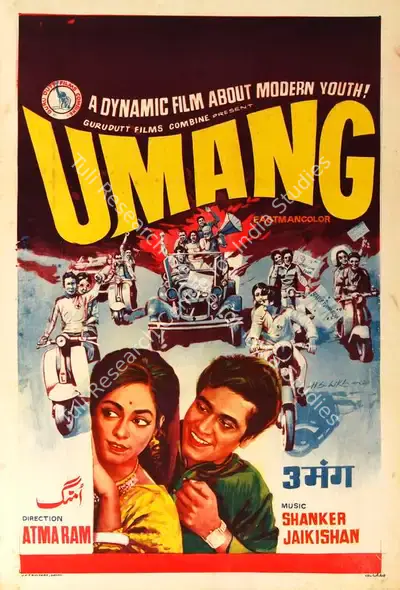
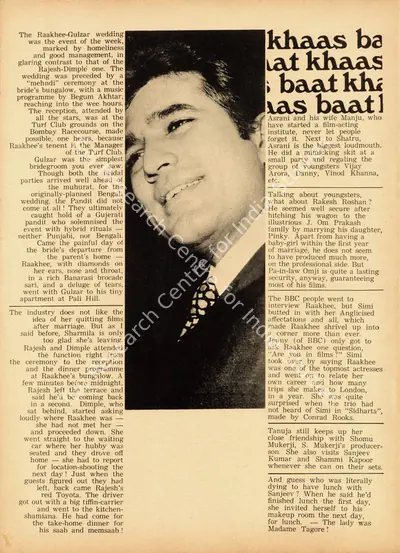
A frequent collaborator and close associate of Rajesh Khanna, Asrani appeared in 25 films alongside the superstar between 1972 and 1991, beginning with Bawarchi (1972) and extending to Ghar Parivaar (1991). His comedic performances in Aaj Ki Taaza Khabar (1973), Balika Badhu (1976), Pati Patni Aur Woh (1978), and Dillagi (1978) earned him critical acclaim, including two Filmfare Award for Best Comedian wins.
In addition to acting, Asrani ventured into direction and production, most notably with Chala Murari Hero Banne (1977), in which he also played the lead. He directed several films between 1974 and 1997 and briefly served in an administrative capacity at FTII from 1988 to 1993. His career extended into the 2000s with appearances in commercially successful comedies such as Hera Pheri (2000), Garam Masala (2005), Dhamaal (2007), and Bhool Bhulaiyaa (2007), often collaborating with filmmaker Priyadarshan.
Asrani's contributions were not confined to Hindi cinema; he was also a prominent figure in Gujarati films, where he played leading roles during the 1970s and 1980s before transitioning to character parts in later years. Despite fluctuations in his career during the 1990s, his enduring presence and adaptability sustained his relevance across generations.
He passed away on 20 October 2025 at Lilavati Hospital in Mumbai due to respiratory complications. Asrani's legacy endures through an extensive body of work that continues to define and influence comic performance in Indian cinema.
जयपुर में एक मध्यमवर्गीय सिंधी हिंदू परिवार में जन्मे असरानी ने सेंट जेवियर स्कूल से प्रारंभिक शिक्षा प्राप्त की और राजस्थान कॉलेज़ से स्नातक की उपाधि प्राप्त की। पढ़ाई के साथ-साथ उन्होंने जयपुर स्थित ऑल इंडिया रेडियो में वॉइस आर्टिस्ट के रूप में काम किया, जो आर्थिक मजबूरी और अभिनय के प्रति उनके शुरुआती लगाव को दर्शाता है। उन्होंने साहित्य कालभाई ठक्कर के मार्गदर्शन में अभिनय का औपचारिक प्रशिक्षण लिया और उसके बाद पुणे स्थित फ़िल्म एंड टेलीविजन इंस्टीट्यूट ऑफ इंडिया (एफटीआईआई) में व्यावसायिक प्रशिक्षण प्राप्त किया, जहाँ उन्होंने 1964 से 1966 तक अध्ययन किया।
मुंबई में असरानी के शुरुआती साल संघर्ष से भरे थे, लेकिन सत्यकाम (1969) और मेरे अपने (1971) जैसी फ़िल्मों में सहायक भूमिकाओं से उन्हें धीरे-धीरे सफलता मिली, जिससे उन्हें व्यापक पहचान मिली। ऋषिकेश मुखर्जी और गुलज़ार जैसे फ़िल्म निर्माताओं के मार्गदर्शन में, उन्होंने एक विशिष्ट हास्य व्यक्तित्व विकसित किया, जिसमें शारीरिक हास्य और सटीक अभिनय का अद्भुत मेल था। 1970 का दशक उनके करियर का शिखर था, इस दौरान उन्होंने बड़ी संख्या में फ़िल्मों में अभिनय किया, जिनमें चुपके चुपके (1975), छोटी सी बात (1976), रफ़ू चक्कर (1975) और प्रतिष्ठित शोले (1975) शामिल हैं, जहां एडॉल्फ़ हिटलर की नकल करते हुए एक अनाड़ी जेलर के रूप में उनका किरदार आज भी उनके सबसे यादगार प्रदर्शनों में से एक है।
राजेश खन्ना के लगातार सहयोगी और करीबी सहयोगी, असरानी 1972 और 1991 के बीच इस सुपरस्टार के साथ 25 फ़िल्मों में दिखाई दिए, जो बावर्ची (1972) से शुरू होकर घर परिवार (1991) तक चली। आज की ताज़ा ख़बर (1973), बालिका बधू (1976), पति पत्नी और वो (1978), और दिल्लगी (1978) में उनके हास्य प्रदर्शन ने उन्हें आलोचनात्मक प्रशंसा अर्जित की, जिसमें सर्वश्रेष्ठ हास्य अभिनेता के लिए दो फ़िल्मफ़ेयर पुरस्कार भी शामिल हैं।
अभिनय के अलावा, असरानी ने निर्देशन और निर्माण के क्षेत्र में भी कदम रखा, विशेष रूप से चला मुरारी हीरो बनने (1977) जिसमें उन्होंने मुख्य भूमिका भी निभाई थी। उन्होंने 1974 से 1997 के बीच कई फ़िल्मों का निर्देशन किया और 1988 से 1993 तक एफटीआईआई में प्रशासनिक पद पर भी कार्य किया। उनका करियर 2000 के दशक तक भी जारी रहा और उन्होंने हेरा फेरी (2000), गरम मसाला (2005), धमाल (2007) और भूल भुलैया (2007) जैसी व्यावसायिक रूप से सफल हास्य फ़िल्मों में अभिनय किया, जिनमें उन्होंने अक्सर फ़िल्म निर्माता प्रियदर्शन के साथ काम किया।
असरानी का योगदान केवल हिंदी सिनेमा तक ही सीमित नहीं था; वे गुजराती फ़िल्मों में भी एक प्रमुख हस्ती थे, जहाँ उन्होंने 1970 और 1980 के दशक में मुख्य भूमिकाएँ निभाईं और बाद के वर्षों में चरित्र भूमिकाओं की ओर रुख़ किया। 1990 के दशक में उनके करियर में उतार-चढ़ाव के बावजूद, उनकी निरंतर उपस्थिति और समय के अनुरूप ढ़लने की क्षमता ने उन्हें पीढ़ियों तक प्रासंगिक बनाए रखा।
सांस संबंधी समस्याओं के कारण 20 अक्टूबर 2025 को मुंबई के लीलावती अस्पताल में उनका निधन हो गया। असरानी की विरासत उनके व्यापक कार्यों के माध्यम से कायम है, जो भारतीय सिनेमा में हास्य अभिनय को परिभाषित और प्रभावित करते रहते हैं।