

Introduction
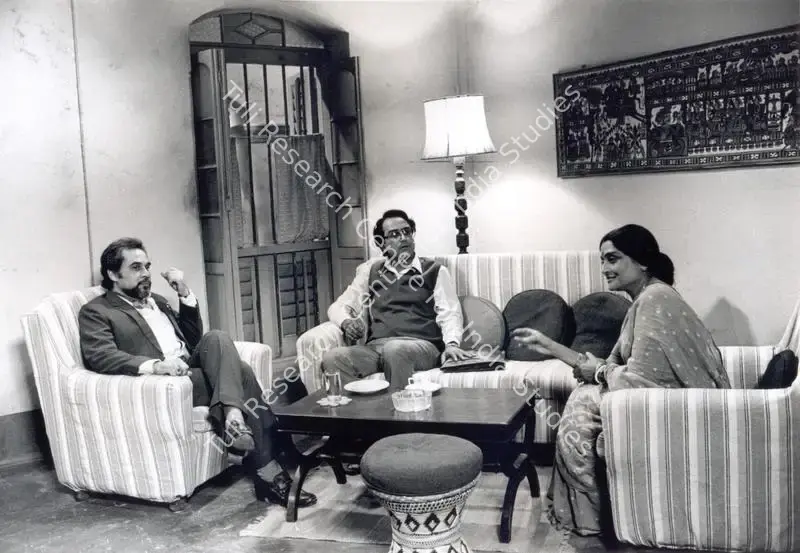
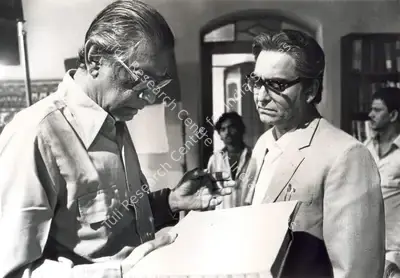
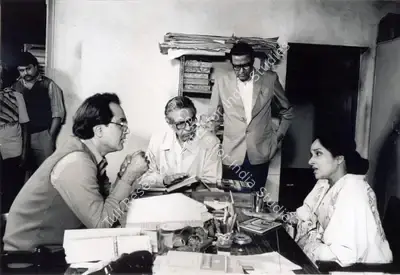
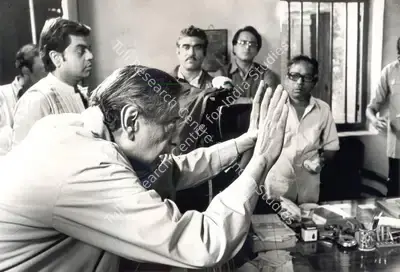
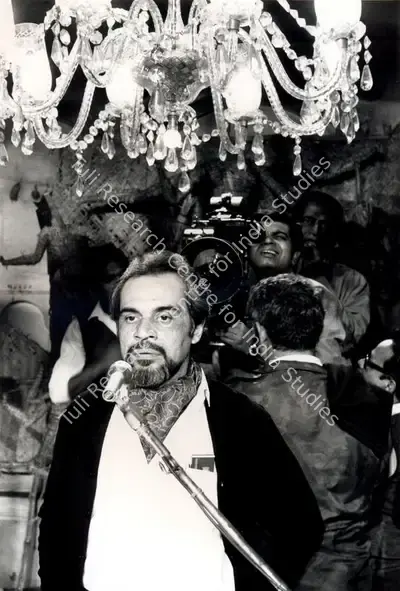
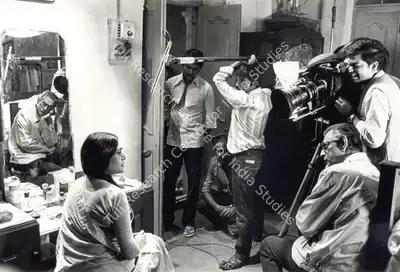
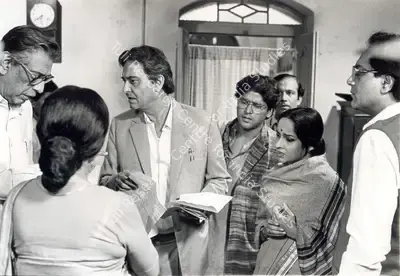
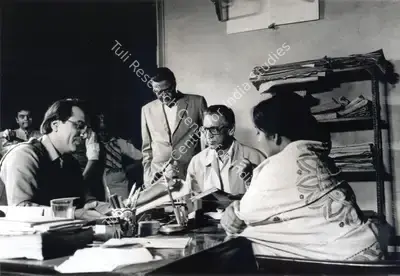
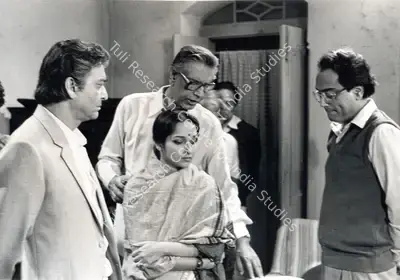
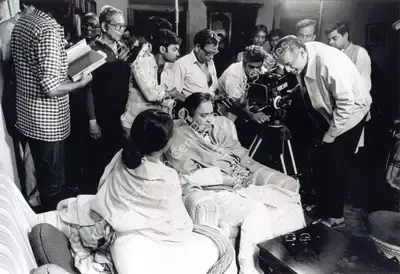
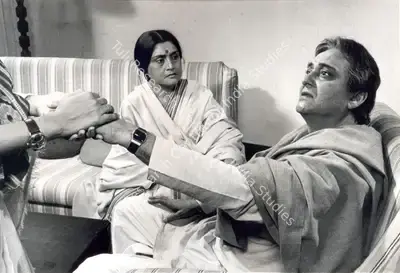
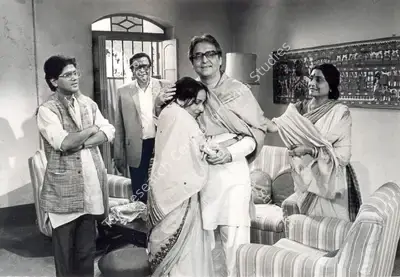
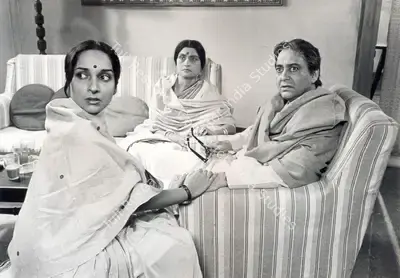
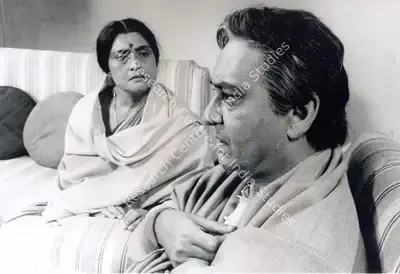
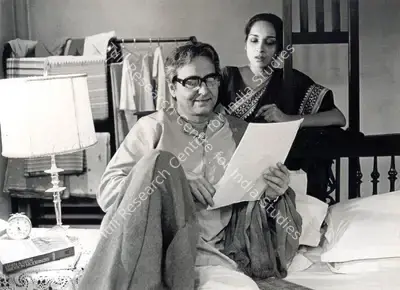
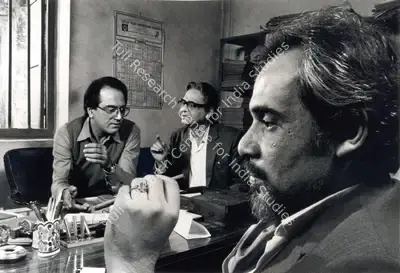
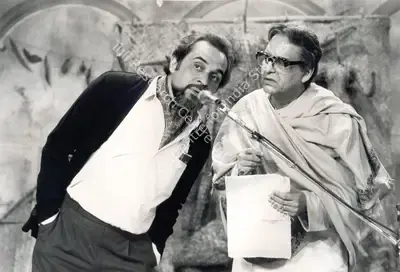
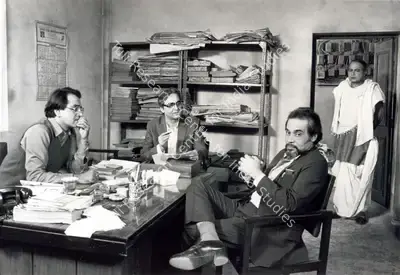
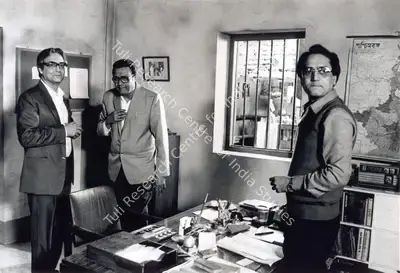
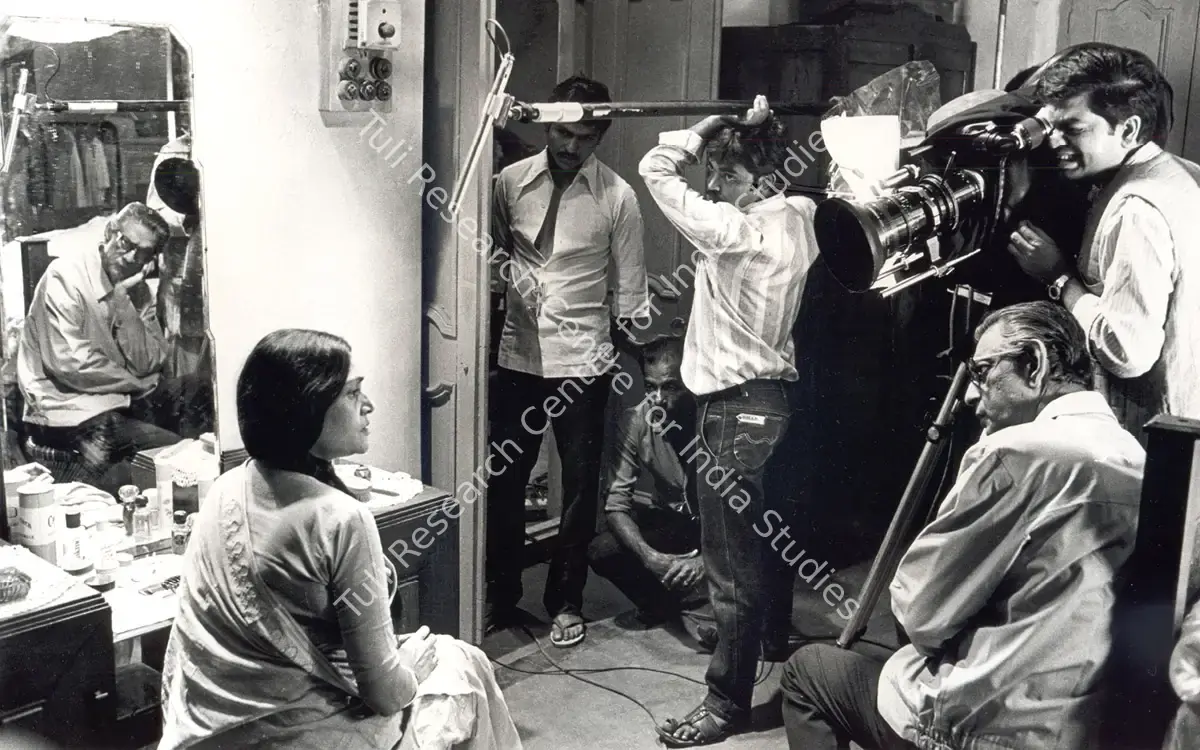
Ganashatru (Enemy of the People/Public Enemy, 1990) Satyajit Ray's Ganashatru, a Bengali adaptation of Henrik Ibsen's seminal 1882 play An Enemy of the People, reimagines the European classic within the layered socio-cultural fabric of contemporary India. Released under its original title in the UK, the film was screened out of competition at the 1989 Cannes Film Festival and garnered the National Film Award for Best Feature Film in Bengali at the 37th National Film Awards.
At the heart of this adaptation lies a stark moral dilemma: the collision between truth and power, science and superstition, individual conscience and collective denial. Ray transposes Ibsen's narrative to a bustling Indian township, economically and spiritually sustained by a revered temple that draws both pilgrims and tourists. When Dr. Ashok Gupta, played with quiet conviction by Ray's long-time collaborator, Soumitra Chatterjee, discovers that the temple's holy water is lethally contaminated, he finds himself at odds with the very community he seeks to protect.
Rather than being hailed as a saviour, Dr. Gupta becomes a pariah. His urgent warnings are met with resistance, suspicion, and ultimately, vilification. The temple's sacred status, intertwined with local pride and economic dependence, renders any challenge to its sanctity heretical. As Gupta's call for public safety threatens to disrupt the town's lucrative spiritual economy, entrenched power structures move swiftly to silence him. Political leaders and religious authorities manipulate public sentiment, weaponise the media, and cast him as a traitor—an enemy of the people.
Ray's interpretation deepens the original play's inquiry into civic responsibility and moral courage by infusing it with distinctly Indian concerns. In an era marked by rising Hindu nationalist fervour, Ganashatru becomes more than a tale of whistleblowing, it emerges as a critique of the ways in which religious orthodoxy can be mobilised to suppress inconvenient truths. The film interrogates the suppression of scientific reasoning in the face of faith, the politicisation of public health, and the perilous consequences when public discourse is hijacked by vested interests.
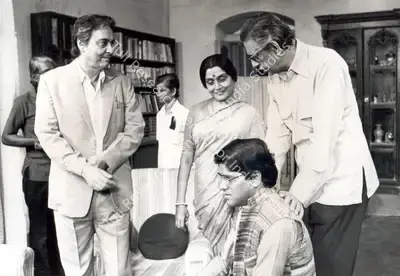
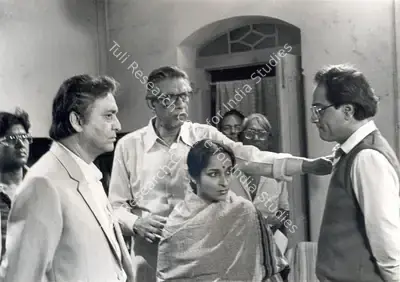
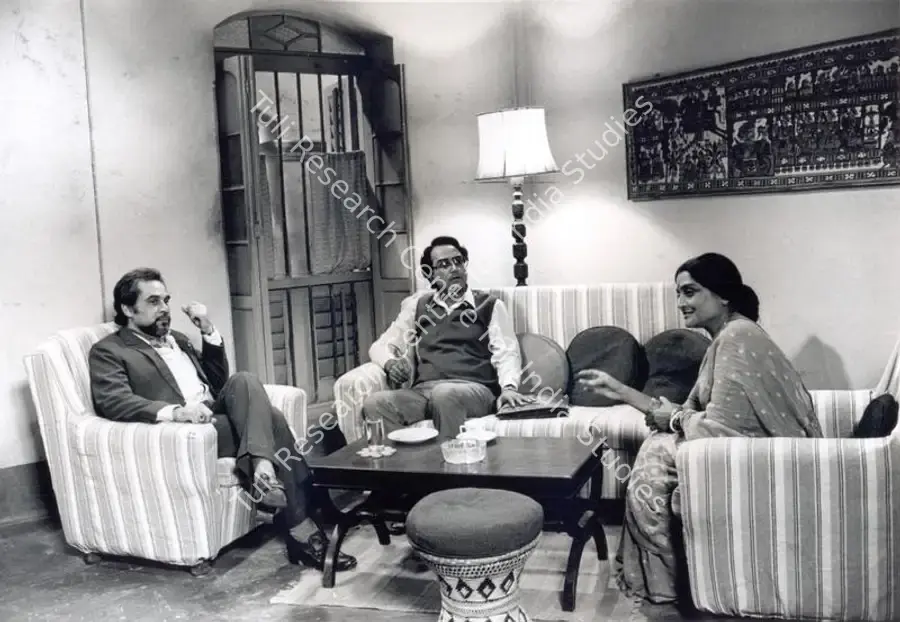
With a supporting cast of seasoned performers like Dhritiman Chatterjee, Shubhendu Chatterjee, Mamata Shankar, Manoj Mitra, and Ruma Guhathakurta, Ray crafts a taut, allegorical drama that remains hauntingly relevant. Ganashatru lays bare the mechanisms of narrative control, the fragility of democratic dialogue, and the heavy cost borne by those who dare to speak truth to power.
Even decades later, the film's themes of institutional denial, the corruption of truth and the marginalization of the dissenting voice continue to echo within contemporary political and social landscapes, making Ganashatru not merely a powerful adaptation, but a prescient and enduring moral fable.
इस कहानी के केंद्र में एक गहरा नैतिक द्वंद्व मौजूद है। यह द्वंद्व है दो विपरीत मूल्यों के मध्य जिनमें प्रमुख हैं सच्चाई और सत्ता के मध्य, विज्ञान और अंधविश्वास के मध्य, व्यक्तिगत विवेक और सामूहिक विश्वास के मध्य टकराव। राय ने यहाँ इब्सन की यूरोपियन कथा को एक ठेठ भारतीय शहर के परिवेश में ला खड़ा किया है।शहर की अर्थव्यवस्था और आस्था दोनों शहर के एक प्रतिष्ठित मंदिर पर टिकी हैं। यह मंदिर तीर्थयात्रियों और पर्यटकों के आकर्षण का केंद्र है और नगर की जीवनरेखा बना हुआ है। लेकिन जब फ़िल्म के शीर्षक किरदार डॉक्टर अशोक गुप्ता को यह मालूम पड़ता है कि इस मंदिर का 'पवित्र जल' घातक स्तर तक दूषित है, तो उन्हें उसी समाज के विश्वास के विरुद्ध खड़ा होना पड़ता है, जिसकी रक्षा के लिए वे प्रयासरत हैं। फ़िल्म में डॉक्टर अशोक गुप्ता की यह भूमिका सत्यजित राय के लंबे दौर तक सहयोगी रहे दिग्गज अभिनेता सौमित्र चटर्जी ने अद्भुत संयम और प्रवीणता के साथ निभाई है।
उन्हें उद्धारक के रूप में सम्मान तो नहीं ही मिलता, बल्कि इसके विपरीत उन्हें समाज से बहिष्कृत कर दिया जाता है। उनकी दी चेतावनियों को संदेह और बैरपूर्ण भाव से देखा जाता है। मंदिर की 'पवित्रता' और उसका सर्वोच्च रहना नगर के गौरव और उसके आर्थिक ढांचे दोनों से जुड़ा है और उसकी सत्ता को चुनौती देना 'अधर्म' माना जाता है। फ़िल्म में जैसे ही डॉक्टर गुप्ता की वैज्ञानिक चेतावनी शहर की इस आध्यात्मिक और अर्थव्यवस्था की धुरी को हिला देने वाले स्तर तक पहुँचती है, सत्ताधारी वर्ग उन्हें चुप कराने हेतु सक्रिय हो जाता है। राजनैतिक नेता और धार्मिक अधिकारी जनमत को उनके खिलाफ़ भड़काते हैं। इसके लिए वे मीडिया का इस्तेमाल करते हैं और डॉ. गुप्ता को देशद्रोही या “गणशत्रु” घोषित करवा देते हैं।
इब्सन की मूल रचना की सत्यजित राय जैसी व्याख्या अपनी फ़िल्म में पेश करते हैं, वह एक विवेकवान नागरिक होने के नाते इंसान की समाज के प्रति जिम्मेदारी और व्यक्ति के नैतिक साहस की सीमारेखा जैसे मुद्दों को भारतीय संदर्भ में परखती है। गौर करें कि यह उस दौर की बात है जब समाज में धार्मिक कट्टरता नए सिरे से सर उठा रही थी। ऐसे में राय की गणशत्रु केवल एक पूर्व चेतावनी भर नहीं, यह अपने समय और दौर की कठोर आलोचना बन जाती है। राय दिखाते हैं कि कैसे धार्मिक आडंबर और लोगों के अंधविश्वास का इस्तेमाल अप्रिय सत्य को दबाने के लिए किया जा सकता है। फ़िल्म यह सच्चाई दिखाती है कि जिस समाज में आस्था के नाम पर वैज्ञानिक तर्क को दरकिनार किया जाता है, सार्वजनिक स्वास्थ्य के ऊपर राजनीति खेली जाती है और आपसी संवाद पर स्वार्थी और सत्तालोलुप कब्ज़ा कर बैठते हैं तो समाज का क्या हश्र होता है।
फ़िल्म के अन्य सहायक कलाकारों में धृतिमान चटर्जी, शुभेन्दु चटर्जी, ममता शंकर, मनोज मित्रा और रूमा गुहा ठाकुरता जैसे सशक्त अभिनेताओं ने काम किया है। राय ने यहाँ एक कसी हुई पटकथा पर प्रतीकात्मक और नैतिक रूप से बेचैन करने वाली फ़िल्म की रचना की है। राय की गणशत्रु दिखाती है कि किस तरह सत्ताएँ समाज में मौजूद कथानकों को नियंत्रित करती हैं, जनसंवाद कितनी नाज़ुक चीज़ होता है और सत्य बोलने वालों को इसका कितना भारी मूल्य चुकाना पड़ता है।
दशकों बाद भी इस फ़िल्म का विषय आज के राजनैतिक परिदृश्य में प्रासंगिक बना हुआ है। संस्थागत भ्रष्टाचार और असहमति की आवाज़ का हाशिए पर धकेला जाना हमारी आँखों के सामने रोज़ घटती सच्चाइयाँ हैं। राय की गणशत्रु केवल एक उत्कृष्ट रूपांतरण ही नहीं बल्कि एक भविष्य का पता बतानेवाली नैतिक लोककथा सरीख़ी है। यह हमारे लिए एक ऐसी चेतावनी है जिसकी तीव्रता आज भी कम नहीं हुई है।
Body of Work