

Introduction
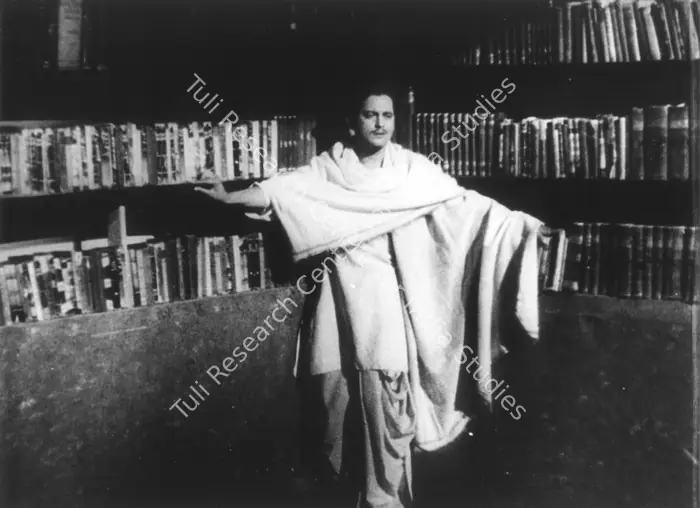
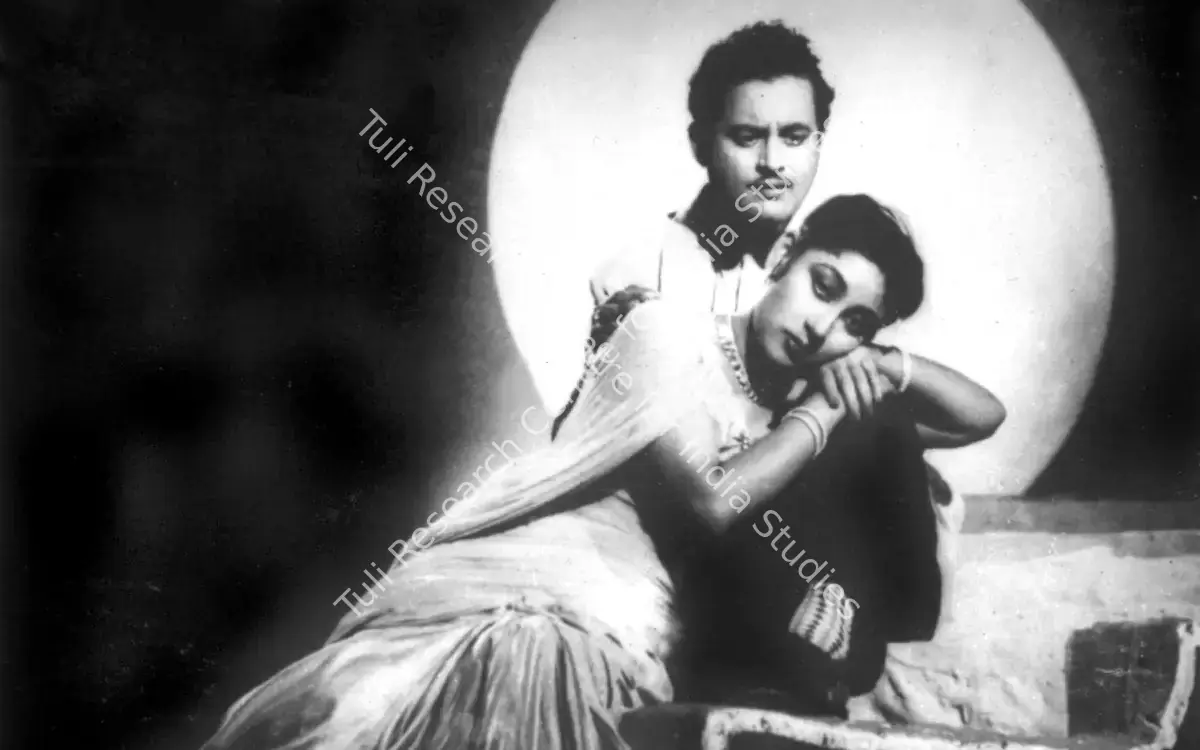
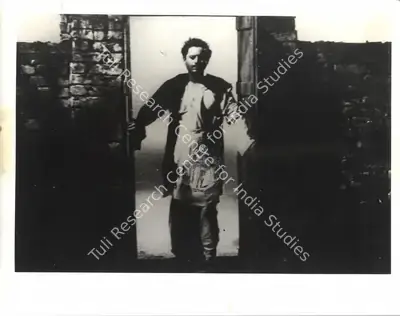
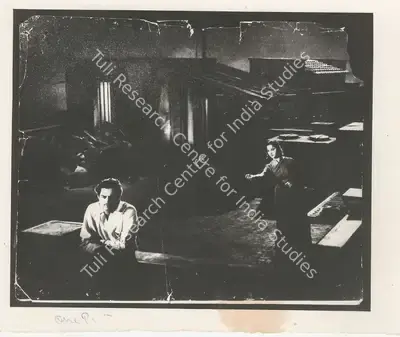
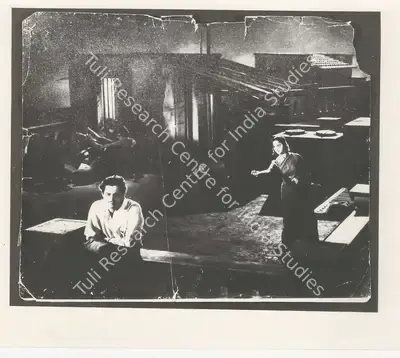
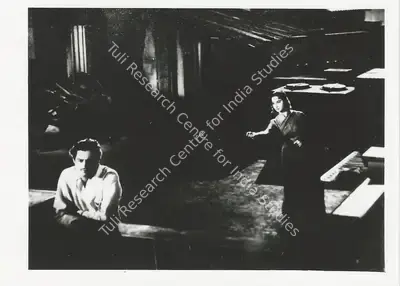
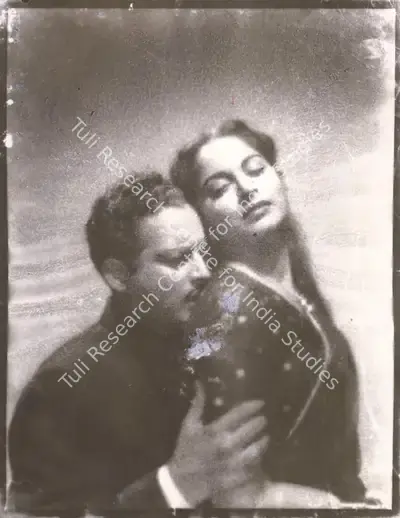
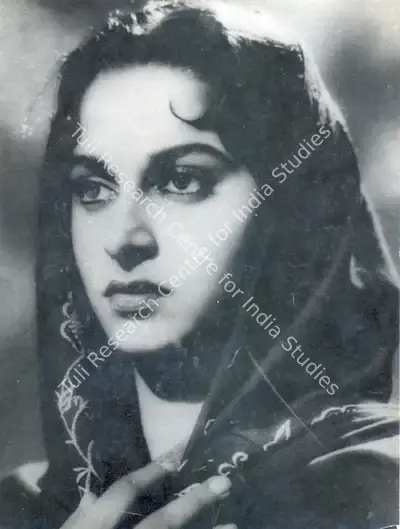
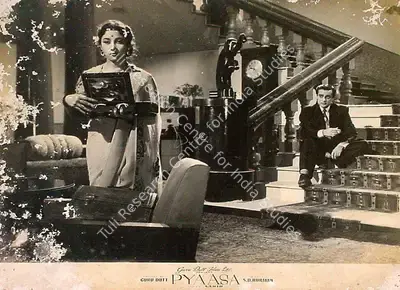
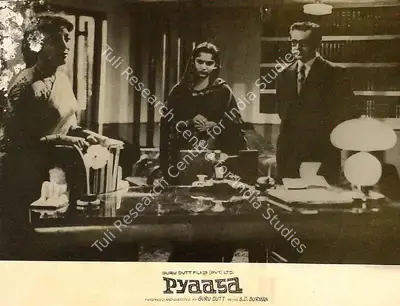
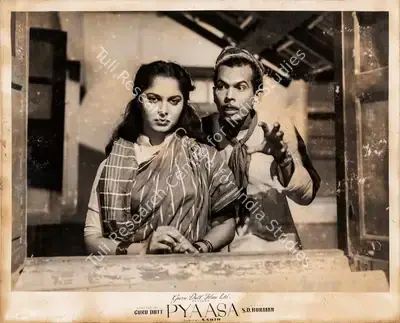
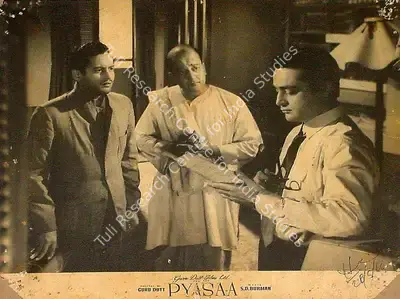
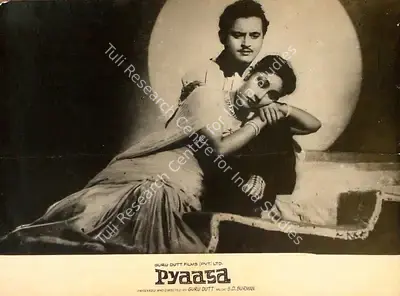
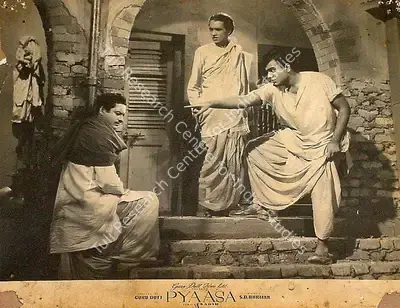
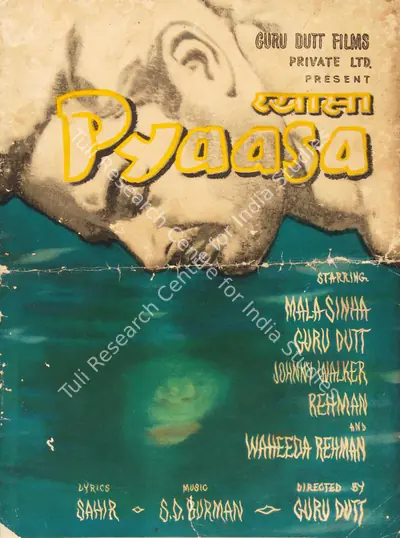
Guru Dutt's Pyaasa is a searing look into the societal indifference and materialism in post-independence India through the eyes of Vijay, a struggling poet, whose idealism is crushed by a world driven by greed, exploitation and superficiality.
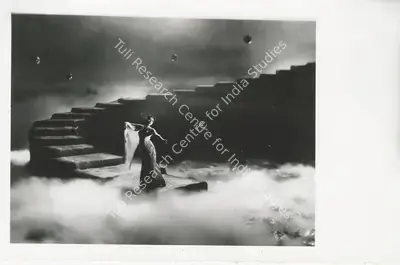
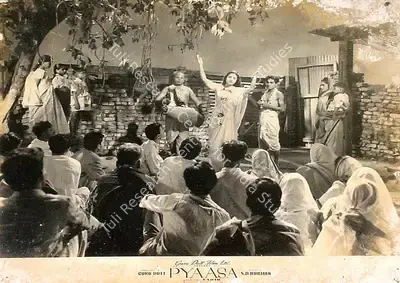
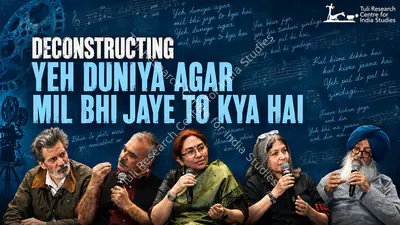
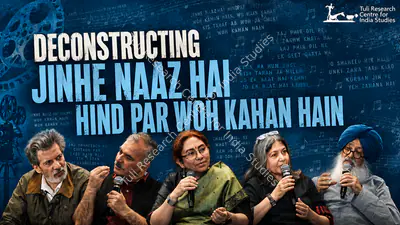
The film offers a critique of Indian society through its popular lyrics penned by Sahir Ludhianvi, who elevates the soundtrack into a celebrated masterpiece of Indian film music. “Jinhe Naaz Hai Hind Pe”, a song that is performed in the red light area of Calcutta in the film, confronts the duality of the mind-set that glorifies the independence and progress of the nation while keeping the underclass at the margins of the society. Similarly, “Ye Duniya Agar Mil Bhi Jaye” transcends the personal sorrow of the ill-fated protagonist played by Guru Dutt himself and becomes an existential cry against the hollowness of material success. It is a radical rejection of a capitalist worldview that values wealth over humanity.
यह फ़िल्म शायर और गीतकार साहिर लुधियानवी के लिखे यादगार गीतों के माध्यम से भारतीय समाज की तीखी आलोचना प्रस्तुत करती है। साहिर के लिखे गीत इस फ़िल्म की ही नहीं, भारतीय सिनेमाई संगीत की सबसे यादगार धरोहर हैं। कलकत्ता के रेड लाइट एरिया में खड़े नायक का आकर्षण के पीछे की कुरूपता देखकर गाया गीत “जिन्हें नाज़ है हिंद पर वो कहाँ हैं” देश के उन रहनुमाओं पर तीखी टिप्पणी करता है जो देश की आज़ादी और प्रगति का उत्सव मनाते हुए समाज के हाशिये पर खड़े शोषित लोगों को भूल गए हैं। इसी तरह “ये दुनिया अगर मिल भी जाए तो क्या है” जैसा गीत धोखा खाये नायक के निजी दुख से कहीं आगे जाता है और संसार की नज़र में बड़ी भौतिक कामयाबी के पीछे के छद्म को उधेड़कर रख देता है। यह ऐसी पूँजीवादी विश्वदृष्टि का तीखा नकार है जो पैसे को इंसानियत के ऊपर तरजीह देती है।
Body of Work
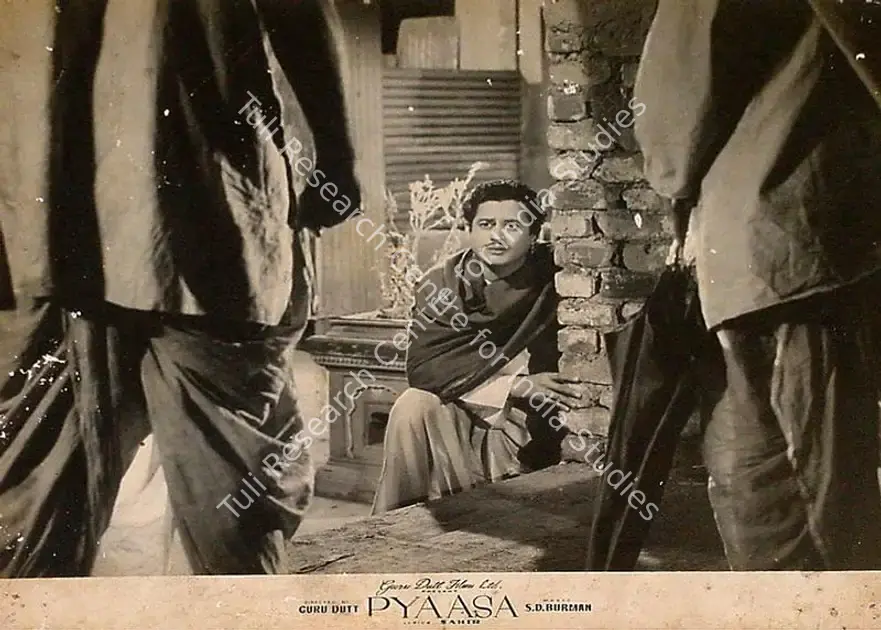
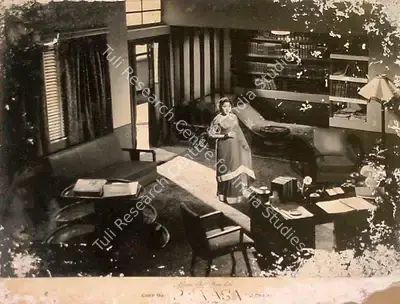
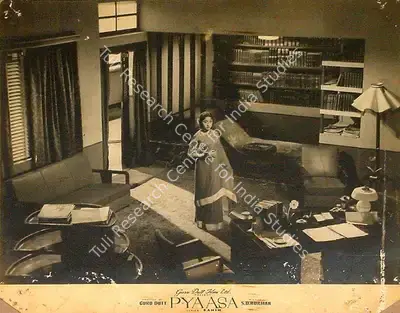
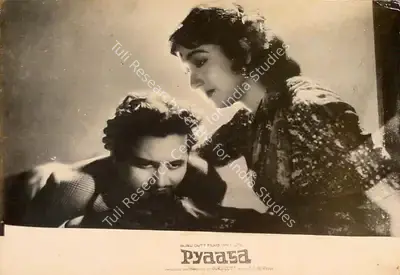
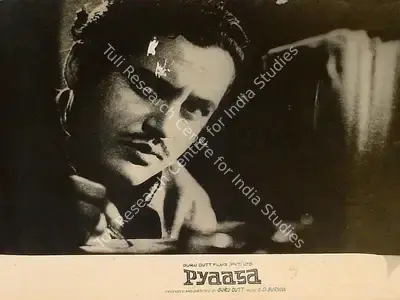
Synopsis One of Guru Dutt's masterpieces, this film tells the story of a poet struggling to find recognition in a materialistic world in which only social outcasts are his true friends. Vijay is an unsuccessful poet whose writings are sold by his brothers as waste paper. Unable to bear the philistinism, he chooses to live on the streets where he meets a young prostitute, Gulab. She falls in love with him and his poetry while Vijay's former girlfriend marries an arrogant publisher for comfort and security. When a dead beggar to whom Vijay has given his coat is mistaken for Vijay, Gulab has his poetry published in a book, which becomes a bestseller. Everyone who had previously rejected Vijay now gathers to pay tribute to the 'dead' poet. Vijay disrupts the celebration with his appearance and calls for the violent destruction of a corrupt world.
04:48 mins
04:50 mins
03:59 mins
03:57 mins
04:08 mins
04:48 mins
04:53 mins
01:36 mins
02:23 mins
01:45 mins
Research Centre



Calendar 2
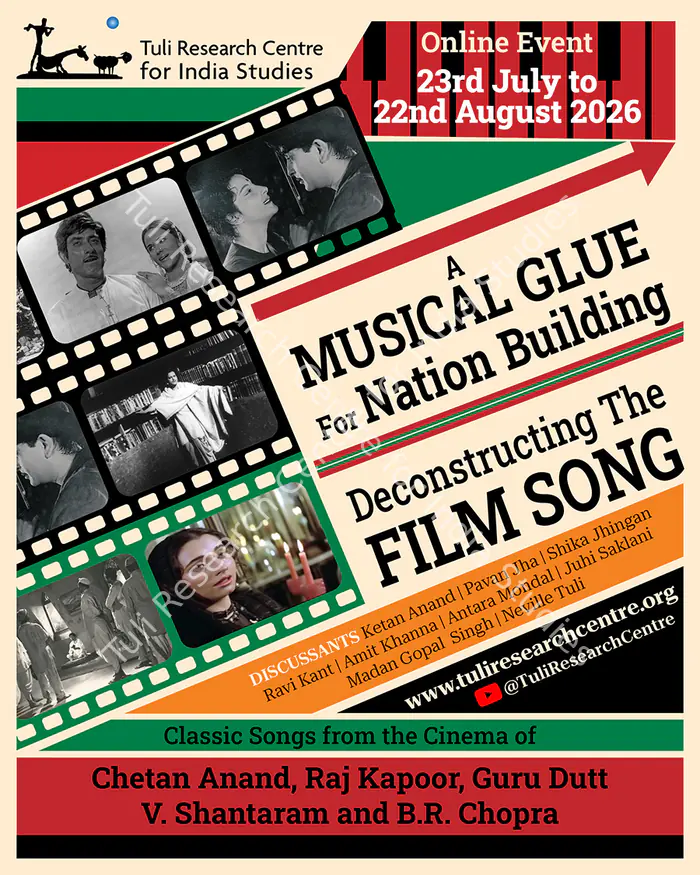
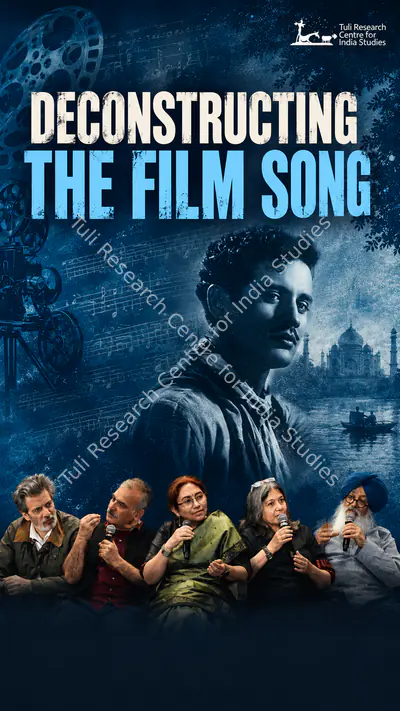
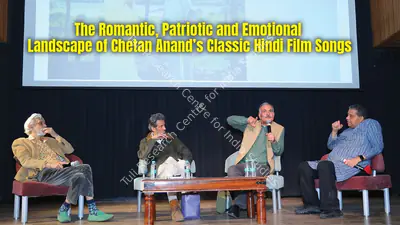
- ArchivedOffline-Online EventProject 80A Musical Glue for Nation-BuildingDeconstructing the Film Song23rd July - 22nd August 2026Ketan Anand | Ravikant | Pavan Jha | Madan Gopal Singh | Amit Khanna | Juhi Saklani | Antara Mondal | Shikha Jhingan | Neville TuliA key section of the India Studies framework at The Tuli Research Centre for India Studies (T.R.I.S.) is “Deconstructing the Film Song”. It began with a series of four workshops during our Self-Discovery via Rediscovering India Festival Series that brought together leading scholars & academics, film practitioners & students, along with fans of the Hindi film song. The objective of these workshops was to deconstruct iconic Hindi film songs to examine their formation across music, lyrics, playback, choreography, directorial visualisation, as they fuse into sites where aesthetics, ideology, and performance intersect, so as to help clarify the nature of India and her relationship to the film song. The Hindi Film Song functions as a narrative device, conveying myriad textures of emotion through melody, voice and poetry. As cultural texts that encode memory, desire, and ideology, songs are integral to the circulation and resonance of films in the public realm. Over time they have become autonomous bundles of creative energy - the glue that binds us over time, articulating and perhaps even defining the idea of Indianness. These first Workshops were an attempt to understand the nature and power of this glue, while contemplating the ways to situate it within TRIS' academic framework for Contemporary India Studies.Read More →
- ArchivedDeconstructing the Hindi Film SongProject 62A Musical Glue for Nation-BuildingFour Classic Songs from the cinema of Guru Dutt and the genius of S.D. Burman, O.P. Nayyar, Sahir Ludhianvi, Majrooh Sultanpuri, Geeta Dutt & Mohammed RafinnBabuji Dheere Chalna | Aar Paar-1954 nJinen Naaz Hai Hind Par | Pyaasa-1957 nYe Duniya Agar Mile Be Jaye | Pyaasa-1957 nWaqt Ne Kiya Kya Haseen Sitam | Kaagaz Ke Phool-195917th February 20266:30pmM.L. Bhartia Auditorium, Alliance Francaise de Delhi, 72 K.K. Birla Lane, Lodi Estate, New Delhi, 110006Madan Gopal Singh, Ravikant, Antara Mondal, Juhi Saklani & Neville TuliA key section of the India Studies framework at The Tuli Research Centre for India Studies (T.R.I.S.) is “Deconstructing the Hindi Film Song”. It will begin with a series of four workshops that brings together leading scholars & academics, film practitioners & students, along with fans of the Hindi film song. The objective of these workshops is to deconstruct iconic Hindi film songs to examine their formation across music, lyrics, playback, choreography, directorial visualisation, as they fuse into sites where aesthetics, ideology, and performance intersect. The Hindi Film Song functions as a narrative device, conveying myriad textures of emotion through melody, voice and poetry. As cultural texts that encode memory, desire, and ideology, songs are integral to the circulation and resonance of films in the public realm. Over time they have become autonomous bundles of creative energy - the glue that binds us over time, articulating and perhaps even defining the idea of Indianness. The first Workshops are an attempt to understand the nature and power of this glue, while contemplating the ways to situate it within TRIS' academic framework for Contemporary India Studies.Read More →