
Faredoon A. Irani

Faredoon A. Irani
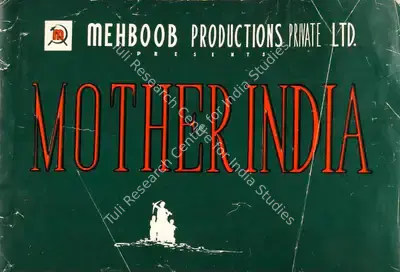
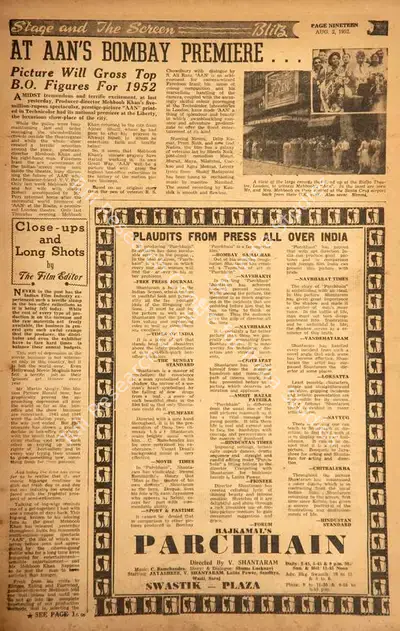
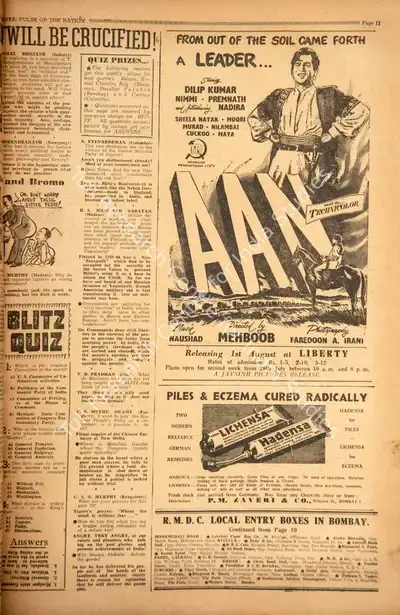
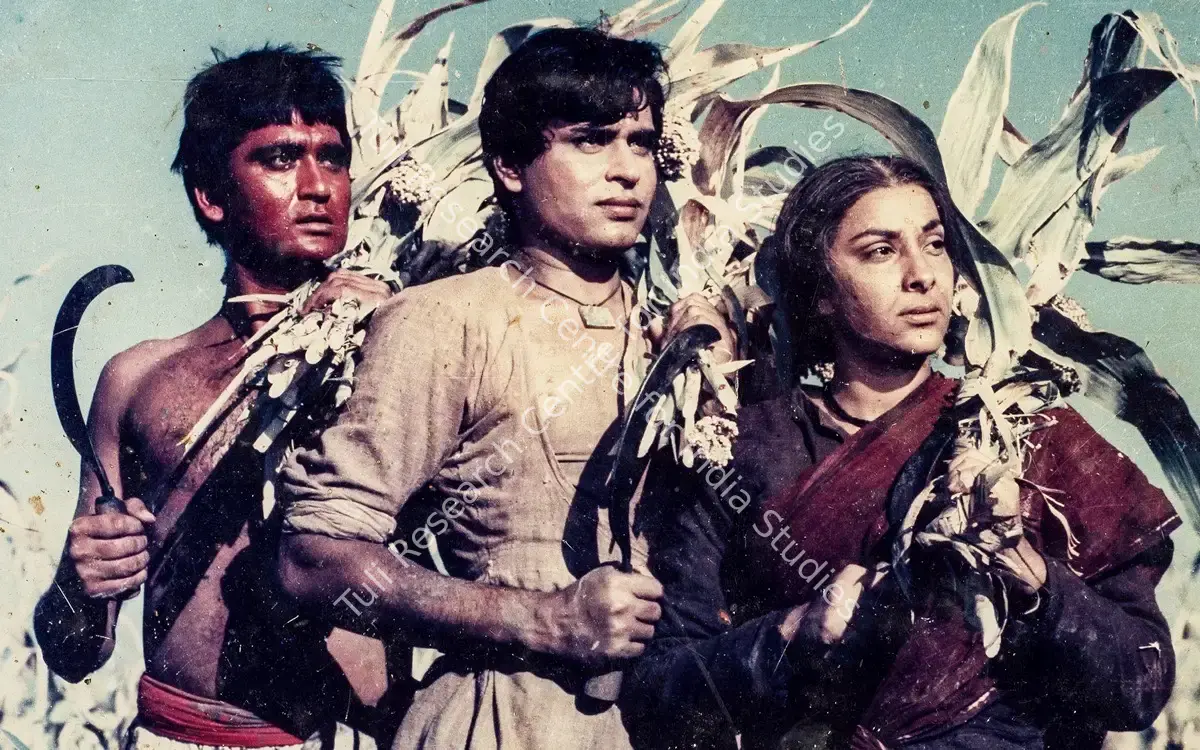
Faredoon A. Irani was a pioneering cinematographer whose career in Hindi cinema spanned from the 1930s to the 1970s. He often collaborated with the legendary filmmaker Mehboob Khan on approximately 20 films, beginning with Al Hilal (1935) and continuing until Khan's last film, Son of India (1962). Irani's work on Khan's Mother India (1957), often hailed as one of India's greatest films, earned him the Filmfare Award for Best Cinematography (black & white). He began his career as an apprentice at Ardeshir Irani's Imperial Film Company, initially working on Gujarati and Hindi features such as Narsinh Mehta (1932) and Bulbul-e-Baghdad (1932). He met Mehboob Khan through the Imperial Film Company, where the latter was working as an assistant director and also played a few supporting roles in some of its films. Irani followed Khan to Sagar Movietone after Imperial closed. Thus began a creative partnership between the two that continued even after the closure of Sagar Movietone. Subsequently, Mehboob Khan established Mehboob Productions and brought in Irani as cinematographer for its films. Irani shot Aan (1952), India's first Technicolour film in 16mm Gevacolour and converted to Technicolour later, resulting in a visually opulent swashbuckler. Being the first Indian film to have a worldwide release, it became a major hit in India and abroad as well. For Mother India, Irani changed his technique from the glamorous sets of historical dramas to panoramic shots of the harsh, rural setting of post-independent India landscape and location shooting to reflect the social realism of the narrative. A groundbreaking film in many aspects, Mother India was also nominated for the Academy Award for Best International Feature Film, becoming the first Indian film to ever be nominated.

Research Centre
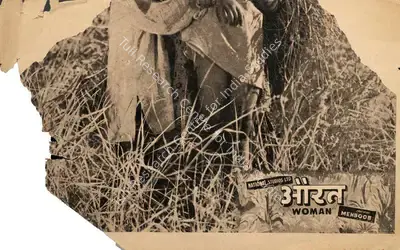
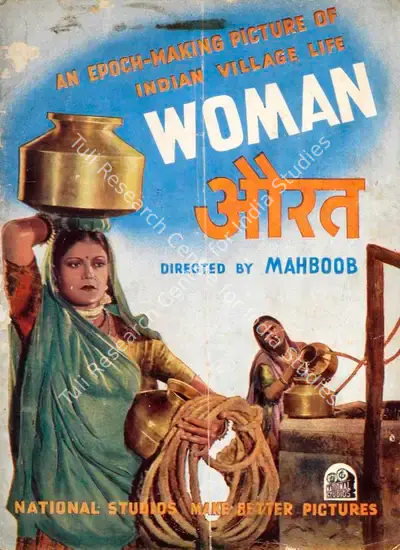
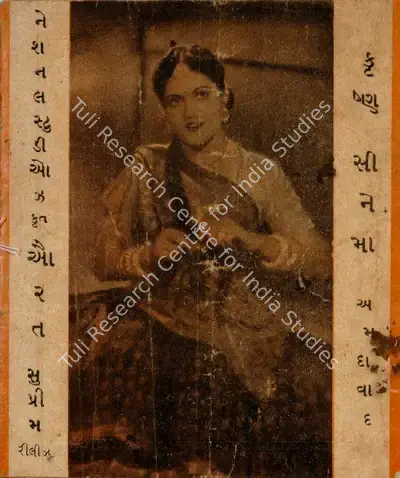
Mehboob (Director), Aurat, 1940 | Song-Synopsis Booklet

Mehboob (Director), Aurat, 1940 | Song-Synopsis Booklet

Mehboob (Director), Aurat, 1940 | Song-Synopsis Booklet

Mehboob (Director), Aurat, 1940 | Song-Synopsis Booklet

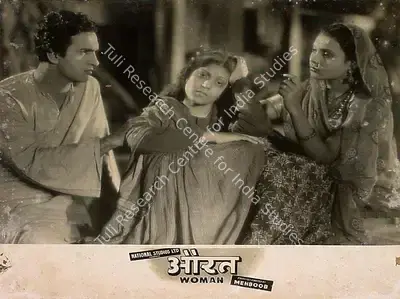
Irani, Faredoon A. (Cinematographer), Aurat, 1940 | Lobby Card

Irani, Faredoon A. (Cinematographer), Aurat, 1940 | Lobby Card

Irani, Faredoon A. (Cinematographer), Aurat, 1940 | Lobby Card

Irani, Faredoon A. (Cinematographer), Aurat, 1940 | Lobby Card

Mehboob (Director), Aurat, 1940 | Cyclostyled Lyrics Leaflet

Mehboob (Director), Aurat, 1940 | Cyclostyled Lyrics Leaflet

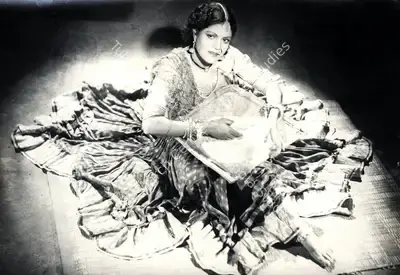
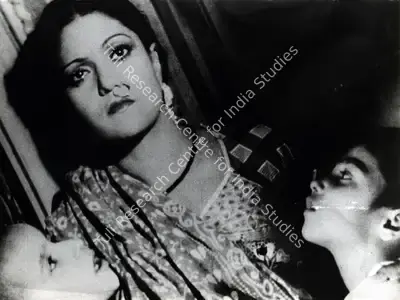
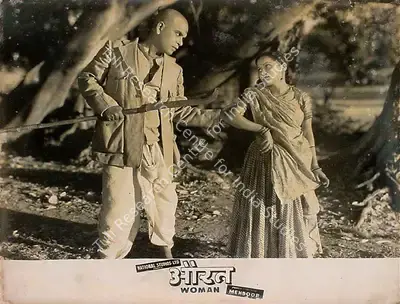
Irani, Faredoon A. (Cinematographer), Aurat, 1940 | Photographic Still

Irani, Faredoon A. (Cinematographer), Aurat, 1940 | Photographic Still

Irani, Faredoon A. (Cinematographer), Aurat, 1940 | Photographic Still

Irani, Faredoon A. (Cinematographer), Aurat, 1940 | Photographic Still

Irani, Faredoon A. (Cinematographer), Aurat, 1940 | Photographic Still

Irani, Faredoon A. (Cinematographer), Aurat, 1940 | Photographic Still

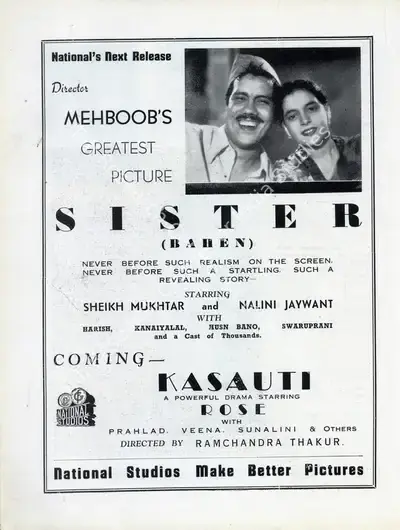
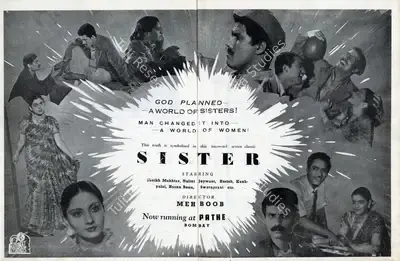
Mehboob (Director), Bahen, 1941 | Advertisement

Mehboob (Director), Bahen, 1941 | Advertisement

Mehboob (Director), Bahen, 1941 | Advertisement

Mehboob (Director), Bahen, 1941 | Advertisement

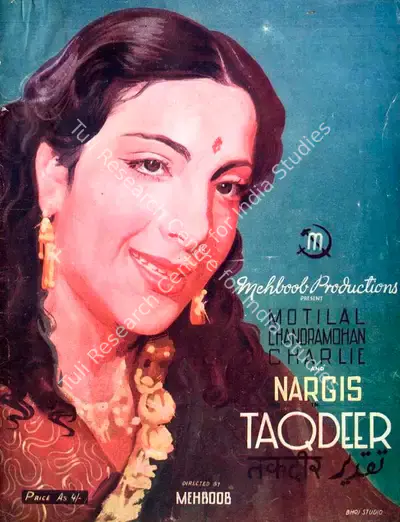
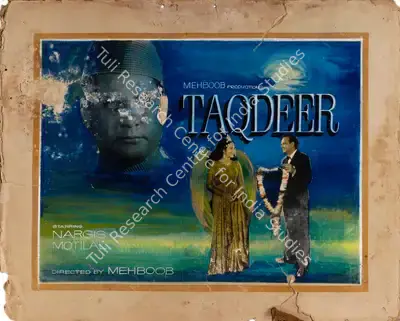
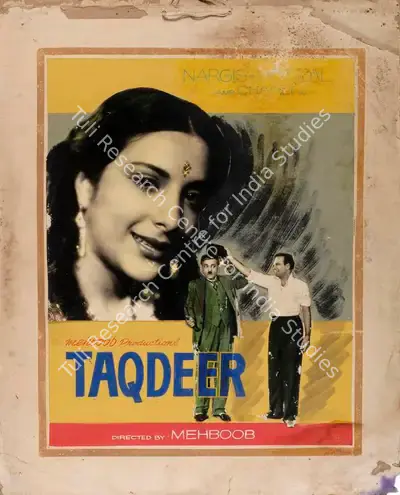
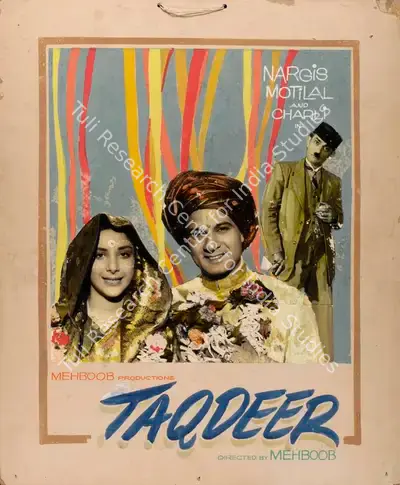
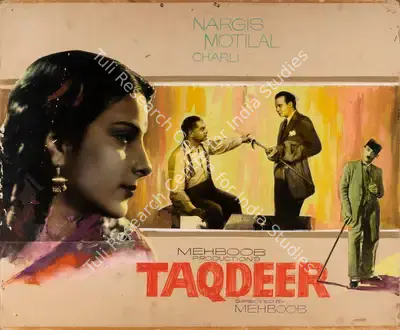
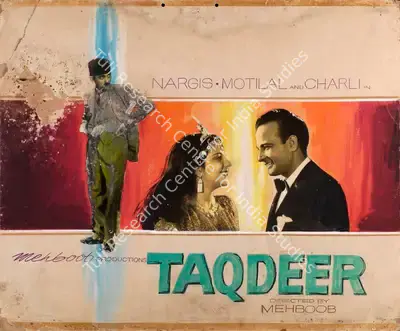
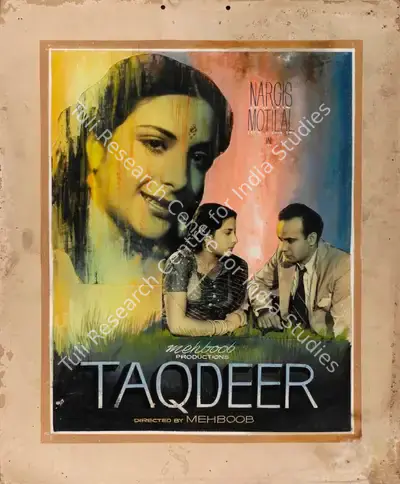
Mehboob (Producer), Taqdeer, 1943 | Showcard

Mehboob (Producer), Taqdeer, 1943 | Showcard

Mehboob (Producer), Taqdeer, 1943 | Showcard

Mehboob (Producer), Taqdeer, 1943 | Showcard

Mehboob (Producer), Taqdeer, 1943 | Showcard

Mehboob (Producer), Taqdeer, 1943 | Showcard

Mehboob (Producer), Taqdeer, 1943 | Showcard

Mehboob (Producer), Taqdeer, 1943 | Showcard

Mehboob (Producer), Taqdeer, 1943 | Showcard

Mehboob (Producer), Taqdeer, 1943 | Showcard

Mehboob (Producer), Taqdeer, 1943 | Showcard

Mehboob (Producer), Taqdeer, 1943 | Showcard

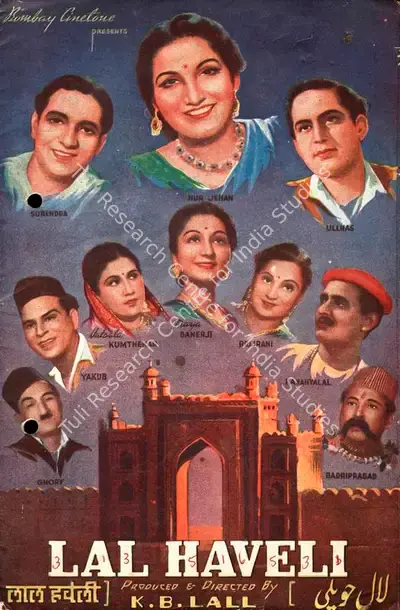
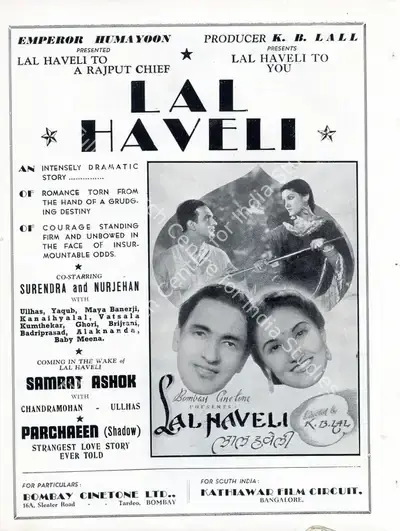
Lall, K.B. (Producer), Lal Haveli, 1944 | Advertisement

Lall, K.B. (Producer), Lal Haveli, 1944 | Advertisement

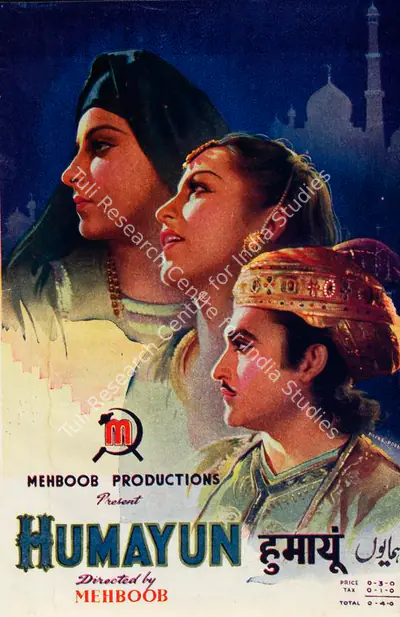
Mehboob (Producer), Humayun, 1945 | Song-Synopsis Booklet

Mehboob (Producer), Humayun, 1945 | Song-Synopsis Booklet

Irani, Faredoon A. (Cinematographer), Humayun, 1945 | Lobby Card

Irani, Faredoon A. (Cinematographer), Humayun, 1945 | Lobby Card

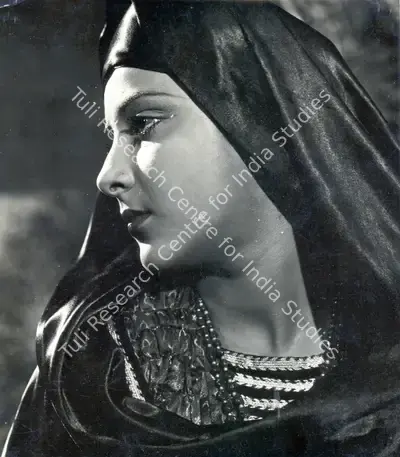
Irani, Faredoon A. (Cinematographer), Humayun, 1945 | Photographic Still

Irani, Faredoon A. (Cinematographer), Humayun, 1945 | Photographic Still

Loading...
TRIS logo image