
Introduction
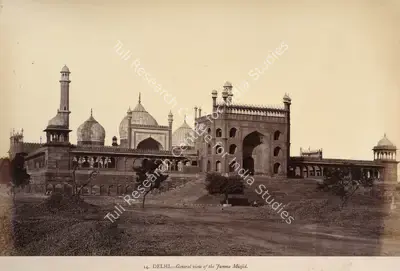
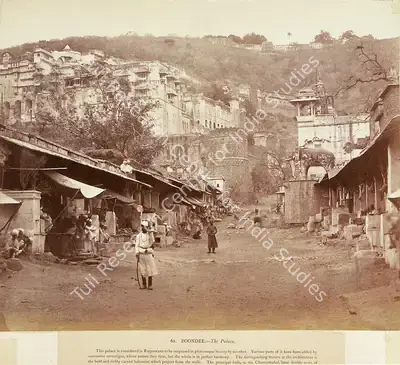
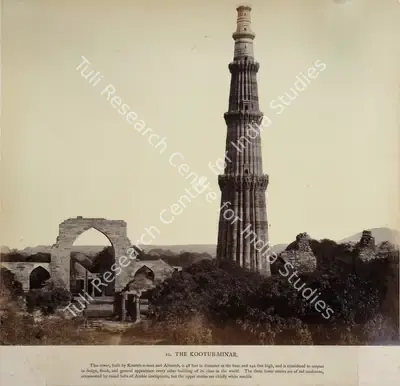
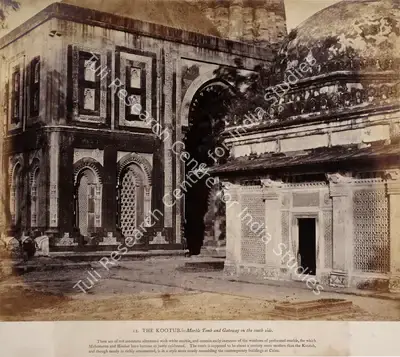
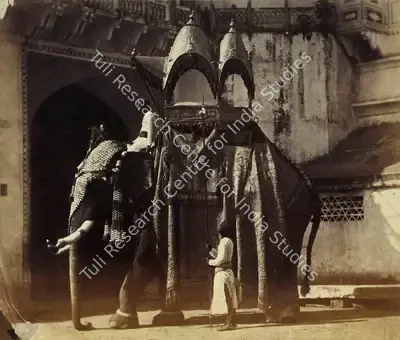
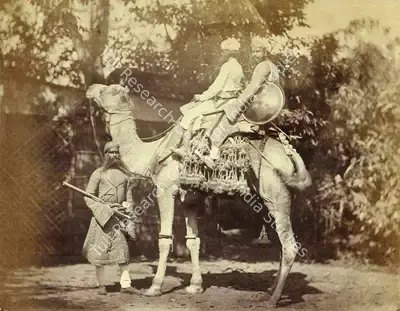
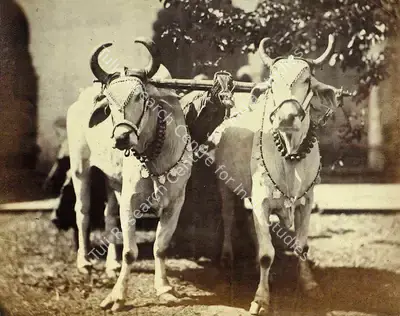
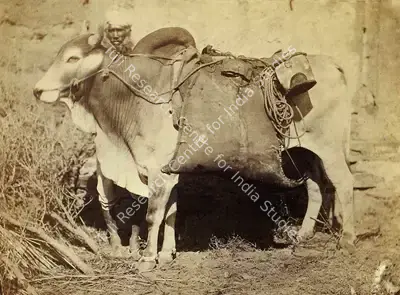
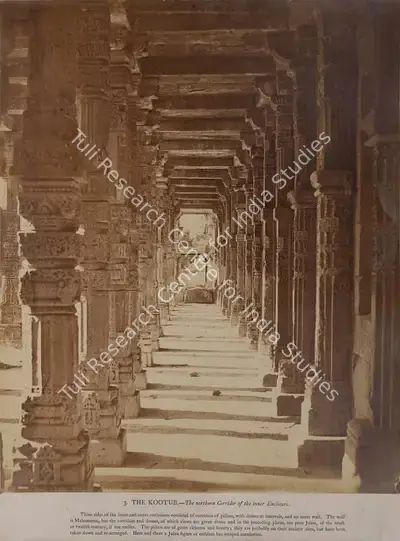
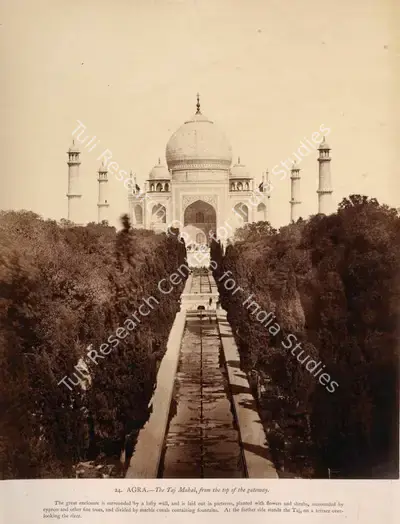
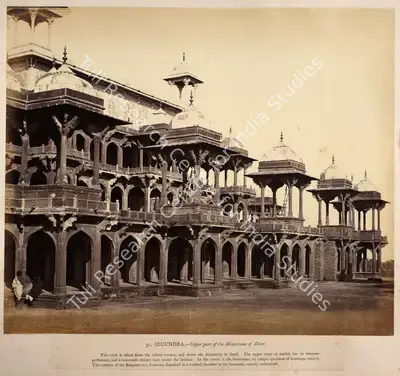
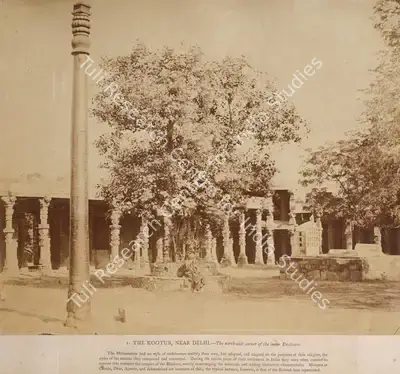
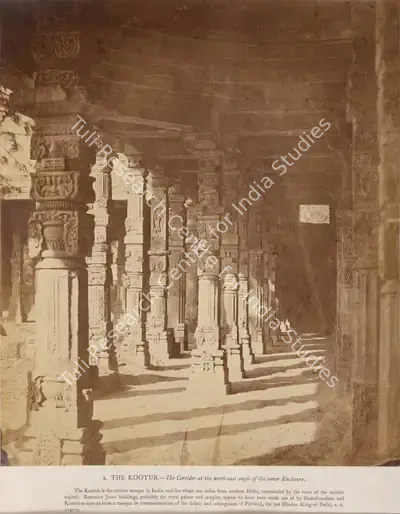
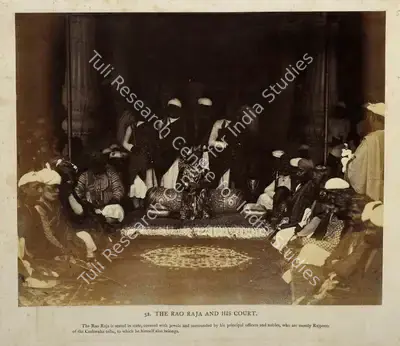
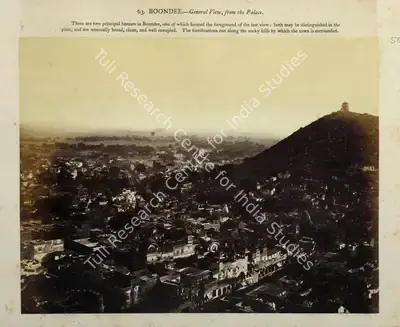
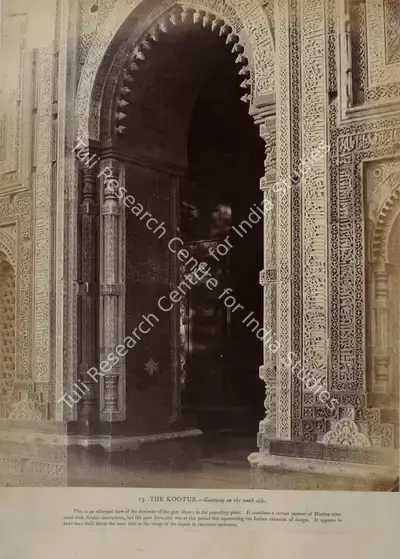
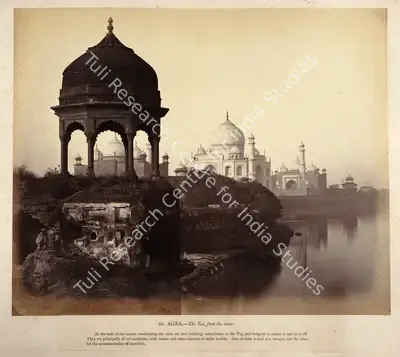
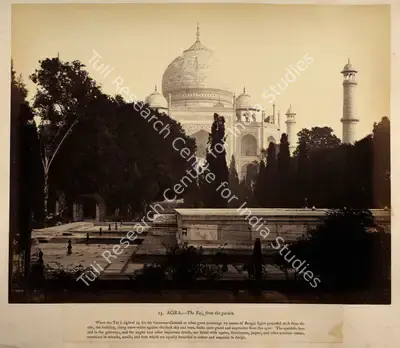
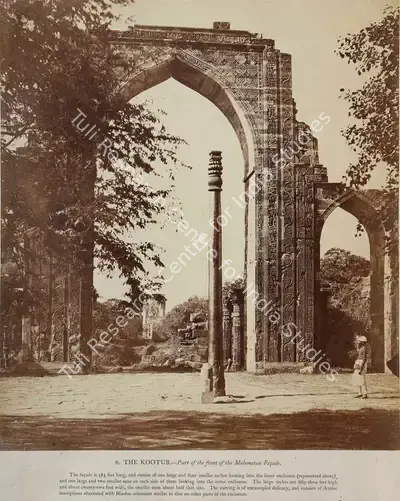
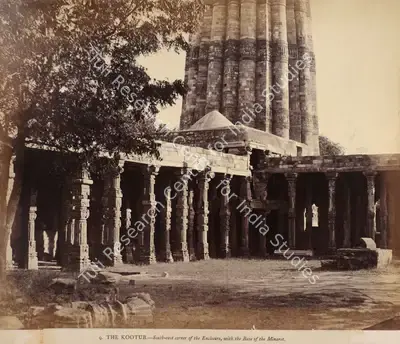
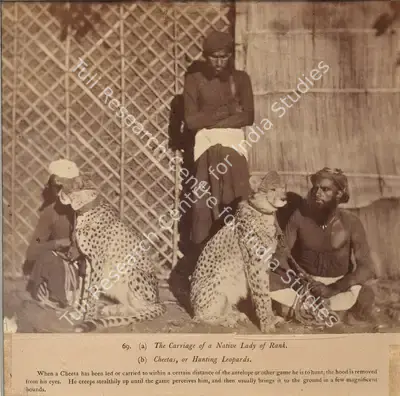
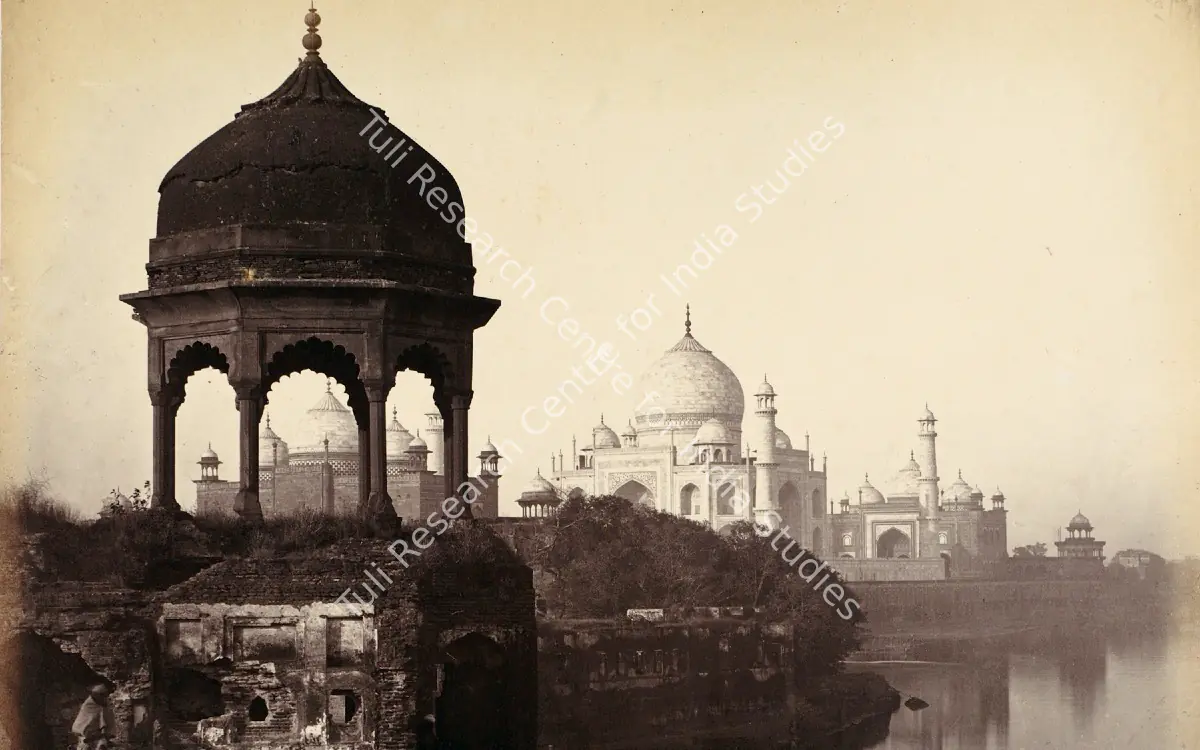
In 1851 at the age of 21, E C Impey was the third generation of his family to serve in the East India Company. Posted in the 5th Bengal Infantry, he was one of the most prolific photographers of the 19th century who captured a series of exoticised enthographic photos in Delhi, Agra and Rajasthan. Impey was the assistant agent to the Governor General of Rajputana in 1956 and then posted in the Northeastern district of Alwar in 1958. In five years, he amassed a collection of atmospheric landscapes juxtaposed with the monumental Mughal forts and elaborate cenotaphs of the Rajput Maharajas. His notable series include photographs of the Qutub Minar in Delhi, the Taj Mahal, Agra Fort, Jama Masjid, Akbar’s Mausoleum in Secunderabad, Jaipur, Amber, Vrindavan, and other historical sites with portraits of Maharaja Takhat Singh of Jodhpur, Rajput chieftains’ camps , ministers in their courts and guards posing to be in leisure in a carefully chosen artifice; often with their bulls, decorated camels, elephants or hunting leopards. His works have been discovered mostly in albumen prints, besides platinum prints and glass plates that were later discovered in family preservations.
Photographs of the distant empire, of indigenous peoples, tribes, their diverse clothing, trades, customs, wilderness as well as heritage architecture that was circulated as souvenirs prompted the young Englishmen to conscript in the service.
His landscape works, published as an album titled “Delhi, Agra, and Rajpootana” in 1866, by Cundall, Downes and Co., London contained 79 mounted albumen prints. It is Impey’s only known work and only 25 copies are believed to have been published in his lifetime.
- Date of Birth
- 1830
- Date of Death
- 1904
- Age
- 74
- Nationality
- British
- Place of Birth
- Paris, France
- State Country of Birth
- France