
Edmund David Lyon

Edmund David Lyon
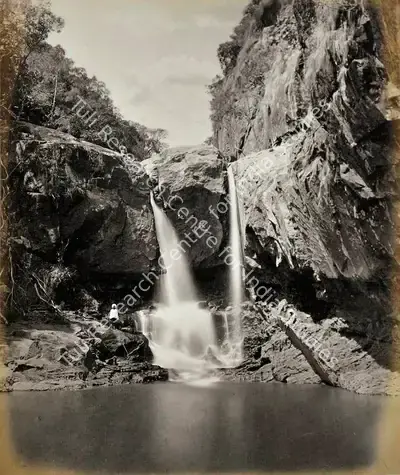
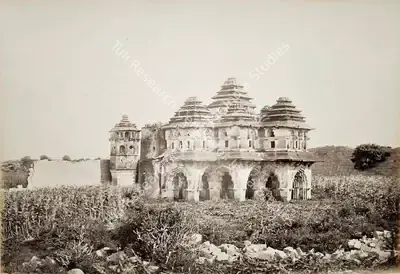
Edmund David Lyon, who had served in the British Army, arrived in India in 1865 and was hired by the government of Madras to photograph the ancient monuments of Madras area some ten years after the pioneering work of Capt. Linnaeus Tripe in the same region. Upon his arrival he established a photographic studio in the southern city of Ooty. In 1867, he gained significant recognition for his photographs of the Nilgiris mountain range after they were displayed at the Paris Exposition the same year. He took over 300 photographs using the collodion process with Dallmeyer’s wide angle and triplet group lenses documenting sites in Trichinopoly, Madurai, Tanjore, Halebid, Bellary and Vijayanagara. One of the unique qualities evident in his photographs is the illumination of South Indian corridors with massed banks of reflectors— some over seven hundre feet long. The prints were exhibited in London by the Royal Photographic Society in 1869 and the work was said to contain great “tenderness and delicacy.” Under the tenure of Lord Canning, first the Governor General and then the Viceroy of India, as the government transferred from the East India Company to the crown after the mutiny, photography had started to be instrumentalised for the purpose of archaeological as well as ethnographical surveys. He sought to create a pictorial record of Indian culture, heritage and its people. With the appointment of General Alexander Cunningham to head a centrally directed archaeological survey and to use photography to complement the usual scale drawings made during archaeologist field operations. By the 1870s, the camera had become the indispensable tool of the archaeologist. Lyon was one of the several commercial photographers who made use of this new tool at their disposal.

Research Centre
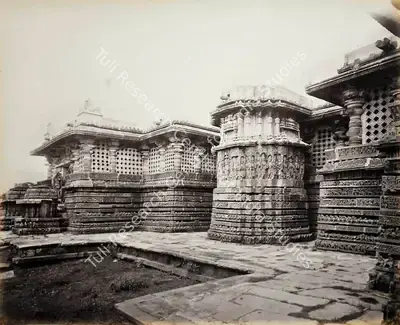
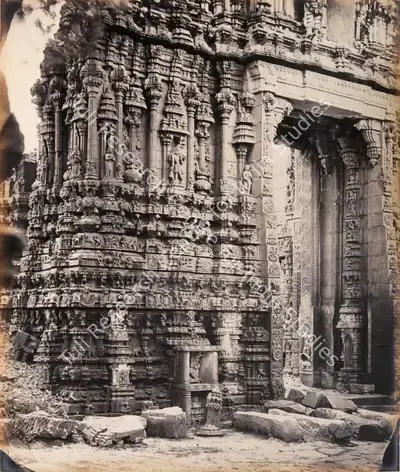
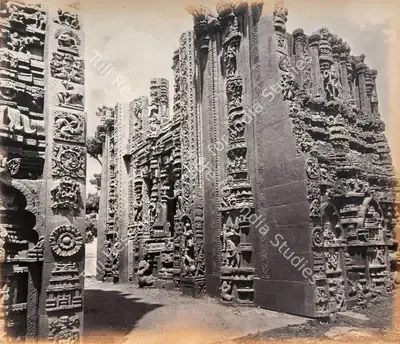
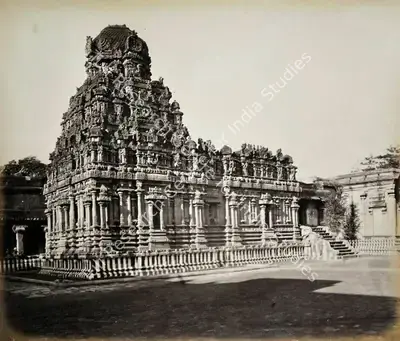
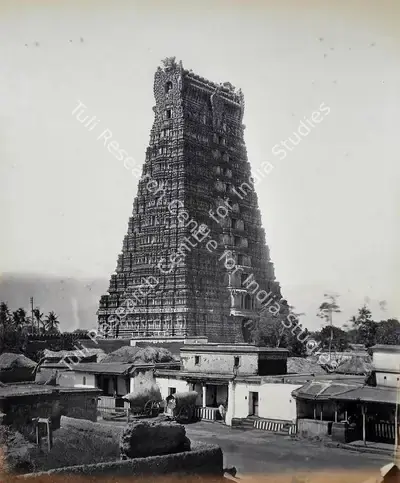
Lyon, Edmund David (Photographer), Tarputtri Temple. North Fa ade of ruined Gopuram at South Entrance of Temple (near the river), 1868 | Antiquarian Photograph

Lyon, Edmund David (Photographer), Tarputtri Temple. North Fa ade of ruined Gopuram at South Entrance of Temple (near the river), 1868 | Antiquarian Photograph

Lyon, Edmund David (Photographer), Tarputtri Temple. Carvings at base of Gopuram (South Entrance), 1868 | Antiquarian Photograph

Lyon, Edmund David (Photographer), Tarputtri Temple. Carvings at base of Gopuram (South Entrance), 1868 | Antiquarian Photograph

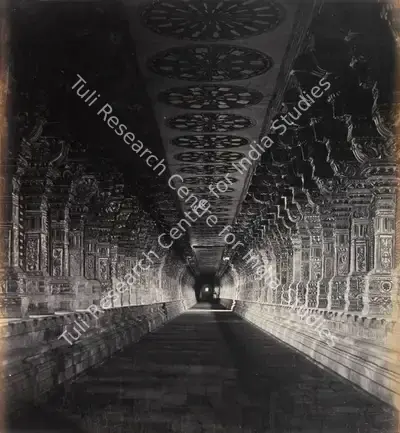
Lyon, Edmund David (Photographer), Ramissuram Pagoda (long side aisle), c.1870s | Antiquarian Photograph

Lyon, Edmund David (Photographer), Ramissuram Pagoda (long side aisle), c.1870s | Antiquarian Photograph

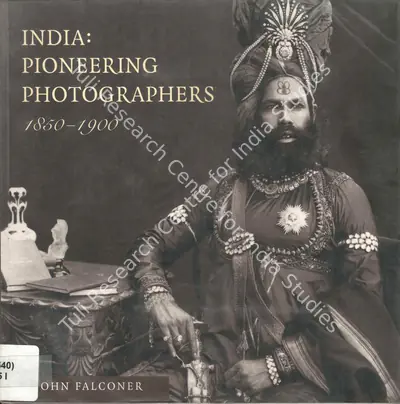
Falconer, John (Author). India: Pioneering Photographers 1850-1900, 2001 | Authored Book

Falconer, John (Author). India: Pioneering Photographers 1850-1900, 2001 | Authored Book

Lyon, Edmund David (Photographer), Tarputtri Temple. Carvings on base of Gopuram, South Entrance (near the river), n.d. | Antiquarian Photograph

Lyon, Edmund David (Photographer), Tarputtri Temple. Carvings on base of Gopuram, South Entrance (near the river), n.d. | Antiquarian Photograph

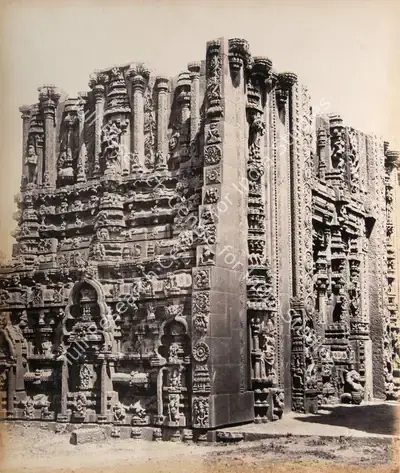
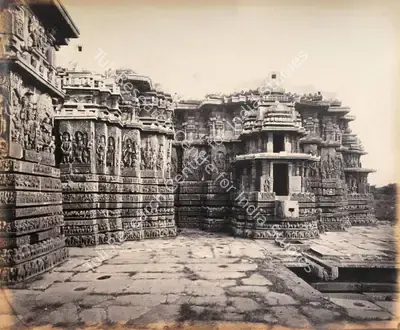
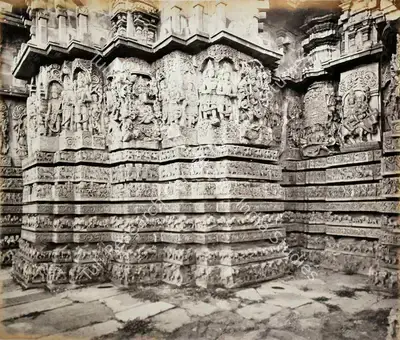
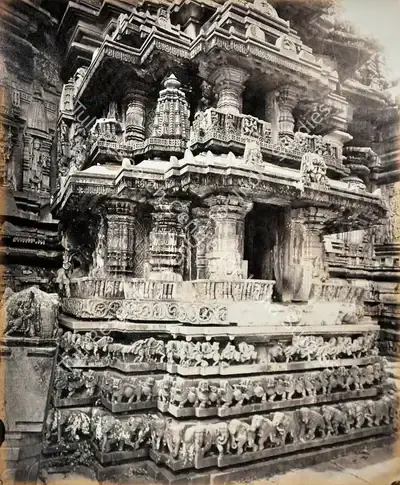
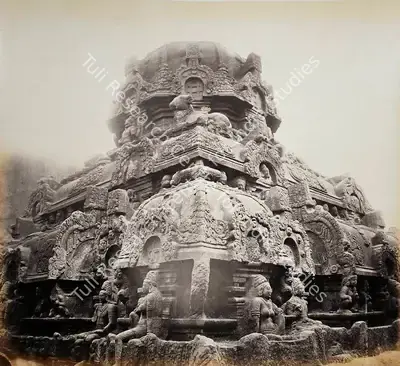
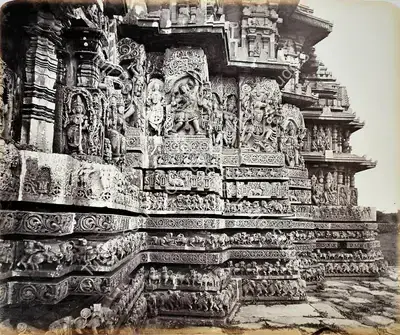
Lyon, Edmund David (Photographer), Hallabeed Temple. Carvings on West Side, n.d. | Antiquarian Photograph

Lyon, Edmund David (Photographer), Hallabeed Temple. Carvings on West Side, n.d. | Antiquarian Photograph

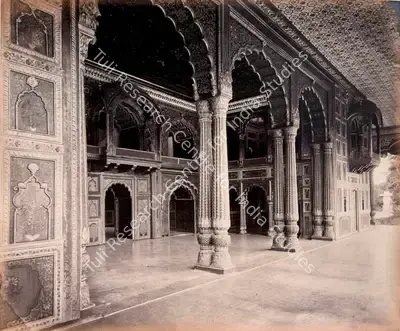
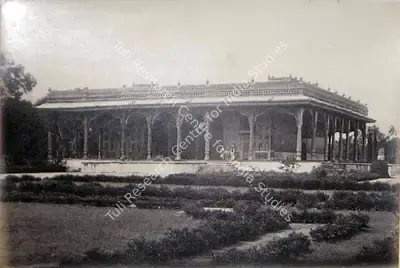
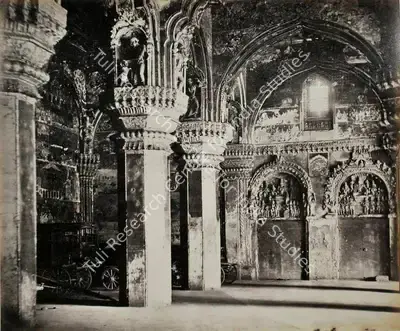
Lyon, Edmund David (Photographer), The Council Chamber, Tanjore Palace, n.d. | Antiquarian Photograph

Lyon, Edmund David (Photographer), The Council Chamber, Tanjore Palace, n.d. | Antiquarian Photograph

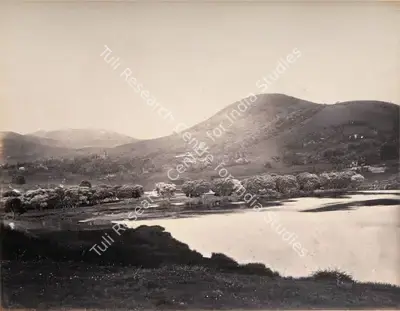
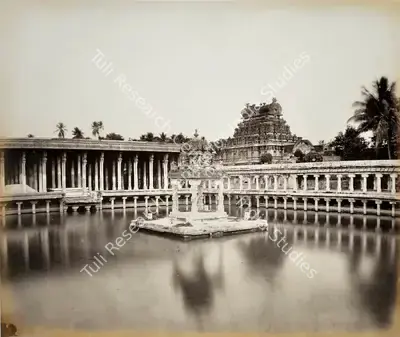
Lyon, Edmund David (Photographer), Jumboogasheram Tank & Pagoda, Trichinopoly, n.d. | Antiquarian Photograph

Lyon, Edmund David (Photographer), Jumboogasheram Tank & Pagoda, Trichinopoly, n.d. | Antiquarian Photograph

Lyon, Edmund David (Photographer), Hullabeed Temple, Carvings on West side, n.d. | Antiquarian Photograph

Lyon, Edmund David (Photographer), Hullabeed Temple, Carvings on West side, n.d. | Antiquarian Photograph

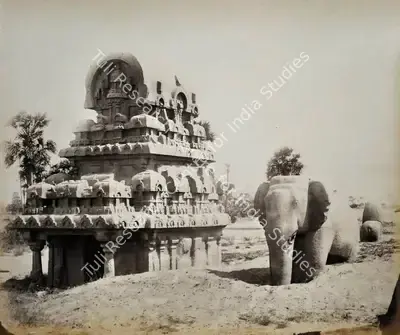
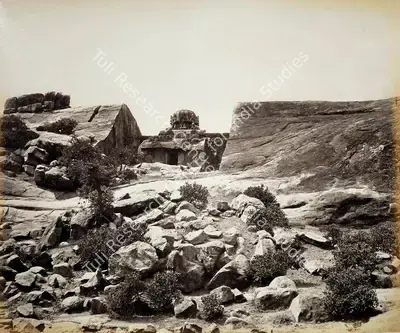
Lyon, Edmund David (Photographer), Monolith Kalloogoomulla, n.d. | Antiquarian Photograph

Lyon, Edmund David (Photographer), Monolith Kalloogoomulla, n.d. | Antiquarian Photograph

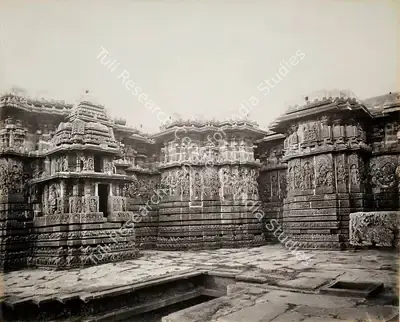
Lyon, Edmund David (Photographer), Hallabeed Temple (South-east angle) Situated near Hassan, Mysore Territory, n.d. | Antiquarian Photograph

Lyon, Edmund David (Photographer), Hallabeed Temple (South-east angle) Situated near Hassan, Mysore Territory, n.d. | Antiquarian Photograph

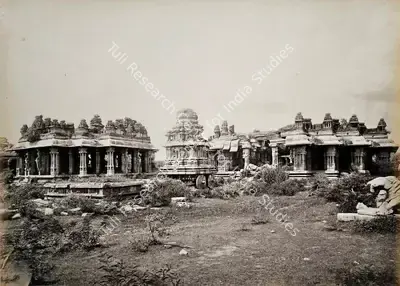
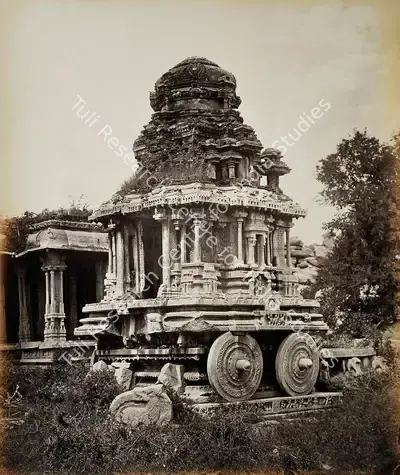
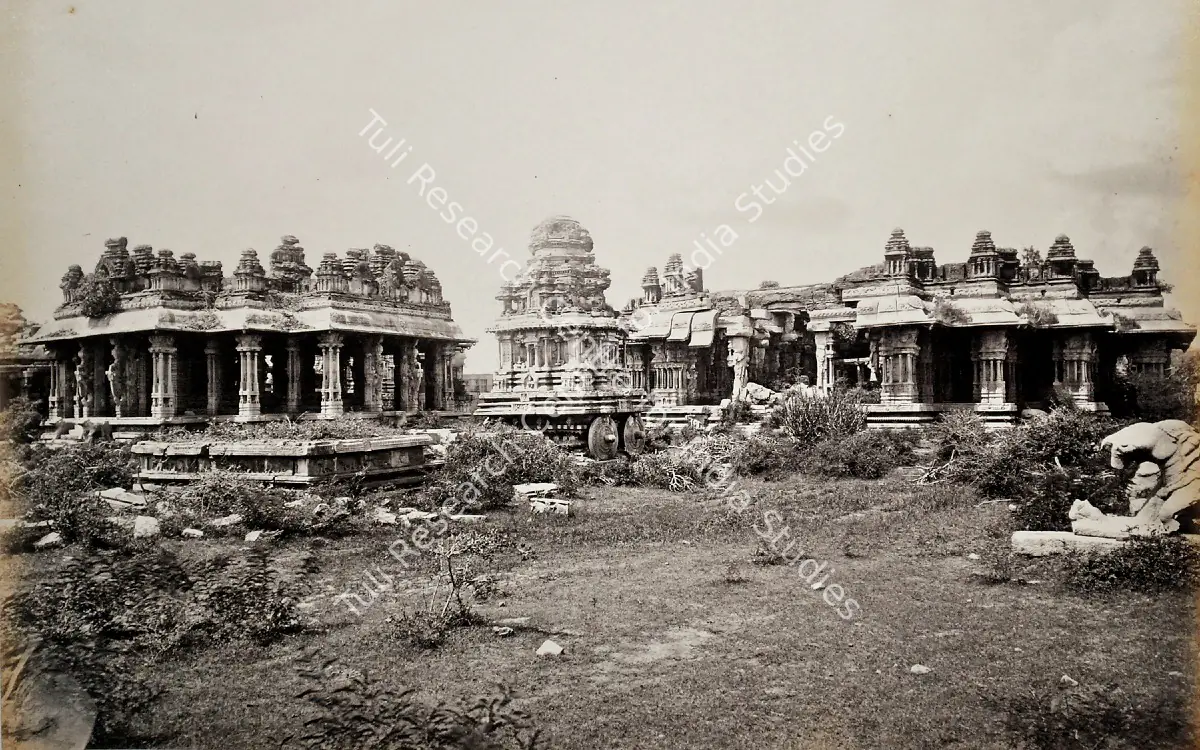
Lyon, Edmund David (Photographer), The Stone Juggernaut Car, Vigiovittaldover, n.d. | Antiquarian Photograph

Lyon, Edmund David (Photographer), The Stone Juggernaut Car, Vigiovittaldover, n.d. | Antiquarian Photograph

Lyon, Edmund David (Photographer), Hullabeed Temple; Carvings on the West side, n.d. | Antiquarian Photograph

Lyon, Edmund David (Photographer), Hullabeed Temple; Carvings on the West side, n.d. | Antiquarian Photograph

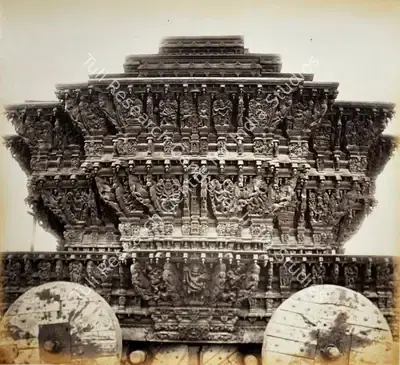
Lyon, Edmund David (Photographer), Large Juggernaut Car, Streevelliputtoor, n.d. | Antiquarian Photograph

Lyon, Edmund David (Photographer), Large Juggernaut Car, Streevelliputtoor, n.d. | Antiquarian Photograph

Lyon, Edmund David (Photographer), General View of Rocks & Monolith, Kaloogoomulla, n.d. | Antiquarian Photograph

Lyon, Edmund David (Photographer), General View of Rocks & Monolith, Kaloogoomulla, n.d. | Antiquarian Photograph

No more items to load

TRIS logo image