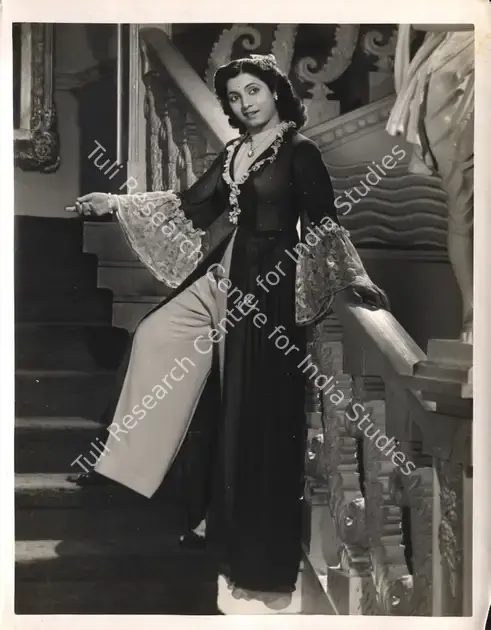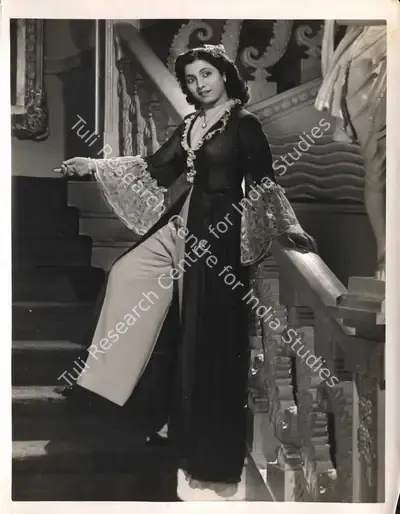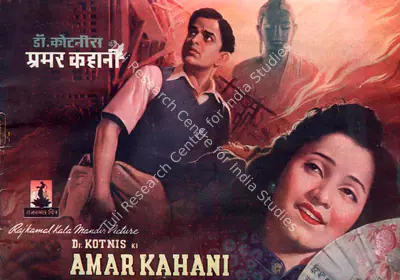
Dr Kotnis Ki Amar Kahani1946
Introduction
Dr. Kotnis Ki Amar Kahani (The eternal tale of Dr. Kotnis) Written by Khwaja Ahmad Abbas, Dr Kotnis Ki Amar Kahani was based on the life of the physician, Dr Kotnis who is regarded as a shining example for Sino-Indian friendship. Directed by the doyen of Hindi and Marathi films, V. Shantaram who as a filmmaker, strongly believed that the medium of cinema was to be used as a medium of instrument of social change, the biopic was used successfully to advocate humanism on one hand and expose bigotry and injustice on the other.
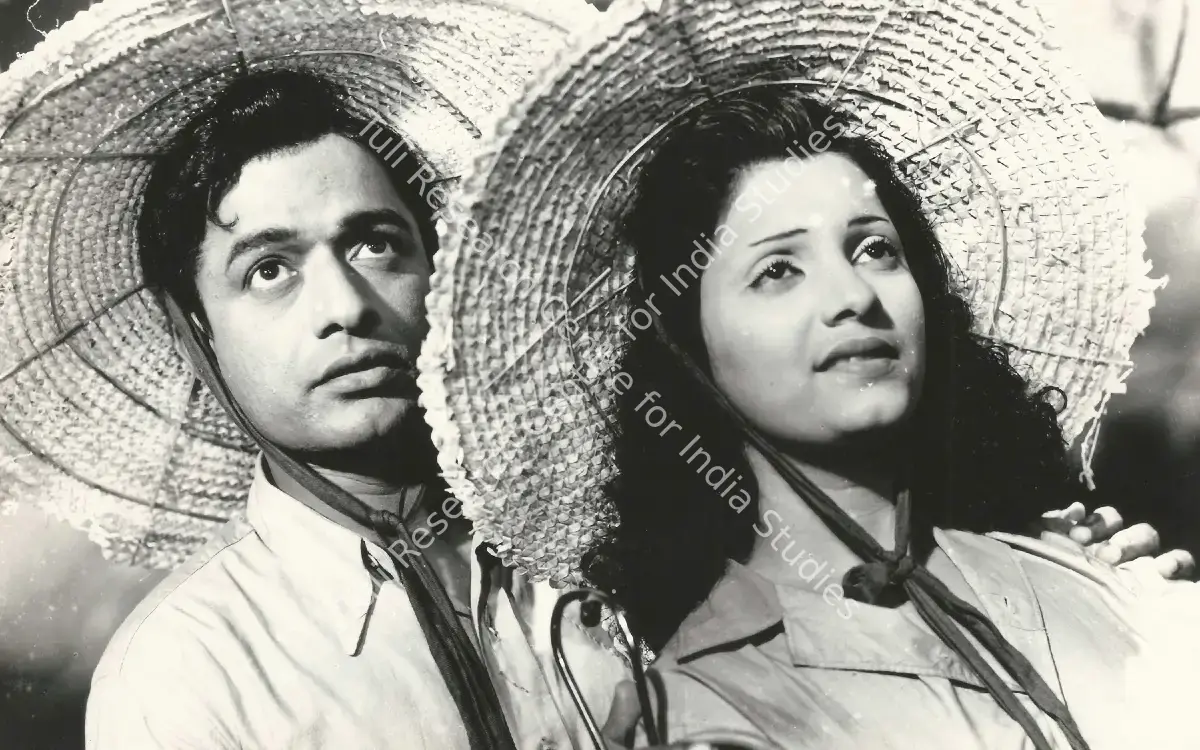
Released in 1946 it was based on the story 'And One Did Not Come Back' by Khwaja Ahmad Abbas on the heroic life of Dr. Dwarkanath Kotnis who was sent to China during the Second World War to provide medical assistance to the troops fighting against the Japanese invasion in Yenan province. During the Japanese invasion of China, Dr Kotnis as a young Indian doctor Dr Kotnis went to China as part of a five-member team of Indian doctors to provide medical assistance during the second Sino-Japanese war. Subsequently, he joined the Chinese resistance, met and courted a Chinese girl, cured the virulent plague, and was captured by a Japanese platoon.
Co written by V. P. Sathe and starring Shataram and Jayashree, it was Shantaram's able direction that made people sit up and take note of a subject that was a departure from the mainstream trend of melodrama on celluloid. The glorious and ideological journey of Kotnis to China was so engagingly narrated that it instantaneously found acceptance among its audience.
The film relives that incredible era of history when a contingent of Indian doctors, propelled by a noble humane thought, volunteered medical assistance and travelled all the way to China to assuage the wounds of war victims. The success of Dr Kotnis and the film has had such an impact that the Consul General of China Kong Xianhua in Mumbai announced establishment of a school in the memory of Dr Dwarkanath Kotnis in his home district Solapur in Maharashtra as a tribute to the legendary Indian physician. The Chinese Consul General said, “Dr Kotnis' behaviour makes us aware a good China-India relationship is promoted by the people and should benefit the people in the end."
The film was screened in competition at the 1947 Venice Film Festival.
1946 में रिलीज़ हुई यह फ़िल्म ख़्वाजा अहमद अब्बास की कहानी 'एंड वन डिड नॉट कम बैक' पर आधारित थी। यह कहानी डॉ. द्वारकानाथ कोटनिस के साहसी जीवन पर बनी थी, जिन्हें दूसरे विश्व युद्ध के दौरान येनान प्रांत में जापानी हमले का सामना कर रही सेना को मेडिकल मदद देने के लिए चीन भेजा गया था। चीन पर जापानी हमले के समय, डॉ. कोटनिस भारतीय डॉक्टरों की पाँच सदस्यों वाली टीम के हिस्से के तौर पर चीन गए थे ताकि दूसरे चीन-जापान युद्ध के दौरान मेडिकल मदद दे सकें। बाद में वे चीनी प्रतिरोध आंदोलन में शामिल हो गए, एक चीनी लड़की से मिले और उनसे प्रेम किया, ख़तरनाक प्लेग का इलाज किया और अंततः जापानी सैनिकों की एक टुकड़ी द्वारा पकड़ लिए गए।
वी. पी. साठे के साथ मिलकर लिखी गई और शांताराम व जयश्री की मुख्य भूमिका वाली इस फ़िल्म को शांताराम ने इतनी कुशलता से निर्देशित किया कि लोगों ने उस विषय पर ध्यान दिया जो फ़िल्मों में मेलोड्रामा के आम चलन से बिल्कुल अलग था। चीन तक कोटनिस की शानदार और आदर्शवादी यात्रा को इतनी दिलचस्प ढंग से दिखाया गया कि दर्शकों ने इसे तुरंत अपना लिया।
यह फ़िल्म इतिहास के उस शानदार दौर को फ़िर से दिखाती है जब भारतीय डॉक्टरों की एक टीम ने, नेक और मानवीय सोच से प्रेरित होकर, युद्ध पीड़ितों के घावों पर मरहम लगाने के लिए स्वेच्छा से चीन की यात्रा की थी। डॉ. कोटनीस और इस फ़िल्म की सफलता का इतना गहरा असर हुआ कि मुंबई में चीन के कॉन्सल जनरल, कोंग शियानहुआ ने महान भारतीय डॉक्टर डॉ. द्वारकानाथ कोटनिस की याद में महाराष्ट्र के उनके गृह ज़िले सोलापुर में एक स्कूल खोलने की घोषणा की। चीनी कॉन्सल जनरल ने कहा, "डॉ. कोटनिस का व्यवहार हमें यह एहसास दिलाता है कि चीन और भारत के बीच अच्छे संबंध लोगों से ही बनते हैं और अंत में इसका फ़ायदा भी लोगों को ही मिलना चाहिए।"
यह फ़िल्म 1947 के वेनिस फ़िल्म फ़ेस्टिवल में मुक़ाबले के लिए दिखाई गई थी।