
V. Avadhut
V. Avadhoot was an Indian cinematographer known for his work across Marathi and Hindi cinema from the late 1930s to the late 1960s. At the beginning of his long career, he primarily worked with V. Shantaram's Prabhat Film Company, contributing to landmark Marathi-Hindi bilingual films such as Kunku/ Duniya Na Maane (1937), Manoos/ Aadmi (1939), Padosi / Shejari (1941).
Duniya Na Mane (1937), a film on feminist themes, was the first Indian film to be screened in the USA. "American Cinematograph" carried a review in its October 1941 issue and praised Avadhoot's trick photography in the film.
His most celebrated contribution is his work on V. Shantaram and Prabhat Studios' magnum Sant Tukaram, a film about the spiritual journey of Saint Tukaram, which set the standards for later devotional films. As one of the first films to earn international recognition, Avadhoot, as well as Shantaram, was recognised for contributing to the film's neo-realist style. Their meditative and expressive composition, naturalistic lighting, and controlled camera movements and framing, with minimal background settings, served as a precursor to the Indian brand of realist cinema aesthetic. Such early techniques of realism were also employed in Manoos/ Aadmi (1939).
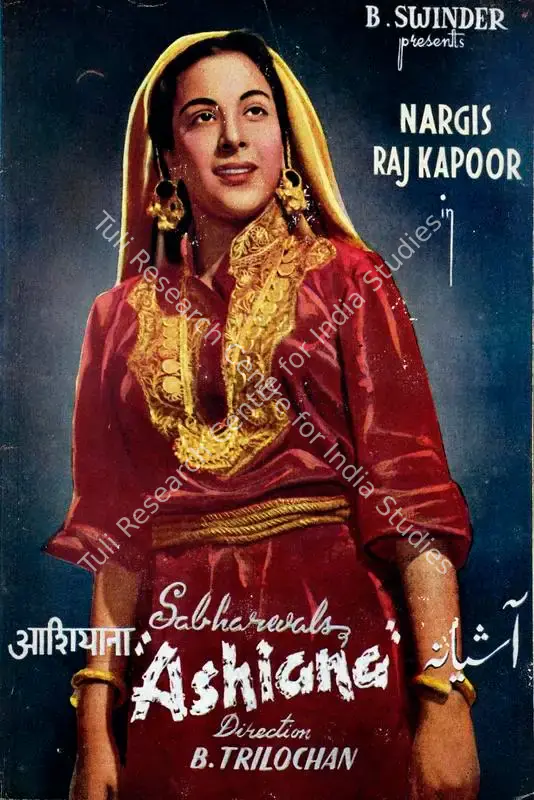
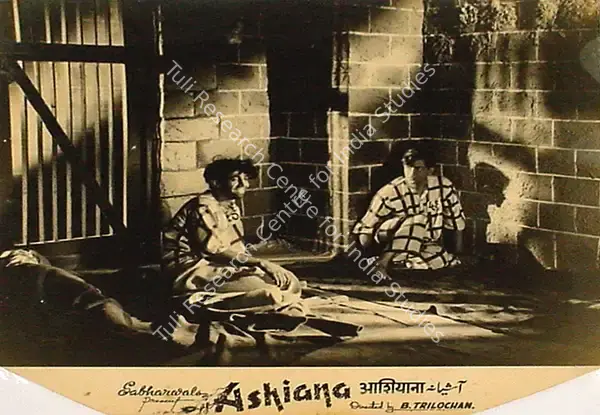
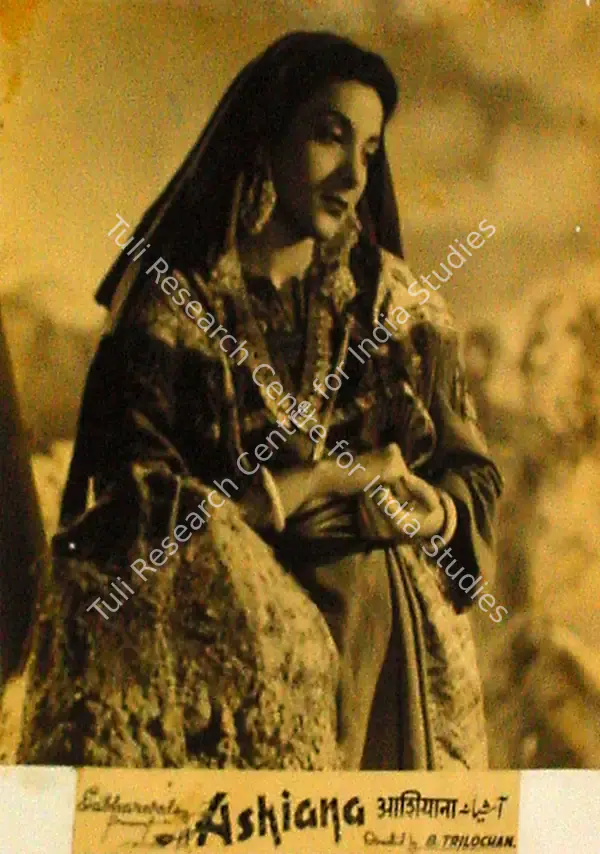
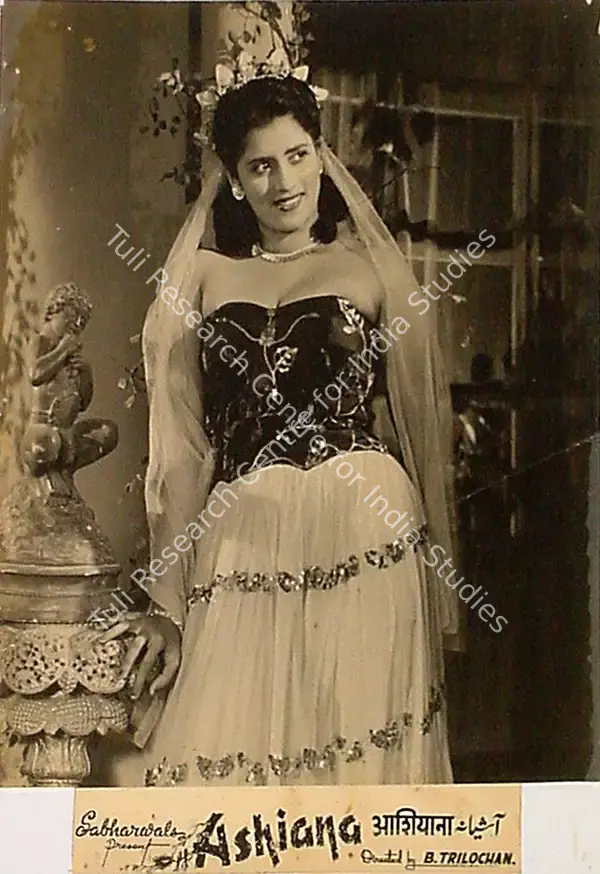
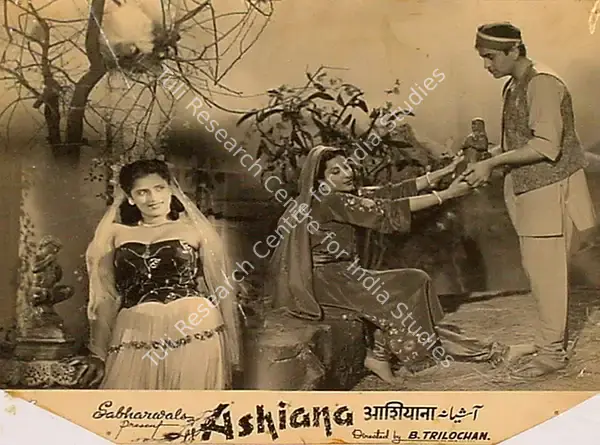
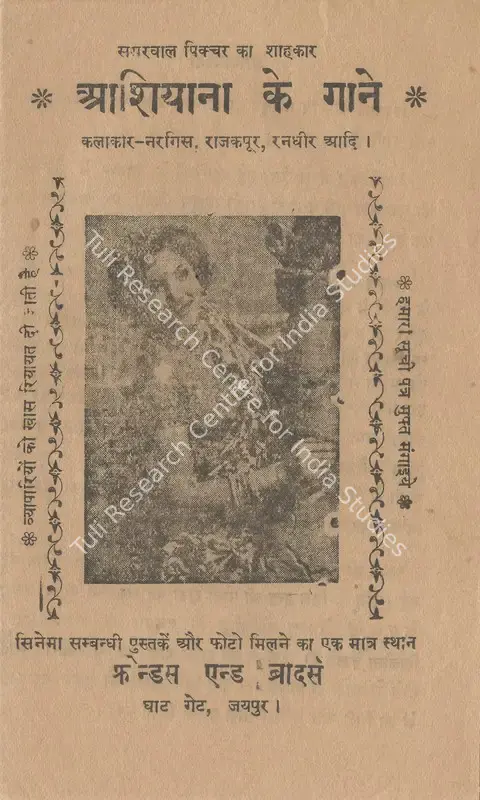
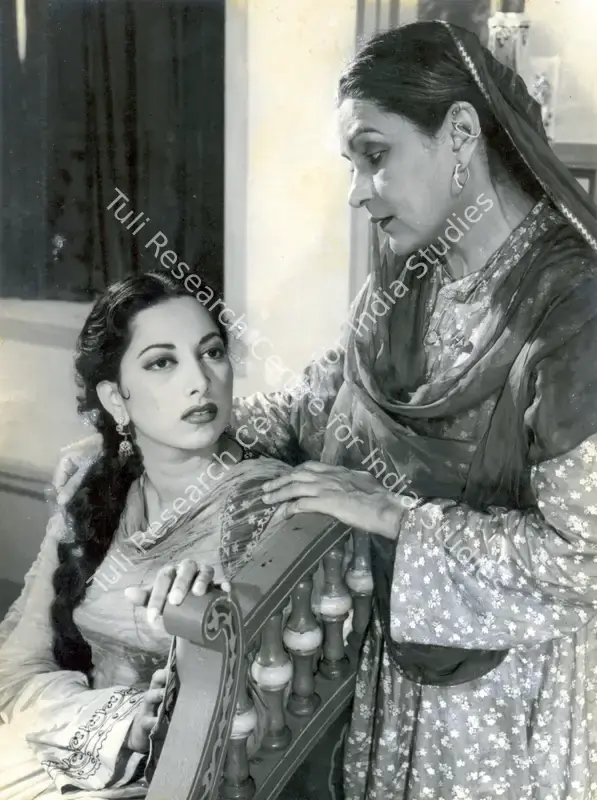
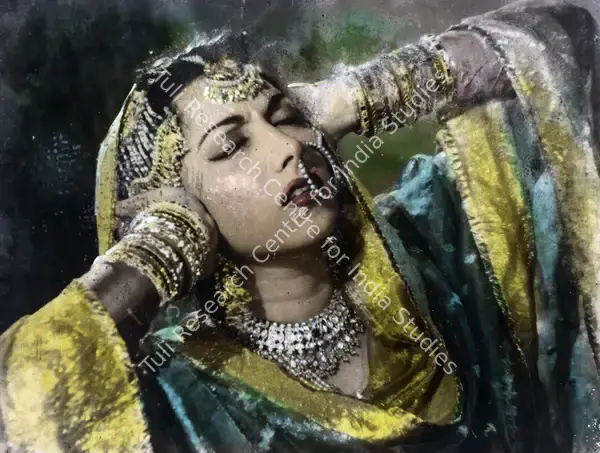
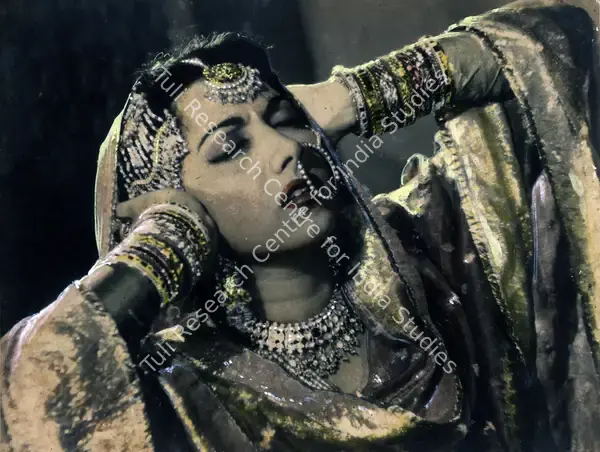
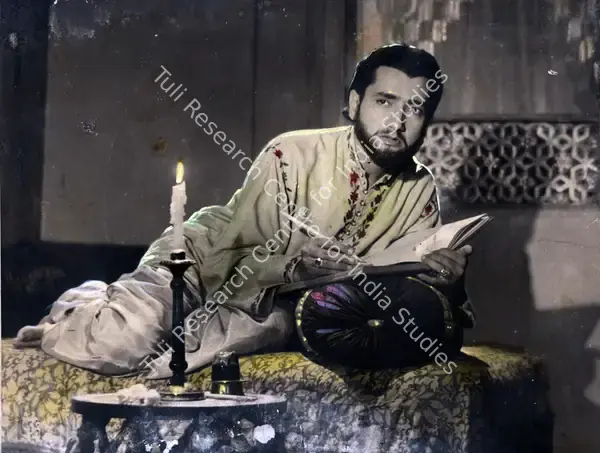
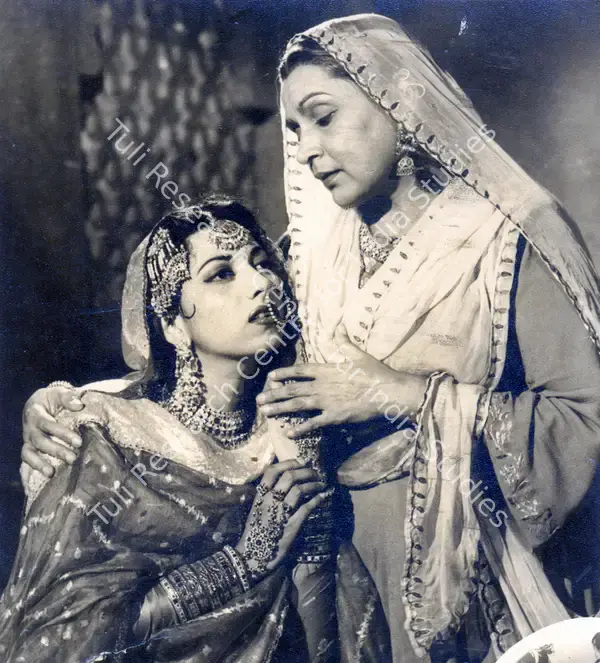
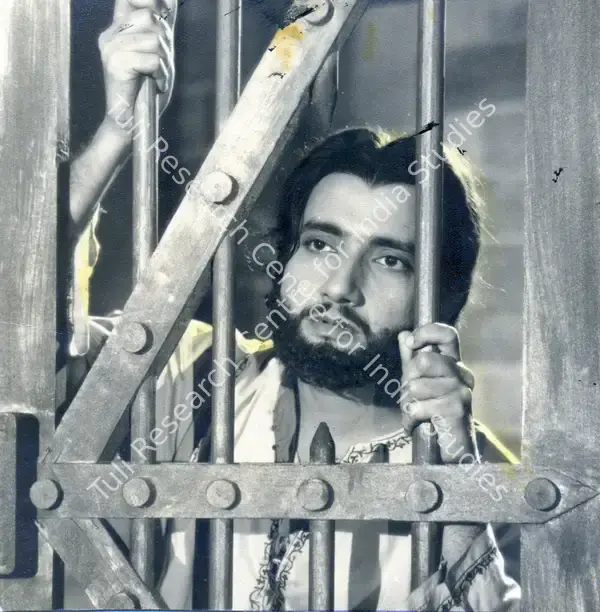
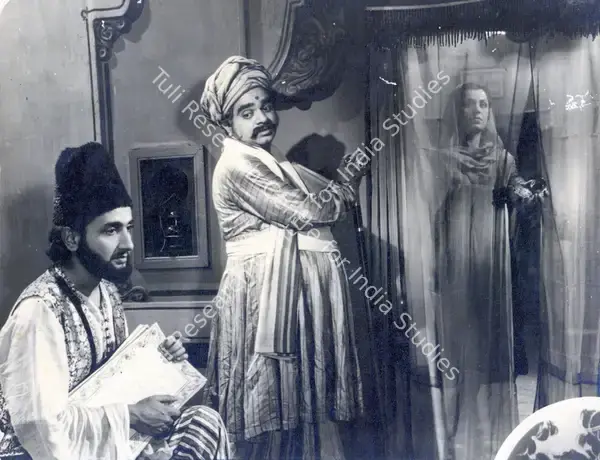
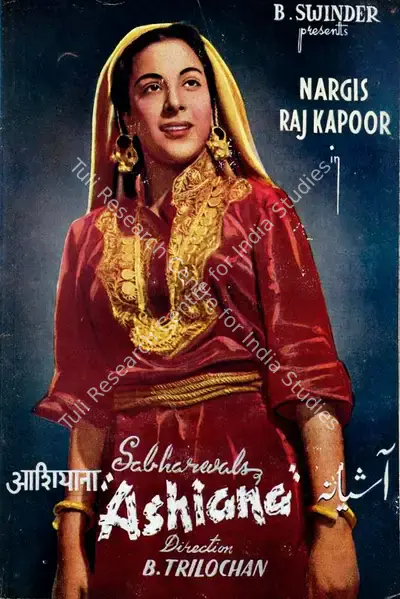
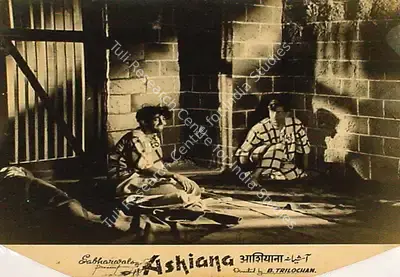
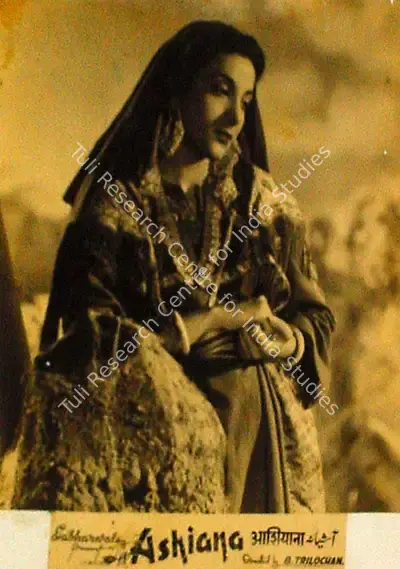
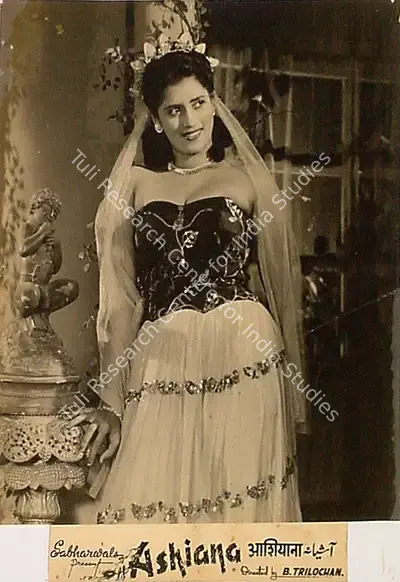
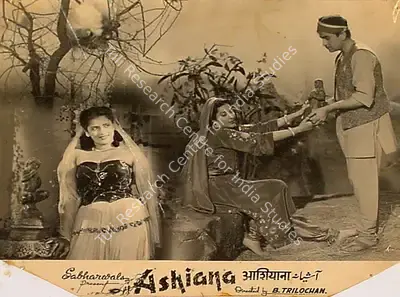
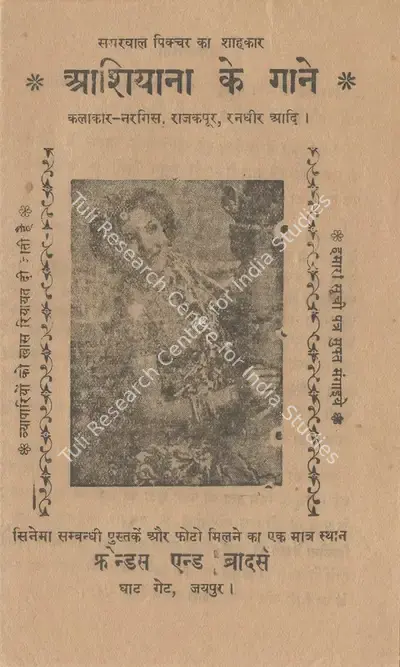
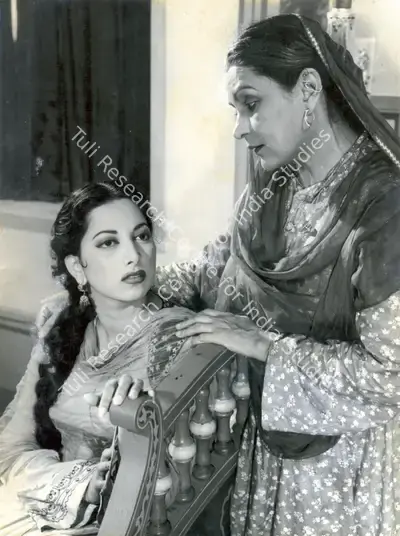
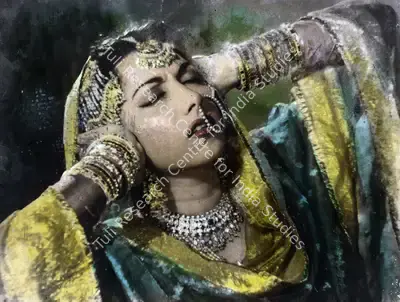
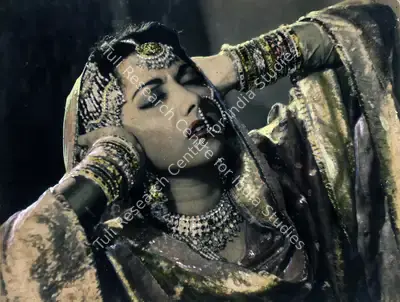
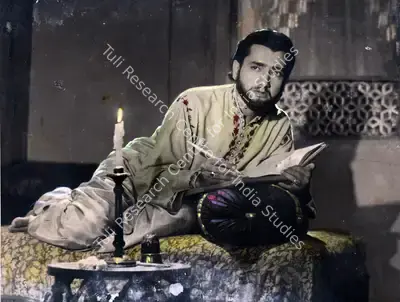
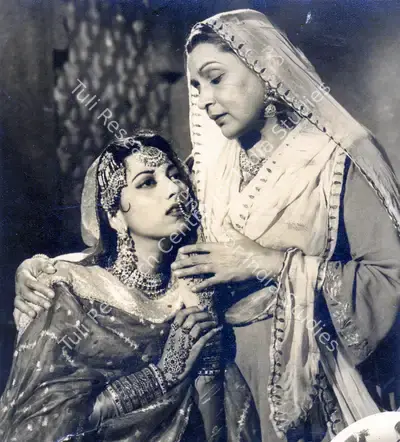
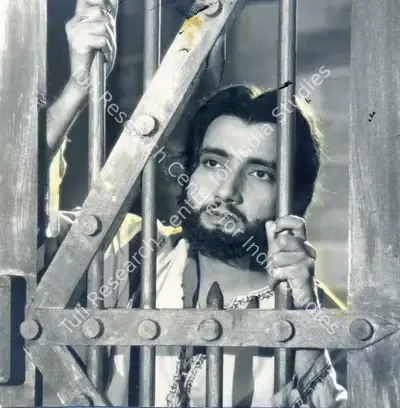
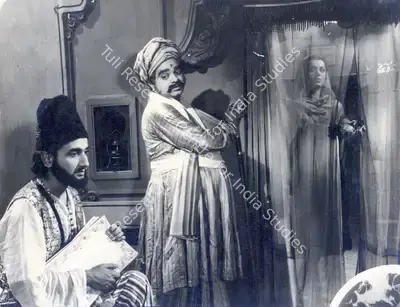
He shifted mainstream Hindi films in the 1950s, prominent among which were Mirza Ghalib (1954), Ashiana (1952), and Rail Ka Dibba (1953), among others.
Avdhoot also served as Vice-President of the Western India Cinematographers Association (WICA) alongside peers such as Faredoon Irani and Nitin Bose.
Duniya Na Mane (1937), a film on feminist themes, was the first Indian film to be screened in the USA. "American Cinematograph" carried a review in its October 1941 issue and praised Avadhoot's trick photography in the film.
His most celebrated contribution is his work on V. Shantaram and Prabhat Studios' magnum Sant Tukaram, a film about the spiritual journey of Saint Tukaram, which set the standards for later devotional films. As one of the first films to earn international recognition, Avadhoot, as well as Shantaram, was recognised for contributing to the film's neo-realist style. Their meditative and expressive composition, naturalistic lighting, and controlled camera movements and framing, with minimal background settings, served as a precursor to the Indian brand of realist cinema aesthetic. Such early techniques of realism were also employed in Manoos/ Aadmi (1939).
He shifted mainstream Hindi films in the 1950s, prominent among which were Mirza Ghalib (1954), Ashiana (1952), and Rail Ka Dibba (1953), among others.
Avdhoot also served as Vice-President of the Western India Cinematographers Association (WICA) alongside peers such as Faredoon Irani and Nitin Bose.
The whole holding
Research Centre
20 of 83
20 of 83