TRIS logo image
Search275,000+ actors, artists, objects, artworks, films, exhibitions, archives

EN

EN

English

HI

Hindi

EN

EN

English

HI

Hindi

Tuli Research Centre for India Studies

Tuli Research Centre for India Studies

Vision

Manifesto

Archive & Library

Vanraja Sanctuary & Hospice

Home

Research Categories

Browse All

ICore

1_CinemaEducation_Cinema as a Critical Educational Resource

2_FineArts_Modern and Contemporary Indian Fine Arts

3_Photography_Photography in India

4_PopCulture_The Printed Image, Popular Arts, and Crafts

IIMaterial

5_ArcHeritage_India's Architectural Heritage as Inspiration

6_EconomicsArt_Economics of Art & Cultural Industry

7_Travel_Automobile, Transport and Travel Heritage

8_Uncertainty_Uncertainty

IIICritical

9_SocialDuty_Social Responsibility of the Creative Mind

10_Childhood_The Changing Smile of Childhood & Its Second Coming

11_Sensuality_The Sensual Discipline within Creativity

12_Scholarship_The History & Historiography of Scholarship in the Arts, Humanities, and Social Sciences

IVMeaningful

13_SeekJustice_Seeking Justice and Political Integrity

14_IndoWorld_India and her Relationship with the World

15_SpiritualPoetics_The Religious-Spiritual-Poetic-Philosophical Framework

16_Continuum_The Animal-Human-Nature Continuum

Explore

All

Posts

Masterlists

Calendar

Live | Upcoming

All Events

Timetable

Search275,000+ actors, artists, objects, artworks, films, exhibitions, archives

EN

EN

English

HI

Hindi

Home/V. Avadhut

V. Avadhut

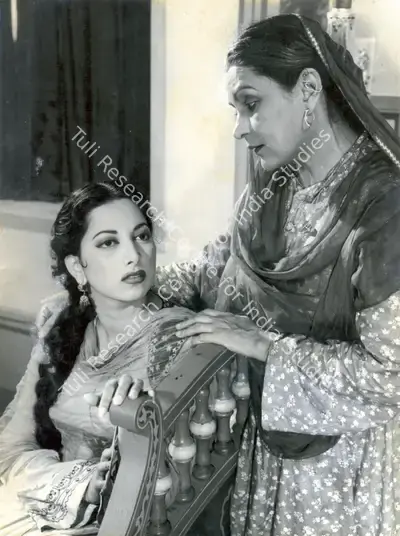
V. Avadhoot was an Indian cinematographer known for his work across Marathi and Hindi cinema from the late 1930s to the late 1960s. At the beginning of his long career, he primarily worked with V. Shantaram's Prabhat Film Company, contributing to landmark Marathi-Hindi bilingual films such as Kunku/ Duniya Na Maane (1937), Manoos/ Aadmi (1939), Padosi / Shejari (1941).

Duniya Na Mane (1937), a film on feminist themes, was the first Indian film to be screened in the USA. "American Cinematograph" carried a review in its October 1941 issue and praised Avadhoot's trick photography in the film.

His most celebrated contribution is his work on V. Shantaram and Prabhat Studios' magnum Sant Tukaram, a film about the spiritual journey of Saint Tukaram, which set the standards for later devotional films. As one of the first films to earn international recognition, Avadhoot, as well as Shantaram, was recognised for contributing to the film's neo-realist style. Their meditative and expressive composition, naturalistic lighting, and controlled camera movements and framing, with minimal background settings, served as a precursor to the Indian brand of realist cinema aesthetic. Such early techniques of realism were also employed in Manoos/ Aadmi (1939).

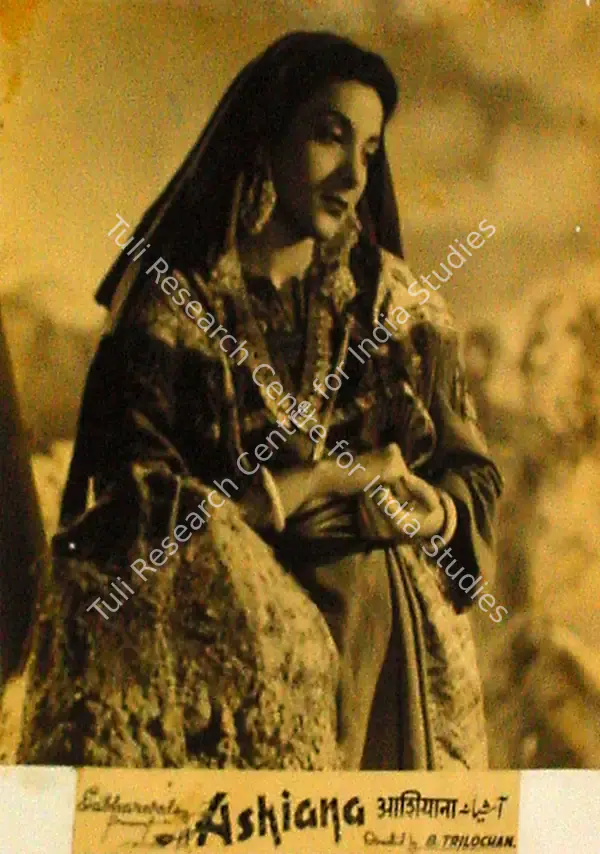
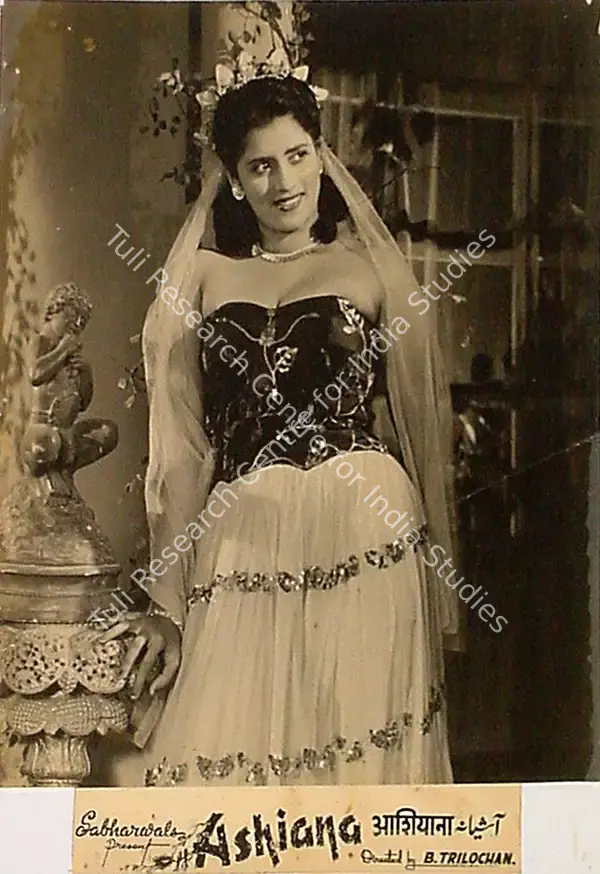
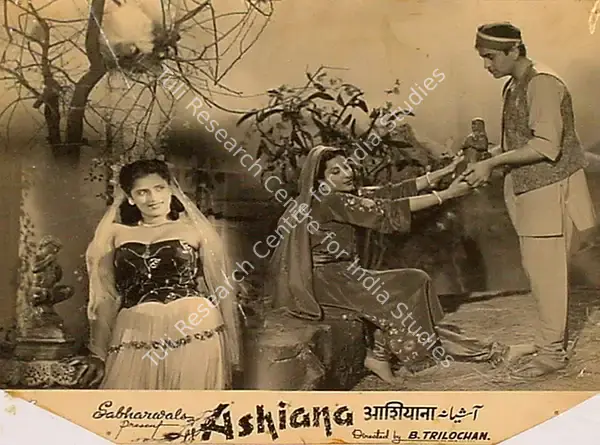
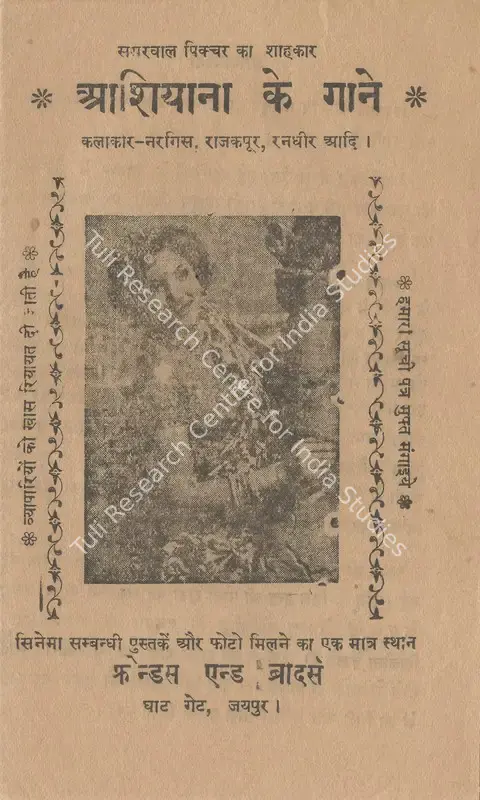
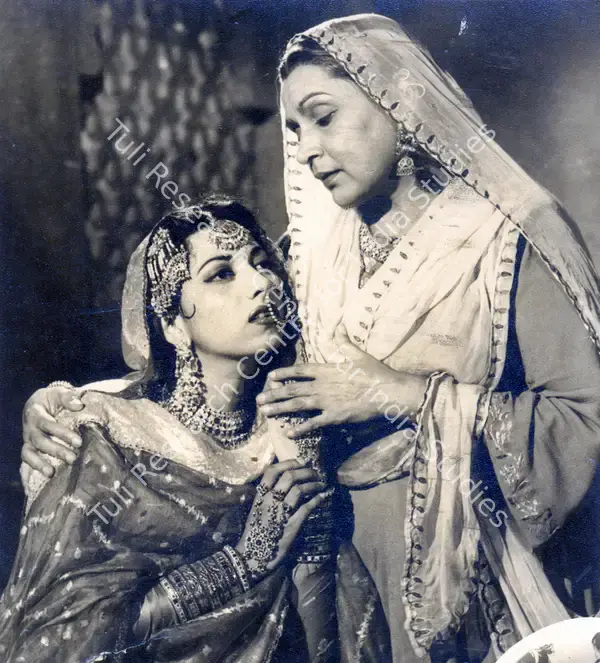
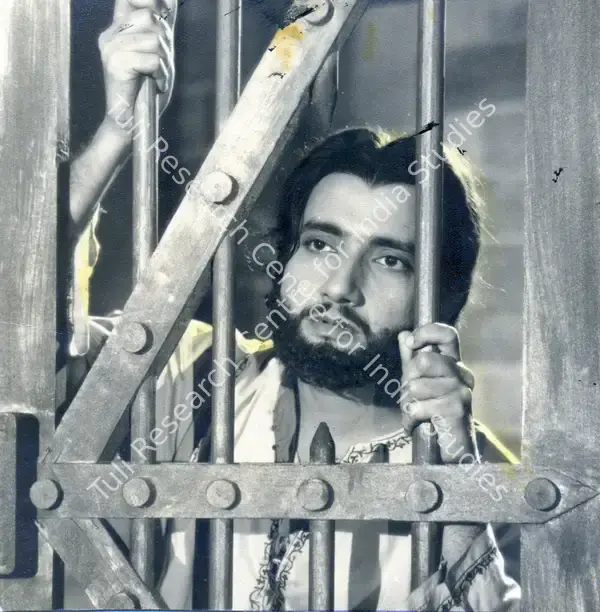
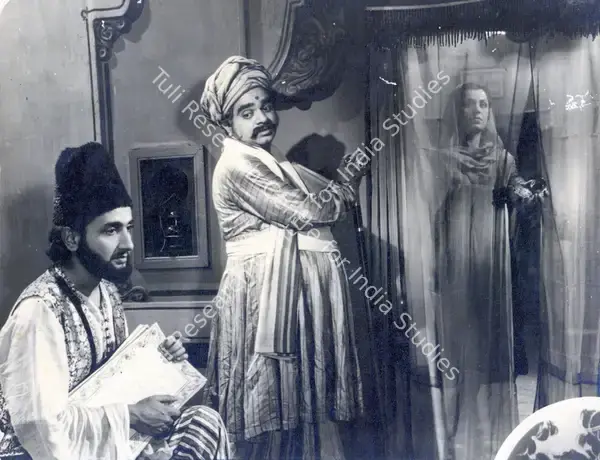
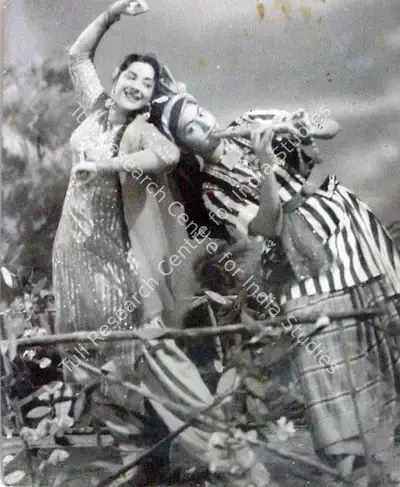
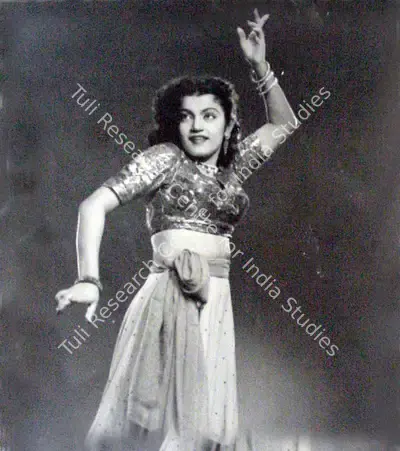
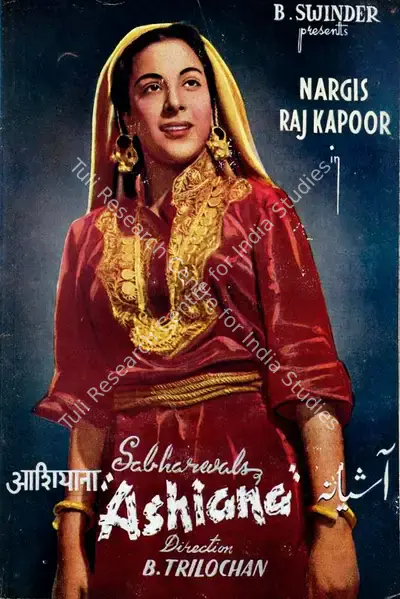
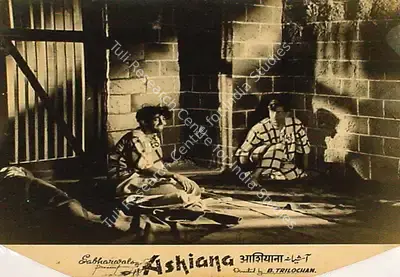
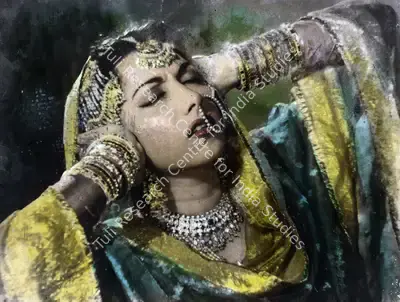
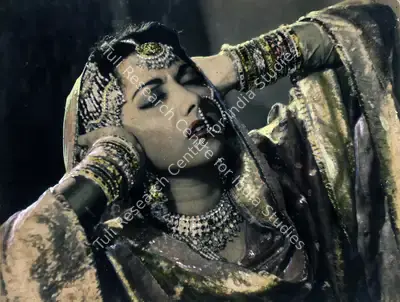
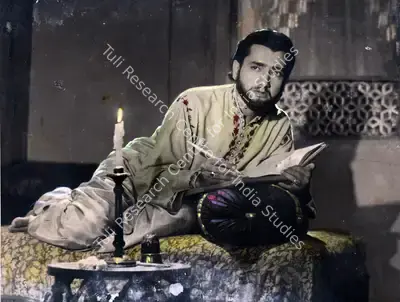
He shifted mainstream Hindi films in the 1950s, prominent among which were Mirza Ghalib (1954), Ashiana (1952), and Rail Ka Dibba (1953), among others.

Avdhoot also served as Vice-President of the Western India Cinematographers Association (WICA) alongside peers such as Faredoon Irani and Nitin Bose.

वी. अवधूत एक भारतीय सिनेमैटोग्राफ़र थे जो 1930 के दशक के अंत से 1960 के दशक के अंत तक मराठी और हिंदी सिनेमा में अपने काम के लिए जाने जाते थे। अपने लंबे करियर की शुरुआत में, उन्होंने मुख्य रूप से वी. शांताराम की प्रभात फ़िल्म कंपनी के साथ काम किया, और कुंकू/दुनिया ना माने (1937), मानूस/आदमी (1939), पडोसी/शेजारी (1941) जैसी ऐतिहासिक मराठी हिंदी द्विभाषी फ़िल्मों में योगदान दिया।
'दुनिया न माने' (1937), जो महिलाओं के मुद्दों पर बनी एक फ़िल्म थी। यह फ़िल्म अमेरिका में दिखाई जाने वाली पहली भारतीय फ़िल्म थी। "अमेरिकन सिनेमैटोग्राफ़" ने अक्टूबर 1941 के अंक में इसकी समीक्षा की और फ़िल्म में अवधूत की ट्रिक फ़ोटोग्राफ़ी की तारीफ़ की।
उनका सबसे मशहूर काम वी. शांताराम और प्रभात स्टूडियो की बेहतरीन फ़िल्म 'संत तुकाराम' में रहा है। यह फ़िल्म संत तुकाराम की आध्यात्मिक यात्रा पर आधारित थी और इसने बाद में बनी भक्ति फ़िल्मों के लिए एक मानक तय किया। अंतरराष्ट्रीय पहचान पाने वाली शुरुआती फ़िल्मों में से एक होने के नाते, अवधूत और शांताराम दोनों को फ़िल्म की नियो-रियलिस्टिक (नई यथार्थवादी) शैली में योगदान के लिए सराहा गया। उनकी सोच-समझकर और भावपूर्ण ढंग से की गई कंपोज़िशन, नैचुरलिस्टिक लाइटिंग, और नियंत्रित कैमरा मूवमेंट व फ़्रेमिंग के साथ ही कम से कम बैकग्राउंड सेटिंग ने भारतीय यथार्थवादी सिनेमा की शैली की नींव रखी। यथार्थवाद की ऐसी शुरुआती तकनीकों का इस्तेमाल 'मानूस' / 'आदमी' (1939) में भी किया गया था।
1950 के दशक में उन्होंने मुख्यधारा की हिंदी फ़िल्मों में काम करना शुरू किया। इनमें 'मिर्ज़ा ग़ालिब' (1954), 'आशियाना' (1952) और 'रेल का डिब्बा' (1953) जैसी फ़िल्में प्रमुख थीं।
अवधूत ने फ़रीदून ईरानी और नितिन बोस जैसे साथियों के साथ 'वेस्टर्न इंडिया सिनेमैटोग्राफ़र्स एसोसिएशन' (WICA) के उपाध्यक्ष के तौर पर भी काम किया।
The whole holding
Scroll→

Research Centre

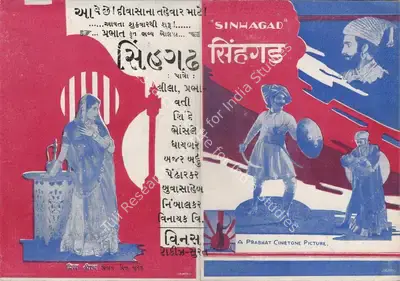
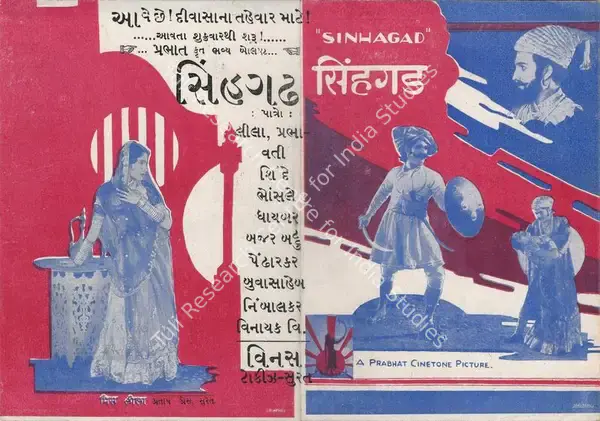
V. Shantaram (Director), Sinhagad, 1933, Handbill
Shantaram, V. (Director), Sinhagad, 1933 | Handbill
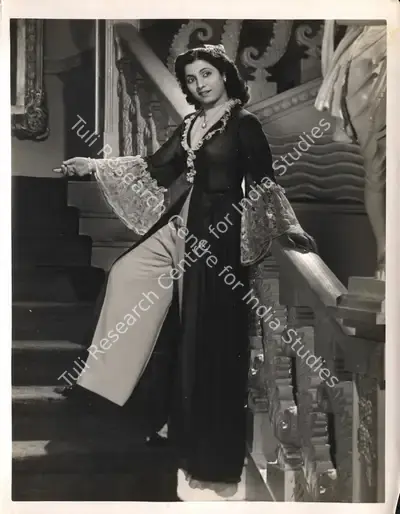
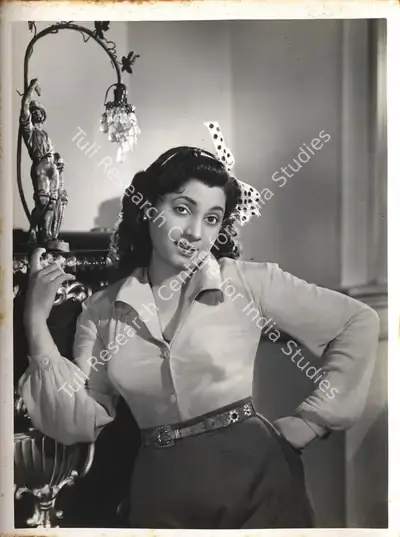
V. Avadhut (Cinematographer), Dr Kotnis Ki Amar Kahani, 1946, Photographic Still
Avadhut, V. (Cinematographer), Dr Kotnis Ki Amar Kahani, 1946 | Photographic Still
V. Avadhut (Cinematographer), Dr Kotnis Ki Amar Kahani, 1946, Photographic Still
Avadhut, V. (Cinematographer), Dr Kotnis Ki Amar Kahani, 1946 | Photographic Still
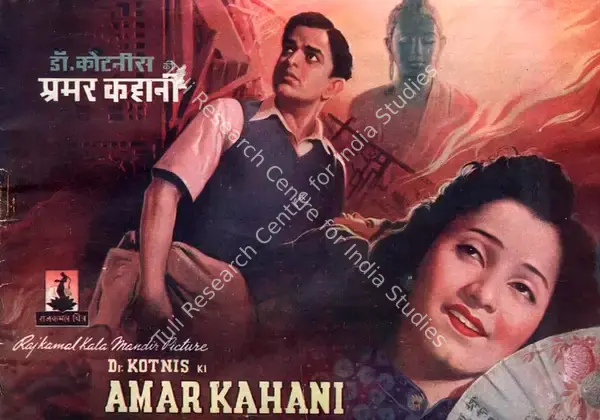
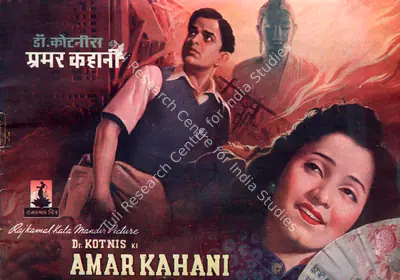
V. Shantaram (Director), Dr Kotnis Ki Amar Kahani, 1946, Song-Synopsis Booklet
Shantaram, V. (Director), Dr Kotnis Ki Amar Kahani, 1946 | Song-Synopsis Booklet
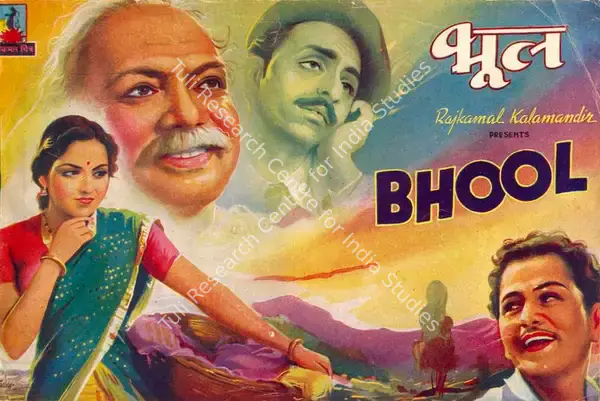
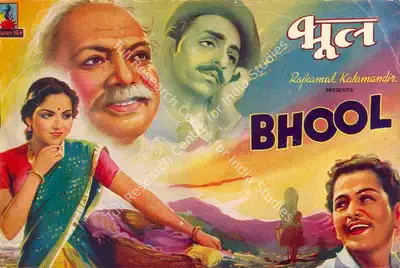
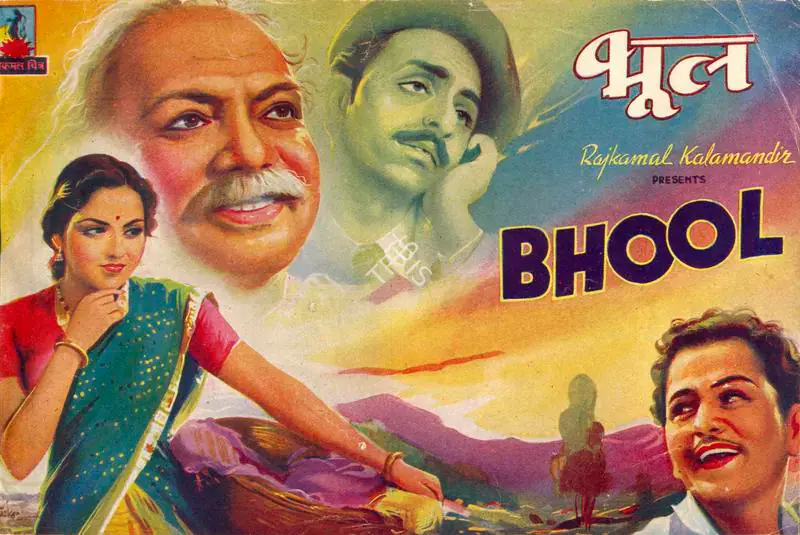
V. Avadhut (Director), Bhool, 1948, Song-Synopsis Booklet
Avadhut, V. (Director), Bhool, 1948 | Song-Synopsis Booklet
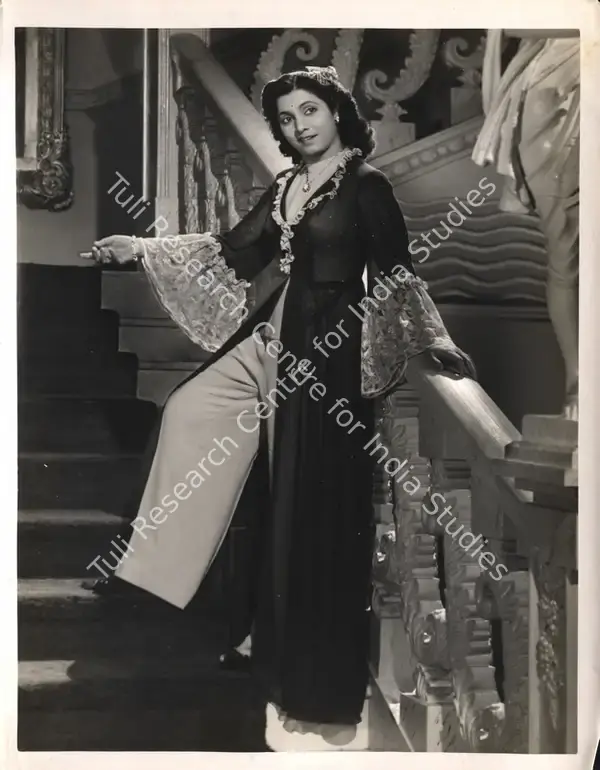
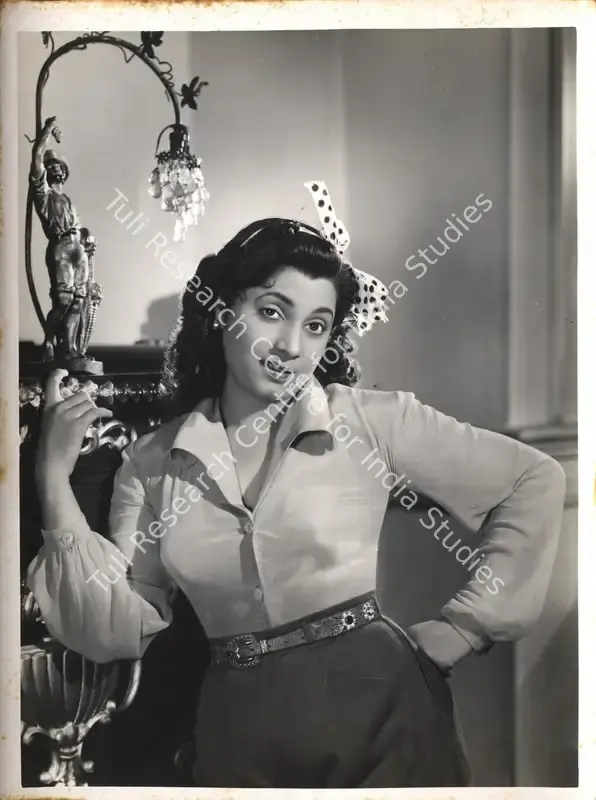
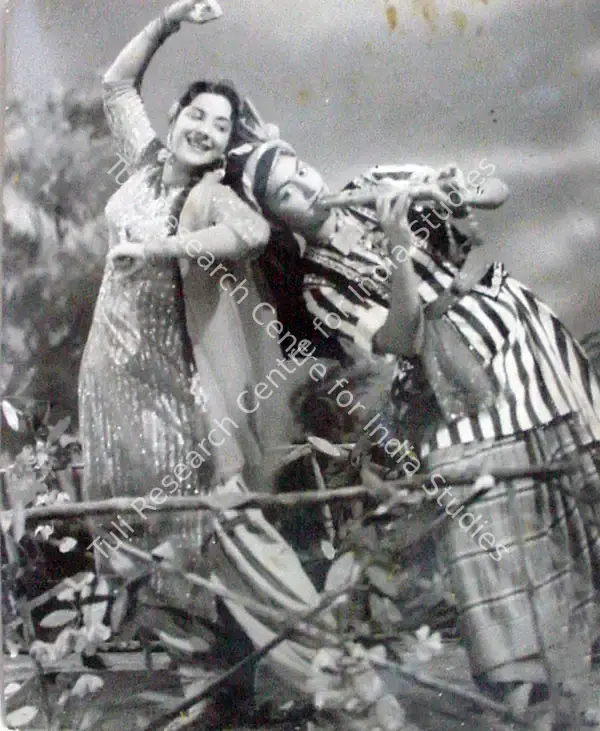
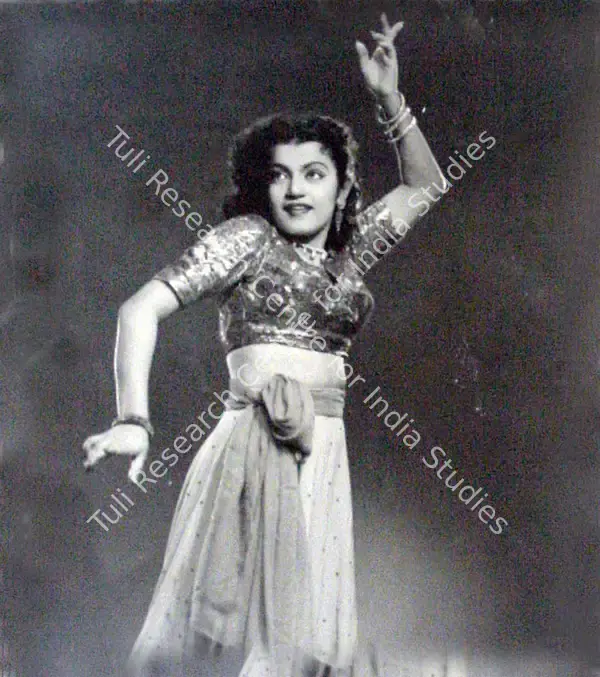
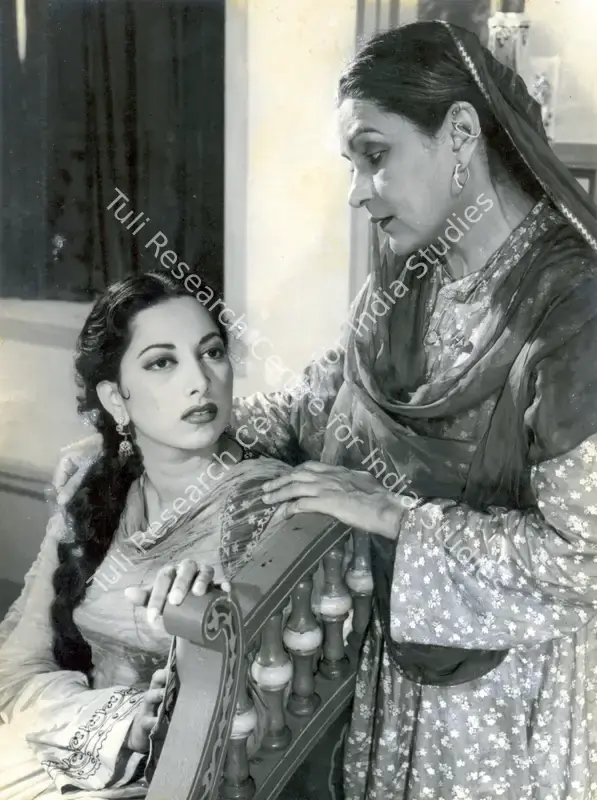
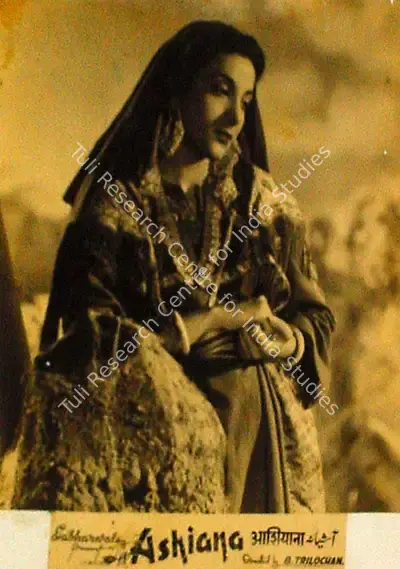
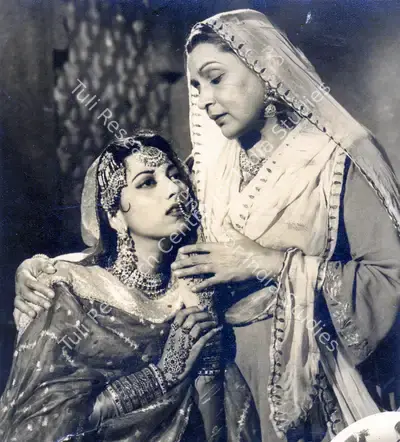
V. Avadhut (Cinematographer), Ashiana, 1952, Photographic Still
Avadhut, V. (Cinematographer), Ashiana, 1952 | Photographic Still
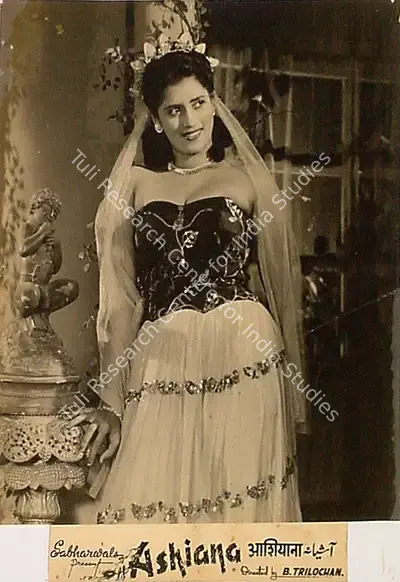
V. Avadhut (Cinematographer), Ashiana, 1952, Photographic Still
Avadhut, V. (Cinematographer), Ashiana, 1952 | Photographic Still
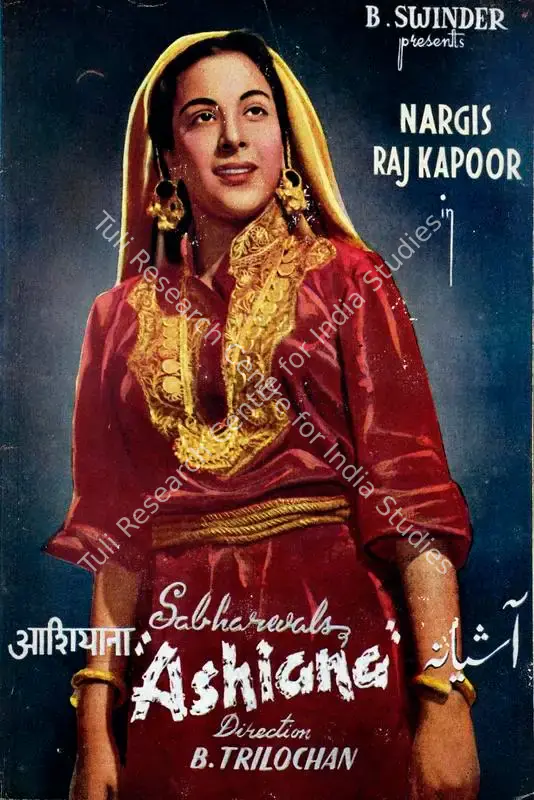
B. Swinder Singh Sabharwal (Producer), Ashiana, 1952, Song-Synopsis Booklet
Sabharwal, B. Swinder Singh (Producer), Ashiana, 1952 | Song-Synopsis Booklet
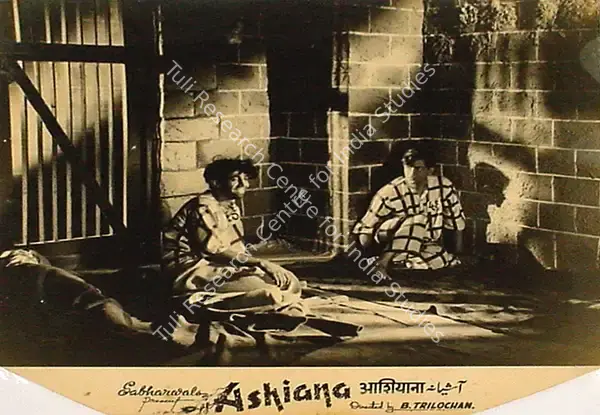
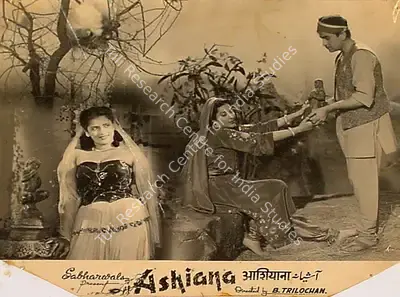
V. Avadhut (Cinematographer), Ashiana, 1952, Lobby Card
Avadhut, V. (Cinematographer), Ashiana, 1952 | Lobby Card
V. Avadhut (Cinematographer), Ashiana, 1952, Lobby Card
Avadhut, V. (Cinematographer), Ashiana, 1952 | Lobby Card
V. Avadhut (Cinematographer), Ashiana, 1952, Lobby Card
Avadhut, V. (Cinematographer), Ashiana, 1952 | Lobby Card
V. Avadhut (Cinematographer), Ashiana, 1952, Lobby Card
Avadhut, V. (Cinematographer), Ashiana, 1952 | Lobby Card
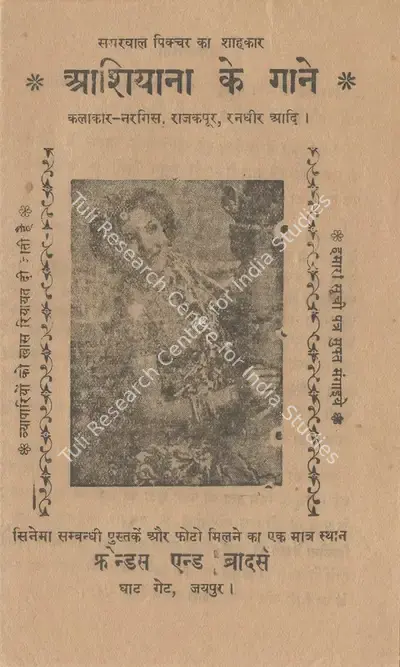
B. Swinder Singh Sabharwal (Producer), Ashiana, 1952, Cyclostyled Lyrics Leaflet
Sabharwal, B. Swinder Singh (Producer), Ashiana, 1952 | Cyclostyled Lyrics Leaflet
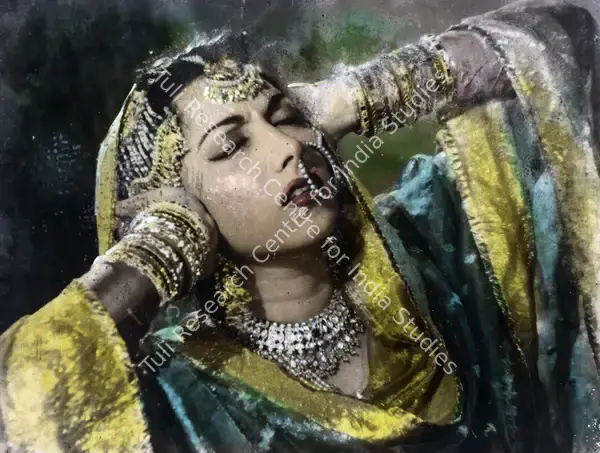
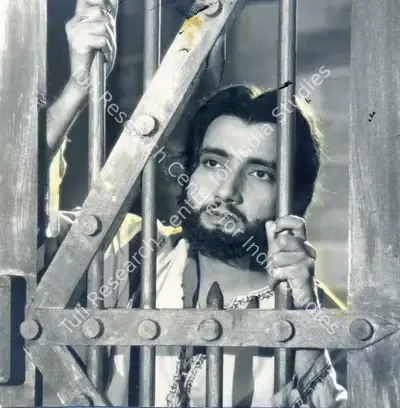
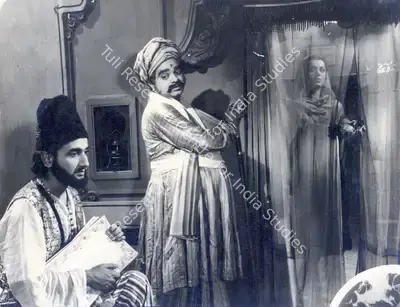
V. Avadhut (Cinematographer), Mirza Ghalib, 1954, Photographic Still
Avadhut, V. (Cinematographer), Mirza Ghalib, 1954 | Photographic Still
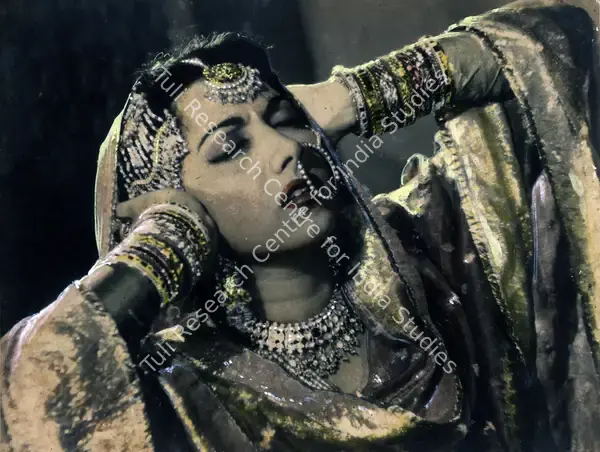
V. Avadhut (Cinematographer), Mirza Ghalib, 1954, Photographic Still
Avadhut, V. (Cinematographer), Mirza Ghalib, 1954 | Photographic Still
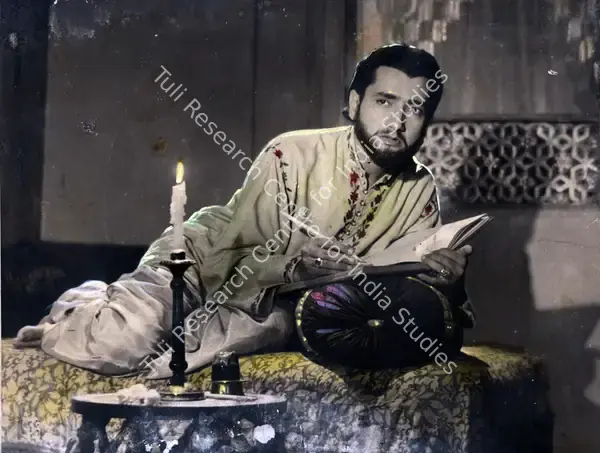
V. Avadhut (Cinematographer), Mirza Ghalib, 1954, Photographic Still
Avadhut, V. (Cinematographer), Mirza Ghalib, 1954 | Photographic Still
V. Avadhut (Cinematographer), Mirza Ghalib, 1954, Photographic Still
Avadhut, V. (Cinematographer), Mirza Ghalib, 1954 | Photographic Still
V. Avadhut (Cinematographer), Mirza Ghalib, 1954, Photographic Still
Avadhut, V. (Cinematographer), Mirza Ghalib, 1954 | Photographic Still
V. Avadhut (Cinematographer), Mirza Ghalib, 1954, Photographic Still
Avadhut, V. (Cinematographer), Mirza Ghalib, 1954 | Photographic Still
V. Avadhut (Cinematographer), Mirza Ghalib, 1954, Photographic Still
Avadhut, V. (Cinematographer), Mirza Ghalib, 1954 | Photographic Still
20 of 83
V. Shantaram (Director), Sinhagad, 1933, Handbill
Shantaram, V. (Director), Sinhagad, 1933 | Handbill
V. Avadhut (Cinematographer), Dr Kotnis Ki Amar Kahani, 1946, Photographic Still
Avadhut, V. (Cinematographer), Dr Kotnis Ki Amar Kahani, 1946 | Photographic Still
V. Avadhut (Cinematographer), Dr Kotnis Ki Amar Kahani, 1946, Photographic Still
Avadhut, V. (Cinematographer), Dr Kotnis Ki Amar Kahani, 1946 | Photographic Still
V. Shantaram (Director), Dr Kotnis Ki Amar Kahani, 1946, Song-Synopsis Booklet
Shantaram, V. (Director), Dr Kotnis Ki Amar Kahani, 1946 | Song-Synopsis Booklet
V. Avadhut (Director), Bhool, 1948, Song-Synopsis Booklet
Avadhut, V. (Director), Bhool, 1948 | Song-Synopsis Booklet
V. Avadhut (Cinematographer), Ashiana, 1952, Photographic Still
Avadhut, V. (Cinematographer), Ashiana, 1952 | Photographic Still
V. Avadhut (Cinematographer), Ashiana, 1952, Photographic Still
Avadhut, V. (Cinematographer), Ashiana, 1952 | Photographic Still
B. Swinder Singh Sabharwal (Producer), Ashiana, 1952, Song-Synopsis Booklet
Sabharwal, B. Swinder Singh (Producer), Ashiana, 1952 | Song-Synopsis Booklet
V. Avadhut (Cinematographer), Ashiana, 1952, Lobby Card
Avadhut, V. (Cinematographer), Ashiana, 1952 | Lobby Card
V. Avadhut (Cinematographer), Ashiana, 1952, Lobby Card
Avadhut, V. (Cinematographer), Ashiana, 1952 | Lobby Card
V. Avadhut (Cinematographer), Ashiana, 1952, Lobby Card
Avadhut, V. (Cinematographer), Ashiana, 1952 | Lobby Card
V. Avadhut (Cinematographer), Ashiana, 1952, Lobby Card
Avadhut, V. (Cinematographer), Ashiana, 1952 | Lobby Card
B. Swinder Singh Sabharwal (Producer), Ashiana, 1952, Cyclostyled Lyrics Leaflet
Sabharwal, B. Swinder Singh (Producer), Ashiana, 1952 | Cyclostyled Lyrics Leaflet
V. Avadhut (Cinematographer), Mirza Ghalib, 1954, Photographic Still
Avadhut, V. (Cinematographer), Mirza Ghalib, 1954 | Photographic Still
V. Avadhut (Cinematographer), Mirza Ghalib, 1954, Photographic Still
Avadhut, V. (Cinematographer), Mirza Ghalib, 1954 | Photographic Still
V. Avadhut (Cinematographer), Mirza Ghalib, 1954, Photographic Still
Avadhut, V. (Cinematographer), Mirza Ghalib, 1954 | Photographic Still
V. Avadhut (Cinematographer), Mirza Ghalib, 1954, Photographic Still
Avadhut, V. (Cinematographer), Mirza Ghalib, 1954 | Photographic Still
V. Avadhut (Cinematographer), Mirza Ghalib, 1954, Photographic Still
Avadhut, V. (Cinematographer), Mirza Ghalib, 1954 | Photographic Still
V. Avadhut (Cinematographer), Mirza Ghalib, 1954, Photographic Still
Avadhut, V. (Cinematographer), Mirza Ghalib, 1954 | Photographic Still
V. Avadhut (Cinematographer), Mirza Ghalib, 1954, Photographic Still
Avadhut, V. (Cinematographer), Mirza Ghalib, 1954 | Photographic Still
20 of 83
Tuli Research Centre for India Studies

Tuli Research Centre

for India Studies

A free and open knowledge base for the modern and contemporary Indian arts, cinema, photography and cultural heritage.

Support

Contact Us

Discover

Tuli Research Centre for India StudiesVisionManifestoArchive & LibraryVanraja Sanctuary & Hospice

Legal

Privacy PolicyTerms & Conditions

Follow us

Youtube

Youtube

Instagram

Instagram

Facebook

Facebook

© Tuli Research Centre for India Studies 2026

Tuli Research Centre for India Studies

Tuli Research Centre

for India Studies

A free and open knowledge base for the modern and contemporary Indian arts, cinema, photography and cultural heritage.

Tuli Research Centre for India StudiesVisionManifestoArchive & LibraryVanraja Sanctuary & Hospice
Contact Us
Privacy PolicyTerms & Conditions

Follow us

YoutubeInstagramFacebook

© Tuli Research Centre for India Studies 2026

                          Avadhut, V. (Director), Bhool, 1948 | Song-Synopsis Booklet | CinemaEducation | 00863529

                          Avadhut, V. (Director), Bhool, 1948 | Song-Synopsis Booklet

                          DirectorV. Avadhut
                          Document TypeSong-Synopsis Booklet
                          Film TitleBhool, 1948, India, Hindi
                          BannerRajkamal Kalamandir
                          CastDewan Sharar, Sheela, Shivdayal, Suman, Sundra Bai, Mohan Chandra, Baby Charusheela, K. Date, Aruna Devi, Baby Madhura, Baby Rajesree, Baby Sadhana, Nanak Seth, Umesh Sharma, Baby Sheela, Girdhar, Hotelwalla, Kapoor, Parshram, Phuphi, Sethani
                          Copyright of ImageWith Producer | Archive Object

                          Research Categories

                          1_CinemaEducation

                          Related Links2

                          Masterlist
                          The Hindi Film Song Synopsis Booklet
                          Research Categories
                          01Cinema as a Critical Educational Resource