

Devi1970
Introduction
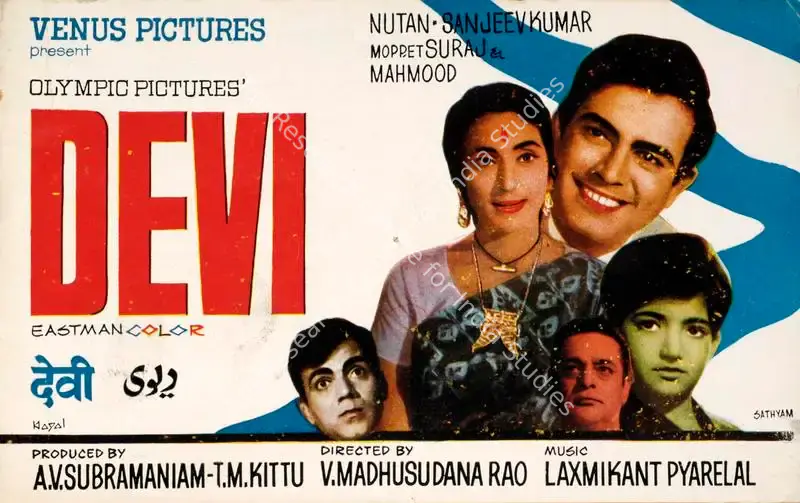
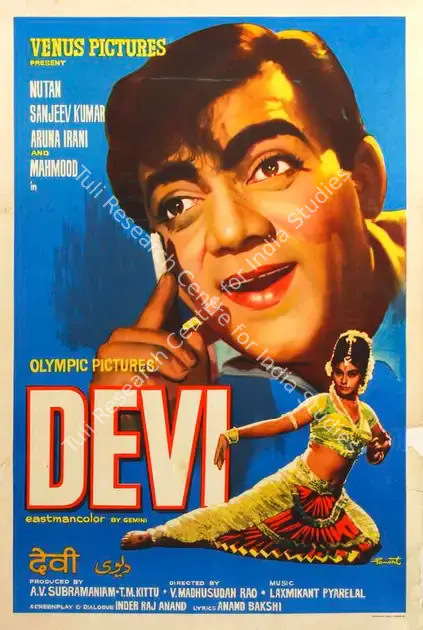
Devi (1970) Directed by V. Madhusudhana Rao, it is a Hindi social melodrama starring Nutan and Sanjeev Kumar in the lead roles, with supporting performances by Farida Jalal, Aruna Irani, Lalita Pawar, Manorama, Madan Puri, Rehman, Gajanan Jagirdar, Manmohan Krishna, Mukri, Dina Pathak, Sulochana, and Mehmood. The film emerged as a notable commercial success, particularly among family audiences, owing to its emotionally charged narrative, strong performances, and exploration of social stigma, familial honour, and gendered morality within a traditional Indian setting. The music was composed by the celebrated duo Laxmikant–Pyarelal, with lyrics by Anand Bakshi.
Set in a rural Indian milieu, the narrative centres on Devi (Nutan), a young woman living with her widowed mother, Jamuna. She falls in love with the village doctor, Shekhar (Sanjeev Kumar), and the two subsequently marry. Their union, however, encounters vehement opposition from Shekhar's elder brother and his widowed mother-in-law, who resides with the family alongside her unmarried daughter, Shobha, following the death of her elder child. The older woman had long intended for Shekhar to marry Shobha, and Devi's arrival disrupts both familial expectations and domestic hierarchies.
As tensions escalate within the household and Devi becomes the target of hostility and suspicion, Shekhar contemplates relocating in order to preserve their marriage. A temporary reconciliation eventually leads to Devi's reluctant acceptance into the family. The couple's happiness appears to deepen when Devi becomes pregnant, a development that fills Shekhar with optimism and emotional fulfilment.
The narrative takes a dramatic turn when Shekhar travels abroad to attend a medical seminar. Upon his return several weeks later, he discovers that Devi has mysteriously disappeared. In his search for answers, he visits Jamuna's residence, only to be directed toward a local brothel. There, he is confronted with photographs of Devi and her widowed mother in compromising circumstances, including an image of Jamuna in the company of an unidentified man. Shocked and emotionally shattered, Shekhar assumes the worst, returns home in remorse, seeks forgiveness from his brother, and vows never again to involve himself with Devi or enter into another marriage. Yet the film sustains its emotional and moral ambiguity by posing unresolved questions: Is Devi truly guilty of the accusations levelled against her, or is she the victim of circumstance and social prejudice? And who is the mysterious man seen alongside her mother?
The soundtrack of Devi further contributed to the film's popularity. Composed by Laxmikant–Pyarelal and written by Anand Bakshi, the music featured the voices of legendary playback singers such as Mohammed Rafi and Lata Mangeshkar. Among the notable songs from the film are Shaadi Ke Liye Razamand Kar Li, Teri Haseen Nigah Ka, Kya Jhoota Lagta Hai Ek Ek Hain Sab Hindustani and Jogan Pritam Ki, all of which enjoyed popularity during the film's release period.
Nutan's performance in Devi received widespread critical acclaim and is often cited among the significant performances of her later career. Critics praised her restrained and naturalistic acting style, particularly her ability to convey emotional vulnerability, dignity, and psychological complexity within the conventions of mainstream Hindi melodrama. Her portrayal of a woman caught between patriarchal suspicion and personal integrity added considerable depth to the film's emotional landscape.
The film also attracted public attention beyond its cinematic achievements due to sensational rumours circulated by sections of the popular press and gossip circles regarding an alleged romantic relationship between Nutan and Sanjeev Kumar during production. Reports falsely claimed that the two actors were involved romantically, living together, and even contemplating custody arrangements concerning Nutan's son. Deeply distressed by the defamatory speculation surrounding her personal and marital life, Nutan reportedly confronted Sanjeev Kumar publicly and slapped him on the sets of the film. The incident became one of the most widely discussed controversies in Hindi cinema at the time, reflecting both the intrusive culture of celebrity gossip and the intense scrutiny faced by female stars in the Indian film industry.
भारत के ग्रामीण परिवेश पर केन्द्रित यह कहानी देवी (नूतन) के इर्द-गिर्द घूमती है, जो अपनी विधवा मां जमुना के साथ रहती है। उसे गांव के डॉक्टर शेखर (संजीव कुमार) से प्यार हो जाता है और दोनों शादी कर लेते हैं। हालांकि, शेखर के बड़े भाई और उसकी विधवा सास, जो अपने बड़े बच्चे की मृत्यु के बाद अपनी अविवाहित बेटी शोभा को लेकर परिवार के साथ रहती है, इस विवाह का कड़ा विरोध करते हैं। बड़ी सास लंबे समय से शेखर की शादी शोभा से करवाना चाहती थी, और देवी के आने से पारिवारिक अपेक्षाएं और घरेलू व्यवस्था दोनों ही अस्त-व्यस्त हो जाती हैं।
घर में तनाव बढ़ने और देवी के प्रति शत्रुता और संदेह बढ़ने पर, शेखर अपने वैवाहिक जीवन को बचाने के लिए कहीं और बसने के बारे में सोचने लगता है। कुछ समय के लिए सुलह होने के बाद, देवी अनिच्छा से परिवार में स्वीकार कर ली जाती है। देवी के गर्भवती होने पर दंपति की खुशी और भी बढ़ जाती है, जिससे शेखर आशा और भावनात्मक संतुष्टि से भर जाता है।
कहानी में नाटकीय मोड़ तब आता है जब शेखर एक मेडिकल सेमिनार में भाग लेने के लिए विदेश जाता है। कुछ हफ़्तों बाद लौटने पर उसे पता चलता है कि देवी रहस्यमय तरीके से गायब हो गई है। सच की तलाश में वह जमुना के घर जाता है, लेकिन उसे एक स्थानीय तवायफ़-ख़ाना का रास्ता दिखाया जाता है। वहाँ उसका सामना देवी और उसकी विधवा माँ की आपत्तिजनक हालत वाली तस्वीरों से होता है, जिनमें से एक तस्वीर में जमुना एक अज्ञात व्यक्ति के साथ है। सदमे और भावनात्मक रूप से टूटकर शेखर बुरा होने की आशंका करता है, पश्चाताप में घर लौटता है, अपने भाई से माफ़ी मांगता है और कसम खाता है कि वह फ़िर कभी देवी से संबंध नहीं रखेगा और न ही दोबारा शादी करेगा। फ़िर भी फ़िल्म कुछ अनसुलझे सवाल उठाकर अपनी भावनात्मक और नैतिक अस्पष्टता को बनाए रखती है, क्या देवी वास्तव में उन आरोपों की दोषी है जो उस पर लगाए गए हैं, या वह परिस्थितियों और सामाजिक पूर्वाग्रह का शिकार है? और उसकी माँ के साथ देखा गया वह रहस्यमय व्यक्ति कौन है?
देवी के साउंडट्रैक ने फ़िल्म की लोकप्रियता को बढ़ाने में और योगदान दिया। लक्ष्मीकांत-प्यारेलाल द्वारा रचित और आनंद बख्शी द्वारा लिखित, संगीत में मोहम्मद रफ़ी और लता मंगेशकर जैसे प्रसिद्ध पार्श्व गायकों की आवाज़ें थीं। फ़िल्म के उल्लेखनीय गीतों में शादी के लिए रज़ामंद कर ली, तेरी हसीन निगाह का, क्या झूठा लगता है एक एक हैं सब हिंदुस्तानी और जोगन प्रीतम की शामिल हैं, इन सभी को फ़िल्म की रिलीज़ होने के बाद लोकप्रियता मिली।
फ़िल्म 'देवी' में नूतन के अभिनय की व्यापक रूप से सराहना हुई और इसे अक्सर उनके बाद के करियर के महत्वपूर्ण प्रदर्शनों में गिना जाता है। आलोचकों ने उनकी संयमित और स्वाभाविक अभिनय शैली की प्रशंसा की, विशेष रूप से मुख्यधारा के हिंदी मेलोड्रामा की परंपराओं के भीतर भावनात्मक कमजोरी, गरिमा और मनोवैज्ञानिक जटिलता को व्यक्त करने की उनकी क्षमता की। पितृसत्तात्मक संदेह और व्यक्तिगत अखंडता के बीच फंसी एक महिला के उनके चित्रण ने फ़िल्म के भावनात्मक परिदृश्य में काफ़ी गहराई जोड़ी।
फ़िल्म ने अपनी सिनेमाई उपलब्धियों के अलावा भी लोगों का ध्यान आकर्षित किया, क्योंकि लोकप्रिय प्रेस और गपशप करने वाले समूहों द्वारा निर्माण के दौरान नूतन और संजीव कुमार के बीच कथित प्रेम संबंध को लेकर सनसनीखेज़ अफवाहें फैलाई गईं। खबरों में झूठा दावा किया गया कि दोनों अभिनेता प्रेम संबंध में थे, साथ रह रहे थे और यहां तक कि नूतन के बेटे की अधिकार के बारे में भी विचार कर रहे थे। अपने निजी और वैवाहिक जीवन को लेकर फैलाई गई अपमानजनक अटकलों से बेहद परेशान होकर, नूतन ने कथित तौर पर संजीव कुमार का सार्वजनिक रूप से सामना किया और फ़िल्म के सेट पर उन्हें थप्पड़ मार दिया। यह घटना उस समय हिंदी सिनेमा में सबसे चर्चित विवादों में से एक बन गई, जो सेलिब्रिटी गपशप की दखलंदाजी वाली संस्कृति और भारतीय फ़िल्म उद्योग में महिला सितारों को झेलनी पड़ने वाली कड़ी निगरानी को दर्शाती है।
Body of Work
Research Centre
Related
3