

Daku Mangalsingh1966
Introduction
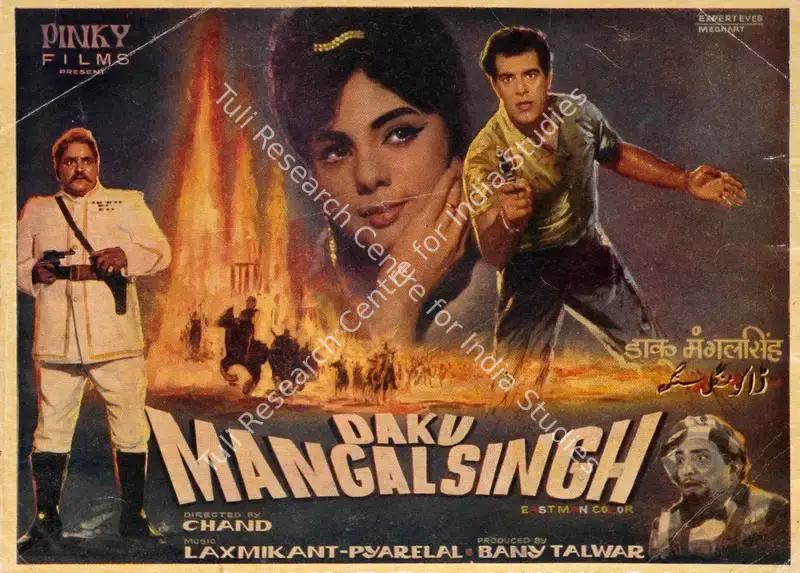
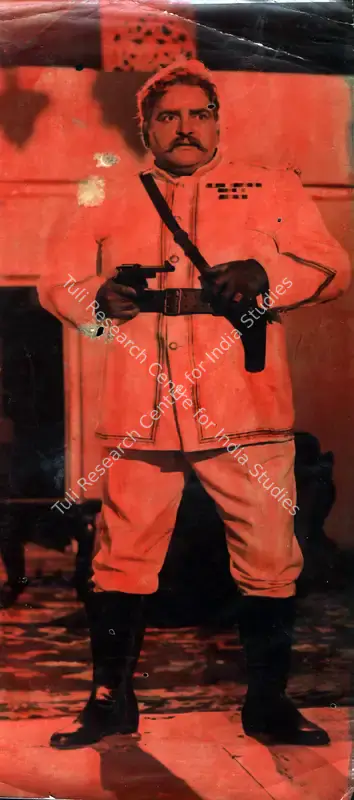
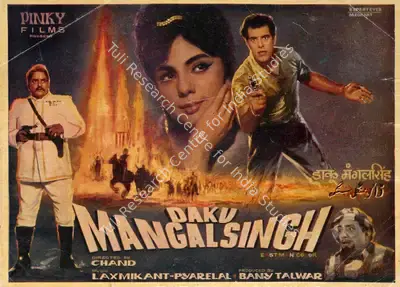
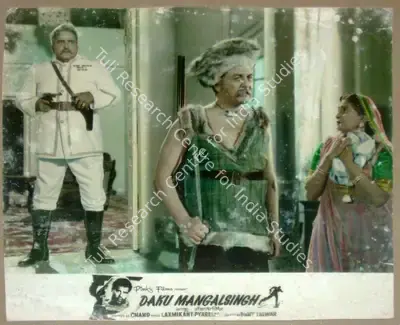
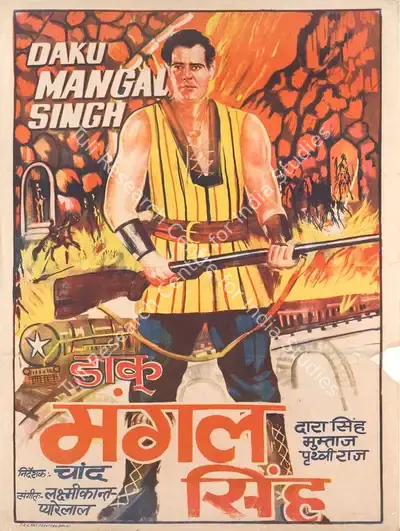
Daku Mangal Singh (1966) A vintage Hindi action film directed by Chand, headlined by the legendary Dara Singh, alongside the enchanting Mumtaz and the esteemed Prithviraj Kapoor, the film was released under the banner of Pinky Films, and featured a strong ensemble cast that includes Bela Bose, Padma Chavan, Amir Ali, Master Bhagwan, Bihari, Uma Dutt, Azaad Irani, Jaggi, Rajan Kapoor, Nazir Kashmiri, Raj Rani, Ratnamala, D.K. Sapru, Shakuntala, Niranjan Sharma, Saudagar Singh, Trilok Singh, and Sunder.
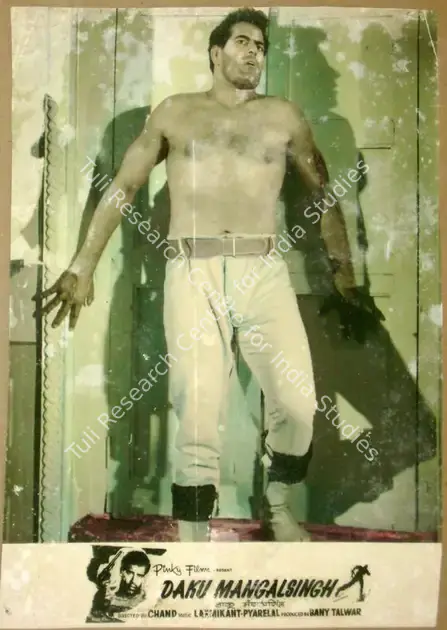
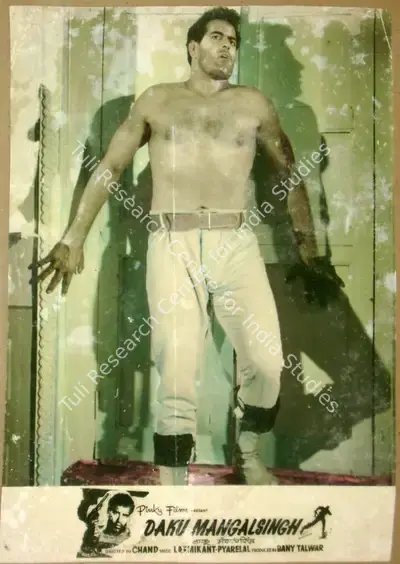
At the heart of the film lies the gripping tale of Mangal Singh, a feared bandit with a conscience, portrayed by Dara Singh. More than a mere outlaw, Mangal emerges as a folk hero, a champion of the oppressed and a guardian of justice. A skilled wrestler and formidable fighter, he rises against the tyranny of corrupt rulers and officials who exploit the innocent and the voiceless.
The narrative unfolds around Mangal Singh's turbulent clash with a despotic local Raja and his oppressive regime. As he challenges the status quo, the story weaves in elements of rebellion, courage, and redemption. Intertwined with this conflict is a poignant romantic subplot featuring Princess Aruna, played by Mumtaz, who adds emotional depth and grace to the rugged world Mangal inhabits.
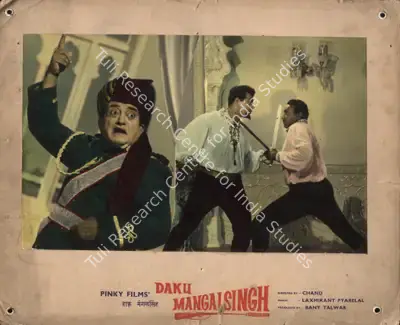
Action and wrestling sequences, characteristic of Dara Singh's screen persona, are showcased with flair, reinforcing his reputation as a powerhouse performer. The film delves into themes of social injustice, resistance against authoritarianism, and the enduring fight for equality and human dignity. Its tone resonates with the socio-political undercurrents of the era, presenting Mangal Singh as a symbol of resistance.
The musical score of the film is composed by the celebrated duo Laxmikant-Pyarelal, with lyrics penned by Anand Bakshi. The soundtrack comprises five memorable songs that reflect the rich musical trends of 1960s Hindi cinema. Notable tracks include Ek To Ye Bahar rendered by Lata Mangeshkar, Aaya Holi Ka Tyohar sung by Mohammed Rafi and Shamshad Begum, Sone Ke Tere Jhumke performed by Mohammed Rafi and Usha Khanna, Pyaar Kiya Hai Humne Jise voiced by Asha Bhosle, and Ankhon Ke Saamne, again by Lata Mangeshkar. Each song complements the film's mood and adds to its emotional resonance.
Although precise box office data from that period is often limited, the continued collaborations between Dara Singh and Mumtaz following the success of earlier films like Faulad (1963) and later works including Daku Mangal Singh suggest a favourable reception among audiences. Their pairing was not only commercially viable but also culturally impactful, contributing to the film's success and enduring legacy within the action genre of that era.
फ़िल्म की कथा के केंद्र में डाकू मंगल सिंह की रोमांचक दास्तान है जिसकी शीर्षक भूमिका को पर्दे पर दारा सिंह ने निभाया। मंगल सिंह निरा डाकू नहीं बल्कि ईमान रखनेवाला ऐसा जाँबाज़ इंसान है जो किसी जननायक की तरह उभरता है। एक ऐसा नायक जो मज़लूमों का रखवाला है और न्याय का रक्षक है। एक कुशल पहलवान और ताकतवर योद्धा के रूप में वह भ्रष्ट शासकों और अधिकारियों की अन्यायपूर्ण व्यवस्था के खिलाफ़ उठ खड़ा होता है और उन लोगों को सबक सिखाता है जो निर्दोषों और बेसहारा लोगों का शोषण करते हैं।
कहानी मंगल सिंह के एक तानाशाह राजा तथा उसकी दमनकारी व्यवस्था से लोहा लेनेवाले संघर्ष को प्रस्तुत करती है। जब वह सत्ता को चुनौती देता है तो फ़िल्म की कहानी में विद्रोह, साहस और आज़ादी के मूल्य गहरे होते चले जाते हैं। इसी संघर्ष के बीच एक भावप्रवण प्रेमकथा भी बुनी गई है जिसमें राजकुमारी अरुणा (मुमताज़) मंगल की ज़िन्दगी में आती हैं और उसकी रूखी कठोर दुनिया में हमदर्दी और कोमलता का स्पर्श जोड़ती हैं।
दारा सिंह की पहचान रहे एक्शन और कुश्ती के दृश्य इस फ़िल्म में पूरी रवानगी के साथ दिखाए गए हैं जिसने उन्हें एक जबरदस्त परफ़ॉर्मर के रूप में स्थापित कर दिया। इस फ़िल्म में सामाजिक अन्याय, निरंकुश सत्ता के खिलाफ प्रतिरोध और समता व मानवीय गरिमा जैसे मूल्यों के लिए इंसानी संघर्ष जैसे विषयों की गहराई से पड़ताल की गई है। इस फ़िल्म का स्वर उस दौर की सामाजिक-राजनैतिक हलचलों से मेल खाता है और फ़िल्म में मंगल सिंह का किरदार प्रतिरोध के प्रतीक के रूप में उभरता है।
इस फ़िल्म के लिए संगीत मशहूर संगीतकार जोड़ी लक्ष्मीकांत-प्यारेलाल ने तैयार किया था और इसके लिए गीतों के बोल आनंद बक्शी ने लिखे थे। फ़िल्म में पाँच यादगार गीत शामिल रहे जो 60 के दशक के हिन्दी सिनेमा के समृद्ध संगीत रुझानों को दिखाता है। इनमें लता मंगेशकर के गाए “एक तो ये बहार” और आँखों के सामने”, मोहम्मद रफ़ी और शमशाद बेग़म का गाया “आया होली का त्योहार”, मोहम्मद रफ़ी और उषा खन्ना का गाया “सोने के तेरे झुमके” और आशा भोंसले का गाया “प्यार किया है हमने जिसे” जैसे गीत विशेष रूप से उल्लेखनीय रहे। ये सभी गीत फ़िल्म की भावनात्मक अनुगूंज को और गहरा बनाते हैं।
हालाँकि उस दौर के सटीक व्यावसायिक आंकड़े सीमित हैं लेकिन दारा सिंह और मुमताज़ की जोड़ी की ही कुछ पहले आई फौलाद (1963) में देखी गई लोकप्रियता बाद में डाकू मंगल सिंह सहित अन्य फ़िल्मों में दोहराई गई। यह तथ्य इस बात की ओर भी इशारा करता है कि फ़िल्म को दर्शकों ने सकारात्मक रूप से स्वीकार किया। उनकी जोड़ी न केवल व्यावसायिक रूप से सफल रही बल्कि सांस्कृतिक नज़रिये से भी इसने असर छोड़ा। इन सब तथ्यों ने इस फ़िल्म को उस दौर के एक्शन शैली सिनेमा की स्थायी विरासत का हिस्सा बना दिया।
Body of Work
Research Centre
Related
1
Personalities
1