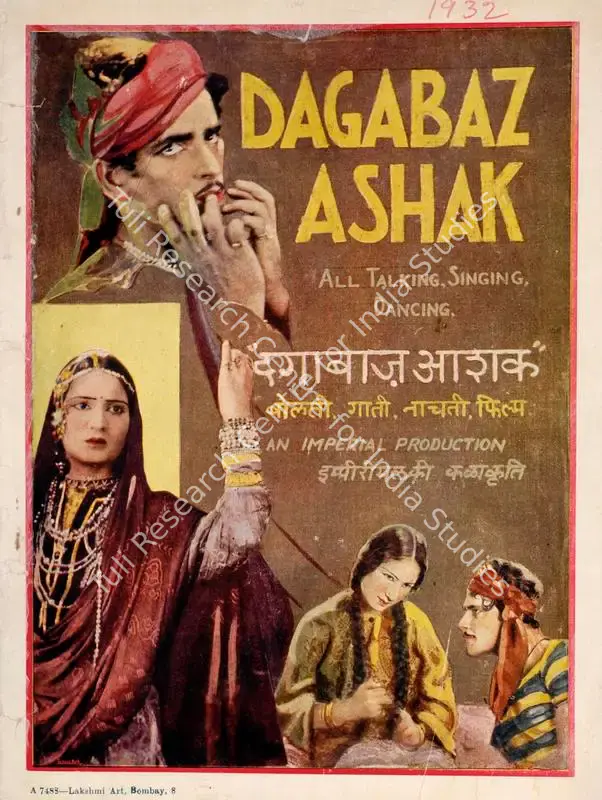
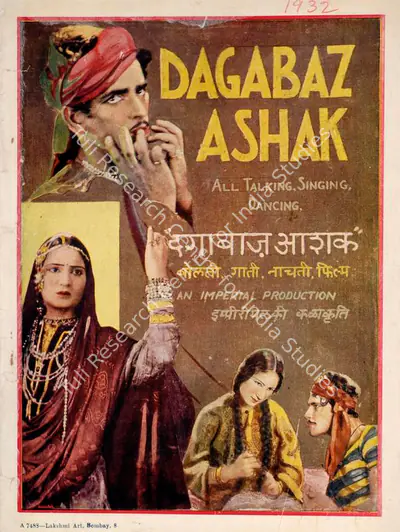
Dagabaz Ashak1932
Introduction
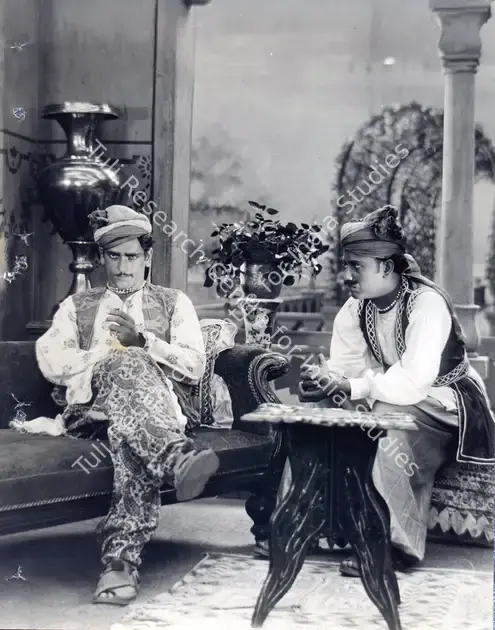
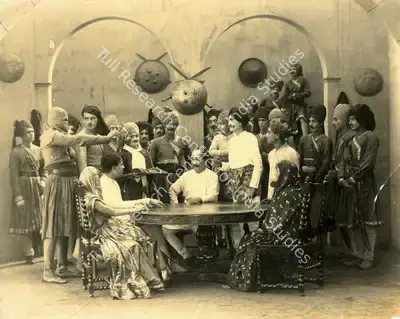
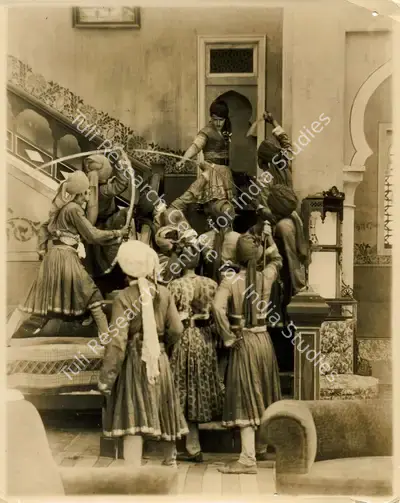
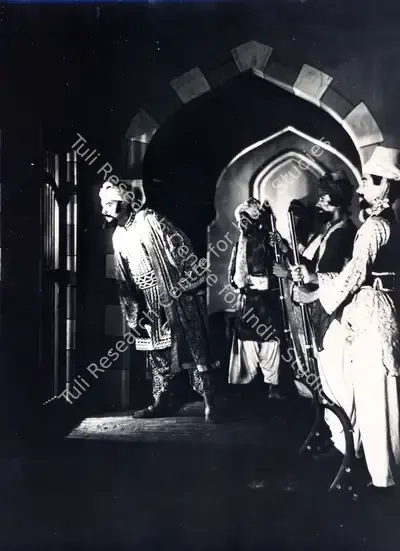
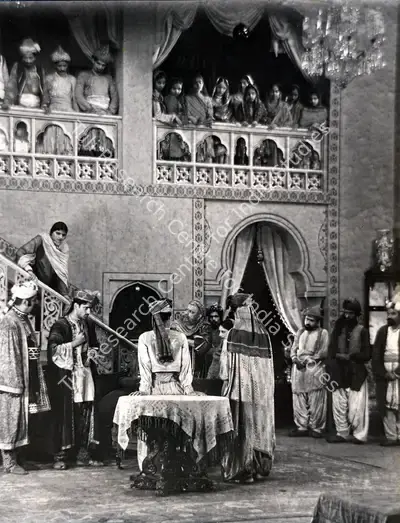
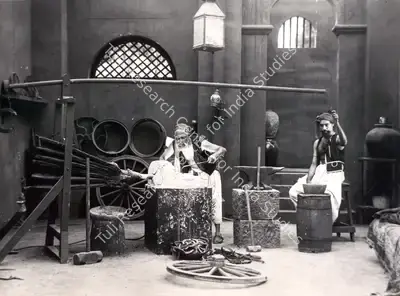
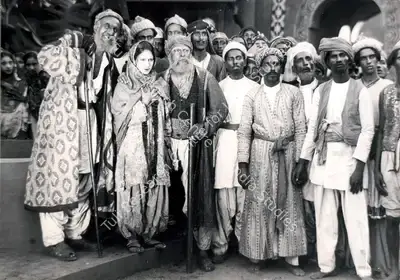
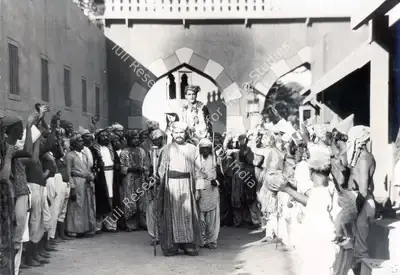
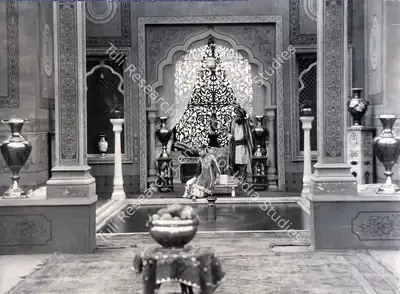
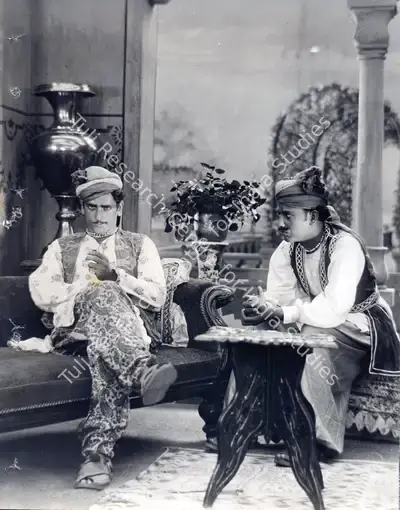
Dagabaz Ashak (1932) was a Hindi film directed by Pessi Karani, featuring a cast that included Elizer, Hadi, and Jamshedji—actors known for their contributions to early Indian cinema. Released during a transformative era, the film was part of a pivotal year in Indian cinematic history.
The year 1932 marked a significant turning point for the Indian film industry, which was still in the early stages of adapting to sound technology following the advent of talkies in 1931. That year alone saw the production of approximately 60 Hindi talkies, signaling both a rapid expansion of the film industry and an increasing public appetite for sound cinema. This period also witnessed the emergence of regional films and the experimentation with different artistic and narrative forms, which laid the groundwork for the stylistic diversity of Indian cinema in the decades to come.
Several landmark films were released in 1932, such as Ayodhya Ka Raja, the first Tamil talkie; Zarina, which was notable for its strong female lead; and Indrasabha, famous for its record number of songs. In contrast, Dagabaz, Ashiq appears to be one of the lesser-documented films of that year. Limited information is available in public archives or online databases, making it difficult to assess the film's reception, box office performance, or cultural impact with certainty.
While not as prominent as some of its contemporaries, Dagabaz, Ashiq nonetheless remains a part of the rich tapestry of early Indian cinema. Its existence adds depth to our understanding of the diversity and experimentation that characterised the early 1930s, even if its legacy has faded from mainstream recognition.
सन् 1932 वह साल था जब भारतीय फ़िल्म उद्योग ने 'टॉकी' यानी बोलती फ़िल्मों की तकनीक को अपनाने में तेज़ी से प्रगति की। सन् 1931 में पहली बोलती फ़िल्म आलम आरा (1931) की रिलीज़ के बाद अगले ही साल सन् 1932 में हिन्दी सिनेमा में लगभग 60 टॉकी फ़िल्में बनीं। अचानक बोलती फ़िल्मों की इतनी बड़ी संख्या दिखाती है कि फ़िल्म उद्योग का तेज़ी से विस्तार हो रहा था और दर्शकों में सवाक सिनेमा का आकर्षण सर चढ़कर बोल रहा था। इसी दौर में अन्य क्षेत्रीय भाषाओं में भी फ़िल्मों का निर्माण आरंभ हुआ और साथ ही फ़िल्मों में शिल्प और कथ्य दोनों स्तरों पर नवीन प्रयोगों की शुरुआत हुई। यह तमाम ऐसे प्रयोग थे जिन्होंने आने वाले दशकों में भारतीय सिनेमा की दिशा तय की और एक विविधता भरे भविष्य की नींव रखी।
सन् 1932 में कई ऐतिहासिक फ़िल्में रिलीज़ हुईं जिनमें 'प्रभात स्टूडियो' की हिन्दी और मराठी में समांतर रूप से निर्मित अयोध्या का राजा (1932), एक सशक्त महिला किरदार के इर्द-गिर्द रचे कथानक पर बनी पहली तमिल टॉकी फ़िल्म ज़रीना (1932) और रिकॉर्ड संख्या में गीत शामिल करने के चलते चर्चा में आई इन्द्रसभा (1932) प्रमुख थीं। इनकी तुलना में दगाबाज़ आशिक़ उन फ़िल्मों में रही जिससे जुड़ी कम ही दस्तावेज़ी सूचनाएँ उपलब्ध हैं। सार्वजनिक अभिलेखागारों और ऑनलाइन डेटाबेस में इस फ़िल्म के बारे में सीमित सूचनाएँ उपलब्ध हैं जिसके चलते इसे लेकर दर्शकों की प्रतिक्रिया, फ़िल्म के व्यावसायिक प्रदर्शन या इसके सांस्कृतिक प्रभाव का समग्र मूल्यांकन कर पाना मुश्किल हो जाता है।
हालाँकि यह फ़िल्म अपने समकालीन दूसरी बड़ी फ़िल्मों की तरह प्रसिद्ध नहीं हुई लेकिन दगाबाज़ आशिक़ को भारतीय सिनेमा के उस समृद्ध काल का हिस्सा माना जा सकता है यहाँ नवीन प्रयोगों का बोलबाला था। भले ही इस फ़िल्म की याद हमारी स्मृतियों में स्थायी रूप से न रही हो, फिर भी यह फ़िल्म 1930 के दशक की शुरुआत में बन रहे सिनेमा के पीछे के जटिल और जीवन्त परिदृश्य को समझने में हमारी मदद करती है।
Body of Work
Research Centre
Related
1
Personalities
1