
Introduction
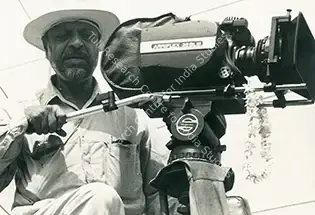
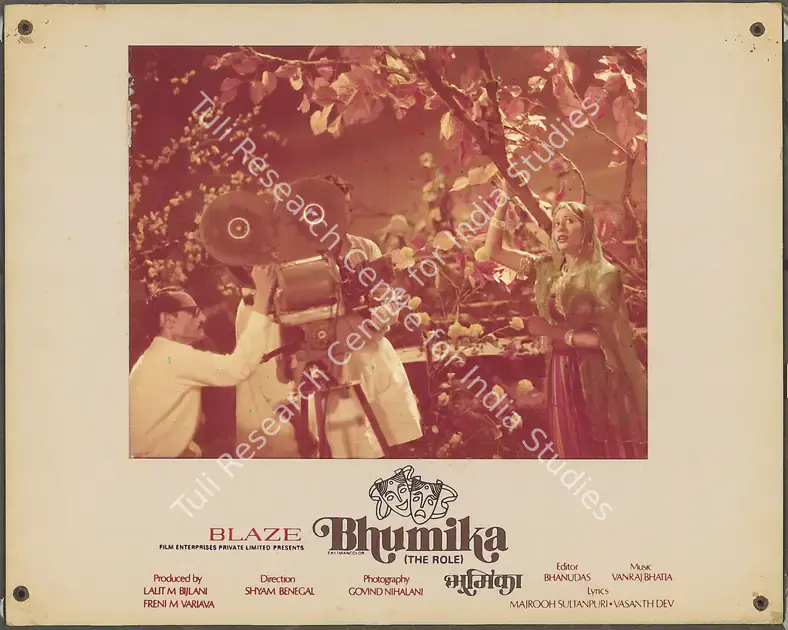
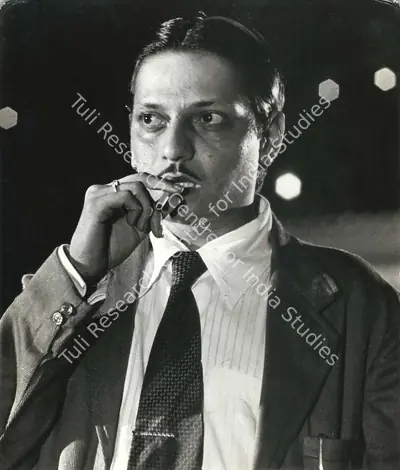
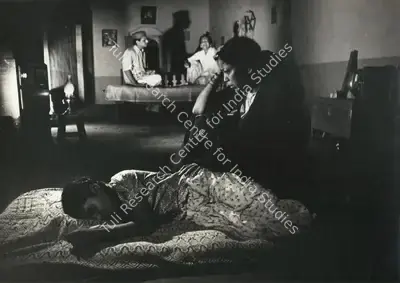
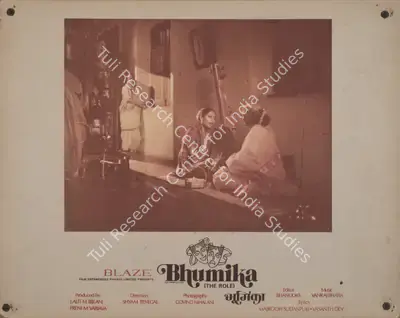
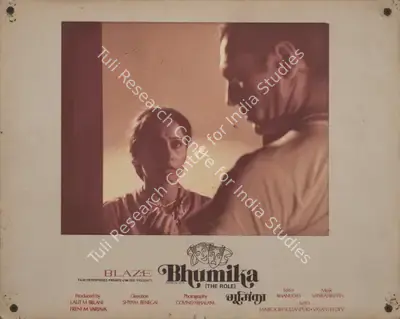
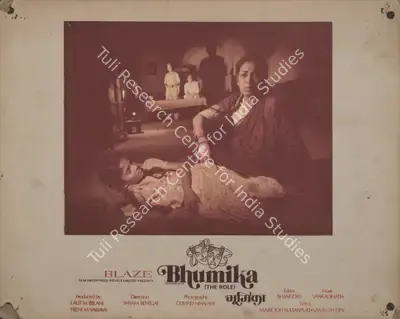
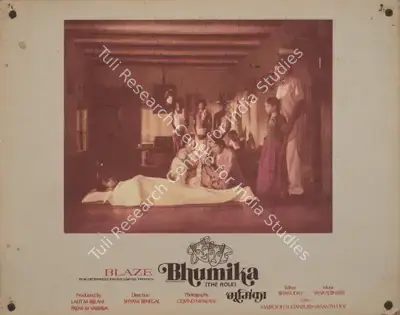
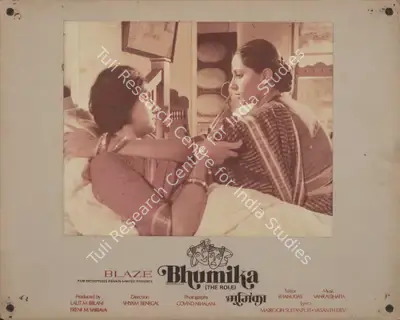
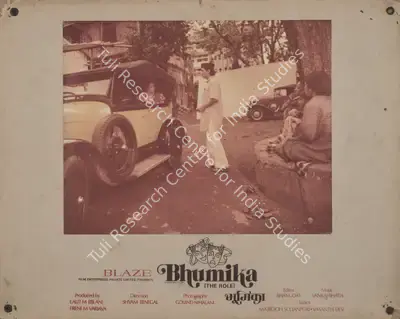
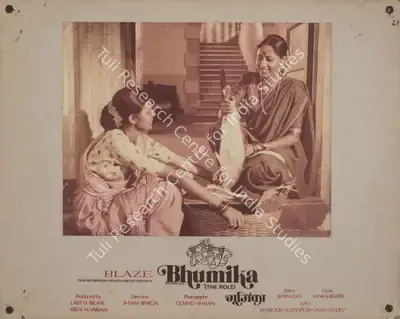
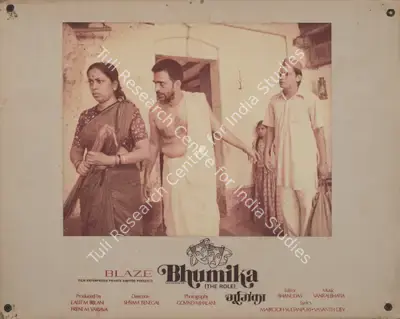
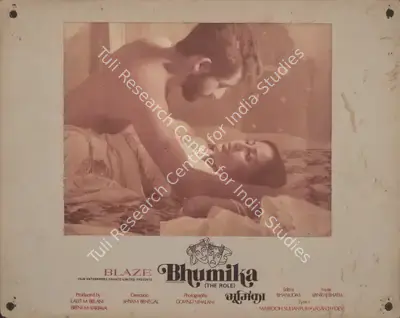
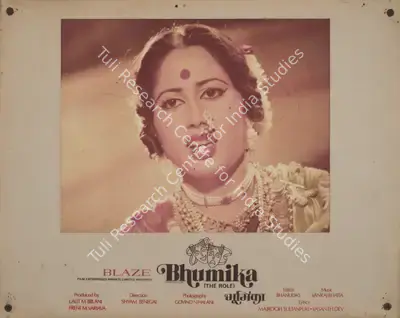
Bhumika, directed by Shyam Benegal, stands as a highly influential film in the New Wave movement of Indian cinema. It is notable for being the first Indian film based on a woman's autobiography. Inspired by the life of Marathi actress Hansa Wadkar, the film navigates the intersections of gender, power, and identity in a patriarchal society. Emerging at a time when postcolonial historiography and women's studies were gaining prominence in India, Bhumika engages deeply with the feminist reclamation of silenced female voices in a male-dominated world.
Benegal masterfully deconstructs the glamorous stereotype of the Indian film 'heroine'. Smita Patil's compelling portrayal of Usha, an actress caught between personal struggles and professional demands, revises the shallow allure of stardom, revealing the emotional and psychological toll beneath the surface. Rather than glorifying Usha's career, the film exposes the oppressive systems that control and commodify her, interrogating the exploitative nature of the film industry.
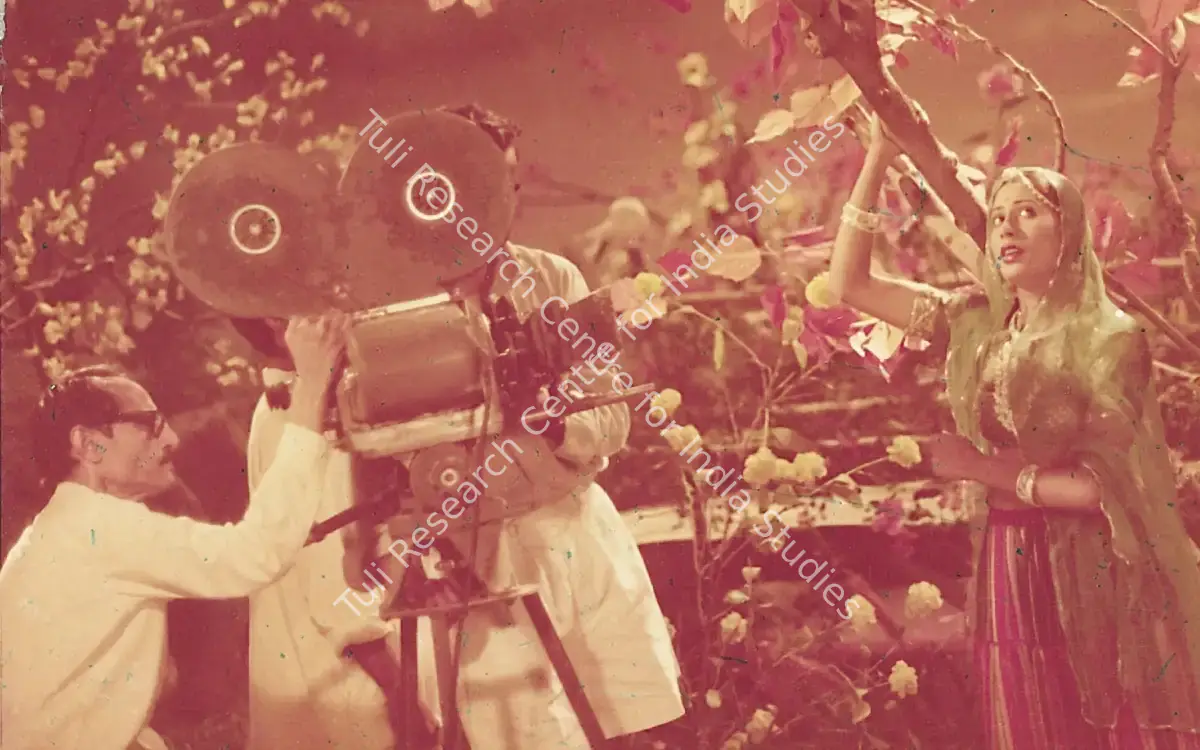
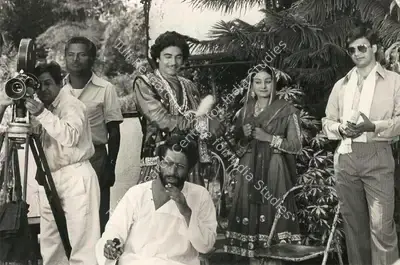
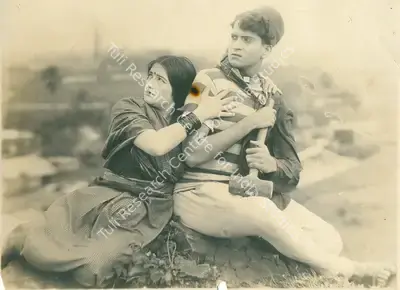
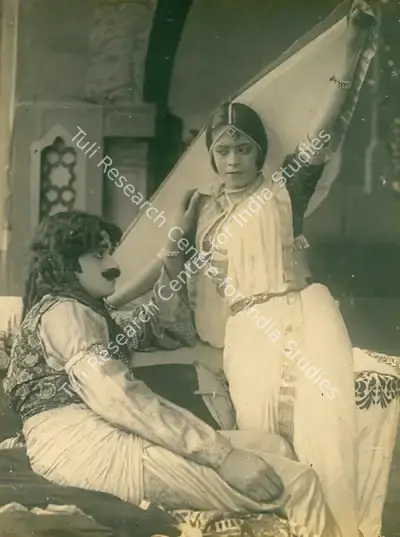
Set within the studio culture of the 1930s to 1950s, the film also reflects on cinema history itself. Benegal captures the vibrant world of glamour, dance numbers, stunt films, and mythological epics, yet skilfully subverts these genres, critiquing the patriarchy that pervades them. In doing so, Bhumika becomes more than a biopic—it becomes a critical lens through which the history of cinema is re-examined and redefined from a female perspective.
फ़िल्म की शीर्ष भूमिका में उषा (स्मिता पाटिल) के किरदार के साथ बेनेगल ने भारतीय फ़िल्म 'हीरोइन' के चमकीले स्टीरियोटाइप को बड़ी कुशलता से विखंडित कर दिया। निजी संघर्षों और पेशेवर मांगों के बीच फंसी अभिनेत्री उषा की भूमिका में स्मिता के शानदार अभिनय ने किरदार की भीतरी जज़्बाती और मानसिक उथल-पुथल को उनकी पूरी गहराइयों के साथ पर्दे पर प्रस्तुत किया और स्टारडम के उथले आकर्षण को ज़ाहिर कर दिया। उषा की पेशेवर सफलता को महिमामंडित करने के बजाय यह फ़िल्म उन दमनकारी ढांचों को अनावृत करती है जो उषा पर नियंत्रण हासिल कर उसका वस्तुकरण करती हैं। भूमिका फ़िल्म उद्योग के भीतर मौजूद शोषणकारी व्यवस्थाओं पर भी सवाल उठाती हैं।
सन् 1930 से 1950 के दशक की स्टूडियो संस्कृति के समय में घट रही इस फ़िल्म की कहानी खुद सिनेमा इतिहास का भी एक पाठ पेश करती है। बेनेगल ने उस दौर की भव्यता और चमक-दमक वाली फ़िल्मों, गीतों और नृत्य से भरी फ़िल्मों, मारधाड़ वाली फ़िल्मों और पौराणिक महाकाव्यों से रची फ़िल्मों की जीवंत सिनेमाई दुनिया को कुशलता से पर्दे पर उकेरा है, लेकिन साथ ही वे इन सिनेमाई शैलियों की बड़ी सूक्ष्मता से आलोचना प्रस्तुत करते हुए इनके पीछे मौजूद पितृसत्तात्मक सोच को उजागर कर देते हैं। ऐसा करने हुए भूमिका सिर्फ़ एक बायोपिक भर नहीं रह जाती - यह एक ऐसी आलोचनात्मक खुर्दबीन बन जाती है जिसके माध्यम से स्वयं सिनेमा के इतिहास को स्त्री नज़रिये से फिर से परखा जा सकता है।
Body of Work
Research Centre





Calendar 1
- ArchivedExhibitionProject 15Exhibition | The Cinema of Shyam Benegal | T.R.I.S. in Collaboration with 17th Habitat Film Festival20th - 24th May 2025T.R.I.S. in Collaboration with 17th Habitat Film Festival will be commemorating the life and work of two pioneering individuals of the Indian film industry, who shaped Indian cinema in their unique ways. One exhibition celebrates the birth centenary of Raj Kapoor, while the other remembers Shyam Benegal. The Cinema of Raj Kapoor – 15 to 20 May 2025 The Cinema of Shyam Benegal - 21 to 25 May 2025 10:00 am to 8:00 pm daily at the Convention Centre Foyer GalleryRead More →