Achanak
Introduction
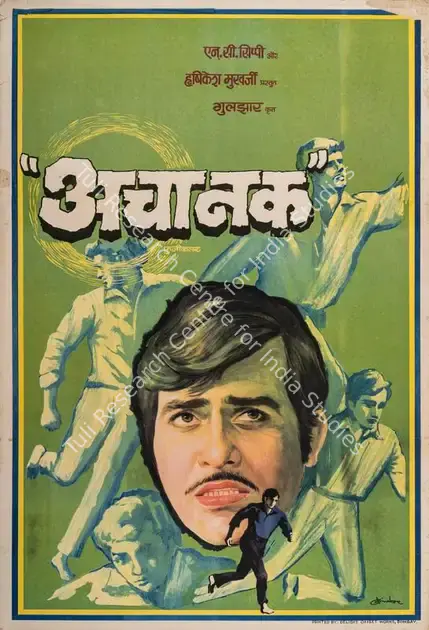
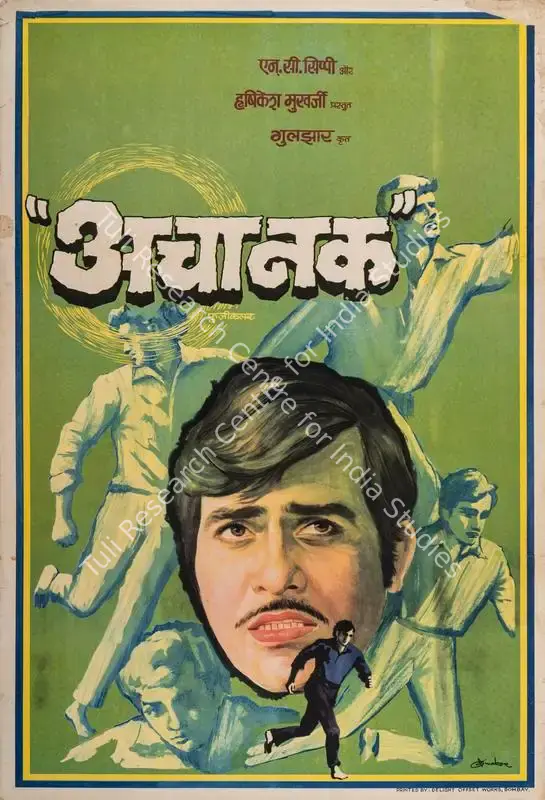
Achanak (1973) Directed by Gulzar and written by Khwaja Ahmad Abbas, the film is a landmark in Indian cinema for its formal audacity and thematic gravitas. Starring Vinod Khanna, the film broke decisively with mainstream conventions of the 1970s by dispensing entirely with songs, an especially striking choice given Gulzar's celebrated stature as a lyricist. The result was a tightly constructed, ninety-minute narrative that privileged psychological realism over spectacle, earning both critical acclaim and notable box-office success among audiences seeking more substantive, non-formulaic storytelling.
Inspired by the sensational K. M. Nanavati v State of Maharashtra, the film explores the unravelling of Major Ranjit Khanna, whose seemingly stable domestic life collapses upon discovering his wife Pushpa's extramarital relationship with his closest friend. In a moment of emotional rupture, he kills both and surrenders to the authorities. The narrative then traces his attempted escape—motivated by a desire to fulfil his wife's final wish of consigning her mangalsutra to the Ganga—his subsequent injury, and his confinement within a hospital setting. It is here that the film acquires its deepest emotional resonance, as the condemned man forms poignant bonds with the medical staff who strive to save him, even as the machinery of the state moves inexorably toward his execution.
The film's production history is itself notable for its efficiency and collaborative lineage. Completed in just twenty-eight days, it drew upon Abbas's earlier story The Thirteenth Victim, published in Imprint magazine. Producers Romu and Raj Sippy, in collaboration with Hrishikesh Mukherjee, entrusted Gulzar with the direction, resulting in a work of remarkable cohesion and tonal control. With no songs to rely upon, the film's atmosphere was shaped by a restrained background score composed by Vasant Desai, alongside the evocative use of Sun Mere Bandhu Re by S. D. Burman.
Beyond its narrative economy, Achanak is distinguished by its philosophical inquiry. It interrogates the ethical paradoxes surrounding life and death, particularly through the lens of medical practice and judicial authority. The futility experienced by doctors attempting to preserve the life of a man already condemned underscores the tension between professional duty and institutional determinism. Equally compelling is the film's critique of moral relativism: a decorated soldier, once honoured for killing in war, is sentenced to death for acts of personal vengeance, thereby exposing the contingent nature of societal judgments on violence.
Although not a conventional blockbuster, the film achieved significant commercial and critical success, lauded for its technical finesse and gripping narrative. Khanna's performance marked a turning point in his career, establishing him as a formidable leading actor. Gulzar received a nomination for Best Director at the Filmfare Awards, while Abbas was nominated for Best Story. Today, Achanak endures as a masterful meditation on moral conflict, medical ethics, and capital punishment, and remains one of the most daring experiments in the history of Hindi cinema.
सनसनीखेज़ के. एम. नानावती बनाम महाराष्ट्र राज्य सरकार से प्रेरित यह फ़िल्म मेजर रणजीत खन्ना के पतन की कहानी बयां करती है, जो ऊपर से स्थिर दिखाई देने वाली वैवाहिक दुनिया तब बिखर जाती है जब उसे अपनी पत्नी पुष्पा के अपने सबसे करीबी मित्र के साथ विवाहेतर संबंध का पता चलता है। भावनात्मक आघात के क्षण में, वह दोनों की हत्या कर देता है और अधिकारियों के समक्ष आत्मसमर्पण करता है। कहानी फ़िर उनके भागने के प्रयास को दर्शाती है, जो उनकी पत्नी की अंतिम इच्छा पूरी करने के लिए गंगा में मंगलसूत्र विसर्जित करने की चाह से प्रेरित है फ़िर उसकी चोट और अस्पताल में उनका कारावास। यहीं पर फ़िल्म अपने सबसे गहरे भावनात्मक पहलू पर पहुंचती है, क्योंकि मौत की सज़ा पाए व्यक्ति का उन चिकित्सा कर्मचारियों के साथ मार्मिक संबंध बन जाता है जो उसे बचाने का प्रयास करते हैं, जबकि राज्य की मशीनरी उसकी फांसी की ओर लगातार बढ़ती जा रही होती है।
फ़िल्म का निर्माण इतिहास अपनी दक्षता और सहयोगात्मक परंपरा के लिए उल्लेखनीय है। मात्र अट्ठाईस दिनों में बनकर तैयार हुई यह फ़िल्म अब्बास की पहले प्रकाशित कहानी 'द थर्टीनथ विक्टिम' पर आधारित है, जो इम्प्रिंट पत्रिका में छपी थी। निर्माता रोमू और राज सिप्पी ने हृषिकेश मुखर्जी के सहयोग से गुलज़ार को निर्देशन की जिम्मेदारी सौंपी, जिसके परिणामस्वरूप एक उल्लेखनीय सामंजस्य और भावपूर्ण रचना सामने आई। फ़िल्म में कोई गीत नहीं थे, बल्कि वसंत देसाई द्वारा रचित संयमित बैकग्राउंड म्यूजिक और एस. डी. बर्मन के गीत 'सुन मेरे बंधु रे' के भावपूर्ण उपयोग ने फ़िल्म का वातावरण संजोया।
अपनी संक्षिप्त कथानक के अलावा, अचानक अपनी दार्शनिक पड़ताल के लिए भी विशिष्ट है। यह जीवन और मृत्यु से जुड़े नैतिक विरोधाभासों की पड़ताल करता है, विशेष रूप से चिकित्सा पद्धति और न्यायिक अधिकार के नज़रिए से। पहले से ही मृत्युदंड प्राप्त व्यक्ति के जीवन को बचाने के डॉक्टरों के प्रयासों की निरर्थकता पेशेवर कर्तव्य और संस्थागत नियतिवाद के बीच तनाव को उजागर करती है। नैतिक सापेक्षवाद पर फ़िल्म की आलोचना भी उतनी ही प्रभावशाली है, एक सम्मानित सैनिक, जिसे कभी युद्ध में हत्या करने के लिए सम्मानित किया गया था, व्यक्तिगत प्रतिशोध के कृत्यों के लिए मृत्युदंड दिया जाता है, जिससे हिंसा पर सामाजिक निर्णयों की प्रकृति उजागर होती है।
हालांकि यह कोई पारंपरिक ब्लॉकबस्टर फ़िल्म नहीं थी, फ़िर भी इसने व्यावसायिक और समीक्षकों दोनों ही दृष्टि से शानदार सफलता हासिल की और अपनी तकनीकी कुशलता और आकर्षक कहानी के लिए सराही गई। खन्ना के अभिनय ने उनके करियर में एक महत्वपूर्ण मोड़ ला दिया और उन्हें एक सशक्त मुख्य अभिनेता के रूप में स्थापित कर दिया। गुलज़ार को फ़िल्मफ़ेयर पुरस्कारों में सर्वश्रेष्ठ निर्देशक के लिए नामांकित किया गया, जबकि अब्बास को सर्वश्रेष्ठ कहानी के लिए नामांकित किया गया। आज भी, अचानक नैतिक संघर्ष, चिकित्सा नैतिकता और मृत्युदंड पर एक गहन चिंतन के रूप में कायम है और हिंदी सिनेमा के इतिहास में सबसे साहसिक प्रयोगों में से एक है।