Introduction
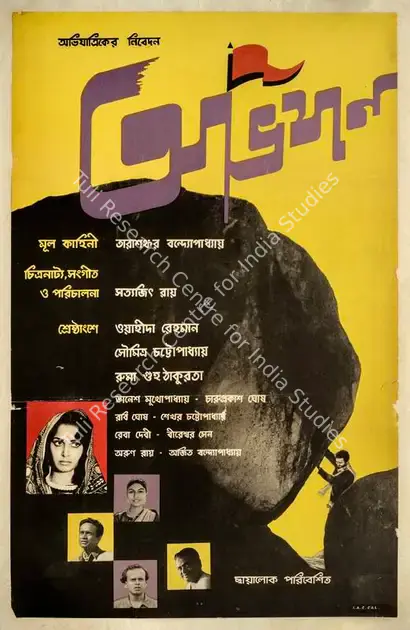
Abhijan (The Expedition, 1962) was a Bengali-language film directed by the legendary Satyajit Ray, featuring an ensemble cast led by Soumitra Chatterjee as Narsingh, a proud and volatile Rajput taxi driver. Waheeda Rehman portrays Gulabi, a prostitute caught in the grip of exploitation, while Ruma Guha Thakurta appears as Neeli, Rabi Ghosh as the affable Rama, Gnyanesh Mukherjee as Joseph, Charuprakash Ghosh as the duplicitous Sukharam, and Arun Roy as Naskar.
Set on the seedy fringes of Calcutta, Abhijan unfolds as a morally charged, noir-tinged tale of descent and redemption. Narsingh, who embodies both fierce pride and deep inner conflict, finds his livelihood shattered when a powerful police officer revokes his license after a reckless driving incident. Stripped of purpose and income, he is drawn into the criminal underworld, ferrying opium for the corrupt merchant Sukharam. As he drifts further into darkness, his emotional decline hastened by rejection from a Christian woman he adores, Narsingh's once-rigid moral compass begins to falter. But hope re-emerges in the form of Gulabi, Sukharam's captive sex worker, who yearns for freedom. Their shared desire for escape becomes the catalyst for Narsingh's reckoning.
Though originally intended as a more commercial venture, Ray's directorial finesse elevates Abhijan into a profound meditation on identity, dignity, and the human cost of survival. His narrative weaves together themes of caste, corruption, alienation, and unfulfilled longing with remarkable subtlety, lending the film a haunting, allegorical resonance.
While Abhijan enjoyed box office success in Bengal, its initial critical reception was mixed, some noting the film's melodramatic and commercial overtones as a departure from Ray's signature humanistic restraint. However, over time, the film has garnered appreciation as a rich character study, with particular acclaim for Soumitra Chatterjee's complex portrayal of Narsingh. His performance captures the character's tempestuous pride, wounded masculinity, and eventual vulnerability with striking nuance.
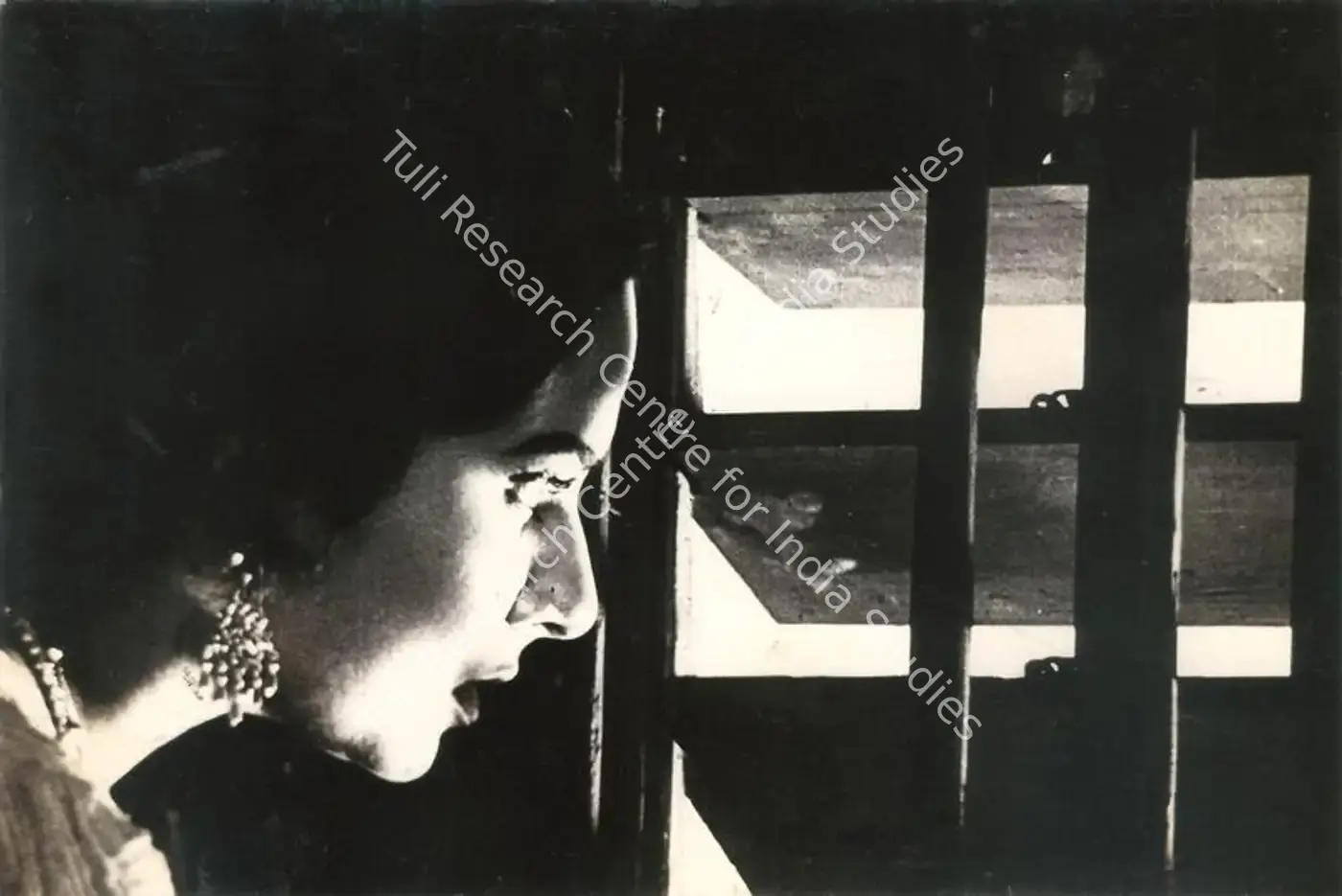
Waheeda Rehman delivers a restrained yet powerful performance as Gulabi, whose quiet strength and longing for dignity mirror Narsingh's own internal struggle. The supporting cast, especially Rabi Ghosh, adds texture and levity to the film's otherwise grim trajectory.
Critics have lauded the film's technical craftsmanship, its stark, atmospheric cinematography and precise editing heighten the emotional tension throughout. Ray infuses the narrative with symbolic flourishes, such as the recurring image of two rocks, known as “Uncle and Nephew,” which quietly echo the film's themes of generational inertia and entrapment.
Some have drawn parallels between Narsingh and Travis Bickle, the tortured protagonist of Martin Scorsese's Taxi Driver. Both are loners, gripped by disillusionment, alcoholism, and latent violence, yet where Bickle spirals into nihilism, Narsingh inches toward redemption. This difference lies at the heart of Ray's cinematic vision: even in despair, he finds space for human grace.
Ultimately, Abhijan stands as a compelling, if unconventional, entry in Ray's oeuvre, charged with raw emotion, moral ambiguity, and an enduring search for meaning in a fractured world.
Set on the seedy fringes of Calcutta, Abhijan unfolds as a morally charged, noir-tinged tale of descent and redemption. Narsingh, who embodies both fierce pride and deep inner conflict, finds his livelihood shattered when a powerful police officer revokes his license after a reckless driving incident. Stripped of purpose and income, he is drawn into the criminal underworld, ferrying opium for the corrupt merchant Sukharam. As he drifts further into darkness, his emotional decline hastened by rejection from a Christian woman he adores, Narsingh's once-rigid moral compass begins to falter. But hope re-emerges in the form of Gulabi, Sukharam's captive sex worker, who yearns for freedom. Their shared desire for escape becomes the catalyst for Narsingh's reckoning.
Though originally intended as a more commercial venture, Ray's directorial finesse elevates Abhijan into a profound meditation on identity, dignity, and the human cost of survival. His narrative weaves together themes of caste, corruption, alienation, and unfulfilled longing with remarkable subtlety, lending the film a haunting, allegorical resonance.
While Abhijan enjoyed box office success in Bengal, its initial critical reception was mixed, some noting the film's melodramatic and commercial overtones as a departure from Ray's signature humanistic restraint. However, over time, the film has garnered appreciation as a rich character study, with particular acclaim for Soumitra Chatterjee's complex portrayal of Narsingh. His performance captures the character's tempestuous pride, wounded masculinity, and eventual vulnerability with striking nuance.
Waheeda Rehman delivers a restrained yet powerful performance as Gulabi, whose quiet strength and longing for dignity mirror Narsingh's own internal struggle. The supporting cast, especially Rabi Ghosh, adds texture and levity to the film's otherwise grim trajectory.
Critics have lauded the film's technical craftsmanship, its stark, atmospheric cinematography and precise editing heighten the emotional tension throughout. Ray infuses the narrative with symbolic flourishes, such as the recurring image of two rocks, known as “Uncle and Nephew,” which quietly echo the film's themes of generational inertia and entrapment.
Some have drawn parallels between Narsingh and Travis Bickle, the tortured protagonist of Martin Scorsese's Taxi Driver. Both are loners, gripped by disillusionment, alcoholism, and latent violence, yet where Bickle spirals into nihilism, Narsingh inches toward redemption. This difference lies at the heart of Ray's cinematic vision: even in despair, he finds space for human grace.
Ultimately, Abhijan stands as a compelling, if unconventional, entry in Ray's oeuvre, charged with raw emotion, moral ambiguity, and an enduring search for meaning in a fractured world.
अभिजन (1962) बांग्ला भाषा की फ़िल्म थी जिसके निर्देशक महान फ़िल्मकार सत्यजित राय थे। इस फ़िल्म में सौमित्र चटर्जी ने एक गर्वीले और उग्र स्वभाव वाले राजपूत टैक्सी ड्राइवर नरसिंह का किरदार निभाया है। वहीदा रहमान यहाँ गुलाबी की भूमिका में हैं जो शोषण के जाल में फँसी एक बेचारी वेश्या है जबकि रूमी गुहा ठाकुरता नीली की भूमिका में दिखाई देती हैं। रबि घोष ने मिलनसार स्वभाव के किरदार राम की भूमिका निभाई है। ज्ञानेश मुखर्जी जोसेफ़ की भूमिका में हैं, चारुप्रकाश घोष ने धोखेबाज़ आदमी सुखराम का किरदार निभाया है जबकि अरुण रॉय नास्कर की भूमिका में हैं।
कलकत्ता की अंधेरी, जर्जर होती बस्ती की सीमारेखा पर घटती यह कथा नैतिक संघर्ष और मुक्ति की खोज से बनी एक 'फ़िल्म नॉयर' शैली की कहानी है। नरसिंह का किरदार गर्व और भीतरी द्वंद्व दोनों से मिलकर बना है। लापरवाह ड्राइविंग की एक घटना के बाद जब एक ताक़तवर पुलिस अधिकारी उसका ड्राइविंग लाइसेंस रद्द कर देता है तो उसकी रोज़ी-रोटी छिन जाती है और जीवन का उद्देश्य खो सा जाता है। ख़ालीपन और बेबसी में डूबा नरसिंह अपराध की दुनिया की ओर धकेला जाता है और भ्रष्ट व्यापारी सुखराम के लिए अफ़ीम ढोने लगता है। धीरे-धीरे वह अंधकार के भँवर में डूबता चला जाता है। जिस ईसाई स्त्री से वह प्रेम करता है, वह भी जब उसे अस्वीकार कर देती है तो उसकी स्थिति दयनीय होने लगती है। इस सबके बीच उसकी अडिग नैतिकता भी डगमगाने लगती है। लेकिन उसके जीवन में उम्मीद की एक किरण बनकर गुलाबी का आगमन होता है। गुलाबी सुखराम की बंदी रखी हुई वेश्या है, जिसके मन में आज़ाद होने की तमन्ना छिपी है। गुलाबी और नरसिंह की यह मुक्ति की साझा लालसा ही उनके आत्मबोध और जीवन में बदलाव का आधार बनती है।
हालाँकि यह फ़िल्म मूल रूप से अधिक व्यावसायिक नज़रिये के साथ बनाई जानी थी लेकिन राय की संवेदनशील कला और शिल्प ने अभिजन को इंसानी पहचान, गरिमा और अस्तित्व पर एक गहन चिंतन में बदल दिया। फ़िल्म में जाति, भ्रष्टाचार, अलगाव और अधूरे सपनों के दंश जैसे विषयों को बारीक़ी से कथानक में बुना गया है जिससे समूची कहानी एक गहरे रूपक में बदल जाती है।
बंगाल में यह फ़िल्म टिकट खिड़की पर कामयाब रही लेकिन इसे मिली आलोचनात्मक प्रतिक्रियाएँ मिश्रित रहीं। कुछ समीक्षकों ने इसके मेलोड्रामा और व्यावसायिक तत्वों को राय की संयमित शैली से भटकाव माना। पर समय के साथ यह फ़िल्म एक सघन चरित्र अध्ययन वाली कहानी के रूप में सराही जाने लगी, विशेषकर सौमित्र चटर्जी के जटिल केंद्रीय किरदार के चलते। उन्होंने अपने किरदार नरसिंह के गर्वीले अभिमान, उसके आहत पुरुषत्व और आखिर में जाकर प्रगट होती नाज़ुक संवेदनशीलता को गहराई में जाकर सूक्ष्मता से अभिव्यक्त किया।
फ़िल्म में वहीदा रहमान का अभिनय संयमित होते हुए भी प्रखर है। गुलाबी की भूमिका में उनकी शांत, गरिमा से परिपूर्ण लालसा नरसिंह के भीतरी द्वंद्व का प्रतिबिंब बन जाती है। फ़िल्म के अन्य सहायक कलाकारों में खासतौर पर रबी घोष ने फ़िल्म के गंभीर कथानक को अपने किरदार की सहजता से संतुलित किया।
फ़िल्म की तकनीकी उत्कृष्टता की भी बहुत प्रशंसा हुई। इसका गहराई लिए और माहौल को ज़िन्दा करता छायांकन तथा सटीक संपादन हर क्षण भावनात्मक तनाव को तीव्र करता है। राय ने कथानक में प्रतीकात्मकता के लिए भी जगह छोड़ी जैसे “काका और भतीजा” नाम से मशहूर दो चट्टानों की बार-बार दिखने वाली छवि, जो पीढ़ीगत रूढ़ि और बंधन जैसे विषयों को मौन रहकर भी प्रतिध्वनित करती हैं।
कुछ समीक्षकों ने नरसिंह के किरदार की तुलना मार्टिन स्कॉर्सेसी की टैक्सी ड्राइवर (1976) के त्रासद नायक ट्रैविस बिकल से की है। यह दोनों ही पात्र अपने अकेलेपन, मोहभंग, शराब और छिपी हुई हिंसा से ग्रस्त हैं। पर जहाँ बिकल शून्यवाद में डूब जाता है वहीं नरसिंह मुक्ति की ओर बढ़ता है। यही अंतर सत्यजित राय की सिनेमाई दृष्टि का मूल है - निराशा में भी वह मानवीय गरिमा और करुणा की संभावना तलाश लेते हैं।
आखिर में कह सकते हैं कि अभिजन निर्देशक राय की फ़िल्म सूची में एक अनोखा किन्तु अत्यंत प्रभावशाली स्थान रखती है। यह नाज़ुक भावनाओं, नैतिक दुविधाओं और एक बिखरी हुई दुनिया में जीवन का अर्थ हासिल करने की निरन्तर जारी खोज का संधान है।
कलकत्ता की अंधेरी, जर्जर होती बस्ती की सीमारेखा पर घटती यह कथा नैतिक संघर्ष और मुक्ति की खोज से बनी एक 'फ़िल्म नॉयर' शैली की कहानी है। नरसिंह का किरदार गर्व और भीतरी द्वंद्व दोनों से मिलकर बना है। लापरवाह ड्राइविंग की एक घटना के बाद जब एक ताक़तवर पुलिस अधिकारी उसका ड्राइविंग लाइसेंस रद्द कर देता है तो उसकी रोज़ी-रोटी छिन जाती है और जीवन का उद्देश्य खो सा जाता है। ख़ालीपन और बेबसी में डूबा नरसिंह अपराध की दुनिया की ओर धकेला जाता है और भ्रष्ट व्यापारी सुखराम के लिए अफ़ीम ढोने लगता है। धीरे-धीरे वह अंधकार के भँवर में डूबता चला जाता है। जिस ईसाई स्त्री से वह प्रेम करता है, वह भी जब उसे अस्वीकार कर देती है तो उसकी स्थिति दयनीय होने लगती है। इस सबके बीच उसकी अडिग नैतिकता भी डगमगाने लगती है। लेकिन उसके जीवन में उम्मीद की एक किरण बनकर गुलाबी का आगमन होता है। गुलाबी सुखराम की बंदी रखी हुई वेश्या है, जिसके मन में आज़ाद होने की तमन्ना छिपी है। गुलाबी और नरसिंह की यह मुक्ति की साझा लालसा ही उनके आत्मबोध और जीवन में बदलाव का आधार बनती है।
हालाँकि यह फ़िल्म मूल रूप से अधिक व्यावसायिक नज़रिये के साथ बनाई जानी थी लेकिन राय की संवेदनशील कला और शिल्प ने अभिजन को इंसानी पहचान, गरिमा और अस्तित्व पर एक गहन चिंतन में बदल दिया। फ़िल्म में जाति, भ्रष्टाचार, अलगाव और अधूरे सपनों के दंश जैसे विषयों को बारीक़ी से कथानक में बुना गया है जिससे समूची कहानी एक गहरे रूपक में बदल जाती है।
बंगाल में यह फ़िल्म टिकट खिड़की पर कामयाब रही लेकिन इसे मिली आलोचनात्मक प्रतिक्रियाएँ मिश्रित रहीं। कुछ समीक्षकों ने इसके मेलोड्रामा और व्यावसायिक तत्वों को राय की संयमित शैली से भटकाव माना। पर समय के साथ यह फ़िल्म एक सघन चरित्र अध्ययन वाली कहानी के रूप में सराही जाने लगी, विशेषकर सौमित्र चटर्जी के जटिल केंद्रीय किरदार के चलते। उन्होंने अपने किरदार नरसिंह के गर्वीले अभिमान, उसके आहत पुरुषत्व और आखिर में जाकर प्रगट होती नाज़ुक संवेदनशीलता को गहराई में जाकर सूक्ष्मता से अभिव्यक्त किया।
फ़िल्म में वहीदा रहमान का अभिनय संयमित होते हुए भी प्रखर है। गुलाबी की भूमिका में उनकी शांत, गरिमा से परिपूर्ण लालसा नरसिंह के भीतरी द्वंद्व का प्रतिबिंब बन जाती है। फ़िल्म के अन्य सहायक कलाकारों में खासतौर पर रबी घोष ने फ़िल्म के गंभीर कथानक को अपने किरदार की सहजता से संतुलित किया।
फ़िल्म की तकनीकी उत्कृष्टता की भी बहुत प्रशंसा हुई। इसका गहराई लिए और माहौल को ज़िन्दा करता छायांकन तथा सटीक संपादन हर क्षण भावनात्मक तनाव को तीव्र करता है। राय ने कथानक में प्रतीकात्मकता के लिए भी जगह छोड़ी जैसे “काका और भतीजा” नाम से मशहूर दो चट्टानों की बार-बार दिखने वाली छवि, जो पीढ़ीगत रूढ़ि और बंधन जैसे विषयों को मौन रहकर भी प्रतिध्वनित करती हैं।
कुछ समीक्षकों ने नरसिंह के किरदार की तुलना मार्टिन स्कॉर्सेसी की टैक्सी ड्राइवर (1976) के त्रासद नायक ट्रैविस बिकल से की है। यह दोनों ही पात्र अपने अकेलेपन, मोहभंग, शराब और छिपी हुई हिंसा से ग्रस्त हैं। पर जहाँ बिकल शून्यवाद में डूब जाता है वहीं नरसिंह मुक्ति की ओर बढ़ता है। यही अंतर सत्यजित राय की सिनेमाई दृष्टि का मूल है - निराशा में भी वह मानवीय गरिमा और करुणा की संभावना तलाश लेते हैं।
आखिर में कह सकते हैं कि अभिजन निर्देशक राय की फ़िल्म सूची में एक अनोखा किन्तु अत्यंत प्रभावशाली स्थान रखती है। यह नाज़ुक भावनाओं, नैतिक दुविधाओं और एक बिखरी हुई दुनिया में जीवन का अर्थ हासिल करने की निरन्तर जारी खोज का संधान है।
1 / 2
Body of Work
4
01 / 04
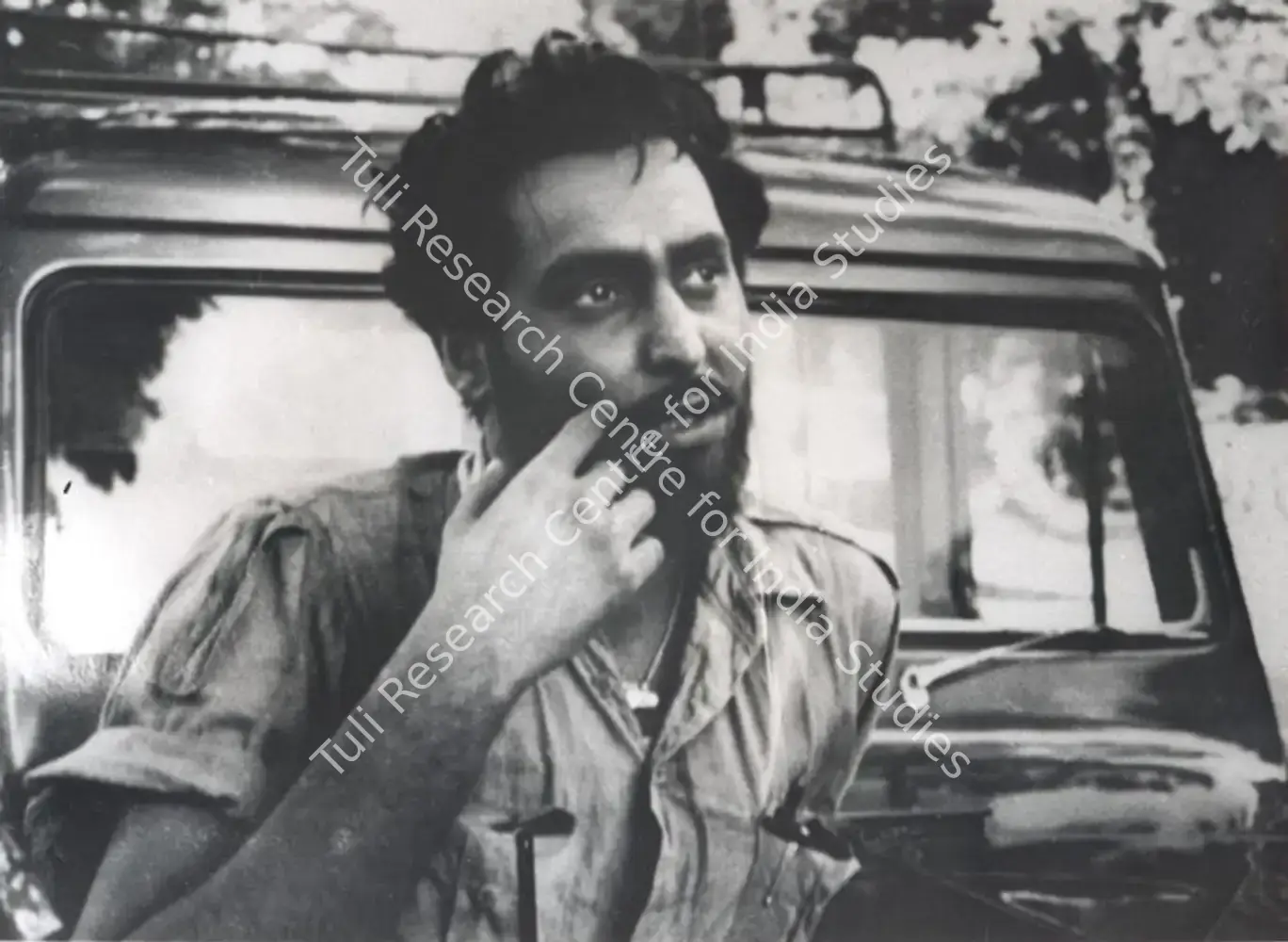
Soumitra Chatterjee features in Abhijan as the driver of a worn down taxi car- a 1930 Chrysler. He is a Kshatriya by caste, descendent of a Rajput warrior aristocracy. The ancestry of the man is central to his character and drives a significant portion of his narrative. The monopoly taxi business has ruined his financial condition and his wife has fled with another man. Narsingh (Soumitra Chatterjee) is bitter and especially hateful towards women, often violent and confrontational with fellow drivers who make fun of his hollow pride.
Art Director
Banner
Cinematographer
Dialogue Writer
Director
Editing
Lead Cast
Lead Cast Rest
Music Director
Poster Designer
Producer
Bhola Nath Roy
Screenplay Writer
Script Writer
Story Writer