
Aap Ki Kasam1974
Introduction
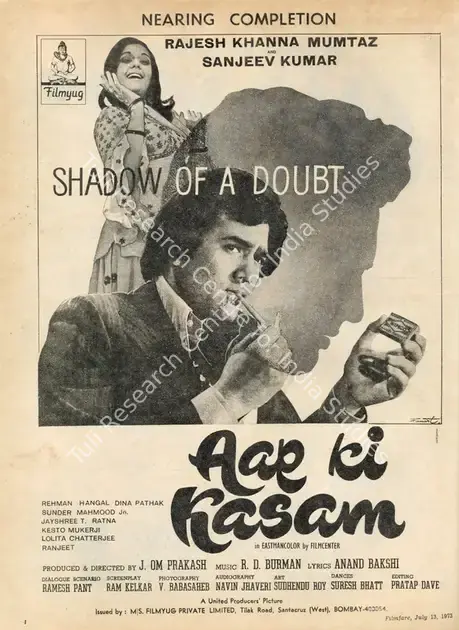
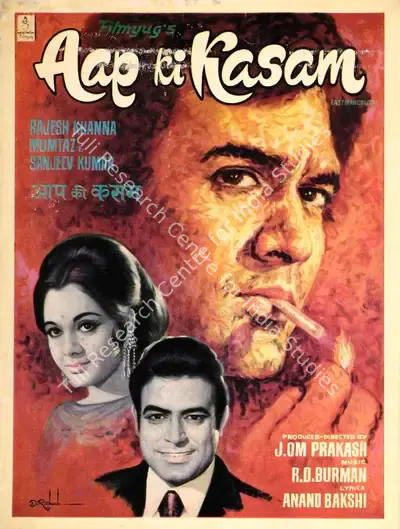
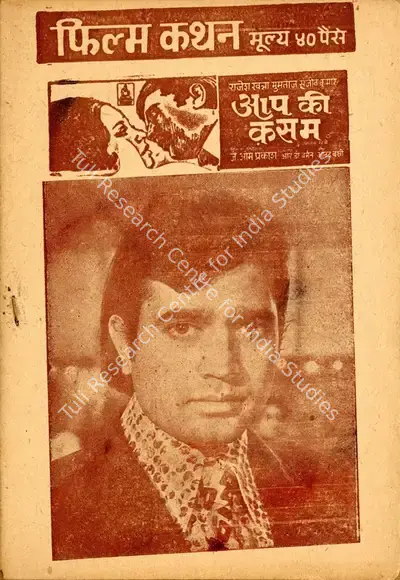
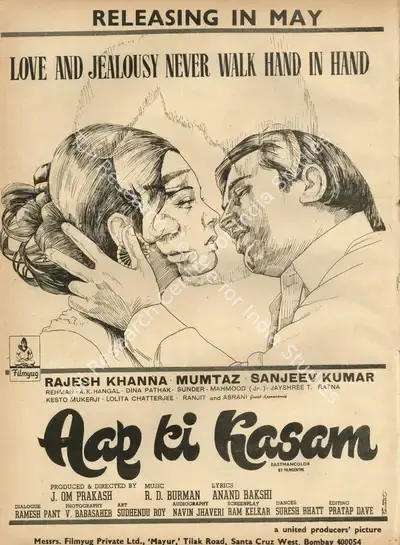
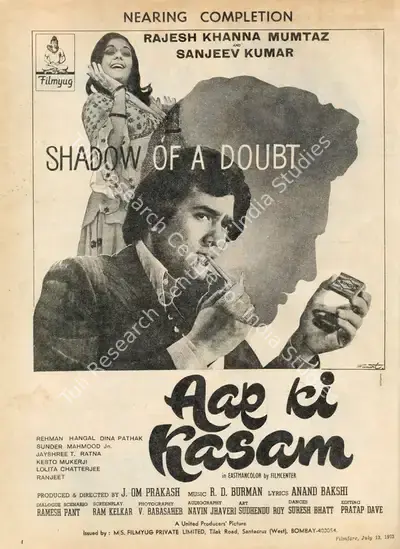
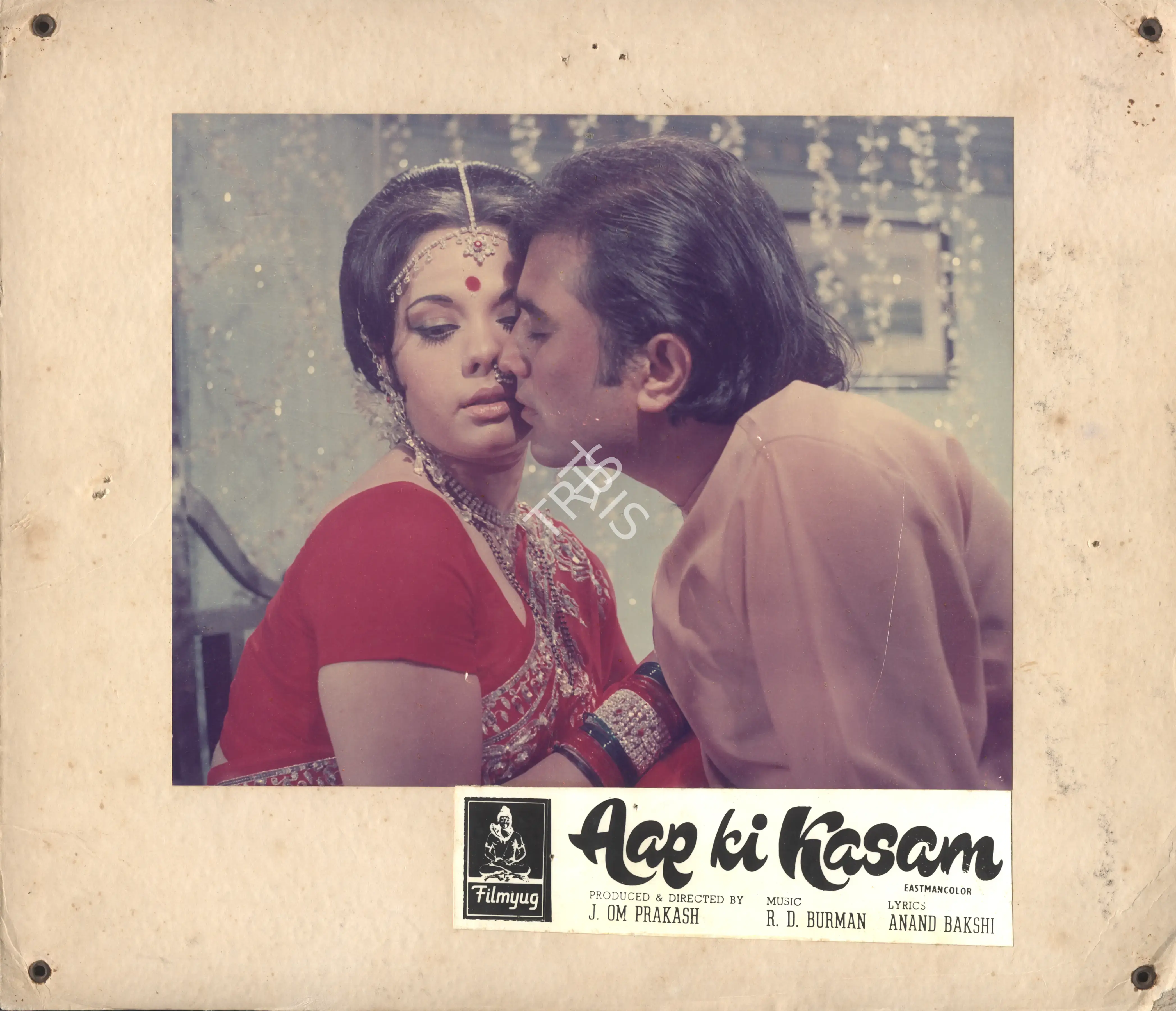
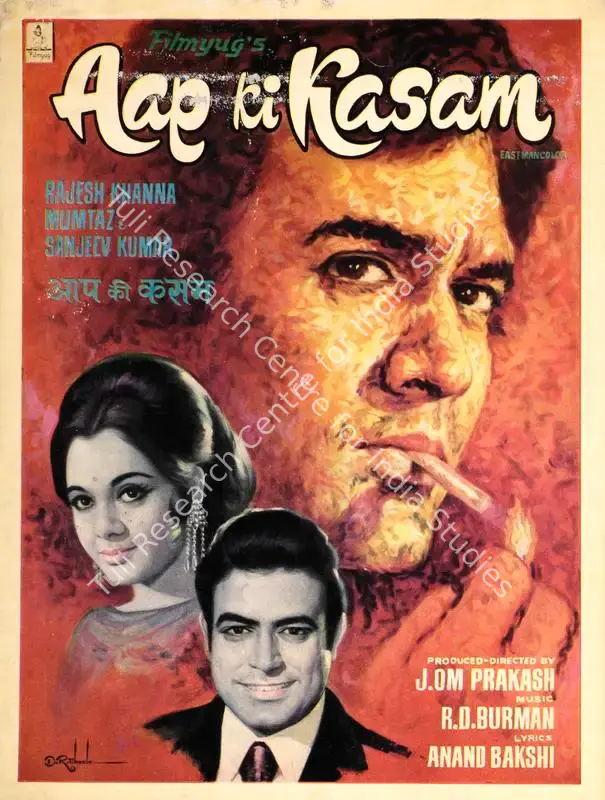
Aap Ki Kasam (1974) Produced by J. Om Prakash, the film marked the veteran filmmaker's directorial debut and featured an ensemble cast led by Rajesh Khanna, Mumtaz, and Sanjeev Kumar, with notable performances by Rehman, Asrani, and A. K. Hangal. The film's celebrated soundtrack was composed by R. D. Burman, whose work earned the production its sole Filmfare Award nomination.
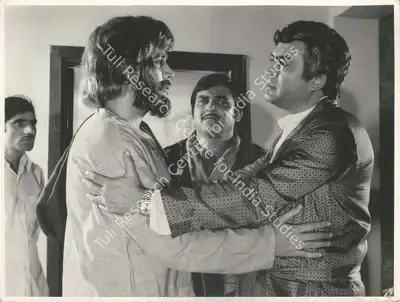
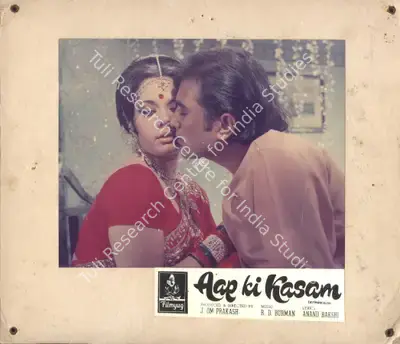
At its core, Aap Ki Kasam is a poignant exploration of love, trust, and the devastating consequences of suspicion. The narrative revolves around Kamal (Rajesh Khanna) and Sunita (Mumtaz), whose idyllic marriage gradually unravels under the weight of Kamal's growing insecurity and jealousy. Although deeply in love with his wife, Kamal's suspicious temperament leads him to misconstrue the friendship between Sunita and his close friend Mohan (Sanjeev Kumar), prompting unfounded doubts about her fidelity.
Humiliated and emotionally exhausted by her husband's accusations, Sunita returns to her parental home. Blinded by his mistrust, Kamal abandons her without knowing that she is carrying his child. When he eventually realises the magnitude of his mistake, it is too late. Consumed by remorse, he descends into a life of isolation and wandering, while Sunita rebuilds her life alongside Mohan. The film concludes on a profoundly melancholic note, underscoring the irreversible consequences of misguided choices and lost opportunities.
The emotional power of Aap Ki Kasam is enhanced by one of the most memorable soundtracks of the decade. Kishore Kumar's renditions of Zindagi Ke Safar Mein and Jai Jai Shiv Shankar remain enduring classics of Hindi cinema, celebrated for their emotional depth and vocal exuberance. Equally significant is Lata Mangeshkar's raag-based Chori Chori Chupke Chupke, loosely based on raag Mishr Khamaj which accompanies a pivotal moment when Kamal's suspicions begin to take root: Sunita agrees to sing at Mohan's request while Mohan plays the sitar, making Kamal jealous. The song's delicate musicality is juxtaposed with a carefully crafted atmosphere of tension, heightening the dramatic impact of the sequence.
The film was adapted from the Malayalam classic Vaazhve Mayam (1970), directed by K. S. Sethumadhavan, although the Hindi version featured a different ending. The story was later remade in Telugu as Edadugula Bandham (1985), directed by Dasari Narayana Rao and starring Mohan Babu and Jayasudha, which retained the original Malayalam conclusion.
What distinguishes Aap Ki Kasam from many contemporary mainstream films is its refusal to offer easy redemption or idealised resolutions. Rather than presenting life as a series of limitless second chances, the film confronts viewers with the painful reality that some mistakes carry permanent consequences. While it may not be regarded as a particularly progressive work by modern standards, it remains one of the most distinctive and emotionally resonant mainstream Hindi films of its era.
Commercially, the film was a major success. Produced on an estimated budget of ₹1.1 crore, it grossed approximately ₹4.5 crore at the box office, emerging as one of the highest-grossing Indian films of 1974 and securing a place among the year's top ten earners. Its success also formed an important part of Rajesh Khanna's career resurgence during the mid-1970s, contributing to a remarkable run of solo box-office hits that included Prem Nagar and Roti in the same year.
मूल रूप से, 'आप की कसम' प्रेम, विश्वास और संदेह के विनाशकारी परिणामों की एक मार्मिक पड़ताल है। कहानी कमल (राजेश खन्ना) और सुनीता (मुमताज़) के इर्द-गिर्द घूमती है, जिनका आदर्श वैवाहिक जीवन कमल की बढ़ती असुरक्षा और ईर्ष्या के बोझ तले धीरे-धीरे बिखरने लगता है। अपनी पत्नी से बेहद प्यार करने के बावजूद, कमल का शंकालु स्वभाव उसे सुनीता और उसके क़रीबी दोस्त मोहन (संजीव कुमार) की दोस्ती को ग़लत समझने पर मज़बूर करता है, जिससे सुनीता की वफ़ादारी पर निराधार संदेह पैदा होता है।
पति के आरोपों से अपमानित और भावनात्मक रूप से टूट चुकी सुनीता अपने मायके लौट आती है। अविश्वास से अंधा हो चुका कमल उसे यह जाने बिना छोड़ देता है कि वह उसके बच्चे की माँ बनने वाली है। जब उसे अंततः अपनी ग़लती का एहसास होता है, तब तक बहुत देर हो चुकी होती है। पश्चाताप से व्याकुल होकर वह एकांत और भटकने वाले जीवन में डूब जाता है, जबकि सुनीता मोहन के साथ अपना जीवन फ़िर से संवारती है। फ़िल्म एक अत्यंत उदास संदेश के साथ समाप्त होती है, जो गलत फैसलों और खोए हुए अवसरों के अपरिवर्तनीय परिणामों को रेखांकित करती है।
फ़िल्म 'आप की कसम' की भावनात्मक शक्ति को दशक के सबसे यादगार संगीत में से एक ने और भी बढ़ा दिया है। किशोर कुमार द्वारा गाए गए 'ज़िंदगी के सफ़र में' और 'जय जय शिव शंकर' हिंदी सिनेमा के सदाबहार क्लासिक्स हैं, जो अपनी भावनात्मक गहराई और गायन की उमंग के लिए जाने जाते हैं। लता मंगेशकर का राग-आधारित गीत 'चोरी चोरी चुपके चुपके' भी उतना ही महत्वपूर्ण है, जो राग मिश्र खमाज पर आधारित है और उस महत्वपूर्ण क्षण में बजता है जब कमल का संदेह जड़ पकड़ने लगता है: सुनीता मोहन के कहने पर गाने के लिए राजी हो जाती है, जबकि मोहन सितार बजा रहा होता है, जिससे कमल को जलन होती है। गीत की कोमल संगीतमयता को सावधानीपूर्वक रचे गए तनावपूर्ण माहौल के साथ जोड़ा गया है, जिससे दृश्य का नाटकीय प्रभाव और भी बढ़ जाता है।
यह फ़िल्म के.एस. सेतुमाधवन द्वारा निर्देशित मलयालम क्लासिक वाज़वे मयम (1970) से आधारित थी, हालांकि हिंदी संस्करण में एक अलग अंत दिखाया गया था। कहानी को बाद में तेलुगु में एडाडुगुला बंधम (1985) के रूप में बनाया गया, जिसका निर्देशन दसारी नारायण राव ने किया और इसमें मोहन बाबू और जयसुधा ने अभिनय किया, जिसने मूल मलयालम निष्कर्ष को बरक़रार रखा।
'आप की कसम' को समकालीन मुख्यधारा की कई फ़िल्मों से अलग करने वाली बात यह है कि यह आसान मुक्ति या आदर्श समाधान पेश करने से इनकार करती है। जीवन को अनगिनत मौकों की श्रृंखला के रूप में प्रस्तुत करने के बजाय, फ़िल्म दर्शकों को इस दर्दनाक वास्तविकता से रूबरू कराती है कि कुछ ग़लतियों के स्थायी परिणाम छोड़ जाती हैं। भले ही आधुनिक मानकों के अनुसार इसे कोई प्रगतिशील फ़िल्मी कृति न माना जाए, फ़िर भी यह अपने दौर की सबसे विशिष्ट और भावनात्मक रूप से प्रभावशाली मुख्यधारा की हिंदी फ़िल्मों में से एक है।
व्यावसायिक दृष्टि से यह फ़िल्म बेहद सफल रही। लगभग 1.1 करोड़ रुपये के बजट में बनी इस फ़िल्म ने बॉक्स ऑफ़िस पर क़रीब 4.5 करोड़ रुपये की कमाई की और 1974 की सबसे अधिक कमाई करने वाली भारतीय फ़िल्मों में से एक बनकर उभरी और उस वर्ष की शीर्ष दस सबसे अधिक कमाई करने वाली फ़िल्मों में अपना स्थान बनाया। इसकी सफलता ने 1970 के दशक के मध्य में राजेश खन्ना के करियर को पुनर्जीवित करने में भी महत्वपूर्ण भूमिका निभाई, जिसके चलते उसी वर्ष उनकी एकल फ़िल्मों की एक श्रृंखला हिट हुई, जिनमें प्रेम नगर और रोटी शामिल हैं।