

1947 Earth1999
Introduction
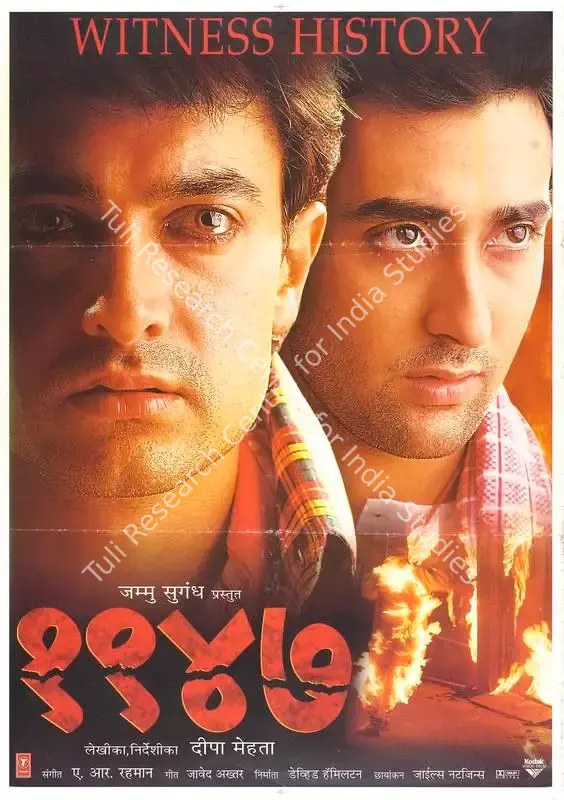
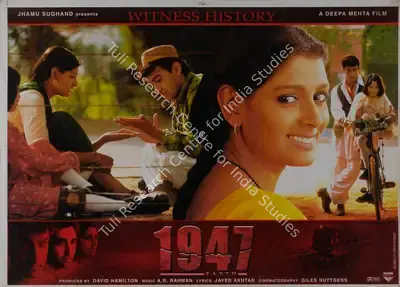
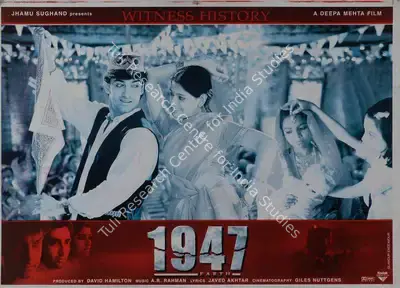
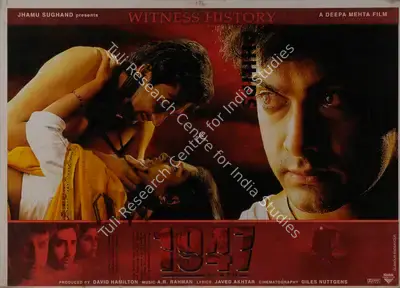
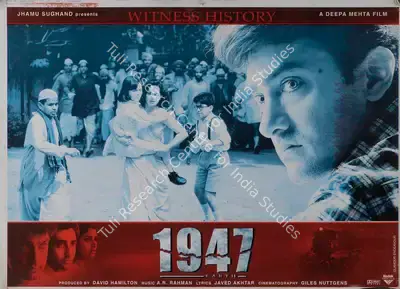
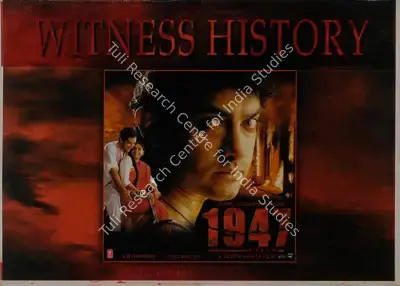
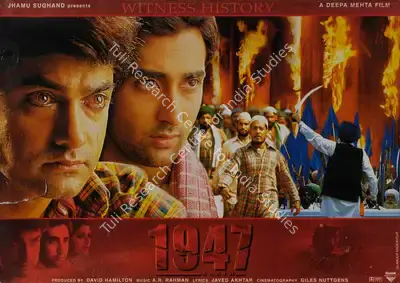
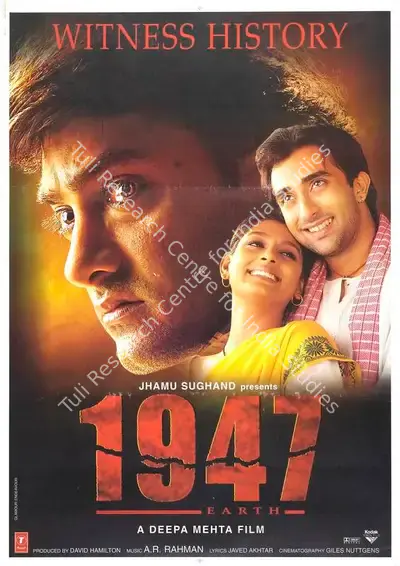
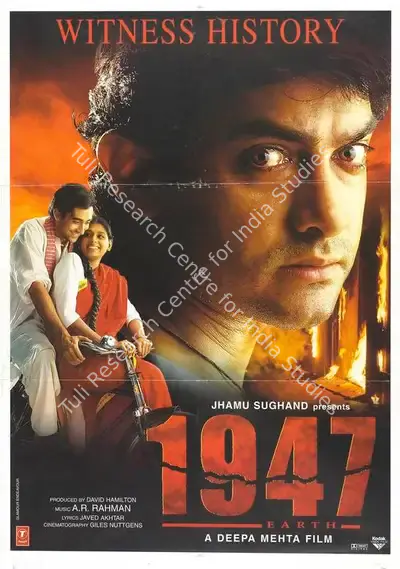
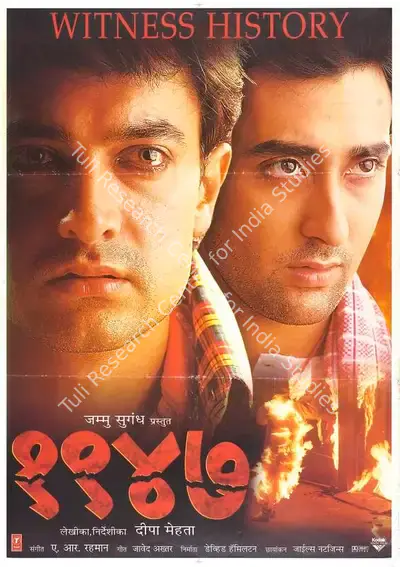
1947: Earth (1999) Directed by Deepa Mehta, it is a landmark film in Indian cinema that offers a deeply humanistic portrayal of the Partition of India through the lens of personal relationships and communal conflict. Adapted from Bapsi Sidhwa's acclaimed novel Cracking India (published as Ice-Candy-Man in India), the film forms the second instalment of Mehta's celebrated Elements Trilogy, preceded by Fire (1996) and followed by Water (2005). Featuring an accomplished ensemble cast including Aamir Khan, Nandita Das, Rahul Khanna, Shabana Azmi, Maia Sethna, and Kulbhushan Kharbanda, the film transcends the conventions of historical drama by foregrounding the emotional and psychological consequences of Partition rather than its political chronology. It presents a nuanced exploration of identity, memory, gender, and communal violence, making it one of the most critically acclaimed cinematic representations of the 1947 Partition.
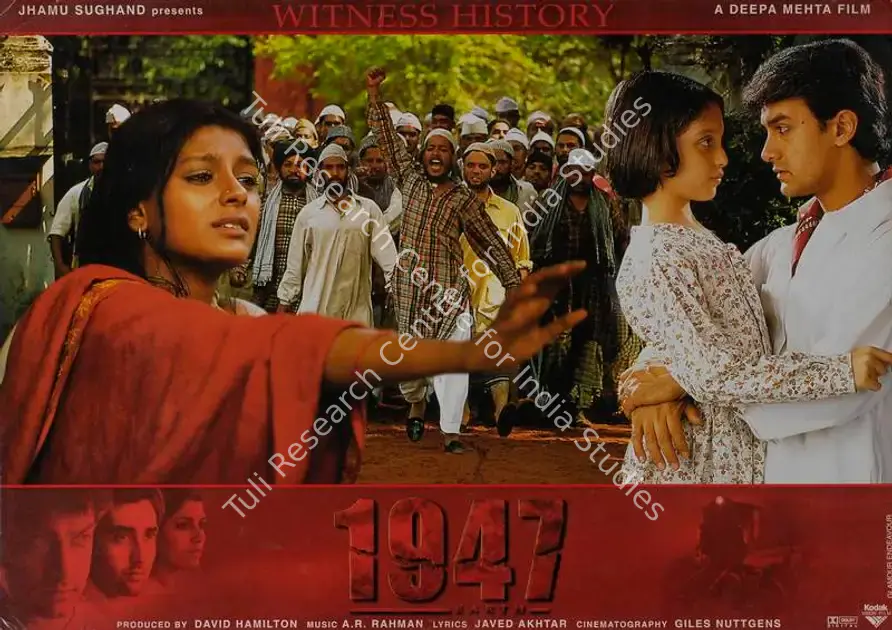
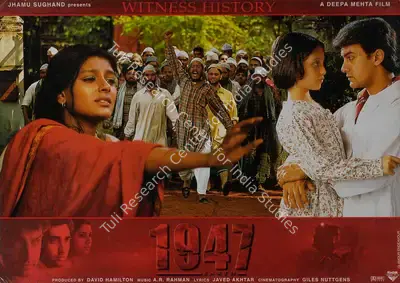
Set in Lahore during the final months of British colonial rule, the narrative is presented through the perspective of Lenny, a young Parsi girl whose physical disability and minority status position her as both an insider and an observer. Her innocent worldview gradually disintegrates as political tensions between Hindus, Muslims, and Sikhs intensify with the announcement of Partition. Central to the story is Ayah, Lenny's beautiful Hindu nanny, whose circle of admirers includes the gentle masseur Hassan and the charismatic yet volatile Ice-Candy-Man. As communal harmony gives way to suspicion, hatred, and violence, these intimate relationships become irreversibly fractured, illustrating how large-scale political upheavals penetrate the most personal aspects of everyday life. Through Lenny's fragmented memories, the film reveals the devastating impact of sectarian violence on individuals, families, and communities.
Rather than depicting Partition solely as a political event, 1947: Earth examines its profound human cost. Deepa Mehta avoids simplistic binaries of victim and perpetrator, instead portraying how fear, trauma, and political manipulation transform ordinary individuals into participants in violence. The character of Ice-Candy-Man embodies this tragic transformation, illustrating the psychological consequences of communal hatred and the erosion of moral restraint. Simultaneously, Ayah emerges as a powerful symbol of the vulnerability of women's bodies during periods of ethnic and political conflict, highlighting the gendered dimensions of Partition that have often remained marginalized in historical narratives.
The film is distinguished by its restrained visual style, evocative cinematography, and emotionally resonant performances. Giles Nuttgens's cinematography captures both the warmth of pre-Partition Lahore and the growing atmosphere of fear and uncertainty, while A. R. Rahman's evocative musical score enhances the emotional depth of the narrative. The performances of Nandita Das as Ayah and Aamir Khan as Ice-Candy-Man received widespread critical appreciation for their psychological complexity and emotional intensity.
Released in 1999, 1947: Earth earned international recognition for its sensitive treatment of one of South Asia's most traumatic historical events. It was selected as India's official entry for the Academy Award for Best Foreign Language Film and received several national and international honours. Today, 1947: Earth remains an essential work of Indian and diasporic cinema, celebrated for its powerful interrogation of memory, identity, gender, and communal violence. By intertwining historical events with intimate human experiences, the film continues to serve as a compelling reflection on the enduring legacies of Partition and the fragile nature of coexistence in multicultural societies.
Selected as India's official submission for the Best Foreign Language Film category for the 1999 Oscars, it won Rahul Khanna won the Filmfare Award for Best Male Debut in 2000, and Nandita Das the Filmfare Award for Best Debut Actress.Rahul Khanna was also honoured with the Best Debutant-Male award. At the Asia-Pacific Film Festival (1998), it was nominated for the APFF Award for Best Film.
ब्रिटिश शासन के आख़िरी महीनों में लाहौर की पृष्ठभूमि पर बनी यह कहानी लेनी नाम की एक युवा पारसी लड़की के नज़रिए से दिखाई गई है। उसकी शारीरिक अक्षमता और अल्पसंख्यक होने की वजह से वह एक ही समय में घटनाक्रम का हिस्सा भी है और एक दर्शक भी। बंटवारे की घोषणा के साथ ही हिंदुओं, मुसलमानों और सिखों के बीच राजनीतिक तनाव बढ़ने लगता है और लेनी का मासूम नज़रिया धीरे-धीरे बिखरने लगता है। कहानी में लेनी की ख़ूबसूरत हिंदू नैनी, आया, मुख्य भूमिका में है। उसके चाहने वालों में सौम्य मालिश करने वाला हसन और आकर्षक लेकिन ग़ुस्सैल स्वभाव वाला आइस-कैंडी-मैन शामिल हैं। जब आपसी भाईचारे की जगह शक, नफ़रत और हिंसा ले लेती है, तो ये क़रीबी रिश्ते हमेशा के लिए टूट जाते हैं। इससे पता चलता है कि कैसे बड़े पैमाने पर होने वाली राजनीतिक उथल-पुथल रोज़मर्रा की ज़िंदगी के सबसे निजी पहलुओं पर भी असर डालती है। लेनी की बिखरी हुई यादों के ज़रिए, यह फ़िल्म सांप्रदायिक हिंसा का लोगों, परिवारों और समुदायों पर पड़ने वाले विनाशकारी असर को दिखाती है।
'1947: अर्थ' फ़िल्म बंटवारे को सिर्फ़ एक राजनीतिक घटना के तौर पर नहीं दिखाती, बल्कि इसके गहरे मानवीय असर को भी दिखाती है। दीपा मेहता पीड़ित और अपराधी जैसे आसान बंटवारे से बचती हैं। इसके बजाय, वह दिखाती हैं कि कैसे डर, सदमा और राजनीतिक हेर-फेर आम लोगों को हिंसा में शामिल होने के लिए मज़बूर कर देते हैं। 'आइस-कैंडी-मैन' का किरदार इस दुखद बदलाव को दिखाता है और सांप्रदायिक नफ़रत के मानसिक नतीजों और नैतिक संयम के ख़त्म होने को उजागर करता है। साथ ही, 'आया' का किरदार जातीय और राजनीतिक टकराव के समय महिलाओं के शरीर की असुरक्षा का एक मज़बूत प्रतीक बनकर उभरता है। यह बंटवारे के उस जेंडर-आधारित पहलू को सामने लाता है जिसे अक्सर ऐतिहासिक वृत्तांतों में नज़रअंदाज़ कर दिया गया है।
यह फ़िल्म अपनी संयमित विज़ुअल स्टाइल (दृश्य रूप), असरदार सिनेमैटोग्राफ़ी और भावनाओं को छू लेने वाली अदाकारी के लिए जानी जाती है। जाइल्स नटजेन्स की सिनेमैटोग्राफ़ी बंटवारे से पहले के लाहौर की आत्मीयता और साथ ही बढ़ते डर और अनिश्चितता के माहौल को बख़ूबी दिखाती है, जबकि ए. आर. रहमान का असरदार संगीत कहानी की भावनात्मक गहराई को और बढ़ाता है। 'आया' के रोल में नंदिता दास और 'आइस-कैंडी-मैन' के रोल में आमिर ख़ान की अदाकारी को उनके किरदारों की मनोवैज्ञानिक जटिलता और भावनात्मक तीव्रता के लिए आलोचकों से ख़ूब तारीफ़ मिली।
1999 में रिलीज़ हुई फ़िल्म '1947: अर्थ' को दक्षिण एशिया की सबसे दर्दनाक ऐतिहासिक घटनाओं में से एक को संवेदनशीलता के साथ दिखाने के लिए अंतरराष्ट्रीय पहचान मिली। इसे 'बेस्ट फ़ॉरेन लैंग्वेज़ फ़िल्म' के लिए अकादमी अवॉर्ड (ऑस्कर) के लिए भारत की आधिकारिक एंट्री के तौर पर चुना गया था और इसने कई राष्ट्रीय और अंतरराष्ट्रीय सम्मान हासिल किए। आज भी, '1947: अर्थ' भारतीय और प्रवासी सिनेमा की एक अहम फ़िल्म मानी जाती है, जिसे यादों, पहचान, जेंडर और सांप्रदायिक हिंसा की दमदार पड़ताल के लिए सराहा जाता है। ऐतिहासिक घटनाओं को निजी मानवीय अनुभवों के साथ जोड़कर, यह फ़िल्म बंटवारे की कभी न मिटने वाली विरासत और मिली-जुली संस्कृति वाले समाजों में साथ रहने की नाज़ुक स्थिति पर एक असरदार नज़रिए के तौर पर बनी हुई है।
इसे 1999 के ऑस्कर में 'बेस्ट फॉरेन लैंग्वेज़ फ़िल्म' कैटेगरी के लिए भारत की तरफ़ से आधिकारिक तौर पर भेजा गया था। राहुल खन्ना ने 2000 में 'बेस्ट मेल डेब्यू' के लिए फ़िल्मफ़ेयर अवॉर्ड जीता और नंदिता दास ने 'बेस्ट डेब्यू एक्ट्रेस' का फ़िल्मफ़ेयर अवॉर्ड जीता। राहुल खन्ना को 'बेस्ट डेब्यू मेल' अवॉर्ड से भी सम्मानित किया गया। एशिया-पैसिफ़िक फ़िल्म फ़ेस्टिवल (1998) में इसे 'बेस्ट फ़िल्म' के APFF (एशिया-पैसिफ़िक फ़िल्म फेस्टिवल) अवॉर्ड के लिए नॉमिनेट किया गया था।
Body of Work
Research Centre
Related
1
Personalities
1