
William Henry Pigou

William Henry Pigou
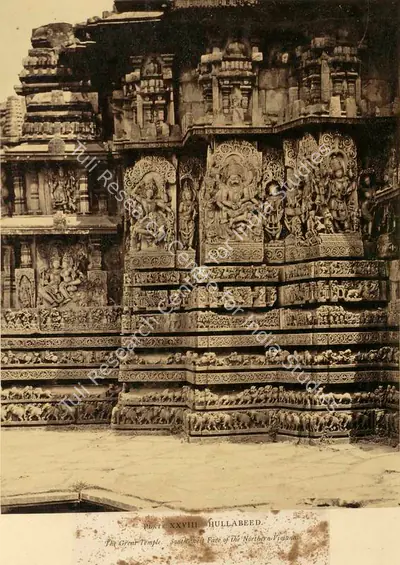
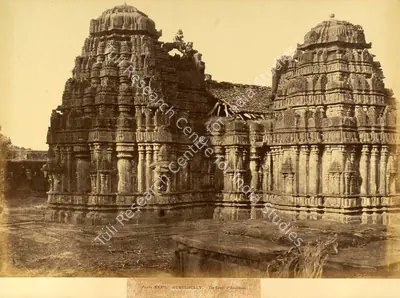
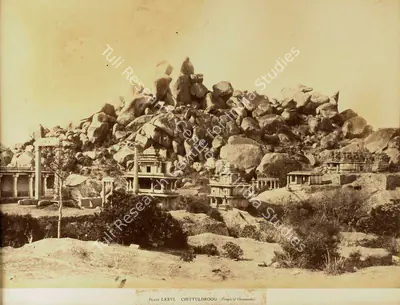
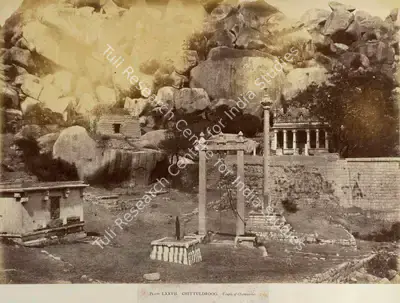
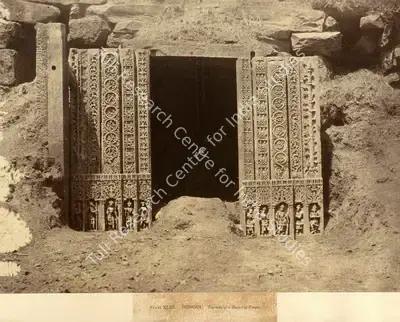
William H. Pigou was a surgeon in the Bombay Medical Service and a skilled calotypist. In 1856, he succeeded Colonel Thomas Biggs as the official photographer tasked with documenting India’s ancient monuments. His expertise in chemistry and his ability to work effectively in India’s challenging climate made him well-suited for the role. That year, Pigou conducted photographic surveys in Vijayanagar near Bellary and at ten sites across the Dharwar and Mysore districts. Later, he revisited Dharwar and Mysore, photographing an additional seventeen sites, including Halebid and Mysore, producing over 150 negatives. Using a large-format camera previously employed by Biggs, Pigou created detailed and architecturally precise images on calotype and waxed- paper negatives, some as large as 16 × 12 inches. He utilized oblique lighting to emphasize the intricate sculptures and facades of monuments. His work was highly esteemed by the Court of Directors of the East India Company. In 1866, Pigou’s photographs, alongside those of A. C. B. Neill and Colonel Biggs, were published in the album Architecture in Dharwar and Mysore by the Committee of Architectural Antiquities in Western India. Some of his images were later featured as engravings in James Fergusson’s History of Indian and Eastern Architecture, published in 1876.

Research Centre

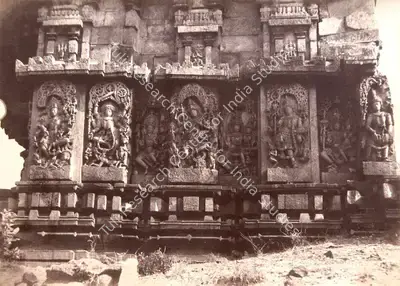
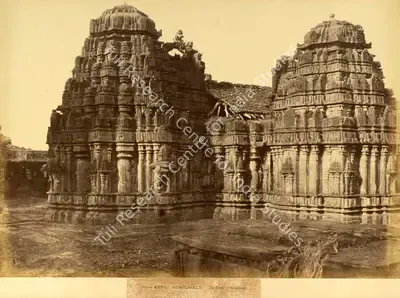
Pigou, William Henry (Photographer), Hullabeed. The Great Temple. Sanctuary of the Southern Pavilion, c.1855 | Antiquarian Photograph

Pigou, William Henry (Photographer), Hullabeed. The Great Temple. Sanctuary of the Southern Pavilion, c.1855 | Antiquarian Photograph

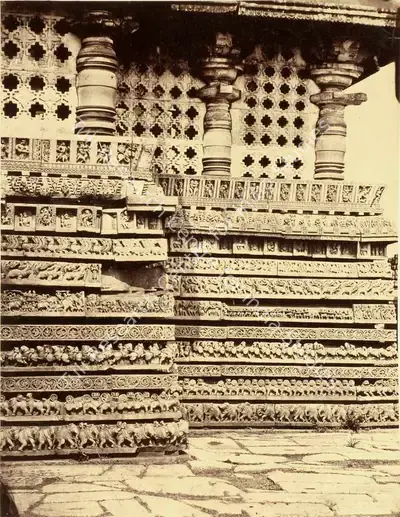
Pigou, William Henry (Photographer), Hullabeed. The Great Temple. North East Angle, c.1855 | Antiquarian Photograph

Pigou, William Henry (Photographer), Hullabeed. The Great Temple. North East Angle, c.1855 | Antiquarian Photograph

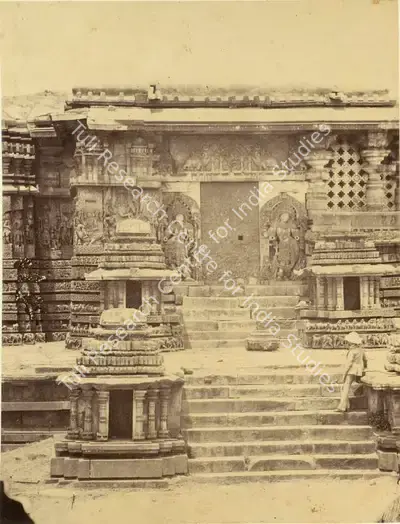
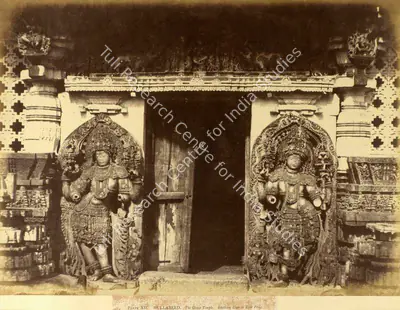
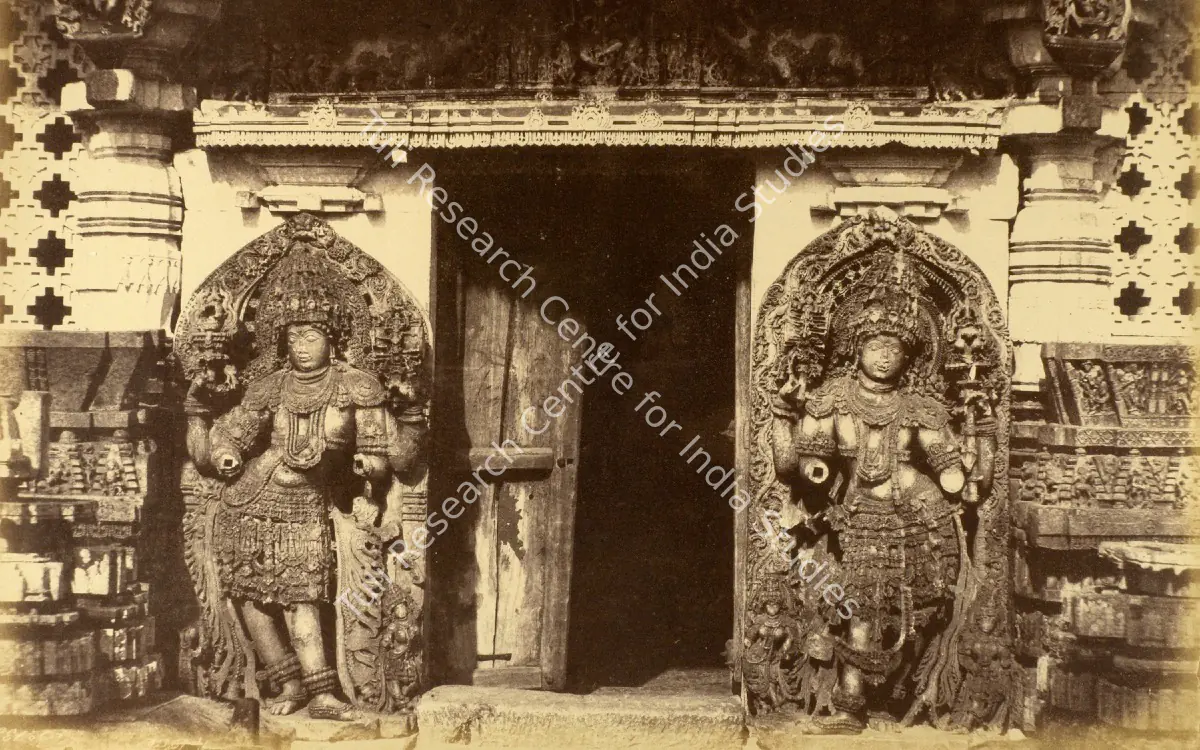
Pigou, William Henry (Photographer), Hullabeed. The Great Temple. South Entrance, c.1855 | Antiquarian Photograph

Pigou, William Henry (Photographer), Hullabeed. The Great Temple. South Entrance, c.1855 | Antiquarian Photograph

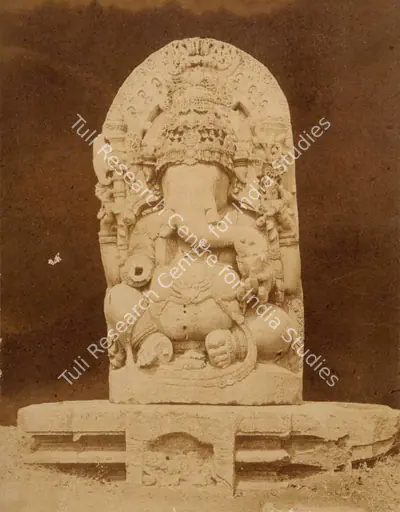
Pigou, William Henry (Photographer), Ganesha, The God of Wisdom, c.1855 | Antiquarian Photograph

Pigou, William Henry (Photographer), Ganesha, The God of Wisdom, c.1855 | Antiquarian Photograph

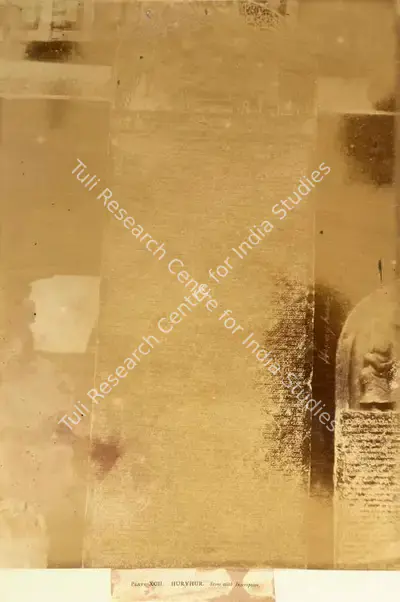
Pigou, William Henry (Photographer), Huryhur. Stone with Inscription, c.1855 | Antiquarian Photograph

Pigou, William Henry (Photographer), Huryhur. Stone with Inscription, c.1855 | Antiquarian Photograph

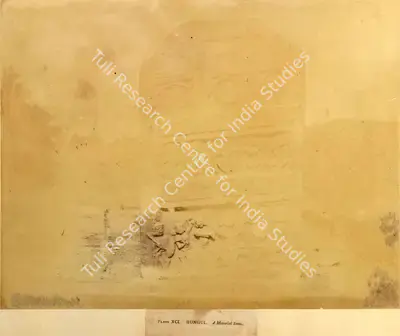
Pigou, William Henry (Photographer), Hungul. A Memorial Stone, c.1855 | Antiquarian Photograph

Pigou, William Henry (Photographer), Hungul. A Memorial Stone, c.1855 | Antiquarian Photograph

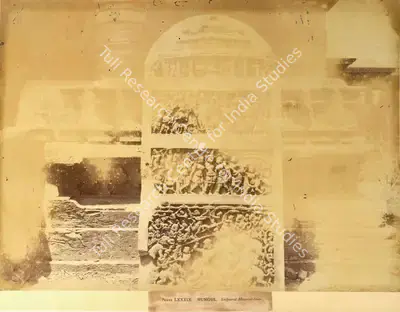
Pigou, William Henry (Photographer), Hungul. Sculptured Memorial Stone, c.1855 | Antiquarian Photograph

Pigou, William Henry (Photographer), Hungul. Sculptured Memorial Stone, c.1855 | Antiquarian Photograph

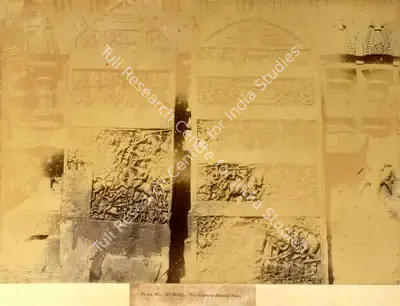
Pigou, William Henry (Photographer), Hungul. Two Sculptured Memorial Stones, c.1855 | Antiquarian Photograph

Pigou, William Henry (Photographer), Hungul. Two Sculptured Memorial Stones, c.1855 | Antiquarian Photograph

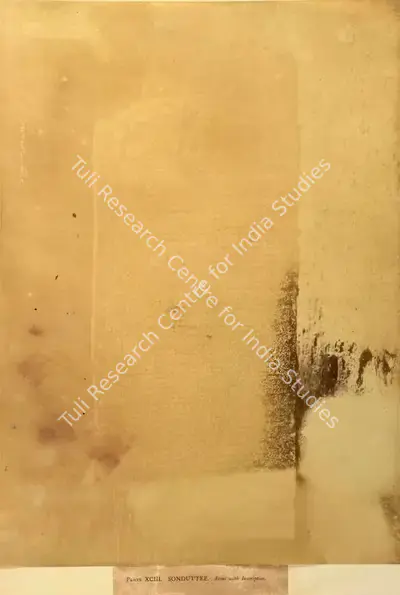
Pigou, William Henry (Photographer), Sonduttee. Stone with Inscription, c.1856 | Antiquarian Photograph

Pigou, William Henry (Photographer), Sonduttee. Stone with Inscription, c.1856 | Antiquarian Photograph

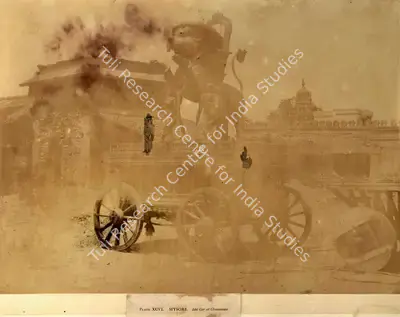
Pigou, William Henry (Photographer), Mysore. Idol Car at Chamoondee, c.1856 | Antiquarian Photograph

Pigou, William Henry (Photographer), Mysore. Idol Car at Chamoondee, c.1856 | Antiquarian Photograph

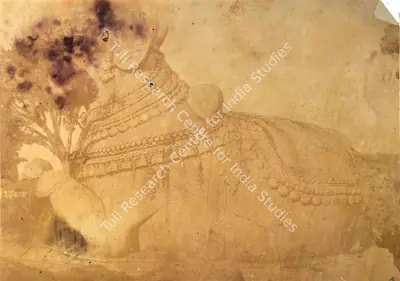
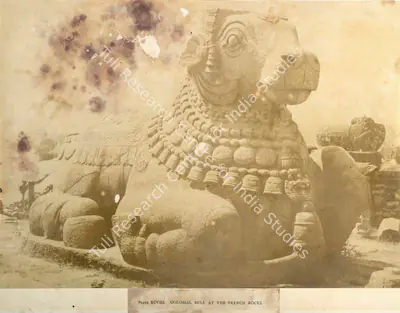
Pigou, William Henry (Photographer), Colossal Bull At The French Rocks, c.1856 | Antiquarian Photograph

Pigou, William Henry (Photographer), Colossal Bull At The French Rocks, c.1856 | Antiquarian Photograph

Pigou, William Henry (Photographer), Colossal Bull At The French Rocks, c.1856 | Antiquarian Photograph

Pigou, William Henry (Photographer), Colossal Bull At The French Rocks, c.1856 | Antiquarian Photograph

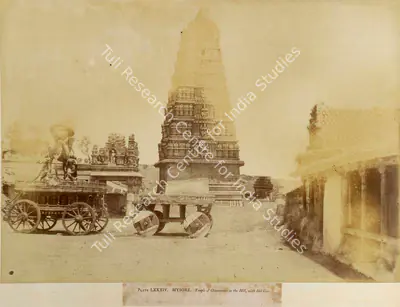
Pigou, William Henry (Photographer), Mysore. Temple of Chamoondee on the Hill, with Idol Car, c.1856 | Antiquarian Photograph

Pigou, William Henry (Photographer), Mysore. Temple of Chamoondee on the Hill, with Idol Car, c.1856 | Antiquarian Photograph

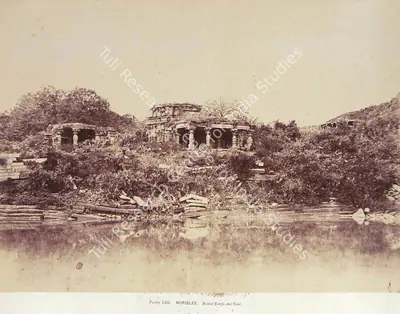
Pigou, William Henry (Photographer), Hooblee. Ruined Temple and Tank, c.1856 | Antiquarian Photograph

Pigou, William Henry (Photographer), Hooblee. Ruined Temple and Tank, c.1856 | Antiquarian Photograph

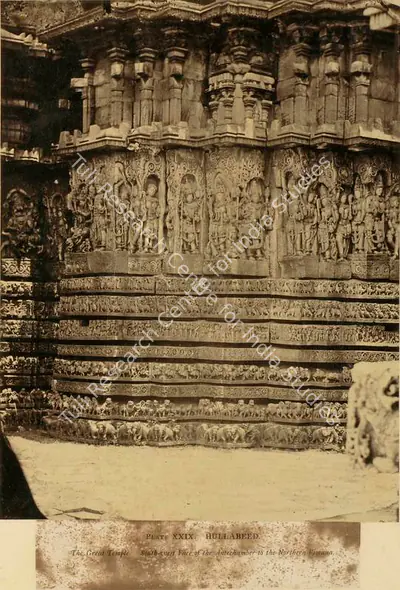
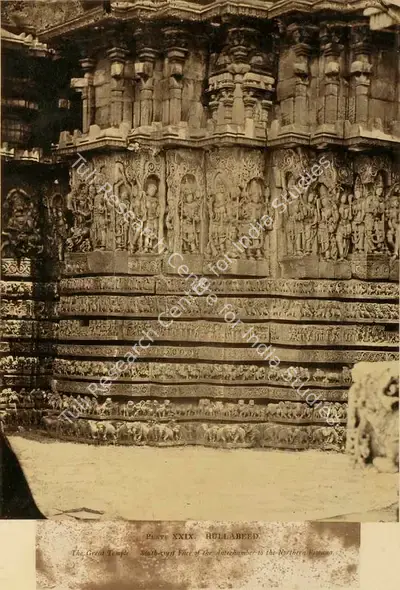
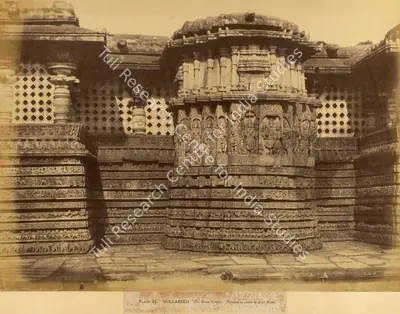
Pigou, William Henry (Photographer), Hullabeed. The Great temple. South-west face of the Antechamber to the northern vimana, c.1856 | Antiquarian Photograph

Pigou, William Henry (Photographer), Hullabeed. The Great temple. South-west face of the Antechamber to the northern vimana, c.1856 | Antiquarian Photograph

Pigou, William Henry (Photographer), Hurulhully. Portion of a Temple, enlarged, c.1856 | Antiquarian Photograph

Pigou, William Henry (Photographer), Hurulhully. Portion of a Temple, enlarged, c.1856 | Antiquarian Photograph

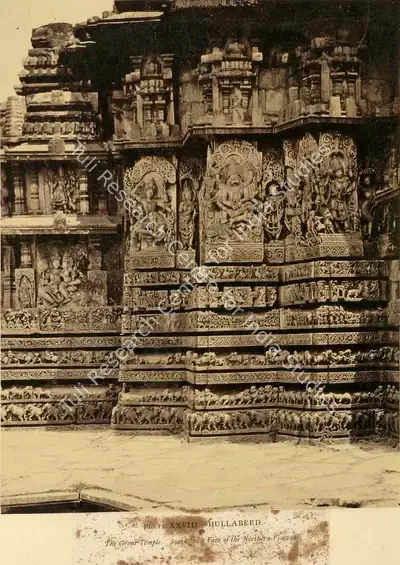
Pigou, William Henry (Photographer), Hullabeed. The great Temple. South-west face of the northern vimana, c.1856 | Antiquarian Photograph

Pigou, William Henry (Photographer), Hullabeed. The great Temple. South-west face of the northern vimana, c.1856 | Antiquarian Photograph

Pigou, William Henry (Photographer), Hurulhully. The Temple of Someshwur, c.1856 | Antiquarian Photograph

Pigou, William Henry (Photographer), Hurulhully. The Temple of Someshwur, c.1856 | Antiquarian Photograph

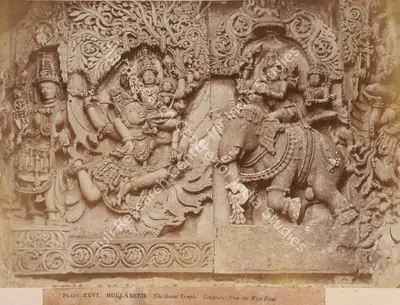
Pigou, William Henry (Photographer), Hullabeed. The Great Temple. sculptures from the West Front, c.1856 | Antiquarian Photograph

Pigou, William Henry (Photographer), Hullabeed. The Great Temple. sculptures from the West Front, c.1856 | Antiquarian Photograph

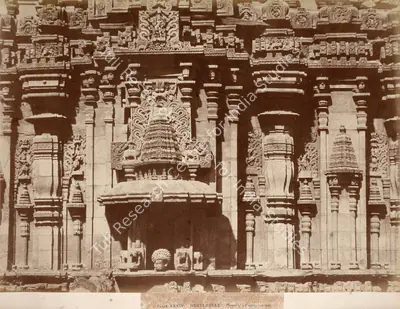
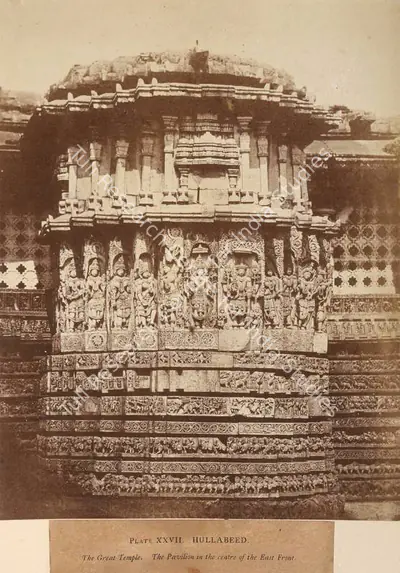
Pigou, William Henry (Photographer), Hullabeed. The Great Temple. The Pavilion in the centre of the East Front, c.1856 | Antiquarian Photograph

Pigou, William Henry (Photographer), Hullabeed. The Great Temple. The Pavilion in the centre of the East Front, c.1856 | Antiquarian Photograph

Loading...
TRIS logo image