
Welcome To Sajjanpur2008
Introduction
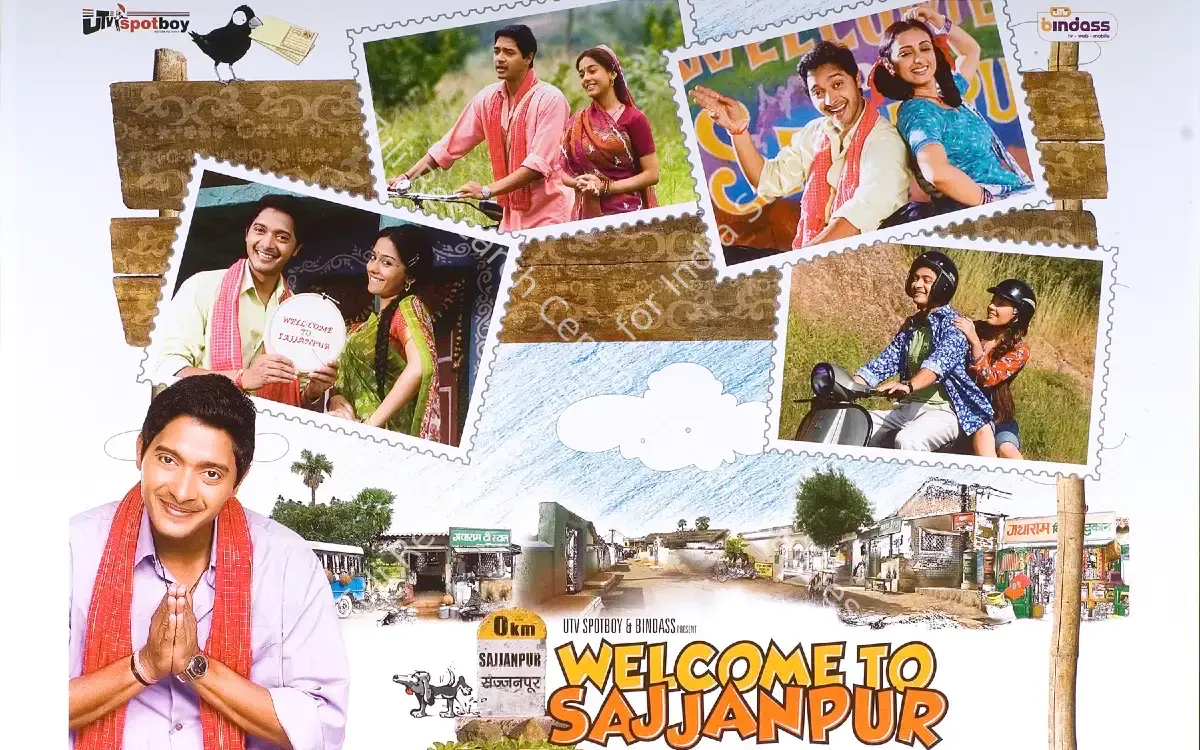
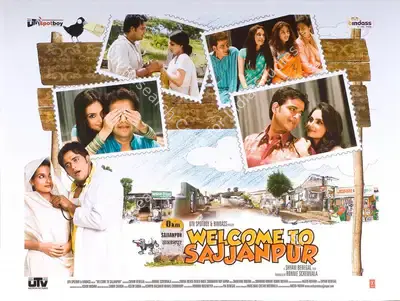
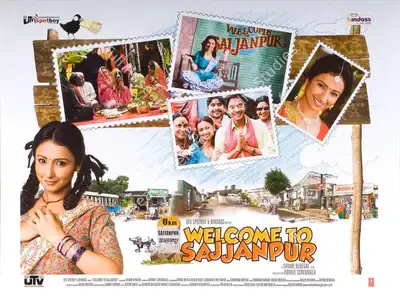
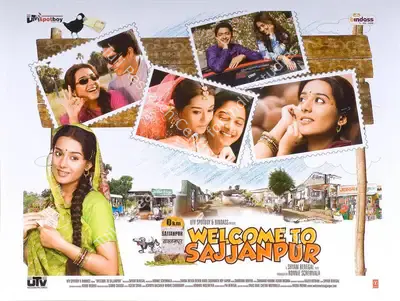
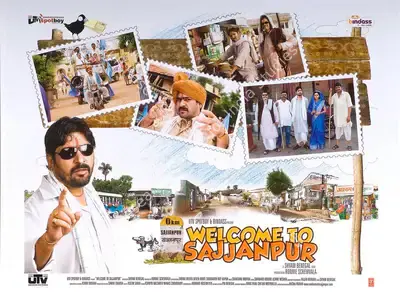
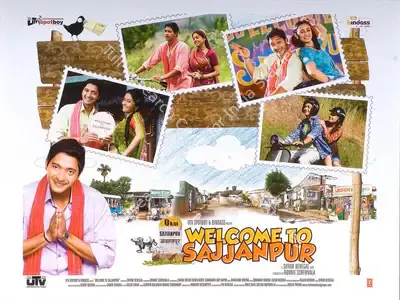
Welcome to Sajjanpur (2008) is a delightful comedy-drama directed by acclaimed filmmaker Shyam Benegal. Featuring Shreyas Talpade and Amrita Rao in lead roles, the film draws inspiration from the 1977 classic Palkon Ki Chhaon Mein, which starred Rajesh Khanna and Hema Malini. The supporting cast includes notable performances by Ravi Kishan, Ila Arun, Rajeshwari Sachdev, Divya Dutta, and Yashpal Sharma.
Set in a small, impoverished village in India, the film centers on Mahadev Kushwaha (played by Shreyas Talpade), an unemployed graduate with a BA from Satna College. Living with his mother, Mahadev earns a living by writing letters for the illiterate villagers. Though his true aspiration is to become a novelist, he discovers the quiet power of his pen in shaping lives and challenging societal norms.
Mahadev's journey begins when his aunt asks him to draft a letter to her disrespectful son. The letter succeeds in moving him, leading the aunt to spread word of Mahadev's talent. As demand for his letter-writing grows, Mahadev relocates from his home where his mother disapproves of his clients to a makeshift stall near the post office. What unfolds is a warm, satirical portrait of rural India, where humor, politics, superstition, and human relationships intersect through handwritten letters.
Benegal masterfully balances meaningful cinema with mainstream appeal, offering an engaging narrative rich in social commentary. Issues such as widow remarriage, gender roles, and caste dynamics are explored through gentle humor and empathetic storytelling. The simplicity of the film's structure allows its characters and themes to shine, resonating deeply with audiences.
The soundtrack, composed by Shantanu Moitra, beautifully complements the rural setting with melodious, earthy tunes. Songs like Sitaram Sitaram by KK, Ek Meetha Marz De Ke by Madhushree and Mohit Chauhan, Bheeni Bheeni Mehki Mehki by KK and Shreya Ghoshal, and Dildara Dildara by Sunidhi Chauhan and Sonu Nigam enhance the film's emotional depth. Other tracks like Aadmi Azaad Hai by Kailash Kher and Munni Ki Baari by Ajay Jhingran add to the rustic charm. The songs were modest hits and contributed to the film's overall appeal.
Critics praised the performances, particularly those of Talpade and Rao as well as the film's sincerity and intelligence. While not a commercial blockbuster, Welcome to Sajjanpur was deemed an average performer at the box office and achieved success through strong word-of-mouth and critical acclaim.
इस फ़िल्म का कथानक भारत के एक छोटे से मुफ़स्सिल गाँव में की कहानी है। कहानी के केंद्र में महादेव कुशवाहा (श्रेयस तलपड़े) का किरदार है। महादेव सतना कॉलेज से बी.ए. की डिग्री लेकर भी बेरोज़गार है। अपनी माँ के साथ रहनेवाला महादेव गाँव के अनपढ़ ग्रामीणों के लिए उनकी चिट्ठियाँ लिखकर अपनी आजीविका चलाता है। हालाँकि उसका असल सपना उपन्यासकार बनने का है लेकिन लोगों के लिए चिट्ठियाँ लिखते लिखते उसे यह एहसास होता है कि उसकी लेखनी में लोगों के जीवन को बदलने और सामाजिक रुढ़ियों को चुनौती देने की ताक़त है।
महादेव का चिट्ठियाँ लिखने का यह सफ़र तब शुरू होता है जब मौसी अपने मुँह मोड़ लेनेवाले बेटे के लिए उससे चिट्ठी लिखवाती है। महादेव का लिखा भावनाओं में डूबा पत्र पढ़कर मौसी के बेटे का दिल पसीज जाता है और वो अपनी माँ की सुध लेता है। इसके बाद तो मौसी पूरे गाँव में महादेव की शब्दों से खेलने की इस अनोखी महारथ का बखान करती हैं। फिर जैसे-जैसे गाँव में ऐसी चिट्ठियाँ लिखने की माँग बढ़ती है, महादेव का धंधा चल निकलता है। पर उसकी माँ उसके इस काम से और रोज़ घर आते उसके 'ग्राहकों' से खुश नहीं हैं। तो महादेव अपना घर छोड़ गाँव के डाकघर के पास एक अस्थायी स्टॉल लगाकर वहाँ यह काम करने लगता है। यहाँ से यह कहानी गर्माहट से भरे और व्यवस्था और रुढ़ियों पर व्यंग्य में डूबे एक सजीव चित्र का रूप ले लेती है। ऐसा विविधरंगी चित्र जहाँ ग्रामीण भारत की हँसी, राजनैतिक दांवपेंच, अंधविश्वास और मानवीय रिश्ते सभी कुछ महादेव के हाथ से लिखे पत्रों के माध्यम से खुलते दिखाई देते हैं।
श्याम बेनेगल ने यहाँ अर्थपूर्ण सिनेमा और मनोरंजक कहानी कहने की शैली के बीच संतुलन स्थापित करते हुए समाज पर मानीख़ेज टिप्पणियों से भरपूर एक दिलचस्प कथा रची है। यहाँ विधवा विवाह से जुड़ी समस्या, लैंगिक भूमिकाओं में असमानता और जातिगत ऊँच-नीच जैसे मुद्दों को वह सहज हास्य और संवेदनशील तरीके से पेश किया गया है। इस फ़िल्म की सादगी ही इसके विविध किरदारों और मुद्दों को केंद्र में आने का मौका देती है और दर्शकों के मन पर गहरा असर छोड़ती है।
इस फ़िल्म का संगीत शांतनु मोइत्रा ने तैयार किया है और फ़िल्म में ग्रामीण परिवेश से जुड़े, सुरीले और मिट्टी की गंध लिए धुनों पर तैयार मधुर गीत हैं। गायक केके का गाया “सीताराम सीताराम”, मधुश्री और मोहित चौहान का गाया “एक मीठा मर्ज़ दे के”, केके और श्रेया घोषाल का गाया “भीनी भीनी महकी महकी” और सुनिधि चौहान व सोनू निगम का गाया युगल गीत “दिलदारा दिलदारा” जैसे गीत फ़िल्म की भावप्रवणता को और गाढ़ा करते हैं। इसके अलावा कैलाश खेल की आवाज़ में “आदमी आज़ाद है” और अजय झिंगन की आवाज़ में “मुन्नी की बारी जैसे गीत इस फ़िल्म के ग्रामीण परिवेश को और प्रामाणिक बनाते हैं। हालाँकि यह गीत बड़े हिट नहीं रहे लेकिन फ़िल्म के लिए आकर्षण बढ़ाने में सहायक बने।
आलोचकों ने इस फ़िल्म में ख़ासतौर से श्रेयस तलपड़े और अमृता राव के अभिनय की प्रशंसा की और साथ ही इस फ़िल्म की ईमानदार कहन और व्यंग्य में दिखती बुद्धिमत्ता की सराहना की। भले ही यह फ़िल्म व्यावसायिक ब्लॉकबस्टर नहीं बन पाई लेकिन वेलकम टू सज्जनपुर टिकट खिड़की पर औसत प्रदर्शन करने के बावजूद मुँहज़बानी मिली प्रशंसा और आलोचनात्मक सराहना के कारण कामयाब फ़िल्म मानी गई।
Body of Work
Research Centre
Related
1
Personalities
1