
Introduction
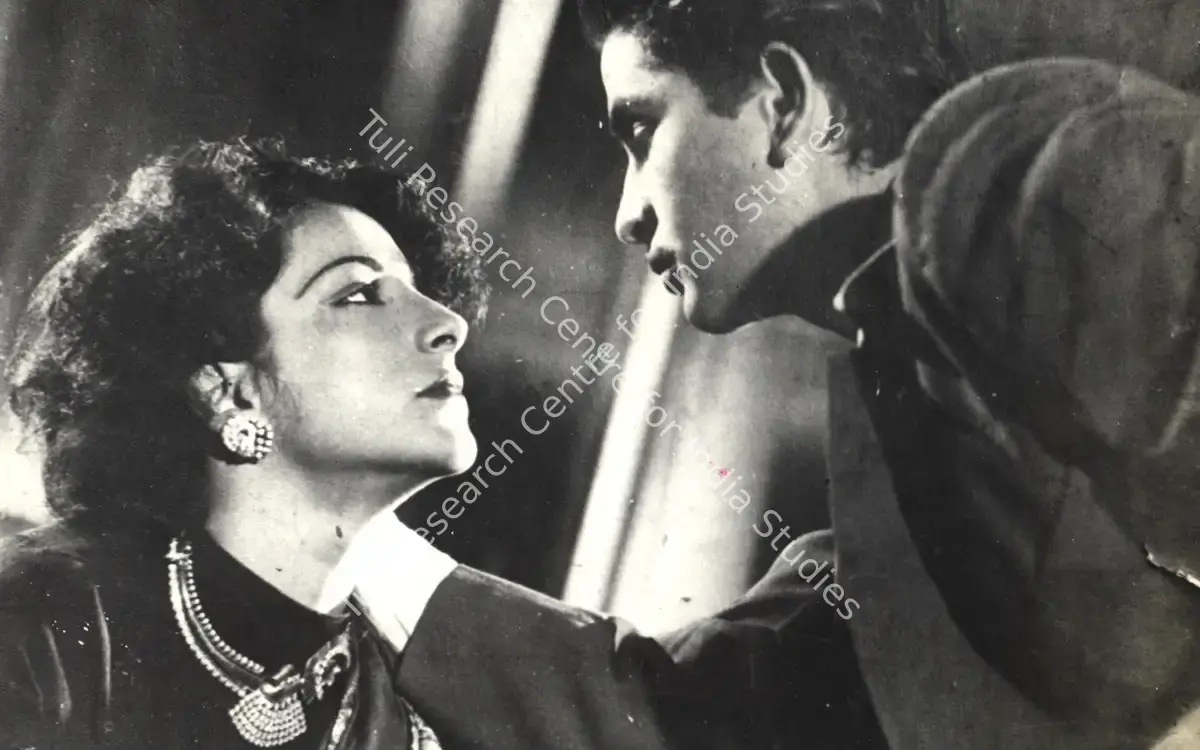
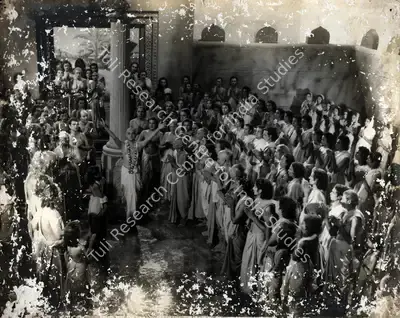
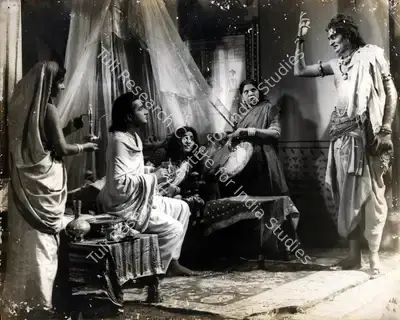
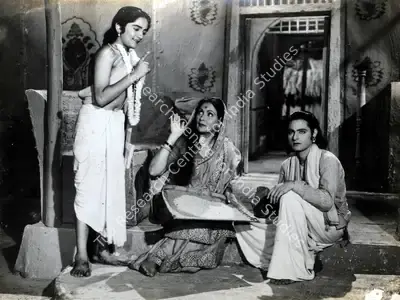
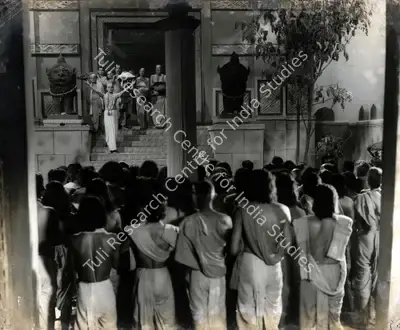
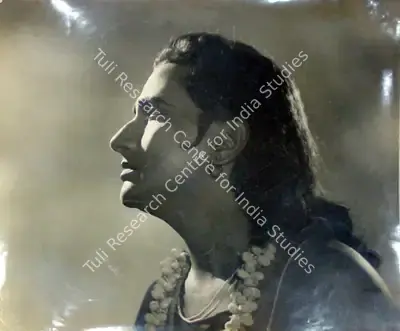
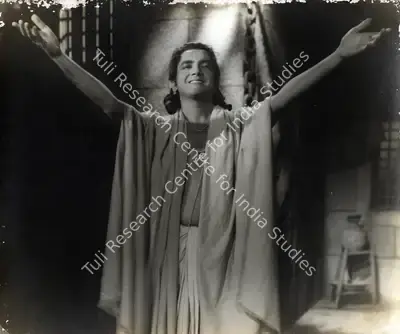
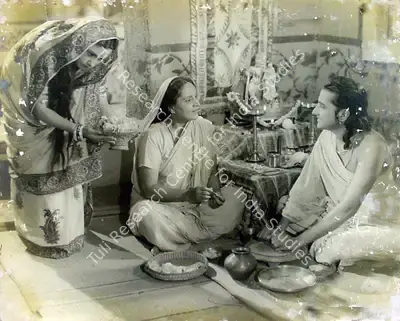
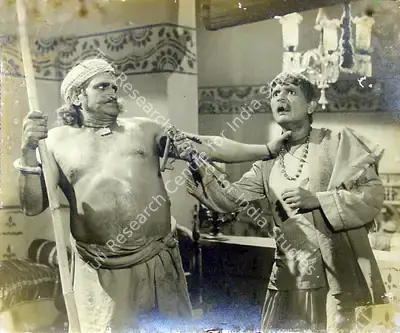
Venkata Narasimha Reddy (1914-1991) was a cinematographer whose work in Hindi and Telugu films spanned from the early 1940s to the mid-1980s. Reddy started his career in Hindi black & white films, like Badalti Duniya (1943) and Omar Khayyam (1946). During this time, Reddy's work on Raj Kapoor's directorial debut Aag (1948), and on films like Hulchul (1951), Baiju Bawra (1952), and Chori Chori (1956), is notable for its framing, composition, and the dramatic use of lighting with fluid camera movements, especially during dramatic and musical sequences.
Reddy was influenced and inspired by the lighting techniques of the Golden Era of Hollywood, especially the neo-realistic lighting style of cinematographer James Wong Howe, whose work Reddy had independently studied and tried to emulate. Although a bit reminiscent of early Josef Wirsching, Reddy borrowed heavily from Howe to experiment with high-contrast shadows and natural lighting in Aag. His next big project was Baiju Bawra, a film that highlights music as a central element in its narrative about a young musician. Reddy's work in the film that complemented the musical style with fluid camera movements was well received, and the film was ranked #13 in the list of 20 greatest Indian films by the BFI in 2002. For Chori Chori (1956), a comedic adaptation of It Happened One Night (1934), Reddy employed a dynamic and fluid camera work with natural lighting to relay the playful and energetic narrative.
Reddy's contributions to colour cinematography are as remarkable as his early work in black & white films. Notable among his works in this period are Kashmir Ki Kali (1964), his first Hindi colour film, Upkar (1967), and Purab aur Paschim (1970). Kashmir Ki Kali is still remembered for its lush and vibrant visuals of the landscape and demonstrated his mastery of natural lighting and panoramic shots. In the song 'Dulhan Chali' from Purab Aur Paschim, Reddy experimented by placing the camera at the gap between the four daflis (drums) to immerse the audience in the celebratory moment of the sequence by creating a rhythmic visual effect.
His experiments and innovative techniques with colour films, where he moved away from the studio lighting techniques of early black & white films to more natural outdoor lighting, creating vibrant palettes and rhythmic, dynamic camera work while maintaining narrative focus, as seen in the evocative rural and patriotic imagery of Upkar.
Reddy solidified his reputation as a versatile and creative technician in both colour as well black & white film and inspired a generation of cinematographers after him.
Reddy was influenced and inspired by the lighting techniques of the Golden Era of Hollywood, especially the neo-realistic lighting style of cinematographer James Wong Howe, whose work Reddy had independently studied and tried to emulate. Although a bit reminiscent of early Josef Wirsching, Reddy borrowed heavily from Howe to experiment with high-contrast shadows and natural lighting in Aag. His next big project was Baiju Bawra, a film that highlights music as a central element in its narrative about a young musician. Reddy's work in the film that complemented the musical style with fluid camera movements was well received, and the film was ranked #13 in the list of 20 greatest Indian films by the BFI in 2002. For Chori Chori (1956), a comedic adaptation of It Happened One Night (1934), Reddy employed a dynamic and fluid camera work with natural lighting to relay the playful and energetic narrative.
Reddy's contributions to colour cinematography are as remarkable as his early work in black & white films. Notable among his works in this period are Kashmir Ki Kali (1964), his first Hindi colour film, Upkar (1967), and Purab aur Paschim (1970). Kashmir Ki Kali is still remembered for its lush and vibrant visuals of the landscape and demonstrated his mastery of natural lighting and panoramic shots. In the song 'Dulhan Chali' from Purab Aur Paschim, Reddy experimented by placing the camera at the gap between the four daflis (drums) to immerse the audience in the celebratory moment of the sequence by creating a rhythmic visual effect.
His experiments and innovative techniques with colour films, where he moved away from the studio lighting techniques of early black & white films to more natural outdoor lighting, creating vibrant palettes and rhythmic, dynamic camera work while maintaining narrative focus, as seen in the evocative rural and patriotic imagery of Upkar.
Reddy solidified his reputation as a versatile and creative technician in both colour as well black & white film and inspired a generation of cinematographers after him.
No personalia records available yet.
Research Centre
20 of 22
20 of 22
Related
1