
The Burmese Harp1956
Introduction
Body of Work
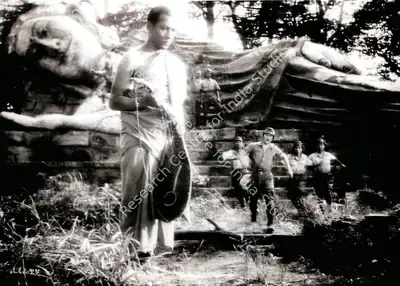
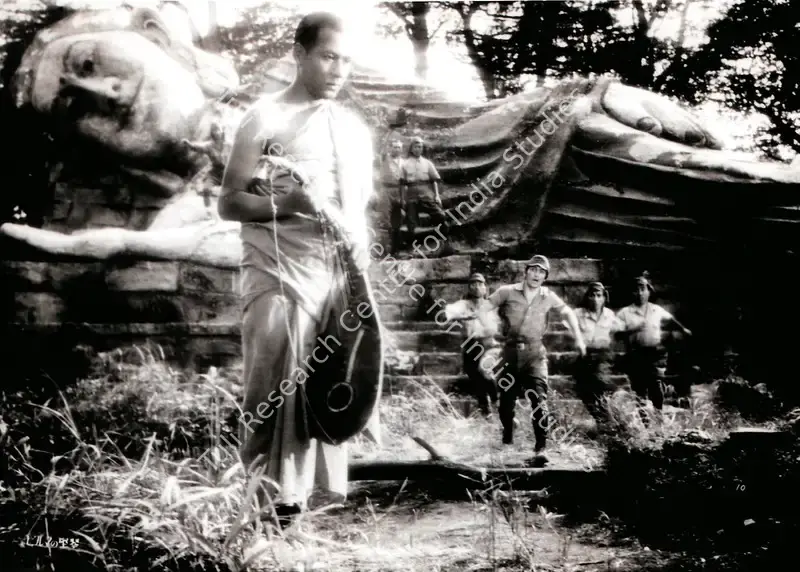
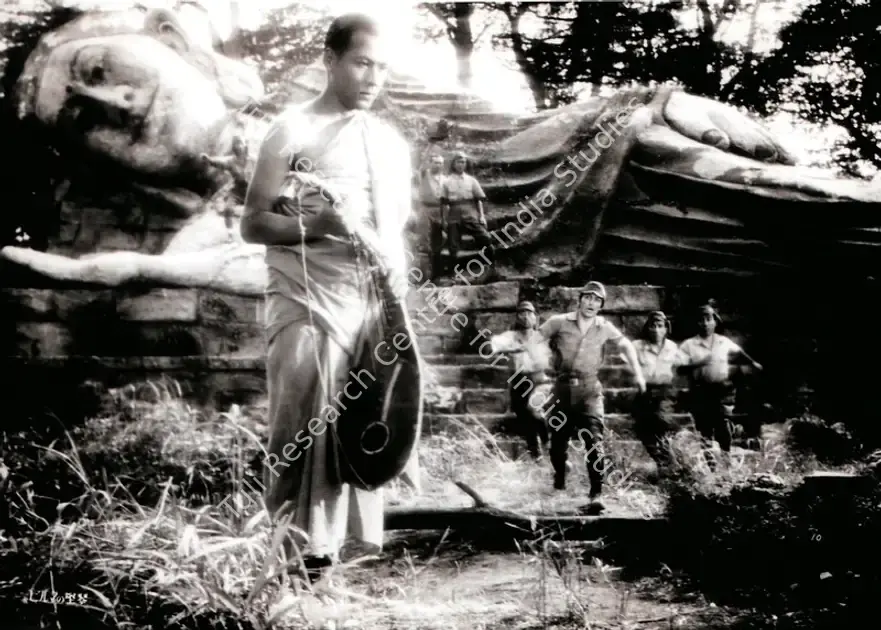
The Burmese Harp is one of Ichikawa's widely acknowledged films. A compassionate, anti-war film (yet refusing to enter into any cinematic discussion of where to lay blame), this is one of the first films to portray the decimating effects of the war from the point of view of the Japanese army.
Through the voice over of one soldier, we are told of the devastation and capture by the British of a Japanese troop in 1945. The battalion's harp player, Mizushima, is sent on a liaison mission to persuade another troop to surrender from a mountain in Burma. But Mizushima fails, and after encountering the full carnage of war - bodies of his fellow countrymen piled high and left to rot - he refuses to return to base. Appropriating the Buddhist ethos, Mizushima devotes himself to burying each of his comrades, sparing them the ignominy suffered in wartime, and giving them a dignity of a humane burial.