

Tamanna1997
Introduction
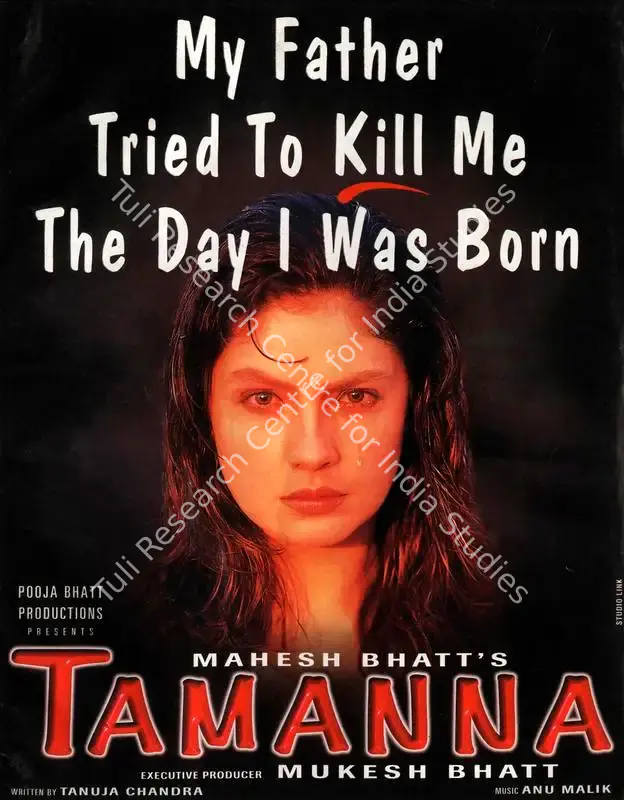
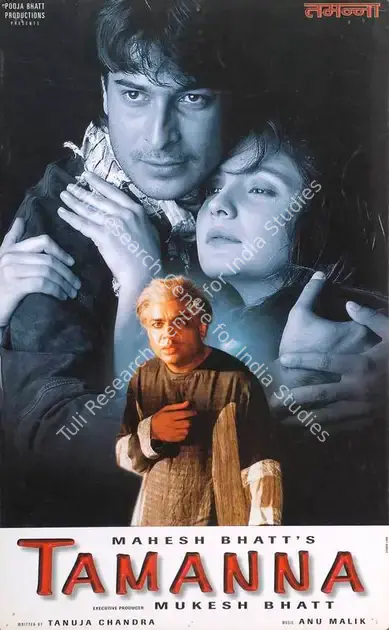
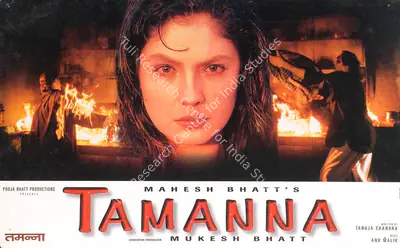
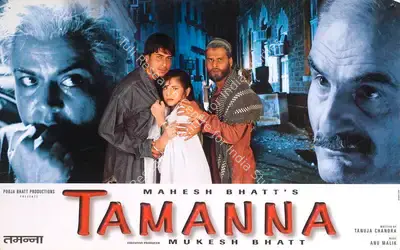
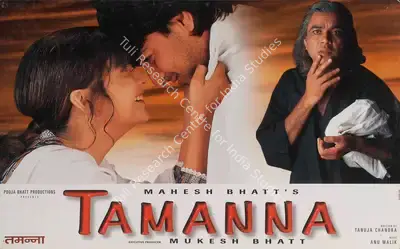
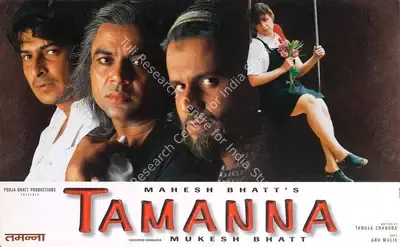
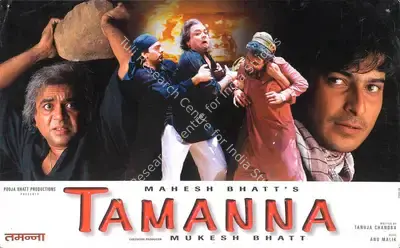
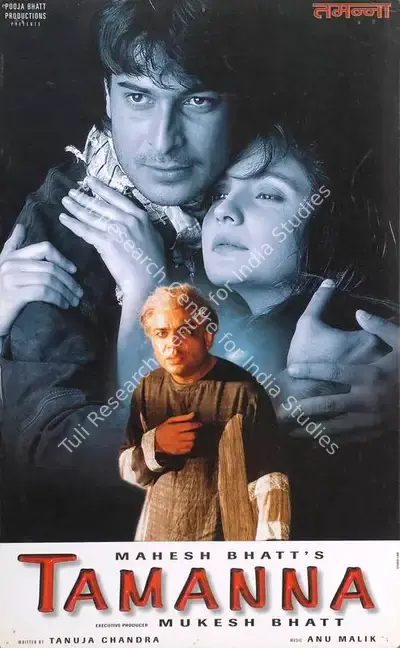
Tamanna (!997) A quietly powerful film that challenged entrenched social prejudices at a time when mainstream cinema rarely engaged with such difficult themes. Directed by Mahesh Bhatt and written by Tanuja Chandra and Bhatt, the film stars Paresh Rawal, Pooja Bhatt, Sharad Kapoor, and Manoj Bajpayee, with Rawal delivering one of the most sensitive performances of his career.
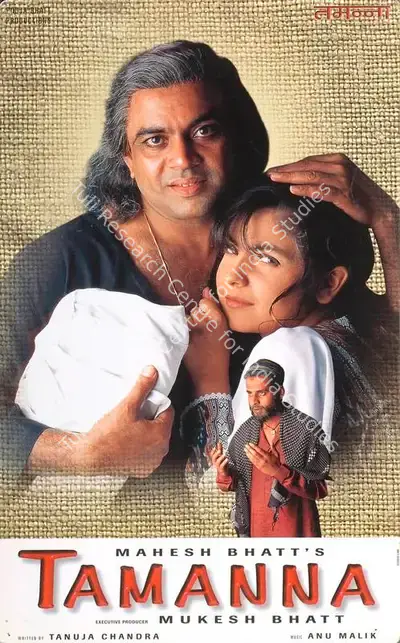
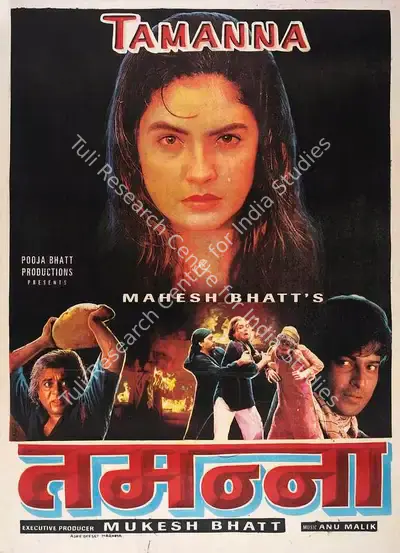
Inspired by a real-life incident involving a hairdresser named Tiku, Tamanna tells the story of Tikku, a transgender individual who works as a makeup artist in the Hindi film industry. One night, Tikku discovers an abandoned newborn girl in a garbage bin—an unsettling image that reflects the grim reality of female infanticide. Moved by compassion and his own profound loneliness, he adopts the child, names her Tamanna, and raises her as his daughter while concealing his gender identity to protect her from social stigma.
As Tamanna grows up, Tikku makes immense personal sacrifices to secure her education and future, even sending her away to a hostel. When she returns as a young woman, the revelation of Tikku's identity initially fills her with shock and rejection. However, with time, she recognises the depth of his unconditional love, allowing the film to explore how prejudice is learned—and unlearned.
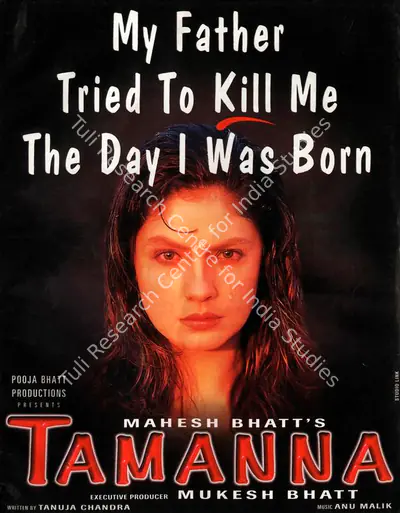
The narrative deepens when Tamanna's biological father is revealed to be Ranvir Chopra, a powerful politician who abandoned her at birth because she was a girl. This revelation exposes the hypocrisy of a society that ostracises the marginalised while excusing cruelty from those in power.
With music composed by Anu Malik and lyrics by Rahat Indori, Nida Fazli, Indeevar, and Kaifi Azmi, Tamanna blends lyrical restraint with emotional gravity. Awarded the National Film Award for Best Film on Other Social Issues in 1998, the film remains a poignant meditation on identity, compassion, and the true meaning of parenthood.
एक हेयरड्रेसर टिक्कू से जुड़ी एक सच्ची घटना से प्रेरित, तमन्ना टिक्कू की कहानी बयां करती है, जो हिंदी फ़िल्म उद्योग में मेकअप आर्टिस्ट के रूप में काम करने वाला एक ट्रांसजेंडर व्यक्ति है। एक रात टिक्कू को कूड़ेदान में एक नवजात बच्ची मिलती है - यह दृश्य कन्या भ्रूण हत्या की भयावह वास्तविकता को दर्शाता है। करुणा और अपने गहरे अकेलेपन से प्रेरित होकर, वह बच्ची को गोद ले लेता है, उसका नाम तमन्ना रखता है और उसे अपनी बेटी की तरह पालता है, जबकि सामाजिक कलंक से बचाने के लिए अपनी लैंगिक पहचान भी छुपाता है।
जैसे-जैसे तमन्ना बड़ी होती है, टिक्कू उसकी शिक्षा और भविष्य को सुरक्षित करने के लिए बहुत त्याग करता है, यहाँ तक कि उसे छात्रावास में भी भेज देता है। जब वह एक युवती के रूप में लौटती है, तो टिक्कू की असली पहचान का पता चलने पर उसे शुरू में गहरा सदमा लगता है और वह उसे अस्वीकार कर देती है। हालाँकि, समय के साथ, वह उसके निःशर्त प्रेम की गहराई को समझ जाती है, जिससे फ़िल्म यह दर्शाने का अवसर प्राप्त करती है कि पूर्वाग्रह और भेदभाव की मानसिकता सीखी जाती है—और उसे समझ, संवेदना तथा प्रेम के जरिए भुलाया भी जा सकता है।
कहानी में तब और गहराई आती है जब तमन्ना के असली पिता रणवीर चोपड़ा के रूप में सामने आते हैं, जो एक शक्तिशाली राजनेता हैं और जिन्होंने लड़की होने के कारण जन्म के समय ही उसे त्याग दिया था। यह ख़ुलासा उस समाज के पाखंड को उजागर करता है जो हाशिए पर पड़े लोगों को बहिष्कृत करता है जबकि सत्ता में बैठे लोगों की क्रूरता को माफ कर देता है।
अनु मलिक द्वारा संगीतबद्ध संगीत और राहत इंदोरी, निदा फ़ाज़ली, इंदीवर और कैफ़ी आज़मी द्वारा लिखे गए गीतों से सजी फ़िल्म 'तमन्ना' में गीतात्मक संयम और भावनात्मक गंभीरता का अद्भुत संगम है। 1998 में अन्य सामाजिक मुद्दों पर बनी सर्वश्रेष्ठ फ़िल्म के लिए राष्ट्रीय पुरस्कार से सम्मानित यह फ़िल्म आज भी पहचान, करुणा और माता-पिता के सच्चे अर्थ पर एक मार्मिक चिंतन प्रस्तुत करती है।
Body of Work
Research Centre
Related
2