Tales of Ugetsu1953
Introduction
Body of Work
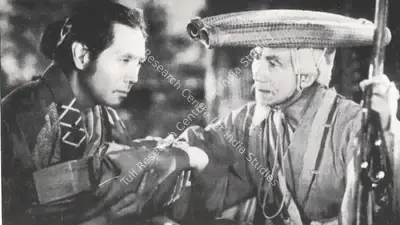
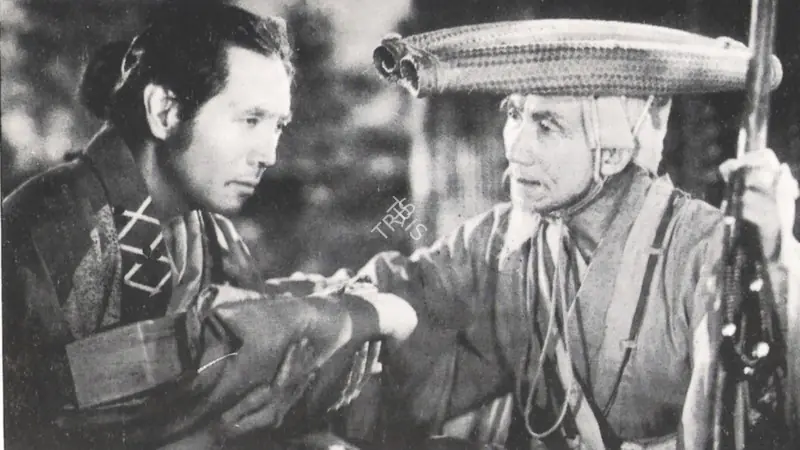
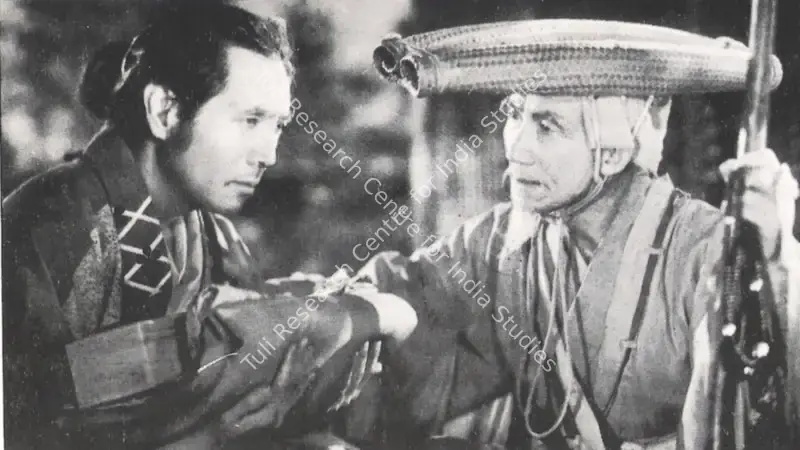
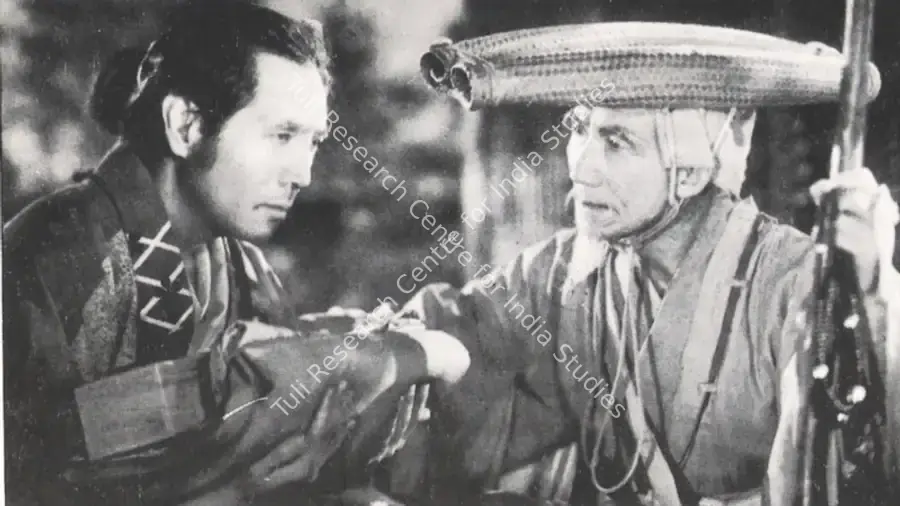
During the civil wars of the 16th century, a potter desperately trying to continue his craft in a war-torn village meets a phantom princess and is lured away to a land of sensual delights. Meanwhile, his neighbour, dreaming of military glory, achieves a general's rank for his fraudulent exploits. Eventually, both men are brought down to earth, and they return home to spend the rest of their lives in the fields. But for the women of the tale the lesson has been even more bitter: the potter's wife is murdered by bandits, the samurai's is reduced to prostitution; even the ghost princess, Lady Wakasa, is destroyed by male betrayal. Phantoms and ghosts are evoked in imagic scenes, and fantasy and reality are inseparable, making Mizoguchi's stylistically superb film a powerful study in psychology and an intense tragedy. Ugetsu blends a tale of karmic law, a ghost story, and a love story in which Mizoguchi also refers to other Japanese art forms such as narrative picture scrolls in his use of perspective.