Street of Shame1956
Introduction
Body of Work
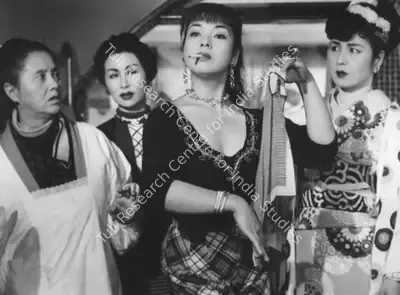
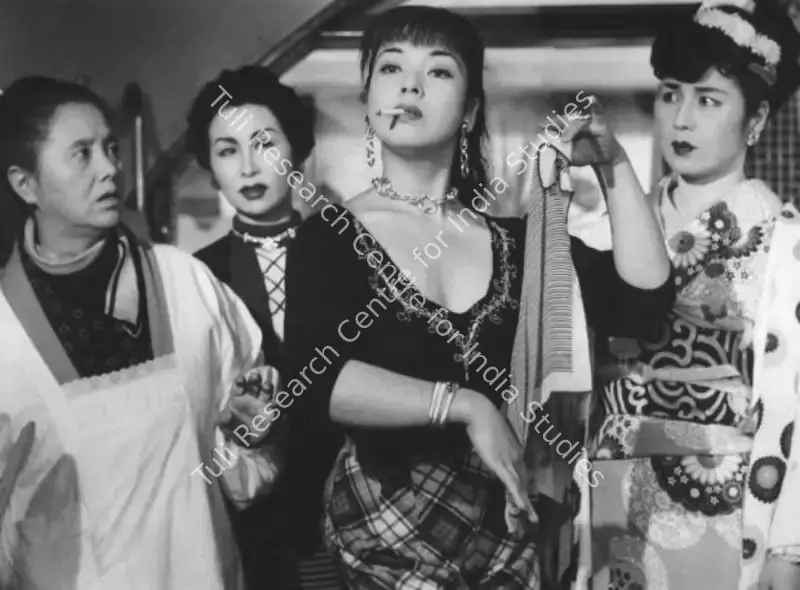
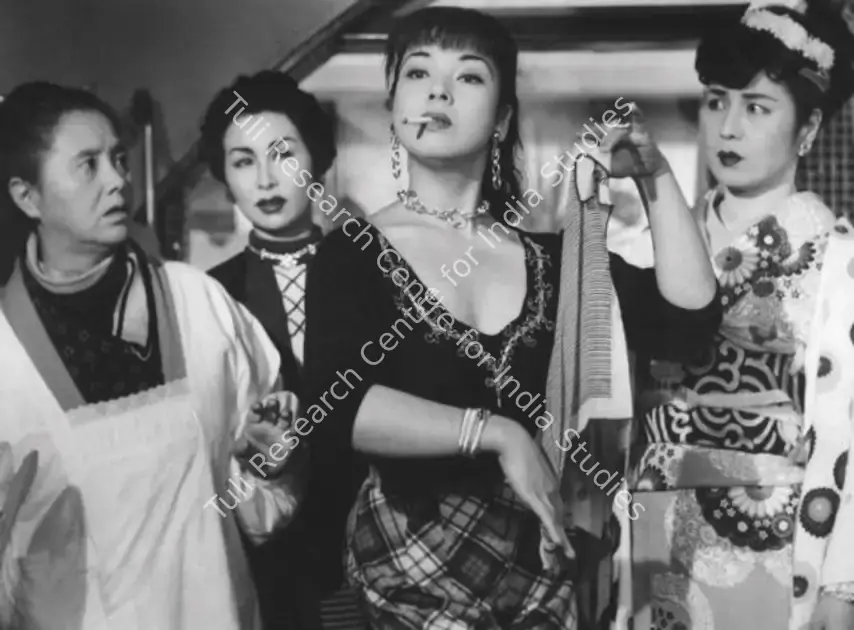
Streets of Shame is about the post-World War II movement to eliminate prostitution in Japan as seen from the perspective of women working in one whorehouse. Five prostitutes work at Dreamland in Tokyo's Yoshiwara district. As the Diet considers a ban on prostitution, the women's daily dramas play out. Each has dreams and motivations. Hanae is married, her husband unemployed; they have a young child. Yumeko, a widow, uses her earnings to raise and support her son, who is now old enough to work and care for her. The aging Yorie has a man who wants to marry her. Yasumi saves money diligently to pay her debt and get out; she also has a suitor who wants to marry her, but she has other plans for him. Mickey seems the most devil-may-care character, until her father comes from Kobe to bring her news of her family and ask her to come home. Through serpentine passageways, Mizoguchi charts the various fates of his protagonists as they struggle under the social and economic burdens of their occupation. Most abhor their work, and some scheme, usually unsuccessfully, to leave it. The director repeatedly drives home both the injustice and the cruel necessity of prostitution. Even as the anti-prostitution bill is debated in the Diet, on the radio, and by the brothel managers, Mizoguchi's dissection of his protagonists' lives avoids any simplistic interpretation. The film meets a variety of social issues head-on: the lasting effects of the American occupation, the treatment of women and the lower classes, and the conflict of tradition and modernisation. It is at once politically engaged and emotionally subtle.