

Shehar Aur Sapna1963
Introduction
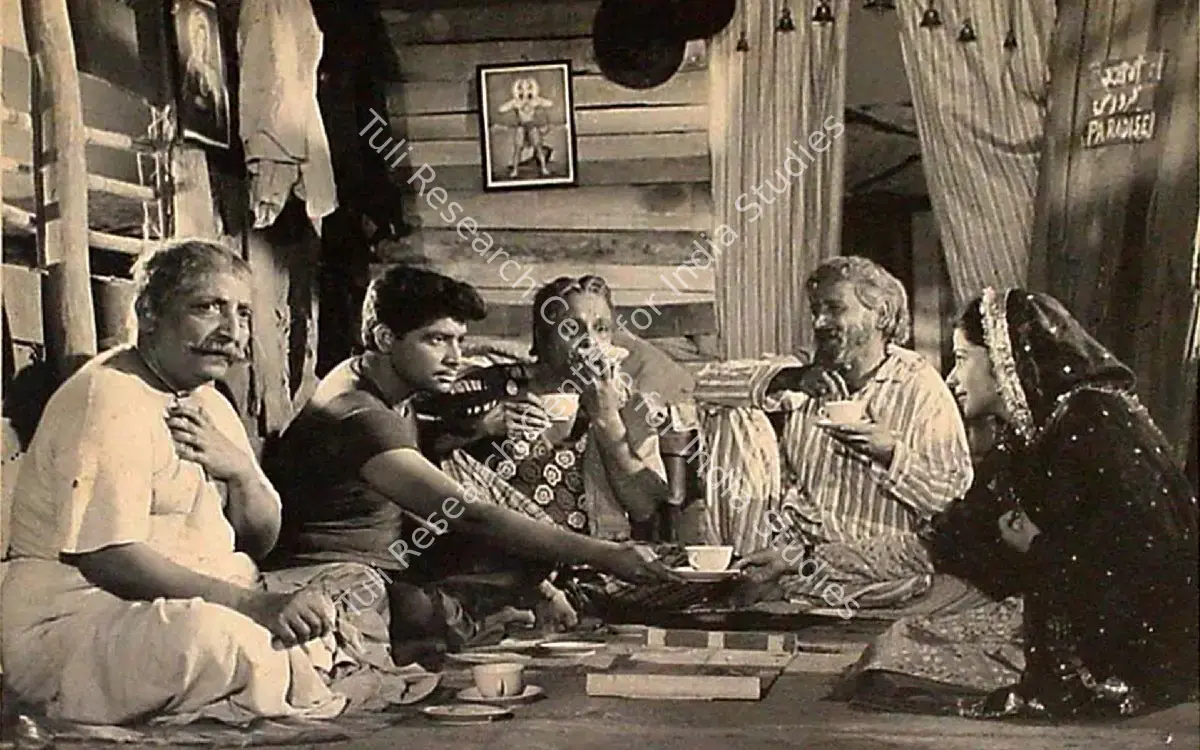
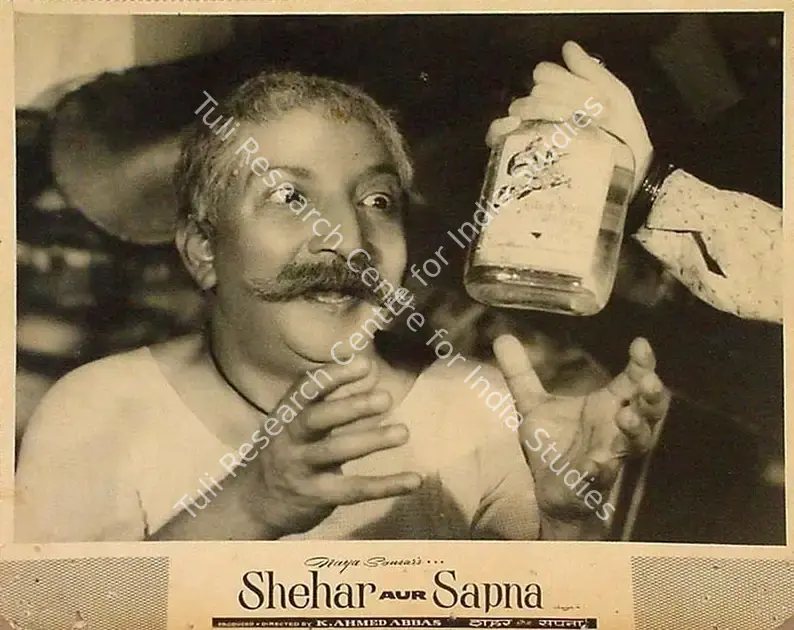
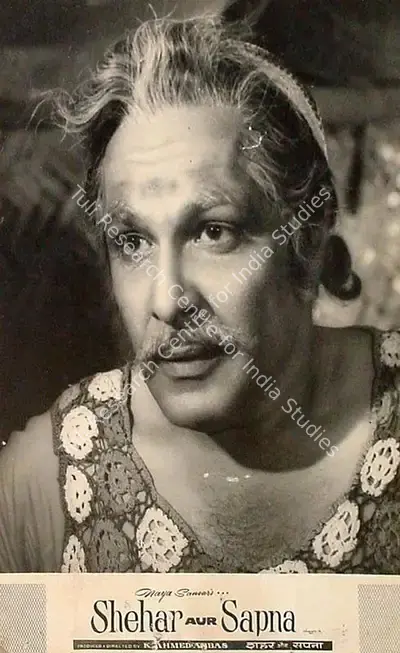
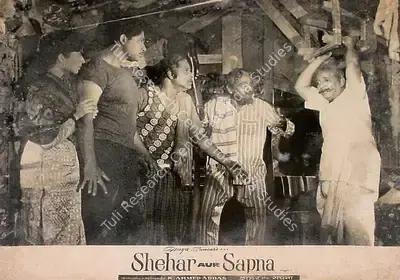
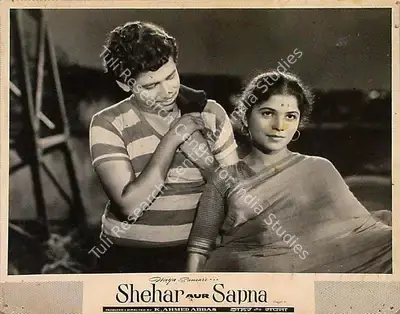
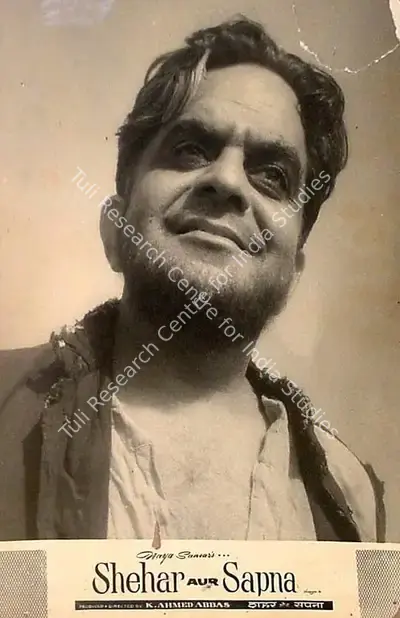
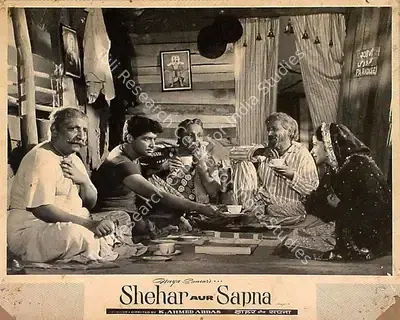
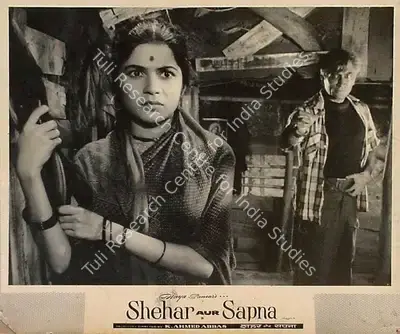
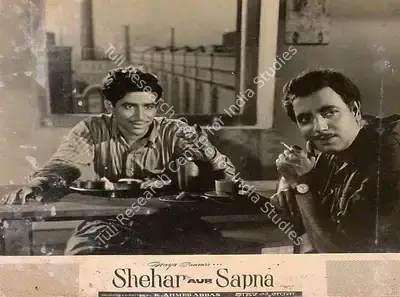
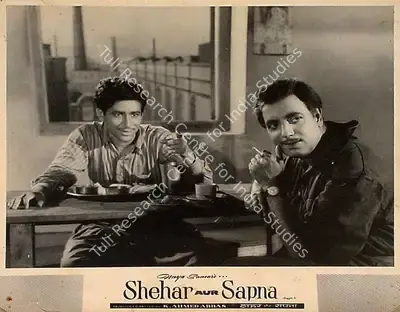
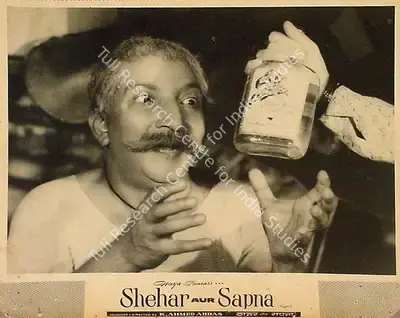
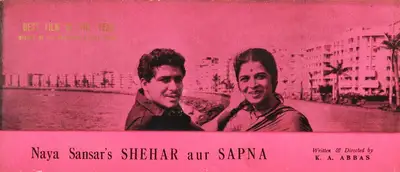
Shehar Aur Sapna (1963) Directed by Khwaja Ahmad Abbas, it is an emotionally moving film that captures the dreams and despair of a young couple seeking a home in a rapidly urbanizing metropolis. Based on Abbas's short story One Thousand Nights on a Bed of Stones, the film explores the struggles of pavement dwellers amidst the illusions of prosperity brought by industrialization. Featuring performances by Dilip Raj (as Bholaram), Surekha (as Radha), Nana Palsikar, and David, it reflects a significant shift in Indian cinema—from the optimism of the 1950s to a more realistic, socially conscious narrative.
Unlike earlier films such as Naya Daur (1957) and Boot Polish (1954), Shehar Aur Sapna marked the end of post-independence economic idealism. Its themes would later resonate in films like Roti Kapda Aur Makaan (1974) and Uski Roti (1969), as India grappled with the harsh realities of urban life. The film was critically acclaimed but failed commercially, a fate common to many of Abbas's 14 directorial ventures.
Abbas drew heavily from personal experiences—having once slept on Mumbai's footpaths himself. To authentically capture the emotional and physical landscape of the city, he walked through it in all kinds of weather. Despite a limited budget, most scenes were shot on location in slums and roadsides. For key scenes, large cylindrical drainage pipes were brought into the studio to recreate the cramped spaces where the urban poor often lived. The Film Finance Corporation (FFC) refused to fund the film, forcing Abbas to organize 47 screenings over six months to convince distributors.
The film's music, composed by J. P. Kaushik, stood out for its unconventional sound. Though lesser known, songs like Hazar Ghar Hazar Dar, Patthar Ka Bhagwan Yehan Hain, and Pyaar Ko Aaj Nayi Tarh Nibhana Hoga—all sung by Manmohan Krishna—are still remembered by connoisseurs.
Shehar Aur Sapna won the National Film Award for Best Feature Film in 1964 and the Filmfare Award for Best Supporting Actor (Nana Palsikar). It was also nominated for Best Film at the Filmfare Awards. In a gesture of solidarity, Abbas shared the ₹25,000 prize equally among the 15-member cast and crew. The team received the award in Delhi during a time when Prime Minister Nehru was gravely ill.
'नया दौर' (1957) और 'बूट पॉलिश' (1954) जैसी पिछली फ़िल्मों के उलट, 'शहर और सपना' ने आज़ादी के बाद के आर्थिक आदर्शवाद के अंत को दिखाया। इसके विषय बाद में 'रोटी कपड़ा और मकान' (1974) और 'उसकी रोटी' (1969) जैसी फ़िल्मों में भी देखने को मिले, क्योंकि भारत उस समय शहरी जीवन की कठोर सच्चाइयों से जूझ रहा था। फ़िल्म को आलोचकों से तो बहुत तारीफ़ मिली, लेकिन यह कमर्शियली सफल नहीं हो पाई। अब्बास की 14 निर्देशित फ़िल्मों में से कई के साथ ऐसा ही हुआ था।
अब्बास ने अपने निजी अनुभवों का भरपूर इस्तेमाल किया। वे ख़ुद भी कभी मुंबई की सड़कों के किनारे फ़ुटपाथ पर सोए थे। शहर के जज़्बाती और असल माहौल को ठीक-ठीक दिखाने के लिए, वे हर तरह के मौसम में शहर में घूमे। बजट कम होने के बावजूद, ज़्यादातर सीन असल जगहों पर, जैसे झुग्गी-बस्तियों और सड़कों के किनारे शूट किए गए। अहम सीन्स के लिए, बड़े बेलनाकार ड्रेनेज पाइप स्टूडियो में लाए गए ताकि उन तंग जगहों को फ़िर से बनाया जा सके जहाँ शहर के गरीब अक्सर रहते थे। फ़िल्म फाइनेंस कॉरपोरेशन (FFC) ने फ़िल्म के लिए पैसे देने से मना कर दिया, जिससे अब्बास को डिस्ट्रीब्यूटर्स को मनाने के लिए छह महीनों में 47 स्क्रीनिंग करवानी पड़ीं।
जे. पी. कौशिक द्वारा रचित फ़िल्म का संगीत अपनी अपरंपरागत ध्वनि के लिए जाना जाता था। हालांकि कम लोकप्रिय, 'हजार घर हजार दर', 'पत्थर का भगवान यहां हैं', और 'प्यार को आज नई तरह निभाना होगा' जैसे गाने सभी मनमोहन कृष्ण द्वारा गाए गए जिसे आज भी पारखी लोगों द्वारा याद किए जाते हैं।
'शहर और सपना' ने 1964 में बेस्ट फ़ीचर फ़िल्म का नेशनल फ़िल्म अवॉर्ड और बेस्ट सपोर्टिंग एक्टर (नाना पालसिकर) का फ़िल्मफ़ेयर अवॉर्ड जीता। इसे फ़िल्मफ़ेयर अवॉर्ड्स में बेस्ट फ़िल्म के लिए भी नॉमिनेट किया गया था। एकजुटता दिखाते हुए, अब्बास ने ₹25,000 का इनाम 15 सदस्यों वाली कास्ट और क्रू में बराबर-बराबर बाँट दिया। टीम को यह अवॉर्ड दिल्ली में तब मिला, जब प्रधानमंत्री नेहरू बहुत बीमार थे।
Body of Work
Research Centre
Related
1
Personalities
1