
Introduction
Sharda Sinha (1 October 1952 – 5 November 2024) was one of India's most celebrated folk vocalists, whose remarkable contribution to the preservation and popularisation of the musical traditions of Bihar secured her an enduring place in the cultural history of the subcontinent. Affectionately honoured with the title Bihar Kokila, meaning the Cuckoo of Bihar, she emerged as the foremost exponent of Bhojpuri, Maithili, and Magahi folk music. Her mellifluous voice, combined with an unwavering commitment to regional musical heritage, enabled her to bridge the divide between local cultural practices and national recognition. Through her extensive repertoire, she played a pivotal role in safeguarding the oral traditions associated with festivals, rituals, and community life, thereby ensuring their continued relevance in contemporary Indian society.
Born in Bihar, Sinha pursued her higher education at Magadh Mahila College, where her academic journey complemented her growing interest in music. Although she received formal musical training, her artistic identity remained deeply rooted in the folk traditions of her native region. She first attained widespread recognition during the 1980s, when her recordings of Bhojpuri, Maithili, and Magahi songs gained immense popularity across Bihar and eastern Uttar Pradesh. Her performances were distinguished by authenticity, emotional warmth, and linguistic fidelity, qualities that resonated with audiences across generations and established her as a revered custodian of regional musical heritage.
Among her most significant contributions was the popularisation of Chhath Geet, the devotional songs performed during the Chhath festival dedicated to the worship of the Sun God, and Vivah Geet, the ceremonial songs traditionally sung during marriage celebrations. These musical forms occupy a central position within the cultural and religious life of northern India, and Sinha's interpretations became definitive renditions for countless devotees and families. Through radio broadcasts, audio recordings, and public performances, her voice became inseparable from these ritual traditions, transforming her into a cultural icon whose music transcended geographical boundaries and connected diasporic communities with their ancestral heritage.
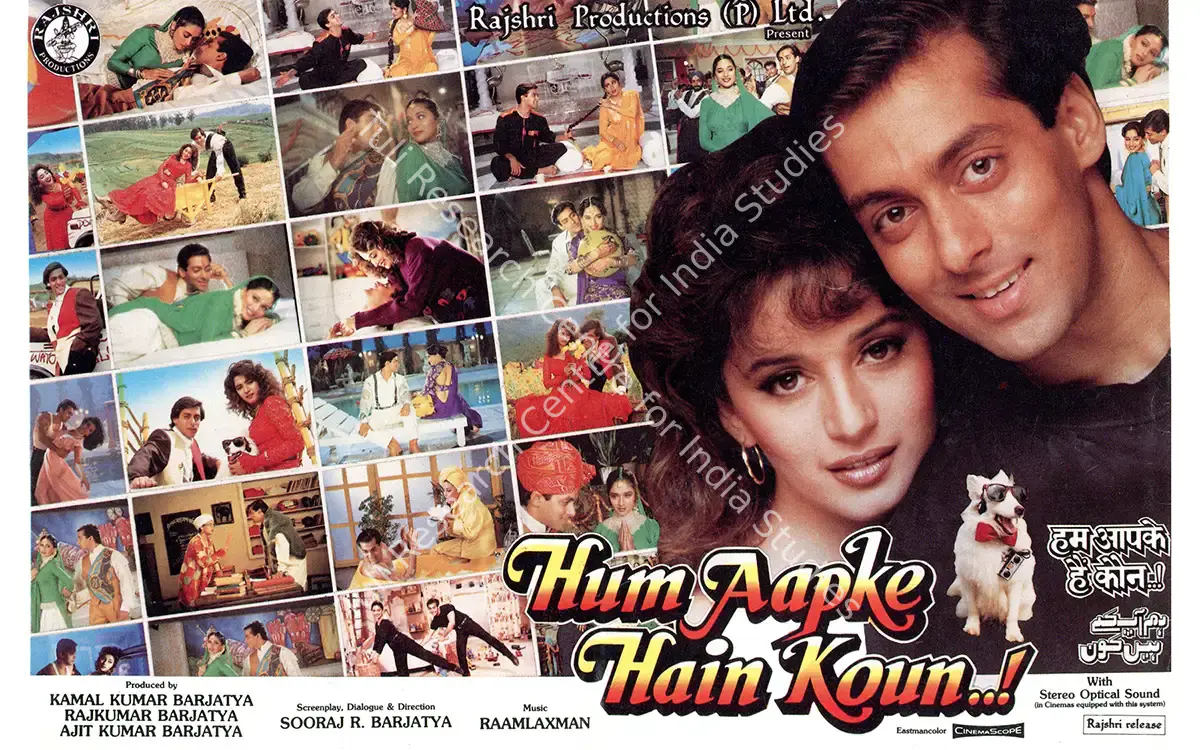
While firmly established as a regional folk artist, Sinha also achieved national prominence through her contributions to Hindi cinema. Her rendition of Kahe Toh Se Sajna in the immensely successful 1989 film Maine Pyar Kiya introduced her distinctive vocal style to a broader audience and demonstrated the adaptability of folk expression within mainstream Indian cinema. This achievement further strengthened her reputation as an artist capable of integrating regional musical traditions into the wider landscape of popular culture without compromising their authenticity.
In recognition of her exceptional contributions to Indian music, Sinha received the Padma Shri in 1991 and the Padma Bhushan in 2018 from the Government of India. Following her death in New Delhi on 5 November 2024, she was posthumously awarded the Padma Vibhushan in 2025, India's second-highest civilian honour, commemorating her extraordinary legacy as an unparalleled ambassador of India's rich folk musical traditions.
बिहार में जन्मीं सिन्हा ने मगध महिला कॉलेज़ से अपनी उच्च शिक्षा पूरी की, जहाँ उनकी पढ़ाई के साथ-साथ संगीत में उनकी रुचि भी बढ़ती गई। हालाँकि उन्होंने संगीत की औपचारिक शिक्षा ली थी, लेकिन उनकी कलात्मक पहचान हमेशा अपने इलाके की लोक परंपराओं से गहराई से जुड़ी रही। उन्हें 1980 के दशक में व्यापक पहचान मिली, जब भोजपुरी, मैथिली और मगही गानों की उनकी रिकॉर्डिंग बिहार और पूर्वी उत्तर प्रदेश में बहुत लोकप्रिय हुईं। उनके प्रदर्शनों में असलियत, भावनात्मक गहराई और भाषा की शुद्धता जैसे गुण थे, जिन्होंने हर पीढ़ी के दर्शकों का दिल जीता और उन्हें क्षेत्रीय लोकसंगीत विरासत की एक सम्मानित संरक्षक के रूप में स्थापित किया।
उनके सबसे अहम योगदानों में 'छठ गीत' (सूर्य देव की पूजा के लिए मनाए जाने वाले छठ त्योहार के दौरान गाए जाने वाले भक्ति गीत) और 'विवाह गीत' (शादी-ब्याह के मौकों पर पारंपरिक रूप से गाए जाने वाले गीत) को लोकप्रिय बनाना शामिल है। ये संगीत शैलियाँ उत्तर भारत के सांस्कृतिक और धार्मिक जीवन में बहुत अहमियत रखती हैं और सिन्हा की गायकी अनगिनत भक्तों और परिवारों के लिए इन गीतों का सबसे बेहतरीन और मानक रूप बन गई। रेडियो प्रसारण, ऑडियो रिकॉर्डिंग और सार्वजनिक कार्यक्रमों के ज़रिए उनकी आवाज़ इन पारंपरिक रीति-रिवाजों का एक अटूट हिस्सा बन गई। इस तरह वे एक सांस्कृतिक आइकन बन गईं, जिनका संगीत भौगोलिक सीमाओं से परे जाकर विदेशों ख़ासकर बिहार के प्रवासी समुदायों को उनकी पुश्तैनी और गिरमिटिया मजदूरों विरासत से जोड़ता था।
एक क्षेत्रीय लोक कलाकार के तौर पर अपनी मज़बूत पहचान बनाने के साथ-साथ, सिन्हा ने हिंदी सिनेमा में अपने योगदान से राष्ट्रीय स्तर पर भी ख्याति हासिल की। 1989 की बेहद सफल फ़िल्म 'मैंने प्यार किया' में उनके गाए गीत 'काहे तो से सजना' ने उनकी अनोखी गायकी को एक बड़े दर्शक वर्ग तक पहुँचाया और मुख्यधारा के भारतीय सिनेमा में लोक संगीत की अभिव्यक्ति की क्षमता को साबित किया। इस उपलब्धि ने एक ऐसी कलाकार के तौर पर उनकी प्रतिष्ठा को और मज़बूत किया जो क्षेत्रीय संगीत परंपराओं की असलियत से समझौता किए बिना उन्हें लोकप्रिय संस्कृति के व्यापक दायरे में शामिल करने में सक्षम थीं।
भारतीय संगीत में उनके असाधारण योगदान के लिए कई सम्मानो से नवाज़ा गया, सिन्हा को भारत सरकार से 1991 में पद्म श्री और 2018 में पद्म भूषण मिला। 5 नवंबर 2024 को नई दिल्ली में उनके निधन के बाद, उन्हें 2025 में मरणोपरांत पद्म विभूषण से सम्मानित किया गया। यह सम्मान भारत की समृद्ध लोक संगीत परंपराओं की बेजोड़ अग्रदूत के तौर पर उनकी असाधारण विरासत को याद करते हुए दिया गया, जो भारत का दूसरा सबसे बड़ा नागरिक सम्मान है।