Shamsheer1967
Introduction
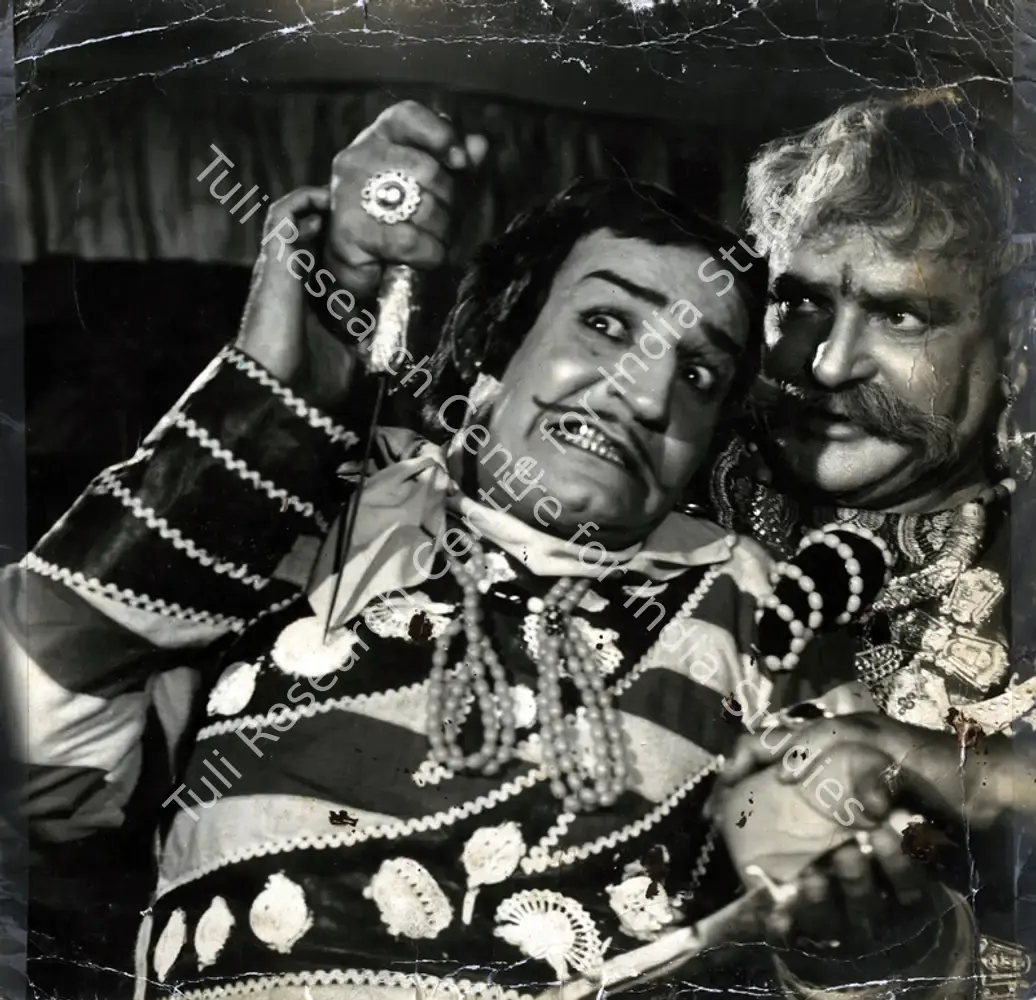
Shamsheer (1967), directed by Babubhai Mistry, features an ensemble cast including Jeevan Dhar, Helen, Aruna Irani, Prithviraj Kapoor, Maruti, Sheikh Mukhtar, and Ajit Singh. The film centers around Shamsher, a character entangled in a broader conflict that drives the narrative forward. His life takes a dramatic turn when he is rescued by Sajjan Singh, a man with his own motives. Sajjan's act of heroism is not without personal stakes; he seeks redemption and a path back to his ailing, blind mother. By aiding Shamsher, he hopes to earn forgiveness from the Maharajah of Jamnapur.
Their journey toward freedom is abruptly interrupted by Shyam Kumar, who confronts them and fatally wounds Sajjan Singh. In his final moments, Sajjan extracts a solemn promise from Shamsher, adding emotional depth and a sense of duty to the unfolding story.
The film's musical score is composed by Lala Assar Sattar, with lyrics penned by Aish Kanwal and Asad Bhopali. The soundtrack features performances by legendary artists such as Asha Bhosle, Usha Mangeshkar, Kamal Barot, Bhanumathi Ramakrishna, and Kishore Kumar. Notable songs include Ud Ud More Sar Se Dupatta by Asha Bhosle and Usha Mangeshkar, Bar Bar Dhadke Jiya and Rangile Piya Ho Pukare Jiya Ho, both sung by Asha Bhosle and Kamal Barot and Aaj Ye Bijli Kahan Giregi, a powerful duet by Shamshad Begum and Mohammed Rafi. Several of these tracks remain accessible on contemporary streaming platforms.
Although a list of the highest-grossing Indian films of 1967 is available, Shamsheer does not appear among the top ten, indicating that it likely did not achieve significant commercial success.
Their journey toward freedom is abruptly interrupted by Shyam Kumar, who confronts them and fatally wounds Sajjan Singh. In his final moments, Sajjan extracts a solemn promise from Shamsher, adding emotional depth and a sense of duty to the unfolding story.
The film's musical score is composed by Lala Assar Sattar, with lyrics penned by Aish Kanwal and Asad Bhopali. The soundtrack features performances by legendary artists such as Asha Bhosle, Usha Mangeshkar, Kamal Barot, Bhanumathi Ramakrishna, and Kishore Kumar. Notable songs include Ud Ud More Sar Se Dupatta by Asha Bhosle and Usha Mangeshkar, Bar Bar Dhadke Jiya and Rangile Piya Ho Pukare Jiya Ho, both sung by Asha Bhosle and Kamal Barot and Aaj Ye Bijli Kahan Giregi, a powerful duet by Shamshad Begum and Mohammed Rafi. Several of these tracks remain accessible on contemporary streaming platforms.
Although a list of the highest-grossing Indian films of 1967 is available, Shamsheer does not appear among the top ten, indicating that it likely did not achieve significant commercial success.
शमशीर (1967) के निर्देशक बाबूभाई मिस्त्री थे। इस फ़िल्म में जीवन धर, हेलेन, अरुणा ईरानी, पृथ्वीराज कपूर, मारुति, शेख मुख़्तार और अजीत सिंह जैसे कलाकार अभिनय कर रहे थे। इस फ़िल्म की कहानी शमशेर नामक किरदार के इर्द-गिर्द घूमती है जो एक ऐसे संघर्ष में उलझ जाता है जो इस कथानक को आगे बढ़ाता है। उसके जीवन में नाटकीय मोड़ तब आता है जब सज्जन सिंह नामक किरदार उसकी जान बचाता है। सज्जन सिंह भी अपने निजी मक़सद के चलते यह साहसिक कार्य करता है। असल में सज्जन सिंह की बहादुरी सिर्फ़ परोपकार नहीं बल्कि अपनी बीमार और अंधी माँ के पास वापस लौटने और प्रायश्चित करने की उसकी एक कोशिश है। शमशेर की मदद करके वह जमनापुर के महाराजा से क्षमा हासिल करने की उम्मीद कर रहा है।
मुक्ति हासिल करने की उसकी यह राह अचानक वहाँ थम जाती है जब श्याम कुमार उससे टकराता है और सज्जन सिंह को घातक तरीके से घायल कर देता है। मरने से पहले अन्तिम क्षणों में सज्जन शमशेर से एक ऐसा वादा लेता है जो कहानी को जज़्बातों के गहरे भँवर और शीर्षक किरदार के नैतिक कर्तव्यबोध से जोड़ देता है।
इस फ़िल्म के लिए संगीत लाला अस्सार सत्तार ने तैयार किया था और इसके लिए गीत ऐश कंवल और असद भोपाली ने लिखे थे। फ़िल्म के गीतों के लिए आशा भोंसले, उषा मंगेशकर, कमल बारोट, भानुमति रामकृष्णा और किशोर कुमार जैसे दिग्गज गायकों ने अपनी आवाज़ें दीं। फ़िल्म के उल्लेखनीय गीतों में आशा भोंसले और उषा मंगेशकर का गाया “उड़ उड़ मोरे सर से दुपट्टा”, आशा भोंसले और कमल बारोट के स्वरों में दो युगल गीत “बार-बार धड़के जिया” और “रंगीले पिया हो पुकारे जिया हो” और शमशाद बेग़म व मोहम्मद रफ़ी की आवाज़ में प्रभावशाली युगल गीत “आज ये बिजली कहाँ गिरेगी” जैसे गाने शामिल थे। इनमें से कई गीत आज भी संगीत से जुड़े विभिन्न स्ट्रीमिंग मंचों पर सुने जा सकते हैं।
हालाँकि सन् 1967 की सबसे ज़्यादा कमाई करने वाली भारतीय फ़िल्मों की सूची में शमशीर शीर्ष दस फ़िल्मों में शामिल नहीं थी, जिससे यह स्पष्ट होता है कि इसे बड़ी व्यावसायिक कामयाबी नहीं मिल सकी थी।
मुक्ति हासिल करने की उसकी यह राह अचानक वहाँ थम जाती है जब श्याम कुमार उससे टकराता है और सज्जन सिंह को घातक तरीके से घायल कर देता है। मरने से पहले अन्तिम क्षणों में सज्जन शमशेर से एक ऐसा वादा लेता है जो कहानी को जज़्बातों के गहरे भँवर और शीर्षक किरदार के नैतिक कर्तव्यबोध से जोड़ देता है।
इस फ़िल्म के लिए संगीत लाला अस्सार सत्तार ने तैयार किया था और इसके लिए गीत ऐश कंवल और असद भोपाली ने लिखे थे। फ़िल्म के गीतों के लिए आशा भोंसले, उषा मंगेशकर, कमल बारोट, भानुमति रामकृष्णा और किशोर कुमार जैसे दिग्गज गायकों ने अपनी आवाज़ें दीं। फ़िल्म के उल्लेखनीय गीतों में आशा भोंसले और उषा मंगेशकर का गाया “उड़ उड़ मोरे सर से दुपट्टा”, आशा भोंसले और कमल बारोट के स्वरों में दो युगल गीत “बार-बार धड़के जिया” और “रंगीले पिया हो पुकारे जिया हो” और शमशाद बेग़म व मोहम्मद रफ़ी की आवाज़ में प्रभावशाली युगल गीत “आज ये बिजली कहाँ गिरेगी” जैसे गाने शामिल थे। इनमें से कई गीत आज भी संगीत से जुड़े विभिन्न स्ट्रीमिंग मंचों पर सुने जा सकते हैं।
हालाँकि सन् 1967 की सबसे ज़्यादा कमाई करने वाली भारतीय फ़िल्मों की सूची में शमशीर शीर्ष दस फ़िल्मों में शामिल नहीं थी, जिससे यह स्पष्ट होता है कि इसे बड़ी व्यावसायिक कामयाबी नहीं मिल सकी थी।
1 / 2
Body of Work
Banner
Director
Lead Cast
Lead Cast Rest
Research Centre
Related
1
Personalities
1