Shakha Proshakha1991
Introduction
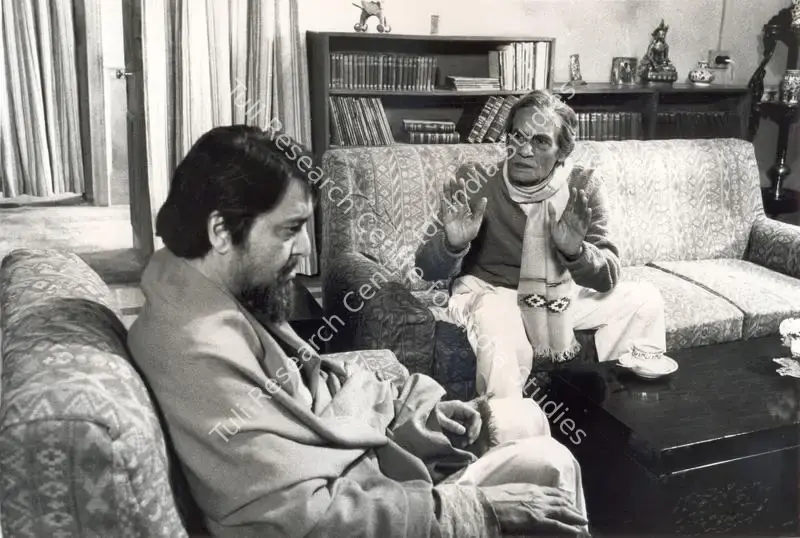
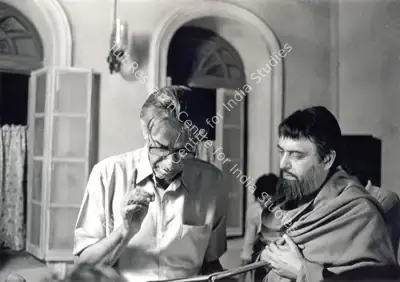
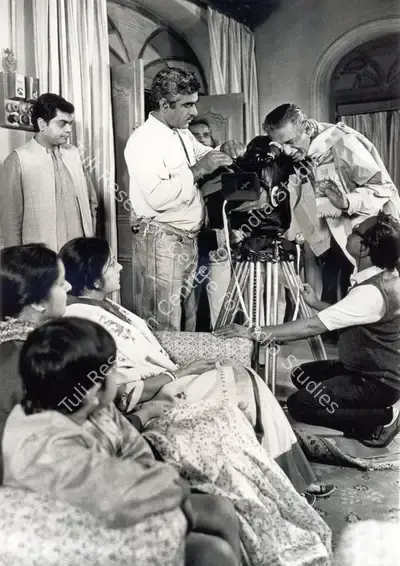
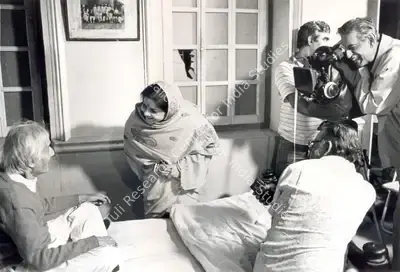
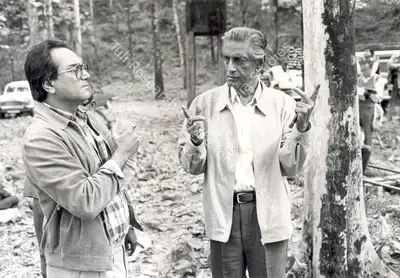
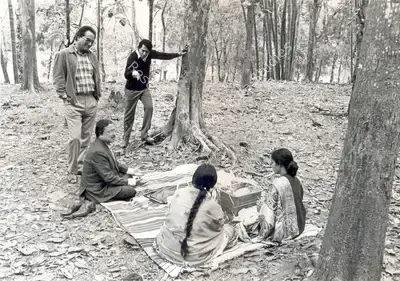
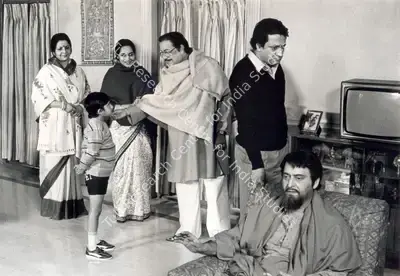
Shakha Proshakha (Branches of the Tree, 1990) is one of Satyajit Ray's most contemplative and quietly devastating films. Directed in the twilight of his illustrious career, it traces the emotional and moral disintegration of a once-proud Bengali family across four generations, focusing intimately on the third where the rot quietly sets in.
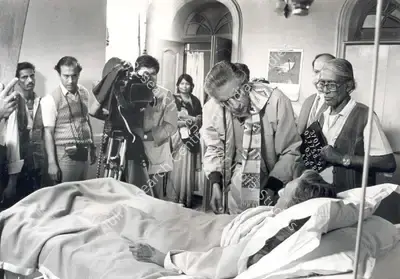
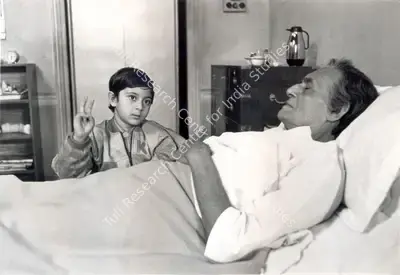
The story centres on Anandamohan Majumdar, a dignified and principled industrialist who has built his life and his family's legacy on the bedrock of honesty, hard work, and unwavering integrity. When a heart attack forces him into convalescence at his ancestral home, he is surrounded by his adult sons, who have come ostensibly out of concern. But as days pass and facades begin to slip, Anandamohan slowly uncovers a painful truth: the values he lived by have not taken root in the very branches of the tree he nurtured.
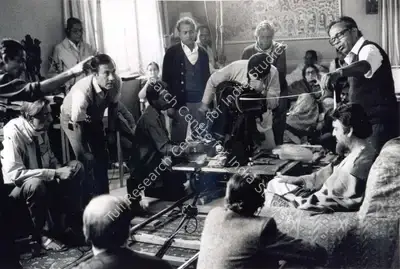
The film is marked by an austere and haunting beauty, underscored by Ray's extraordinary use of Gregorian chants and the towering works of Bach and Beethoven. The spiritual and moral tension is heightened by these classical strains, evoking a solemnity that permeates the story.
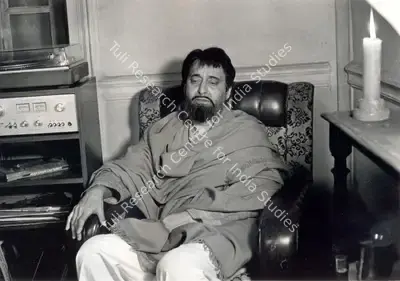
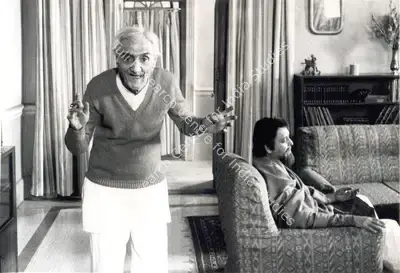
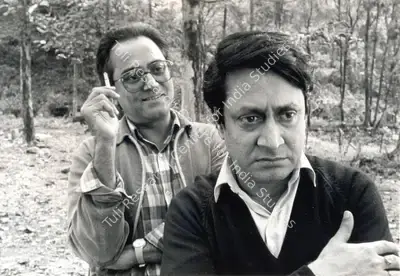
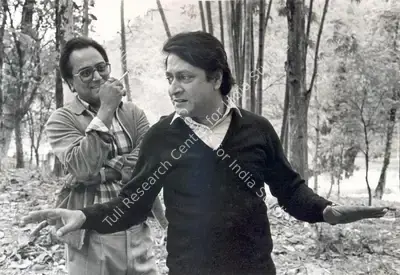
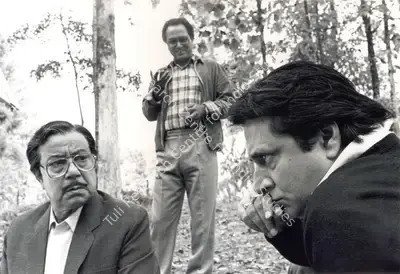
The ensemble cast delivers richly layered performances: Ajit Banerjee brings a quiet nobility to the role of Anandamohan; Haradhan Bannerjee plays the eldest son, Probodh, a respectable man who hides tax fraud behind a veneer of rectitude; Deepankar Dey portrays Probir, the third son and a gambler with a taste for easy money; Ranjit Mallick's Protap, the youngest, stands apart. Idealistic, disillusioned by corporate corruption, and committed to theatre as a form of truth-seeking. Soumitra Chatterjee gives one of his most sensitive performances as Proshanto, the second son, a former scientist whose mind has been broken by trauma but whose heart remains untainted.
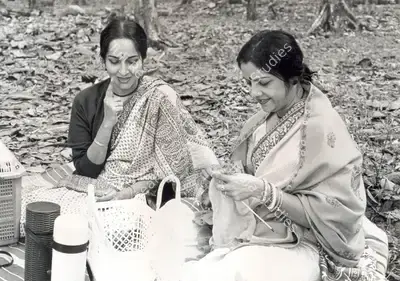
Mamata Shankar, Lily Chakravarty, and young Soham Chakraborty round out the family, each representing various shades of complicity, compassion, and innocence.
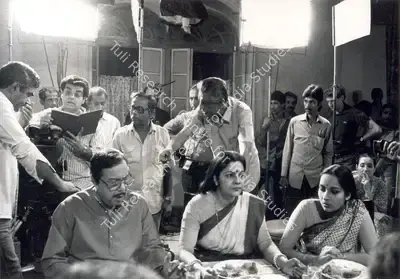
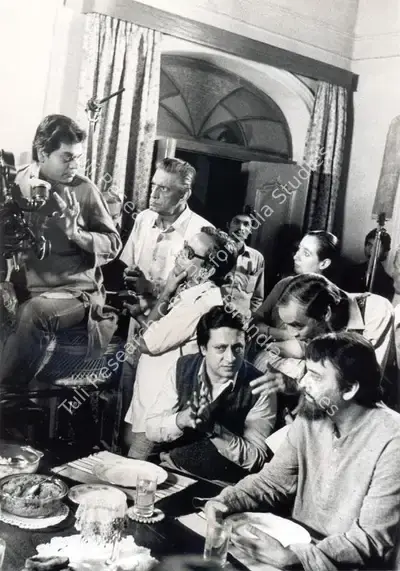
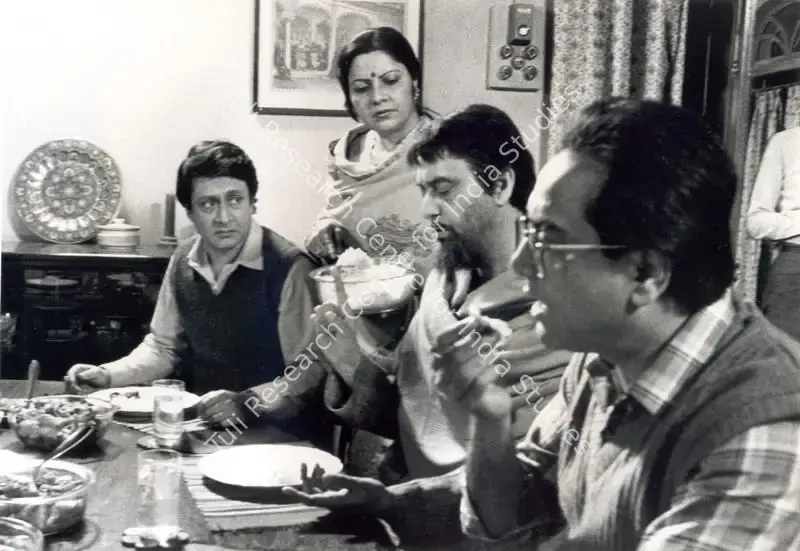
As the family awaits Anandamohan's recovery, their conversations by turns banal, affectionate, and cutting gradually expose the deep fissures between them. The unspoken fractures surface violently over a dinner table, where an argument between Probodh and Probir spirals into mutual accusations of fraud and moral failure. In this moment, it is the quiet, mentally unstable observer Proshanto, who becomes the film's unlikely moral compass. He begins to rhythmically bang on the table, as if drumming out an ancient unheeded warning, a visceral interruption that shakes the illusion of civility.
Unbeknownst to the sons, their father has overheard everything. As they leave, reassured by the belief that they've maintained appearances, Anandamohan remains behind feeling shattered. The betrayal of his ideals by his own children is too deep to express. In the film's final, heart-breaking scene, he finds solace not in his accomplished, well-established sons, but in Proshanto, the one “branch” of his tree that, despite its fragility, remains pure.
Shakha Proshakha is a profound meditation on the erosion of moral values in a world obsessed with success and material gain. Through the lens of one family's private unravelling, Ray crafts a universal elegy for integrity, for innocence lost, and for the painful solitude of those who cling to principles in a time that no longer values them. Quiet, elegiac, and deeply human, the film stands as one of Ray's most personal and soul-searching works.
फ़िल्म की कहानी आनंद मोहन मजूमदार के किरदार के साथ आगे बढ़ती है। मजूमदार बाबू समाज में सम्मानित और सिद्धांतों पर चलनेवाले ऐसे उद्योगपति हैं, जिन्होंने अपना जीवन और अपने परिवार की विरासत ईमानदारी, परिश्रम और नैतिकता की नींव पर खड़ी की है। जब दिल का दौरा पड़ने के बाद वह अपने पुश्तैनी घर में बिस्तर पकड़ लेते है तो उसके वयस्क बेटे उनके इर्द-गिर्द इकट्ठा होते हैं। वे ऊपर से तो उनकी चिंता में दिखाई पड़ते हैं, पर भीतर ही भीतर अपने स्वार्थ के बारे में सोचकर ढोंग रचते रहते हैं। दिन बीतने के साथ उनके मुखौटे उतरने लगते हैं और धीरे-धीरे आनंद मोहन बाबू का सामना एक दर्दनाक सच्चाई से होता है। जिन आदर्श मूल्यों पर चलते हुए उन्होंने अपना सारा जीवन बिताया वे उनके कुटुम्ब की आगामी शाखा प्रशाखाओं तक नहीं पहुँचे हैं, भले कितने ही स्नेह से उन्होंने उसे सींचा हो।
फिल्म अपनी सादगीभरी लेकिन परेशान करनेवाली नफ़ासत के लिए जानी जाती है। राय ने इसमें ग्रेगोरियन जाप और बाख़ तथा बीथोवेन जैसे संगीतज्ञों की महान रचनाओं का इस्तेमाल किया है जिनसे कहानी में एक आध्यात्मिक से लगते नैतिक द्वंद्व की गूंज सुनाई देती है। एक ऐसी नफ़ासत जो पूरे वातावरण पर छायी रहती है।
फ़िल्म के कलाकार अपनी बहुमुखी अदाकारी से इसे गहराई देते हैं। घर के मुखिया आनंद मोहन की भूमिका में अभिनेता अजीत बनर्जी एक शांत गरिमा लेकर आते हैं। बड़े बेटे प्रबोध की भूमिका में हराधन बनर्जी एक ऐसे व्यक्ति के किरदार में हैं जो अपनी सामाजिक मर्यादा से निर्मित छवि के पीछे टैक्स चोरी जैसा अपराध छिपाए है। दीपांकर डे तीसरे बेटे प्रबीर की भूमिका में हैं जो जुआरी बन चुका है और जिसे आसानी से हासिल पैसे की लत लग चुकी है। रंजीत मल्लिक सबसे छोटे बेटे प्रताप के किरदार में दिखाई देते हैं। प्रताप बाक़ी भाइयों से भिन्न है। वह कॉरपोरेट भ्रष्टाचार से मोहभंग हुआ एक आदर्शवादी युवक है जो रंगमंच के माध्यम से सत्य की खोज में जुटा है। सौमित्र चटर्जी यहाँ दूसरे बेटे प्रशांत के किरदार में अपनी सबसे संवेदनशील भूमिकाओं में से एक में नज़र आते हैं। प्रशांत एक वैज्ञानिक है जिसका मन सदमे के चलते बिखरा हुआ है, लेकिन जिसका हृदय अब भी निर्मल है।
अन्य सहायक भूमिकाओं में ममता शंकर, लिली चक्रवर्ती और छोटे सोहम चक्रवर्ती परिवार के अन्य रिश्तों को जीवंत करते हैं। इन किरदारों के माध्यम से निर्देशक सहानुभूति, षड़यंत्र और कभी निष्कपट मासूमियत जैसे भाव जगाते हैं।
आनंदमोहन की तबीयत कुछ संभले इसकी सबको प्रतीक्षा है। इस बीच परिवार का आपसी वार्तालाप कभी हल्के-फुल्के और स्नेहभरे संवाद तो कभी चुभती हुई बातों के बीच डोलता रहता है। धीरे-धीरे किरदारों के बीच की गहरी दरारें उजागर होने लगती हैं। यह दरारें सबसे उग्र रूप से एक रात ख़ाने की मेज़ पर सामने आती हैं जब प्रबोध और प्रबीर के बीच की बहस आरोप-प्रत्यारोप में बदल जाती है। वे एक-दूसरे पर धोखे, नैतिक पतन, और पाखंडी होने के आरोप लगाते हैं। पर ठीक इसी क्षण प्रशांत, जो अब तक चुप और अस्थिर सा दिख रहा था, फ़िल्म का अप्रत्याशित नैतिक केंद्र बन जाता है। हम देखते हैं कि वह मेज़ पर लयबद्ध रूप से थपकियाँ देने लगता है। ऐसा लगता है मानो किसी प्राचीन, अनसुनी चेतावनी को वह धुन की ताल पर बजा रहा है। यह फ़िल्म का एक ऐसा दृश्य है जो सभ्यता के मुखौटों को ओढ़े बैठे किरदारों को झकझोर देता है।
बेटों को यह ज्ञात नहीं कि पिता ने सब कुछ सुन लिया है। जब वे यह सोचकर निकलकर जाते हैं कि सब ठीक और पहले जैसा है, आनंदमोहन पीछे वहीं रह जाते हैं, एकदम टूटे हुए। उनके अपने ही बच्चों द्वारा उनके आदर्शों को यूँ त्याग देना उन्हें विश्वासघात जैसा लगता है। यह सदमा इतना गहरा है कि उसे शब्दों में नहीं कहा जा सकता। फ़िल्म के अन्तिम हृदयविदारक दृश्य में वह सान्त्वना तो पाते हैं लेकिन अपने कामयाब, प्रतिष्ठित बेटों की बातों में नहीं बल्कि असफल माने गए बेटे प्रशांत के संग में। परिवार की वह "शाखा", जो नाज़ुक होने के बावजूद अब भी निर्मल है।
शाखा प्रशाखा नैतिक मूल्यों के क्षरण का गहराई तक जाकर अध्ययन करती है। यह एक ऐसी दुनिया की कथा है जहाँ आर्थिक सफलता और भौतिक उपलब्धि ही कामयाबी के एकमात्र मानक बन चुके हैं। एक बिखरते हुए परिवार की निजी कथा के माध्यम से राय एक सार्वभौमिक सच्चाई को हमारे सामने रखते हैं। यह फ़िल्म एक ऐसा सिनेमाई विलाप है जिसे ईमानदारी के लिए, खोई हुई निश्छलता के लिए और उन एकाकी लोगों के लिए समर्पित माना जा सकता है जो कठिन समय में भी अपने सिद्धांतों से समझौता नहीं करते। एक शांत शोकगीत जैसी गहराई लिए और मानवीय, यह फ़िल्म सत्यजित राय की सबसे आत्ममंथन से परिपूर्ण और व्यक्तिगत रचनाओं में से एक है।
Body of Work