
Senapati1961
Introduction
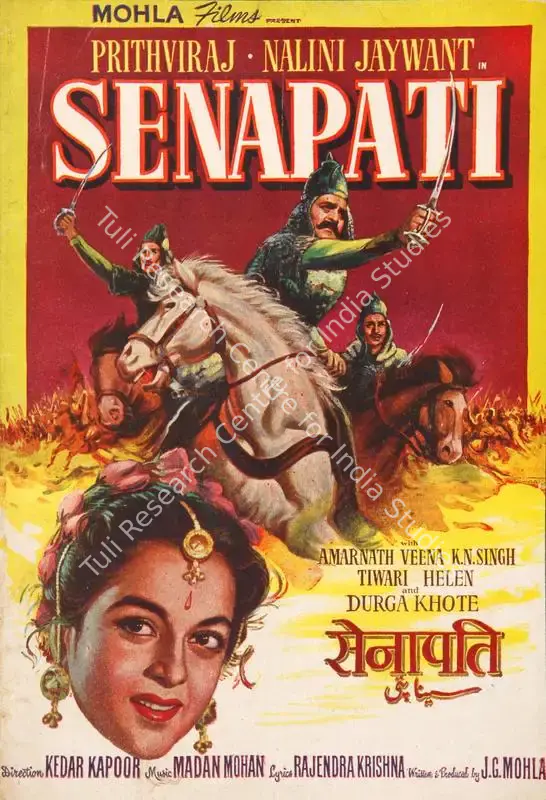
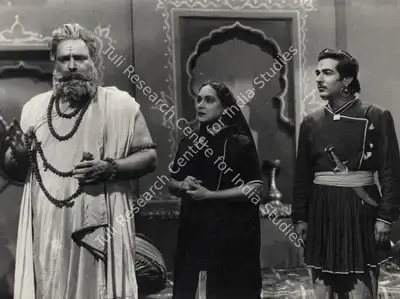
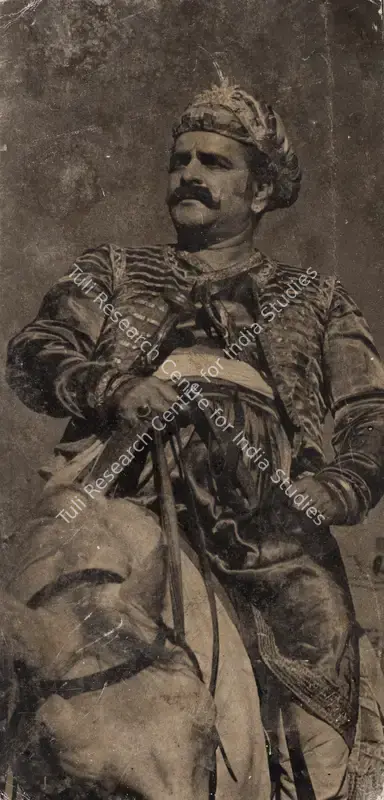
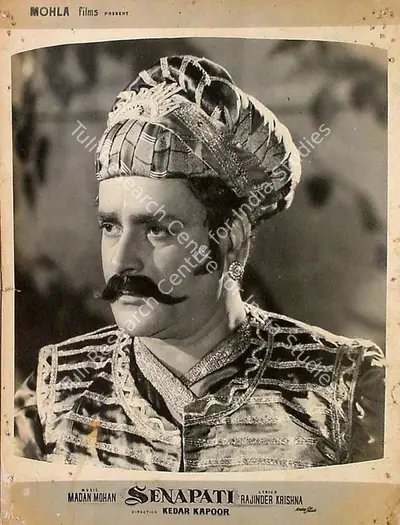
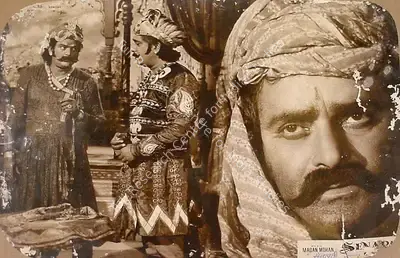
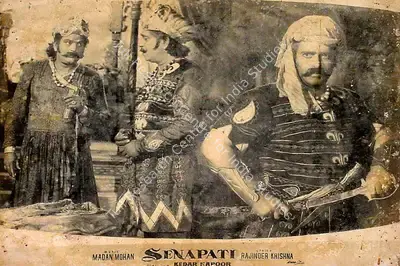
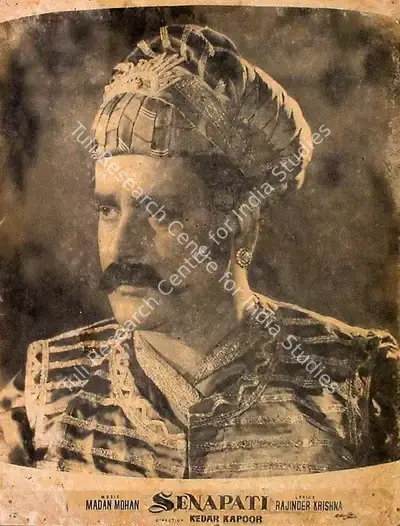
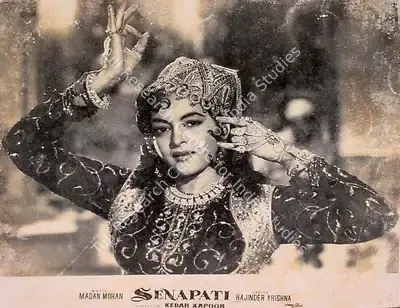
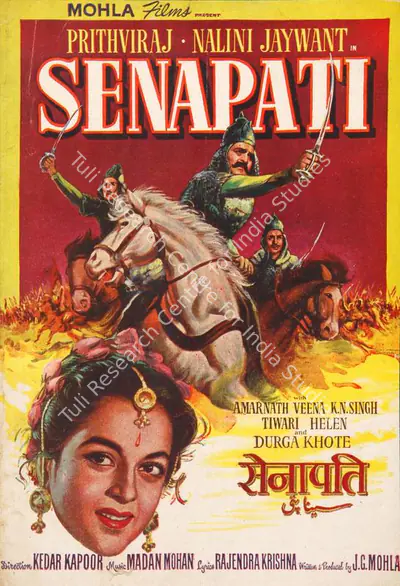
Senapati (1961) A historical drama that stood out for its emotional depth and moral complexity was directed by Jai Gopal Mohla, and the film starred the legendary Prithviraj Kapoor in the titular role of a noble and valiant general who defies societal norms and royal conventions for love, honour, and justice.
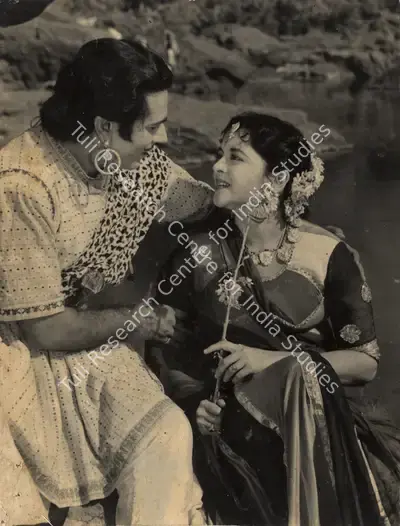
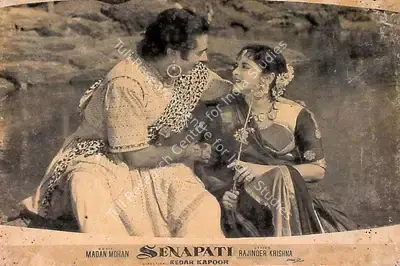
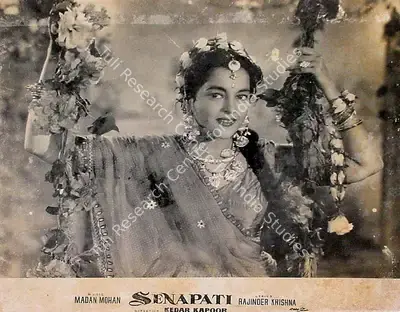
The story follows the Senapati who, while serving as the chief military commander of a kingdom, falls in love with a Bhil tribal girl. Despite fierce opposition from the royal court and society, he marries her, choosing love over position and eventually renouncing his esteemed title. This bold decision marks the beginning of a powerful tale of sacrifice, loyalty, and redemption.
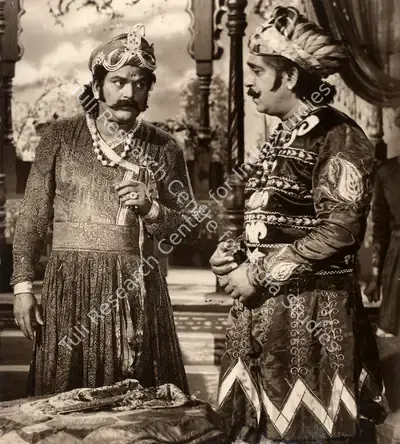
The film's narrative delves into the political intrigues of the court, particularly the betrayal by the Mahamantri (Chief Minister), portrayed with sinister charm. In a treacherous bid for power, the Mahamantri plots to assassinate the infant prince, the rightful heir to the throne. The Senapati intervenes just in time, rescuing the child and fleeing into the dense forests. There, far from the palace and power, he adopts the life of an ascetic, dedicating himself to raising the young prince in secrecy.
Meanwhile, the Senapati's wife gives birth to a daughter, Durga, and the grieving Rajmata (Queen Mother) eventually joins them in their exile. Together, this unconventional family lives in hiding, bound by love and duty, while the kingdom descends into turmoil.
The plot centres on the eventual restoration of the throne to its rightful heir, the blossoming romance between Durga and the now-grown prince, and the triumph of truth over treachery. The film concludes with a heartfelt reunion, celebrating justice, familial love, and the unshakable strength of moral conviction.
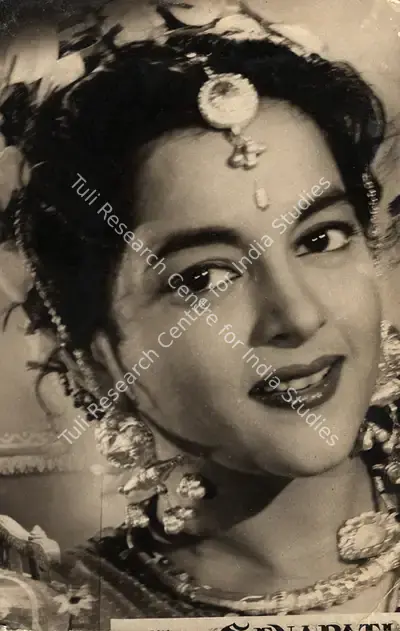
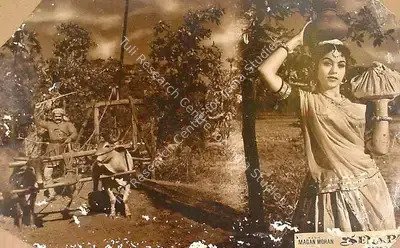
Despite its powerful performances especially by Durga Khote, Ramayan Tiwari, and K.N. Singh and its rich narrative of royal drama and sacrifice, Senapati did not perform well at the box office. However, its music gained significant popularity. With most songs sung by the legendary sisters Lata Mangeshkar and Asha Bhosle, the soundtrack struck a chord with audiences. Their duet Dil Dai Dai became especially beloved, while Mohammad Rafi's soulful solo Sab Din Hot Na Ek Samaan emerged as another memorable highlight.
Though commercially underappreciated, Senapati remains a notable entry in the era's historical dramas, remembered for its emotional storytelling, resonant themes, and musical richness.
फ़िल्म की कहानी एक ऐसे सेनापति के साथ आगे बढ़ती है जो अपने राज्य का मुख्य सेनानायक है। इस सेनापति को एक भील जनजाति की युवती से प्रेम हो जाता है। सेनापति राजदरबार और समाज के तीखे प्रतिरोध के बावजूद उस आदिवासी युवती से विवाह करता है और प्यार के लिए अपनी पद और प्रतिष्ठा को भी त्याग देता है। विरोध बढ़ने पर वह अपने सेनापति के सम्मानित पद का भी परित्याग कर देता है। उसका यह साहसी निर्णय हमें एक ऐसे कथानक की ओर ले जाता है जिसमें त्याग, निष्ठा और मुक्ति जैसे पवित्र मूल्यों के सूत्र पिरोये गए हैं।
फ़िल्म के कथानक में राजदरबार के भीतर चलती साज़िशों को भी पिरोया गया है। ख़ासकर जिस तरह महामंत्री के विश्वासघात का प्रसंग कहानी में दिखाया गया है, उसमें महामंत्री के किरदार की धूर्तता और सेनापति की वफ़ादारी पर्दे पर बहुत खूबसूरती से उभरकर आते हैं। सत्ता के लोभ में आकर महामंत्री राज्य के उत्तराधिकारी नवजात शिशु राजकुमार को मारने की साजिश रचता है। लेकिन सेनापति के समय रहते हस्तक्षेप से बालक की प्राणरक्षा होती है। सेनापति न सिर्फ़ बालक को बचाता है, वह उसे अपने साथ लेकर राजमहल से दूर घने जंगलों की शरण में चला जाता है। वहाँ राजमहल और सत्ता की साज़िशों से दूर सेनापति एक तपस्वी का जीवन जीने लगता है और वहीं सबसे छिपाकर उस बालक के पालन-पोषण में खुद को समर्पित कर देता है।
इस बीच सेनापति की पत्नी एक कन्या को जन्म देती है जिसका नाम दुर्गा रखा जाता है। कुछ समय पश्चात शोकाकुल राजमाता भी उनके साथ जंगल में आकर रहने लगती हैं। सामान्य से कुछ इतर दिखता यह परिवार प्रेम और कर्तव्य की डोर से बँधा हुआ है। इधर ये वन में गुप्त जीवन व्यतीत कर रहे हैं, उधर इनका राज्य अराजकता की गर्त में डूबा जा रहा है।
कहानी आगे बढ़ती है और आखिर में राज्य की सत्ता पर उसके सही वारिस की स्थापना होती है। दुर्गा और राजकुमार दोनों ही अब युवा हो चुके हैं और दोनों के बीच प्रेम पनपता है। फ़िल्म का क्लाईमैक्स विश्वासघातियों की हार और सत्य की विजय को चित्रित करता है। फ़िल्म का समापन एक जज़्बातों से भरे पुनर्मिलन के साथ होता है जिसमें न्याय, पारिवारिक प्रेम और नैतिक संकल्प की अटूट शक्ति की जीत दिखाई गई है।
हालाँकि सेनापति में पृथ्वीराज कपूर, दुर्गा खोटे, रामायण तिवारी और के.एन. सिंह जैसे सिनेमा के मंझे हुए कलाकारों की प्रभावशाली अभिनय क्षमता के दर्शन होते हैं और इसकी शाही राजपरिवार की कहानी में त्याग और बलिदान जैसे उच्च नैतिक मूल्यों को उठाया गया है, इसके बावजूद सेनापति टिकिट खिड़की पर पर कामयाब नहीं हो पाई। पर इसका संगीतकार मदन मोहन द्वारा निर्मित संगीत काफ़ी लोकप्रिय हुआ। लता मंगेशकर और आशा भोंसले जैसी लोकप्रिय गायिकाओं द्वारा गाए फ़िल्म के गीत दर्शकों के दिल को छू गए। राजेन्द्र कृष्ण का लिखा और दोनों बहनों का गाया लोकगीतों वाली छटा लिये युगल गीत “दिल दई दई” विशेष रूप से लोकप्रिय हुआ। मोहम्मद रफ़ी के गाया मार्मिक गीत “सब दिन होत न एक समान” भी गादगार रहा।
भले ही व्यावसायिक रूप से सेनापति को बड़ी कामयाबी न मिली हो, यह अपने युग की एक यादगार फ़िल्म कही जायेगी जिसमें ऐतिहासिक कथानक को उसकी पूरी भाव-भंगिमा और आवेग, विषयवस्तु की गंभीरता और समृद्ध करनेवाले संगीत के साथ सिनेमाई पर्दे पर पेश किया गया।
Body of Work
Research Centre
Related
3