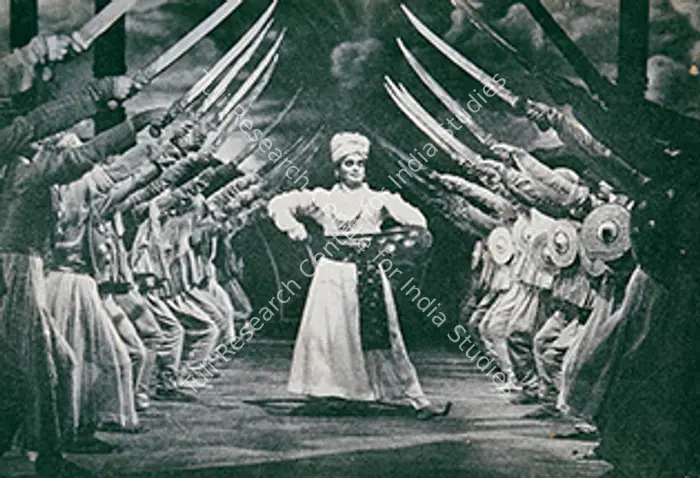
Raja Harishchandra1913
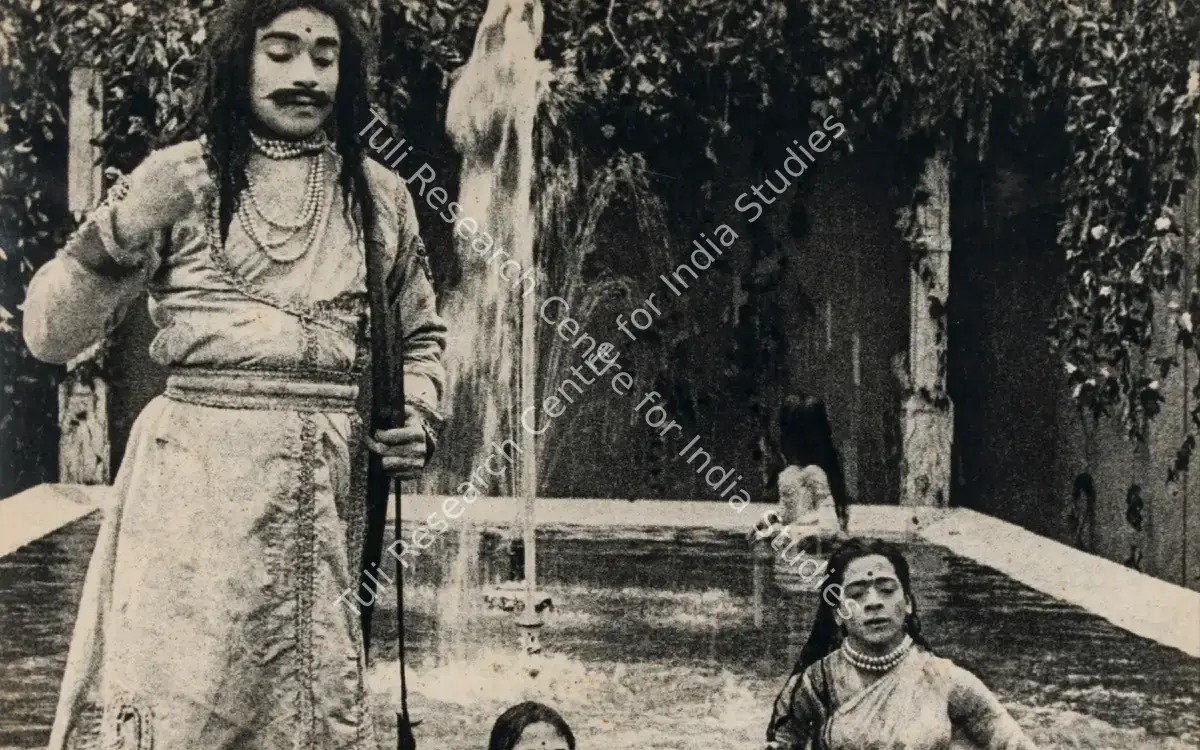
Introduction
Raja Harishchandra (1913) is a pioneering Indian silent film directed and produced by Dadasaheb Phalke, often regarded as the first full-length feature film in Indian cinema. The movie stars Dattatraya Damodar Dabke as the titular king, Harishchandra, along with Anna Salunke, Bhalchandra Phalke, and Gajanan Vasudev Sane. Based on the legend of King Harishchandra, a symbol of truth and justice, the film features English, Marathi, and Hindi intertitles to communicate its narrative, as it was silent.
Phalke's inspiration to create a feature film came after viewing The Life of Christ (1906) in Bombay in 1911. Motivated by this experience, he traveled to London in early 1912 for a two-week filmmaking course, returning to establish Phalke Films Company. He imported filmmaking equipment from England, France, Germany, and the United States. To generate interest in his project, Phalke created a short film titled Ankurachi Wadh (Growth of a Pea Plant) to attract investors. Advertisements were placed in newspapers to recruit cast and crew. As female actors were unavailable, male performers took on female roles. Phalke took on multiple roles in the production, handling the script, direction, design, makeup, editing, and film processing, while Trymbak B. Telang was responsible for the cinematography. Filming took over six months, producing a 3,700-foot film (about four reels).
Raja Harishchandra premiered at the Olympia Theatre in Bombay on 21 April 1913, and its commercial release took place on 3 May 1913 at the Coronation Cinematograph and Variety Hall, Girgaon. The film was a success, marking a significant milestone in Indian cinema and laying the foundation for the country's burgeoning film industry. Unfortunately, the film is considered partially lost, with only the first and last reels preserved at the National Film Archive of India. Some historians believe these preserved reels may belong to a 1917 remake of the film titled Satyavadi Raja Harishchandra, also directed by Phalke.
While Raja Harishchandra is widely recognized as the first full-length Indian feature film, there is ongoing debate among film historians. Some argue that Shree Pundalik, a 1912 silent film directed by Dadasaheb Torne, may have been the first, but the Government of India officially recognizes Raja Harishchandra as the landmark film in Indian cinema history.
फाल्के को फ़ीचर फ़िल्म बनाने की प्रेरणा 1911 में बम्बई के एक थियेटर में दि लाइफ़ ऑफ़ क्राइस्ट (1906) नामक फ़िल्म देखने के बाद मिली। फाल्के को सिनेमा की विधा ने चमत्कृत कर दिया और उन्होंने मन ही मन फ़िल्म बनाने की
ठान ली। उन्होंने 1912 की शुरुआत में फ़िल्म निर्माण की बारीकियाँ सीखने के लिए दो सप्ताह के लिए लंदन की यात्रा की, और फिर भारत वापस लौटकर 'फाल्के फिल्म कंपनी' की स्थापना की। उन्होंने इंग्लैंड, फ्रांस, जर्मनी और संयुक्त राज्य अमेरिका से फिल्म निर्माण के लिए ज़रूरी उपकरण मँगवाए। उस दौर में इस नई-नई आयी सिनेमा विधा से भारत में लोग ठीक से परिचित नहीं थे। अपनी परियोजना में रुचि पैदा करने और उसमें पैसा लगाने के लिए निवेशकों को राज़ी करने के लिए फाल्के ने अंकुराची वढ़ (मटर के पौधे का उगना) नाम की एक लघु फ़ल्म बनाई।
फ़िल्म में कलाकारों और तकनीशियनों की भर्ती के लिए अखबारों में विज्ञापन दिए गए। चूंकि कोई महिला कलाकार फ़िल्म में अभिनय करने को राज़ी नहीं थीं, इसलिए पुरुष कलाकारों ने ही स्त्री भूमिकाएँ भी निभाईं। फाल्के ने निर्माण के कई मोर्चों को खुद संभाला जिसमें फ़िल्म की पटकथा, निर्देशन, डिज़ाइन, मेकअप, संपादन और फ़िल्म को धोकर तैयार करना शामिल था। हाँ उनकी पत्नी सरस्वती देवी का इसमें बड़ा सहयोग रहता था। इस ऐतिहासिक फ़िल्म में कैमरे की ज़िम्मेदारी त्र्यंबक बी. तेलंग ने संभाली थी। फ़िल्म की शूटिंग करीब छह महीने से अधिक समय में पूरी हुई और करीब 3,700 फीट या लगभग चार रील जितनी लम्बी फ़िल्म तैयार हुई।
राजा हरिश्चंद्र का प्रीमियर 21 अप्रैल, 1913 को बम्बई के 'ओलंपिया थिएटर' में हुआ और आम दर्शकों के लिए इसकी व्यावसायिक रिलीज़ 3 मई, 1913 के दिन 'कोरोनेशन सिनेमैटोग्राफ' और 'वैरायटी हॉल', गिरगांव में हुई। इस फ़िल्म की कामयाबी भारतीय सिनेमा इतिहास में सबसे बड़ा मील का पत्थर साबित हुई और हिन्दुस्तान में एक रौशनी से दमकते सिनेमा उद्योग की नींव पड़ गई।
बदकिस्मती की बात बस ये है कि इस फ़िल्म का बड़ा हिस्सा अब नष्ट हो चुका है और फ़िल्म की केवल पहली और आखिरी रील ही भारत के राष्ट्रीय फ़िल्म अभिलेखागार में संरक्षित है। यहाँ भी कुछ इतिहासकारों का मानना है कि ये जो रीलें बची हैं, ये दरअसल 1917 में बनी सत्यवादी राजा हरिश्चंद्र नामक फ़िल्म की हो सकती हैं, जो 1913 में बनी राजा हरिश्चंद्र का ही रीमेक थी और खुद दादा साहेब फाल्के ने ही निर्देशित की थी।
आमतौर पर फाल्के की राजा हरिश्चंद्र को ही पूर्ण लंबाई वाली पहली भारतीय फ़ीचर फिल्म होने का दर्जा दिया जाता है, लेकिन कुछ फ़िल्म इतिहासकारों के बीच इस पर विवाद भी है। कुछ लोगों का तर्क है कि दादासाहेब तोरणे के निर्देशन में बनी मूक फिल्म श्री पुंडलिक (1912) को भारत की पहली फ़िल्म माना जाना चाहिए। पर भारत सरकार की ओर से आधिकारिक तौर पर राजा हरिश्चंद्र को ही भारतीय सिनेमा इतिहास की प्रथम फ़ीचर फ़िल्म होने का श्रेय दिया गया है। इस फ़िल्म की रिलीज़ की तारीख को यादगार बनाने के लिए भारत सरकार ने ये भी
फ़ैसला किया है कि भारत के राष्ट्रीय फ़िल्म पुरस्कार समारोह का आयोजन 3 मई की तारीख को किया जाएगा।
Body of Work
Research Centre
Calendar 1
- ArchivedExhibitionProject 2Self-Discovery via Rediscovering India Series Part II India's Cinematic Heritage12th - 24th August 2024Self-Discovery via Rediscovering India Series Part IIRead More →