

Introduction
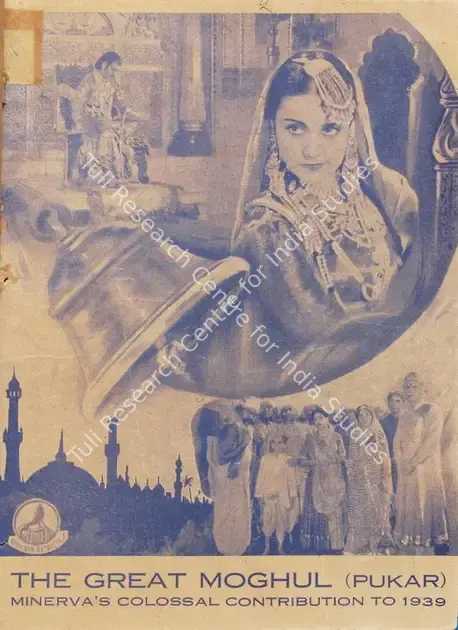
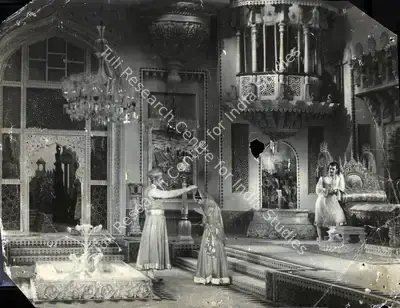
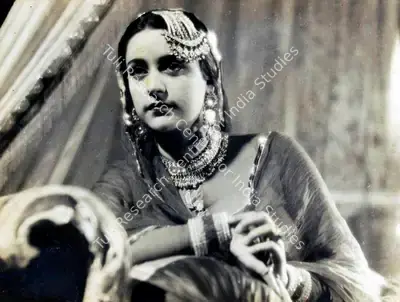
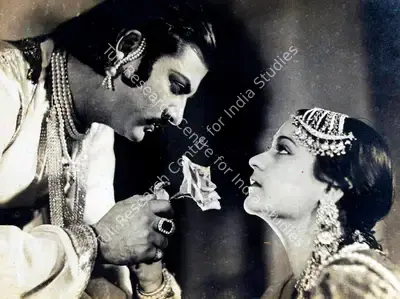
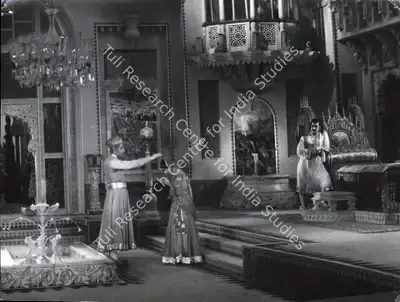
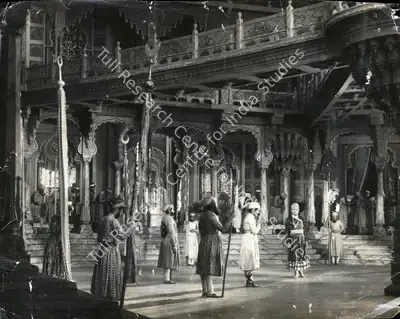
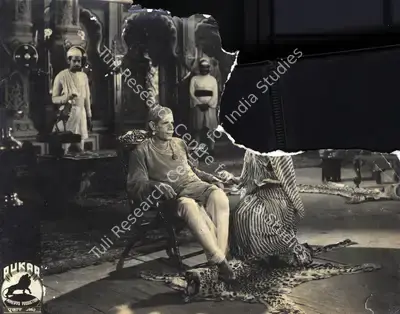
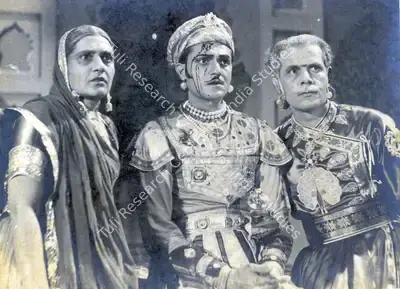
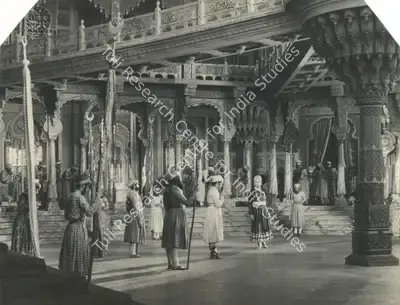
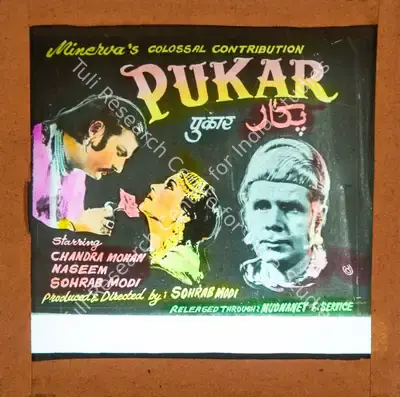
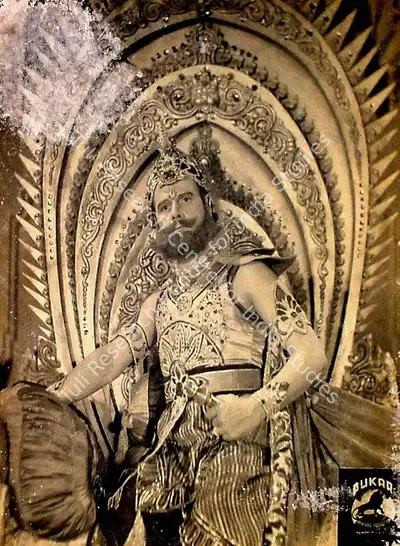
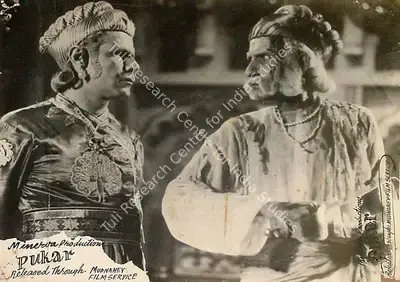
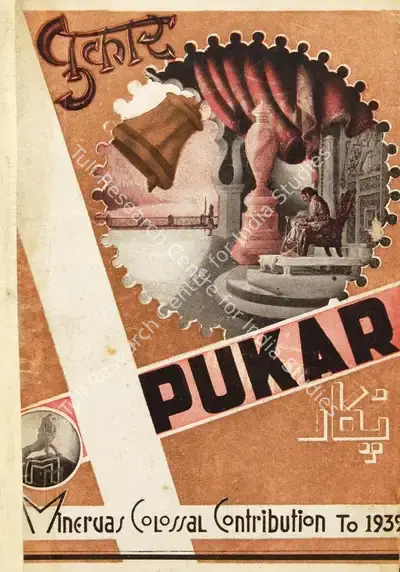
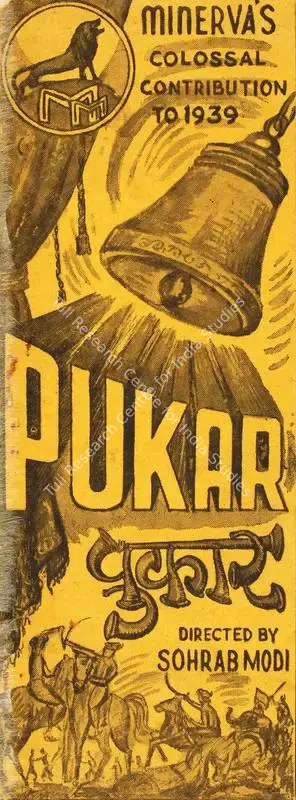
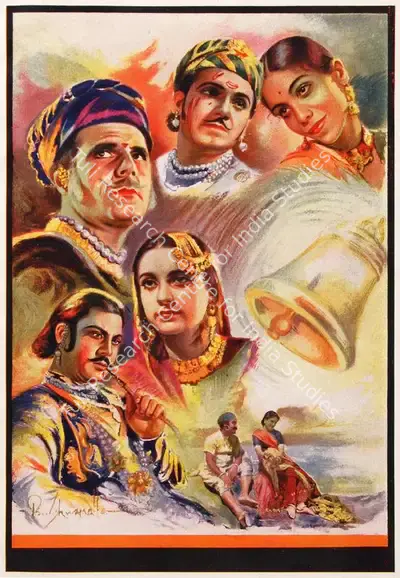
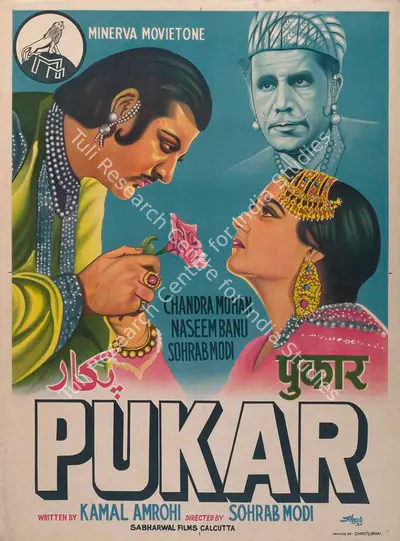
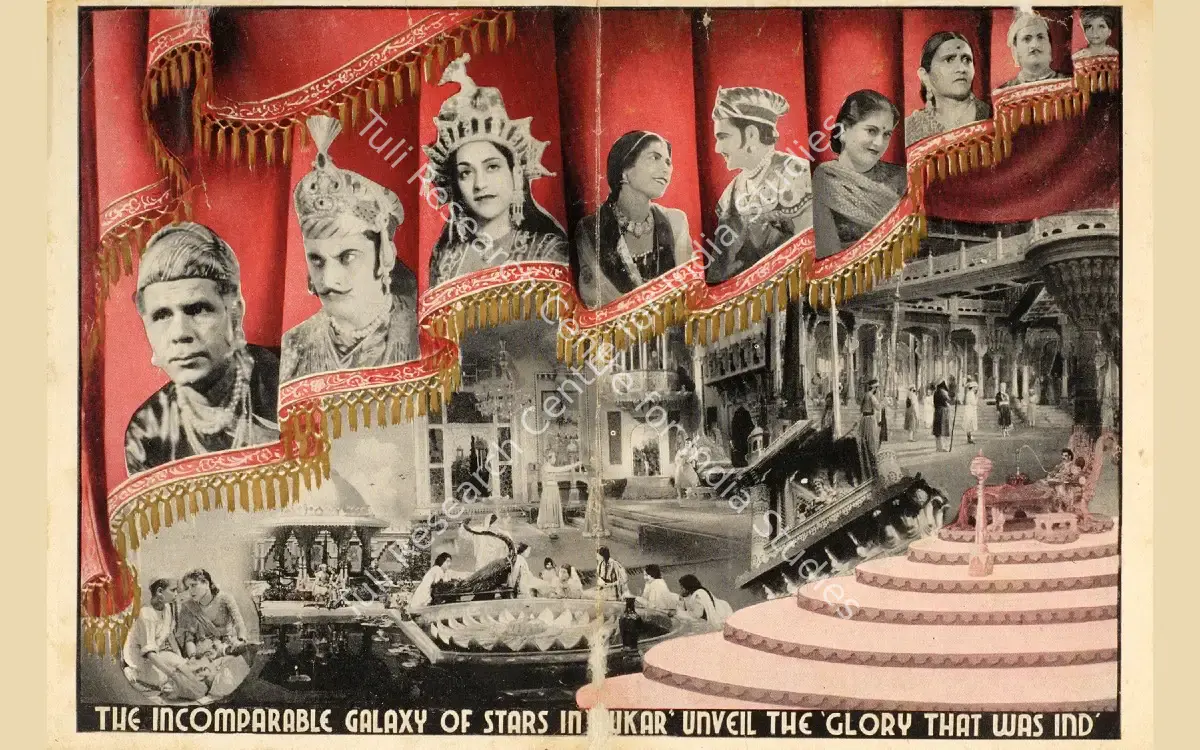
Pukar is a grand historical drama set in Emperor Jehangir's court, focusing on justice and moral dilemmas. Known for its elaborate set designs and powerful performances, the film reflects the director Sohrab Modi's flair for combining social commentary with spectacle. Kamal Amrohi, who penned the screenplay at the age of 21, infused it with poetic grandeur and sharp dialogues, foreshadowing his later mastery. Pukar is a timeless commentary on authority, mercy, and the responsibilities of power, with Modi's sensibilities of Parsi theatre blending seamlessly into early Indian cinema's evolving narrative structure. Pukar is made at a critical time in Indian history, when she was still under colonial rule but freedom was not a distant idea at that point. The film not only brings to the fore a sense of nostalgia for the great cultural past of India but also to the fairness of the law pervading in Mughal courts, upholding it in the face of the seemingly rational and democratic yet dehumanising laws based on colonisers' constitution. Pukar is a historically and culturally significant film as it aims at creating a union of diverse entities, such as Rajpoots & Mughals, Hindu & Muslim, to historicise a connection with the land, as if it is a “pukar” (call) for reconciliation to face the graver threat of colonial occupation together.
पुकार निर्देशक सोहराब मोदी की भव्य ऐतिहासिक ड्रामा फ़िल्म है जिसकी कहानी मुग़ल सम्राट जहाँगीर के दरबार में घटती है। अपने भव्य सेट डिज़ाइन और नाटकीय संवाद अदायगी के लिए चर्चित सोहराब मोदी दृश्य की भव्यता के बीच भी किसी न किसी ज्वलंत सामाजिक मुद्दे को उठाने से नहीं चूकते। इस फ़िल्म के कहानी और गीत-संवाद लेखक तब सिर्फ़ 21 साल के रहे कमाल अमरोही थे, जिनकी कलम से निकले दमदार संवादों की काव्यात्मक भव्यता उनकी बाद में खुलकर ज़ाहिर हुई इस कला पर महारत का पूर्वाभास देती है। पुकार की कहानी सत्ता, उसके सख्त और करुण पक्ष और उसके साथ जुड़ती न्याय की जिम्मेदारी पर एक यादगार टिप्पणी करती है। सोहराब मोदी की पारसी रंगमंच से प्रभावित शैली शुरुआती भारतीय सिनेमा की विकसित होती कथा संरचना में सहजता से घुलमिल जाती है। पुकार एक ऐसे समय रिलीज़ हुई थी जब भारत अभी भी औपनिवेशिक शासन के अधीन था, लेकिन आज़ादी ज़्यादा दूर नहीं थी। सोहराब मोदी इस फ़िल्म के ज़रिये देखनेवाले के मन में भारत के महान सांस्कृतिक अतीत के प्रति एक रुमानी भावना जगाते हैं। साथ ही पुकार उपनिवेशवाद की लोकतांत्रिक और तर्कसंगत कहकर लागू की गई अमानवीय न्यायिक व्यवस्था के बरक्स मुग़ल दरबार के समय मौजूद न्यायिक निष्पक्षता को रखकर एक द्वैध की स्थापना करती है। पुकार ऐतिहासिक और सांस्कृतिक दोनों दायरों में एक ख़ास फ़िल्म है। यह राजपूतों और मुग़लों की एकता दिखाते हुए और हिन्दू मुस्लिम साझेदारी दिखाते हुए ज़मीन के साथ वफ़ादारी जैसे मूल्यों को उठाती है। फ़िल्म का प्रकट संदेश या 'पुकार' है कि औपनिवेशिक सत्ता से लड़ने के लिए आपसी मतभेद भुलाकर इनका एक हो जाना वक्त की माँग है।