Introduction
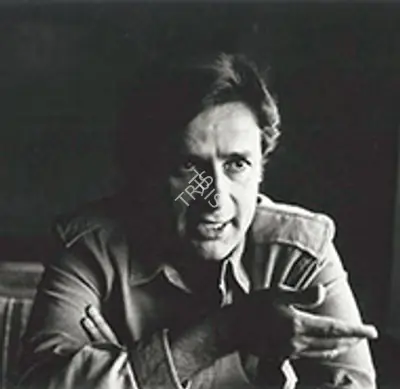
Victor Banerjee (born 15 October 1946) Originally named Partho Sarathi Banerjee, he is a distinguished Indian actor whose prolific career spans English, Hindi, Bengali, and Assamese cinema, as well as international theatre. Renowned for his versatility and cosmopolitan artistic presence, he has collaborated with an exceptional array of filmmakers, including Roman Polanski, James Ivory, David Lean, Satyajit Ray, Mrinal Sen, and Shyam Benegal, among others, thereby positioning himself at the intersection of Indian and global cinematic traditions.
Born in Calcutta (now Kolkata), West Bengal, into a zamindar family, Banerjee received his early education at St. Edmund's School, Shillong, before graduating in English Literature from St. Xavier's College, Calcutta. He subsequently pursued postgraduate studies in Comparative Literature at Jadavpur University, an academic background that informed his nuanced engagement with performance and textual interpretation. During his formative years in Calcutta and later in Bombay, he was actively involved in theatre, cultivating a strong foundation in stagecraft. His commitment to the arts extended beyond performance; in the late 1970s, he established The Calcutta Art Gallery, the city's first commercial art gallery, reflecting his deep engagement with visual culture.
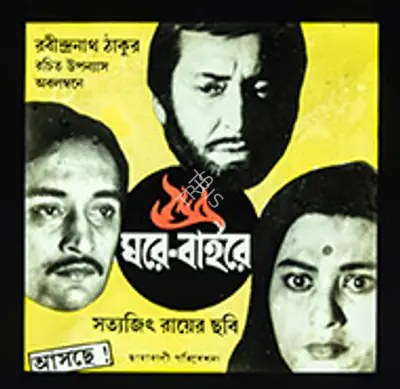
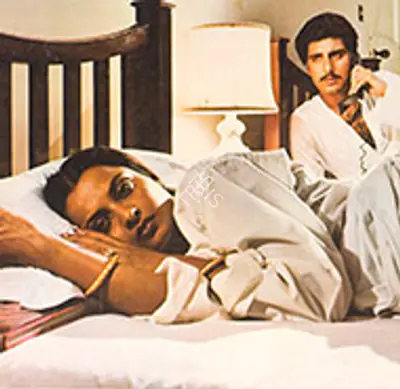
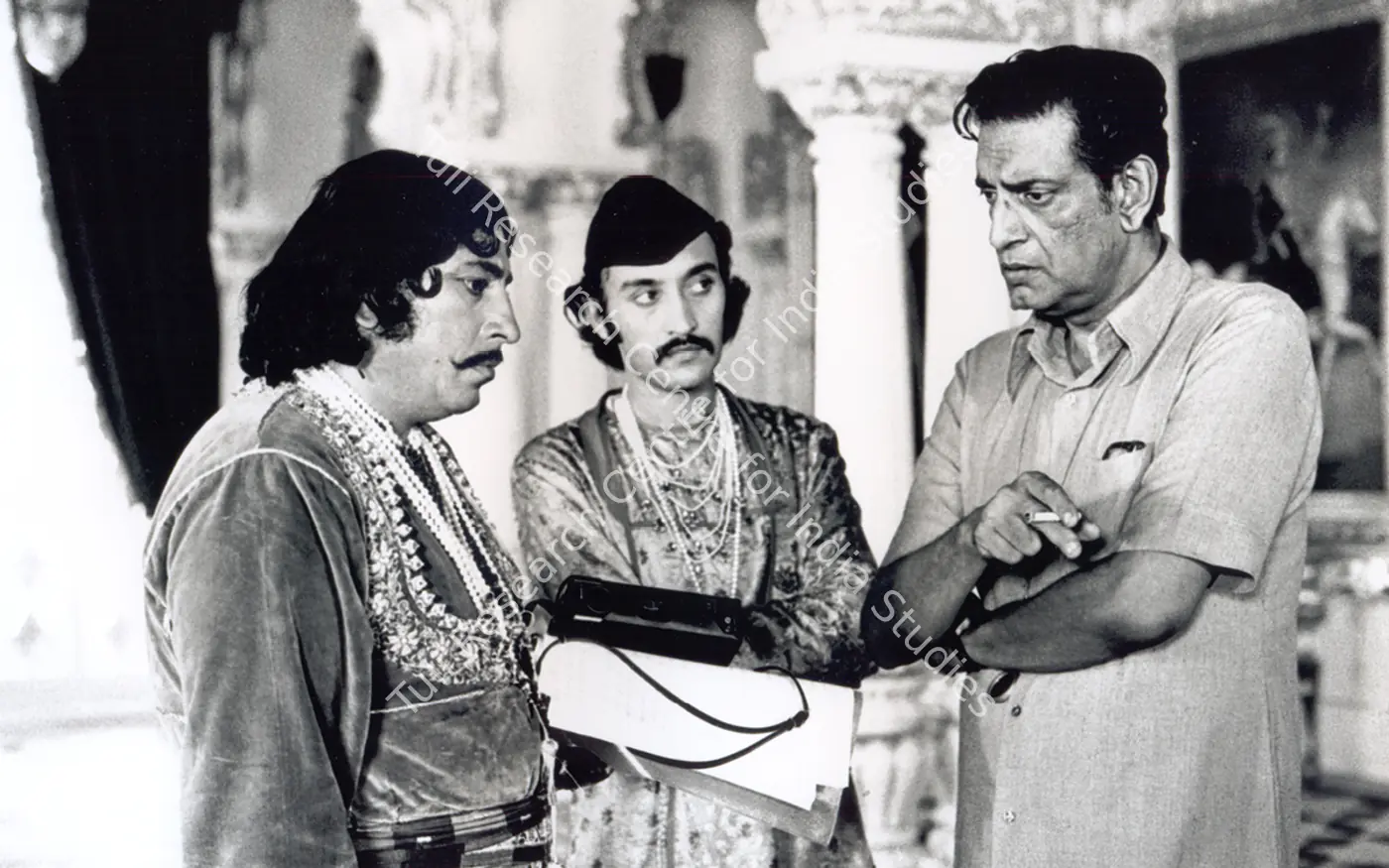
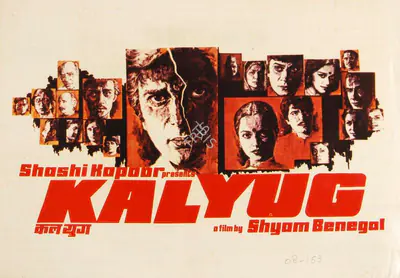
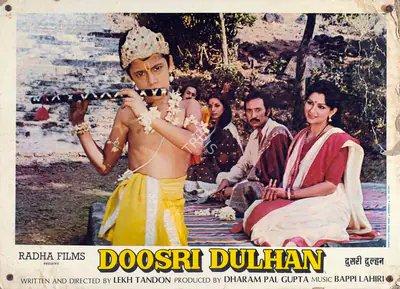
Banerjee achieved international recognition with his portrayal of Dr. Aziz Ahmed in A Passage to India (1984), directed by David Lean. The role brought him widespread acclaim and earned him a nomination for the BAFTA Award for Best Actor in a Leading Role in 1986, along with the Evening Standard British Film Award and the National Board of Review Award for Best Actor. In 1985, he was further honored by the Motion Picture Association of America with the “Show-a-Rama Award” as a New International Star. His international profile was complemented by significant contributions to Indian parallel and mainstream cinema, including performances in Shatranj Ke Khilari (1977) and Ghare Baire (1985), both directed by Satyajit Ray, and Mahaprithivi (1991) by Mrinal Sen. His other acclaimed films include Pikoo (1981), directed by Satyajit Ray; Kalyug (1981), directed by Shyam Benegal; Jaipur Junction (1982); Arohan (1982); and Doosri Dulhan (1983), each of which further attests to Victor Banerjee's range and sustained engagement with both parallel and mainstream cinematic traditions.
A notable milestone in his theatrical career was his casting as God in the 1988 York Mystery Plays, directed by Steven Pimlott, making him the first Asian actor to assume a lead role in British theatre of this stature. In addition to his artistic pursuits, Banerjee briefly engaged in politics, contesting the 1991 Lok Sabha elections from Calcutta North West as a candidate of the Bharatiya Janata Party.
Banerjee's contributions to cinema and the arts have been recognized with numerous prestigious awards. He received the National Film Award for Best Supporting Actor for Ghare Baire (1985), as well as National Awards in other categories for his documentary work, including Where No Journeys End and The Splendour of Garhwal and Roopkund. His performance in A Passage to India (1984) garnered multiple international accolades, while he also received honors from the Bengal Film Journalists' Association for his work in Ghare Baire (1985) and Lathi (1996). In recognition of his lifetime contribution to the arts, he was awarded the Padma Bhushan in 2022 by the Government of India, alongside the WBFJA Lifetime Achievement Award in the same year.
Through a career marked by intellectual depth, artistic range, and cross-cultural engagement, Victor Banerjee remains a vital figure in both Indian and international performance traditions.
Born in Calcutta (now Kolkata), West Bengal, into a zamindar family, Banerjee received his early education at St. Edmund's School, Shillong, before graduating in English Literature from St. Xavier's College, Calcutta. He subsequently pursued postgraduate studies in Comparative Literature at Jadavpur University, an academic background that informed his nuanced engagement with performance and textual interpretation. During his formative years in Calcutta and later in Bombay, he was actively involved in theatre, cultivating a strong foundation in stagecraft. His commitment to the arts extended beyond performance; in the late 1970s, he established The Calcutta Art Gallery, the city's first commercial art gallery, reflecting his deep engagement with visual culture.
Banerjee achieved international recognition with his portrayal of Dr. Aziz Ahmed in A Passage to India (1984), directed by David Lean. The role brought him widespread acclaim and earned him a nomination for the BAFTA Award for Best Actor in a Leading Role in 1986, along with the Evening Standard British Film Award and the National Board of Review Award for Best Actor. In 1985, he was further honored by the Motion Picture Association of America with the “Show-a-Rama Award” as a New International Star. His international profile was complemented by significant contributions to Indian parallel and mainstream cinema, including performances in Shatranj Ke Khilari (1977) and Ghare Baire (1985), both directed by Satyajit Ray, and Mahaprithivi (1991) by Mrinal Sen. His other acclaimed films include Pikoo (1981), directed by Satyajit Ray; Kalyug (1981), directed by Shyam Benegal; Jaipur Junction (1982); Arohan (1982); and Doosri Dulhan (1983), each of which further attests to Victor Banerjee's range and sustained engagement with both parallel and mainstream cinematic traditions.
A notable milestone in his theatrical career was his casting as God in the 1988 York Mystery Plays, directed by Steven Pimlott, making him the first Asian actor to assume a lead role in British theatre of this stature. In addition to his artistic pursuits, Banerjee briefly engaged in politics, contesting the 1991 Lok Sabha elections from Calcutta North West as a candidate of the Bharatiya Janata Party.
Banerjee's contributions to cinema and the arts have been recognized with numerous prestigious awards. He received the National Film Award for Best Supporting Actor for Ghare Baire (1985), as well as National Awards in other categories for his documentary work, including Where No Journeys End and The Splendour of Garhwal and Roopkund. His performance in A Passage to India (1984) garnered multiple international accolades, while he also received honors from the Bengal Film Journalists' Association for his work in Ghare Baire (1985) and Lathi (1996). In recognition of his lifetime contribution to the arts, he was awarded the Padma Bhushan in 2022 by the Government of India, alongside the WBFJA Lifetime Achievement Award in the same year.
Through a career marked by intellectual depth, artistic range, and cross-cultural engagement, Victor Banerjee remains a vital figure in both Indian and international performance traditions.
No personalia records available yet.
Filmography 29

Research Centre
Related
27
Films
20